Overcoming Fear and Anxiety: Practical Strategies for Calmness
😊 Conquer crippling anxiety! This article provides practical strategies to manage anxiety and cultivate lasting calmness. Discover simple yet effective techniques to…
Read article
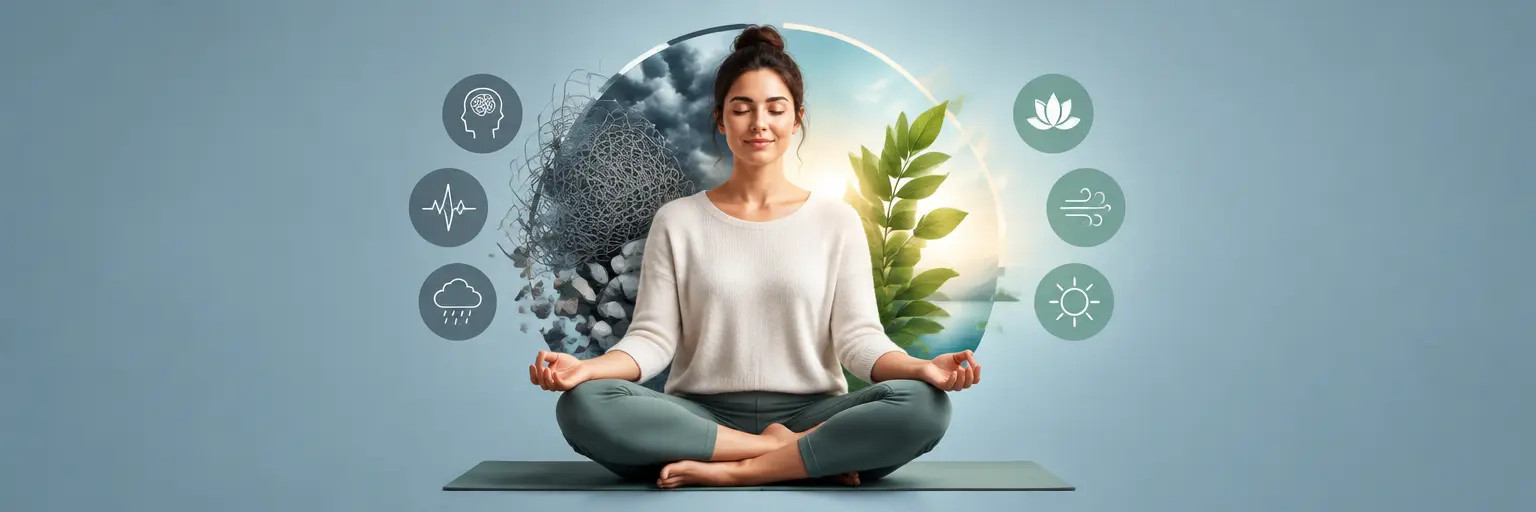
Stress Management Techniques are essential tools for navigating the pressures of modern life, from academic deadlines to workplace demands and personal challenges. Rooted in psychology and well-being, these practical strategies help you reduce anxiety, improve focus, and build emotional resilience—whether you’re a student juggling studies or a professional seeking balance. From evidence-based methods like mindful breathing, progressive muscle relaxation, and cognitive reframing to lifestyle shifts such as better sleep and time management, mastering these skills empowers you to transform stress from a disruptive force into a manageable, even motivating, part of your daily routine. Unlock the science behind calm and learn to thrive under pressure.

😊 Conquer crippling anxiety! This article provides practical strategies to manage anxiety and cultivate lasting calmness. Discover simple yet effective techniques to…
Read article
😊 Life transitions, from college to careers, trigger stress. This article explores effective coping mechanisms, providing practical strategies for managing life change…
Read articleWelcome to our Stress Management Techniques subcategory, part of the Psychology and Well-being section on Psychology Basics. Here, we break down evidence-based methods to help students, professionals, and everyday readers understand and reduce the harmful effects of chronic stress. From cognitive reframing to biofeedback, this page serves as your introductory roadmap to building resilience, improving emotional regulation, and restoring mental clarity—all grounded in psychological research and practical application.
This section dives into how your thoughts directly influence your stress response. You’ll learn about Cognitive Restructuring, a core technique in Cognitive-Behavioral Therapy (CBT), which helps you identify and challenge irrational beliefs that amplify anxiety. Instead of feeling overwhelmed by deadlines or social pressures, you’ll discover how to replace catastrophic thinking with balanced, realistic perspectives.
Beyond theory, we provide step-by-step exercises like the ABC model (Activating event, Beliefs, Consequences) and journaling prompts to track your mental patterns. Expect practical scripts for reframing common stressors, such as exam stress or interpersonal conflict. By mastering these cognitive tools, you’ll not only reduce immediate tension but also build long-term emotional agility—a key pillar of psychological well-being.
Mindfulness is no longer a fringe concept—it’s a scientifically backed stress reducer. Here, we explain the difference between focused attention (like breathing meditation) and open monitoring (like body scanning). You’ll receive guided instructions for starting a 5-minute daily practice, plus tips on integrating mindfulness into routine activities like eating or walking.
This subsection also covers the relaxation response, a physiological state that counteracts stress hormones. We highlight research showing how regular meditation lowers cortisol, reduces blood pressure, and improves sleep quality. Whether you’re a busy parent or a high-achieving student, you’ll find mini-practices that fit into any schedule, ensuring you can access calm even on chaotic days.
Stress lives in the body, not just the mind. This area emphasizes the bidirectional link between exercise, nutrition, sleep, and stress resilience. You’ll explore how aerobic exercise boosts endorphins and neuroplasticity, making your brain more adaptable to pressure. We also discuss the role of progressive muscle relaxation (PMR)—a technique that involves tensing and releasing muscle groups to release physical tension.
Additionally, we cover the impact of caffein and alcohol on anxiety, plus the importance of consistent sleep hygiene. Expect a simple habit-building plan that pairs stress reduction with daily routines. By optimizing your physical engine, you’ll create a biological buffer that makes every psychological technique more effective—turning your body into an ally, not a source of additional stress.
Much of our daily stress stems from feeling overwhelmed by tasks. This section applies psychological principles like the Eisenhower Matrix and Pomodoro Technique to help you regain a sense of control. Learn to distinguish between urgent and important activities, and discover how to break large projects into micro-steps that reduce procrastination anxiety.
We also discuss the psychological cost of multitasking, explaining how attention fragmentation elevates cortisol. You’ll practice time blocking and setting realistic boundaries to protect your mental energy. By mastering time, you don’t just finish tasks—you reduce the chronic anticipation of overload. These strategies are especially valuable for students juggling coursework and part-time jobs, offering a structured path to calm productivity.
Modern psychology leverages technology for stress awareness. This subsection introduces heart rate variability (HRV) biofeedback and skin conductance sensors—tools that show your physiological stress level in real time. We explain how these devices train you to self-regulate your autonomic nervous system, turning “invisible” stress into a measurable, controllable signal.
You’ll also learn about digital detox strategies and smartphone apps that guide breathing or progressive relaxation. While not a replacement for therapy, these technologies provide immediate feedback loops that reinforce healthy habits. Expect comparisons of popular devices and app-based methods, along with guidance on using them ethically without increasing screen-time anxiety. This high-tech approach is perfect for curious readers who enjoy data-driven self-improvement.
Immediate physiological relief (like lowered heart rate) can occur within minutes of deep breathing or PMR. However, lasting changes in stress reactivity typically take 4–6 weeks of consistent practice. Cognitive reframing often shows noticeable improvement in anxiety levels after two weeks, while mindfulness-based changes in brain structure may appear after 8 weeks. Patience is key—think of stress management as a fitness routine for your mind, not a quick fix.
No, many foundational techniques—such as deep breathing, journaling, and basic cognitive restructuring—can be self-taught using credible resources like ours. Yet for severe or chronic stress, a therapist can provide personalized guidance, correct misconceptions, and offer advanced tools like EMDR or exposure therapy. If symptoms interfere with daily functioning, professional help is strongly recommended. Self-help works best for everyday stress, not clinical anxiety disorders.
There is no one-size-fits-all answer. For most people, a combination of aerobic exercise (30 minutes, 5 days/week) and daily mindfulness meditation yields the strongest evidence. But individual preferences matter—if you hate exercise, a 10-minute brisk walk still helps. The most effective method is the one you consistently practice. We encourage experimenting with two or three techniques from different sections to find your personal “stress antidote.”
Yes, proactive use of these tools can significantly lower burnout risk, but they aren’t a cure for systemic workplace or school overload. Techniques help you set boundaries, improve recovery, and maintain emotional energy. However, if environmental demands are extreme, techniques alone may be insufficient. Combine personal practices with environmental changes, like negotiating deadlines or delegating tasks. The best approach is layered: manage your body, thoughts, and context simultaneously.
A robust body of peer-reviewed research supports CBT, mindfulness, exercise, and biofeedback for stress reduction. For example, a 2018 meta-analysis in Health Psychology Review confirmed mindfulness programs lower cortisol significantly. Similarly, biofeedback is validated by research from the Association for Applied Psychophysiology and Biofeedback. While individual experiences vary, the core principles are empirically grounded. We cite reputable sources throughout our articles, so you can trust the science behind each suggestion.