Understanding Special Education Through the Lens of Educational Psychology
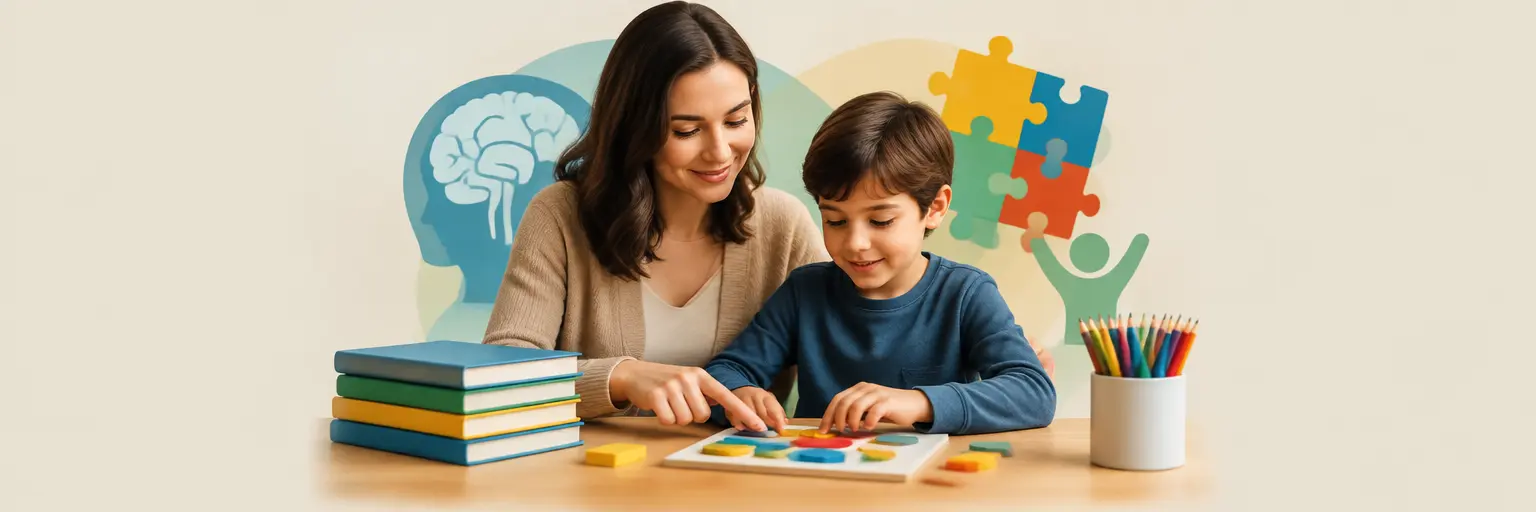
Special Education is a vital subcategory within Educational Psychology, focusing on how psychological principles, assessment tools, and instructional strategies are adapted to meet the unique learning needs of students with disabilities, giftedness, or exceptionalities. For students and general readers exploring Psychology Basics, this area bridges cognitive development, behavioral intervention, and inclusive pedagogy. Here, you’ll discover how school psychologists, special educators, and families collaborate to create individualized learning plans, support emotional regulation, and measure progress—all grounded in evidence-based research. Dive in to understand the "why" behind individualized education programs (IEPs), differentiated instruction, and the legal frameworks that protect every learner’s right to an equitable education.
🧠 Core Psychological Foundations of Special Education
At the heart of special education lies a deep understanding of developmental psychology, neurodiversity, and learning theories. Educational psychologists study how conditions like autism, ADHD, dyslexia, and intellectual disabilities affect information processing, memory, attention, and motivation. This knowledge helps practitioners distinguish between a learning difficulty and a learning disability, and it guides the design of evidence-based interventions. You’ll also explore the role of cognitive assessment tools—such as WISC-V or Woodcock-Johnson—used to identify strengths and weaknesses. Key takeaway: Special education is not about lowering standards but about modifying pathways, so each student can achieve meaningful academic and social success.
Moreover, this subcategory emphasizes the socio-emotional dimensions of learning. Anxiety, low self-esteem, and peer rejection often accompany disabilities, influencing academic performance. Educational psychology offers frameworks like Positive Behavioral Interventions and Supports (PBIS) to create safe, supportive classroom climates. By understanding proximal development (Vygotsky) and self-determination theory, you’ll see how educators scaffold tasks, set achievable goals, and foster intrinsic motivation. Expect to learn how psychological theories translate into daily classroom routines, from cueing systems for reading to visual schedules for students with executive function deficits.
🛠️ Assessment, Diagnosis, and Individualized Education Plans (IEPs)
Assessment in special education is a multidisciplinary, ongoing process that goes beyond IQ scores. This section explains the legal steps—from referral to eligibility determination—under the Individuals with Disabilities Education Act (IDEA). You’ll understand formal vs. informal assessments, including curriculum-based measurements, behavioral observations, and response-to-intervention (RTI) models. Critical for students: knowing how a psychologist’s report translates into measurable IEP goals, accommodation lists (e.g., extended time, alternative seating), and modifications (e.g., reduced reading load).
Also covered are the ethical and cultural considerations in testing. Overrepresentation of minority students in special education remains a hot topic, so you’ll examine bias in standardized tests and the push for culturally responsive assessment. Practical examples show how a psychologist might adjust testing protocols for a child with limited English proficiency or motor impairments. You’ll also explore how parents can advocate during IEP meetings, what to do if disagreements arise (due process), and how progress is monitored quarterly—making this an actionable guide for anyone new to the special education process.
🔁 Evidence-Based Instructional and Behavioral Strategies
This subsection zeroes in on classroom interventions proven through psychological research. You’ll encounter strategies like direct instruction, explicit modeling, mnemonic devices, and peer tutoring—each supported by cognitive load theory and spaced repetition. For students with autism, naturalistic developmental behavioral interventions (NDBI) and social stories are explained. Low-incidence disabilities (e.g., deaf-blindness) require assistive technology, from speech-to-text software to augmentative communication devices, which are also detailed here.
Behaviorally, you’ll learn about applied behavior analysis (ABA), token economies, and functional behavior assessments (FBAs). These psychological tools help reduce disruptive behaviors while increasing adaptive skills. Crucially, the content stresses positive, proactive approaches over punishment, aligning with mental health best practices. Real-world examples include handling a meltdown during a math lesson or encouraging a reluctant writer using choice boards. By the end, you’ll appreciate that effective special education is a blend of art (empathy and rapport) and science (data-driven decisions).
🤝 Collaboration, Inclusion, and Family-School Partnerships
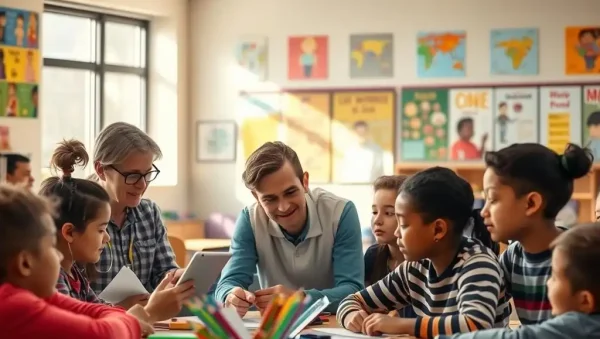
No special education program works in isolation. This section highlights the team model: special education teachers, general educators, speech therapists, occupational therapists, school counselors, and parents all contribute unique perspectives. You’ll examine co-teaching models (station teaching, parallel teaching) and how inclusive classrooms benefit not only students with disabilities but also their peers, fostering empathy and diverse thinking. Family involvement is shown to improve outcomes, so you’ll get tips on culturally sensitive communication, home-based reinforcement, and IRIS modules for training parents.
Beyond the classroom, this subcategory discusses transition planning—preparing students for post-secondary education, employment, and independent living starting at age 14. Psychological principles of self-advocacy and goal setting underpin these plans. You’ll also see how school psychologists mediate between families and school districts, ensuring legal compliance while maintaining trust. A case study of a successful inclusive middle school team illustrates these collaborative dynamics. Expect to leave with a clear understanding of your potential role—whether as a future teacher, psychologist, parent, or informed citizen—in this ecosystem.
📜 Legal, Ethical, and Policy Frameworks
Understanding special education requires navigating laws that protect student rights. This section breaks down IDEA, Section 504 of the Rehabilitation Act, the Americans with Disabilities Act (ADA), and the Every Student Succeeds Act (ESSA) in plain language. You’ll learn the difference between an IEP and a 504 plan, eligibility criteria for each, and the concept of Least Restrictive Environment (LRE). Ethical dilemmas—like when a parent refuses services or when a school district mandates seclusion—are discussed through a psychology lens, emphasizing dual roles and professional boundaries.
Also covered are recent policy trends, such as multi-tiered systems of support (MTSS) and universal design for learning (UDL), which aim to reduce unnecessary special education placements by making mainstream instruction more flexible. You’ll understand funding streams, accountability measures, and the impact of high-stakes testing on students with disabilities. Practical takeaways include how to file a complaint, what "free appropriate public education" (FAPE) truly means, and how to interpret a Notice of Procedural Safeguards. This section equips you to advocate effectively within systemic constraints.
Frequently Asked Questions
What is the difference between an IEP and a 504 plan?
An IEP (Individualized Education Program) is rooted in IDEA and provides specialized instruction plus related services for students with 13 specific disability categories that adversely affect learning. A 504 plan, under the Rehabilitation Act, offers accommodations for any disability that substantially limits a major life activity, without requiring modified instruction. IEPs have annual goals and are reviewed yearly; 504 plans focus solely on equal access and are often less formal.
Can a child with ADHD qualify for special education services?
Yes, if ADHD significantly impacts educational performance, the child may qualify under the "Other Health Impairment" category of IDEA. However, many students with ADHD receive a 504 plan instead, especially if their needs are met with accommodations like extra time, preferential seating, or breaks. A school psychologist conducts an evaluation to determine eligibility and the level of support required.
How do I know if my child needs a psychological evaluation for special education?
Signs include persistent academic struggles despite interventions, extreme difficulty with social interactions, severe emotional outbursts, or rapid skill loss. You can request a comprehensive evaluation in writing from your school district. They must respond within a reasonable timeframe (usually 15-30 days). The evaluation covers cognitive, academic, behavioral, and adaptive functioning to determine if a disability exists.
Is inclusion always the best placement for students with disabilities?
Inclusion is beneficial when the student can access the curriculum with supports and does not disrupt learning for others. However, the Least Restrictive Environment (LRE) principle means placement should be individualized. Some students thrive in separate classrooms for specific subjects, while others need full-time self-contained settings. The decision relies on data, the student's comfort, and progress toward IEP goals.
What role does an educational psychologist play in special education?
Educational psychologists conduct formal assessments, interpret results, diagnose learning and emotional disabilities, and recommend evidence-based interventions. They also provide counseling, train teachers on behavior plans, and facilitate team meetings. Their role is evaluative, consultative, and sometimes therapeutic—ensuring that every service aligns with psychological research and the student's unique capabilities.