Nature vs. Nurture: The Impact of Nutrition
🤔 Discover how nutrition profoundly impacts child psychology. This article explores the crucial interplay between diet and cognitive development, revealing how proper…
Read article

The Nature vs. Nurture Debate is one of psychology’s most enduring and captivating controversies—asking whether our genetics (nature) or our environment and experiences (nurture) shape who we truly are. This age-old question dives into the heart of human development, influencing everything from personality and intelligence to mental health and behavior. While early psychologists often took extreme sides, modern research reveals a far more nuanced picture: both forces interact dynamically, with genes influencing how we respond to environments and experiences altering gene expression through epigenetics. For students and curious readers, exploring this debate isn’t just about picking a winner—it’s about understanding how biology and experience weave together to create individuality. Dive in to uncover key theories, landmark studies (like twin and adoption research), and the practical implications for education, parenting, and therapy. Whether you’re a beginner or brushing up on core concepts, this topic challenges assumptions and enriches your view of human complexity. 🌱🧬
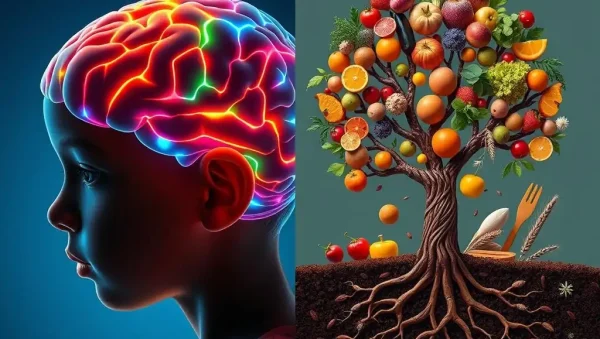
🤔 Discover how nutrition profoundly impacts child psychology. This article explores the crucial interplay between diet and cognitive development, revealing how proper…
Read article
🤔 Delve into the fascinating world of twin studies! This article explores how comparing identical and fraternal twins helps unravel the complex…
Read articleThe nature vs. nurture debate is one of psychology’s most enduring and controversial topics, asking how much of who we are comes from our genetics (nature) versus our environment and experience (nurture). For students and curious readers on Psychology Basics, this subcategory unpacks the scientific, philosophical, and practical implications of this debate. You’ll explore how modern research, from twin studies to epigenetics, has shifted the conversation from “either/or” to a nuanced interaction model. This page will guide you through key perspectives, real-world examples, and the latest evidence, helping you think critically about human development, personality, mental health, and identity.
This section clarifies the fundamental terms of the debate: nature refers to inherited biological factors, including DNA, brain chemistry, and prenatal influences, while nurture encompasses all environmental variables—parenting, culture, education, peer groups, and even trauma. Historically, philosophers like John Locke championed the tabula rasa (blank slate) view, whereas Galton emphasized hereditary genius. Today, psychologists agree that virtually every trait—from intelligence to shyness—results from a complex interplay, not a simple split. You’ll learn why framing it as a false dichotomy is outdated and how scientists now quantify heritability percentages, such as the ~50% heritability of IQ, while acknowledging that environment triggers or suppresses genetic potential.
For beginners, this foundation is crucial because it avoids oversimplified memes about “nature wins” or “nurture wins.” Instead, you’ll grasp that genes set the range of possibilities, while environment determines where within that range you land. For example, a child with a genetic predisposition to tallness may still be shorter if malnourished. The H3 also introduces the concept of reaction range and differential susceptibility, explaining why some individuals are more responsive to positive or negative environments. This sets the stage for deeper research, including landmark studies you’ll encounter later.
One of the most powerful ways psychologists separate nature from nurture is by studying identical twins raised apart and comparing them to fraternal twins or siblings. These studies consistently show striking similarities in IQ, personality traits, and even hobbies between separated identical twins, suggesting a strong genetic influence. For instance, the Minnesota Study of Twins Reared Apart found that twins raised in different homes had correlation coefficients around .70 for intelligence, much higher than would be expected from environment alone. However, you’ll also see that identical twins raised together are even more similar, proving nurture adds a unique layer.
Adoption studies offer a complementary lens—if adopted children resemble their biological parents more than adoptive ones, nature is implicated; if they resemble adoptive siblings, nurture is key. A classic finding is that adopted children’s IQ correlates more strongly with biological mothers, but their academic achievement and motivation can be shaped by the adoptive home. This section demystifies the methodology, highlighting strengths (e.g., controlled comparisons) and caveats (e.g., prenatal environment, selective placement). You’ll walk away knowing why these studies are not “proof” but powerful evidence, and how they have fueled the heritability coefficient—a statistic measuring the proportion of variance in a trait due to genes.
Modern neuroscience has replaced the old debate with epigenetics—the study of how environmental factors turn genes on or off without changing the DNA sequence. For example, chronic stress can methylate genes related to the stress response, making a person more reactive to anxiety later in life. This means that nurture literally alters how nature expresses itself. The famous rat licking study by Michael Meaney showed that maternal care affects the expression of the glucocorticoid receptor gene, impacting stress resilience. This finding has profound implications for trauma, childhood neglect, and even psychotherapy—the brain remains plastic throughout life.
Additionally, the concept of gene-environment correlation clarifies that individuals actively shape their environments based on their genetic tendencies. For instance, a naturally outgoing child (nature) seeks social situations (nurture), which further enhances social skills. Passive, evocative, and active gene-environment correlations are all explained here with relatable examples. This section is essential for understanding why simple “nature vs nurture” predicts fail—because genes and environment are in constant dialogue, not separate forces. You’ll also explore how epigenetic changes can be inherited across generations, adding a new layer to the debate over ancestral trauma.
This H3 brings the debate down to daily life, focusing on three hot-button domains. For personality, the Big Five traits show heritability of 40–60%, yet childhood experiences, cultural norms, and life events reshape how traits manifest—e.g., an introvert can become more assertive with training. For intelligence, the debate is most heated; you’ll learn that while general intelligence (g) is highly heritable (~80% in adults), educational access, nutrition, and cognitive stimulation in early childhood can significantly boost IQ scores, especially in disadvantaged groups. This is called the Flynn effect—the rise in IQ over generations due to environmental improvements.
In mental health, the debate matters for diagnosis and treatment. Schizophrenia and bipolar disorder have strong genetic links, but environmental triggers like cannabis use or urban upbringing can precipitate episodes. Conversely, resilience—the ability to thrive despite adversity—is partly genetic but largely shaped by supportive relationships and coping skills. This section emphasizes that practitioners now use biopsychosocial models, integrating genetics, psychology, and social factors. For readers, this means you can appreciate why no single cause explains mental illness and why personalized treatments (e.g., therapy + medication + lifestyle changes) are more effective than a one-size-fits-all approach.
The nature vs nurture debate extends far beyond labs—it affects public policy, parenting styles, and social justice. For example, if intelligence is seen as “mostly genetic,” policymakers may underinvest in early education; if it’s deemed “malleable,” they may allocate more resources. Similarly, the debate influences criminal responsibility: are violent tendencies biologically predetermined or learned? This section examines ethical pitfalls, such as eugenics, racial theories, and “naturalistic fallacies” that claim what is natural is good. You’ll also explore cultural differences—some societies emphasize kinship influence (nurture), while others stress the “bloodline” (nature), which shapes child-rearing and even courtship.
Moreover, the rise of precision medicine and genetic testing has reignited concerns about privacy, discrimination, and fatalism. If a person learns they carry a “risk gene” for obesity, do they give up on healthy habits? Psychologists argue that knowing one’s genetic predispositions can empower proactive behavior, but only if coupled with a growth mindset. This section also covers the critical period vs. sensitive period debate—whether early childhood is the only window for learning, or if adolescence and adulthood remain plastic. You’ll gain a balanced view that respects scientific nuance while acknowledging real-world consequences for individuals and societies.
Yes, but it has evolved into a more sophisticated question: “How do genes and environment interact?” Most psychologists reject a simple binary and instead study gene-environment correlations and interactions. The debate remains relevant because it influences research funding, therapeutic approaches, and public policy, especially after the human genome project revealed that most traits are polygenic and highly context-dependent.
Height is largely determined by genetics (about 80% heritable), but nutrition and health during growth influence final stature. Personality, however, is more malleable—heritability is around 40–60%, and life experiences, therapy, and deliberate practice can shift traits like extraversion or neuroticism. Neuroplasticity allows the brain to reorganize, so nurture consistently shapes personality over a lifetime.
A heritability coefficient (ranging from 0 to 1) estimates the proportion of variation in a trait within a specific population that is due to genetic differences. For example, a heritability of .50 for anxiety means half of the differences between people are genetic. It does not mean that 50% of an individual’s anxiety is genetic—it’s a population-level statistic that changes with environment.
Twin studies show strong genetic influences, but they do not prove nature dominates. For instance, identical twins raised apart still differ in many traits, meaning environment matters. A classic example: the Bouchard twins share similar jobs and hobbies, but they also diverge in political views or religious beliefs, indicating that unique experiences (nurture) shape those areas.
Epigenetics involves chemical markers that attach to DNA and alter gene expression. Stress, trauma, or nutrition can add or remove these markers, and some can be inherited. For example, children of Holocaust survivors show altered methylation in stress-related genes, making them more vulnerable to anxiety—without inheriting the trauma event itself, they inherit a biological sensitivity, illustrating how nurture becomes nature.