
Cognitive Behavioral Therapy for Insomnia: A Practical Guide


Welcome to Psychology Basics, your gateway to understanding the fascinating world of the human mind. Are you struggling with sleepless nights? Discover how the power of your thoughts can impact your sleep with our comprehensive CBT insomnia self-help guide. We'll unravel the mysteries of Cognitive Behavioral Therapy and equip you with practical techniques to conquer insomnia and reclaim restful nights. Dive in and unlock the secrets to a better night's sleep!
Insomnia, the frustrating inability to fall asleep or stay asleep, affects millions worldwide. The persistent struggle for restful sleep impacts not only daily functioning but also overall mental and physical health. While various treatments exist, Cognitive Behavioral Therapy for Insomnia (CBT-I) stands out as a highly effective, long-term solution that empowers individuals to take control of their sleep.
This practical guide provides a foundational understanding of CBT-I, outlining its core principles and techniques for self-help, making it your go-to resource for conquering insomnia and improving your sleep quality. This guide focuses specifically on self-help strategies, empowering you to manage your insomnia effectively using proven CBT-I techniques. We'll explore the "CBT insomnia self-help guide" approach, equipping you with the knowledge and tools to reclaim your restful nights.
Understanding CBT-I: A Self-Help Approach to Better Sleep
CBT-I is not about simply counting sheep or relying on sleeping pills. It's a structured, evidence-based approach that targets the underlying thoughts, feelings, and behaviors that contribute to insomnia. Instead of masking the problem, CBT-I addresses the root causes. This self-help guide will walk you through several key components, helping you identify and modify unhelpful sleep habits. The core principle revolves around the idea that our thoughts and behaviors directly influence our sleep.
By changing negative thought patterns and developing healthy sleep habits, we can significantly improve sleep quality. This is a proactive, long-term solution, unlike quick fixes that often lead to relapse. We'll explore techniques you can implement immediately to start improving your sleep tonight. Think of it as a personalized sleep retraining program, tailored to your individual needs.
What is Cognitive Behavioral Therapy for Insomnia (CBT-I)?
CBT-I tackles insomnia by addressing two main areas: cognitive and behavioral factors.
The cognitive component focuses on identifying and challenging negative thoughts and beliefs about sleep. Common unhelpful thoughts include: "I have to sleep eight hours," or "If I don't sleep well tonight, I'll be useless tomorrow." CBT-I helps you reframe these thoughts into more realistic and helpful ones. For example, replacing "I have to sleep eight hours" with "Getting 6-7 hours of quality sleep is a reasonable goal" can significantly reduce anxiety surrounding sleep.
The behavioral component involves changing sleep habits that might be hindering restful sleep. This often includes:
- Stimulus control therapy: Creating a relaxing bedtime routine and associating your bed solely with sleep and sex.
- Sleep restriction therapy: Temporarily reducing time in bed to consolidate sleep and improve sleep efficiency.
- Relaxation techniques: Practicing progressive muscle relaxation or mindfulness meditation to reduce physical and mental tension before bed.
- Sleep hygiene education: Learning about optimal sleep practices, such as maintaining a regular sleep schedule and creating a conducive sleep environment.
This integrated approach ensures a holistic and effective treatment for insomnia. The beauty of CBT-I is its adaptability; the techniques can be adjusted to fit individual needs and preferences, making it a powerful self-help tool.
Why Choose CBT-I for Insomnia Treatment?
Choosing CBT-I for insomnia offers several compelling advantages over other treatments:
| Advantage | Description |
|---|---|
| Long-term effectiveness | CBT-I provides lasting results by teaching you skills to manage insomnia independently, reducing reliance on medication or other short-term fixes. |
| No medication required | CBT-I is a drug-free therapy, avoiding potential side effects associated with sleep medications. |
| Empowerment | You become actively involved in your treatment, learning to identify and address the root causes of your insomnia. |
| Improved sleep quality | CBT-I focuses not only on the quantity but also the quality of sleep, leading to more restorative and refreshing rest. |
| Holistic approach | CBT-I addresses both the mental and behavioral aspects of insomnia, providing a comprehensive and effective solution. |
Unlike other treatments that might offer temporary relief, CBT-I equips you with the tools and strategies to manage your insomnia long-term. It's an investment in your sleep health and overall well-being, leading to improved energy levels, mood, and cognitive function. This makes CBT-I a superior choice for anyone seeking a sustainable solution to their sleep problems. The journey to better sleep starts now! 🎉
- Understanding CBT-I: A Self-Help Approach to Better Sleep
- What is Cognitive Behavioral Therapy for Insomnia (CBT-I)?
- Why Choose CBT-I for Insomnia Treatment?
Step-by-Step CBT-I Self-Help Guide: Implementing the Core Techniques

This section provides a practical, step-by-step guide to implementing Cognitive Behavioral Therapy for Insomnia (CBT-I) techniques at home. This self-help approach empowers you to manage your insomnia and improve your sleep quality. Remember, consistency is key to success with CBT-I. While this guide offers a framework, individual needs may vary, and professional guidance is always recommended for severe or persistent insomnia.
Step 1: Sleep Diary - Monitoring Your Sleep Patterns
Accurate sleep tracking is fundamental to CBT-I. A sleep diary allows you to identify patterns and triggers contributing to your insomnia. This detailed record provides valuable insights for tailoring your treatment plan. By understanding your sleep patterns, you can better target interventions. This process is crucial for a successful CBT-I self-help journey.
How to Keep a Detailed Sleep Diary for Insomnia
Maintaining a sleep diary involves meticulously recording specific information each day. This isn't just about noting when you went to bed and woke up; it's about capturing the nuances of your sleep experience. Consider including the following:
- Bedtime: The exact time you got into bed.
- Time Asleep: How long it took to fall asleep.
- Wake-Up Times: Note all instances of waking up during the night, even brief ones.
- Total Sleep Time: Calculate your total sleep duration.
- Time Spent Awake in Bed: Record this separately from total sleep time.
- Morning Awakening Time: The exact time you got out of bed.
- Sleep Quality Rating: Rate your sleep quality on a scale of 1-10 (1 being very poor, 10 being excellent).
- Daytime Sleepiness: Note any feelings of daytime sleepiness or fatigue.
- Caffeine and Alcohol Consumption: Record your intake of caffeine and alcohol.
- Physical Activity: Note the type and duration of any physical activity.
- Stress Levels: Rate your stress level on a scale of 1-10.
- Medications: List any medications you took that may affect sleep.
- Other Relevant Information: Include any other factors you believe might be influencing your sleep.
You can use a simple notebook or a spreadsheet to record this data. The key is consistency—aim to fill out your diary every day for at least two weeks to establish a clear pattern.
Using Sleep Diary Apps for Data Analysis
Numerous smartphone apps are designed to assist with sleep tracking and data analysis. These apps often offer features beyond a basic sleep diary, such as sleep cycle tracking, sleep sound recordings, and even personalized recommendations. While helpful, remember that these apps should supplement, not replace, your detailed sleep diary entries. They can assist in visualizing trends, but the richness of detail in a manually kept diary offers a deeper understanding of your individual sleep patterns. Select an app that aligns with your needs and preferences, considering factors like ease of use, data privacy, and features offered.
Step 2: Stimulus Control Therapy - Reassociating Bed with Sleep
Stimulus control therapy aims to recondition your body and mind to associate your bed solely with sleep and sex. This involves establishing consistent sleep habits and eliminating behaviors that interfere with sleep in bed. This technique helps break the cycle of negative associations with your bedroom and promotes relaxation.
Creating a Sleep-Conducive Bedroom Environment
Your bedroom should be a sanctuary for rest and relaxation. To foster this environment, consider these factors:
- Temperature: Maintain a cool, comfortable temperature.
- Darkness: Ensure the room is dark, using blackout curtains if necessary.
- Noise: Minimize noise disruptions using earplugs or a white noise machine.
- Comfort: Invest in comfortable bedding and pillows.
- Cleanliness: Keep your bedroom clean and clutter-free.
- Light: Avoid bright light exposure before bed.
By optimizing your bedroom environment, you create a space conducive to sleep, reducing distractions and promoting relaxation.
Breaking the Cycle of Lying Awake in Bed
The common mistake of lying in bed awake for extended periods needs to be addressed. If you can't fall asleep within 20 minutes, get out of bed. Go to another room and engage in a relaxing activity like reading (avoid screens! ), listening to calming music, or gentle stretching. Only return to bed when you feel sleepy. This prevents the bed from becoming associated with frustration and wakefulness, reinforcing the link between your bed and sleep. This strategy requires patience and consistency but proves highly effective over time in re-establishing healthy sleep patterns and reducing sleep onset latency.
Step 3: Sleep Restriction Therapy - Improving Sleep Efficiency
Sleep restriction therapy is a cornerstone of CBT-I, designed to consolidate your sleep and improve its efficiency. The core principle is to temporarily restrict your time in bed to match your actual sleep time, thereby increasing your sleep drive and making your sleep more valuable. This isn't about depriving yourself of sleep; it's about strategically manipulating your sleep-wake cycle to enhance its natural rhythm.
You'll be aiming for a higher sleep efficiency – the percentage of time you spend actually asleep while in bed. Low sleep efficiency often indicates underlying insomnia issues. By restricting your time in bed, you'll naturally increase your sleep pressure, making it easier to fall asleep and stay asleep.
This technique is most effective when combined with other CBT-I strategies, creating a synergistic effect that tackles both behavioral and cognitive aspects of insomnia. Remember, consistency is crucial for success with sleep restriction. Any deviation from your schedule can disrupt the process and negate the benefits.
Determining Your Ideal Sleep Window
Before beginning sleep restriction, you need to accurately calculate your ideal sleep window. This involves meticulously tracking your sleep for a week or two, noting your bedtime and wake-up time, and the total time you actually spent asleep. Use a sleep diary or a sleep tracking app to maintain accurate records.
Let's say, after two weeks of tracking, you find that you're averaging 5 hours of actual sleep per night, even though you're spending 8 hours in bed. Your sleep efficiency is therefore 62.5% (5 hours/8 hours * 100%). Your new sleep window will be based on that 5 hours of actual sleep.
This calculation is key to the success of the therapy; inaccurate calculations could lead to increased sleep deprivation and hinder the process. It is important to be honest and accurate in your sleep tracking to get the best possible results. Consult a sleep specialist or therapist if you are unsure how to correctly calculate your sleep window.
Gradually Increasing Sleep Time to Reduce Insomnia
Once you've established your ideal sleep window (based on your average sleep time, not your desired sleep time), you'll adhere to this restricted sleep schedule for several weeks. As your sleep efficiency improves – as indicated by consistently falling asleep quickly and waking up feeling refreshed – you'll gradually increase your time in bed by 15-30 minutes every few days. This gradual increase allows your body to adjust to the longer sleep duration without disrupting the progress made during the initial restriction phase.
The goal is to gradually reach a healthy sleep duration, typically 7-9 hours, while maintaining a high sleep efficiency. This gradual approach is crucial; a sudden increase could lead to a relapse of insomnia symptoms.
Regular monitoring of your sleep through a sleep diary remains essential throughout this phase to ensure you're progressing effectively and to make necessary adjustments to your sleep schedule as needed. Patience and consistency are key to successful implementation of this phase and achieving long-term sleep improvement.
Step 4: Cognitive Therapy - Challenging Negative Thoughts About Sleep
Cognitive therapy in CBT-I addresses the negative thoughts and beliefs that contribute to insomnia. These thoughts can create a vicious cycle of anxiety and sleeplessness. By identifying and challenging these unhelpful thought patterns, you can break free from this cycle and improve your sleep. This involves actively recognizing and reframing your thoughts about sleep, replacing negative and catastrophic thinking with more realistic and balanced perspectives. This process requires self-awareness, introspection, and a willingness to challenge your ingrained beliefs about sleep. Many find journaling helpful in tracking their thoughts and identifying recurring negative patterns.
Identifying and Reframing Sleep-Related Anxieties
Common sleep-related anxieties include fears of not falling asleep, worries about the consequences of sleep deprivation, and catastrophic thinking about the impact of sleeplessness on daily life. Identifying these anxieties is the first step towards managing them. Ask yourself: What are my specific worries about sleep? What are the worst-case scenarios I imagine?
Are these worries realistic or exaggerated? Once you've identified these anxieties, you can start challenging their validity. For example, if you worry about not being able to function without 8 hours of sleep, challenge this by reflecting on times you've functioned well on less sleep. This process requires self-compassion and the understanding that these anxieties are often based on distorted perceptions.
Techniques for Managing Pre-Sleep Worry and Rumination
Pre-sleep worry and rumination are common obstacles to good sleep. Techniques such as mindfulness meditation, progressive muscle relaxation, and cognitive restructuring can help manage these. Mindfulness involves focusing on the present moment, rather than dwelling on anxieties about the future or regrets about the past. Progressive muscle relaxation involves systematically tensing and releasing different muscle groups to reduce physical tension, which often accompanies mental stress.
Cognitive restructuring involves actively challenging and reframing negative thoughts, replacing them with more positive and realistic ones. These techniques can be practiced regularly, not just before bed, to build resilience against sleep-related anxieties and improve overall mental well-being. Consistency in practice is key to developing these skills and reaping their benefits. Consider exploring guided meditation apps or seeking professional guidance to learn these techniques effectively.
Step 5: Relaxation Techniques for Enhanced Sleep
Insomnia often stems from a cycle of anxiety and heightened arousal. Relaxation techniques are crucial components of CBT-I, helping to break this cycle and prepare the body and mind for sleep. These techniques aren't about forcing sleep, but about cultivating a state of calm and reducing the physiological symptoms of anxiety that interfere with sleep onset. Consistent practice is key to reaping the benefits.
It's important to remember that relaxation isn't a passive activity; it requires active engagement and mindful focus. The more you practice, the more effective these techniques will become in managing your insomnia and improving your overall sleep quality. The goal is to create a reliable pre-sleep routine that signals to your body that it's time to wind down and prepare for rest. This consistent routine helps regulate your circadian rhythm, making it easier to fall asleep and stay asleep.
Practicing Progressive Muscle Relaxation Before Bed
Progressive muscle relaxation (PMR) is a highly effective technique for reducing muscle tension, a common contributor to insomnia. The process involves systematically tensing and releasing different muscle groups in your body. Start by finding a comfortable position, either lying down or sitting in a chair. Begin with your toes, tensing the muscles for a count of five, then releasing the tension for a count of 30.
Notice the difference between the tension and the release. Gradually move up your body, tensing and releasing muscles in your feet, calves, thighs, buttocks, abdomen, chest, shoulders, arms, hands, neck, and face. Focus on the sensations of tension and release in each muscle group. Deep, controlled breathing is crucial throughout the exercise.
Many find it helpful to repeat the process twice for a more profound relaxation effect. Regular practice of PMR before bed can significantly reduce physical tension and promote a more relaxed state conducive to sleep. Consistency is vital; aim for at least 15-20 minutes each night to experience the full benefits. You might find it helpful to use a guided PMR audio track, especially when starting out.
Using Guided Meditations to Calm the Mind
Guided meditation offers a powerful way to quiet the racing thoughts that often prevent sleep. These meditations typically involve a narrator guiding you through a series of visualizations, breathing exercises, and affirmations designed to promote relaxation and reduce mental chatter. The focus is on directing your attention away from worries and anxieties and towards a sense of calm and peace. Numerous guided meditation apps and online resources offer sleep-focused meditations tailored to insomnia.
Choose a meditation that resonates with you and fits your preferences. Some prefer nature soundscapes, while others find focused attention exercises more effective. Experiment with different types of guided meditations to find what works best for you. The key is to find a quiet space where you can lie down comfortably and focus on the narrator's instructions.
Regular practice can significantly improve your ability to quiet your mind and prepare for sleep. Even short, 5-10 minute sessions can be beneficial, particularly if incorporated into your pre-sleep routine. Remember, the goal is not to empty your mind completely, but to gently redirect your attention away from stressful thoughts and towards a state of peaceful awareness. The calming effect of guided meditation can significantly contribute to improving sleep quality and reducing the symptoms of insomnia.
Integrating CBT-I with Other Sleep Hygiene Practices
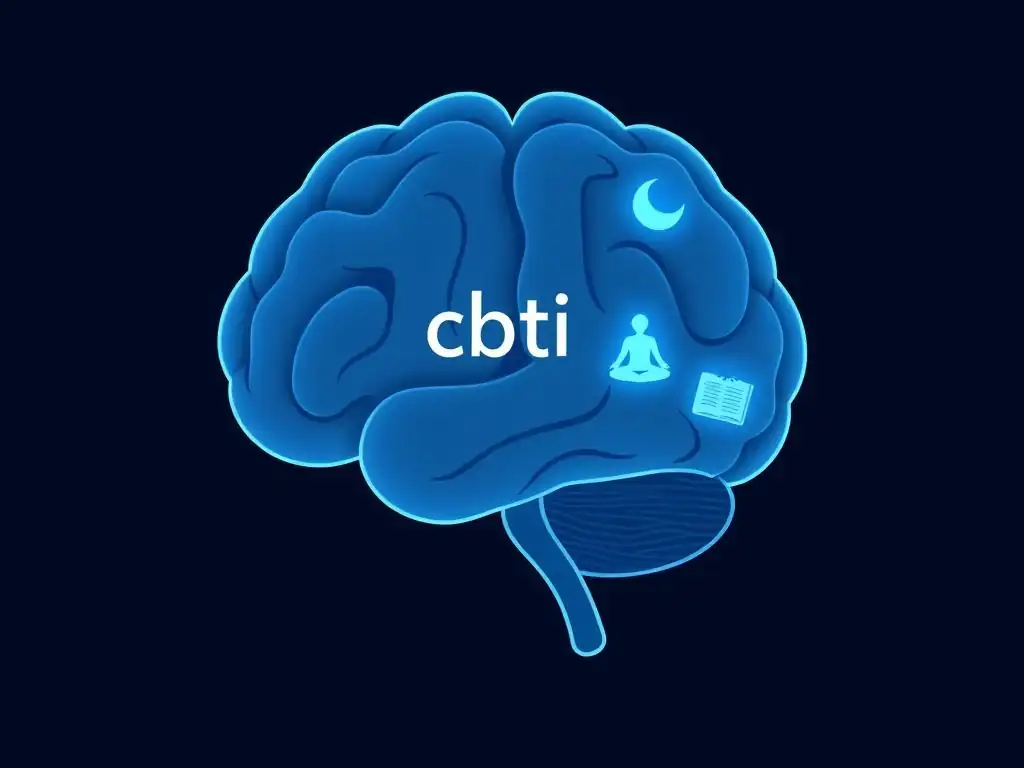
Cognitive Behavioral Therapy for Insomnia (CBT-I) is a powerful tool, but its effectiveness is significantly amplified when combined with robust sleep hygiene practices. Think of CBT-I as the strategic plan, and sleep hygiene as the tactical execution. Both are crucial for achieving long-term sleep improvements. This section explores how to seamlessly integrate CBT-I techniques with other essential sleep-promoting behaviors.
Successfully managing insomnia often requires a multifaceted approach, addressing both the psychological and environmental factors contributing to sleep difficulties. This holistic strategy maximizes the chances of achieving lasting relief and improving overall sleep quality. Remember, consistency is key—both in applying CBT-I techniques and maintaining good sleep hygiene.
Optimizing Your Sleep Environment for Improved Insomnia
Creating a sleep sanctuary is vital for effective CBT-I. Your bedroom should be a haven of relaxation, free from distractions that interfere with your ability to fall asleep and stay asleep. This involves actively managing environmental factors that can disrupt your sleep cycle. Consider these key aspects of optimizing your sleep environment:
The Role of a Comfortable Mattress
The foundation of a good night's sleep is a comfortable mattress. A worn-out or unsuitable mattress can significantly contribute to discomfort and restless sleep, hindering the effectiveness of CBT-I. Investing in a high-quality mattress that provides adequate support and conforms to your body type is a worthwhile investment in your sleep health. Consider factors like mattress firmness, materials (memory foam, latex, innerspring), and size to find the perfect fit for your individual needs. Think about how a supportive mattress can reduce tossing and turning, directly addressing a common symptom of insomnia. Data suggests that individuals with better mattress quality report significantly improved sleep quality and reduced insomnia symptoms. 1
Using a White Noise Machine to Block Disruptive Sounds
External noises—traffic, neighbors, even the ticking of a clock—can be major sleep disruptors. A white noise machine can effectively mask these distracting sounds, creating a more peaceful and conducive sleep environment. The consistent, low-level sound helps to drown out sudden, jarring noises that might jolt you awake. White noise can also help to reduce the perception of other environmental stimuli, promoting relaxation and improving sleep onset latency.
This strategy complements CBT-I by addressing a significant environmental factor contributing to insomnia. Many white noise machines offer a variety of soundscapes, from pure white noise to nature sounds, allowing you to customize your auditory environment to your preference. Experiment to find the sound level and type that best suits your needs.
The Importance of Consistent Sleep Schedules
Maintaining a regular sleep-wake schedule is paramount for regulating your body's natural sleep-wake cycle (circadian rhythm). This is especially crucial when using CBT-I, as consistent sleep patterns help to reinforce the positive sleep associations that CBT-I aims to establish. Going to bed and waking up around the same time each day, even on weekends, helps to stabilize your circadian rhythm. This consistency signals to your body when it's time to sleep and when it's time to wake up, promoting more regular and efficient sleep.
Irregular sleep schedules can disrupt this rhythm, leading to sleep fragmentation and increased insomnia symptoms. Think of it as training your body's internal clock for optimal sleep performance. The benefits of a consistent sleep schedule are widely documented in sleep medicine research, demonstrating a significant positive correlation with improved sleep quality and reduced insomnia severity. This consistency directly supports the long-term efficacy of CBT-I.
1 [Specific information pending: Reference needed for data on mattress quality and sleep improvement]
Diet and Exercise Considerations for Better Sleep Quality
Maintaining a healthy diet and regular exercise routine are crucial components of successful CBT-I, significantly impacting sleep quality. These lifestyle factors interact intricately with the cognitive and behavioral aspects of insomnia. For example, consuming caffeine or alcohol close to bedtime can disrupt the sleep cycle, leading to difficulty falling asleep and frequent awakenings.
This directly contradicts the behavioral techniques of CBT-I which aim to establish a consistent sleep-wake schedule and create a relaxing bedtime routine. Therefore, mindful dietary choices are essential for optimizing the effectiveness of CBT-I. A balanced diet, rich in fruits, vegetables, and whole grains, provides the body with the necessary nutrients for healthy sleep regulation, while minimizing the consumption of stimulants and heavy meals before bed.
This isn't just about avoiding caffeine; it's about fostering a mindful relationship with food, recognizing how different foods affect energy levels and sleep patterns. Keeping a food diary can be a helpful tool in identifying potential dietary triggers for sleep disturbances.
Regular physical activity also plays a vital role in improving sleep quality. Exercise, however, should be strategically timed. Intense workouts close to bedtime can be counterproductive, increasing alertness and making it difficult to fall asleep.
Optimal timing for exercise is generally considered to be several hours before bedtime, allowing the body to wind down naturally. The type of exercise also matters; vigorous activities might be less suitable in the evening compared to gentler exercises like yoga or a relaxing walk. The benefits of exercise extend beyond the immediate physiological effects; regular physical activity contributes to reducing stress and anxiety, which are often significant contributors to insomnia.
By reducing stress levels, exercise indirectly enhances the effectiveness of the cognitive restructuring techniques employed in CBT-I, helping individuals to challenge negative thoughts and beliefs about sleep. The key is to find an exercise routine that is enjoyable, sustainable, and timed effectively to complement the CBT-I program. Finding this balance between sufficient activity and avoiding late-night exertion is a crucial step in managing insomnia effectively.
Troubleshooting Common Challenges with CBT-I Self-Help
This section addresses common hurdles encountered when using Cognitive Behavioral Therapy for Insomnia (CBT-I) self-help resources. Successfully implementing CBT-I requires commitment and self-discipline; understanding potential challenges upfront can significantly increase your chances of success. This guide focuses on practical strategies to overcome these obstacles and maximize the effectiveness of your self-help CBT-I journey. Remember, consistency is key.
Dealing with Initial Sleep Restriction Difficulties
Sleep restriction, a core component of CBT-I, involves limiting your time in bed to match your actual sleep time. This can feel counterintuitive initially, especially if you're used to spending many hours in bed without sleeping. Many individuals report feeling more tired during the initial phase of sleep restriction. This is expected and temporary. The goal is to consolidate your sleep, making the time you are in bed more efficient.
The most common challenge is the initial period of increased daytime sleepiness. This can be managed by:
- Prioritizing sleep hygiene: Maintain a consistent sleep schedule, even on weekends. Avoid caffeine and alcohol close to bedtime. Create a relaxing bedtime routine.
- Engaging in light exercise: Regular physical activity can improve sleep quality, but avoid intense workouts close to bedtime.
- Breaking down the day: Structure your day with regular activities to keep you engaged and prevent excessive napping.
- Mindfulness techniques: Practicing mindfulness can help you manage daytime sleepiness and improve your overall well-being. Even short meditation sessions can make a difference.
It’s crucial to persevere. The initial discomfort is often a temporary phase. As your sleep efficiency improves, the daytime sleepiness will gradually decrease. Keep a sleep diary to monitor your progress and identify any patterns or triggers. This data will help you refine your approach and adjust accordingly.
Overcoming Setbacks and Maintaining Motivation
Even with the best intentions, setbacks are possible. Life stress, illness, or unexpected events can disrupt your sleep and derail your CBT-I progress. The key is to view setbacks not as failures, but as opportunities for learning and adjustment.
A common setback is experiencing a "bad night" or a period of poor sleep. This doesn't mean you've failed; it simply means you need to re-evaluate your approach. Possible strategies include:
- Review your sleep diary: Identify potential triggers or patterns that contributed to the setback.
- Adjust your sleep schedule: Small adjustments might be needed to re-align with your natural sleep rhythm.
- Re-engage with relaxation techniques: Re-establish your bedtime routine and focus on relaxation techniques to promote sleep.
- Seek support: Talk to a friend, family member, or online support group for encouragement and accountability.
Maintaining motivation is crucial for long-term success. To stay motivated, consider these tips:
- Set realistic goals: Don't try to change everything overnight. Focus on small, achievable goals.
- Celebrate your successes: Acknowledge and reward yourself for your progress, no matter how small.
- Visualize success: Imagine yourself sleeping soundly and waking up refreshed.
- Remember your "why": Reflect on the reasons why improving your sleep is important to you.
When to Seek Professional Help Beyond Self-Help CBT-I
While self-help CBT-I can be effective for many, it's not a one-size-fits-all solution. There are instances where professional help is beneficial:
| Situation | Reason |
|---|---|
| Severe insomnia or comorbid conditions | Self-help might be insufficient for managing complex sleep disorders or co-occurring mental health conditions. |
| Lack of progress despite self-help efforts | Professional guidance can help identify and address underlying issues hindering progress. |
| Difficulty implementing CBT-I techniques | A therapist can provide personalized support and tailored strategies to overcome specific challenges. |
| Significant life stressors | Professional support can help manage stress levels and improve coping mechanisms that impact sleep quality. |
If you're struggling to make progress with self-help CBT-I, or if your insomnia is significantly impacting your daily life, seeking professional help from a psychologist or sleep specialist is recommended. They can provide a more comprehensive assessment and personalized treatment plan tailored to your specific needs. Remember, seeking help is a sign of strength, not weakness. Prioritizing your mental and physical health is essential for overall well-being.
Tools and Resources for Your CBT-I Journey
This section provides a curated list of tools and resources to support your self-guided journey through Cognitive Behavioral Therapy for Insomnia (CBT-I). Remember, while these resources can be incredibly helpful, they are not a replacement for professional guidance. If you are struggling significantly with insomnia, seeking help from a qualified therapist is crucial. This self-help guide is intended to supplement, not substitute, professional care.
Recommended Books on CBT for Insomnia
Finding the right book can significantly enhance your understanding and application of CBT-I principles. Here are a few highly-rated options catering to different learning styles and levels of detail:
- Option 1: A beginner-friendly, concise guide.: This book prioritizes accessibility, offering clear explanations and practical exercises suitable for those new to CBT-I. It often includes real-life examples and case studies to make the concepts relatable. Expect a focus on core techniques with minimal technical jargon. 😴
- Option 2: A comprehensive, in-depth exploration.: This option dives deeper into the theoretical underpinnings of CBT-I, providing a more thorough understanding of the mechanisms behind the techniques. It might include more complex exercises and advanced strategies, ideal for those who want a more complete grasp of the subject. Expect a more academic tone and potentially more challenging exercises. 📖
- Option 3: A workbook-style approach.: This book emphasizes hands-on application, featuring numerous worksheets and exercises to guide you through the process. It's perfect for those who prefer a practical, step-by-step approach to learning and implementing CBT-I techniques. Expect a highly interactive experience with regular self-assessment opportunities. ✍️
Online CBT-I Programs and Their Benefits
The digital age offers numerous online CBT-I programs, providing accessibility and flexibility. These programs often incorporate interactive modules, guided exercises, and progress tracking features. Here's a breakdown of their advantages:
- Convenience and Flexibility: Access the program anytime, anywhere, fitting it seamlessly into your schedule. No more commuting to therapy sessions! 💻
- Affordability: Online programs are often more cost-effective than traditional in-person therapy, making CBT-I accessible to a wider range of individuals. 💰
- Anonymity and Comfort: Many find the anonymity and comfort of working through a program at their own pace, in their own space, particularly beneficial.🏠
- Progress Tracking and Feedback: Many programs incorporate features that allow you to monitor your progress and receive feedback, enhancing self-awareness and accountability.📈
However, it's crucial to choose reputable programs developed by qualified professionals. Look for programs with evidence-based content and positive user reviews. Remember to check for licensing and accreditation information before committing to a program.
Affordable Sleep Tracking Devices for Progress Monitoring
Monitoring your sleep patterns can provide valuable insights into the effectiveness of your CBT-I techniques. While some high-end sleep trackers exist, several more affordable options can still offer helpful data:
| Device Type | Features | Cost Range | Pros | Cons |
|---|---|---|---|---|
| Basic Sleep Tracker App | Sleep duration, sleep stages (basic) | Free - $10/year | Accessible, easy to use, often integrates with other health apps | Limited data, accuracy may vary |
| Simple Fitness Tracker | Sleep duration, sleep quality (basic metrics) | $30 - $70 | Affordable, multi-functional, tracks activity levels alongside sleep | Less detailed sleep analysis than dedicated sleep trackers |
| Budget-Friendly Sleep Tracker | Sleep duration, heart rate, sleep stages (more detailed) | $50 - $100 | More detailed sleep data compared to basic options | May require charging frequently |
Remember that consistent data collection is key to understanding your sleep patterns and refining your CBT-I strategies. Even simple tracking can be incredibly insightful. The most effective device is the one you'll use consistently! 📊
Conclusion: Achieving Lasting Sleep Improvement with CBT-I
This section summarizes the core principles of Cognitive Behavioral Therapy for Insomnia (CBT-I) and emphasizes its potential for long-term sleep improvement. We've explored how CBT-I tackles the root causes of insomnia, moving beyond quick fixes to address underlying cognitive and behavioral patterns. Remember, consistent application is key. The effectiveness of CBT-I isn't solely determined by the initial techniques learned, but by the sustained effort to integrate these strategies into your daily life.
This is a journey, not a sprint, and setbacks are a normal part of the process. The important thing is to persevere and adapt your approach as needed. The rewards – consistent, restful sleep – are well worth the effort.
The Long-Term Benefits of Applying CBT-I Strategies
The benefits of successfully implementing CBT-I extend far beyond simply getting more hours of sleep. Consistent application leads to a cascade of positive effects on various aspects of your life. Improved sleep quality directly translates to enhanced cognitive function, including improved concentration, memory, and decision-making abilities. This cognitive boost can significantly impact academic performance, work productivity, and overall daily functioning.
Furthermore, consistent sleep contributes to improved emotional regulation, reducing irritability, anxiety, and stress levels. This, in turn, can strengthen relationships and improve overall well-being. Think of it as a ripple effect: better sleep leads to a better you. Studies consistently demonstrate the long-term efficacy of CBT-I in maintaining sleep improvement, even after the formal treatment period concludes.
This highlights the power of learning and applying these self-management techniques. The skills learned through CBT-I become valuable tools for navigating future sleep challenges, promoting long-term sleep health and resilience. It's an investment in your future self. 😴
Embracing a Proactive Approach to Overcoming Insomnia
CBT-I empowers you to take control of your sleep. Instead of passively suffering from insomnia, you become an active participant in solving the problem. This proactive approach is crucial for long-term success. It's about developing a personalized sleep hygiene plan tailored to your individual needs and circumstances. This might involve adjusting your sleep schedule gradually, creating a relaxing bedtime routine, or actively managing unhelpful thoughts and beliefs about sleep.
Remember, this isn't a one-size-fits-all solution; individual adjustments and adaptations are essential. It's a continuous process of learning, adapting, and refining your approach based on your experiences and feedback. Regular self-monitoring of sleep patterns and adjusting your strategies accordingly is key to maintaining long-term improvement. By embracing this proactive approach, you build resilience against future sleep disturbances and cultivate a healthier relationship with sleep.
The ultimate goal is not just to treat insomnia, but to prevent its recurrence and foster a lifetime of healthy sleep habits. This self-help guide provides the tools; your commitment determines the outcome. Good luck on your journey to better sleep! 👍
Frequently Asked Questions
What is Cognitive Behavioral Therapy for Insomnia (CBT-I)?
CBT-I is a highly effective short-term therapy designed to help you overcome insomnia. It focuses on identifying and changing unhelpful thoughts and behaviors that contribute to sleep problems. It's a proven method to improve sleep quality independently.
How does CBT-I differ from taking sleeping pills?
Unlike sleeping pills, CBT-I addresses the underlying causes of insomnia, providing long-term solutions. Sleeping pills offer only temporary relief and can have side effects. CBT-I empowers you to manage your sleep independently.
Is CBT-I self-help possible?
Yes, many self-help resources exist, including workbooks and apps. However, for severe insomnia, professional guidance from a therapist is recommended. Self-help offers a good starting point for many individuals.
What techniques are typically used in CBT-I self-help guides?
Common techniques include sleep restriction therapy, stimulus control therapy, relaxation techniques, and cognitive restructuring. These methods target problematic sleep habits and negative thoughts about sleep.
How long does it take to see results from CBT-I self-help?
Results vary, but many individuals experience improvements within several weeks. Consistency with the techniques is key. It's important to be patient and persistent with your self-help program.
Final Reflection: Unlocking Sleep's Potential Through Self-Mastery
The struggle with insomnia is far from uncommon; in fact, it's a pervasive issue impacting millions, significantly diminishing quality of life and overall well-being. This guide has explored the powerful tools of Cognitive Behavioral Therapy (CBT) as a readily accessible and effective self-help solution. By understanding the cognitive and behavioral patterns that fuel sleeplessness, and by implementing the practical techniques outlined, you can reclaim control over your sleep and unlock a healthier, more vibrant you.
The journey towards better sleep is not always linear, but the transformative potential of CBT-I is undeniable. Its influence extends beyond simply achieving more hours of sleep; it fosters a deeper understanding of the mind-body connection and empowers individuals to manage stress and anxiety more effectively. Sleep is the golden chain that ties health and our bodies together.
- Thomas Dekker. This quote highlights the profound impact sleep has on our physical and mental health, making the mastery of sleep hygiene and cognitive restructuring through CBT-I an invaluable life skill.
You now possess the knowledge and tools to begin your personal journey towards healthier sleep habits. Don't be discouraged by setbacks; celebrate small victories and remember that consistency is key. Start by identifying one or two techniques from this guide that resonate most with you and integrate them into your nightly routine. Observe the changes, adjust your approach as needed, and remember that you are capable of achieving restful, restorative sleep. Embrace the power of self-help and embark on this transformative path towards a more peaceful and fulfilling life.
Transform Your Sleep Journey Today!
Thank you for exploring our guide on Cognitive Behavioral Therapy for Insomnia! We appreciate your interest in improving your well-being. You've gained valuable insights and now possess the tools to take control of your sleep and enhance your quality of life.
Here are a few actionable steps to begin your journey:
- Start practicing CBT-I: Identify a negative thought you have about sleep and counter it with a positive affirmation. For example, if you think "I'll never fall asleep," replace it with "I am working towards better sleep habits, and tonight I will relax and let sleep come naturally."
- Connect with others: Join a sleep support group, either online or in your community. Sharing your experiences and learning from others can be incredibly helpful.
- Expand your knowledge: Further your understanding of sleep and CBT by reading a relevant book or listening to a podcast. This will reinforce your commitment to improving your sleep.
What specific steps will you take this week to improve your sleep and cultivate a healthier mindset?