
Roger Sperry's SplitBrain Research: Exploring the Hemispheric Specialization

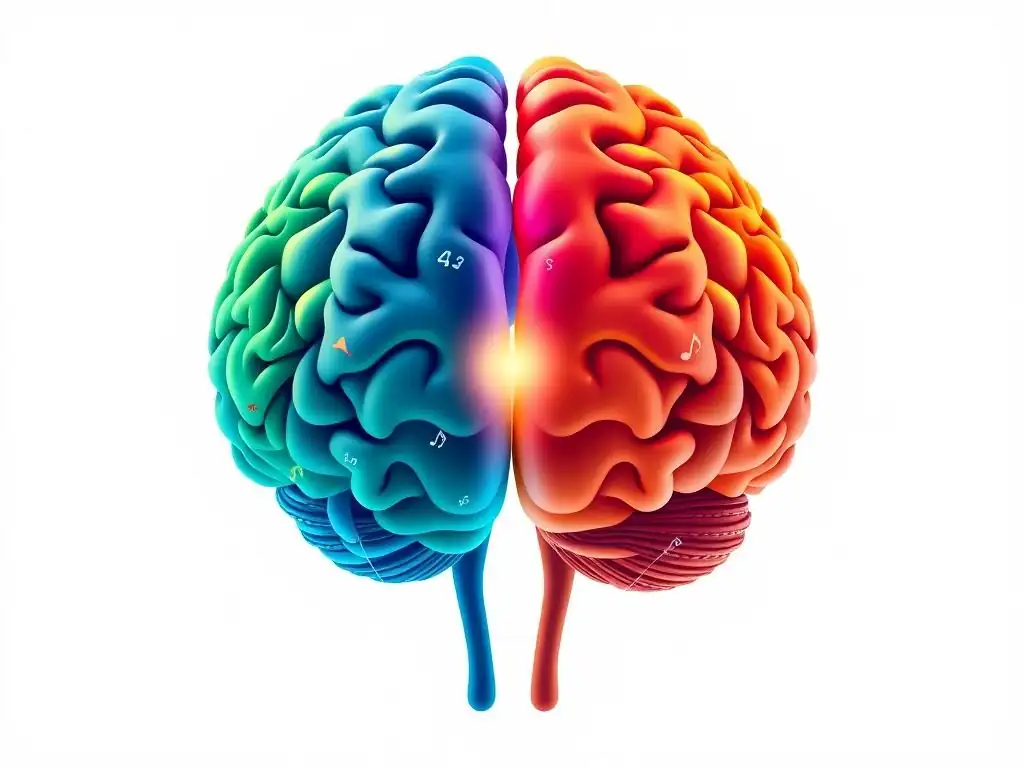
Welcome to Psychology Basics, your gateway to understanding the fascinating world of the human mind. Are you curious about the incredible intricacies of the brain? Then prepare to be amazed by our exploration of Split brain research explained simply, a journey into the groundbreaking work of Roger Sperry and the revelations of hemispheric specialization. Discover how this revolutionary research reshaped our understanding of consciousness and cognitive function – delve in and unlock the secrets of the divided brain!
- Understanding Split-Brain Research Explained Simply
- Roger Sperry's Experiments and Findings
- Implications of Sperry's Split-Brain Research
- Criticisms and Further Research on Split Brain
- Split-Brain Research: A Summary and its Legacy
- Applications of Split-Brain Research in Clinical Practice
- Frequently Asked Questions
- Final Reflection: The Enduring Legacy of Two Minds
- Unveil the Secrets of Your Mind Today!
Understanding Split-Brain Research Explained Simply
The human brain, a marvel of biological engineering, is often described as the most complex organ in the body. For decades, scientists have sought to unravel its mysteries, particularly the intricate workings of its two hemispheres. This article delves into the groundbreaking work of Roger Sperry, a Nobel laureate whose research on split-brain patients revolutionized our understanding of hemispheric specialization.
We will explore Sperry's experiments, examining how they revealed the distinct functions of the left and right hemispheres, and how this knowledge has shaped our understanding of cognition, language, and perception. Understanding Sperry's contributions is key to grasping the complexities of the brain and its remarkable capacity for processing information.
This exploration of "split brain research explained simply" will provide a clear and accessible overview of this fascinating field, suitable for both students and those with a general interest in psychology. We will unpack the key findings and their enduring impact on the field, making this complex topic easily digestible.
The Concept of Hemispheric Specialization
The human brain is divided into two distinct hemispheres: the left and the right. While they work together seamlessly in most individuals, each hemisphere exhibits a degree of specialization in its functions. This concept, known as hemispheric specialization or lateralization, suggests that certain cognitive processes are predominantly controlled by one hemisphere more than the other.
For example, language processing is typically associated with the left hemisphere, while spatial reasoning and visual-motor tasks are often attributed to the right. However, it's crucial to understand that this specialization is not absolute; both hemispheres communicate and collaborate constantly. Sperry's research provided compelling evidence for this specialization, demonstrating the distinct roles each hemisphere plays in various cognitive functions.
The work dramatically increased our understanding of how these specialized functions contribute to overall cognitive performance. Think of it like a well-oiled machine; each part has a specific role, but they all work together to achieve a common goal. Sperry’s research helped illuminate the individual parts and how they interact.
Early Studies and the Development of the Split-Brain Procedure
Early studies on brain-damaged patients hinted at hemispheric specialization, but the development of the split-brain procedure provided a unique opportunity for more precise investigation. The split-brain procedure, a neurosurgical technique where the corpus callosum (the bundle of nerve fibers connecting the two hemispheres) is severed, was initially performed to treat severe epilepsy. This procedure inadvertently created a situation where the two hemispheres were functionally isolated, allowing researchers like Sperry to study their independent functions.
By presenting stimuli to only one hemisphere at a time (for example, through visual or tactile input to one side of the body), Sperry and his colleagues were able to observe the resulting cognitive responses. These experiments involved a series of carefully designed tasks, revealing remarkable differences in how each hemisphere processed information. The results showed striking evidence of the independent functioning of the left and right hemispheres, significantly advancing our understanding of brain lateralization.
The development of the split-brain procedure, though initially intended for treatment, became an invaluable tool for exploring the intricate workings of the human brain. The ethical considerations surrounding this procedure are, of course, paramount and were carefully addressed in Sperry's work.
Roger Sperry's Experiments and Findings
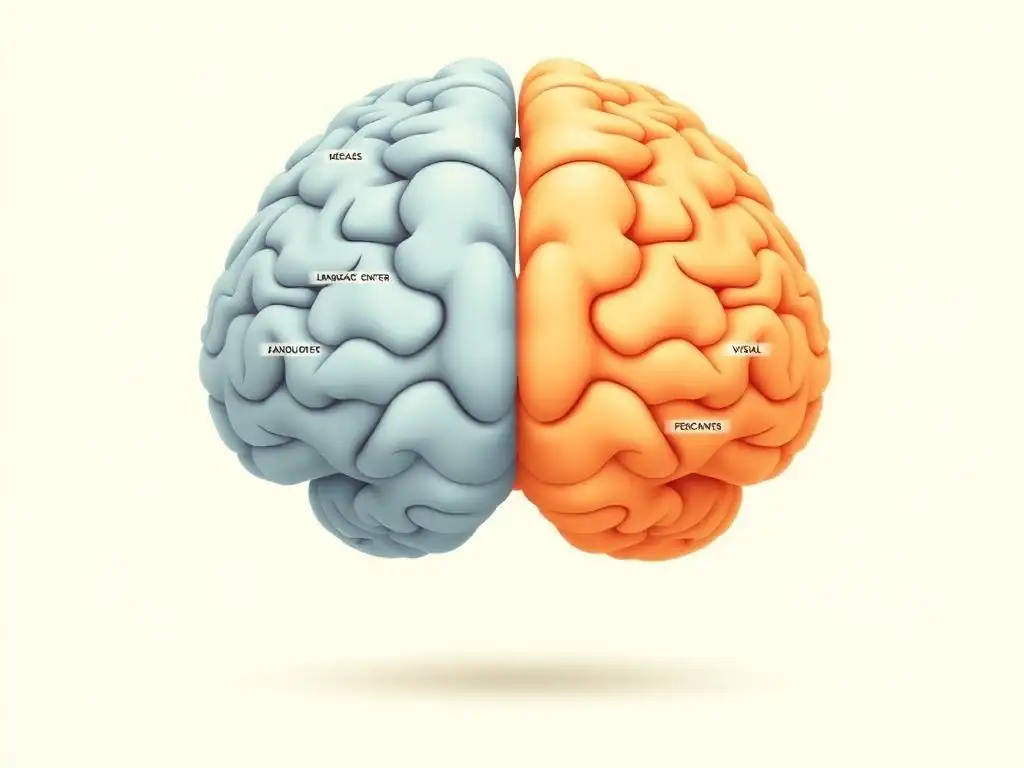
This section delves into the specifics of Roger Sperry's groundbreaking split-brain research, focusing on his experimental methodologies and the significant findings that revolutionized our understanding of hemispheric specialization. Sperry's work, which earned him a Nobel Prize in Physiology or Medicine, provided compelling evidence for the distinct functions of the left and right cerebral hemispheres. Understanding his experiments is crucial to grasping the implications of his discoveries for our comprehension of brain function and cognitive processes.
This detailed exploration aims to clarify the complexities of split-brain research, making it accessible to a wider audience. We will explore how Sperry's innovative approach provided crucial insights into the functional lateralization of the brain.
The Methodology of Sperry's Split-Brain Experiments
Sperry's experiments primarily involved individuals who had undergone a corpus callosotomy – a surgical procedure severing the corpus callosum, the thick band of nerve fibers connecting the two brain hemispheres. This procedure was (and is) primarily used to treat severe epilepsy, effectively isolating the two hemispheres. This unique population provided Sperry with a rare opportunity to study the independent functioning of each hemisphere.
The experiments cleverly utilized a technique of presenting visual or tactile stimuli to only one hemisphere at a time. For example, information presented to the right visual field is processed by the left hemisphere, while information presented to the left visual field is processed by the right hemisphere. This controlled presentation allowed Sperry to observe how each hemisphere responded independently to the same or different stimuli.
He used a variety of tasks, from simple visual recognition to complex language processing, to assess the capabilities of each hemisphere. The meticulous control over stimulus presentation was a key aspect of the methodology, ensuring the accuracy and reliability of the findings. This precise approach allowed for a clearer understanding of the specialized functions of each hemisphere.
Key Results: Visual and Tactile Tasks
Sperry's experiments revealed striking differences in the capabilities of the two hemispheres. In visual tasks, for instance, if an image was flashed to the right visual field (processed by the left hemisphere), the participant could easily name and describe the object. However, if the same image was flashed to the left visual field (processed by the right hemisphere), the participant often reported seeing nothing. This seemingly simple observation highlighted the left hemisphere's dominance in language processing.
However, the right hemisphere demonstrated its own strengths. In tactile tasks, where an object was placed in the left hand (information processed by the right hemisphere), participants could often identify the object by touch but couldn't verbally name it. This demonstrated the right hemisphere's superior ability in spatial processing and nonverbal tasks.
The results consistently showed a clear division of labor between the two hemispheres, with each excelling in different types of cognitive functions. This elegantly demonstrated the concept of hemispheric specialization, a key concept in understanding brain function. The findings were remarkably consistent across participants, reinforcing the validity of Sperry's conclusions.
Language Processing and the Left Hemisphere
Sperry's research strongly supported the notion of left-hemisphere dominance for language. In numerous experiments, participants with severed corpus callosums could only verbally report information presented to their right visual field (processed by the left hemisphere). If information was presented to the left visual field (processed by the right hemisphere), the participant remained unable to verbally describe it. This consistent pattern underscored the critical role of the left hemisphere in language production and comprehension.
Furthermore, Sperry's experiments showed that the right hemisphere possessed some limited language comprehension abilities, though significantly less than the left hemisphere. This was evident in instances where the right hemisphere could select a matching object corresponding to a word presented in the left visual field – even if the participant couldn't verbally articulate the word itself. This subtle but important finding suggests a more nuanced understanding of language processing, with both hemispheres potentially contributing but with a clear dominance of the left hemisphere for fluent communication.
This research provided a fundamental understanding of language lateralization, a crucial aspect of cognitive neuroscience. The detailed analysis of these experiments continues to inform our understanding of "split brain research explained simply".
Spatial Reasoning and the Right Hemisphere
Sperry's split-brain research provided compelling evidence for the right hemisphere's dominance in spatial processing. Patients with severed corpus callosum demonstrated a remarkable ability to process spatial information presented to their right visual field (processed by the left hemisphere) but struggled significantly when the same information was presented to their left visual field (processed by the right hemisphere). This wasn't simply a matter of visual acuity; rather, it pointed to a fundamental difference in how each hemisphere handles spatial tasks.
For instance, in tasks requiring the identification of complex geometric patterns or the mental manipulation of objects in space, patients consistently performed better when the stimuli were presented to their right visual field. This suggests that the left hemisphere, while excellent at language and linear processing, lacks the same intuitive grasp of spatial relationships as the right. Conversely, when presented with spatial tasks in the left visual field, patients often exhibited difficulty, even when the task was relatively simple.
This wasn't due to a lack of visual input; the information was clearly reaching the brain. The problem lay in the right hemisphere's limited ability to communicate its findings verbally – a function primarily controlled by the left hemisphere.
Consider a classic experiment involving the presentation of a simple image to the left visual field. The patient might be shown a picture of a house. When asked to verbally describe what they saw, the patient would typically report seeing nothing.
However, if asked to draw the house, they would often accurately reproduce the image using their left hand (controlled by the right hemisphere). This discrepancy highlights the right hemisphere's non-verbal understanding of spatial information and the limitations imposed by the severed connection with the language centers in the left hemisphere. The right hemisphere "knew" what it saw, but lacked the capacity to express that knowledge through language.
This elegantly demonstrates the right hemisphere's specialized role in spatial reasoning and its distinct mode of processing information, a key finding solidified by Sperry's groundbreaking split-brain research. The implications extended far beyond simply understanding brain anatomy; it revolutionized our understanding of cognitive processes and hemispheric specialization.
This asymmetry in spatial processing wasn't limited to simple tasks. More complex spatial reasoning tasks, such as mentally rotating objects or navigating mazes, also revealed a significant right-hemisphere advantage. These findings underscored the importance of the right hemisphere in tasks requiring holistic processing and intuitive understanding of spatial relationships, contrasting sharply with the left hemisphere's more analytical and sequential approach.
The results provided strong support for the theory of hemispheric specialization, a cornerstone of modern cognitive neuroscience. The ability to isolate and study the functions of each hemisphere independently, thanks to Sperry's work with split-brain patients, provided invaluable insights into the complex workings of the human brain. Understanding this specialization is crucial in fields ranging from neuropsychology to educational strategies, helping us tailor learning methods to individual cognitive strengths.
Implications of Sperry's Split-Brain Research
Roger Sperry's groundbreaking split-brain research revolutionized our understanding of brain function, moving beyond simplistic notions of a unified, holistic brain. His work provided compelling evidence for hemispheric specialization, revealing the distinct cognitive abilities and processing styles of the left and right cerebral hemispheres. The implications of his findings extend far beyond the confines of neurological research, impacting our understanding of consciousness, language, perception, and even artistic creativity. This section will delve into the profound consequences of Sperry's discoveries, exploring their lasting influence on various fields of study.
Understanding Brain Lateralization
Sperry's research dramatically illuminated the concept of brain lateralization, or hemispheric specialization. Prior to his work, the understanding of hemispheric function was rudimentary. While some suspected functional differences, the extent of the specialization remained largely unknown. Sperry's experiments, involving patients with severed corpus callosum (the main communication pathway between the hemispheres), vividly demonstrated the independent functioning of each hemisphere.
For instance, information presented to one visual field (processed primarily by the opposite hemisphere) could not be verbally reported if it was processed by the right hemisphere (typically non-dominant for language). This clearly showed that the left hemisphere, in most right-handed individuals, houses the primary language centers. Conversely, tasks involving spatial reasoning and facial recognition were often better performed by the right hemisphere, highlighting its distinct cognitive strengths.
The implications are far-reaching. We now understand that the brain isn't a monolithic entity but rather a complex system with specialized modules working in concert (though often independently). This understanding has informed numerous areas of psychology, including cognitive psychology, neuropsychology, and developmental psychology. For example, understanding lateralization helps explain why some individuals excel in certain areas while struggling in others. It also has implications for educational strategies, suggesting tailored approaches based on individual cognitive profiles. Further research continues to refine our understanding of the nuances of lateralization, acknowledging variations across individuals and the complex interplay between hemispheres.
Contributions to Cognitive Neuroscience
Sperry's split-brain research provided a crucial foundation for the burgeoning field of cognitive neuroscience. By demonstrating the functional independence of the hemispheres, his work paved the way for more sophisticated investigations into the neural substrates of cognition. His studies spurred the development of more precise techniques for studying brain function, including advanced neuroimaging methods like fMRI and PET scans. These techniques allow researchers to visualize brain activity in real time, further clarifying the roles of different brain regions in various cognitive processes.
The ability to isolate and study the functions of individual hemispheres provided a critical experimental paradigm. This allowed researchers to test hypotheses about the localization of specific cognitive functions within the brain with unprecedented precision. This research has significantly advanced our understanding of complex cognitive processes such as language acquisition, memory formation, and problem-solving, revealing the intricate neural networks underlying these abilities.
Moreover, this research has broadened our understanding of the interplay between different brain regions, highlighting the interconnectedness of seemingly disparate functions. The legacy of Sperry's work continues to inspire new research directions in cognitive neuroscience, pushing the boundaries of our understanding of the brain's remarkable capabilities.
The Limits and Interpretations of Split-Brain Studies
While immensely influential, Sperry's split-brain studies are not without limitations. The sample size was relatively small, consisting primarily of individuals with severe epilepsy who underwent corpus callosotomy. This raises concerns about generalizability to the wider population. Moreover, the unique neurological circumstances of these patients may have introduced confounding factors, potentially influencing the results. The interpretation of findings has also been subject to debate. Some argue that the observed hemispheric differences are more pronounced in laboratory settings than in everyday life, where the hemispheres constantly interact. Additionally, the degree of lateralization can vary significantly between individuals, further complicating generalizations.
Despite these limitations, the overall significance of Sperry's work remains undeniable. His research provided invaluable insights into brain organization and function, significantly advancing our knowledge of hemispheric specialization. The findings have stimulated countless subsequent studies, leading to a richer and more nuanced understanding of the brain's complexity.
Future research should focus on larger, more diverse samples and utilize more sophisticated methodologies to further refine our understanding of brain lateralization and its implications for cognitive function. Acknowledging the inherent limitations and ongoing debates surrounding the interpretation of split-brain studies is crucial for a complete and accurate understanding of this influential body of research. The ongoing refinement of our understanding underscores the dynamic and evolving nature of scientific inquiry.
Criticisms and Further Research on Split Brain
While Sperry's split-brain research revolutionized our understanding of hemispheric specialization, it's crucial to acknowledge the limitations and subsequent developments in the field. The initial studies, while groundbreaking, faced certain methodological challenges, and modern research has refined our understanding of interhemispheric communication.
Methodological Limitations of Early Studies
Early split-brain studies, while innovative, were not without flaws. A significant criticism revolves around the small sample size. Many studies relied on a limited number of participants, often individuals who had undergone commissurotomy as a treatment for severe epilepsy. This raises concerns about generalizability. The unique neurological profiles of these individuals, shaped by their epilepsy and the surgery itself, might not accurately reflect the typical functioning of a healthy, intact brain.
Furthermore, the tasks used to assess hemispheric specialization were often quite artificial and lacked ecological validity. Participants were asked to perform highly controlled, often unusual, tasks which may not represent real-world cognitive processes. This raises questions about how these findings translate to everyday behavior and experiences. The reliance on such simplistic tasks also limits the scope of understanding the complex interactions between the hemispheres.
For example, early studies often presented visual stimuli to only one hemisphere. While this allowed researchers to isolate hemispheric function, it doesn't reflect the natural integration of information in a healthy brain. The interpretation of results could be influenced by this artificial isolation. Additionally, the interpretation of responses could be subjective, leading to potential bias in data analysis. More sophisticated methodologies and advanced neuroimaging techniques have since emerged, offering a more nuanced understanding of brain function.
Another point to consider is the potential for confounding variables. The severity and type of epilepsy, the extent of the commissurotomy, and the individual's pre-surgical cognitive abilities all could have influenced the results. Controlling for these factors was challenging in early research, potentially leading to inaccurate conclusions. Modern studies incorporate more rigorous control measures to address these limitations.
Modern Interpretations and Ongoing Research on Hemispheric Communication
Subsequent research has moved beyond the simplistic notion of completely independent hemispheres. While Sperry's work demonstrated clear functional differences, it's now understood that the two hemispheres communicate and collaborate far more extensively than initially thought. Advanced neuroimaging techniques, such as fMRI and EEG, have provided insights into the subtle ways the hemispheres interact, even in split-brain individuals. These techniques allow for a much more detailed and dynamic picture of brain activity than was possible in the early days of split-brain research.
Modern research emphasizes the concept of interhemispheric integration. Even with a severed corpus callosum, alternative pathways for communication exist, though potentially less efficient. Studies have identified the role of subcortical pathways in mediating interhemispheric communication, highlighting the brain's remarkable plasticity and adaptability. This challenges the initial notion of complete hemispheric isolation in split-brain patients. Moreover, the focus has shifted towards understanding the interaction between the hemispheres rather than their isolated functions. This necessitates a more holistic approach to understanding cognitive processes.
The field continues to evolve, with ongoing investigations exploring the complexities of hemispheric specialization and interaction in various cognitive domains. Researchers are using more sophisticated experimental designs, larger sample sizes, and advanced neuroimaging techniques to refine our understanding of the brain's intricate workings. The legacy of Sperry's pioneering work remains, but the interpretation of split-brain findings has become significantly more nuanced and comprehensive.
The initial simplicity of "left brain/right brain" has given way to a far more intricate understanding of the dynamic interplay between the two hemispheres. This ongoing research continues to shed light on the remarkable complexity of the human brain and its capacity for adaptation.
Split-Brain Research: A Summary and its Legacy
Roger Sperry's groundbreaking split-brain research revolutionized our understanding of brain lateralization – the specialization of the left and right cerebral hemispheres. His experiments, primarily conducted on patients with severed corpus callosum (the main connection between the hemispheres), provided compelling evidence for the distinct cognitive functions of each hemisphere. This wasn't simply a confirmation of existing theories; it was a dramatic demonstration, revealing a functional duality previously unseen. Sperry's work demonstrated that each hemisphere possesses its own unique cognitive abilities and processes information independently.
The methodology involved presenting visual stimuli to only one hemisphere at a time, exploiting the fact that information from the left visual field is processed by the right hemisphere, and vice versa. This clever experimental design allowed Sperry and his team to observe how each hemisphere responded independently to stimuli. For instance, an object presented to the right visual field (processed by the left hemisphere) could be verbally identified, while the same object presented to the left visual field (processed by the right hemisphere) could not be named but could be identified through drawing or other non-verbal means.
The Enduring Impact of Sperry's Work on Psychology
Sperry's split-brain research had a profound and lasting impact on several areas of psychology. It significantly advanced our comprehension of:
- Cognitive Neuroscience: His findings provided critical support for the idea that specific cognitive functions are localized within particular brain regions. This fueled further investigation into brain localization and the neural basis of cognitive processes. The research directly contributed to the development of neuropsychology as a field.
- Language Processing: The clear dominance of the left hemisphere in language processing, as revealed by Sperry's experiments, remains a cornerstone of linguistic theory. It deepened our understanding of aphasia and other language disorders, informing diagnostic and therapeutic approaches.
- Lateralization of Function: Sperry's work solidified the concept of hemispheric specialization, demonstrating that the two hemispheres are not simply mirror images of each other but possess distinct cognitive strengths and weaknesses. This understanding informs our approach to cognitive rehabilitation and educational strategies.
- Consciousness Studies: The split-brain phenomenon raised fundamental questions about the nature of consciousness and self-awareness. The independent functioning of the two hemispheres presented a challenge to traditional views of a unified conscious experience, sparking debate and further research into the neural correlates of consciousness.
The impact extends beyond theoretical advancements. Sperry's research continues to inspire innovative research methodologies in cognitive neuroscience, influencing the design of experiments and the interpretation of results. It serves as a prime example of how careful experimental design can unravel complex cognitive processes.
Applications of Split-Brain Research in Clinical Practice
While not directly used as a treatment, the understanding gained from split-brain research has significant implications for clinical practice in several areas:
Applications of Split-Brain Research in Clinical Practice
- Neurorehabilitation: The insights into hemispheric specialization inform rehabilitation strategies for patients with brain damage, particularly those suffering from stroke or traumatic brain injury. Understanding which hemisphere is affected allows for targeted therapies aimed at compensating for lost function. For example, if language processing is impaired (often due to left hemisphere damage), rehabilitation might focus on stimulating the right hemisphere's compensatory mechanisms.
- Diagnosis of Neurological Disorders: The knowledge gained from split-brain research aids in the diagnosis of neurological conditions. Behavioral observations consistent with hemispheric specialization can help pinpoint the location and extent of brain damage. For instance, specific patterns of language deficits or spatial processing difficulties can be indicative of lesions in particular brain regions.
- Cognitive Assessment: Split-brain research has influenced the development of neuropsychological tests designed to assess cognitive function in both hemispheres. These tests can provide a more detailed picture of cognitive strengths and weaknesses, aiding in the diagnosis and management of various neurological conditions. Such assessments are crucial for personalized rehabilitation plans.
The legacy of Roger Sperry's split-brain research is far-reaching. It's not just a chapter in the history of psychology; it's a living, breathing influence that continues to shape our understanding of the brain and inform clinical practice. The "split brain research explained simply" concept, while seemingly straightforward, continues to yield rich insights into the complexities of the human mind. Further research continues to build upon his foundational work, promising even greater understanding in the future.
Frequently Asked Questions
What is split-brain research?
Split-brain research investigates the functions of the two brain hemispheres by studying individuals who have undergone a corpus callosotomy, a surgical procedure that severs the corpus callosum connecting the hemispheres. This allows researchers to examine how each hemisphere processes information independently.
Who is Roger Sperry and what is his contribution?
Roger Sperry is a Nobel Prize-winning neuroscientist renowned for his pioneering work on split-brain research. His studies provided crucial insights into the specialized functions of the left and right brain hemispheres, revolutionizing our understanding of brain lateralization.
What are the key findings of split-brain research?
Key findings reveal that the left hemisphere excels in language processing and logical reasoning, while the right hemisphere specializes in spatial abilities, facial recognition, and emotional processing. Information presented to one hemisphere may not be readily accessible to the other.
How does split-brain research impact our understanding of consciousness?
Split-brain studies challenge traditional notions of a unified consciousness, suggesting that consciousness might be distributed across the two hemispheres. The independent functioning of each hemisphere raises questions about the nature of subjective experience and self-awareness.
Are there any ethical considerations surrounding split-brain research?
Ethical concerns primarily arise from the invasive nature of the corpus callosotomy, which is only performed as a last resort for severe epilepsy. Researchers must ensure that informed consent is obtained, and that the benefits of the research outweigh any potential risks to participants.
Final Reflection: The Enduring Legacy of Two Minds
Roger Sperry's groundbreaking split-brain research remains profoundly relevant today, illuminating not only the intricacies of brain function but also the very nature of consciousness and self. His work continues to reshape our understanding of how the brain creates our experience of the world, challenging simplistic notions of a unified self and opening doors to new avenues of neurological exploration.
Sperry's findings, far from being a historical footnote, continue to influence our understanding of cognitive processes, learning disabilities, and even artistic expression. The idea that our brains are not monolithic entities, but rather a complex interplay of specialized hemispheres, has profoundly impacted fields ranging from psychology and neuroscience to education and art therapy. The left hemisphere makes the best possible interpretation of what is going on, but it is not necessarily the true interpretation.
This quote encapsulates the enduring mystery and complexity Sperry's work unveiled, a mystery that continues to fascinate and challenge researchers.
Consider the implications of Sperry's work for your own life. How might understanding the specialized functions of your left and right brain hemispheres inform your learning strategies, creative pursuits, or even your interpersonal relationships? Take a moment to reflect on your own cognitive strengths and weaknesses, and consider how a deeper understanding of hemispheric specialization might empower you to approach challenges and opportunities with greater awareness and effectiveness. The journey of understanding the brain is a lifelong one, and Sperry's legacy provides a crucial map for navigating its complexities.
Unveil the Secrets of Your Mind Today!
Thank you for exploring the fascinating world of Roger Sperry's split-brain research! You've gained a deeper understanding of how our brain's hemispheres function and their remarkable implications for psychology and neuroscience. Now, let's put your knowledge into practice!
- **Deepen your understanding** by researching a specific area of hemispheric specialization that interests you—such as the role of each hemisphere in creativity, language skills, or emotional responses.
- **Join the discussion**! Share your thoughts and questions about Sperry's findings in our community forum. Interacting with others can reinforce your learning and lead to new perspectives.
- Consider a simple **self-assessment**! Observe how your left-brain and right-brain tendencies influence your daily activities, such as your approach to problem-solving or creative endeavors.
What surprising discoveries about your brain's functions have you made, and what areas are you eager to explore further?