
The Voice of the Body: Candace Pert's Research on Neuropeptides

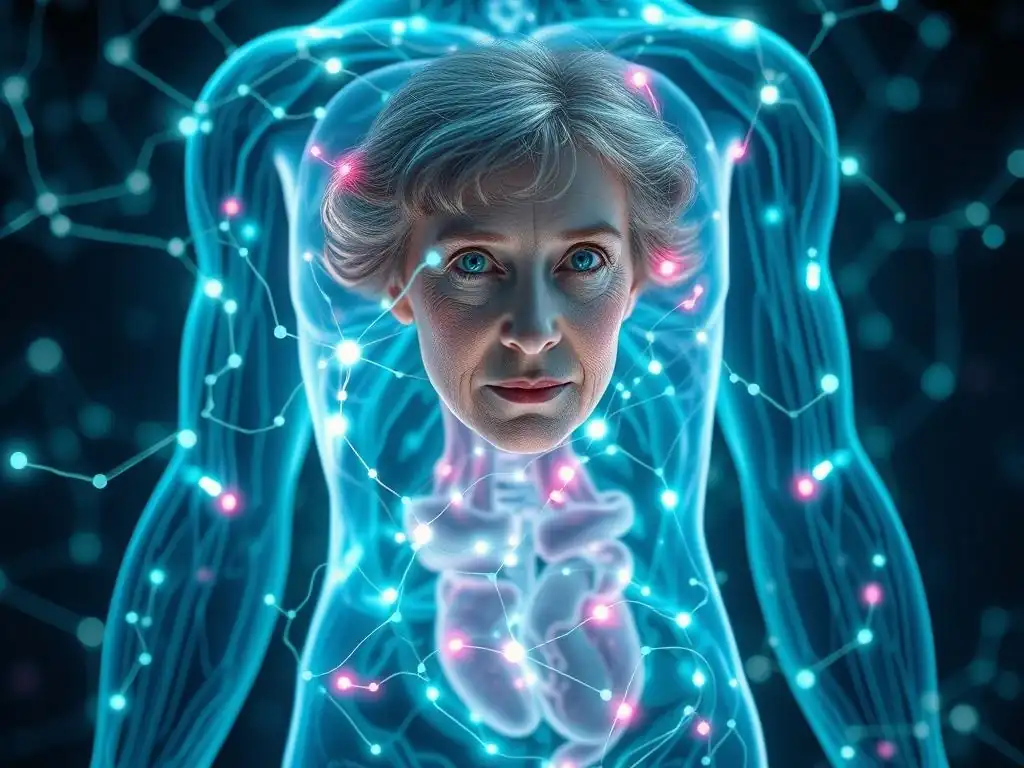
Welcome to Psychology Basics, your gateway to understanding the fascinating world of the mind. We delve into core psychological concepts, making complex ideas accessible to everyone. But what if the connection between mind and body is far more intricate than we’ve been led to believe?
Prepare to explore the groundbreaking work of Candace Pert and her revolutionary research on neuropeptides, revealing how our bodies may actually speak to us in ways we never imagined. Discover the compelling story behind this pivotal research and unlock a deeper understanding of the mind-body connection. Continue reading to uncover the secrets of the body's hidden language.
- Candace Pert: A Pioneer in Psychoneuroimmunology
- The Body-Mind Connection: Candace Pert's Key Contributions
- Molecules of Emotion: Understanding Candace Pert's Theory
- Candace Pert's Legacy: Impact on Psychology and Beyond
- Criticisms and Debates Surrounding Pert's Work
- Candace Pert and the Future of Mind-Body Medicine
-
Frequently Asked Questions
- What are neuropeptides, and why are they important according to Candace Pert's research?
- How did Candace Pert's work challenge traditional views of the mind-body relationship?
- What specific role do neuropeptides play in emotions, according to Pert's findings?
- Can you explain the concept of "receptor sites" in the context of Pert's work?
- What is the practical significance of Candace Pert's research on neuropeptides for today's understanding of health and well-being?
- Final Reflection: The Enduring Legacy of Candace Pert's Body-Mind Connection
- Unleash the Power of Your Body's Wisdom!
Candace Pert: A Pioneer in Psychoneuroimmunology
Candace Pert, a name synonymous with groundbreaking discoveries in psychoneuroimmunology (PNI), significantly advanced our understanding of the intricate communication network between the brain, the immune system, and the body. Her research, particularly focusing on neuropeptides, revolutionized our perspective on the mind-body connection, demonstrating how emotions and thoughts directly impact physical health.
This article delves into Pert's life and work, exploring her pivotal contributions to the field and highlighting the lasting impact of her research on our understanding of the "voice of the body"—how our internal chemical messengers reflect and influence our emotional and physical states. Understanding Pert's work is crucial for anyone interested in the holistic interplay between mental and physical well-being, a cornerstone of modern psychological and medical understanding.
This exploration aims to illuminate Pert’s legacy within the broader context of women's significant contributions to the field of psychology, a field that has historically underrepresented female voices. We will examine her scientific journey, key discoveries, and the lasting implications of her research on the "Candace Pert neuropeptides body mind" connection.
Early Life and Academic Journey of Candace Pert
Candace Pert's journey began with a keen interest in science, nurtured from a young age. She pursued her academic aspirations rigorously, earning a Bachelor of Science degree in Chemistry from Bryn Mawr College in 1963. Her academic excellence propelled her to Georgetown University, where she obtained a PhD in pharmacology in 1974.
This period was marked by intense intellectual curiosity and a determination to explore the uncharted territories of scientific research. While at Georgetown, Pert began her groundbreaking research, which would eventually focus on the intricate relationship between the brain and the immune system. Her early work laid the foundation for her future discoveries, demonstrating an exceptional aptitude for scientific inquiry and a relentless pursuit of knowledge.
Her dedication and perseverance in a male-dominated field serve as an inspiration for aspiring scientists, particularly women, highlighting the importance of resilience and determination in achieving scientific breakthroughs. [Specific details on early research projects pending]. She faced numerous challenges, but her commitment to scientific excellence proved unwavering.
Pert's Groundbreaking Discoveries: The Role of Neuropeptides
Pert's most significant contributions center on her research into neuropeptides, which are small protein-like molecules that act as neurotransmitters and neuromodulators, influencing both neural and immune function. Her work demonstrated that these neuropeptides are not confined to the brain, but are widely distributed throughout the body, including in immune cells. This discovery provided a crucial link between the nervous and immune systems, supporting the concept of PNI.
Pert's meticulous research involved isolating and characterizing various neuropeptides and their receptors, revealing how these molecules mediate communication between the brain and the immune system. She meticulously mapped the locations of opioid receptors throughout the body, demonstrating their significant influence on both pain perception and immune responses. This research provided compelling evidence for a bidirectional communication system, showing that the brain can influence the immune system, and vice versa, challenging the traditional view of these systems as separate entities.
This finding was revolutionary, providing a physiological basis for the mind-body connection and fundamentally altering our understanding of health and disease. Her work opened new avenues for research into the treatment of various illnesses, highlighting the potential of targeted interventions that leverage this intricate communication pathway. The impact of Pert’s work on our understanding of the "Candace Pert neuropeptides body mind" relationship continues to resonate within the fields of medicine and psychology.
The Body-Mind Connection: Candace Pert's Key Contributions
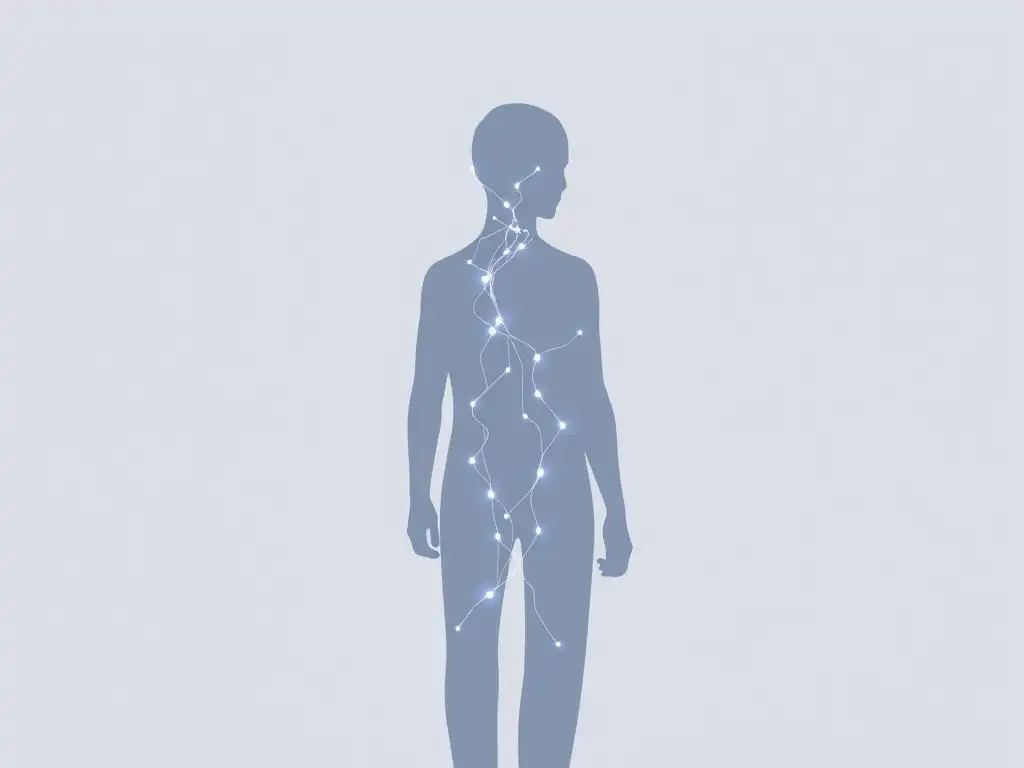
Candace Pert's groundbreaking research revolutionized our understanding of the intricate relationship between the mind and body, a concept often referred to as the body-mind connection. Her work challenged the traditional Cartesian dualism that separated mental processes from physical functions. Pert's innovative approach, focusing on the role of neuropeptides, provided compelling evidence for a bidirectional communication system between the brain and the body, highlighting the profound impact of emotions and experiences on physical health.
This section delves into the specifics of her findings, emphasizing her significant contributions to the field of psychoneuroimmunology – the study of the interaction between the nervous system, the endocrine system, and the immune system. Understanding Pert's work provides a crucial framework for comprehending the complex interplay between psychological states and physiological processes, a cornerstone of modern psychosomatic medicine. The implications of her research extend far beyond academic circles; they offer a powerful lens through which to view holistic health and wellness, emphasizing the interconnectedness of mind, body, and spirit.
The enduring legacy of Candace Pert lies in her ability to bridge the gap between seemingly disparate fields, fostering a more integrated and nuanced understanding of human health and well-being. Her emphasis on the "Candace Pert neuropeptides body mind" connection continues to inspire research and clinical practice.
Neuropeptides and the Brain: Communication Pathways
Pert's research centered on neuropeptides, small protein-like molecules that act as chemical messengers throughout the body. Unlike neurotransmitters that operate solely within the nervous system, neuropeptides are found in the brain, immune system, and throughout various organs and tissues. They are involved in a wide array of physiological functions, including pain perception, mood regulation, and immune responses.
Pert's crucial contribution was demonstrating that these neuropeptides are not merely passive chemical signals, but active participants in a complex communication network that links the brain and the body. She identified specific receptor sites for neuropeptides located on the surface of immune cells, providing concrete evidence for the brain's direct influence on the immune system. This discovery challenged the prevailing notion of a strictly unidirectional flow of information from the brain to the body, revealing a dynamic and reciprocal relationship.
The implications of this bidirectional communication are profound, suggesting that emotional states can directly affect immune function, and conversely, that immune responses can influence emotional experience. Imagine, for example, the impact of stress (a mental state) on the immune system through the release of specific neuropeptides, making individuals more susceptible to illness. This intricate network of communication highlights the importance of considering the interconnectedness of mental and physical health.
The Impact of Emotions on the Body: Candace Pert's Insights
Candace Pert's research powerfully illustrated the significant impact of emotions on the body's physiological processes. Her work demonstrated that emotions are not merely subjective experiences but are deeply embedded in the body's biochemistry. The release of neuropeptides in response to emotional stimuli, whether positive or negative, directly affects various bodily systems.
For instance, chronic stress, characterized by prolonged exposure to cortisol and other stress hormones, can lead to a weakened immune system, increased susceptibility to illness, and a heightened risk of various chronic diseases. Conversely, positive emotions, such as joy and contentment, can stimulate the release of neuropeptides that enhance immune function and promote overall well-being. Pert's research underscored the importance of emotional regulation in maintaining physical health.
She argued that unresolved emotional trauma can lead to a dysregulation of neuropeptide systems, resulting in chronic pain, inflammation, and other health problems. This understanding highlights the need for integrating emotional processing and coping mechanisms into healthcare approaches. The "Candace Pert neuropeptides body mind" connection emphasizes the critical role of emotional balance in overall health, promoting a holistic perspective on well-being.
The Role of Neuropeptides in Disease and Wellness
Pert's research has far-reaching implications for understanding the role of neuropeptides in both disease and wellness. Dysregulation of neuropeptide systems has been implicated in a wide range of conditions, including autoimmune diseases, chronic pain syndromes, and mental health disorders. For example, imbalances in neuropeptide activity have been linked to depression, anxiety, and post-traumatic stress disorder (PTSD).
Conversely, interventions aimed at modulating neuropeptide activity show promise in treating these conditions. Furthermore, the role of neuropeptides in inflammation is increasingly recognized, with research suggesting that targeting specific neuropeptide pathways may offer novel therapeutic strategies for inflammatory diseases. The potential of neuropeptide-based therapies is vast, offering the prospect of more targeted and effective treatments for a wide spectrum of illnesses.
Understanding the complex interplay of neuropeptides and their impact on various physiological systems provides a crucial foundation for developing innovative approaches to disease prevention and treatment. The ongoing research in this area continues to build upon Pert's foundational work, further illuminating the crucial "Candace Pert neuropeptides body mind" connection and its implications for health and well-being. The future of personalized medicine may well hinge on a deeper understanding of these intricate biochemical pathways.
Molecules of Emotion: Understanding Candace Pert's Theory
Candace Pert's groundbreaking research revolutionized our understanding of the mind-body connection, challenging the traditional Cartesian dualism that separated the mind from the body. Her work, focusing primarily on Candace Pert neuropeptides body mind, centered on the intricate role of neuropeptides – small protein-like molecules – in mediating the complex interplay between our thoughts, feelings, and physical health. Pert's innovative approach shifted the paradigm, suggesting that emotions aren't solely psychological phenomena but are deeply rooted in biochemical processes within the body.
This section delves into the core tenets of her theory, examining the scientific evidence that supports her revolutionary ideas. Understanding Pert's contributions requires appreciating the intricate biochemical mechanisms she uncovered, particularly the peptide-receptor system and its profound influence on our emotional landscape.
The Opioid Receptor Discovery and its Implications
Pert's early work significantly contributed to the identification and characterization of the opioid receptor. This discovery, a cornerstone of her later research on neuropeptides, opened a new window into the understanding of pain perception and the body's natural analgesic system. Prior to her work, the mechanisms underlying pain relief were largely unknown.
Pert's identification of specific receptor sites for opioid molecules, such as endorphins, demonstrated that the brain possesses inherent mechanisms for regulating pain and emotional responses. This finding was not only crucial for understanding pain management but also paved the way for investigating the broader role of neuropeptides in emotional regulation and overall well-being. The implications were far-reaching: it suggested that the mind and body communicate through intricate biochemical pathways, challenging the prevailing belief in a strict separation between these two aspects of human experience.
The discovery of the opioid receptor provided irrefutable evidence that the brain is directly involved in the body's physiological processes, including emotional responses. It laid the foundation for Pert's subsequent exploration of the peptide-receptor system.
The Peptide-Receptor System and its Influence on Behavior
Pert's research expanded beyond the opioid receptor to encompass a broader understanding of the peptide-receptor system. She demonstrated that numerous neuropeptides act as chemical messengers, transmitting information throughout the body and influencing a wide range of behaviors and physiological processes. These peptides, released by the brain and immune system, interact with specific receptors located throughout the body, including the brain, affecting mood, behavior, and immune function.
This network of communication, according to Pert, forms the basis for the mind-body connection. For example, the neuropeptide substance P plays a critical role in pain transmission, whereas endorphins act as natural painkillers. The intricate interplay of these and other neuropeptides highlights the complexity of the body's communication network, influencing everything from our emotional responses to our immune system's ability to fight off infection.
Pert’s work emphasized that these peptides are not simply isolated chemicals but integral components of a dynamic communication system that shapes our experience of the world. The influence of the peptide-receptor system on behavior is substantial and continues to be a focus of ongoing research, building upon Pert's pioneering contributions.
Mind-Body Interactions: A Biochemical Perspective
Pert's work provided a biochemical framework for understanding the mind-body connection, suggesting that our thoughts, feelings, and beliefs directly impact our physical health. This perspective challenges the traditional medical model that often treats the mind and body as separate entities. Pert argued that the constant communication between the brain and the body, mediated by neuropeptides, creates a dynamic feedback loop. Our emotional states influence the release of neuropeptides, which in turn affect various physiological processes.
Conversely, changes in the body, such as inflammation or infection, can trigger the release of neuropeptides, impacting our emotional state and mental well-being. This bidirectional interaction underscores the importance of considering both the psychological and physical aspects of health. For instance, chronic stress, characterized by prolonged exposure to cortisol, can disrupt the delicate balance of the peptide-receptor system, contributing to a range of health problems.
Conversely, positive emotions and practices like mindfulness can promote the release of beneficial neuropeptides, enhancing well-being and resilience. Pert's legacy lies in highlighting the crucial role of neuropeptides in this intricate dance between mind and body, providing a compelling biochemical perspective on the interconnectedness of our internal world. Her research continues to inspire further investigation into the complex interplay of emotions, biochemistry, and overall health, solidifying her place as a pioneering figure in the field of psychoneuroimmunology.
Candace Pert's Legacy: Impact on Psychology and Beyond
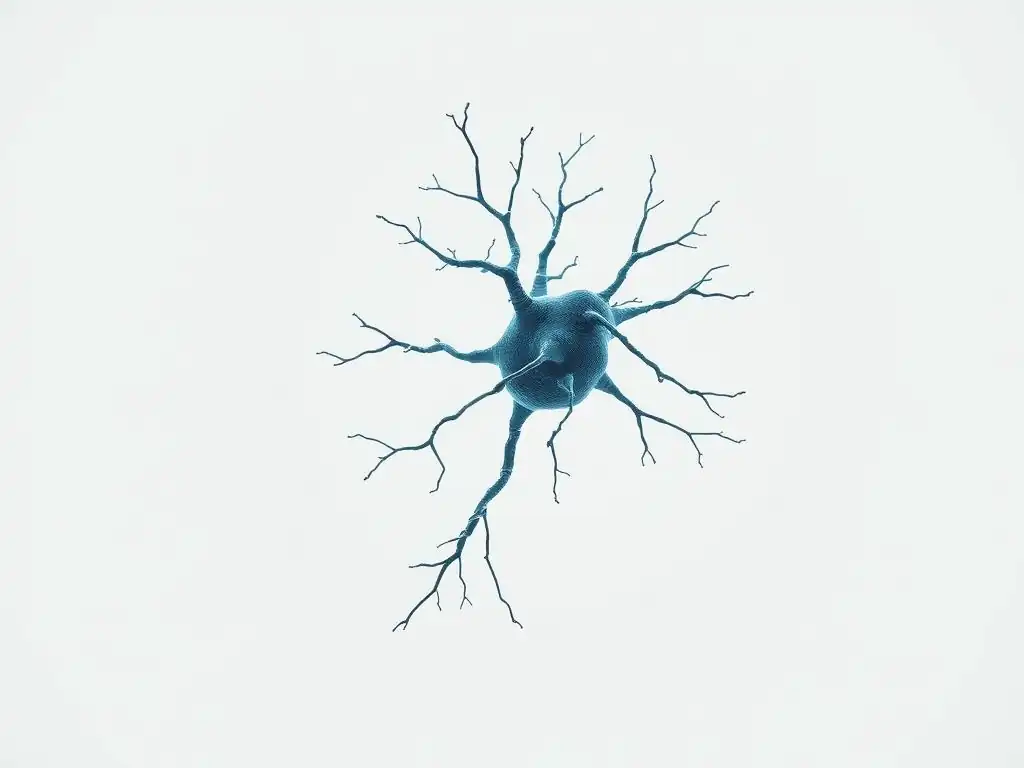
Candace Pert's groundbreaking research on neuropeptides significantly altered our understanding of the intricate communication network between the brain and the body, a field now known as psychoneuroimmunology. Her work challenged the traditional Cartesian dualism that separated the mind and body, paving the way for a more holistic view of human experience. This section explores the enduring impact of Pert's contributions, examining their influence on both psychological and medical fields.
The keyword "Candace Pert neuropeptides body mind" is central to understanding her legacy, as it encapsulates the core of her revolutionary findings: the intimate connection between emotional states, the nervous system, and the body's immune response. Her research provided a biological basis for the mind-body connection, demonstrating how emotions are not merely subjective experiences but are deeply embedded in physiological processes. This has profound implications for understanding and treating a wide range of conditions.
The Lasting Influence of Pert's Research on Psychoneuroimmunology
Pert's research directly impacted the development and growth of psychoneuroimmunology (PNI). Before her work, the immune system was largely viewed as a separate entity, operating independently of the nervous system and emotional states. Pert's discovery that neuropeptides, chemical messengers of the brain, are also found throughout the body, including within immune cells, fundamentally changed this understanding.
She demonstrated that these neuropeptides act as a communication bridge between the brain and the immune system, influencing immune function and response. For instance, studies following her work have shown that stress, a profoundly emotional experience, can significantly suppress immune function, increasing vulnerability to illness. This connection, meticulously explored by Pert, provided a biological mechanism for understanding this phenomenon, opening doors for new research directions in stress management and immunomodulation.
Her work laid the groundwork for exploring the intricate interplay between psychological factors and physical health, a critical area of study within PNI. The impact of her findings continues to shape research on the bidirectional communication between the central nervous system and the immune system, influencing our understanding of diseases ranging from autoimmune disorders to cancer.
Applications of Pert's Work in Contemporary Psychology and Medicine
Pert's findings have found practical applications in various areas of contemporary psychology and medicine. In psychology, her work has informed the development of mind-body therapies, such as mindfulness-based stress reduction techniques and biofeedback. These therapies aim to influence the body's physiological responses through mental and emotional regulation, thus impacting immune function and overall well-being.
Furthermore, her research has contributed to a deeper understanding of psychosomatic illnesses – conditions where psychological factors significantly contribute to physical symptoms. By understanding the neuropeptide pathways involved in the mind-body connection, clinicians can develop more holistic and effective treatment approaches that address both the psychological and physical aspects of these illnesses. In medicine, Pert's research has inspired new avenues for drug development targeting neuropeptide receptors to modulate immune function and treat various conditions.
This includes the exploration of novel therapeutic strategies for autoimmune diseases and cancer, focusing on the intricate communication between the nervous and immune systems. The development of such targeted therapies directly stems from Pert's pioneering research on the body-mind connection.
Further Research and Future Directions in Neuropeptide Studies
While Pert's work provided a significant foundation, much remains to be discovered about the complex roles of neuropeptides in the body-mind connection. Future research should focus on several key areas. Firstly, a more comprehensive understanding of the specific neuropeptide pathways involved in various psychological and physiological processes is needed.
This includes identifying the precise mechanisms by which neuropeptides influence immune function and how these mechanisms are affected by factors such as stress, trauma, and lifestyle choices. Secondly, further investigation into the potential therapeutic applications of neuropeptide-based interventions is crucial. This involves developing more targeted and effective therapies that can modulate neuropeptide activity to improve mental and physical health outcomes.
Finally, research should explore the potential interaction between neuropeptides and other signaling molecules in the body, including cytokines and hormones, to gain a more complete picture of the intricate communication networks involved in the body-mind connection. The continued exploration of these areas will build upon Pert's legacy and further illuminate the profound interplay between the mind and body, paving the way for innovative therapeutic approaches and a deeper understanding of human health and well-being. The ongoing research in this area promises significant advancements in our understanding of the "Candace Pert neuropeptides body mind" connection.
Criticisms and Debates Surrounding Pert's Work

Candace Pert's groundbreaking work on neuropeptides and their role in the mind-body connection, while influential, has not been without its critics. The enthusiastic reception of her ideas, particularly within the alternative medicine community, has sometimes overshadowed rigorous scientific scrutiny. This section will explore some of the key criticisms and ongoing debates surrounding Pert's research and its interpretations. Understanding these critiques is crucial for a balanced understanding of the "Candace Pert neuropeptides body mind" connection.
Evaluating the Evidence Base for Pert's Theories
One major criticism centers on the strength of the empirical evidence supporting Pert's broader claims about the mind-body connection. While her research on neuropeptides themselves is largely accepted within the scientific community – her identification and characterization of neuropeptide receptors was a significant contribution – the leap from these findings to her more holistic theories has been challenged. Many studies demonstrating the effects of neuropeptides focus on specific physiological processes, such as pain perception or immune response.
The extrapolation of these findings to encompass the full spectrum of emotions and consciousness, as Pert suggested, requires further substantial research. Furthermore, some critics argue that the methodologies employed in certain studies supporting Pert's broader claims lack the rigor needed for definitive conclusions. The complexity of the systems involved – the intricate interplay between the nervous and immune systems, for example – makes isolating specific causal relationships incredibly challenging.
More controlled, large-scale studies are needed to solidify the evidence base for Pert's more expansive interpretations. A systematic review of the literature focusing specifically on the link between neuropeptides and emotional states, rather than solely their physiological effects, would be beneficial in clarifying this aspect of her work.
Addressing Controversies and Misinterpretations of her Research
Another area of concern lies in the popularization and, at times, misinterpretation of Pert's work. Her ideas have been widely embraced by proponents of alternative medicine and holistic therapies, sometimes leading to oversimplification and the promotion of unsubstantiated claims. For instance, the concept of "emotional molecules" has been taken up to support various treatments lacking robust scientific validation.
This appropriation has, in turn, led some to dismiss Pert's entire body of work as pseudoscience, a reaction that fails to acknowledge the significant contributions she made to our understanding of neuropeptides. The challenge lies in separating the scientifically supported aspects of Pert's research from the less substantiated interpretations that have emerged in its wake. Clear distinctions must be made between the established scientific findings on neuropeptides and their physiological roles and the broader, more speculative claims regarding their influence on consciousness and emotional experience.
Responsible dissemination of information is crucial in preventing further misinterpretations and ensuring that Pert's legacy is accurately reflected. A nuanced approach, emphasizing both the solid scientific foundation of her work and the need for ongoing research to validate more expansive claims, is essential. The "Candace Pert neuropeptides body mind" connection, therefore, requires careful consideration, separating scientifically sound conclusions from speculative interpretations.
Candace Pert and the Future of Mind-Body Medicine
Candace Pert's groundbreaking research on neuropeptides revolutionized our understanding of the intricate communication network between the brain and the body. Her work, often summarized under the umbrella term "Candace Pert neuropeptides body mind," laid the foundation for a more holistic approach to healthcare, moving beyond the traditional Cartesian mind-body dualism. Instead of viewing the mind and body as separate entities, Pert's research highlighted their profound interconnectedness, emphasizing the crucial role of neuropeptides in mediating this interaction. This section explores how Pert's findings are shaping the future of mind-body medicine and influencing innovative healthcare strategies.
Integrating Pert's Findings into Holistic Healthcare Approaches
Pert's research suggests that emotional states directly impact physiological processes via neuropeptide activity. For example, chronic stress, characterized by sustained release of stress hormones, can lead to a cascade of physiological changes, including immune system dysfunction and increased susceptibility to illness. Conversely, positive emotions and mindful practices can stimulate the release of neuropeptides that promote well-being and enhance immune function. This understanding is crucial for developing holistic healthcare approaches that integrate mental and physical well-being.
Several therapeutic modalities are incorporating Pert's insights:
- Mindfulness-based interventions: Techniques like meditation and yoga are increasingly used to regulate neuropeptide activity, promoting stress reduction and emotional regulation. Studies show that consistent mindfulness practice can alter brainwave patterns and influence the expression of genes related to stress response.
- Biofeedback: This technique allows individuals to gain awareness of their physiological responses (e.g., heart rate, muscle tension) and learn to consciously regulate them, influencing neuropeptide release and promoting a sense of control over bodily processes.
- Energy healing modalities: While the mechanisms remain largely unexplored, some energy healing practices claim to influence the body's subtle energy fields, potentially affecting neuropeptide activity and promoting healing. Further research is needed to rigorously validate these claims.
The integration of Pert's work into holistic healthcare necessitates a shift in perspective, embracing a biopsychosocial model that considers the complex interplay of biological, psychological, and social factors in health and illness. This approach recognizes that treating the "whole person" is essential for effective and lasting healing.
The Implications of Neuropeptide Research for Mental Health Treatment
The impact of Candace Pert's neuropeptide research extends significantly to the field of mental health. Traditional treatments often focus on neurotransmitters, but Pert's work emphasizes the equally critical role of neuropeptides in emotional regulation and mental well-being. Her research suggests that imbalances in neuropeptide systems may contribute to various mental health conditions.
Understanding the role of neuropeptides opens exciting avenues for developing novel mental health treatments:
- Targeted Neuropeptide Modulation: Future research could focus on developing therapies that directly modulate neuropeptide activity, potentially offering more precise and effective interventions for conditions like anxiety, depression, and PTSD. This could involve pharmacological approaches or non-invasive techniques like neurostimulation.
- Personalized Medicine: Given the individual variability in neuropeptide expression and function, personalized medicine approaches are becoming increasingly important. Tailoring treatment strategies based on an individual's specific neuropeptide profile could lead to more effective outcomes.
- Integrative Approaches: Combining traditional mental health treatments (e.g., psychotherapy) with interventions targeting neuropeptide systems (e.g., mindfulness practices, biofeedback) may offer synergistic benefits, enhancing treatment efficacy.
The ongoing research into neuropeptides promises a deeper understanding of the neurobiological underpinnings of mental health conditions, paving the way for more effective and personalized treatments. The legacy of Candace Pert's work continues to inspire innovative research and therapeutic approaches, moving beyond the limitations of traditional models and fostering a more holistic understanding of the mind-body connection in mental health. Further research is crucial to fully understand the complex interplay of these peptides and their influence on mental well-being, potentially leading to revolutionary advancements in the field.
Frequently Asked Questions
What are neuropeptides, and why are they important according to Candace Pert's research?
Neuropeptides are chemical messengers that act within the nervous system and throughout the body. Pert's research highlighted their crucial role in the mind-body connection, demonstrating their influence on both emotions and physical health.
How did Candace Pert's work challenge traditional views of the mind-body relationship?
Pert's research challenged the traditional separation of mind and body, proposing that the immune system is not isolated but intimately connected to the brain and emotions via neuropeptides. This supported a more holistic understanding of health and illness.
What specific role do neuropeptides play in emotions, according to Pert's findings?
Pert's research suggested that neuropeptides act as molecular messengers of emotions, directly influencing our feelings and experiences. They are involved in the physiological expression of emotions, affecting everything from mood to immune function.
Can you explain the concept of "receptor sites" in the context of Pert's work?
Receptor sites are specific locations on cells where neuropeptides bind. Pert's research explored how the binding of these peptides to receptors influences cellular activity and ultimately, our thoughts, feelings, and physical responses.
What is the practical significance of Candace Pert's research on neuropeptides for today's understanding of health and well-being?
Pert's work provides a scientific basis for understanding the interconnectedness of mind and body. This has implications for approaches to healing and well-being, emphasizing the importance of emotional well-being for physical health.
Final Reflection: The Enduring Legacy of Candace Pert's Body-Mind Connection
Candace Pert's groundbreaking research on neuropeptides remains profoundly relevant today, shattering the outdated Cartesian duality and illuminating the intricate dance between our minds and bodies. Her work continues to inspire a holistic approach to health and well-being, challenging us to recognize the powerful interconnectedness of our physical and emotional experiences. The implications of her discoveries are far-reaching, impacting fields from medicine and psychology to spirituality and personal growth.
Pert's legacy extends far beyond the scientific community; her insights have profoundly influenced how we understand stress, trauma, and the very nature of healing. Her work underscores the importance of emotional well-being in physical health, a concept increasingly recognized in modern medicine. The emotions are not separate from the body, they are the body.
This simple yet powerful statement encapsulates the core of Pert's revolutionary contribution, reminding us that our feelings are not merely abstract concepts but tangible forces shaping our physiological reality. The ongoing exploration of the body-mind connection, fueled by Pert's pioneering research, is reshaping our understanding of disease, recovery, and the very essence of human experience.
Consider, for a moment, the power you hold within yourself to influence your own health and well-being. Embrace the wisdom of Candace Pert's work; listen to the voice of your body, acknowledge the profound interplay between your emotions and your physical state, and actively cultivate a life that nurtures both. By understanding the intricate communication network within your own being, you can embark on a journey of self-discovery and empowerment, leading to a more vibrant, fulfilling, and truly integrated life.
Unleash the Power of Your Body's Wisdom!
Thank you for exploring the fascinating world of Candace Pert's research on neuropeptides! You've gained valuable insights into the intricate communication within our bodies and its profound impact on our psychological well-being. Now, let's put that knowledge into practice.
Here are some practical steps you can take today:
- Cultivate Mind-Body Awareness: Integrate practices like mindfulness or yoga into your daily routine to enhance your body's natural communication systems. Regular practice can foster a deeper connection between your mind and body.
- Share Your Discoveries: Discuss this information with friends, family, or online communities. Spreading awareness can lead to insightful conversations about holistic health and well-being.
- Continue Your Learning Journey: Delve deeper into the mind-body connection through books, podcasts, online courses, or further research. There's a wealth of resources available to expand your understanding.
How will you harness the wisdom of your body to improve your well-being today?