
AgeRelated Changes in Cognitive Function: A Neuroscientific Understanding

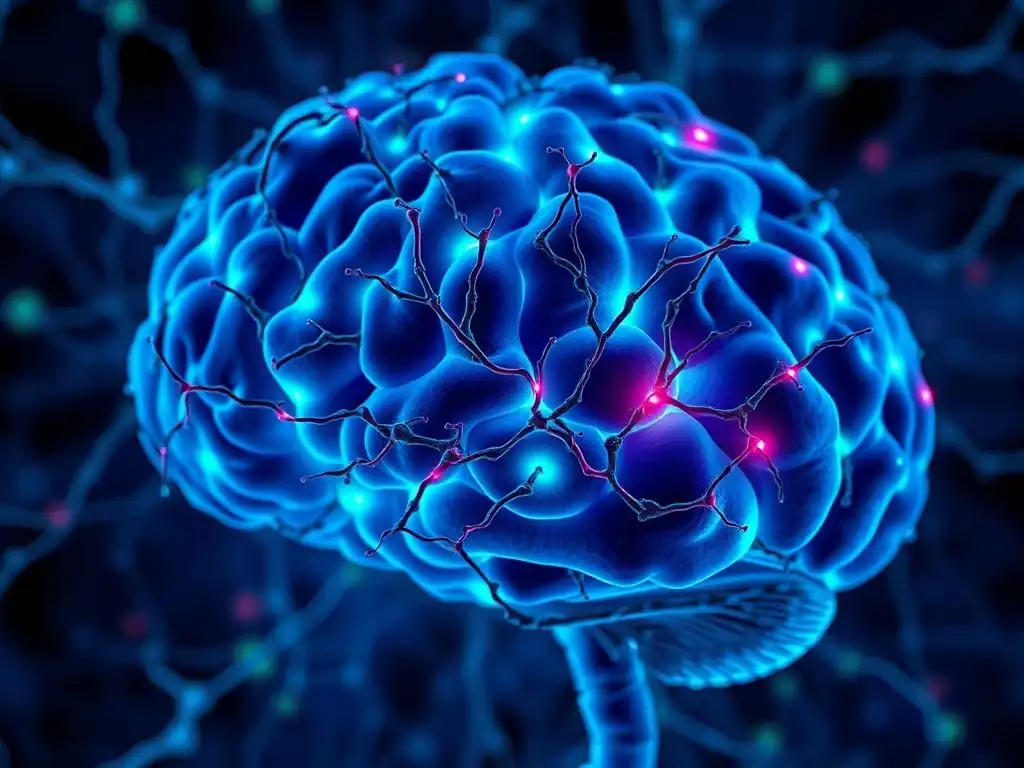
Unravel the mysteries of the human mind! Psychology Basics welcomes you to a world of fascinating insights into the workings of our brains. Are you curious about the intricate relationship between aging, neuroscience, and cognitive decline? Our exploration of cognitive decline neuroscience aging delves into the remarkable changes our brains undergo as we age, revealing both challenges and unexpected resilience. Prepare to be captivated as we unveil the science behind these transformations. Dive in and discover more!
- Introduction to Cognitive Decline and Aging
- Age-Related Cognitive Changes: A Detailed Overview
- Neurobiological Factors Contributing to Cognitive Decline
- Protective Factors and Interventions for Cognitive Decline
-
Frequently Asked Questions
- What is cognitive decline, and how does it relate to aging?
- What are the neurological changes associated with age-related cognitive decline?
- Can cognitive decline be prevented or slowed down?
- What are the key differences between normal age-related changes and dementia?
- What are some promising areas of neuroscience research related to cognitive aging?
- Final Reflection: Embracing the Evolving Brain
- Unlock Your Mind's Potential Today!
Introduction to Cognitive Decline and Aging
Cognitive decline, a gradual deterioration of cognitive abilities, is a multifaceted process intricately linked to the aging process. While some decline is considered a normal part of getting older, understanding the underlying neuroscientific mechanisms is crucial for distinguishing typical age-related changes from pathological conditions like Alzheimer's disease or dementia.
This article delves into the neuroscience of aging, exploring the structural and functional alterations in the brain that contribute to cognitive decline. We will examine how various cognitive domains, from memory and attention to executive function and language, are affected by age-related changes, providing a comprehensive overview of the current scientific understanding of this complex interplay between aging and cognition.
This knowledge is vital for developing effective strategies for maintaining cognitive health throughout life and for early detection and intervention in cases of significant cognitive impairment. The exploration of "Cognitive decline neuroscience aging" will provide a foundational understanding for students and anyone interested in the fascinating intersection of aging and the brain.
Defining Cognitive Function and its Domains
Cognitive function encompasses a broad range of mental processes that enable us to acquire, process, and utilize information. These processes are not isolated but rather interact dynamically to support our daily lives. Key domains of cognitive function include:
- Memory: This involves encoding, storing, and retrieving information. Different types of memory exist, including working memory (holding information temporarily), short-term memory (brief storage), and long-term memory (relatively permanent storage). Age-related changes can affect all aspects of memory, potentially leading to difficulties remembering recent events, names, or appointments.
- Attention: The ability to focus on specific stimuli while filtering out distractions. Selective attention (focusing on one thing), sustained attention (maintaining focus over time), and divided attention (handling multiple tasks simultaneously) are all crucial aspects of attention that may decline with age.
- Executive Function: This refers to higher-level cognitive processes such as planning, problem-solving, decision-making, and inhibitory control (suppressing impulsive responses). Executive dysfunction is a common feature of age-related cognitive decline, manifesting as difficulties with organization, multitasking, and cognitive flexibility.
- Language: This involves comprehension and production of spoken and written language. Age-related changes can affect various aspects of language, including vocabulary retrieval, fluency, and grammatical complexity. While some decline is normal, significant impairments can signal underlying neurological issues.
- Processing Speed: This refers to the speed at which information is processed in the brain. Slower processing speed is a common age-related change and can impact performance on various cognitive tasks.
The Neuroscience of Aging: Structural and Functional Changes
The aging brain undergoes significant structural and functional changes that contribute to age-related cognitive decline. These changes are not uniform across all brain regions and individuals, with considerable variability in the extent and rate of decline.
Several key structural changes occur, including:
- Brain Volume Reduction: The overall volume of the brain, particularly in the hippocampus (crucial for memory) and prefrontal cortex (involved in executive functions), tends to decrease with age. This reduction is associated with neuronal loss and reduced synaptic density.
- White Matter Hyperintensities: These are lesions visible on brain scans that represent damage to the white matter (the tracts connecting different brain regions). Increased white matter hyperintensities are associated with cognitive decline and are thought to reflect disruptions in communication between brain areas.
- Neurotransmitter Changes: Levels of various neurotransmitters, chemical messengers in the brain, such as acetylcholine and dopamine, often decrease with age. These neurotransmitters play critical roles in various cognitive functions, and their decline can contribute to cognitive impairment.
Functional changes in the brain associated with aging include:
- Reduced Brain Activity: Age-related decreases in brain activity are often observed in various brain regions during cognitive tasks. This reduced activity may reflect decreased neuronal efficiency or impaired communication between brain areas.
- Altered Brain Networks: The way different brain regions interact and communicate with each other (brain networks) changes with age. These alterations in network efficiency and connectivity may contribute to cognitive decline.
- Increased Neural Noise: The brain's ability to filter out irrelevant information (neural noise) may decrease with age, leading to difficulties in focusing attention and processing information efficiently. This increased noise can interfere with cognitive performance.
Understanding these structural and functional changes in the aging brain is essential for developing strategies to mitigate age-related cognitive decline and improve the quality of life for older adults. Further research is needed to fully unravel the complex interplay between these changes and the specific cognitive domains affected. The study of "Cognitive decline neuroscience aging" continues to advance our understanding of this crucial aspect of human health.
This section delves into the specifics of age-related cognitive decline, focusing on the neuroscientific underpinnings of these changes. Understanding the mechanisms behind cognitive aging is crucial for developing effective interventions and improving the quality of life for older adults. We will explore the most prominent cognitive domains affected by aging, examining both the types of decline and the potential neurological factors contributing to them. The intricate interplay between brain structure, neurotransmitter function, and cognitive performance will be a central theme throughout this discussion. This detailed exploration will help clarify the nuanced relationship between cognitive decline neuroscience aging.
Memory Decline in Aging: Types and Mechanisms
Memory, a cornerstone of cognitive function, undergoes significant changes with age. These alterations aren't uniform; different memory systems are affected to varying degrees. The multifaceted nature of memory necessitates a careful examination of its distinct components.
Episodic Memory Impairment in Older Adults
Episodic memory, responsible for recalling specific events and their contexts (e.g., "What did you have for breakfast yesterday? "), often shows substantial decline with age. This decline is frequently attributed to hippocampal atrophy, a reduction in the size and functionality of the hippocampus, a brain region crucial for forming new episodic memories. Studies using neuroimaging techniques consistently demonstrate hippocampal volume reduction correlating with poorer episodic memory performance in older adults.
Furthermore, age-related changes in neurotransmitter systems, particularly involving acetylcholine, are implicated in this impairment. The decline in acetylcholine availability can disrupt the consolidation and retrieval of episodic memories. The severity of episodic memory impairment varies significantly between individuals, highlighting the influence of genetic predisposition and lifestyle factors.
Semantic Memory Changes with Age
Semantic memory, encompassing our general knowledge about the world (e.g., "What is the capital of France? "), is generally more resilient to age-related decline than episodic memory. While older adults may experience slower retrieval speeds, the overall knowledge base remains relatively intact.
However, subtle changes can occur, potentially due to reduced efficiency in accessing and integrating information from different brain regions involved in semantic memory processing. Studies suggest that the temporal lobes, crucial for semantic memory, may exhibit subtle structural and functional alterations with age, although these changes are often less pronounced than those observed in the hippocampus. The impact of semantic memory changes on daily life is often less dramatic than that of episodic memory decline.
Working Memory Deficits and Aging
Working memory, the system responsible for temporarily holding and manipulating information (e.g., mentally calculating a sum), also shows age-related decline. This decline is linked to reduced efficiency in the prefrontal cortex, a brain area vital for working memory processes. The prefrontal cortex undergoes significant structural and functional changes with age, including a reduction in neuronal density and synaptic plasticity.
These changes can impair the ability to maintain and manipulate information in working memory, leading to difficulties in tasks requiring sustained attention and cognitive control. Furthermore, age-related changes in dopamine levels, a neurotransmitter crucial for executive functions including working memory, may further contribute to these deficits. The consequences of working memory decline can be substantial, affecting everyday tasks such as following conversations or managing multiple tasks simultaneously.
Executive Function Decline: Implications for Daily Life
Executive functions, encompassing higher-order cognitive processes like planning, decision-making, and inhibitory control, are particularly vulnerable to age-related decline. These changes have significant implications for daily life, impacting an individual's independence and overall well-being.
Changes in Cognitive Flexibility and Inhibitory Control
Cognitive flexibility, the ability to switch between tasks or mental sets, and inhibitory control, the ability to suppress irrelevant information or impulses, both decline with age. These declines are often linked to age-related changes in the prefrontal cortex and its connections with other brain regions. Neuroimaging studies have consistently demonstrated reduced activation in the prefrontal cortex during tasks requiring cognitive flexibility and inhibitory control in older adults.
This reduced activation is thought to reflect impaired neuronal function and reduced synaptic plasticity within the prefrontal cortex. The consequences of these changes can manifest as difficulties in multitasking, adapting to changing situations, and resisting distractions.
The Impact of Aging on Planning and Decision-Making
Planning and decision-making, crucial for navigating daily life, also become increasingly challenging with age. These deficits are often attributed to age-related impairments in working memory and cognitive flexibility. The ability to formulate and execute plans, consider alternative options, and make informed choices relies heavily on intact executive functions.
Impairments in these processes can lead to difficulties in managing finances, organizing activities, and making complex life decisions. Furthermore, age-related changes in the dopamine system may also contribute to difficulties in reward-based decision-making, potentially leading to increased risk-taking or impulsivity in some older adults. Understanding these age-related changes is essential for developing strategies to support older adults in maintaining their independence and cognitive well-being.
Processing Speed and Attentional Changes in Older Adults
The slowing of processing speed is a hallmark of cognitive aging, impacting various aspects of daily life. This decline isn't simply a matter of reduced efficiency; it reflects fundamental changes in the brain's architecture and function. Older adults often find themselves needing more time to complete tasks, react to stimuli, and make decisions.
This isn't necessarily indicative of dementia or other severe cognitive impairments; it's a natural consequence of the aging process affecting neural pathways and neurotransmitter systems. The impact is widespread, affecting everything from simple reaction times to complex problem-solving. This slowing can significantly influence an older adult’s ability to perform complex tasks requiring quick decision-making and information processing, such as driving or managing finances.
Furthermore, the reduced processing speed can lead to increased frustration and difficulty in adapting to new situations or learning new skills. Understanding this age-related change is crucial for developing effective interventions and improving the quality of life for older adults. We must remember that the degree of slowing varies considerably between individuals, highlighting the importance of considering individual differences when assessing cognitive function in older age.
Slowed Processing Speed: Neurological Correlates
The slowing of processing speed observed in older adults has several neurological correlates. Studies using neuroimaging techniques, such as fMRI and EEG, have revealed age-related reductions in white matter integrity. White matter, composed of myelinated axons, facilitates efficient communication between different brain regions. The decline in white matter integrity leads to decreased signal transmission speed, directly contributing to slower processing.
Furthermore, age-related changes in neurotransmitter systems, particularly those involving dopamine and acetylcholine, play a significant role. These neurotransmitters are crucial for optimal cognitive function, and their reduced availability or effectiveness can lead to slower processing speeds. Additionally, structural changes in specific brain regions, such as the prefrontal cortex, which is heavily involved in executive functions and cognitive control, are also implicated.
These structural changes, including neuronal loss and decreased synaptic density, further contribute to the observed slowing in processing speed. Research continues to unravel the complex interplay of these factors and identify potential targets for interventions aiming to mitigate age-related processing speed decline. For example, research into brain stimulation techniques, like transcranial magnetic stimulation (TMS), is exploring ways to potentially enhance neural activity and improve processing speed in older adults.
Age-Related Changes in Selective and Divided Attention
Selective attention, the ability to focus on relevant information while ignoring distractions, and divided attention, the ability to attend to multiple tasks simultaneously, both undergo age-related decline. Older adults often struggle more with filtering out irrelevant information, leading to difficulties in concentrating on a specific task in a noisy or distracting environment. This decline in selective attention can manifest in challenges with tasks requiring sustained attention, such as reading lengthy texts or following complex instructions. Similarly, divided attention, which is crucial for multitasking, also weakens with age.
Older adults may find it increasingly difficult to juggle multiple tasks effectively, leading to reduced efficiency and increased error rates. These changes are not uniform across individuals, with some showing more pronounced declines than others. Factors such as lifestyle, overall health, and genetic predisposition likely contribute to the variability observed in age-related changes in attention.
Understanding these age-related changes is vital for designing age-appropriate interventions and optimizing environments to support cognitive function in older adults. For instance, simplifying tasks, reducing distractions, and providing clear instructions can significantly improve performance and reduce frustration in older adults. Moreover, cognitive training programs designed to enhance attentional skills can potentially help to mitigate some of these age-related declines.
Neurobiological Factors Contributing to Cognitive Decline
This section delves into the intricate neurobiological mechanisms underlying age-related cognitive decline. Understanding these processes is crucial for developing effective interventions and improving the quality of life for older adults. We will explore the roles of specific neurotransmitters and structural brain changes in the manifestation of cognitive impairment. The interplay of these factors contributes significantly to the complex picture of cognitive aging, a process often characterized by decreased efficiency in various cognitive domains, such as memory, attention, and executive function. This understanding is vital to advancing the field of cognitive decline neuroscience aging.
Neurotransmitters, chemical messengers in the brain, play a pivotal role in cognitive function. Their levels and activity often decline with age, impacting various cognitive processes. This section examines the specific contributions of acetylcholine and dopamine to age-related cognitive changes. The decline in these neurotransmitters is a key aspect of the cognitive decline neuroscience aging research.
Acetylcholine and Memory Function in Aging
Acetylcholine, a crucial neurotransmitter for learning and memory, shows significant age-related decline. Studies using positron emission tomography (PET) scans have consistently demonstrated reduced acetylcholine synthesis and release in the brains of older adults compared to younger individuals. This reduction is strongly correlated with impairments in memory encoding and retrieval. For example, research indicates a significant association between decreased hippocampal acetylcholine levels and scores on memory tests assessing verbal recall and recognition. 1 The loss of cholinergic neurons in the basal forebrain, a key area for acetylcholine production, further contributes to memory deficits in aging. Understanding these mechanisms is key to developing effective treatments for age-related memory loss, thus contributing to the field of cognitive decline neuroscience aging.
Dopamine and Executive Function in Older Adults
Dopamine, another vital neurotransmitter, is crucial for executive functions such as planning, decision-making, and working memory. Age-related decline in dopamine synthesis and receptor sensitivity is linked to impairments in these cognitive domains. Studies have shown that older adults with lower dopamine levels in the prefrontal cortex exhibit poorer performance on tasks requiring executive control, such as the Stroop test and the Wisconsin Card Sorting Test. 2 Furthermore, the reduced dopamine activity can manifest as decreased cognitive flexibility and increased perseverative errors – a hallmark of executive dysfunction in aging. This highlights the importance of dopamine in maintaining efficient executive functions throughout the lifespan and its relevance to cognitive decline neuroscience aging.
Brain Structural Changes and Cognitive Decline
In addition to neurochemical changes, age-related alterations in brain structure significantly contribute to cognitive decline. This section examines the impact of hippocampal atrophy and prefrontal cortex changes on memory and executive functions, respectively. These structural changes are central to the ongoing research in cognitive decline neuroscience aging.
Hippocampal Atrophy and Memory Impairment
The hippocampus, a brain region crucial for memory consolidation and spatial navigation, undergoes significant volume reduction with age. This hippocampal atrophy is consistently associated with age-related memory deficits, particularly in episodic memory (memory for personal events). Magnetic resonance imaging (MRI) studies have consistently revealed a strong negative correlation between hippocampal volume and performance on memory tests. The degree of hippocampal shrinkage can predict the severity of memory impairment in older adults. This atrophy is a key factor in the complex interplay of factors contributing to cognitive decline neuroscience aging.
Prefrontal Cortex Changes and Executive Dysfunction
The prefrontal cortex (PFC), responsible for executive functions, also undergoes structural changes with age, including reduced grey matter volume and altered connectivity. These changes contribute to impairments in planning, working memory, and inhibitory control. Studies using diffusion tensor imaging (DTI) have revealed reduced white matter integrity in the PFC of older adults, affecting the efficiency of information processing and communication between different brain regions.
The combination of reduced grey matter volume and impaired white matter integrity in the PFC significantly impacts executive functions, making it a critical area of research in cognitive decline neuroscience aging. This contributes to a decline in cognitive efficiency and overall cognitive performance.
1 [Specific study details pending]
2 [Specific study details pending]
The Impact of Genetics on Cognitive Aging
Genetic predisposition plays a significant role in determining an individual's susceptibility to cognitive decline during aging. While environmental factors undoubtedly contribute, a substantial body of research points to a heritable component influencing cognitive resilience and vulnerability. This isn't to say that genes dictate a person's cognitive fate; rather, they establish a baseline risk profile. Some individuals inherit genetic variations that increase their likelihood of developing age-related cognitive impairments like Alzheimer's disease or dementia, while others possess genetic variants associated with better cognitive preservation into old age. Twin studies, for example, consistently demonstrate a higher concordance rate for cognitive abilities and decline in monozygotic (identical) twins compared to dizygotic (fraternal) twins, strongly suggesting a genetic influence. 1
The identification of specific genes linked to cognitive aging is an ongoing area of intense research. Several genes have been implicated, although their precise mechanisms of action are still being elucidated. For instance, the APOE gene, particularly the ε4 allele, is strongly associated with an increased risk of late-onset Alzheimer's disease. 2 Individuals carrying this allele exhibit a significantly higher probability of developing the disease and experiencing more pronounced cognitive decline compared to those without the ε4 allele. However, it's crucial to understand that possessing the APOE ε4 allele doesn't guarantee the development of Alzheimer's; many individuals with this allele remain cognitively healthy throughout their lives. This highlights the complex interplay between genetic predisposition and environmental factors.
Beyond APOE, other genes are being investigated for their potential contributions to cognitive aging. These include genes involved in various cellular processes, such as inflammation, oxidative stress, and neurotrophic factor signaling. Variations in these genes can affect the brain's ability to cope with the age-related accumulation of cellular damage and maintain its structural and functional integrity. The field is rapidly evolving, with ongoing genome-wide association studies (GWAS) uncovering additional genetic markers associated with cognitive aging and neurodegenerative diseases. Understanding the intricate genetic architecture underlying cognitive aging is crucial for developing targeted preventative strategies and personalized interventions.
1 [Specific citation needed regarding twin studies on cognitive aging] 2 [Specific citation needed regarding APOE and Alzheimer's risk]
Protective Factors and Interventions for Cognitive Decline
Cognitive decline, a significant concern associated with aging, is not an inevitable process. While the aging brain undergoes structural and functional changes, research strongly suggests that numerous factors can mitigate the severity of cognitive decline and even enhance cognitive reserve. Understanding these protective factors and implementing appropriate interventions are crucial for promoting healthy aging and maintaining cognitive function. This section explores several key areas crucial to understanding and combating cognitive decline neuroscience aging.
Lifestyle Factors and Cognitive Health in Aging
Maintaining a healthy lifestyle plays a pivotal role in preserving cognitive function throughout the lifespan. The synergistic effects of various lifestyle choices contribute significantly to cognitive reserve – the brain's resilience to age-related changes. A holistic approach encompassing physical activity, nutrition, and cognitive stimulation is essential for optimal cognitive health. Let's delve into these specific lifestyle components.
The Role of Physical Exercise in Maintaining Cognitive Function
Numerous studies demonstrate a strong link between regular physical exercise and enhanced cognitive function in older adults. Exercise improves cardiovascular health, increasing blood flow to the brain and promoting neurogenesis (the formation of new neurons). Aerobic exercises, such as brisk walking, swimming, and cycling, have been shown to be particularly beneficial, improving memory, attention, and executive functions.
For example, a meta-analysis of studies involving over 1 million participants found that individuals engaging in regular physical activity exhibited a significantly reduced risk of cognitive impairment and dementia. The specific type and intensity of exercise may influence the cognitive benefits; further research is needed to fully elucidate these nuances. However, the overall consensus points towards a powerful protective effect of physical activity against cognitive decline neuroscience aging.
Nutrition and Cognitive Reserve in Older Adults
Diet plays a crucial role in brain health. A diet rich in antioxidants, omega-3 fatty acids, and various vitamins and minerals is essential for optimal brain function. The Mediterranean diet, characterized by its high consumption of fruits, vegetables, fish, and olive oil, has been consistently linked to improved cognitive outcomes.
Conversely, diets high in saturated and trans fats, processed foods, and added sugars are associated with increased risk of cognitive decline. Specific nutrients, such as vitamin E, vitamin B12, and folate, are crucial for maintaining neuronal health and preventing oxidative stress, a major contributor to age-related cognitive decline. More research is needed to fully understand the optimal nutritional profile for maximizing cognitive reserve throughout the aging process, however, the importance of a balanced and healthy diet cannot be overstated.
Cognitive Stimulation and Brain Training
Engaging in mentally stimulating activities throughout life helps build cognitive reserve and maintain cognitive function. This includes activities such as reading, learning new skills, playing challenging games (e.g., chess, puzzles), and engaging in social interactions. Brain training programs, which involve specific exercises designed to improve cognitive skills, have also shown promise in improving certain cognitive domains, although their long-term effects and generalizability remain subjects of ongoing research and debate.
The key is to engage in activities that challenge the brain and promote neuroplasticity – the brain's ability to reorganize itself and form new neural connections. A diverse range of stimulating activities, tailored to individual interests and abilities, is likely to be most effective in maintaining cognitive vitality.
Pharmacological Interventions for Cognitive Decline
While lifestyle modifications are crucial for preventing and mitigating cognitive decline, pharmacological interventions also play a role, particularly in managing the symptoms of neurodegenerative diseases such as Alzheimer's disease. However, it's important to understand that these medications are not cures but rather aim to manage symptoms and potentially slow disease progression.
Cholinesterase Inhibitors and Memory Enhancement
Cholinesterase inhibitors are a class of drugs commonly used to treat Alzheimer's disease and other forms of dementia. They work by inhibiting the breakdown of acetylcholine, a neurotransmitter crucial for memory and learning. By increasing acetylcholine levels in the brain, these drugs can improve cognitive function, particularly memory, in some individuals.
However, their effectiveness varies greatly among individuals, and side effects can be significant. The choice of specific medication and dosage should be carefully considered by a physician in consultation with the patient. Ongoing research continues to explore the optimal use and potential improvements in this class of drugs for cognitive decline neuroscience aging.
Future Directions in Pharmacological Treatments
Research continues to explore novel therapeutic strategies for cognitive decline. This includes investigating new drug targets, such as amyloid plaques and tau tangles, which are hallmarks of Alzheimer's disease. Furthermore, researchers are exploring combination therapies, combining multiple drugs to target different aspects of the disease process.
Personalized medicine approaches, tailoring treatment to an individual's genetic makeup and disease characteristics, also hold significant promise. The development of effective disease-modifying treatments remains a major goal in the field of cognitive decline neuroscience aging. The continued investment in research and development is crucial to improving the lives of individuals affected by cognitive decline.
Frequently Asked Questions
What is cognitive decline, and how does it relate to aging?
Cognitive decline refers to a gradual decrease in cognitive abilities such as memory, attention, and processing speed. It's a natural part of the aging process, but the severity varies greatly between individuals. Age-related cognitive changes are a significant focus in neuroscience.
Neuroscientific research points to several factors, including reduced brain volume, particularly in the hippocampus and prefrontal cortex, decreased neurotransmitter levels, and changes in synaptic plasticity. These alterations impact cognitive function.
Can cognitive decline be prevented or slowed down?
While some decline is inevitable, lifestyle factors play a crucial role. Maintaining a healthy diet, regular exercise, cognitive stimulation (e.g., learning new skills), and social engagement can significantly mitigate the effects of aging on the brain.
Normal age-related cognitive changes are typically gradual and do not interfere significantly with daily life. Dementia, on the other hand, involves severe cognitive impairment impacting daily functioning. It's crucial to consult a healthcare professional for proper diagnosis.
Current research focuses on developing effective interventions, such as cognitive training programs and pharmacological therapies. Understanding the underlying neuroplasticity of the aging brain is also a key area of investigation, offering potential for future breakthroughs.
Final Reflection: Embracing the Evolving Brain
The intricate dance between aging and cognitive function is not a story of decline alone, but a complex narrative of adaptation and resilience. Understanding the neuroscientific underpinnings of age-related cognitive changes empowers us to navigate this journey with greater awareness and proactive strategies. The implications of this understanding extend far beyond individual well-being, shaping healthcare policies, technological advancements, and societal attitudes towards aging.
The exploration of age-related cognitive changes has profoundly impacted my own perspective on the aging process. It's shifted my focus from fearing decline to appreciating the remarkable plasticity of the brain, its capacity to adapt and learn throughout life. This understanding underscores the importance of lifelong learning, social engagement, and healthy lifestyle choices. The brain is like a muscle. If you don't use it, you lose it.
This simple analogy highlights the crucial role of mental stimulation in maintaining cognitive health across the lifespan.
Consider the implications of this knowledge. How can you actively cultivate cognitive vitality in your own life? What steps can you take today to foster brain health and resilience? Embrace the ongoing journey of learning and discovery, recognizing that the aging brain is not a static entity, but a dynamic system capable of remarkable adaptation and growth. Let this understanding inspire you to live a life rich in intellectual stimulation, social connection, and mindful engagement with the world around you.
Unlock Your Mind's Potential Today!
Thank you for exploring the fascinating relationship between cognitive function and aging with us! We hope you discovered valuable insights that inspire you to view the changes in your brain as a dynamic and enriching process. Now, let's put that knowledge into practice!
Here are a few simple steps you can take today for a healthier, sharper mind:
- **Embrace lifelong learning:** Enroll in a class, join a book club, or simply dedicate time each day to learning something new. Keeping your mind actively engaged is key.
- **Challenge your brain regularly:** Try brain teasers, puzzles, or strategy games to stimulate cognitive function and enhance your mental agility.
- **Share your newfound knowledge:** Discuss the insights you've gained with friends and family. Sharing your learning experience can deepen your understanding and create a supportive community.
What's one specific change you plan to implement based on what you've learned today? Let's start a conversation!