
The Neural Basis of Attention: Brain Regions Involved in Focus

Welcome to Psychology Basics, your gateway to understanding the fascinating world of the human mind. Are you curious about the intricate mechanisms behind our thoughts and actions? Then delve into the complexities of brain regions, attention, and focus, crucial elements explored in our in-depth article on the neural basis of attention. Discover how specific areas of your brain collaborate to shape your ability to focus—a journey into the captivating field of cognitive psychology awaits!
- Understanding Attention and its Neural Correlates in Psychology
-
Key Brain Regions Involved in Attention and Focus
- The Parietal Lobe's Role in Spatial Attention and Selective Attention
- The Frontal Lobe's Contribution to Executive Attention and Cognitive Control
- The Temporal Lobe and its Influence on Auditory Attention and Memory
- The Role of the Thalamus in Attentional Filtering and Sensory Processing
- The Subcortical Structures: Basal Ganglia and Attentional Networks
- The Interaction of Brain Networks in Attentional Processes
- Attention Deficits and Neurological Conditions: Implications for Psychology
- Future Research Directions in the Neuroscience of Attention
-
Frequently Asked Questions
- What brain regions are primarily involved in attention and focus?
- How do different brain regions work together to achieve focused attention?
- What happens in the brain when attention shifts from one task to another?
- Can damage to specific brain regions impair attention and focus?
- What are some current research areas exploring the neural basis of attention?
- Final Reflection: The Enduring Power of Focused Attention
- **Unveil Your Focus: Take Action on Attention! **
Understanding Attention and its Neural Correlates in Psychology
Attention, the cognitive process of selectively concentrating on a discrete aspect of the environment while ignoring other perceivable information, is fundamental to our daily lives. From focusing on a conversation in a noisy room to concentrating on a complex task, attention allows us to filter irrelevant stimuli and prioritize what's important. This ability, however, is not a monolithic process; rather, it's a complex interplay of various cognitive resources and neural mechanisms.
This article delves into the fascinating world of the neural basis of attention, exploring the key brain regions involved in maintaining focus and the intricate networks that support this crucial cognitive function. We will explore how different brain areas contribute to various aspects of attention, providing a foundation for understanding the complexities of selective attention and its implications for cognitive psychology. Understanding the neural underpinnings of attention is crucial for comprehending a wide array of psychological phenomena, from learning and memory to perception and decision-making.
This exploration will equip readers with a deeper appreciation for the intricate workings of the human brain and the powerful role of attention in shaping our experiences and behaviors. The keyword "Brain regions attention focus psychology" will be explored throughout the article, highlighting the key brain structures and their roles in attentional processes.
Defining Attention: Selective Focus and Cognitive Resources
Attention isn't a single, unified process. Instead, it's often categorized into different types, reflecting its multifaceted nature. For example, selective attention involves focusing on one stimulus while ignoring others, a process crucial for filtering out distractions. Consider trying to read a book in a busy cafe; selective attention allows you to focus on the words on the page while filtering out the surrounding noise and conversations. This ability requires significant cognitive resources, meaning mental effort and processing power.
The more demanding the task, the more cognitive resources are needed. This concept is closely linked to cognitive load, which refers to the amount of mental effort required to perform a task. High cognitive load can lead to decreased attentional performance and increased susceptibility to distractions. Furthermore, attention is not only about focusing on something, but also about sustaining that focus over time, a process known as sustained attention. The ability to maintain focus on a task, particularly one that's monotonous or repetitive, is a critical component of attentional control.
Failures in sustained attention can manifest as difficulties with concentration and reduced productivity. Finally, divided attention refers to the ability to attend to multiple stimuli simultaneously, which is often challenging and requires significant cognitive resources. Successfully juggling multiple tasks, such as driving while talking on the phone, illustrates divided attention, although doing so safely often requires considerable skill and practice. These different aspects of attention highlight the complexity of this fundamental cognitive function and the substantial cognitive resources it demands.
The Neuroscience of Attention: A Brief Overview
The neural mechanisms underlying attention are distributed across a network of brain regions, not localized to a single area. Several key structures play crucial roles:
- The Parietal Lobes: These are heavily involved in spatial attention, helping us locate and orient to stimuli in our environment. Damage to the parietal lobes can lead to neglect syndrome, where individuals fail to acknowledge stimuli on one side of their visual field.
- The Frontal Lobes: The frontal lobes, particularly the prefrontal cortex, are essential for executive control of attention, enabling us to selectively attend to relevant information and ignore distractions. They play a crucial role in goal-directed behavior and inhibitory control, which are vital for maintaining focus.
- The Anterior Cingulate Cortex (ACC): The ACC is involved in monitoring conflict and error detection, crucial for adjusting attentional focus when necessary. It helps us switch attention between tasks and resolve competing demands on our cognitive resources.
- The Thalamus: This acts as a relay station, filtering sensory information and directing it to relevant cortical areas. It plays a critical role in selecting which sensory inputs receive attentional priority.
- The Superior Colliculus: This midbrain structure is involved in orienting attention towards visual stimuli, particularly sudden or unexpected events. It is part of a larger network that coordinates eye movements and attentional shifts.
Understanding the interplay between these brain regions and their contributions to different aspects of attention is a significant area of ongoing research in cognitive neuroscience. Further research is needed to fully elucidate the complex interactions within this network and how these interactions contribute to both typical and atypical attentional processes. The ongoing investigation of these brain regions is crucial in advancing our understanding of the "Brain regions attention focus psychology".
Key Brain Regions Involved in Attention and Focus
This section delves into the intricate neural mechanisms underlying attention and focus, exploring the specific brain regions crucial for these cognitive processes. Understanding the roles of different brain areas provides a foundational understanding of how we select, process, and maintain focus on relevant information amidst a constant barrage of sensory input. This is vital for understanding not only typical attention but also the neurological underpinnings of attention-related disorders. The keyword "Brain regions attention focus psychology" is central to this exploration.
The Parietal Lobe's Role in Spatial Attention and Selective Attention
The parietal lobe, situated at the back of the brain, plays a pivotal role in spatial attention – our ability to locate and orient ourselves to stimuli in our environment. Damage to this area can severely impair spatial awareness, leading to difficulties in locating objects or navigating space. Furthermore, the parietal lobe is crucial for selective attention, allowing us to filter out irrelevant information and focus on a specific task or stimulus.
Consider this example: when searching for your keys on a cluttered desk, your parietal lobe helps you selectively attend to key-like objects, ignoring the distracting clutter. This selective attention process is closely linked to the parietal lobe's involvement in visual processing and spatial mapping. Studies using fMRI (functional magnetic resonance imaging) consistently show increased activity in the parietal lobe during tasks requiring spatial attention and selective attention.
The superior parietal lobule (SPL) and intraparietal sulcus (IPS) are particularly implicated in these processes. The degree of activation in these areas often correlates with the difficulty of the attentional task – more challenging tasks elicit greater parietal lobe activity.
The Frontal Lobe's Contribution to Executive Attention and Cognitive Control
The frontal lobe, residing at the front of the brain, is the command center for executive functions, including attentional control. Executive attention refers to the higher-level cognitive processes that allow us to strategically allocate attentional resources, inhibit irrelevant responses, and maintain focus over time. This is different from simply reacting to stimuli; it involves planning, goal-directed behavior, and the flexible adaptation of our attentional strategies.
The frontal lobe's contribution is crucial for tasks requiring sustained attention, such as reading a lengthy article or solving a complex math problem. Individuals with frontal lobe damage often exhibit significant deficits in executive attention, experiencing difficulties with task switching, response inhibition, and working memory, all of which are tightly linked to attentional control.
Prefrontal Cortex and Attentional Regulation
Within the frontal lobe, the prefrontal cortex (PFC) is particularly important for attentional regulation. The PFC is involved in top-down control of attention, allowing us to consciously direct our attention to specific stimuli or tasks. It acts as a filter, selecting relevant information and suppressing distractions.
Think of it as the "executive" of the brain, deciding where to allocate attentional resources based on our goals and the demands of the situation. Studies have shown that damage to the PFC can lead to difficulties in sustaining attention, inhibiting impulsive responses, and shifting attention between tasks. Different subregions of the PFC contribute to different aspects of attentional control, with the dorsolateral PFC often associated with goal-directed attention and the ventrolateral PFC involved in inhibiting distracting stimuli.
Anterior Cingulate Cortex and Conflict Monitoring in Attention
The anterior cingulate cortex (ACC), located in the medial frontal lobe, plays a crucial role in conflict monitoring during attentional tasks. The ACC detects when there is a conflict between competing responses or stimuli, signaling the need for increased attentional control. For example, if you are trying to read while someone is talking loudly, the ACC detects this conflict and alerts other brain regions to enhance attentional focus on the reading material. This conflict monitoring function is essential for efficient cognitive processing and resolving attentional interference.
Functional neuroimaging studies consistently demonstrate increased ACC activity during tasks involving conflict resolution and attentional control. The ACC's role in error detection and response adjustment is also vital for maintaining accuracy and efficiency in attention demanding situations. Its interaction with the prefrontal cortex is particularly important for adaptive attentional control.
The interplay between these brain regions is complex and dynamic, with different areas contributing to different aspects of attention. Further research continues to refine our understanding of the neural basis of attention and its various components, ultimately deepening our understanding of the "Brain regions attention focus psychology".
The Temporal Lobe and its Influence on Auditory Attention and Memory
The temporal lobe, situated on the sides of the brain, plays a crucial role in auditory processing and memory, both of which are deeply intertwined with attention. Damage to the temporal lobe can significantly impair selective attention, particularly in auditory tasks. For instance, individuals with lesions in specific areas of the temporal lobe might struggle to filter out irrelevant sounds in a noisy environment, leading to difficulties focusing on a particular auditory stimulus. This difficulty arises because the temporal lobe houses the auditory cortex, responsible for receiving and processing auditory information.
Moreover, the hippocampus, a crucial structure within the temporal lobe, is vital for forming and consolidating memories. Effective attention is essential for encoding information into memory; without focused attention, the relevant sensory details necessary for memory formation are missed. Therefore, the temporal lobe's contribution extends beyond simple auditory processing; it actively participates in the complex interplay between attention, perception, and memory. Consider a student trying to focus on a lecture in a crowded room.
The temporal lobe helps filter out distracting conversations, allowing the student to attend to the lecturer's voice. This focused auditory attention then facilitates the encoding of the lecture's content into long-term memory, thanks to the hippocampus's role in memory consolidation within the temporal lobe. The intricate connections between these processes highlight the temporal lobe's multifaceted role in attention and cognitive function.
The Role of the Thalamus in Attentional Filtering and Sensory Processing
The thalamus, often described as the brain's relay station, acts as a crucial gatekeeper for sensory information. It receives input from various sensory organs and then selectively relays this information to the relevant cortical areas. This selective relay is fundamental to attentional processes. The thalamus doesn't simply passively transmit sensory data; instead, it actively filters and prioritizes information based on current attentional demands.
Think of it as a sophisticated filter, allowing relevant sensory inputs to reach conscious awareness while suppressing irrelevant ones. This filtering mechanism is vital for preventing sensory overload and ensuring efficient cognitive processing. For example, while reading a book in a bustling café, the thalamus helps prioritize visual information from the book, while simultaneously attenuating the distracting noise and conversations around you.
This process is not simply a passive reduction of sensory input, but rather an active selection of what is relevant to your current goal (reading the book). Neuroimaging studies have consistently demonstrated the thalamus's heightened activity during attention-demanding tasks, further supporting its key role in attentional filtering and the prioritization of sensory information. Disruptions to thalamic function can lead to significant attentional deficits, highlighting its critical role in maintaining focused attention.
The Subcortical Structures: Basal Ganglia and Attentional Networks
Beyond the cortical regions, subcortical structures like the basal ganglia play a crucial role in attentional control. The basal ganglia are a group of nuclei involved in motor control, but their influence extends to cognitive functions, including attention. They are thought to contribute to the selection and initiation of actions, which are inherently linked to attentional processes. The basal ganglia help to maintain sustained attention by facilitating the selection of relevant stimuli and inhibiting irrelevant ones.
For example, the ability to maintain focus on a complex task over an extended period, requires the basal ganglia's sustained contribution. They are thought to work in concert with other brain regions, including the prefrontal cortex, creating a complex network supporting sustained attention and cognitive control. Damage to the basal ganglia, as seen in conditions like Parkinson's disease, often results in impaired attentional abilities, including difficulties with sustained attention and cognitive flexibility, demonstrating their critical contribution to attentional networks. Furthermore, the basal ganglia's involvement in reward processing also indirectly influences attention.
We tend to pay more attention to stimuli associated with rewards, a process heavily influenced by the basal ganglia's activity. Therefore, understanding the basal ganglia's role is crucial for comprehending the multifaceted neural mechanisms underlying attention and cognitive control. The interplay between the basal ganglia and cortical regions forms a complex network crucial for effective attentional processes.
The Interaction of Brain Networks in Attentional Processes
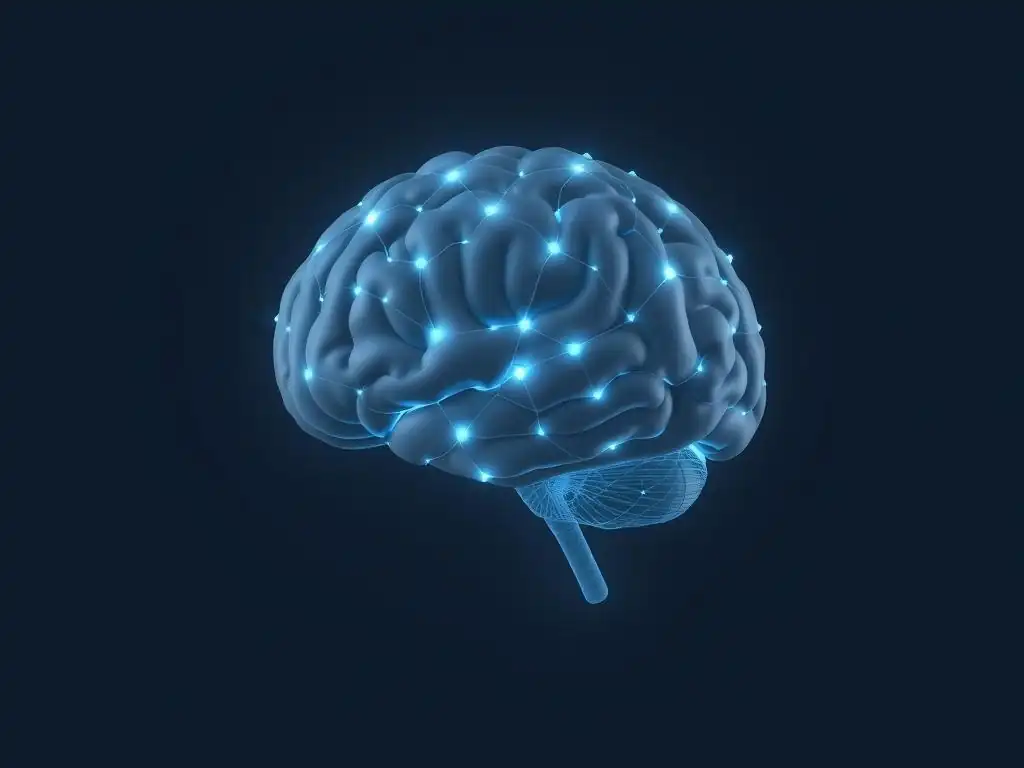
Understanding the neural basis of attention requires moving beyond simply identifying individual brain regions. Instead, we must consider the intricate interplay of several interconnected networks. These networks don't operate in isolation; their coordinated activity is crucial for directing and maintaining attentional focus. Disruptions in this coordinated activity can lead to attentional deficits, highlighting the importance of understanding their dynamic interactions. This section will delve into the key networks involved, emphasizing their unique contributions to the multifaceted process of attention. The keyword "Brain regions attention focus psychology" is central to understanding this complex interplay.
The Dorsal Attention Network and its Function in Spatial Attention
The dorsal attention network (DAN) is primarily associated with spatial attention – the ability to selectively attend to specific locations in visual space. This network is crucial for guiding our gaze and orienting ourselves towards relevant stimuli. Key brain regions within the DAN include the superior parietal lobule (SPL), the intraparietal sulcus (IPS), and the frontal eye fields (FEF).
The SPL plays a vital role in directing attention to locations in space, even without overt eye movements. Studies using fMRI have shown increased activity in the SPL when participants are instructed to attend to a specific location, regardless of whether they are looking directly at it. The IPS, another crucial component, is involved in selecting and prioritizing targets within the visual field.
Its activity is modulated by the difficulty of the attentional task, increasing with greater demand on selective attention. Finally, the FEF, located in the frontal lobe, is critical for controlling eye movements and directing gaze towards attended locations. Damage to the FEF can result in significant impairments in visually guided attention.
The DAN's function can be visualized as a spotlight, selectively illuminating specific areas of our visual field. This spotlight isn't fixed; it can be shifted rapidly and flexibly depending on the demands of the task and the salience of stimuli. Understanding the DAN's precise mechanisms is essential for comprehending how we efficiently process information in a complex visual environment. Its role is paramount in everyday tasks requiring spatial awareness and precise visual targeting.
The Ventral Attention Network and its Role in Alertness and Stimulus Salience
In contrast to the DAN's focus on spatial attention, the ventral attention network (VAN) is primarily involved in alertness and the detection of salient stimuli. This network is responsible for quickly shifting attention towards unexpected or significant events, ensuring that we remain responsive to changes in our environment. Key brain regions in the VAN include the temporoparietal junction (TPJ), the ventral frontal cortex (VFC), and the insula.
The TPJ is particularly important for detecting unexpected or task-irrelevant stimuli. It acts as a "circuit breaker," interrupting ongoing cognitive processes to redirect attention towards novel or surprising events. This function is crucial for survival, allowing us to quickly respond to potential threats or opportunities.
The VFC, located in the frontal lobe, plays a role in maintaining alertness and directing attention towards salient stimuli. It works in conjunction with the TPJ to ensure that attention is appropriately allocated. The insula, a region deep within the brain, is involved in processing interoceptive information (information about the internal state of the body), and plays a role in attentional allocation based on internal needs and states.
The VAN's role can be compared to a highly sensitive alarm system, constantly monitoring the environment for significant events. When a salient stimulus is detected, the VAN rapidly alerts the DAN, allowing for a focused response. This interplay between the VAN and DAN is vital for efficiently managing attention in dynamic and unpredictable environments. The VAN's contribution to attention is crucial in situations demanding rapid responses to unexpected changes. Research continues to unravel the complexities of its function in maintaining vigilance and responding to salient information.
The Default Mode Network and its Relation to Attentional Control
The default mode network (DMN) is a set of brain regions that are active when we are not focused on a specific task, often associated with mind-wandering and self-referential thought. While seemingly at odds with attentional processes, the DMN plays a surprisingly important role in attentional control. It’s crucial to understand its activity relative to other networks for a complete picture of attention. Key brain regions in the DMN include the medial prefrontal cortex (mPFC), the posterior cingulate cortex (PCC), and the angular gyrus.
The DMN's activity is typically inversely correlated with the activity of the DAN and VAN. When attention is focused on a task, the DMN's activity decreases, allowing for efficient processing of external stimuli. However, the DMN isn't simply "switched off." Instead, its activity is modulated, allowing it to contribute to attentional control in subtle but important ways. For example, the DMN may play a role in maintaining task goals in working memory, or in retrieving relevant information from long-term memory. Disruptions to the DMN can lead to difficulties with attentional control, such as difficulties with sustaining focus.
Moreover, the interplay between the DMN and other attentional networks suggests a delicate balance. Excessive DMN activity can interfere with focused attention, while insufficient DMN involvement may hinder the ability to maintain task goals or retrieve relevant information. Therefore, optimal attentional performance requires a dynamic interplay between all these networks, constantly adjusting their activity levels based on the demands of the task and the environment. Further research is needed to fully elucidate the complex interactions between the DMN and other attentional networks, and how these interactions contribute to both successful and unsuccessful attentional control.
Attention Deficits and Neurological Conditions: Implications for Psychology
This section explores the relationship between attention deficits, various neurological conditions, and their implications for psychological understanding. We will examine how disruptions in specific brain regions affect attentional processes, providing a crucial link between neurobiology and psychological experience. Understanding these connections is vital for developing effective diagnostic tools and therapeutic interventions. The keyword "Brain regions attention focus psychology" is central to this discussion, as we delve into the specific brain areas implicated in attentional difficulties.
Attention-Deficit/Hyperactivity Disorder (ADHD) and Brain Function
Attention-Deficit/Hyperactivity Disorder (ADHD) is a neurodevelopmental disorder characterized by inattention, hyperactivity, and impulsivity. Neuroimaging studies have consistently revealed structural and functional differences in the brains of individuals with ADHD compared to neurotypical individuals. These differences are not localized to a single brain region but rather involve a network of interconnected areas crucial for executive functions and attentional control.
Several key brain regions consistently implicated in ADHD include:
- Prefrontal Cortex (PFC): The PFC plays a critical role in executive functions, including working memory, inhibitory control, and planning. Individuals with ADHD often show reduced PFC activity and volume, impacting their ability to sustain attention and inhibit impulsive behaviors. Studies using fMRI have shown decreased activation in the PFC during tasks requiring sustained attention.
- Basal Ganglia: This group of subcortical structures is involved in motor control, habit formation, and reward processing. Dysfunction in the basal ganglia contributes to the hyperactivity and impulsivity often observed in ADHD. Specifically, the caudate nucleus and putamen have been implicated in attentional difficulties.
- Cerebellum: While primarily known for its role in motor coordination, the cerebellum also contributes to cognitive functions, including attention and executive functions. Research suggests that cerebellar abnormalities may contribute to attentional problems and motor coordination deficits in ADHD.
The interplay between these brain regions is complex. For instance, reduced PFC activity might impair the ability to effectively modulate the activity of the basal ganglia, leading to increased impulsivity. Further research is needed to fully elucidate the intricate neural mechanisms underlying ADHD, but the involvement of these key brain regions is well-established. Understanding these neural correlates is crucial for developing targeted treatments that aim to improve brain function and alleviate ADHD symptoms.
The Impact of Brain Injury on Attentional Processes
Brain injuries, such as traumatic brain injury (TBI) or stroke, can significantly impair attentional processes. The specific deficits experienced depend on the location and severity of the injury. Damage to different brain regions can lead to distinct patterns of attentional impairment.
For example:
- Parietal Lobe Damage: The parietal lobe is crucial for spatial attention and processing visual information. Damage to this area can result in neglect syndrome, where individuals fail to attend to stimuli in one side of their visual field. This demonstrates the critical role of the parietal lobe in directing and maintaining attentional focus.
- Frontal Lobe Damage: As discussed above, the frontal lobes, especially the prefrontal cortex, are essential for executive functions, including sustained attention and selective attention. Damage to this area often leads to difficulties in maintaining focus, inhibiting distractions, and shifting attention between tasks. This can manifest as difficulties with working memory and task switching.
- Thalamic Damage: The thalamus acts as a relay station for sensory information. Damage to the thalamus can disrupt the flow of information to cortical areas involved in attention, leading to widespread attentional deficits.
The consequences of brain injury on attention can be devastating, impacting daily life significantly. Rehabilitation programs often incorporate strategies to improve attentional skills, utilizing compensatory mechanisms and retraining techniques to help individuals regain some level of functional independence. The specific rehabilitation approach is tailored to the individual's unique pattern of attentional deficits, underscoring the importance of understanding the neural basis of these impairments. Further research into the effects of various brain injuries on specific brain regions and their associated attentional deficits will continue to refine treatment strategies and improve outcomes.
Future Research Directions in the Neuroscience of Attention
The understanding of the neural basis of attention, while significantly advanced, remains incomplete. Many questions persist, demanding further investigation to fully elucidate the intricate mechanisms governing our ability to focus. Future research should prioritize several key areas to refine our current models and unlock deeper insights into attentional processes.
This includes exploring the interplay between different brain regions, the impact of individual differences, and the influence of various external and internal factors on attentional control. Understanding these aspects is crucial for developing effective interventions for attention-related disorders and enhancing cognitive performance in healthy individuals. The field is ripe for breakthroughs that could revolutionize our understanding of "Brain regions attention focus psychology".
Investigating the Neural Mechanisms of Sustained Attention
Sustained attention, the ability to maintain focus over extended periods, is a crucial cognitive function. While we know that the prefrontal cortex (PFC) plays a vital role, the precise neural mechanisms underlying sustained attention remain unclear. Future research should focus on:
- Network Dynamics: Investigating the dynamic interplay between different brain regions involved in sustained attention, such as the PFC, parietal lobes, and anterior cingulate cortex (ACC). This could involve advanced neuroimaging techniques like fMRI and EEG to capture the temporal and spatial patterns of brain activity during sustained attention tasks. Analyzing these patterns could reveal the precise sequence of activations and deactivations that support sustained focus. For instance, research could explore how the PFC coordinates activity in other regions to maintain vigilance and prevent mind-wandering.
- Individual Differences: Exploring the neural correlates of individual differences in sustained attention. Some individuals naturally possess greater sustained attention capabilities than others. Identifying the neural substrates of these differences could lead to personalized interventions for enhancing attention. This could involve comparing brain activity patterns of high- and low-performing individuals during sustained attention tasks.
- The Role of Oscillations: Investigating the role of specific brainwave oscillations (e.g., theta, alpha, gamma) in the maintenance of sustained attention. These oscillations are thought to play a critical role in coordinating activity across different brain regions. Research could explore how disruptions in these oscillations might contribute to attention deficits.
Exploring the Role of Neurotransmitters in Attentional Control
Neurotransmitters are chemical messengers that play a crucial role in communication between neurons. Several neurotransmitters are implicated in attentional control, including dopamine, norepinephrine, and acetylcholine. Future research should delve deeper into:
- Dopamine's Modulation: Dopamine is crucial for motivation and reward processing, which are closely linked to attention. Further research is needed to clarify the precise role of dopamine in different aspects of attention, such as selective attention and sustained attention. This could involve studies investigating the effects of dopaminergic manipulations (e.g., pharmacological interventions) on attentional performance. Specific attention should be given to the mesocortical and mesolimbic dopamine pathways, and their interactions with other brain regions involved in attention.
- Norepinephrine's Influence: Norepinephrine, a neurotransmitter involved in arousal and alertness, also plays a significant role in attention. Future research should explore how norepinephrine interacts with other neurotransmitters to modulate attentional control. This might involve studying the effects of norepinephrine on different aspects of attention, such as response selection and vigilance.
- Acetylcholine's Contribution: Acetylcholine is another crucial neurotransmitter for attention, particularly in processes related to sensory processing and working memory, which are integral to attentional function. Future research could investigate how cholinergic pathways contribute to attentional selectivity and the filtering of irrelevant information. This could involve examining the effects of cholinergic agonists and antagonists on attentional tasks. Furthermore, research could investigate the interaction between acetylcholine and other neurotransmitters in the regulation of attention.
The investigation of these areas promises to significantly advance our understanding of the neural mechanisms of attention, ultimately contributing to the development of more effective treatments for attentional deficits and strategies for enhancing cognitive performance. The continued exploration of "Brain regions attention focus psychology" is crucial for improving our understanding of this fundamental cognitive process.
Frequently Asked Questions
What brain regions are primarily involved in attention and focus?
The frontal lobes, particularly the prefrontal cortex, play a crucial role in directing and sustaining attention. Other key areas include the parietal lobes, which help process spatial information, and the anterior cingulate cortex, involved in conflict monitoring and error detection.
How do different brain regions work together to achieve focused attention?
Different brain regions work in a coordinated network. The prefrontal cortex acts as a "conductor," while parietal lobes provide spatial awareness. The anterior cingulate cortex helps resolve conflicts between competing stimuli, ensuring efficient focus.
What happens in the brain when attention shifts from one task to another?
Shifting attention involves a complex interplay of brain regions. The prefrontal cortex adjusts its activity to prioritize the new task, while other areas, like the parietal lobes, update the spatial map of attention. This process involves inhibition of irrelevant information.
Can damage to specific brain regions impair attention and focus?
Yes, damage to frontal or parietal lobes, or the anterior cingulate cortex, can significantly impair attention and focus. The specific deficits depend on the location and extent of the damage. This can manifest as difficulties with selective attention, sustained attention, or divided attention.
What are some current research areas exploring the neural basis of attention?
Current research focuses on understanding the neural mechanisms underlying attentional control, the role of neurotransmitters in attention, and the development of neuroimaging techniques to better visualize and understand attentional networks in the brain. This includes exploring the effects of neurofeedback and brain stimulation techniques.
Final Reflection: The Enduring Power of Focused Attention
The ability to focus, once a simple cognitive function, is now a highly prized skill in our relentlessly distracting digital age. Our exploration of the neural basis of attention reveals not just the intricate workings of the brain, but also a critical vulnerability in our modern lives – the constant battle against distraction. Understanding the brain regions involved in focus, from the prefrontal cortex to the parietal lobes, is no longer a purely academic pursuit; it's a key to unlocking our cognitive potential and navigating the overwhelming information landscape of the 21st century.
The impact of attention on our daily lives, from productivity to emotional well-being, is profound and often underestimated. We've seen how specific brain regions work in concert to filter information, prioritize tasks, and maintain concentration. This intricate dance of neural activity underscores the importance of cultivating mindful attention. Attention is the beginning of all things.
– William James. This quote, while written long before the advent of smartphones and social media, remains strikingly relevant today, reminding us of the fundamental role attention plays in shaping our experiences and achieving our goals.
Consider the implications of this knowledge. You now possess a deeper understanding of the biological mechanisms behind focus. How will you leverage this understanding to improve your own attentional skills? Will you incorporate mindfulness practices into your daily routine? Will you consciously design your environment to minimize distractions? The journey towards enhanced focus is a personal one, but armed with this knowledge, you are better equipped to navigate the challenges and reap the rewards of a sharper, more attentive mind.
**Unveil Your Focus: Take Action on Attention! **
Thank you for exploring the fascinating neural basis of attention! You've gained valuable insights into the brain regions crucial for focus. Now, let's put that knowledge to work!
Here are some empowering steps you can take immediately:
- **Practice mindfulness:** Even five minutes of daily mindfulness meditation can significantly improve attention and cognitive function.
- **Minimize distractions:** Identify a common distraction and eliminate it today. This could be anything from silencing phone notifications to scheduling dedicated, distraction-free work periods. Small changes yield significant results.
- **Share your knowledge:** Discuss your newfound understanding with a friend, colleague, or family member, or share a brief summary on social media. You might inspire others to improve their focus!
What specific strategy will you adopt today to enhance your attention and focus?