
The Ethics of Online Behavior: Navigating the Moral Landscape of the Digital World


Welcome to Psychology Basics, your gateway to understanding the fascinating world of human behavior. Are you curious about the ethical dilemmas faced by psychology students in the digital age? Our exploration of online ethics psychology students delves into the complex moral landscape of the internet, examining the challenges and responsibilities inherent in our increasingly interconnected world. Discover how social psychology sheds light on these crucial issues and learn to navigate the digital world with integrity. Dive in and uncover the answers!
- Understanding Online Ethics for Psychology Students
- The Role of Social Media in Shaping Online Ethics
- Ethical Considerations in Online Research and Data Collection
- Developing Ethical Online Behavior: Strategies for Students and Professionals
- Future Directions in Online Ethics Research for Psychology Students
-
Frequently Asked Questions
- What ethical considerations are specific to online psychology?
- How do online platforms impact the therapist-client relationship?
- What are the legal implications of unethical online behavior for psychology students?
- How can psychology students maintain ethical conduct while using social media?
- Where can psychology students find resources on online ethics?
- Final Reflection: Reclaiming Our Humanity in the Digital Age
- **Embrace Ethical Online Engagement Today! **
Understanding Online Ethics for Psychology Students
The digital world, a boundless landscape of connection and information, presents a unique ethical challenge. For psychology students, understanding the nuances of online behavior is not just an academic exercise; it's a crucial skill for navigating the complexities of modern social interaction and conducting responsible research. This article delves into the ethical considerations surrounding online behavior, providing a framework for responsible digital citizenship and exploring the psychological factors that influence our actions in the digital sphere.
We will examine how anonymity and pseudonymity impact online interactions and dissect the psychology behind online disinhibition. Understanding these concepts is vital for psychology students, equipping them to critically analyze online interactions, conduct ethical research, and contribute to a more responsible and empathetic digital community. This is especially relevant given the increasing reliance on online platforms for communication, social interaction, and even research participation.
The principles discussed here will help future psychologists navigate the ethical considerations presented by the ever-evolving digital landscape. This exploration is directly relevant to your studies in social psychology and will provide a foundation for further learning in areas such as cyberpsychology and digital wellbeing.
Defining Online Ethics: A Framework for Responsible Digital Citizenship
Online ethics encompass the moral principles governing our behavior in the digital realm. It's more than just avoiding illegal activities; it's about cultivating a responsible and respectful online presence. This involves understanding the potential consequences of our actions and choosing to act with integrity, empathy, and consideration for others. A crucial element of online ethics is recognizing the interconnectedness of our digital actions with the real world. What we post, share, and comment on can have significant repercussions, impacting our personal and professional lives, as well as the lives of others.
A framework for responsible digital citizenship might include:
- Respect for others: Treating individuals online with the same courtesy and respect you would show them in person. This includes avoiding cyberbullying, harassment, and hate speech.
- Data privacy: Protecting personal information and respecting the privacy of others. This involves being mindful of what information you share online and understanding the implications of data collection practices.
- Intellectual property: Respecting copyright laws and avoiding plagiarism. Proper attribution and citation are vital for maintaining academic integrity online.
- Digital well-being: Promoting a healthy relationship with technology, avoiding excessive screen time and managing online interactions to prevent burnout or negative mental health impacts.
- Accountability: Taking responsibility for your online actions and acknowledging the consequences of your choices.
The Impact of Anonymity and Pseudonymity on Online Behavior
Anonymity and pseudonymity, the ability to interact online without revealing one's true identity, significantly impact online behavior. While offering benefits like freedom of expression and protection from harassment, they can also lead to disinhibited and even harmful actions. The absence of direct accountability can embolden individuals to engage in behaviors they might avoid in face-to-face interactions. Studies consistently show a correlation between anonymity and increased aggression, trolling, and hate speech online. The perceived lack of consequences can lower inhibitions, leading to a diffusion of responsibility and a decreased sense of personal accountability.
Consider the phenomenon of online hate groups and the spread of misinformation. The relative anonymity afforded by online platforms allows these groups to thrive, often engaging in behaviors that would be considered unacceptable in public spaces. Understanding this dynamic is crucial for developing effective strategies to mitigate harmful online behavior. For psychology students, this highlights the importance of studying the interplay between identity, anonymity, and online behavior.
The Psychology of Online Disinhibition Effect
The online disinhibition effect describes the tendency for individuals to behave differently online than they would in face-to-face interactions. This phenomenon, often linked to anonymity and the reduced social cues present in online communication, can manifest in various ways, ranging from increased self-disclosure and intimacy to aggressive and antisocial behavior. Several psychological factors contribute to this effect:
- Reduced cues: The lack of nonverbal cues like facial expressions and body language can lead to misinterpretations and escalate conflicts.
- Asynchronous communication: The delay between sending and receiving messages can contribute to misunderstandings and impulsive responses.
- Distance and anonymity: The feeling of distance and anonymity can lower inhibitions and reduce feelings of accountability.
- Deindividuation: A sense of losing one's personal identity within a group or online community can contribute to conformity and disinhibited behavior.
Understanding the online disinhibition effect is crucial for psychology students as it provides insight into the psychological mechanisms underlying online behavior. This knowledge can inform interventions aimed at promoting responsible online interaction and mitigating the negative consequences of disinhibited behavior. Furthermore, recognizing these factors is key to conducting ethical online research, ensuring the safety and well-being of participants.
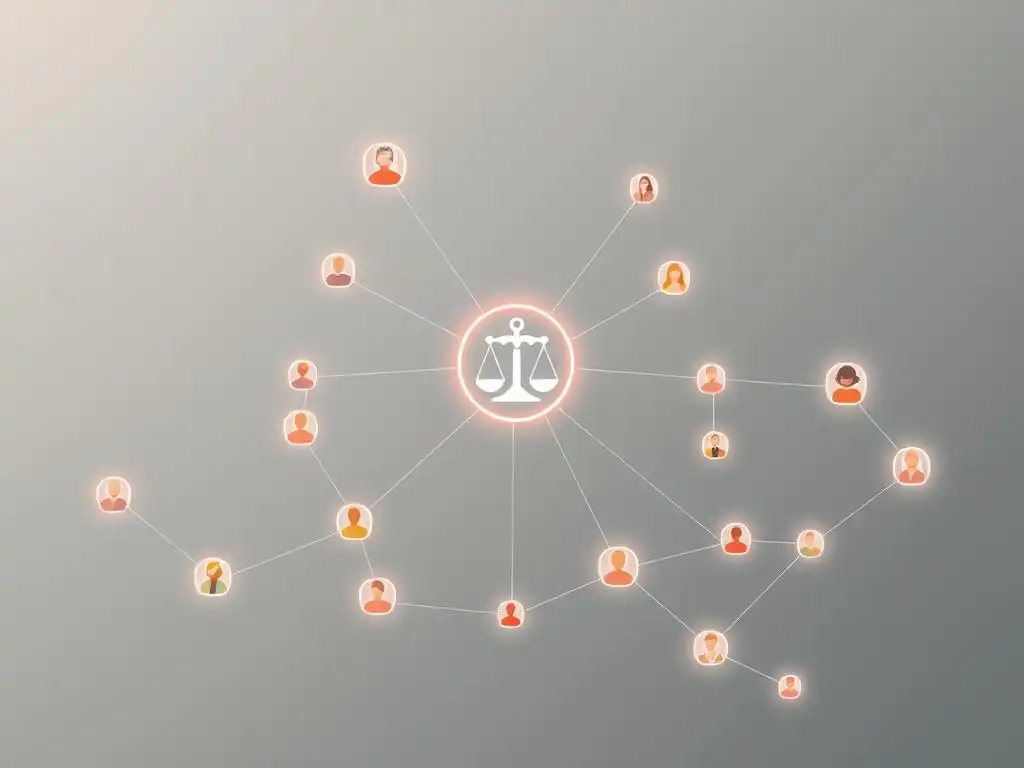
Social media platforms have fundamentally altered how we interact, communicate, and form relationships. This shift has profound implications for online ethics, presenting both unprecedented opportunities and significant challenges for individuals and society. The pervasive nature of social media, its capacity for rapid information dissemination, and its influence on shaping public opinion create a complex ethical landscape for psychology students and the general public to navigate. Understanding this landscape requires a nuanced examination of how social media's design features, algorithmic biases, and user behaviors contribute to ethical dilemmas.
Cyberbullying and Online Harassment: Psychological Impacts and Prevention
Cyberbullying, a form of online harassment, presents a serious ethical concern. Its anonymity, reach, and persistence amplify the psychological harm inflicted on victims. Studies consistently demonstrate a strong correlation between cyberbullying and increased rates of anxiety, depression, loneliness, and even suicidal ideation among adolescents and young adults. The persistent nature of online content means that the effects of cyberbullying can linger long after the initial incident, impacting self-esteem and mental wellbeing for years.
Effective prevention strategies require a multi-pronged approach. This includes educational initiatives targeting both potential perpetrators and victims, focusing on empathy, digital citizenship, and responsible online behavior. Furthermore, social media platforms themselves bear a significant responsibility in developing and implementing robust mechanisms for reporting and removing harmful content. Improved moderation policies, coupled with user education on identifying and reporting instances of cyberbullying, are crucial.
The psychological impact of online harassment underscores the urgent need for a collaborative effort between educators, policymakers, and technology companies to foster a safer online environment for everyone. Understanding the psychological mechanisms driving cyberbullying, such as social dominance and anonymity-induced disinhibition, is crucial for designing effective prevention programs. Data suggests that early intervention and targeted support for victims are key to mitigating long-term psychological damage.
The Spread of Misinformation and the Ethics of Online Sharing
The rapid spread of misinformation, or "fake news," through social media poses a significant ethical challenge. Algorithms designed to maximize engagement often inadvertently amplify misleading or false information, creating "echo chambers" where users are primarily exposed to viewpoints confirming their existing biases. This phenomenon can have far-reaching consequences, impacting public health, political discourse, and social cohesion. Psychology students should understand the cognitive biases that make individuals susceptible to misinformation, such as confirmation bias and the availability heuristic.
The ethical responsibility of online sharing is paramount. Before disseminating information, individuals should critically evaluate its source, credibility, and potential impact. Promoting media literacy and critical thinking skills are essential in combating the spread of misinformation. Moreover, social media companies have a moral obligation to implement fact-checking mechanisms and to prioritize the dissemination of accurate and reliable information.
The development of sophisticated algorithms that can identify and flag potentially misleading content is a crucial step in mitigating this growing problem. Furthermore, research into the psychological factors that influence the sharing of misinformation, such as emotional contagion and social influence, can inform the design of more effective counter-measures. The ethical implications of unchecked misinformation highlight the need for individual responsibility, platform accountability, and collaborative efforts to promote truth and accuracy in the digital sphere.
Privacy Concerns and the Protection of Personal Data Online
The collection and use of personal data online raise significant ethical concerns related to privacy and autonomy. Social media platforms often collect vast amounts of user data, including browsing history, location information, and personal communications. This data can be used for targeted advertising, profiling, and even surveillance. The ethical implications of this data collection are multifaceted, especially considering the potential for misuse and the lack of transparency in many cases. Psychology students must be aware of the potential psychological consequences of data breaches and privacy violations, such as feelings of vulnerability, anxiety, and a loss of control.
The protection of personal data requires a strong legal and regulatory framework, coupled with increased user awareness of their privacy rights. Individuals should be empowered to control the collection and use of their data, and platforms should be held accountable for ensuring the security and responsible handling of this information. The development of user-friendly privacy settings and tools is also crucial.
Furthermore, ongoing research into the psychological impact of privacy violations can inform the design of more robust privacy protection measures. The ethical considerations surrounding online privacy demand a balance between innovation, data utility, and the fundamental right to individual privacy. Understanding the psychological dimensions of privacy, including the need for autonomy and control over personal information, is essential for fostering a more ethical and secure digital environment.
Ethical Considerations in Online Research and Data Collection
The digital age presents unique ethical challenges for psychologists conducting research and collecting data online. The ease of access to vast amounts of information and the anonymity afforded by the internet create both opportunities and significant risks. Successfully navigating this landscape requires a rigorous understanding and application of established ethical principles, adapted to the specifics of the online environment. This section will examine key ethical considerations in online research, focusing on informed consent, data security, and responsible data management.
Successfully addressing these challenges is crucial for maintaining the integrity of psychological research and protecting the well-being of participants. Ignoring these ethical considerations can lead to significant legal and reputational consequences for researchers and institutions. The field of online ethics is rapidly evolving, demanding continuous vigilance and adaptation to emerging technologies and practices.
Informed Consent and Participant Privacy in Online Studies
Obtaining truly informed consent in online research presents a unique set of obstacles. Traditional methods, such as face-to-face interactions, are replaced by digital interfaces. Researchers must ensure participants fully understand the study's purpose, procedures, risks, and benefits, even through a computer screen. This requires clear and concise language, avoiding technical jargon, and providing multiple avenues for clarification.
Furthermore, protecting participant privacy is paramount. Data encryption, anonymization techniques, and secure data storage are crucial for safeguarding sensitive information. Online research often involves collecting IP addresses and other identifying data, which necessitates careful consideration of how this information is handled and stored to prevent breaches of confidentiality. For example, using unique identifiers instead of names and employing robust security protocols are vital components of maintaining participant privacy.
Additionally, researchers must be transparent about data usage and storage, clearly outlining how data will be used, stored, and protected. This transparency builds trust and reinforces ethical conduct in online research. Failure to obtain proper informed consent or adequately protect participant privacy can lead to serious ethical violations and legal repercussions.
Data Security and Responsible Data Management Practices
Data security is a critical concern in online research. The volume and sensitivity of data collected online necessitate robust security measures to prevent unauthorized access, breaches, or misuse. Researchers must implement appropriate security protocols, including strong passwords, encryption, firewalls, and regular security audits. Data should be stored securely, ideally using encrypted cloud storage or dedicated secure servers.
Furthermore, researchers need to establish clear data management procedures, outlining data collection, storage, access, and disposal protocols. These procedures should adhere to relevant data protection regulations and ethical guidelines. For instance, a detailed data management plan should specify who has access to the data, how long it will be stored, and how it will be ultimately disposed of. Regular data backups are essential to mitigate the risk of data loss.
The responsible management of online data is not simply a technical issue; it's a crucial ethical responsibility that safeguards participant privacy and ensures the integrity of research findings. Consider, for example, the implications of a data breach exposing sensitive personal information. The damage to participants and the researcher's reputation would be immense. Therefore, robust data security and responsible data management practices are essential aspects of ethical online research.
Ethical Dilemmas in Online Psychological Interventions
The increasing use of online platforms for psychological interventions introduces new ethical challenges. One significant concern is the lack of direct supervision and the difficulty in assessing the client's environment and well-being remotely. This necessitates careful consideration of the suitability of online interventions for specific clients and conditions. Researchers and practitioners must ensure that appropriate safeguards are in place to address potential risks, such as suicidal ideation or self-harm.
Clear protocols for crisis management and referral to in-person services are essential. Furthermore, ensuring the competence and qualifications of online practitioners is crucial. The accessibility of online platforms can lead to unqualified individuals offering psychological services, posing risks to clients' mental health. Therefore, rigorous standards and oversight mechanisms are necessary to protect clients from potential harm.
Another key ethical consideration is maintaining confidentiality and data security in online therapeutic settings. The use of secure communication channels and robust data encryption is vital to protect client information from unauthorized access or breaches. The ethical dilemmas in online psychological interventions highlight the need for careful consideration of the limitations and risks associated with this rapidly expanding field. The development of robust ethical guidelines and best practices is crucial for ensuring the safety and well-being of clients seeking online psychological support.
Developing Ethical Online Behavior: Strategies for Students and Professionals

This section delves into practical strategies for cultivating ethical online behavior, focusing on the specific needs and challenges faced by psychology students and professionals. Understanding and applying these strategies is crucial for navigating the complex moral landscape of the digital world and fostering a positive online environment. The digital realm presents unique ethical dilemmas, demanding a proactive and informed approach to ensure responsible online interactions. This requires more than just awareness; it necessitates the development of specific skills and a commitment to ethical principles. Neglecting these aspects can lead to serious consequences, both personally and professionally.
Promoting Empathy and Understanding in Online Interactions
Developing empathy in online interactions is paramount. The anonymity and distance afforded by the internet can easily lead to disinhibition and a lack of consideration for others' feelings. Psychology students, in particular, should understand how easily online communication can be misinterpreted, leading to misunderstandings and conflict. This is because nonverbal cues, crucial for accurate interpretation in face-to-face interactions, are often absent or ambiguous online.
For example, sarcasm, which relies heavily on tone and body language, frequently fails to translate effectively in text-based communication. What might be intended as a lighthearted joke can be easily misinterpreted as an aggressive or offensive statement. This highlights the need for careful consideration of word choice and the potential for miscommunication. Active listening, a key component of effective communication, is equally important online. Before responding, take the time to fully understand the message being conveyed, considering the sender's perspective and potential emotional state.
Practicing empathy involves actively seeking to understand the other person's point of view, even if you don't agree with it. It means acknowledging their feelings and validating their experiences. This approach fosters a more respectful and understanding online environment, reducing the likelihood of conflict and promoting positive interactions.
Regularly reflecting on your own online behavior and its potential impact on others is also crucial for continuous improvement. This self-reflection can be aided through journaling or discussions with trusted peers. The goal is to cultivate a mindful and considerate online presence, minimizing the potential for harm and maximizing the potential for positive connection.
Cultivating Critical Thinking Skills to Combat Online Manipulation
The digital world is rife with misinformation, propaganda, and manipulative tactics. Developing strong critical thinking skills is essential for navigating this complex landscape. Psychology students are uniquely positioned to understand the psychological principles underlying these manipulative techniques, such as confirmation bias, cognitive dissonance, and the bandwagon effect. Recognizing these biases in oneself and others is a crucial first step.
For instance, understanding the power of confirmation bias – the tendency to seek out and interpret information that confirms pre-existing beliefs – allows individuals to actively challenge their own assumptions and avoid falling prey to biased information. Similarly, recognizing the bandwagon effect – the tendency to adopt beliefs and behaviors simply because they are popular – empowers individuals to make independent judgments rather than blindly following the crowd.
Furthermore, critical thinking involves evaluating the credibility of sources, identifying logical fallacies, and distinguishing between fact and opinion. This requires a systematic approach to information gathering and analysis, including checking multiple sources and verifying claims before accepting them as true.
Learning to identify manipulative tactics online, such as clickbait headlines, emotionally charged language, and misleading visuals, equips individuals with the tools to protect themselves and others from misinformation and harmful content. The ability to critically analyze online information is not just a desirable skill; it is a necessity in today's digital age. It is a fundamental component of responsible online citizenship and crucial for maintaining personal and societal well-being.
The Importance of Digital Literacy and Media Awareness
Digital literacy extends beyond basic computer skills; it encompasses a comprehensive understanding of the digital landscape and the ability to navigate it effectively and responsibly. For psychology students, this includes understanding the ethical implications of online behavior, the impact of technology on mental health, and the potential for online harassment and cyberbullying. Media awareness is a critical component of digital literacy, helping individuals to critically analyze the information they encounter online and identify potential biases or manipulative tactics.
A lack of digital literacy can leave individuals vulnerable to online scams, misinformation, and harmful content. It can also lead to unintentional participation in unethical online behaviors. Therefore, continuous learning and adaptation are crucial in this ever-evolving digital environment. Staying updated on current trends and technologies is essential for maintaining a high level of digital literacy. This includes familiarizing oneself with new social media platforms, understanding the implications of emerging technologies like AI, and staying informed about the latest online security threats.
Furthermore, understanding the legal and ethical implications of online activities is crucial. This includes being aware of copyright laws, privacy regulations, and the potential consequences of sharing sensitive information online. By developing a strong foundation in digital literacy and media awareness, psychology students can not only protect themselves but also contribute to a more ethical and responsible online community. This includes promoting responsible use of social media, combating online misinformation, and advocating for a safer and more inclusive digital environment. The cultivation of these skills is essential for both personal and professional success in the digital age.
Future Directions in Online Ethics Research for Psychology Students
The burgeoning field of online ethics presents a wealth of unexplored territory for psychology students. Traditional ethical frameworks often struggle to keep pace with the rapid evolution of digital technologies and their impact on human behavior. This section outlines key areas ripe for future research, focusing on how these advancements challenge existing ethical norms and require new approaches to understanding online conduct.
Understanding these evolving landscapes is crucial for shaping responsible online behavior and mitigating potential harms. The increasing integration of technology into our lives demands a deeper understanding of its ethical implications, particularly for vulnerable populations. This necessitates a multidisciplinary approach, combining insights from psychology, computer science, law, and sociology.
Emerging Ethical Challenges in Virtual Reality and Metaverse Environments
The immersive nature of virtual reality (VR) and metaverse environments presents unique ethical challenges. Consider the potential for heightened anonymity, leading to increased aggression or harassment. The blurring of lines between the physical and digital worlds raises concerns about the psychological impact of prolonged exposure to virtual environments.
For example, research is needed to understand the effects of prolonged VR use on empathy and social skills development. Existing studies on online disinhibition effect could provide a foundation, but further investigation into the specific dynamics of VR and metaverse interactions is crucial. Furthermore, the creation and ownership of digital identities and assets in these spaces raise complex legal and ethical questions that require careful consideration.
The lack of clear guidelines and regulations presents a significant area for future research, focusing on the development of ethical frameworks specific to VR and metaverse environments. Data privacy and security are also major concerns, requiring the development of robust mechanisms to protect user information. The potential for manipulation and exploitation within these immersive environments is also a significant concern.
The Role of Artificial Intelligence in Shaping Online Ethical Norms
Artificial intelligence (AI) is rapidly transforming the online landscape, raising complex ethical questions about its influence on human behavior and social interactions. AI-powered algorithms influence everything from the news we consume to the products we buy, potentially shaping our perceptions and biases in ways we don't fully understand. The potential for algorithmic bias to perpetuate and amplify existing social inequalities is a significant area of concern.
For instance, research into how AI-driven recommendation systems might contribute to echo chambers and polarization needs further investigation. Moreover, the increasing use of AI in online surveillance raises questions about privacy and freedom of expression. The development of ethical guidelines for AI development and deployment is critical, ensuring that AI systems are designed and used responsibly.
Psychology students can contribute significantly by researching the psychological impact of AI on individuals and society. This includes studying the effects of AI-driven personalization on user autonomy and the potential for AI to manipulate or exploit human vulnerabilities. Understanding the interplay between human psychology and AI is crucial for developing effective ethical frameworks in this rapidly evolving field.
Developing Ethical Guidelines for the Growing Digital Landscape
The rapid pace of technological advancement necessitates the development of flexible and adaptable ethical guidelines for online behavior. These guidelines should be grounded in psychological principles, taking into account the complexities of human behavior in digital environments. Existing ethical frameworks, such as those used in research ethics, need to be updated to address the unique challenges of the online world. For example, consent, privacy, and confidentiality—all central to ethical research—must be redefined within the context of big data, algorithms, and pervasive online surveillance.
This requires ongoing collaboration between ethicists, policymakers, and technology developers to create a robust and adaptable framework. Furthermore, educating users about online ethics is crucial. Psychology students can play a vital role in developing and implementing educational programs that promote responsible online behavior. This could involve creating awareness campaigns, developing educational materials, and conducting research on effective methods for promoting ethical online practices.
The goal is to foster a culture of online responsibility and accountability, ensuring that the digital world is a safe and equitable space for everyone. The development of these guidelines necessitates a collaborative effort, bringing together experts from various fields to address the multifaceted nature of online ethics. The creation of a dynamic, adaptable framework is essential to meet the ongoing challenges of the ever-evolving digital landscape.
Frequently Asked Questions
What ethical considerations are specific to online psychology?
Online interactions require confidentiality safeguards beyond those in face-to-face settings. Data security and informed consent are paramount, especially with vulnerable populations. Maintaining professional boundaries in online spaces is also crucial.
How do online platforms impact the therapist-client relationship?
The lack of physical presence in online therapy necessitates careful attention to building rapport and managing potential misunderstandings. Technological limitations can impact communication and require adaptability from both parties. The anonymity offered by online spaces can also affect the therapeutic process.
What are the legal implications of unethical online behavior for psychology students?
Unethical online behavior, such as sharing confidential information or engaging in cyberbullying, can lead to disciplinary action, including suspension or expulsion from programs. It can also have legal ramifications, potentially resulting in lawsuits or criminal charges.
Students should avoid sharing identifying information about clients or colleagues. They should be mindful of their online presence, presenting themselves professionally. Following their institution's social media policies is essential to avoid ethical breaches.
Where can psychology students find resources on online ethics?
Many professional organizations, such as the American Psychological Association (APA), offer guidelines and resources on ethical practice in online settings. University counseling centers and psychology departments often provide workshops and training on this topic. Online courses are also available to address specific ethical dilemmas.
Final Reflection: Reclaiming Our Humanity in the Digital Age
The ethical dilemmas presented by online behavior are not abstract philosophical exercises; they are the very fabric of our increasingly interconnected world. The ease with which we can spread misinformation, engage in cyberbullying, or violate privacy online has profound consequences, impacting individuals, communities, and even global stability. We must confront these challenges head-on, recognizing the urgent need for a more ethical digital landscape.
The pervasiveness of online influence on our social and psychological well-being is undeniable. We are constantly bombarded with information, shaping our perceptions and influencing our actions in ways we may not fully understand. The medium is the message,
Marshall McLuhan famously stated, and this rings truer than ever in our digital age. The platforms we use, the algorithms that curate our experiences, and the very nature of online interaction profoundly shape our understanding of ourselves and others. This understanding necessitates a critical examination of our own online behavior and a commitment to fostering a more ethical digital environment.
Consider the impact of your own online actions. Do you actively combat misinformation? Do you treat others with the same respect online as you would in person? Are you mindful of your digital footprint and its potential consequences? You have the power to shape the digital world, to create a space where empathy, respect, and ethical conduct prevail. Let us all strive to build a more humane and responsible online community, one interaction at a time.
**Embrace Ethical Online Engagement Today! **
Thank you for exploring the complexities of online behavior with us! Understanding the ethics of our digital interactions is a crucial first step in navigating the moral landscape of the internet. Now, let's put that knowledge into practice!
Here's how you can make a positive impact and improve your online presence:
- **Start a conversation:** Discuss the importance of ethical online behavior with your friends and family. Sharing this information can raise awareness and spark meaningful dialogue.
- **Practice mindfulness:** Take some time this week to reflect on your own online habits. Identify areas where you can better align your actions with ethical principles.
- **Join the movement:** Connect with our social media channels for ongoing tips and discussions on responsible online practices. Become part of a community committed to creating a more ethical digital world.
What's your first step towards becoming a more responsible digital citizen? Share your thoughts below!