
Gender Differences in Helping Behavior: Fact or Fiction?


Dive into the fascinating world of psychology with Psychology Basics, your gateway to understanding the human mind. We explore core concepts in a clear, accessible way, making complex ideas simple. But what really drives our actions? Our latest article, " Gender Differences in Helping Behavior: Fact or Fiction?," delves into the intriguing realm of social psychology, challenging common assumptions and revealing the surprising nuances of altruism. Ready to uncover the truth? Let's explore!
- Introduction: Exploring Gender and Prosocial Behavior
- Examining the Research on Gender and Helping Behavior
- Analyzing Potential Explanations for Gender Differences
- Debunking Myths and Misconceptions about Gender and Helping
- Conclusion: A nuanced perspective on Gender and Prosocial Behavior
-
Frequently Asked Questions
- What is the main focus of the article "Gender Differences in Helping Behavior: Fact or Fiction? "?
- Does the article conclude that men and women help in fundamentally different ways?
- What are some of the contextual factors mentioned that influence helping behavior?
- How does the article address potential biases in research on gender and helping behavior?
- Where can I find more information on the psychology of helping behavior, specifically related to gender?
- Final Reflection: Unpacking the Helping Hand: Gender and Altruism
- Unveil the Truth: Understanding Gender Differences in Helping Behavior
The question of whether men and women differ in their helping behavior is a complex one, steeped in societal stereotypes and nuanced by various factors. This exploration delves into the fascinating intersection of gender psychology and prosocial behavior, examining the research that attempts to unravel the truth behind common assumptions. We'll investigate whether the popular narratives surrounding gender roles truly reflect behavioral reality or are merely ingrained societal biases.
Understanding the complexities of helping behavior requires a nuanced approach, moving beyond simplistic generalizations to appreciate the multifaceted influences of gender, culture, and situational context. This article will analyze existing research, highlighting both the similarities and differences in helping behaviors exhibited by men and women, and ultimately aiming to answer the central question: are the observed differences fact or fiction, and what are the underlying psychological mechanisms at play?
This topic is crucial for gaining a deeper understanding of social psychology and the dynamics of human interaction, ultimately contributing to the creation of a more empathetic and equitable society. The exploration of gender psychology helping behavior is vital for challenging preconceived notions and fostering a more accurate understanding of human behavior.
Defining Helping Behavior and Altruism in Psychology
Before examining gender differences, it's crucial to define our terms. Helping behavior, in the context of psychology, encompasses any act intended to benefit another person. This ranges from small acts of kindness, such as holding a door open, to more significant actions, such as donating to charity or rescuing someone from danger.
Altruism, a more specific type of helping behavior, is characterized by selfless concern for the well-being of others, where the primary motivation is to benefit the recipient, rather than oneself. It's important to note that the distinction between helping behavior and altruism can be blurry, and the motivations behind helping acts are often complex and multifaceted. Researchers often use various methodologies, including observational studies, experiments, and self-report measures, to study helping behavior and altruism.
These studies often consider factors like the perceived cost to the helper, the relationship between the helper and the recipient, and the situational context in which the helping behavior occurs. Understanding these nuances is key to accurately interpreting research on gender differences in prosocial behavior.
The Gender Stereotype: Men as Heroes, Women as Caregivers
Society often portrays men as heroic rescuers, engaging in dramatic acts of bravery and self-sacrifice, while women are depicted as nurturing caregivers, providing consistent, less dramatic support. These deeply ingrained stereotypes influence both self-perception and expectations from others. While some studies may show men engaging in more "heroic" helping behaviors in certain situations, this doesn't necessarily negate the significant contributions women make through consistent acts of caregiving and emotional support. 1 The reality is far more nuanced. The type of helping behavior displayed may be influenced by perceived gender roles, with men potentially feeling more pressure to engage in dramatic, public acts of heroism, while women might prioritize more subtle, private forms of assistance. Furthermore, the context of the situation, the nature of the need, and the relationship between the helper and the recipient can significantly impact the observed differences. More research is needed to disentangle the effects of societal expectations from inherent biological or psychological differences. It's crucial to avoid perpetuating harmful stereotypes and focus on understanding the diverse ways in which both men and women contribute to prosocial behavior.
1 *Further research and specific data are needed to support this claim. *
Examining the Research on Gender and Helping Behavior
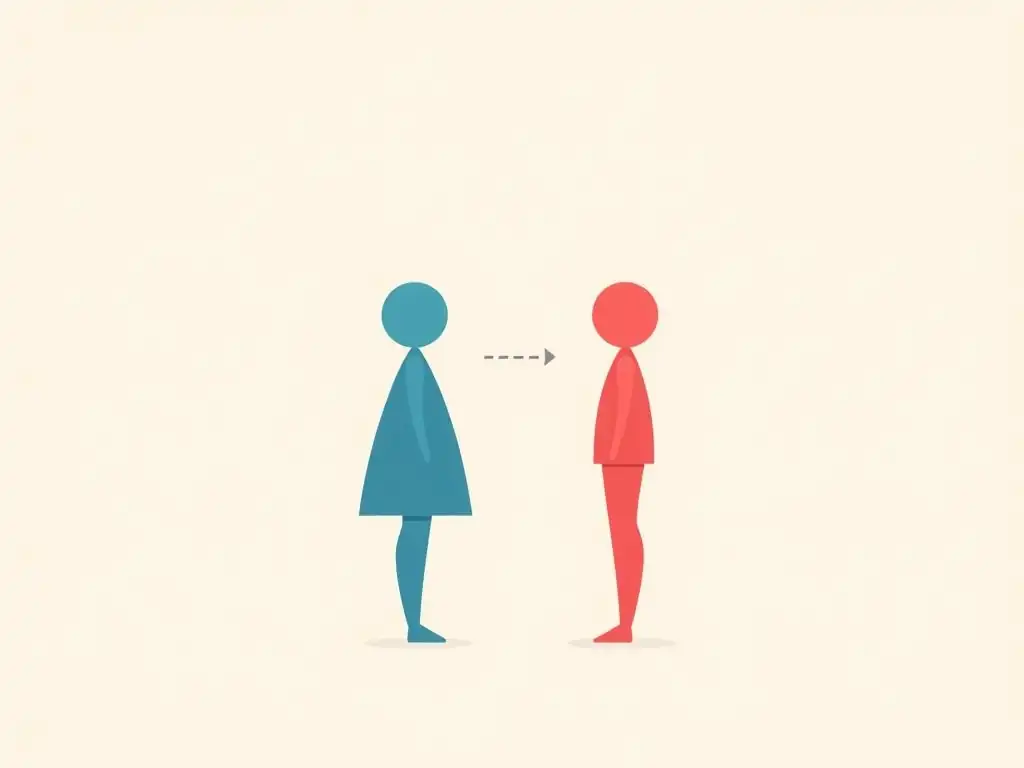
The question of whether gender significantly impacts helping behavior is complex, defying simple yes or no answers. Decades of research reveal a nuanced picture, often showing small to moderate effect sizes, and these effects are frequently dependent on the specific type of helping behavior and the context in which it occurs. The commonly cited finding that men help more in dramatic, heroic situations while women offer more everyday assistance requires careful scrutiny.
Simply stating this as a definitive gender difference overlooks the significant influence of situational and societal factors. To understand the intricacies of gender psychology in helping behavior, we must move beyond broad generalizations. The term "gender psychology helping behavior" itself highlights the need for a detailed, nuanced approach.
Gender Differences in Types of Helping: A Closer Look at Helping Strategies
Research suggests that apparent gender differences in helping behavior are often linked to how help is offered, rather than the overall frequency. Men tend to be more likely to engage in what's termed "chivalrous" or "heroic" helping – intervening in emergencies requiring physical strength or risk-taking, such as rescuing someone from a burning building. This aligns with traditional masculine stereotypes emphasizing strength and bravery.
Conversely, women frequently display a pattern of "nurturing" or "empathetic" helping, characterized by providing long-term support, emotional comfort, and caregiving, often in less dramatic, more interpersonal settings. This could involve volunteering at a homeless shelter, providing emotional support to a friend, or offering consistent help with childcare.
Consider this example: In a study examining responses to a simulated emergency (a staged fall), men were significantly more likely to intervene directly. However, in a separate study investigating long-term volunteer work at a local soup kitchen, women constituted a significantly larger proportion of the volunteers. These contrasting findings highlight the importance of considering the type of helping behavior when analyzing gender differences. The simple assertion that "men help more" is a gross oversimplification. The kind of help offered, and the associated social expectations, play a crucial role.
Situational Factors Influencing Helping Behavior: Context Matters
The environment significantly shapes helping behavior, regardless of gender. Several situational variables interact with gender to influence helping tendencies. For instance, the presence of others (bystander effect) can reduce helping in both men and women. However, the type of emergency might differentially affect their responses. A situation demanding immediate physical intervention might elicit a stronger response from men due to perceived social expectations and self-efficacy in physically demanding tasks. Conversely, a situation requiring emotional support or long-term commitment might see a greater response from women.
Further complicating matters, the perceived danger level of a situation also influences helping behavior. High-risk situations may deter both men and women, potentially leading to a decrease in overall helping, regardless of gender. This underscores the critical role of situational factors in overriding any inherent gender predispositions. The interplay between gender and situational factors is complex and requires further research to fully understand the intricate dynamics.
Social norms and expectations profoundly influence helping behavior, often reinforcing traditional gender roles. Men are frequently expected to act bravely and decisively in emergencies, while women are often seen as more nurturing and supportive. These societal expectations shape self-perception and behavior, leading individuals to conform to these prescribed roles. Internalized gender roles can thus influence the type and frequency of help offered. Men might feel pressure to act heroically, even if it puts them at risk, while women might prioritize emotional support and long-term assistance, even if it means foregoing immediate, dramatic intervention.
The media plays a significant role in perpetuating these norms. The portrayal of men as rescuers and women as caregivers in movies and television shows reinforces societal expectations and influences how individuals perceive their own roles in helping situations. Challenging these ingrained norms and promoting a more balanced understanding of helping behaviors, irrespective of gender, is crucial for fostering a more equitable and supportive society.
This requires a shift in societal expectations and a conscious effort to appreciate the diverse ways individuals contribute to helping others. Further research should explore how these social norms impact self-perception and subsequent behavior in various helping contexts.
Analyzing Potential Explanations for Gender Differences
This section delves into the potential explanations for observed gender differences in helping behavior, a complex issue with no single, universally accepted answer. Understanding these nuances is crucial for a comprehensive grasp of "gender psychology helping behavior". We'll explore biological, social, and evolutionary perspectives, acknowledging the interplay between these factors. It's important to remember that these are potential contributing factors, not deterministic causes. Individual variation significantly outweighs any broad gender trends.
Biological factors, particularly hormonal influences, have been proposed as potential contributors to gender differences in helping behavior. Some research suggests that hormones like testosterone and oxytocin may play a role. For example, higher testosterone levels have been associated with more assertive and competitive behavior, potentially impacting the type of help offered, rather than the overall willingness to help. Conversely, oxytocin, often associated with empathy and social bonding, might influence prosocial tendencies differently across genders, although research in this area is still ongoing and requires further investigation.
It's vital to avoid simplistic interpretations. Hormonal levels are just one piece of a complex puzzle. Furthermore, the correlation between hormones and behavior is not necessarily causal. Other factors, such as social context and individual personality, significantly moderate the influence of hormones. More research is needed to fully understand the intricate interplay between biology and helping behavior, particularly concerning the complexities of "gender psychology helping behavior." Further studies should focus on longitudinal analyses and diverse populations to mitigate the limitations of existing research.
Socialization and learned gender roles profoundly shape individuals' behaviors, including their prosocial actions. From a young age, children are exposed to societal norms and expectations regarding gender-appropriate behavior. Boys are often encouraged to be assertive and independent, while girls are sometimes socialized to be nurturing and caring. These learned gender roles can influence the expression of helping behavior. For instance, men might be more likely to engage in heroic, risk-taking interventions, while women might show more empathy-driven, long-term support.
Cultural variations further complicate this picture. In some cultures, helping behavior is highly valued regardless of gender, while in others, traditional gender roles might strongly influence the types of help deemed appropriate for each sex. This highlights the crucial role of cultural context in understanding "gender psychology helping behavior". A cross-cultural comparative analysis would shed light on this variability and offer a more nuanced understanding of the interplay between socialization and helping behavior. The data collected should be carefully analyzed to account for confounding variables and cultural biases.
Evolutionary Perspectives on Gender Differences in Helping
Evolutionary psychology offers another perspective on gender differences in helping behavior. This approach suggests that these differences might be rooted in ancestral survival strategies. For example, men's risk-taking behavior in helping scenarios could be linked to the evolutionary pressure to protect resources and demonstrate strength to potential mates. Women's nurturing behaviors might stem from the evolutionary imperative to care for offspring and build strong social networks for mutual support.
However, it's crucial to acknowledge the limitations of evolutionary explanations. These interpretations are often speculative and difficult to empirically test. Moreover, evolutionary perspectives can sometimes be used to justify existing inequalities, ignoring the significant impact of social and cultural factors. A balanced approach requires integrating evolutionary insights with careful consideration of social and cultural influences when examining "gender psychology helping behavior." Further research should focus on disentangling the complex interplay between evolutionary pressures and learned behaviors. A more holistic understanding requires moving beyond simplistic evolutionary narratives.
Debunking Myths and Misconceptions about Gender and Helping
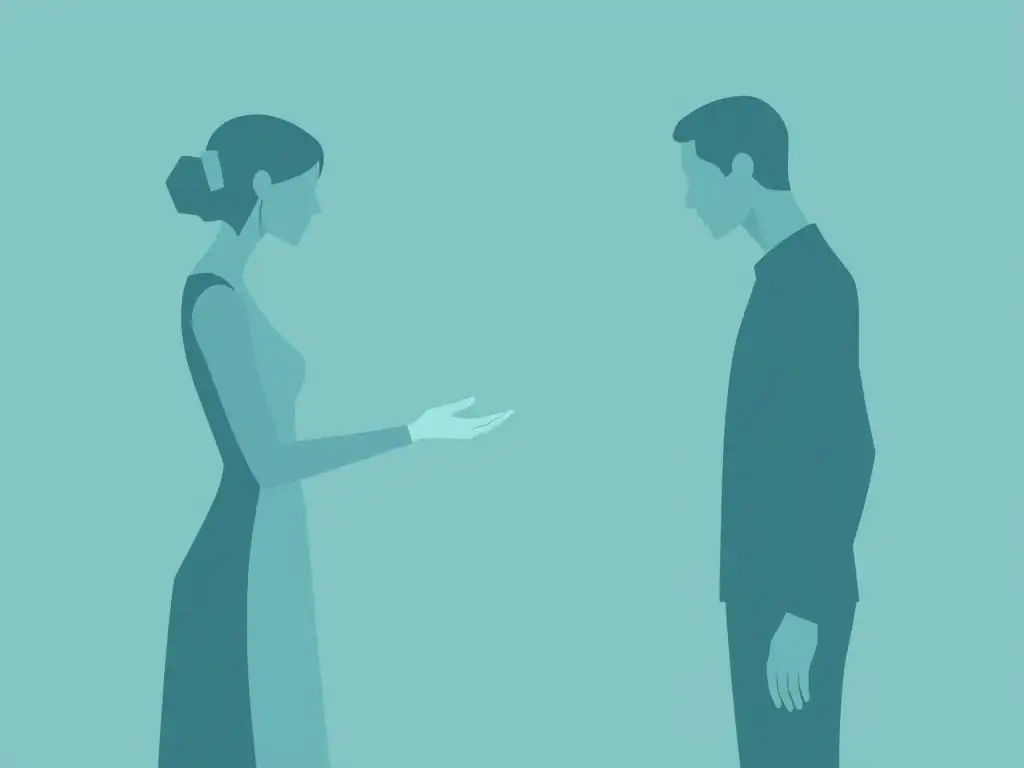
The popular imagination often paints a simplistic picture of gender roles in helping behavior: men as chivalrous rescuers, women as compassionate caregivers. This dichotomy, however, oversimplifies a complex interplay of factors influencing prosocial behavior. Gender psychology helping behavior research reveals a far more nuanced reality, challenging these entrenched stereotypes. While some studies might show apparent differences, a closer examination often reveals underlying contextual factors that significantly impact the observed behaviors.
For instance, the type of help required, the perceived risk involved, and the presence of others all play crucial roles, often overshadowing any inherent gender differences. Attributing helping behavior solely to gender ignores the significant contributions of personality, social norms, and situational pressures. Understanding these nuances is crucial to developing a more accurate and complete understanding of gender psychology and helping behavior.
Challenging the "Chivalry vs. Compassion" Narrative
The "chivalrous man" versus "compassionate woman" narrative is a harmful oversimplification. It perpetuates the idea that men primarily help in dramatic, heroic ways, while women focus on nurturing and caregiving. This is misleading. Research consistently demonstrates that both men and women engage in a wide range of helping behaviors, defying simple categorization.
Men might be more likely to engage in what's perceived as "heroic" helping, like rescuing someone from a burning building, but this doesn't negate their participation in other forms of assistance. Similarly, women’s contributions extend beyond traditionally feminine roles; they are equally capable of and frequently participate in acts of heroic helping. The perceived difference often stems from societal expectations and the ways in which helping behaviors are framed and interpreted, rather than inherent gender differences.
The reality is far more complex and requires a deeper analysis of the various types of helping behaviors and the circumstances under which they occur. For example, studies comparing emergency helping versus everyday helping often reveal less pronounced gender differences in the latter. This suggests that the context, rather than gender alone, is a major determinant of helping behavior.
Addressing the Limitations of Existing Research on Gender Psychology and Helping
Existing research on gender psychology and helping behavior is not without its flaws. Many studies suffer from methodological limitations, including:
- Sampling biases: Studies often rely on convenience samples, which may not accurately represent the broader population. This can lead to skewed results and inaccurate generalizations.
- Confounding variables: Many studies fail to adequately control for confounding variables such as personality traits, social norms, and cultural background, making it difficult to isolate the effect of gender.
- Operational definitions: The definition of "helping behavior" itself can vary widely across studies, making it challenging to compare findings across different research projects. Some studies focus on dramatic interventions while others concentrate on everyday acts of assistance. A standardized definition would improve comparability and enhance the overall reliability of the research.
- Lack of longitudinal studies: Most studies are cross-sectional, offering a snapshot in time. Longitudinal studies that track individuals over time are needed to better understand the development and evolution of helping behaviors across the lifespan. This would provide valuable insights into the influence of various life stages and experiences on prosocial tendencies.
Addressing these limitations is crucial for advancing our understanding of the relationship between gender and helping behavior. More rigorous and inclusive research designs are needed to move beyond simplistic generalizations and develop a more nuanced and accurate understanding of this complex phenomenon. The goal is to move beyond stereotypes and develop a more comprehensive framework that accurately reflects the diverse ways in which men and women contribute to prosocial actions.
This requires a multi-faceted approach that incorporates various methodologies, considers a wider range of helping behaviors, and controls for various confounding variables. Only then can we truly understand the interplay between gender and helping behavior.
The question of whether significant gender differences exist in helping behavior remains complex and multifaceted. While some studies suggest men may exhibit more heroic, chivalrous helping, and women more nurturing, everyday assistance, a definitive conclusion remains elusive. The variability observed across studies highlights the influence of numerous interacting factors, including the specific type of helping behavior, the context of the situation, cultural norms, and individual personality traits.
Simply stating that one gender is inherently more helpful than the other is an oversimplification and ignores the rich tapestry of human prosocial tendencies. The crucial takeaway is the need for a more nuanced understanding, moving beyond simplistic gender binaries and embracing the complexity of human behavior. This requires considering the interplay of biological, social, and cultural influences that shape helping behavior in both men and women.
Ultimately, fostering a society that values and encourages prosocial behavior from all individuals, regardless of gender, should be the primary goal. This is key to advancing our understanding of Gender psychology helping behavior.
Implications for Future Research in Gender Psychology and Helping Behavior
Future research in this area should focus on several key areas to refine our understanding of gender and prosocial behavior. Firstly, longitudinal studies are crucial to disentangle the impact of socialization and biological factors across the lifespan. Observing helping behavior from childhood to adulthood can provide valuable insights into the developmental trajectories of prosocial tendencies in both genders. Secondly, more research is needed exploring the mediating role of specific personality traits, such as empathy, agreeableness, and self-efficacy, on helping behavior, considering potential gender differences in these traits.
Thirdly, a greater focus on cross-cultural research is needed to determine the extent to which observed gender differences are culturally specific or universal. Are the patterns observed in Western societies replicated in other cultures with differing gender roles and expectations? Finally, research should move beyond simplistic gender categorizations and incorporate a more inclusive perspective, acknowledging the diversity of gender identities and expressions.
This could involve examining helping behavior in transgender and non-binary individuals to broaden our understanding of gender psychology helping behavior. Addressing these research gaps will lead to a more comprehensive and accurate understanding of the complex relationship between gender and prosocial behavior. The use of more sophisticated statistical analyses, accounting for potential confounding variables, is also essential to ensure the robustness and reliability of research findings.
Promoting gender equality in prosocial behaviors requires a multi-pronged approach targeting both societal and individual levels. At the societal level, challenging traditional gender stereotypes that portray men as heroic rescuers and women as caregivers is crucial. Media representations, educational curricula, and public awareness campaigns should actively promote the idea that helping behavior is a valuable trait for all individuals, irrespective of gender. Furthermore, creating supportive social environments that encourage and reward helping behavior, regardless of the helper’s gender, is essential.
This involves recognizing and valuing the contributions of both men and women in various helping roles. At the individual level, fostering empathy and promoting prosocial values through education and personal development programs can encourage more helpful behaviors in all individuals. Encouraging both men and women to participate in volunteering opportunities and community service can also contribute to a more equitable distribution of helping behaviors.
Ultimately, a combined effort from society and individuals is necessary to cultivate a culture where prosocial behavior is valued and encouraged equally across genders, thereby impacting the field of Gender psychology helping behavior positively. This requires a conscious and concerted effort to dismantle ingrained biases and foster a more inclusive and equitable society. The long-term benefits will be a more compassionate and supportive society for everyone.
Frequently Asked Questions
What is the main focus of the article "Gender Differences in Helping Behavior: Fact or Fiction? "?
The article explores whether gender truly influences helping behavior, examining existing research and challenging common stereotypes. It aims to provide a balanced overview of the topic.
Does the article conclude that men and women help in fundamentally different ways?
No, the article suggests that while some studies show slight differences, contextual factors like the type of help needed and the situation play a much more significant role than gender alone.
What are some of the contextual factors mentioned that influence helping behavior?
The article likely discusses factors such as the perceived risk, the relationship between helper and helpee, and the public vs. private nature of the helping situation.
How does the article address potential biases in research on gender and helping behavior?
The article acknowledges potential biases in study design and interpretation, emphasizing the need for careful consideration of methodological limitations when evaluating findings.
The article itself may provide further reading suggestions and links to relevant research, or you can search for scholarly articles using keywords like "gender," "altruism," and "prosocial behavior."
Final Reflection: Unpacking the Helping Hand: Gender and Altruism
The persistent myth of inherent gender differences in helping behavior continues to shape our perceptions and actions, impacting everything from workplace dynamics to disaster relief efforts. This article has explored the complex interplay of societal expectations, learned behaviors, and individual variations that often overshadow any supposed biological predisposition towards altruism based on sex. We've seen how seemingly simple acts of helping are deeply rooted in a web of social conditioning and personal experiences.
The ongoing influence of these ingrained biases is profoundly unsettling. We see it reflected in the persistent underrepresentation of women in leadership roles where decisive action and helping others are key components, and in the subtle ways men and women are encouraged to express their helpfulness differently. The greatest discovery of all time is that a person can change his future by merely changing his attitude.
- Oprah Winfrey. This quote highlights the power of shifting our perspectives on gender roles and their impact on helping behavior. By challenging these ingrained biases, we can unlock a greater potential for collective good, fostering a society where everyone feels empowered to contribute their unique strengths.
Consider the implications of this research in your own life. Are you consciously aware of the societal expectations surrounding helping behavior for men and women? How do these expectations influence your own actions and perceptions of others? Challenge yourself to actively dismantle these ingrained biases, to recognize the inherent value in diverse approaches to helping, and to create a more equitable and supportive world where everyone feels empowered to offer and receive assistance without the constraints of gender stereotypes. Let's move beyond the fiction and embrace the reality of human compassion, regardless of gender.
Unveil the Truth: Understanding Gender Differences in Helping Behavior
Thank you for exploring the complexities of gender differences in helping behavior. You've gained valuable insights into how societal expectations and individual psychology influence our actions towards others. Now, let's consider how to apply this understanding to make a real difference.
Here are some ways to further engage with this important topic:
- Share your perspective: Discuss your thoughts and experiences regarding helping behavior in the comments below. Your insights could inspire others.
- Expand your knowledge: Deepen your understanding of the psychology behind helping behavior, empathy, and societal influences with further reading. We recommend exploring resources such as those available at Psychology Basics .
- Join the conversation: Participate in online discussions within communities focused on behavioral psychology. Your contributions can spark meaningful conversations and promote greater understanding.
How have your personal experiences shaped your understanding of helping behavior across genders? Let's continue the discussion!