
Motivation and the Brain: Drives, Rewards, and Goals

Uncover the fascinating secrets behind what drives you! Psychology Basics welcomes you to a world of insightful exploration into the human mind. This journey begins with a deep dive into the brain's motivation-reward system, revealing the intricate mechanisms that shape our desires, goals, and actions. Ready to understand the science behind your everyday choices? Let's explore the powerful connection between motivation, reward, and the amazing capabilities of your brain.
- Understanding the Brain's Reward System: The Neural Basis of Motivation
- The Drive for Rewards: Intrinsic vs. Extrinsic Motivation
- Goal Setting and Achievement: The Cognitive Aspect of Motivation
- The Brain Motivation Reward System and Goal-Directed Behavior
- Dysfunctions in the Brain's Reward System: Implications for Motivation
- Frequently Asked Questions
- Final Reflection: Rewiring Your Reward System for a Motivated Life
- Unlock Your Motivation: Take Action Today!
Understanding the Brain's Reward System: The Neural Basis of Motivation
Motivation, the driving force behind our actions and behaviors, is intricately linked to complex neural processes within the brain. This article explores the fascinating interplay between brain structures, neurochemicals, and the experience of motivation, focusing on the brain's reward system and its crucial role in shaping our drives, pursuing rewards, and achieving goals. We will delve into the specific neural pathways and neurotransmitters involved, providing a foundational understanding of how the brain motivates us to act. Understanding this intricate system is key to comprehending a wide range of human behaviors, from seeking pleasure and avoiding pain to achieving long-term goals and overcoming challenges. This exploration is especially relevant as it directly impacts our understanding of various psychological conditions and the development of effective therapeutic interventions. The "brain motivation reward system" is a complex but fascinating area of study, and this article will provide a solid introduction to its key components.
Dopamine and the Mesolimbic Pathway: Key Players in Motivation
Dopamine, a neurotransmitter often associated with pleasure and reward, plays a central role in the brain's motivation system. The mesolimbic pathway, a crucial component of the brain's reward circuitry, is heavily influenced by dopamine. This pathway originates in the ventral tegmental area (VTA) in the midbrain and projects to various brain regions, including the nucleus accumbens, amygdala, and hippocampus.
When we experience something rewarding—like eating delicious food, receiving praise, or achieving a goal—the VTA releases dopamine into the nucleus accumbens, creating a feeling of pleasure and reinforcing the behavior that led to the reward. This reinforcement mechanism is vital for learning and adapting to our environment. The strength of the dopamine signal correlates with the intensity of the reward experience.
Further research continues to unravel the precise mechanisms by which dopamine influences various aspects of motivation, including the initiation of action, persistence in the face of challenges, and the anticipation of future rewards. Studies using fMRI have shown increased dopamine release in the nucleus accumbens during anticipation of rewards, highlighting the role of dopamine in driving motivated behavior.
The Role of Nucleus Accumbens in Reward Processing and Motivation
The nucleus accumbens, a key component of the mesolimbic pathway, acts as a central hub for processing reward information. It receives dopamine signals from the VTA and integrates this information with other inputs from various brain regions, influencing our experience of pleasure, motivation, and reward-seeking behavior. Damage to the nucleus accumbens can significantly impair motivated behavior, highlighting its critical role in goal-directed actions.
The nucleus accumbens doesn't simply process pleasure; it also plays a crucial role in assigning value to stimuli and predicting future rewards. This predictive capacity is essential for planning and executing complex behaviors aimed at achieving desired outcomes. For example, the anticipation of a future reward, such as a paycheck at the end of the month, can motivate us to work diligently throughout the week.
This anticipatory aspect of reward processing is a testament to the complexity and adaptability of the brain's motivation system. Research on the nucleus accumbens continues to reveal further nuances of its function in motivation and reward.
Other Neurotransmitters Involved in Motivation: Serotonin, Endorphins, and Norepinephrine
While dopamine plays a prominent role, other neurotransmitters significantly contribute to the complex landscape of motivation. Serotonin, for instance, is associated with feelings of well-being and satiety, influencing our motivation to pursue goals and maintain a sense of stability. Low serotonin levels have been linked to decreased motivation and increased impulsivity.
Endorphins, endogenous opioid peptides, are released in response to pain, stress, or exercise, producing feelings of euphoria and reducing pain perception. This pain reduction contributes to our ability to persevere through challenging tasks and maintain motivation even in difficult circumstances. Finally, norepinephrine, a neurotransmitter involved in the "fight-or-flight" response, plays a crucial role in arousal and alertness, impacting our energy levels and ability to focus on tasks requiring sustained effort and attention.
The interplay between these neurotransmitters highlights the intricate and interconnected nature of the brain's motivational system. Further research is needed to fully understand the complex interactions between these neurochemicals and their precise contributions to various aspects of motivation. The balance and interaction between these neurotransmitters are crucial for healthy motivation and overall well-being.
The Drive for Rewards: Intrinsic vs. Extrinsic Motivation
Understanding the brain's motivation reward system requires differentiating between two fundamental types of motivation: intrinsic and extrinsic. These distinct pathways, while often intertwined, represent fundamentally different drivers of behavior, impacting our actions and ultimately shaping our lives. The interplay between these systems is crucial in comprehending the complexities of human behavior and the neural mechanisms underlying our pursuit of goals. This section will delve into the specifics of each, highlighting their unique characteristics and the brain regions involved.
Intrinsic Motivation: The Pursuit of Personal Satisfaction
Intrinsic motivation stems from an inherent desire to engage in an activity for its own sake. The reward isn't external; it's the feeling of satisfaction, accomplishment, or enjoyment derived directly from the activity itself. Think of a painter who finds immense pleasure in the creative process, or a musician who derives joy from playing their instrument.
These individuals aren't driven by external pressures; their motivation is internal, originating from a deep-seated interest and passion. Neurologically, intrinsic motivation is strongly linked to the activation of dopamine pathways in the brain's reward system, particularly the nucleus accumbens and ventral tegmental area (VTA). These areas release dopamine in response to inherently rewarding activities, reinforcing the behavior and increasing the likelihood of its repetition.
Furthermore, studies have shown a correlation between intrinsic motivation and increased activity in brain regions associated with self-perception and emotional regulation, suggesting a strong link between personal satisfaction and the overall well-being of the individual. For example, completing a challenging puzzle and experiencing the resulting sense of accomplishment triggers a cascade of neurochemical events that reinforces the behavior, making it more likely that the individual will seek similar challenges in the future. This reinforces the concept of the brain's inherent drive for self-improvement and mastery.
Extrinsic Motivation: External Rewards and Their Impact
Extrinsic motivation, in contrast, is driven by external factors such as rewards, punishments, or social pressure. The activity itself may not be inherently enjoyable, but the anticipated external reward provides the impetus to engage in it. Consider a student studying diligently for an exam not out of love for the subject matter, but because of the desire for a good grade. Or an employee working overtime for a bonus.
These actions are motivated by external contingencies, not by intrinsic enjoyment. The brain's reward system still plays a crucial role, but the activation is triggered by the anticipation of the external reward rather than the activity itself. This often involves the prefrontal cortex, which helps in planning and decision-making based on anticipated outcomes. The release of dopamine is still central, but the source of the reward signal differs significantly from intrinsically motivated behaviors.
Interestingly, over-reliance on extrinsic motivation can sometimes undermine intrinsic motivation. Studies show that excessive external rewards can decrease enjoyment of the activity itself, a phenomenon known as the overjustification effect. This highlights the delicate balance between internal and external drivers in shaping our behavior and the potential pitfalls of solely relying on external rewards for motivation.
The Interaction Between Intrinsic and Intrinsic Motivation
The interaction between intrinsic and extrinsic motivation is complex and often synergistic. While they represent distinct pathways, they frequently influence each other. For example, an initial extrinsic reward (e.g., a bonus for completing a project) can foster the development of intrinsic motivation (e.g., a sense of accomplishment and mastery) over time. This is particularly true if the external reward is coupled with positive feedback and opportunities for skill development.
Conversely, a lack of external rewards can sometimes stifle intrinsic motivation, especially if the activity is challenging or requires sustained effort. The optimal balance between intrinsic and extrinsic motivation varies depending on individual differences, the nature of the task, and the context. Understanding this dynamic interplay is essential for designing effective motivational strategies, whether in educational settings, workplaces, or personal pursuits.
A nuanced approach that leverages both intrinsic and extrinsic factors is often the most effective way to enhance motivation and achieve long-term goals. Further research is needed to fully elucidate the precise neural mechanisms underlying this complex interaction within the brain's motivation reward system, but current understanding points to a dynamic interplay between multiple brain regions and neurochemicals. This highlights the intricate nature of the brain's reward system and its crucial role in shaping human behavior.
Goal Setting and Achievement: The Cognitive Aspect of Motivation
Understanding the brain's motivation reward system requires looking beyond simple reward processing. The cognitive processes involved in setting and achieving goals significantly influence our motivation. This section explores the crucial role of goal setting and the cognitive mechanisms that drive us towards our objectives.
Effective goal setting isn't just about wanting something; it's about strategically planning how to attain it, leveraging the brain's inherent reward pathways to fuel persistence. This cognitive aspect is crucial for understanding the complex interplay between our desires and our actions. The brain doesn't simply react to immediate rewards; it anticipates future rewards, creating a powerful motivational force.
Setting Effective Goals: SMART Goals and Motivation
The SMART goal-setting framework provides a practical approach to harnessing the brain's motivational systems. SMART stands for Specific, Measurable, Achievable, Relevant, and Time-bound. Let's analyze how each element contributes to enhanced motivation:
- Specific: Vague goals like "get healthier" are less motivating than specific goals like "walk for 30 minutes three times a week." Specificity activates the brain's planning regions, creating a clearer pathway to reward and reducing ambiguity, which can be demotivating.
- Measurable: Progress tracking is crucial. Measuring your progress—steps walked, pounds lost, chapters read—provides tangible evidence of achievement, triggering the release of dopamine and reinforcing motivated behavior. The brain thrives on positive feedback loops.
- Achievable: Setting overly ambitious goals can lead to frustration and decreased motivation. Achievable goals provide a sense of accomplishment, fostering self-efficacy and encouraging further effort. The brain responds positively to manageable challenges, avoiding the overwhelming feeling of impossibility.
- Relevant: Goals must align with your values and aspirations. Relevant goals tap into intrinsic motivation, making the pursuit more rewarding and less reliant on external rewards. The brain prioritizes activities that align with its perceived self-interest.
- Time-bound: Deadlines create a sense of urgency and focus. A time-bound goal activates the brain's executive functions, improving planning and prioritization. The anticipation of a deadline itself can be a powerful motivator.
Consider this example: instead of the vague goal "improve my fitness," a SMART goal might be: "Run a 5k race in three months by running three times a week, increasing distance gradually, and tracking my progress using a fitness app." This specific, measurable, achievable, relevant, and time-bound goal is far more likely to be successful because it directly engages the brain's reward system.
The Role of Expectancy and Self-Efficacy in Goal Pursuit
Expectancy and self-efficacy are intertwined cognitive factors that powerfully influence motivation. Expectancy refers to your belief that your actions will lead to a desired outcome. A strong expectancy increases motivation, while low expectancy leads to apathy. The brain weighs the likelihood of success before committing resources.
Self-efficacy, on the other hand, is your belief in your ability to successfully execute the actions needed to achieve the goal. High self-efficacy fuels persistence even in the face of challenges, whereas low self-efficacy can lead to giving up easily. The brain assesses its capabilities before undertaking a task.
For example, someone with high expectancy and self-efficacy regarding public speaking might readily prepare for a presentation, anticipating a positive outcome and believing in their ability to deliver a compelling speech. Conversely, someone with low expectancy and self-efficacy might avoid the task altogether, anticipating failure and doubting their capabilities.
The Impact of Feedback and Progress Monitoring on Motivation
Regular feedback and progress monitoring are essential for maintaining motivation. Positive feedback reinforces successful behaviors, strengthening the neural pathways associated with reward. The brain learns to associate specific actions with positive outcomes, creating a positive feedback loop. Conversely, constructive criticism, when delivered appropriately, can help identify areas for improvement and maintain motivation by providing guidance.
Progress monitoring, whether through self-tracking or external measures, provides a continuous source of reinforcement. Seeing tangible progress, however small, releases dopamine and other neurochemicals associated with reward, fueling further effort. The brain responds positively to evidence of progress, maintaining motivation even during challenging periods. The absence of feedback or the perception of stagnation can significantly decrease motivation. Regular, consistent monitoring, coupled with positive reinforcement, is key to sustained engagement with goals and the activation of the brain's reward circuitry. This constant feedback loop is essential for long-term motivational success.
The Brain Motivation Reward System and Goal-Directed Behavior
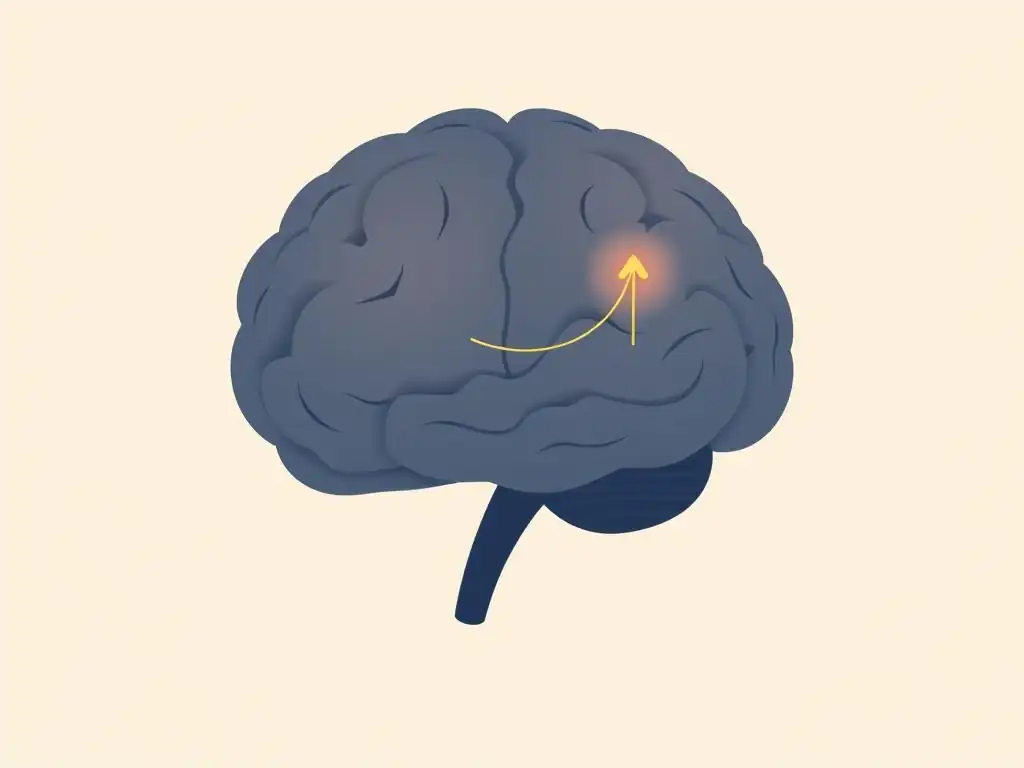
The brain motivation reward system is a complex network of brain structures and neurochemicals that drives our behavior towards seeking pleasure and avoiding pain. Understanding this system is crucial to comprehending why we pursue certain goals and how our brains shape our actions over time. This intricate system isn't simply about immediate gratification; it's also deeply involved in planning, decision-making, and achieving long-term objectives.
The interplay between immediate rewards and delayed gratification is a key aspect of this process. For instance, choosing to study diligently for an exam (delayed gratification) over watching television (immediate gratification) involves a complex negotiation within this reward system, weighing the anticipated pleasure of academic success against the immediate pleasure of entertainment. The strength of these competing signals influences our choices, highlighting the dynamic nature of the brain's motivation system.
How the Brain Processes Rewards and Shapes Future Behavior
The processing of rewards within the brain is a multi-stage process. It begins with the detection of a rewarding stimulus – this could be anything from food and social interaction to achieving a goal or receiving praise. Sensory information about the reward is processed by various brain regions, ultimately converging on the ventral tegmental area (VTA) and the nucleus accumbens (NAcc).
These areas are rich in dopamine, a neurotransmitter crucial for the experience of pleasure and reinforcement learning. The release of dopamine reinforces the behavior that led to the reward, making it more likely to be repeated in the future. This process is known as reinforcement learning.
The strength of the dopamine signal is influenced by several factors, including the unexpectedness of the reward (a larger dopamine surge occurs for unexpected rewards), the magnitude of the reward, and the individual's prior experiences. Repeated exposure to a reward can lead to habituation, meaning the dopamine response diminishes over time. This explains why initially exciting activities can become less stimulating with repeated exposure.
The brain continuously adapts and recalibrates its expectations of rewards, dynamically adjusting its motivational responses. This adaptive nature is essential for our survival and adaptability. For example, if a food source becomes consistently available, the reward response to that food will decrease, motivating the individual to explore alternative food sources.
Understanding the Role of Habits and Routines in Motivation
Habits and routines play a significant role in our motivation, often operating outside of conscious awareness. The brain's basal ganglia, a group of interconnected structures, are crucial in habit formation. Repeatedly performing an action in a specific context strengthens neural pathways within the basal ganglia, making that action increasingly automatic and less reliant on conscious decision-making. This automaticity can be both beneficial (e.g., brushing your teeth, exercising regularly) and detrimental (e.g., unhealthy eating habits, procrastination).
The formation of habits involves a gradual shift from goal-directed behavior (controlled by the prefrontal cortex) to habitual behavior (controlled by the basal ganglia). This transition is influenced by factors such as the frequency of the behavior, the consistency of the reward, and the presence of cues associated with the behavior. Understanding this transition is key to modifying existing habits and establishing new, healthier ones.
Breaking a bad habit often requires consciously interrupting the automatic response and creating new, competing behavioral patterns. This can involve strategies like changing the environment, introducing cues that trigger alternative behaviors, and reinforcing desired behaviors with rewards.
Strategies for Maintaining Motivation and Achieving Long-Term Goals
Maintaining motivation towards long-term goals requires strategic planning and self-regulation. The brain's prefrontal cortex, responsible for executive functions such as planning and self-control, plays a crucial role in this process. Effective strategies for maintaining motivation include:
- Setting SMART goals: Specific, Measurable, Achievable, Relevant, and Time-bound goals provide a clear roadmap and facilitate progress tracking. Regular progress monitoring reinforces motivation and provides a sense of accomplishment.
- Breaking down large goals into smaller, manageable steps: This reduces feelings of overwhelm and provides more frequent opportunities for reinforcement. Each small victory contributes to overall motivation.
- Utilizing positive reinforcement: Rewarding oneself for achieving milestones boosts motivation and reinforces desired behaviors. This can involve anything from a small treat to a larger reward upon completing a significant step.
- Building a supportive environment: Surrounding oneself with individuals who share similar goals or provide encouragement can significantly enhance motivation and provide accountability. Social support can be a powerful motivator.
- Practicing self-compassion: Acknowledging setbacks and maintaining a positive self-image is crucial for long-term motivation. Self-criticism can undermine motivation and hinder progress. Focusing on progress rather than perfection is key.
The brain motivation reward system is a dynamic and intricate network that significantly impacts our behavior and goal pursuit. By understanding its mechanisms and employing effective strategies, we can harness its power to achieve our goals and lead more fulfilling lives. Further research continues to unravel the complexities of this system, promising a deeper understanding of motivation and its implications for human behavior.
Dysfunctions in the Brain's Reward System: Implications for Motivation
The brain's reward system, crucial for motivation, can malfunction, leading to significant behavioral and emotional consequences. Understanding these dysfunctions is key to developing effective interventions for various mental health conditions. The intricate interplay between neurotransmitters like dopamine, serotonin, and endorphins within this system determines our experience of pleasure, reward anticipation, and ultimately, our drive to pursue goals.
Disruptions in this delicate balance can dramatically impact an individual's capacity for motivation, leading to a range of debilitating conditions. The severity of these impacts varies greatly depending on the specific dysfunction and the individual's unique neurological profile. It's important to remember that these are complex interactions and often involve multiple factors beyond just the brain's reward system.
Addiction and the Hijacked Reward System
Addiction represents a profound disruption of the brain's reward system. Addictive substances or behaviors—from drugs like cocaine and opioids to gambling and internet addiction—hijack the natural reward pathways. These substances or behaviors trigger an abnormally intense release of dopamine, creating an artificial sense of pleasure far exceeding the natural rewards the brain is designed to process.
This overwhelming surge reinforces the addictive behavior, creating a powerful cycle of craving and relapse. The brain adapts to this constant dopamine flood, reducing the natural production of dopamine and lowering the baseline level of pleasure. This leads to anhedonia – the inability to experience pleasure from previously enjoyed activities – and a desperate need for the substance or behavior to achieve even a semblance of normal reward.
The individual becomes increasingly reliant on the external stimulus to achieve a sense of well-being, highlighting the critical role of the brain motivation reward system in healthy functioning. The process is not simply a matter of willpower; it's a neurological alteration requiring specialized therapeutic interventions. Understanding this neurological hijacking is crucial for developing effective addiction treatment strategies.
Depression and the Diminished Reward Response
Depression is frequently associated with a blunted response within the brain's reward circuitry. Individuals experiencing depression often report a decreased capacity for experiencing pleasure (anhedonia) and a diminished motivation to engage in activities they once found enjoyable. This reduced reward response is linked to imbalances in neurotransmitters, particularly dopamine and serotonin.
Studies show decreased dopamine receptor activity in the striatum, a key brain region involved in reward processing, in individuals with depression. This neurochemical imbalance contributes to feelings of hopelessness, lethargy, and a lack of motivation to pursue goals or engage in activities that previously provided pleasure. The diminished reward response in depression is not simply a lack of positive feelings; it's a fundamental alteration in how the brain processes and responds to rewarding stimuli.
This significantly impacts an individual's ability to experience positive emotions and maintain healthy levels of motivation. This underscores the importance of addressing neurochemical imbalances as a key component of effective depression treatment. Further research is needed to fully elucidate the complex interplay between these factors.
Strategies for Addressing Motivational Deficits
Addressing motivational deficits stemming from dysfunctions in the brain's reward system requires a multifaceted approach. Therapeutic interventions often combine medication to regulate neurotransmitter levels with behavioral therapies designed to rebuild healthy reward pathways. Cognitive Behavioral Therapy (CBT) helps individuals identify and modify negative thought patterns and behaviors that contribute to motivational deficits. Furthermore, lifestyle changes, such as regular exercise, a balanced diet, and sufficient sleep, can significantly influence neurotransmitter levels and improve overall brain function, supporting the brain motivation reward system.
In cases of addiction, detoxification and relapse prevention strategies are essential components of treatment. The effectiveness of these strategies varies depending on the individual and the severity of the dysfunction. A personalized approach, considering the unique needs of each individual, is crucial for optimal outcomes.
Early intervention is also important, as addressing motivational deficits early on can improve long-term prognosis and quality of life. Ongoing research continues to refine our understanding of the complex interplay between the brain, motivation, and reward, leading to the development of more effective and targeted treatments. This personalized approach is essential for achieving successful outcomes and improving the lives of those affected.
Frequently Asked Questions
What is the brain's reward system?
The brain's reward system is a complex network of brain structures that motivates us to engage in behaviors crucial for survival and pleasure. It involves the release of neurotransmitters like dopamine, creating feelings of satisfaction and reinforcement. This system drives us to repeat rewarding actions.
How does the reward system relate to motivation?
The reward system is fundamentally linked to motivation. The anticipation and experience of reward fuels our drive to pursue goals and achieve desired outcomes. Dopamine plays a key role in this process, signaling potential rewards and reinforcing learned behaviors.
What are some examples of activities that activate the reward system?
Many activities activate the reward system, including eating delicious food, achieving a goal, spending time with loved ones, and engaging in pleasurable activities like listening to music or exercising. Essentially, anything that provides a sense of satisfaction or pleasure.
Can the reward system be disrupted or malfunction?
Yes, the reward system can be disrupted by various factors, including drug addiction, mental health conditions like depression, and brain injuries. These disruptions can lead to impaired motivation, reward-seeking behaviors, and other problems.
How can understanding the brain's reward system help us?
Understanding the brain's reward system helps us understand motivation, addiction, and goal-setting. This knowledge can be applied to develop strategies for behavior change, improving mental health, and creating more effective reward-based interventions.
Final Reflection: Rewiring Your Reward System for a Motivated Life
Understanding the brain's motivation and reward system is not just a fascinating scientific pursuit; it's the key to unlocking our potential and building a fulfilling life. The intricate interplay of dopamine, neurotransmitters, and goal-setting mechanisms, as explored throughout this article, directly impacts our daily experiences, from the smallest accomplishments to the most ambitious dreams. Ignoring this powerful internal engine is akin to navigating a complex journey without a map.
The exploration of motivation and reward has profoundly shifted my understanding of personal productivity and well-being. It's no longer simply about willpower; it's about strategically engaging the brain's reward pathways to foster consistent effort and genuine satisfaction. The greatest discovery of all time is that a person can change his future by merely changing his attitude.
– Oprah Winfrey. This quote resonates deeply, as understanding the brain's reward system allows us to consciously cultivate a positive and productive mindset, thereby shaping our future trajectory. The ongoing research in this field continues to reveal the incredible plasticity of the brain, offering hope and empowering individuals to actively reshape their motivational landscapes.
Now, consider your own life. How can you leverage the principles discussed – understanding your brain's reward system, setting achievable goals, and celebrating your successes – to achieve your personal aspirations? Take a moment to reflect on your current motivational strategies. Are they aligned with your brain's natural reward mechanisms? Perhaps it's time to re-evaluate your approach, to consciously design a system that fuels your drive and celebrates your progress. Embrace the power of your own brain; you have the capacity to rewire your reward system for a more motivated and fulfilling life.
Unlock Your Motivation: Take Action Today!
Thank you for exploring the fascinating world of motivation and its impact on our brains! You've discovered valuable insights into what drives us, the power of rewards, and how to set effective goals. Now, let's put that knowledge to work and ignite your motivation.
Here are some actionable steps you can take to boost your drive and achieve your goals:
- Set a Clear Goal: This week, choose one specific, achievable goal to focus on. Write it down and visualize yourself successfully completing it.
- Create a Reward System: Plan small rewards for yourself to celebrate milestones along the way. This will help maintain your momentum and motivation.
- Join a Supportive Community: Connect with like-minded individuals online or in person. Sharing your goals and experiences with others can provide valuable support and encouragement. Consider joining our community at Psychology Basics!
What's the first step you'll take to boost your motivation? Share your goal in the comments below!