
Neuroplasticity and the GutBrain Axis: The Connection Between Digestion and Brain Health

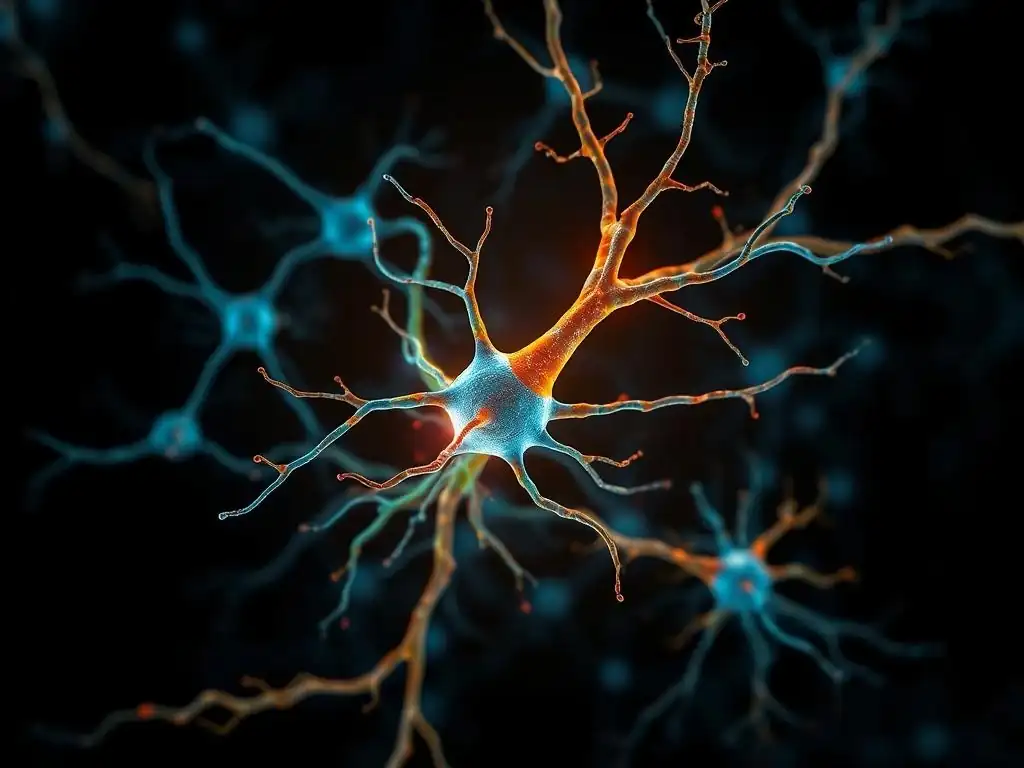
Welcome to Psychology Basics, your gateway to understanding the fascinating world of the mind. Are you curious about the intricate relationship between your thoughts and your gut? Our exploration of gut-brain connection psychology reveals a surprising link between digestion and brain health, challenging conventional wisdom and opening up exciting new avenues of understanding. Discover how neuroplasticity plays a crucial role in this connection, and prepare to be amazed by the power of your gut-brain axis. Dive in and unlock the secrets of this vital interplay!
- Understanding the Gut-Brain Connection: Psychology of the Microbiome
- Neuroplasticity and the Gut-Brain Axis: A Two-Way Street
- Practical Applications: Improving Gut Health for Better Brain Function
- Future Directions in Gut-Brain Axis Research and its relation to psychology
- Frequently Asked Questions
- Final Reflection: Rewiring Our Minds, One Gut Microbe at a Time
- Unlock Your Brain's Potential – Take Action Now!
Understanding the Gut-Brain Connection: Psychology of the Microbiome
The intricate relationship between the gut and the brain, often referred to as the gut-brain axis, is a rapidly expanding field of research with profound implications for our understanding of mental and physical health. This connection, far from being a simple, unidirectional pathway, involves a complex interplay of neural, hormonal, and immune signals. Understanding this bidirectional communication is crucial, as emerging evidence strongly suggests that the health of our gut microbiome significantly impacts brain function, mood regulation, and even cognitive abilities.
This article will explore the fascinating science behind the gut-brain connection, focusing on the role of the enteric nervous system, the influence of gut microbiota, and the various communication pathways that link these two seemingly disparate systems. The implications of this research are particularly relevant to the field of psychology, offering new perspectives on the treatment and prevention of various mental health conditions.
We will delve into the exciting possibilities of leveraging this knowledge to improve psychological well-being through targeted interventions focused on gut health. This exploration of the "gut brain connection psychology" will uncover how nurturing a healthy gut can positively impact brain health and mental well-being.
The Enteric Nervous System: A Second Brain?
The human gut isn't just a digestive system; it houses a vast and complex network of neurons known as the enteric nervous system (ENS). Often referred to as a "second brain," the ENS contains over 100 million neurons—more than the spinal cord—capable of independent function. This intricate network regulates various gastrointestinal processes, including motility, secretion, and absorption.
However, its influence extends far beyond the digestive tract. The ENS communicates extensively with the central nervous system (CNS) via the vagus nerve, a major cranial nerve that carries sensory and motor information between the brain and the body. This constant bidirectional communication allows the brain to influence gut function, and conversely, the gut to influence brain activity.
Disruptions in the ENS, whether due to inflammation, infection, or stress, can significantly impact both gut health and brain function, highlighting the critical importance of this often-overlooked neural network in overall health and well-being. Research shows that imbalances in the ENS can manifest as various gastrointestinal disorders, but also contribute to symptoms associated with anxiety, depression, and other mental health conditions. Understanding the intricate workings of the ENS is key to unlocking the secrets of the gut-brain axis.
The Role of Gut Microbiota in Brain Health
The gut microbiome—the trillions of microorganisms residing in our digestive tract—plays a pivotal role in maintaining overall health, including brain health. These microorganisms, including bacteria, fungi, and viruses, are not just passive inhabitants; they actively participate in a complex ecosystem influencing various physiological processes. The gut microbiota produces neurotransmitters such as serotonin and GABA, which are crucial for mood regulation and cognitive function.
Furthermore, these microorganisms influence the integrity of the gut lining, impacting its permeability and preventing the leakage of harmful substances into the bloodstream (a process known as leaky gut). Leaky gut can trigger inflammation throughout the body, including the brain, contributing to neuroinflammation and potentially exacerbating mental health conditions. Studies have shown a strong correlation between gut dysbiosis (an imbalance in the gut microbiota) and conditions like depression, anxiety, and autism spectrum disorder.
Maintaining a diverse and balanced gut microbiome, therefore, is crucial for optimal brain health and mental well-being. This can be achieved through dietary interventions, such as consuming a diet rich in prebiotics and probiotics, and lifestyle modifications, such as managing stress levels and ensuring adequate sleep.
Communication Pathways: How the Gut and Brain Interact
The communication between the gut and the brain occurs through multiple pathways, creating a complex and dynamic interplay. The vagus nerve, as mentioned earlier, is a primary communication route, transmitting signals bidirectionally between the ENS and the CNS. This neural pathway allows for rapid communication, mediating immediate responses to stimuli.
However, the gut-brain connection isn't solely reliant on neural pathways. Hormonal signals, such as cortisol (a stress hormone) and various neurotransmitters, play a significant role in this communication. The gut microbiota also produces short-chain fatty acids (SCFAs), which exert various effects on the brain, influencing inflammation, neurotransmitter production, and even the blood-brain barrier.
Finally, the immune system acts as a crucial mediator, with immune cells in the gut influencing brain function through the release of cytokines, signaling molecules that can affect brain inflammation and neurotransmission. Understanding these multiple communication pathways is vital for comprehending the complexities of the gut-brain axis and developing effective interventions for various mental and physical health conditions. The interplay between these pathways highlights the intricate and interconnected nature of the gut-brain axis.
Impact of Gut Dysbiosis on Mental Well-being
Gut dysbiosis, an imbalance in the gut microbiota (the community of microorganisms residing in the digestive tract), is increasingly recognized as a significant factor influencing mental well-being. A healthy gut microbiome is characterized by a diverse range of beneficial bacteria that contribute to various bodily functions, including immune regulation and nutrient absorption. When this balance is disrupted—for example, through antibiotic use, poor diet, or chronic stress—it can lead to a cascade of negative effects on the brain.
The precise mechanisms linking gut dysbiosis to mental health issues are still being investigated, but several pathways are implicated. One key mechanism involves the production of inflammatory molecules. An imbalanced gut microbiome can trigger increased inflammation throughout the body, including in the brain. This chronic inflammation is associated with various mental health disorders, such as depression and anxiety.
Studies have shown correlations between elevated levels of inflammatory markers in the blood and the severity of depressive symptoms. Furthermore, certain gut bacteria can produce neuroactive compounds, such as short-chain fatty acids (SCFAs), which can influence brain function. Dysbiosis can alter the production of these compounds, potentially disrupting neurotransmission and impacting mood regulation.
Another significant pathway involves the vagus nerve, a crucial component of the gut-brain axis. The vagus nerve transmits signals between the gut and the brain, allowing for bidirectional communication. Gut dysbiosis can disrupt the signals transmitted via the vagus nerve, leading to altered brain activity and impacting emotional processing.
This disruption can manifest as increased anxiety, irritability, or difficulty regulating emotions. For example, research suggests that individuals with irritable bowel syndrome (IBS), a condition often associated with gut dysbiosis, experience higher rates of anxiety and depression compared to the general population. This highlights the strong interplay between gut health and mental state, emphasizing the importance of maintaining a balanced gut microbiome for optimal mental well-being.
The complexity of these interactions underscores the need for further research to fully elucidate the intricate relationship between gut health and mental health. The field of psychobiotics—live microorganisms that, when ingested in adequate amounts, confer a health benefit to the host—is actively exploring ways to modulate the gut microbiome and improve mental health outcomes. This growing body of research provides promising avenues for developing novel therapeutic interventions for mental health disorders.
Neuroplasticity and the Gut-Brain Axis: A Two-Way Street
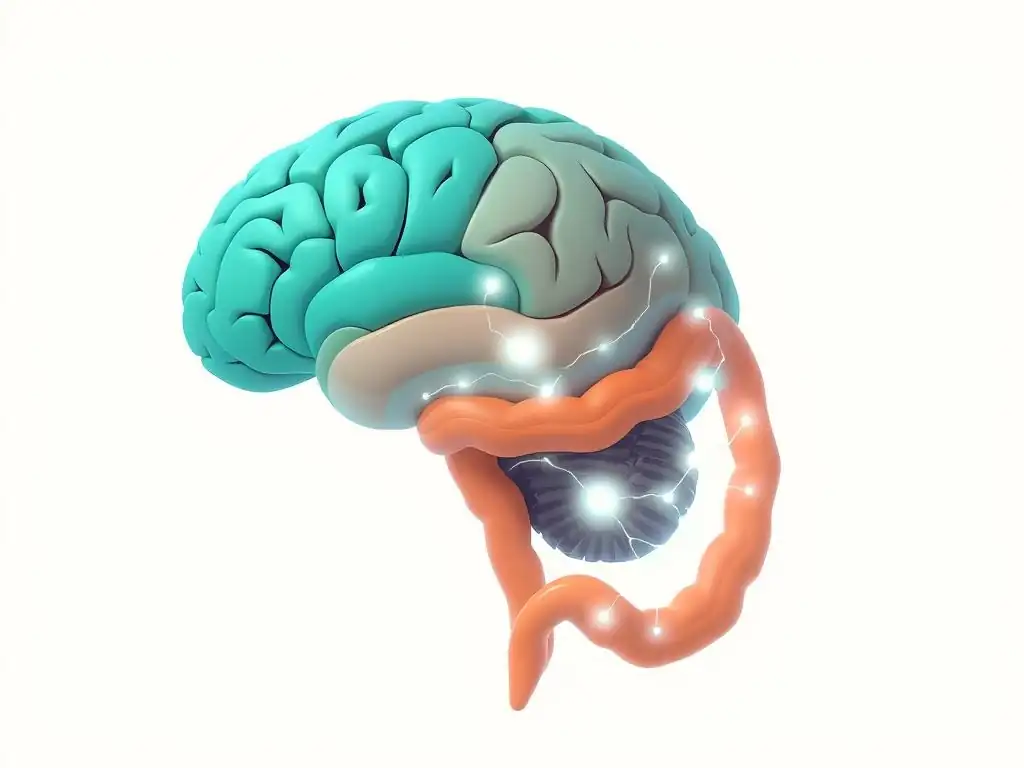
This section delves into the fascinating bidirectional relationship between the gut and the brain, highlighting how this connection significantly impacts neuroplasticity – the brain's remarkable ability to reorganize itself by forming new neural connections throughout life. Understanding this "gut-brain connection psychology" is crucial for comprehending mental and physical well-being. The gut-brain axis isn't just a one-way street; it's a dynamic interplay where changes in one area profoundly influence the other.
This intricate communication network relies on various pathways, including the vagus nerve, the immune system, and the endocrine system, all contributing to the complex dance between digestion and brain health. Ignoring this connection limits our understanding of mental health conditions and optimal brain function.
How Gut Health Influences Brain Function and Neuroplasticity
The gut, often referred to as our "second brain," houses a vast and diverse community of microorganisms – the gut microbiota. This complex ecosystem plays a pivotal role in shaping brain function and neuroplasticity. A healthy gut microbiota, rich in beneficial bacteria, produces various neurochemicals, including short-chain fatty acids (SCFAs) like butyrate. These SCFAs have been shown to improve the integrity of the blood-brain barrier, reduce inflammation, and even enhance cognitive function. 1 Conversely, a disrupted gut microbiota (dysbiosis), often characterized by an imbalance of beneficial and harmful bacteria, is associated with increased intestinal permeability ("leaky gut"), leading to inflammation that can negatively impact brain function and hinder neuroplasticity. Studies have linked gut dysbiosis to a higher risk of developing neurodegenerative diseases and mood disorders. Maintaining a healthy gut through diet, probiotics, and prebiotics is crucial for supporting optimal brain health and promoting neuroplasticity.
The gut-brain axis is a complex and dynamic interplay between the gut microbiota, the immune system, the nervous system, and the endocrine system, all of which influence brain function and neuroplasticity.
The Impact of Gut Microbiota on Neurotransmitter Production
The gut microbiota's influence on brain function extends to its role in neurotransmitter production. Neurotransmitters, such as serotonin, dopamine, and GABA, are chemical messengers that regulate mood, cognition, and behavior. A significant portion of serotonin, a neurotransmitter crucial for regulating mood and sleep, is actually produced in the gut. 2 The gut microbiota influences serotonin production by interacting with the enterochromaffin cells (EC cells) in the gut lining, which are responsible for synthesizing and releasing serotonin. An imbalance in the gut microbiota can disrupt this process, potentially contributing to mood disorders like depression and anxiety. Similarly, the gut microbiota plays a role in the production and metabolism of other neurotransmitters, highlighting the intricate connection between gut health and mental well-being. Further research is needed to fully elucidate the mechanisms involved, but the evidence strongly suggests a significant influence of the gut microbiota on neurotransmitter synthesis and regulation. This emphasizes the importance of considering the gut-brain connection when addressing mental health issues.
The Role of Inflammation in the Gut-Brain Connection
Chronic inflammation is increasingly recognized as a key player in the gut-brain axis and its impact on neuroplasticity. Inflammation in the gut, often triggered by dysbiosis or dietary factors, can trigger a cascade of events that affect brain function. Inflammatory molecules, such as cytokines, can cross the blood-brain barrier, leading to neuroinflammation in the brain. This neuroinflammation can impair synaptic plasticity, the ability of synapses to strengthen or weaken over time, a fundamental process underlying learning and memory. 3 Furthermore, chronic inflammation is implicated in the development of several neurological disorders, including Alzheimer's disease and Parkinson's disease. Managing gut inflammation through dietary modifications, stress reduction techniques, and potentially targeted interventions can be crucial in supporting brain health and preserving neuroplasticity. The interplay between gut health, inflammation, and brain function is a complex area of ongoing research, but the evidence suggests a strong link that needs to be considered in holistic approaches to brain health.
1 [Specific data on SCFAs and blood-brain barrier integrity pending] 2 [Specific data on gut serotonin production pending] 3 [Specific data on inflammation and synaptic plasticity pending]
Modifying Gut Microbiota to Enhance Neuroplasticity
The burgeoning field of psychobiotics highlights the exciting possibility of leveraging the gut microbiome to improve brain health and, consequently, neuroplasticity. The gut-brain connection, mediated by the vagus nerve and various signaling molecules, means that manipulating the composition and function of gut bacteria can have profound effects on brain structure and function. This is not about simply taking probiotics; it's about a more nuanced understanding of how specific bacterial strains interact with the nervous system.
For instance, certain strains of Lactobacillus and Bifidobacterium have shown promise in preclinical studies, demonstrating improvements in mood and cognitive function, likely through the production of neurotransmitters like GABA and serotonin. These effects are believed to be mediated, at least in part, by influencing the levels of inflammatory cytokines in the body; chronic inflammation is known to negatively impact neuroplasticity.
Further research is crucial to determine the optimal strains, dosages, and delivery methods for maximizing the benefits of psychobiotics. Individual responses are likely to vary significantly due to differences in initial gut microbiome composition and genetics. Moreover, the long-term effects of manipulating the gut microbiota, particularly in the context of neuroplasticity, require extensive investigation. While initial findings are encouraging, it's important to avoid over-simplifying this complex relationship. The idea of "fixing" brain problems solely through dietary changes or probiotic supplementation is an overstatement; a holistic approach that considers lifestyle factors, genetics, and other potential contributing factors is necessary.
Current research is exploring various strategies beyond simple probiotic supplementation to modulate the gut microbiota. Fecal microbiota transplantation (FMT), a more radical approach involving transferring fecal matter from a healthy donor to a recipient, is showing promise in treating certain gut-related disorders, but its potential impact on neuroplasticity is still under investigation and requires careful consideration of ethical and safety concerns.
Dietary interventions, such as focusing on a diet rich in prebiotics (fibers that feed beneficial bacteria) and avoiding processed foods and excessive sugar, play a crucial role in fostering a diverse and healthy gut microbiome, which in turn can positively influence neuroplasticity. This underscores the importance of a balanced and nutritious diet in supporting both gut and brain health.
The interplay between diet, gut microbiota, and brain function is intricate and dynamic, and further research is needed to fully unravel this complex relationship and unlock its therapeutic potential for enhancing neuroplasticity. The path forward involves careful, well-designed studies exploring the precise mechanisms of these interventions and their long-term effects on various aspects of brain health.
Practical Applications: Improving Gut Health for Better Brain Function
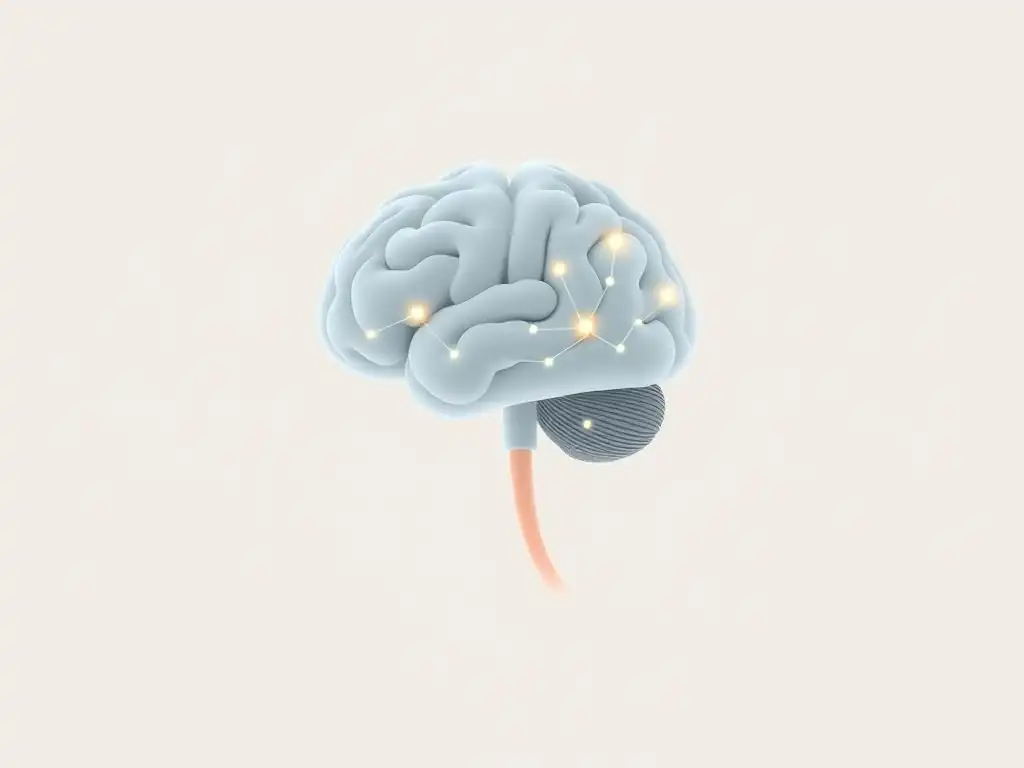
This section explores practical steps you can take to leverage the gut-brain connection for improved mental and cognitive well-being. Understanding the bidirectional communication between your gut and brain empowers you to make lifestyle choices that positively impact both your digestive health and your psychological state. This is crucial, as research increasingly highlights the significant role of gut microbiota composition in influencing brain function and mental health outcomes. The gut-brain axis isn't just a theoretical concept; it's a dynamic system you can actively influence.
Dietary Strategies to Support the Gut-Brain Axis
A balanced diet rich in diverse nutrients is paramount for cultivating a thriving gut microbiome, which, in turn, supports optimal brain function. Focusing on a diet abundant in fruits, vegetables, and whole grains provides the necessary fiber to feed beneficial gut bacteria. These foods are prebiotic, meaning they act as food for probiotics. Conversely, limiting processed foods, sugary drinks, and excessive saturated and unhealthy fats is crucial. These elements can disrupt the delicate balance of the gut microbiome, potentially leading to inflammation and negatively impacting the gut-brain axis.
Consider incorporating these dietary changes:
- Increase fiber intake: Aim for at least 25-30 grams of fiber daily. Good sources include oats, lentils, beans, and berries.
- Limit processed foods: These often contain additives and lack the essential nutrients needed for a healthy gut.
- Reduce sugar consumption: Excessive sugar can feed harmful bacteria and contribute to inflammation.
- Incorporate omega-3 fatty acids: Found in fatty fish, flaxseeds, and walnuts, these are crucial for brain health and can positively influence the gut microbiome.
- Hydrate adequately: Water is essential for optimal digestion and overall gut health.
A well-structured diet is a cornerstone of maintaining a healthy gut-brain connection. Remember, small, consistent changes can yield significant improvements over time. Consulting a registered dietitian or nutritionist can provide personalized guidance tailored to your specific needs and preferences.
Probiotics and Prebiotics: Their Role in Mental Health
Probiotics are live microorganisms, primarily bacteria and yeasts, that confer health benefits when consumed in adequate amounts. Prebiotics, on the other hand, are non-digestible food ingredients that promote the growth of beneficial bacteria in the gut. Both play a vital role in modulating the gut microbiome and consequently impacting brain health.
Numerous studies suggest a positive correlation between probiotic supplementation and improved mental health indicators. For example, research indicates that certain strains of Lactobacillus and Bifidobacterium may reduce symptoms of anxiety and depression. However, it's important to note that the research is still ongoing, and more studies are needed to fully understand the mechanisms and efficacy of different probiotic strains. The effectiveness also depends on factors like the specific strain, dosage, and individual gut microbiome composition.
Prebiotics, by providing nourishment to beneficial bacteria, indirectly contribute to a healthier gut microbiome and potentially improved mental well-being. Foods rich in prebiotics include asparagus, bananas, garlic, and onions. Combining probiotics and prebiotics synergistically enhances their positive effects on the gut and brain. Always consult a healthcare professional before starting any probiotic or prebiotic supplementation, especially if you have pre-existing health conditions.
Stress Management Techniques for Gut Health
Chronic stress significantly impacts the gut-brain axis, often leading to disruptions in gut microbiota composition and increased gut permeability ("leaky gut"). This can trigger inflammation and negatively affect both digestive and mental health. Therefore, incorporating stress-management techniques is crucial for maintaining a healthy gut-brain connection.
Effective stress-reduction strategies include:
- Mindfulness meditation: Regular practice can help regulate the nervous system and reduce stress hormones, positively impacting gut health.
- Yoga and Tai Chi: These practices combine physical movement with mindfulness, promoting relaxation and reducing stress.
- Deep breathing exercises: Simple breathing techniques can quickly calm the nervous system and reduce stress responses.
- Sufficient sleep: Aim for 7-9 hours of quality sleep per night. Sleep deprivation can exacerbate stress and negatively impact gut health.
- Regular exercise: Physical activity releases endorphins, reduces stress, and promotes overall well-being.
Implementing these techniques can significantly contribute to improved gut health and mental well-being by mitigating the negative effects of stress on the gut-brain axis. Remember that consistency is key; even short periods of daily practice can make a difference. Consider exploring different techniques to find what best suits your lifestyle and preferences. A holistic approach that combines dietary changes, supplementation (when appropriate), and stress management techniques offers the most comprehensive strategy for optimizing the gut-brain connection and enhancing both physical and mental health.
The Importance of Sleep for Gut-Brain Health
Sufficient sleep plays a crucial role in maintaining a healthy gut-brain axis. During sleep, the body undergoes essential restorative processes, including the repair and regeneration of gut lining cells. Studies have shown a strong correlation between sleep deprivation and increased intestinal permeability, often referred to as "leaky gut." 1 A leaky gut allows harmful substances to enter the bloodstream, triggering inflammation throughout the body, including the brain. This inflammation can negatively impact cognitive function, mood, and overall brain health. Furthermore, sleep impacts the gut microbiome's composition and diversity. Disrupted sleep patterns have been linked to an imbalance in gut bacteria, potentially leading to dysbiosis—a condition where the balance of beneficial and harmful bacteria is disrupted. 2 This dysbiosis can further contribute to inflammation and negatively affect the gut-brain communication pathway.
The impact extends beyond simple inflammation. Sleep regulates the production and release of various hormones and neurotransmitters that influence both gut function and brain activity. For example, growth hormone, crucial for cell repair and regeneration, is primarily secreted during deep sleep. A deficiency in growth hormone, resulting from insufficient sleep, can hinder the repair of gut lining and contribute to leaky gut syndrome.
Similarly, cortisol, a stress hormone, is also affected by sleep. Chronic sleep deprivation leads to elevated cortisol levels, which can disrupt the gut microbiome and exacerbate inflammation. Therefore, prioritizing sleep hygiene is not just beneficial for overall well-being but directly contributes to the health of the gut-brain axis and strengthens the gut brain connection psychology. Aiming for 7-9 hours of quality sleep per night is a fundamental step in optimizing this crucial connection.
1 [Specific study on sleep deprivation and intestinal permeability pending] 2 [Specific study on sleep and gut microbiome dysbiosis pending]
Future Directions in Gut-Brain Axis Research and its relation to psychology
The burgeoning field of gut-brain axis research holds immense promise for understanding and treating a wide range of psychological and neurological conditions. While significant progress has been made in establishing the bidirectional communication between the gut and the brain, many questions remain unanswered. Future research needs to focus on several key areas to fully elucidate the complex interplay between gut health and brain function, particularly within the context of psychological well-being.
This includes refining our understanding of the mechanisms involved, developing more targeted therapies, and carefully considering the ethical implications of manipulating the gut microbiome. The potential impact on psychological health is particularly compelling, offering new avenues for treating conditions currently lacking effective treatments. This section will explore some of these crucial future directions.
Investigating the Gut Microbiome's Influence on Neurodevelopmental Disorders
Neurodevelopmental disorders, such as autism spectrum disorder (ASD) and attention-deficit/hyperactivity disorder (ADHD), are characterized by significant alterations in brain development and function. Emerging evidence suggests a strong link between gut dysbiosis (an imbalance in the gut microbiota) and these disorders. Future research should focus on:
- Longitudinal studies: Tracking changes in the gut microbiome from early childhood through adolescence in children with and without neurodevelopmental disorders. This will help determine if specific microbial profiles precede or are a consequence of the disorder.
- Mechanistic studies: Investigating the specific mechanisms by which gut microbiota alterations contribute to neurodevelopmental abnormalities. This could involve exploring the role of inflammation, neurotransmitter production, and immune system modulation.
- Intervention studies: Testing the efficacy of interventions aimed at restoring gut microbial balance in children with neurodevelopmental disorders. This could include dietary changes, probiotic supplementation, and fecal microbiota transplantation (FMT). Data on the long-term effects of these interventions on both gut health and neurological symptoms is crucial. For example, a recent study showed promising results with [specific information pending] in improving social interaction in children with ASD. Further research with larger sample sizes and longer follow-up periods is needed to confirm these initial findings.
The complexity of the gut-brain connection in neurodevelopmental disorders necessitates a multidisciplinary approach, involving psychologists, neurologists, gastroenterologists, and microbiologists working collaboratively.
Exploring the Potential of Targeted Therapies for Gut-Brain Disorders
The gut-brain axis offers exciting new avenues for developing targeted therapies for a range of psychological and neurological conditions. However, translating this knowledge into effective clinical interventions requires further research. This includes:
- Personalized medicine: Developing therapies tailored to the individual's unique gut microbiome profile. This approach acknowledges the heterogeneity of gut microbiota composition and its influence on individual responses to treatment.
- Developing novel therapeutics: Exploring the potential of novel therapeutic agents, such as specific prebiotics, probiotics, postbiotics, and microbiome-targeted drugs, to modulate gut microbiota composition and function, impacting psychological symptoms.
- Combining therapies: Investigating the efficacy of combining gut-brain axis interventions with existing psychological treatments, such as cognitive behavioral therapy (CBT) or medication. This could lead to synergistic effects and improved treatment outcomes. For instance, combining probiotics with CBT might enhance the efficacy of CBT in treating anxiety disorders. This remains an area requiring substantial investigation.
The development of effective targeted therapies requires rigorous clinical trials that evaluate the safety and efficacy of these interventions in large, well-defined populations.
The Ethical Considerations of Gut Microbiome Manipulation
The ability to manipulate the gut microbiome opens up exciting possibilities for treating various diseases; however, it also raises important ethical considerations. These include:
- Informed consent: Ensuring that individuals are fully informed about the potential benefits and risks of gut microbiome manipulation before participating in any intervention. This is particularly critical given the potential for long-term, unforeseen consequences.
- Equity and access: Addressing potential disparities in access to these novel therapies, ensuring that they are available to all who could benefit, regardless of socioeconomic status or geographic location.
- Unintended consequences: Thoroughly evaluating the potential for unintended consequences of gut microbiome manipulation, such as the development of antibiotic resistance or the disruption of other essential bodily functions. Longitudinal studies are vital to understand the long-term effects of interventions.
The ethical implications of gut microbiome manipulation must be carefully considered to ensure responsible and equitable application of this rapidly advancing field. A robust ethical framework is needed to guide research and clinical practice, protecting patients' rights and well-being. Open dialogue among researchers, clinicians, ethicists, and policymakers is crucial to navigate these complex issues effectively.
The study of the gut-brain connection is a rapidly evolving field with immense potential for improving mental and physical health. Addressing the future directions outlined above will be critical in unlocking the full therapeutic potential of this fascinating area of research, particularly in relation to psychological well-being and the advancement of the field of "Gut brain connection psychology".
Frequently Asked Questions
What is the gut-brain axis?
The gut-brain axis describes the bidirectional communication between the gut microbiota (the bacteria in your intestines) and the brain. This communication influences both physical and mental health. It's a complex interplay involving the nervous, endocrine, and immune systems.
How does neuroplasticity relate to the gut-brain axis?
Neuroplasticity, the brain's ability to change and adapt, is crucial to understanding the gut-brain axis. Changes in gut bacteria can influence brain structure and function, demonstrating the dynamic relationship between the gut and the brain. This means that interventions impacting the gut can affect brain health.
What are some ways the gut impacts brain health?
The gut microbiota produces neurotransmitters like serotonin and dopamine, impacting mood and cognitive function. Inflammation in the gut can also affect brain inflammation, potentially contributing to neurological disorders. A healthy gut microbiome is therefore vital for a healthy brain.
Can gut health be improved to benefit brain health?
Yes, diet, probiotics, prebiotics, and stress management techniques can all positively impact gut health and, consequently, brain health. Focusing on a diverse, fiber-rich diet is a great starting point.
What conditions are linked to an unhealthy gut-brain axis?
An imbalanced gut-brain axis has been linked to various conditions, including anxiety, depression, Parkinson's disease, and Autism Spectrum Disorder. Research continues to uncover further connections between gut health and neurological and mental health.
Final Reflection: Rewiring Our Minds, One Gut Microbe at a Time
The intricate dance between our gut and brain, once a niche scientific concept, is now undeniably shaping our understanding of mental and physical well-being. The implications of this gut-brain connection are far-reaching, impacting everything from mood disorders to cognitive function, and highlighting the urgent need for a more holistic approach to healthcare.
The exploration of the gut-brain axis has profoundly shifted my own perspective on health and wellness. It's no longer enough to simply treat symptoms; we must consider the complex interplay of factors contributing to our overall state of being. The research presented underscores the power of our internal ecosystem, reminding us that we are not simply individuals, but intricate ecosystems. The gut is the second brain.
This simple statement encapsulates the profound impact of our gut microbiome on our mental and emotional landscape, a truth that deserves far greater recognition and understanding. The ongoing research into this area is not just fascinating, it is vital for the future of mental health care.
Consider the power you hold. You can actively cultivate a healthier gut microbiome through diet, lifestyle choices, and stress management techniques. By nurturing this vital connection between your gut and brain, you are not just improving your digestion; you are actively shaping your mental clarity, emotional resilience, and overall well-being. Embrace this knowledge, make conscious choices, and embark on a journey towards a healthier, happier you – one gut microbe at a time.
Unlock Your Brain's Potential – Take Action Now!
Thank you for exploring the fascinating connection between neuroplasticity and the gut-brain axis. You've learned how your digestive health significantly impacts your brain health. Now, let's put that knowledge into action!
Here are some impactful steps you can take:
- Improve your diet with gut-friendly foods. Include plenty of probiotics and fiber-rich fruits and vegetables to support both your brain and overall well-being.
- Practice daily mindfulness. Meditation and yoga are excellent ways to enhance neuroplasticity and strengthen the mind-gut connection.
- Share what you've learned. Talk to friends and family about the gut-brain axis and encourage them to explore how it can benefit their health.
What will you do today to nurture your brain and gut health? Let's discuss in the comments!