
Cognitive Enhancement Techniques: A Neuroscientific Evaluation

Unravel the mysteries of the mind and unlock your cognitive potential. Psychology Basics offers a clear and engaging introduction to the fascinating world of psychology. Are you curious about how to improve brain function naturally? Our in-depth exploration of cognitive enhancement techniques, within the field of Neuropsychology, reveals surprising insights into boosting your mental capabilities. Dive in and discover the science behind sharper thinking!
- Understanding Cognitive Enhancement: Boosting Brainpower Naturally
- Lifestyle Factors for Optimizing Cognitive Function
- Cognitive Training and Brain Stimulation Techniques
- Evaluating the Effectiveness of Cognitive Enhancement Techniques
- Conclusion: A Holistic Approach to Improving Brain Function Naturally
- Frequently Asked Questions
- Final Reflection: Unlocking Your Brain's Potential Naturally
- Unlock Your Potential: Take Action and Enhance Your Mind!
Understanding Cognitive Enhancement: Boosting Brainpower Naturally
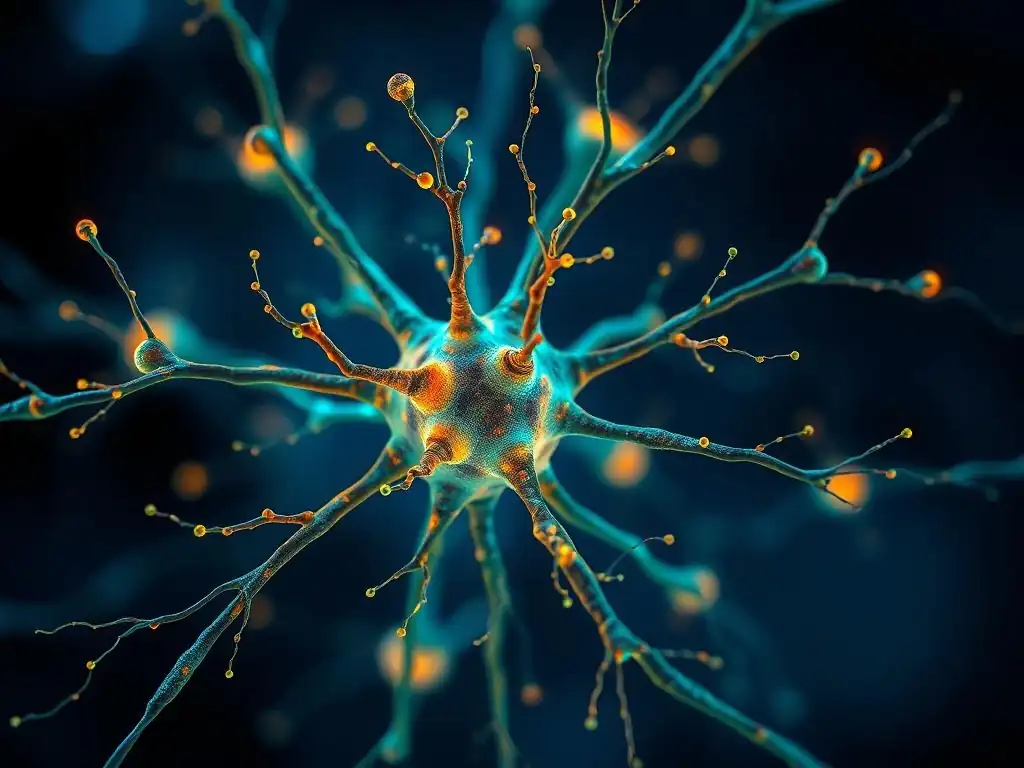
Improving brain function naturally is a goal shared by many, encompassing a desire for sharper cognition, enhanced memory, and improved overall mental well-being. This article delves into the fascinating field of cognitive enhancement, exploring scientifically-backed techniques to naturally boost brainpower. We will examine the neuroscientific underpinnings of cognitive function, focusing on neuroplasticity – the brain's remarkable ability to reorganize itself by forming new neural connections throughout life.
This exploration will move beyond simple tips and tricks, providing a deeper understanding of how these techniques work at a neurological level, empowering you to make informed choices about optimizing your cognitive health. We'll explore various natural methods to enhance cognitive function, emphasizing their efficacy and safety.
Ultimately, our aim is to equip you with the knowledge to navigate the world of brain optimization effectively and responsibly, fostering a lifelong commitment to cognitive wellness. This journey will involve understanding the intricate relationship between lifestyle choices, brain structure, and cognitive performance, ultimately revealing how you can harness the power of your brain to its fullest potential.
Defining Cognitive Enhancement and its Importance for Brain Health
Cognitive enhancement refers to any strategy or intervention aimed at improving various aspects of cognitive function, including memory, attention, executive function (planning, decision-making, working memory), and processing speed. It's not about achieving superhuman intelligence, but rather about optimizing existing cognitive abilities to improve daily life and overall well-being. Maintaining healthy cognitive function is crucial throughout the lifespan.
In younger individuals, it supports academic achievement and career success. For older adults, it plays a vital role in maintaining independence and quality of life, mitigating the risk of age-related cognitive decline and neurodegenerative diseases like Alzheimer's. The importance of cognitive enhancement stems from its impact on various aspects of life, including:
- Improved academic performance: Enhanced memory and attention directly translate to better learning and retention of information.
- Increased productivity and efficiency: Sharper cognitive skills lead to improved focus and task completion, boosting productivity at work or in daily activities.
- Enhanced creativity and problem-solving: Cognitive enhancement can foster innovative thinking and more effective approaches to challenges.
- Better mental health: Improved cognitive function is often associated with reduced stress, anxiety, and improved mood regulation.
- Delaying age-related cognitive decline: Proactive cognitive enhancement strategies can help maintain cognitive sharpness and independence in later life.
The pursuit of cognitive enhancement should be approached responsibly, prioritizing safe and sustainable methods over potentially harmful quick fixes.
The Science Behind Cognitive Enhancement: Neuroplasticity and Brain Function
The brain's capacity for change, known as neuroplasticity, is the cornerstone of cognitive enhancement. Neuroplasticity allows the brain to adapt and reorganize itself in response to experiences, learning, and even injury. This process involves the formation of new neural connections (synapses), strengthening existing ones, and even the generation of new neurons (neurogenesis), particularly in the hippocampus, a brain region crucial for learning and memory. Several factors influence neuroplasticity, including:
- Lifestyle: Regular exercise, a healthy diet, and sufficient sleep are crucial for optimal brain function and neuroplasticity.
- Cognitive stimulation: Engaging in mentally challenging activities, such as learning new skills, puzzles, and strategic games, stimulates neural growth and strengthens existing connections.
- Social interaction: Meaningful social connections and interactions provide cognitive stimulation and reduce the risk of cognitive decline.
- Stress management: Chronic stress can negatively impact neuroplasticity, while stress reduction techniques can promote brain health.
Understanding these mechanisms is key to developing effective cognitive enhancement strategies. For example, regular physical activity increases blood flow to the brain, delivering essential nutrients and oxygen, supporting neuroplasticity and improving cognitive function. Similarly, engaging in mentally stimulating activities strengthens synaptic connections, enhancing memory and cognitive processing speed.
Natural Ways to Improve Brain Function: A Neuroscientific Perspective
Numerous natural methods can significantly improve brain function. These methods, grounded in neuroscientific principles, offer safe and effective ways to enhance cognitive abilities:
- Regular Exercise: Physical activity boosts blood flow to the brain, promoting neurogenesis and improving cognitive function. Aim for at least 150 minutes of moderate-intensity aerobic exercise per week. Studies have shown significant improvements in memory and executive function with regular exercise.
- Mindfulness and Meditation: Practicing mindfulness and meditation strengthens attentional control and reduces stress, both of which positively impact cognitive performance. Regular meditation has been shown to increase grey matter in brain regions associated with attention and emotional regulation.
- Cognitive Training: Engaging in brain-training exercises, such as puzzles, memory games, and learning new skills, stimulates neuroplasticity and enhances cognitive abilities. While the long-term effects are still being studied, evidence suggests that cognitive training can improve specific cognitive skills.
- Healthy Diet: A balanced diet rich in fruits, vegetables, and omega-3 fatty acids provides the brain with essential nutrients for optimal function. A diet low in processed foods and saturated fats is crucial for maintaining brain health and reducing the risk of cognitive decline. Specific nutrients, like antioxidants and B vitamins, play a critical role in supporting brain function.
- Sufficient Sleep: Sleep is essential for memory consolidation and cognitive restoration. Aim for 7-9 hours of quality sleep per night to allow your brain to process information and repair itself. Sleep deprivation negatively impacts cognitive function across the board.
By adopting these lifestyle changes, individuals can harness the power of neuroplasticity to naturally improve their brain function and enhance their cognitive abilities. Remember, consistency is key; the benefits of these methods accumulate over time. Further research is needed to fully understand the interplay between these methods and their long-term effects on cognitive health.
Lifestyle Factors for Optimizing Cognitive Function
This section explores the significant influence of lifestyle choices on cognitive enhancement, focusing on how easily accessible modifications can demonstrably improve brain function naturally. We'll examine the crucial roles of diet, exercise, and sleep in maintaining and boosting cognitive abilities. Understanding these factors empowers individuals to proactively enhance their brain health and overall cognitive performance.
The Role of Diet and Nutrition in Cognitive Enhancement
A balanced diet rich in specific nutrients is paramount for optimal brain function. The brain, despite representing only 2% of our body mass, consumes roughly 20% of our daily energy. Therefore, providing it with the necessary fuel is crucial for peak performance. This means moving beyond simply "eating healthy" and understanding the specific nutritional needs of the brain.
Several key nutrients directly impact cognitive processes:
- Omega-3 Fatty Acids: Found in fatty fish (salmon, tuna), flaxseeds, and walnuts, these are essential for brain structure and function. Studies suggest that omega-3 deficiency is linked to cognitive decline and an increased risk of neurodegenerative diseases. Regular consumption can help improve memory, focus, and overall cognitive sharpness.
- Antioxidants: These combat oxidative stress, protecting brain cells from damage. Foods rich in antioxidants include berries, dark chocolate, and leafy green vegetables. Regular intake helps mitigate the effects of aging on the brain and may reduce the risk of age-related cognitive decline.
- B Vitamins: Crucial for neurotransmitter synthesis, B vitamins (particularly B6, B9, and B12) are vital for optimal brain function. Deficiencies can lead to cognitive impairment, including memory problems and fatigue. Good sources include meat, poultry, eggs, and leafy green vegetables.
- Vitamin D: Emerging research suggests a strong link between vitamin D levels and cognitive function. Sufficient vitamin D intake may protect against cognitive decline and improve memory performance. Sunlight exposure and dietary sources (fatty fish, egg yolks) are key.
The impact of diet extends beyond individual nutrients. The Mediterranean diet, characterized by its emphasis on fruits, vegetables, whole grains, and healthy fats, has been consistently linked to improved cognitive function and reduced risk of dementia. Conversely, diets high in processed foods, saturated fats, and sugar are associated with negative cognitive outcomes. Adopting a brain-boosting diet is a powerful, natural way to improve brain function.
The Impact of Exercise and Physical Activity on Brain Health
Regular physical activity isn't just beneficial for physical health; it significantly impacts brain health and cognitive function. Exercise stimulates neurogenesis (the birth of new brain cells) and improves neuroplasticity (the brain's ability to reorganize itself). This translates to enhanced memory, attention, and executive function.
Studies consistently demonstrate that aerobic exercise, such as running, swimming, or cycling, is particularly effective for improving cognitive function. Even moderate-intensity exercise has significant benefits. For instance, a 30-minute brisk walk most days of the week can lead to noticeable improvements in cognitive performance.
The mechanisms by which exercise improves brain function are multifaceted:
- Increased Blood Flow: Exercise increases blood flow to the brain, delivering more oxygen and nutrients crucial for optimal cognitive function.
- Neurotrophic Factors: Physical activity stimulates the production of neurotrophic factors, such as BDNF (brain-derived neurotrophic factor), which promote neuronal growth and survival.
- Reduced Inflammation: Exercise helps reduce inflammation in the brain, which can contribute to cognitive decline.
- Improved Mood and Stress Reduction: Regular exercise reduces stress and improves mood, both of which positively impact cognitive performance. Stress hormones can impair cognitive function, so managing stress through exercise offers a powerful protective effect.
Incorporating regular exercise into your routine is a readily accessible and effective strategy to improve brain function naturally. The benefits are cumulative, so even small amounts of activity can make a difference.
Sleep Hygiene and its Crucial Role in Cognitive Performance
Sleep is not merely a period of inactivity; it's a crucial process for consolidating memories, clearing cellular waste products, and restoring cognitive function. Insufficient or poor-quality sleep significantly impairs cognitive performance, affecting attention, memory, and decision-making abilities.
Maintaining good sleep hygiene is essential for optimal cognitive function. This involves establishing a consistent sleep schedule, creating a relaxing bedtime routine, and ensuring a conducive sleep environment. Key aspects of good sleep hygiene include:
- Consistent Sleep Schedule: Going to bed and waking up at roughly the same time each day, even on weekends, helps regulate the body's natural sleep-wake cycle.
- Relaxing Bedtime Routine: Engaging in calming activities before bed, such as reading or taking a warm bath, can help prepare the body for sleep. Avoiding screens (phones, tablets, computers) at least an hour before bed is crucial, as the blue light emitted from these devices interferes with melatonin production, a hormone regulating sleep.
- Conducive Sleep Environment: Ensuring a dark, quiet, and cool bedroom promotes restful sleep. Investing in comfortable bedding and minimizing noise and light disturbances can significantly improve sleep quality.
Adequate sleep duration is also critical. Most adults require 7-9 hours of sleep per night for optimal cognitive function. Chronic sleep deprivation leads to impaired cognitive performance, increased risk of accidents, and even long-term health consequences. Prioritizing sleep is an essential aspect of improving brain function naturally and maintaining overall well-being. Prioritizing sleep is a simple yet powerful strategy for improving brain function naturally.
Stress Management Techniques for Improved Cognitive Function
Chronic stress significantly impairs cognitive function. The body's stress response, involving the release of cortisol and other hormones, can disrupt hippocampal function, impacting memory consolidation and retrieval. High cortisol levels are also linked to reduced prefrontal cortex activity, affecting executive functions such as planning, decision-making, and working memory.
This isn't just theoretical; numerous studies demonstrate a clear correlation between sustained stress and cognitive decline, impacting everything from attention span to problem-solving abilities. For example, research has shown that individuals experiencing prolonged workplace stress exhibit lower scores on tests of verbal fluency and memory compared to their less-stressed counterparts. The impact isn't limited to adults either; chronic stress in children and adolescents is increasingly linked to difficulties with learning and academic performance.
Effective stress management is therefore crucial for maintaining optimal cognitive function. A range of techniques can be employed, each with its own mechanism of action. Mindfulness meditation, for instance, has been shown to reduce cortisol levels and increase grey matter density in brain regions associated with emotional regulation and self-awareness. Regular physical exercise, another powerful stress-buster, improves cerebral blood flow, delivering more oxygen and nutrients to the brain.
It also stimulates the production of brain-derived neurotrophic factor (BDNF), a protein crucial for neuronal growth and survival. Cognitive behavioral therapy (CBT) provides individuals with tools to identify and challenge negative thought patterns and behaviors that contribute to stress, leading to more adaptive coping mechanisms. Sufficient sleep is also paramount; sleep deprivation exacerbates stress and significantly impairs cognitive performance, affecting attention, concentration, and memory.
The choice of stress management technique will depend on individual preferences and needs. However, a multifaceted approach, incorporating several strategies like mindfulness, exercise, and CBT, often yields the most significant and lasting benefits. It's important to remember that improving brain function naturally involves a holistic approach, addressing lifestyle factors as much as engaging in specific cognitive training exercises.
The reduction of chronic stress is not merely beneficial for mental wellbeing; it's a cornerstone of enhancing cognitive capabilities and maintaining long-term brain health. The positive effects are profound and wide-ranging, impacting various aspects of cognitive performance and overall quality of life. The journey to improve brain function naturally often begins with managing the pervasive influence of stress.
Cognitive Training and Brain Stimulation Techniques
This section delves into specific methods designed to improve brain function naturally, focusing on cognitive training and brain stimulation techniques. We'll explore how these approaches can enhance various cognitive abilities and the underlying neuroscientific mechanisms involved. The goal is to provide a clear understanding of how these techniques can contribute to improved cognitive performance and overall brain health. Remember, while these techniques offer promising avenues for cognitive enhancement, individual results may vary, and consultation with a healthcare professional is always recommended before starting any new program.
Cognitive Training Exercises: Enhancing Specific Cognitive Abilities
Cognitive training exercises are specifically designed to target and improve particular cognitive skills. These exercises often involve repetitive practice of tasks that challenge specific cognitive functions, leading to neuroplasticity – the brain's ability to reorganize itself by forming new neural connections throughout life. This adaptive capacity is crucial for improving brain function naturally.
For example, working memory training often involves tasks like remembering sequences of numbers or words, requiring the individual to hold information in mind while performing other operations. Studies have shown that consistent engagement in these exercises can lead to improvements not only in working memory capacity itself but also in related cognitive functions like attention and reasoning. The improvement isn't limited to the trained task; there's often a transfer effect to other cognitive domains.
Another example is speed of processing training, which uses exercises designed to increase the speed at which individuals can process information. These exercises might involve rapidly identifying visual stimuli or responding to auditory cues. Improvements in speed of processing often translate to better performance in tasks requiring quick decision-making and efficient information processing. This naturally improves overall cognitive efficiency.
The effectiveness of cognitive training varies depending on factors such as the intensity and duration of the training program, the individual's baseline cognitive abilities, and the specific cognitive functions targeted. However, a growing body of research supports the use of cognitive training as a viable method for improving brain function naturally and enhancing cognitive performance across various domains.
Brain Stimulation Techniques: Exploring Non-invasive Methods
Non-invasive brain stimulation techniques offer a promising avenue for improving brain function naturally by directly modulating brain activity. These methods don't require surgery or invasive procedures, making them relatively safe and accessible. Among the most researched techniques are transcranial magnetic stimulation (TMS) and transcranial direct current stimulation (tDCS).
TMS uses magnetic pulses to stimulate or inhibit specific brain regions. By precisely targeting areas associated with cognitive functions, TMS can temporarily enhance or suppress activity in those regions. Studies have shown that TMS can improve various cognitive abilities, including attention, memory, and language processing. The effects are often temporary, lasting only for a short period after the stimulation.
tDCS, on the other hand, uses a weak electrical current to modulate neuronal excitability. It's a less intense form of stimulation compared to TMS and is generally considered safer. tDCS can also enhance cognitive performance, though the effects might be less pronounced and more variable than with TMS. Further research is needed to fully understand the long-term effects and optimal parameters for tDCS application.
Both TMS and tDCS are still under active investigation, and their clinical applications are continuously evolving. More research is needed to establish the long-term benefits and potential side effects, but they represent exciting advancements in the field of improving brain function naturally through non-invasive brain stimulation.
Mindfulness and Meditation for Cognitive Enhancement: A Scientific Approach
Mindfulness and meditation practices, traditionally associated with stress reduction and emotional well-being, have also shown promise in enhancing cognitive functions. A growing body of scientific evidence suggests that regular mindfulness meditation can improve attention, working memory, and executive functions. This improvement is often attributed to changes in brain structure and function observed in long-term meditators.
Studies using neuroimaging techniques like fMRI have revealed that mindfulness meditation can increase grey matter density in brain regions associated with attention, self-awareness, and emotional regulation. These structural changes are likely linked to the improved cognitive performance observed in meditators. Moreover, mindfulness training has been shown to reduce mind-wandering, a significant impediment to focused attention and efficient cognitive processing. This naturally enhances concentration and focus.
The mechanisms underlying the cognitive benefits of mindfulness meditation are complex and multifaceted. They likely involve changes in brainwave activity, improvements in attentional control, and enhanced emotional regulation. While more research is needed to fully elucidate these mechanisms, the accumulating evidence suggests that mindfulness and meditation practices offer a valuable, natural approach to improving brain function and fostering cognitive well-being. The practice is accessible and can be integrated into daily life, offering a sustainable path towards cognitive enhancement.
Neurofeedback Training: Enhancing Brainwave Activity
Neurofeedback, also known as EEG biofeedback, is a type of brain training that aims to improve brain function naturally by teaching individuals to self-regulate their brainwave activity. This technique involves placing sensors on the scalp to measure brainwave patterns in real-time. These patterns, represented as visual or auditory feedback, are then presented to the individual.
The goal is to learn to modify these patterns, typically aiming for a more optimal state associated with improved focus, attention, and emotional regulation. For example, someone struggling with ADHD might learn to increase their attention-related brainwave frequencies, while someone experiencing anxiety might learn to reduce frequencies associated with heightened arousal.
The process involves several sessions with a trained neurofeedback therapist. Initially, the therapist identifies the individual's baseline brainwave activity. Then, through a process of operant conditioning, the individual learns to modify their brainwave patterns to achieve a desired state. This might involve rewarding desired brainwave activity with visual cues, such as a game character moving forward, or auditory cues, such as pleasant music. Undesired activity might result in the game pausing or the music stopping. This feedback loop allows the individual to gain conscious control over their brainwaves over time.
The effectiveness of neurofeedback for improving brain function naturally is supported by a growing body of research, although more large-scale studies are needed to definitively establish its efficacy across various conditions. Studies have shown promising results in treating conditions like ADHD, anxiety, and depression. However, it's crucial to note that neurofeedback is not a quick fix and requires consistent effort and participation from the individual.
Moreover, the effectiveness of neurofeedback can vary depending on factors such as the individual's condition, the expertise of the therapist, and the specific neurofeedback protocol used. It's essential to seek treatment from qualified professionals and to have realistic expectations regarding the potential benefits.
The long-term effects of neurofeedback are still under investigation, but preliminary findings suggest that the benefits can be sustained for extended periods with continued practice. The cost of neurofeedback can be significant, and insurance coverage varies widely, making it a considerable financial investment for many individuals.
Evaluating the Effectiveness of Cognitive Enhancement Techniques
This section critically examines the efficacy of various cognitive enhancement techniques, focusing on the scientific evidence supporting their claimed benefits for improving brain function naturally. We move beyond anecdotal evidence and delve into rigorous research to understand which methods show promise and which lack substantial support. The goal is to equip readers with the knowledge to make informed decisions about their cognitive health.
Assessing the Scientific Evidence for Different Methods
A wide array of techniques claim to boost cognitive function. However, the scientific evidence supporting these claims varies considerably. Some methods, such as mindfulness meditation and regular aerobic exercise, have accumulated a substantial body of research demonstrating positive effects on attention, memory, and executive function. Studies using fMRI and EEG have shown measurable changes in brain activity associated with these improvements. For instance, research indicates that mindfulness meditation can increase grey matter density in brain regions associated with attention and emotional regulation, thus improving focus and stress management, key aspects of improving brain function naturally.
Conversely, other methods, like certain nootropics or "brain training" software, have yielded mixed or less conclusive results. While some studies suggest potential benefits, these findings are often limited by small sample sizes, methodological flaws, or a lack of replication in independent studies. It's crucial to approach such claims with skepticism and look for robust, peer-reviewed research before investing time or money.
The following table summarizes the current scientific evidence for several popular cognitive enhancement techniques:
| Technique | Evidence Strength | Key Benefits | Limitations |
|---|---|---|---|
| Mindfulness Meditation | Strong | Improved attention, stress reduction, emotional regulation | Requires consistent practice, individual variability |
| Aerobic Exercise | Strong | Enhanced memory, improved executive function, neurogenesis | Requires commitment, potential for injury |
| Cognitive Behavioral Therapy (CBT) | Moderate | Improved cognitive flexibility, reduced cognitive biases | Requires professional guidance, time commitment |
| Dietary Supplements (e.g., Omega-3s) | Moderate | Potential benefits for memory and cognitive function | Variable effectiveness, potential interactions with medications |
| Brain Training Games | Weak | Limited evidence of transfer to real-world cognitive tasks | Often lack ecological validity |
It's vital to remember that the effectiveness of any technique can depend on factors like individual differences, adherence to the program, and the specific cognitive domains targeted. More research is needed to fully understand the mechanisms and long-term effects of many of these methods.
Considerations for Individual Differences and Personalized Approaches
Improving brain function naturally is not a one-size-fits-all endeavor. Individual differences in genetics, lifestyle, pre-existing conditions, and even personality traits can significantly influence the effectiveness of cognitive enhancement techniques. What works wonders for one person might be ineffective or even detrimental for another.
For example, individuals with certain genetic predispositions might respond differently to dietary interventions or exercise programs. Similarly, individuals with pre-existing neurological conditions may require tailored approaches that consider their specific needs and limitations. A holistic approach that takes these factors into account is crucial for maximizing the benefits and minimizing potential risks. Personalized strategies, informed by individual assessments and professional guidance, are likely to yield more effective and sustainable improvements in cognitive function. This might include combining different techniques based on individual needs and preferences, a truly personalized approach to improving brain function naturally.
Potential Risks and Limitations of Cognitive Enhancement Techniques
While many cognitive enhancement techniques offer potential benefits, it's essential to acknowledge potential risks and limitations. Some methods, especially those involving dietary supplements or medications, carry the risk of side effects or adverse interactions with other medications. Moreover, the effectiveness of any technique is contingent upon consistent and diligent engagement. Intermittent or inconsistent use is unlikely to yield significant improvements.
Furthermore, the hype surrounding some cognitive enhancement techniques often outpaces the available scientific evidence. Many products and programs make extravagant claims that are not supported by rigorous research. It's crucial to be discerning and critical of such claims, focusing on evidence-based approaches rather than unsubstantiated promises of rapid and dramatic improvements. A realistic and balanced perspective is crucial for successfully improving brain function naturally, avoiding unrealistic expectations and potential disappointment. Always consult with healthcare professionals before starting any new cognitive enhancement program, especially if you have pre-existing health conditions or are taking other medications.
Future Directions in Cognitive Enhancement Research
Future research in cognitive enhancement needs to address several crucial areas to refine our understanding and improve the efficacy of these techniques. One critical direction involves the development of more personalized approaches. Current methods often adopt a "one-size-fits-all" strategy, neglecting the significant individual variability in brain structure, function, and response to interventions.
Future studies should focus on identifying biomarkers that predict individual responses to specific cognitive enhancement techniques, allowing for tailored interventions that maximize effectiveness and minimize potential side effects. This could involve sophisticated neuroimaging techniques like fMRI and EEG, combined with genetic analysis, to create truly personalized cognitive enhancement plans. The ultimate goal is to move beyond generic recommendations and towards precise, individualized strategies for improving brain function naturally.
Another important area for future research is the long-term effects of cognitive enhancement techniques. Many studies focus on short-term improvements, but the sustained impact of these interventions remains largely unexplored. Longitudinal studies, tracking participants over extended periods, are crucial to assess the durability of cognitive gains and to identify any potential long-term risks or downsides. This is particularly important for techniques involving brain stimulation or pharmacological interventions, where cumulative effects could be significant. Understanding the long-term consequences is essential for responsible and ethical application of cognitive enhancement strategies.
Furthermore, research needs to explore the interaction between different cognitive enhancement techniques. Many individuals might employ multiple strategies simultaneously – for example, combining mindfulness meditation with regular physical exercise and cognitive training. However, the synergistic or antagonistic effects of these combined approaches are often unknown. Future studies should investigate the combined effects of various techniques to optimize their efficacy and identify potential interactions that could either enhance or diminish their benefits. This integrated approach is vital for developing holistic and effective strategies to improve brain function naturally.
Finally, rigorous methodological standards must be maintained in cognitive enhancement research. This includes using larger, more diverse samples, employing stringent control groups, and utilizing objective measures of cognitive function. The field has suffered from occasional methodological shortcomings, leading to inflated claims of effectiveness.
By adhering to high methodological standards, we can ensure that the results are reliable, replicable, and truly reflect the effectiveness of the interventions being studied. This commitment to rigorous methodology is crucial for building a robust and credible body of evidence to guide the development and application of cognitive enhancement techniques aiming to improve brain function naturally. The future of cognitive enhancement hinges on a commitment to rigorous scientific investigation and a personalized approach to optimize brain health.
Conclusion: A Holistic Approach to Improving Brain Function Naturally
This exploration of cognitive enhancement techniques reveals a complex interplay between neuroscientific understanding and practical application. While the allure of quick fixes persists, the most effective strategies for improving brain function naturally emerge from a holistic approach. Simply put, there's no magic bullet; sustainable cognitive enhancement requires a multifaceted strategy encompassing lifestyle choices and consistent cognitive training.
The goal isn't just to boost performance temporarily, but to cultivate a resilient and adaptable brain capable of thriving over the long term. This involves actively engaging in practices that promote neuroplasticity – the brain's remarkable ability to reorganize itself by forming new neural connections throughout life. By understanding the underlying mechanisms, we can make informed choices that genuinely support cognitive health.
Integrating Lifestyle Changes and Cognitive Training for Optimal Results
Optimizing brain function naturally isn't solely about intense cognitive exercises. It's about creating a supportive environment where the brain can flourish. This involves a carefully orchestrated blend of lifestyle modifications and targeted cognitive training. Consider this synergistic relationship: regular physical exercise, for example, doesn't just improve cardiovascular health; it also enhances neurogenesis – the birth of new neurons – in the hippocampus, a brain region crucial for learning and memory.
Coupled with mindfulness practices, which have been shown to reduce stress and improve attention, physical activity creates a powerful foundation for cognitive enhancement. Furthermore, engaging in mentally stimulating activities like learning a new language, playing a musical instrument, or tackling complex puzzles directly challenges the brain, fostering neuroplasticity and improving cognitive reserve. The key is consistency. Small, regular efforts over time yield far greater benefits than sporadic bursts of intense activity.
Think of it like building muscle: gradual, consistent training leads to lasting strength. A balanced approach that integrates lifestyle choices with cognitive training provides the most comprehensive and sustainable path to improving brain function naturally. This integrated approach addresses not only the cognitive aspects but also the emotional and physical well-being that significantly influences cognitive performance.
The Importance of Ongoing Research and Development in Cognitive Enhancement
The field of cognitive enhancement is dynamic and constantly evolving. While we've made significant strides in understanding the brain and its plasticity, much remains unknown. Ongoing research is vital for refining existing techniques and discovering new avenues for improving brain function naturally.
For instance, research into the effects of specific nutrients, such as omega-3 fatty acids and antioxidants, on cognitive performance continues to yield valuable insights. Similarly, advancements in neuroimaging techniques allow for a more precise understanding of the neural mechanisms underlying cognitive processes, informing the development of targeted interventions. The development of personalized cognitive training programs, tailored to individual needs and cognitive profiles, represents a promising frontier.
Furthermore, exploring the interplay between genetics, environment, and lifestyle factors is crucial to developing truly effective and personalized strategies for cognitive enhancement. Continued investment in research and development is not merely an academic pursuit; it's essential for translating neuroscientific discoveries into practical strategies that empower individuals to improve their cognitive health and well-being, ultimately improving brain function naturally. The future of cognitive enhancement lies in a collaborative effort between scientists, clinicians, and individuals committed to lifelong brain health.
Frequently Asked Questions
What are some natural ways to improve brain function?
Several strategies can boost cognitive function naturally, including regular physical exercise, a balanced diet rich in omega-3 fatty acids and antioxidants, and sufficient sleep. Cognitive training games and mindfulness practices are also beneficial.
Can diet affect brain function?
Yes, absolutely! A nutrient-rich diet is crucial for optimal brain health. Foods rich in antioxidants and omega-3s are particularly beneficial for protecting against cognitive decline and supporting brain function.
How much sleep is needed for optimal brain function?
Most adults need 7-9 hours of quality sleep per night for optimal cognitive function. Sleep deprivation can significantly impair memory, attention, and decision-making abilities.
Are there any exercises to improve cognitive abilities?
Yes, engaging in regular physical activity has been shown to improve various aspects of cognitive function, including memory and executive functions. Activities like aerobic exercise are particularly effective.
What role does stress play in brain function?
Chronic stress can be detrimental to brain health, potentially leading to cognitive impairment and increased risk of neurological disorders. Stress management techniques, like mindfulness and meditation, are important for maintaining optimal brain function.
Final Reflection: Unlocking Your Brain's Potential Naturally
The pursuit of enhanced cognitive function is no longer a futuristic fantasy; it's a present-day reality shaped by our understanding of neuroplasticity and the power of mindful engagement. The techniques explored in this article—from targeted nutrition and mindful meditation to physical exercise and cognitive training—offer a compelling pathway to improve brain function naturally, without relying on potentially harmful pharmaceuticals. This isn't about achieving superhuman intelligence, but about optimizing the incredible organ we already possess.
The impact of these techniques extends far beyond individual cognitive gains; they represent a shift in our understanding of health and well-being. We are increasingly recognizing the interconnectedness of mind and body, and the profound influence our lifestyle choices have on brain health. This holistic approach, emphasizing preventative measures and sustainable lifestyle changes, is crucial for navigating the complexities of modern life. The brain is like a muscle. The more you use it, the stronger it gets.
This simple analogy underscores the importance of consistent engagement with cognitive enhancement strategies, fostering a lifelong commitment to mental acuity.
Consider the possibilities. What if you could enhance your focus, sharpen your memory, and boost your creativity simply by incorporating mindful practices into your daily routine? You have the power to cultivate a healthier, more resilient brain. I encourage you to explore the techniques discussed in this article, experiment with different approaches, and discover what works best for you. Embrace this journey of self-improvement, not as a race to perfection, but as a lifelong commitment to nurturing the incredible potential within your own mind.
Unlock Your Potential: Take Action and Enhance Your Mind!
Thank you for exploring the fascinating world of cognitive enhancement! We hope you've discovered valuable insights into boosting your mental capabilities. Now, let's put that knowledge into action.
Here are some powerful steps you can take immediately:
- Start a daily brain training regimen: Incorporate enjoyable and challenging activities, such as puzzles or memory games, into your daily routine to sharpen your mental acuity.
- Embrace lifelong learning: Enroll in an online course or workshop that sparks your interest, broadening your cognitive horizons and expanding your knowledge base.
- Connect with a supportive community: Share your experiences and progress with others. Find online forums or local groups focused on personal development to stay motivated and inspired.
What cognitive enhancement technique are you most eager to try?