
Albert Bandura's Social Learning Theory: Observing and Imitating Behavior

Welcome to Psychology Basics, your gateway to understanding the fascinating world of human behavior. Are you curious about how we learn and develop? Then prepare to be intrigued by Bandura's social learning theory explained in our latest article. Discover how observation and imitation shape our actions, and unlock the secrets behind this influential psychological concept. Dive in and explore the impact of this groundbreaking theory on our understanding of learning and behavior – you might be surprised by what you uncover!
- Understanding Bandura's Social Learning Theory Explained
- Key Components of Social Learning Theory
- Bandura's Social Cognitive Theory: An Expansion
- Applications of Bandura's Social Learning Theory
- Criticisms and Limitations of Bandura's Theory
- Frequently Asked Questions
- Final Reflection: The Enduring Legacy of Observational Learning
- **Embrace Change: Start Learning and Growing Today! **
Albert Bandura's Social Learning Theory revolutionized our understanding of learning, moving beyond the traditional behaviorist models of classical and operant conditioning. Instead of focusing solely on direct reinforcement and punishment, Bandura highlighted the crucial role of observation, imitation, and modeling in shaping behavior. This theory, often referred to as observational learning or social cognitive theory, posits that individuals learn by observing others and the consequences of their actions, even without directly experiencing those consequences themselves.
This groundbreaking perspective significantly impacted various fields, including education, child development, and clinical psychology, offering valuable insights into how individuals acquire new behaviors and adapt to their social environments. Understanding Bandura's Social Learning Theory is key to grasping the complexities of human behavior and social interaction, explaining how we learn from observing the world around us.
This article will delve into the core principles of this influential theory, exploring how observational learning works and its implications for understanding human behavior. We will explore the concept through detailed examples, aiming to provide a clear and comprehensive explanation of "Bandura's social learning theory explained."
Core Principles of Observational Learning
Bandura's Social Learning Theory rests on several key principles. Firstly, attention is crucial; learners must pay attention to the model's behavior to learn from it. Factors influencing attention include the model's characteristics (e.g., attractiveness, status), the observer's characteristics (e.g., motivation, cognitive abilities), and the situation itself (e.g., the clarity of the behavior, its relevance). Secondly, retention is vital; learners must remember what they have observed. This involves encoding the information through mental imagery, verbal coding, or both.
Thirdly, reproduction refers to the learner's ability to perform the observed behavior. This requires both physical and cognitive capabilities. Finally, motivation plays a critical role; learners are more likely to reproduce a behavior if they are motivated to do so. This motivation is often influenced by the perceived consequences of the behavior, both for the model and for the observer.
These four processes – attention, retention, reproduction, and motivation – are interconnected and essential for successful observational learning. For example, a child might observe their parent successfully baking a cake (attention). They might then mentally rehearse the steps (retention). If they have the necessary skills (reproduction), and are motivated by the prospect of enjoying a delicious cake (motivation), they might attempt to bake a cake themselves.
The Role of Modeling in Bandura's Theory
Modeling is central to Bandura's theory. It involves observing and imitating the behaviors of others, who act as models. These models can be live individuals (e.g., parents, teachers, peers), symbolic models (e.g., characters in books or movies), or even abstract models (e.g., concepts or ideals). The effectiveness of modeling depends on several factors, including the model's similarity to the observer, the model's status and prestige, and the perceived consequences of the model's behavior.
For instance, children are more likely to imitate the behavior of a same-sex parent than a parent of the opposite sex. Similarly, they are more likely to imitate the behavior of an admired athlete or celebrity than an unknown person. The impact of modeling extends beyond simple imitation; it can also shape attitudes, beliefs, and emotional responses.
Observing a model expressing fear in a particular situation, for example, can lead an observer to develop a similar fear, even without direct experience. This process highlights the power of social learning in shaping our emotional landscape. Furthermore, the model's behavior's consequences significantly influence the observer's likelihood of imitating it.
Vicarious Reinforcement and Punishment
A crucial aspect of Bandura's theory is the concept of vicarious reinforcement and punishment. Vicarious reinforcement occurs when an observer sees a model being rewarded for a particular behavior, increasing the observer's likelihood of performing that behavior. Conversely, vicarious punishment occurs when an observer sees a model being punished for a behavior, decreasing the observer's likelihood of performing that behavior.
This demonstrates that learning doesn't require direct experience; observing the consequences of others' actions can significantly impact behavior. For example, if a child sees their sibling rewarded for completing their homework, they are more likely to complete their own homework. Conversely, if they see their sibling punished for misbehaving, they are less likely to misbehave themselves.
This highlights the powerful influence of observational learning and how it shapes behavior through the indirect experience of consequences, shaping both positive and negative behavioral patterns. The effectiveness of vicarious reinforcement and punishment depends on several factors, including the observer's perception of the model's behavior and the perceived severity of the consequences. The strength of the vicarious experience is also crucial in determining its effect on the observer's behavior.
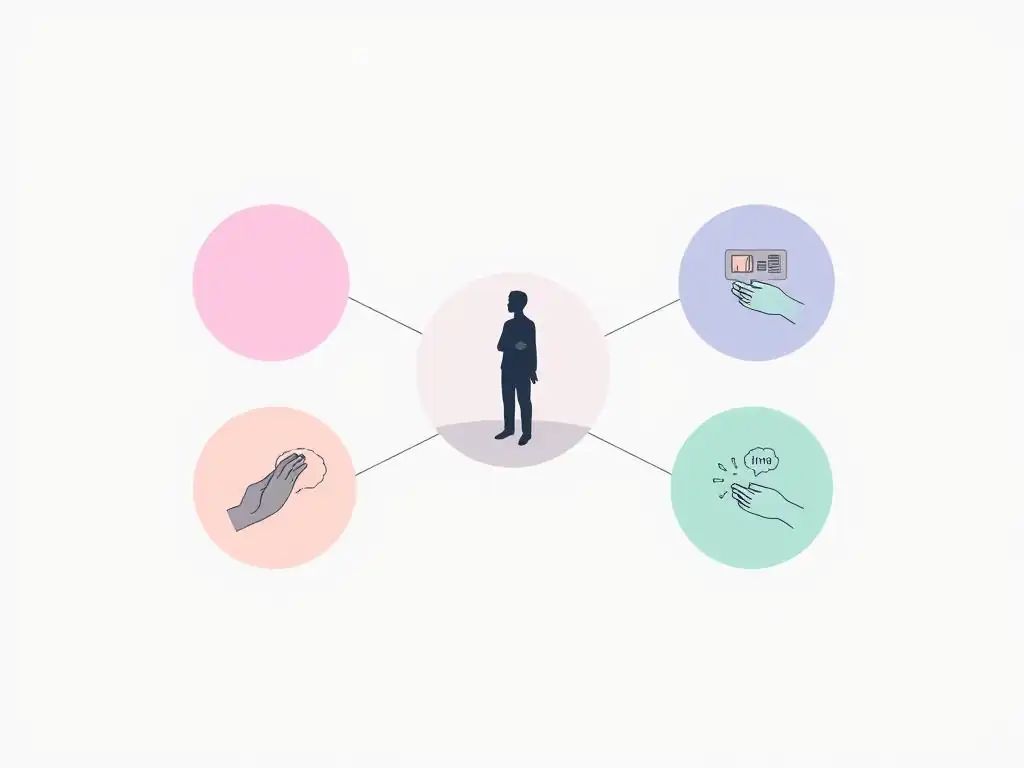
Bandura's social learning theory, often explained as a more nuanced approach than simple behaviorism, hinges on several key components that interact to shape an individual's learning and behavior. Understanding these components is crucial to grasping the depth and breadth of Bandura's influential work. This section delves into the core elements, demonstrating how observation and imitation are not passive processes but rather active, cognitive ones.
We will explore the intricacies of attention, retention, reproduction, and motivation, highlighting how they contribute to the acquisition and performance of new behaviors. This detailed analysis will solidify your understanding of Bandura's social learning theory explained in a clear and concise manner.
Attention: The First Step in Learning
Before any learning can occur, the individual must first pay attention to the model's behavior. This isn't simply about being in the presence of the model; it requires focused observation. Several factors influence the level of attention paid:
- Characteristics of the Model: More attractive, prestigious, or high-status models tend to garner more attention. Think of a child observing a popular athlete demonstrating a specific skill – the child is more likely to pay attention than if the model were an unknown individual.
- Characteristics of the Observer: An observer's own characteristics, such as their cognitive abilities and prior experiences, also play a crucial role. A child with a short attention span will likely observe less than a child with a longer attention span. Similarly, prior experiences can influence what aspects of the model's behavior are noticed.
- Characteristics of the Behavior: The behavior itself must be salient and noticeable to capture attention. A complex or unusual behavior is more likely to draw attention than a mundane, repetitive one. For example, a dramatic, unexpected action will capture attention more readily than a subtle, routine action.
The level of attention directly impacts the subsequent stages of the learning process. Insufficient attention will inevitably hinder retention and the ability to reproduce the observed behavior. This initial step forms the foundation upon which the entire learning process is built.
Retention: Remembering What Was Observed
Once attention has been paid, the observed behavior must be retained in memory. This isn't a simple process of rote memorization; it involves cognitive processing and encoding the information in a meaningful way. Several strategies facilitate retention:
- Symbolic Representation: The observer may mentally rehearse the observed behavior, creating a symbolic representation of it. This could involve verbal descriptions, images, or other mental strategies. Imagine a child describing the steps involved in a particular task to themselves.
- Cognitive Organization: The observer might organize the observed behavior into meaningful chunks or categories, making it easier to remember. For instance, a student might group similar mathematical formulas together to aid recall.
- Elaboration: The observer may connect the observed behavior to their existing knowledge and experiences, making it more memorable. This helps to create a rich network of associations and improves recall.
Effective retention is critical because a behavior cannot be reproduced if it is not remembered accurately. Furthermore, the ability to retrieve the memory of the observed behavior is crucial for its successful reproduction at a later time. The more effectively the behavior is encoded and organized, the easier it is to retrieve and reproduce.
Reproduction: Putting the Behavior into Action
Even with attention and retention, the observed behavior won't be learned unless the observer can reproduce it. This involves translating the mental representation into physical action. Several factors influence successful reproduction:
- Physical Capabilities: The observer must possess the necessary physical skills and abilities to perform the behavior. A child trying to reproduce a complex gymnastics routine needs the requisite physical coordination and strength.
- Self-Efficacy: The observer's belief in their ability to successfully perform the behavior is crucial. A strong sense of self-efficacy increases the likelihood of attempting the behavior and persisting in the face of challenges. Conversely, low self-efficacy can lead to avoidance or giving up easily.
- Practice and Feedback: Repeated practice and feedback are essential for refining the reproduced behavior and improving its accuracy. Constructive feedback helps to identify areas for improvement and guide the learning process.
Successful reproduction is the culmination of the learning process. It demonstrates that the observer has not only paid attention and retained the information but also has the capability and motivation to translate the observed behavior into their own actions. This stage is where the observable change in behavior becomes evident, showcasing the effectiveness of observational learning.
Motivation: The Incentive for Imitation
Bandura's social learning theory doesn't simply posit that we observe and imitate; it emphasizes the crucial role of motivation. Observing a behavior isn't enough; we need a reason to replicate it. This motivation stems from several factors, intricately interwoven and often operating simultaneously. One key element is the anticipated consequences.
If we see someone rewarded for a particular action – be it praise, tangible rewards, or even social approval – we're more likely to imitate that behavior, expecting similar positive outcomes for ourselves. Conversely, observing negative consequences, like punishment or social disapproval, can deter imitation. This is a fundamental aspect of vicarious reinforcement and punishment; we learn from the experiences of others without directly experiencing the consequences ourselves.
Consider a child observing an older sibling get praised for helping with chores. The child, witnessing the positive reinforcement directed towards their sibling, is more likely to engage in similar helpful behaviors in anticipation of receiving comparable praise. This is a clear example of how anticipated consequences, a powerful motivator, drive the imitation process.
The strength of the motivation is also directly related to the perceived similarity between the observer and the model. If the observer identifies strongly with the model (e.g., same age, gender, social group), the influence of the model's behavior and its perceived consequences is amplified. A child might be more inclined to mimic a behavior demonstrated by a peer than by a distant adult.
Beyond anticipated consequences, other motivators play a significant role. For instance, self-efficacy – our belief in our ability to successfully execute a behavior – is a critical determinant. Even if we observe a desirable behavior and anticipate positive outcomes, we might not attempt imitation if we lack confidence in our ability to perform the behavior effectively.
A student might observe a classmate effortlessly solve a complex math problem, but if they lack confidence in their own mathematical abilities, they might not attempt to replicate the classmate's approach. Furthermore, intrinsic motivation, stemming from personal interest or enjoyment, can also drive imitation. Someone might imitate a particular artistic skill not for external rewards but simply because they find the activity intrinsically rewarding.
Therefore, understanding motivation is paramount to fully grasping the complexities of Bandura's social learning theory and how observed behaviors translate into actual actions. The interplay of anticipated consequences, self-efficacy, and intrinsic motivation paints a complete picture of why and when we choose to imitate observed behaviors.
Bandura's Social Learning Theory, often referred to as Social Cognitive Theory, represents a significant advancement beyond simple behavioral models. While acknowledging the importance of observational learning and imitation, Bandura's later work emphasizes the crucial role of cognitive processes in learning and behavior. This shift highlights the active role of the individual in shaping their own experiences, rather than passively reacting to environmental stimuli.
This nuanced perspective is what truly sets Bandura's theory apart and makes it so impactful in understanding human behavior. The core tenets of this expanded theory are built upon the concepts of self-efficacy and reciprocal determinism, which are explored in detail below. Understanding these concepts is key to grasping the full scope of Bandura's social cognitive theory explained.
Self-Efficacy and its Impact on Learning
Self-efficacy, a cornerstone of Bandura's Social Cognitive Theory, refers to an individual's belief in their capacity to execute behaviors necessary to produce specific performance attainments. It's not about actual ability, but rather one's belief in their ability. A student with high self-efficacy in mathematics, for instance, believes they can successfully solve complex equations, even if they haven't encountered similar problems before. Conversely, a student with low self-efficacy might avoid challenging math problems, fearing failure.
This belief system profoundly impacts learning. Students with high self-efficacy are more likely to:
- Set challenging goals: They're not afraid to tackle difficult tasks.
- Persist in the face of setbacks: They view obstacles as temporary and surmountable.
- Recover quickly from failures: They don't let setbacks derail their progress.
- Experience less anxiety: Their confidence reduces stress and improves performance.
Consider a study [specific information pending] which might examine the correlation between self-efficacy and academic achievement in a specific subject. The results would likely demonstrate a positive correlation, showing that students with higher self-efficacy tend to perform better academically. This highlights the critical role of self-belief in shaping behavior and achievement. Furthermore, fostering self-efficacy through positive reinforcement and effective teaching strategies is crucial for optimizing learning outcomes.
Reciprocal Determinism: The Interplay of Factors
Reciprocal determinism, another key element of Bandura's theory, describes the dynamic interplay between three factors: personal factors (cognitive, affective, and biological events), behavioral factors (actions, choices, and habits), and environmental factors (social, cultural, and physical contexts). These factors are not independent but mutually influence one another in a continuous feedback loop.
Think of a child learning to ride a bike. Their personal factors include their physical abilities, their level of fear, and their confidence (self-efficacy). Their behavioral factors involve their attempts to balance, pedal, and steer. The environmental factors encompass the terrain, the presence of other people, and the availability of a safe space to practice.
Each factor influences the others. For example, a safe environment (environmental factor) might increase the child's confidence (personal factor), leading to more attempts (behavioral factor), which in turn refine their skills and further boost their confidence. Conversely, a challenging environment might decrease confidence, leading to fewer attempts and potentially slower skill development.
This cyclical interaction underscores the complexity of human behavior and the interconnectedness of personal, behavioral, and environmental influences. Understanding this reciprocal relationship is essential for effective interventions aimed at behavior change, as it highlights the need for holistic approaches that address all three factors simultaneously. This holistic approach is what truly makes Bandura's social cognitive theory explained so impactful for understanding complex human behaviors.
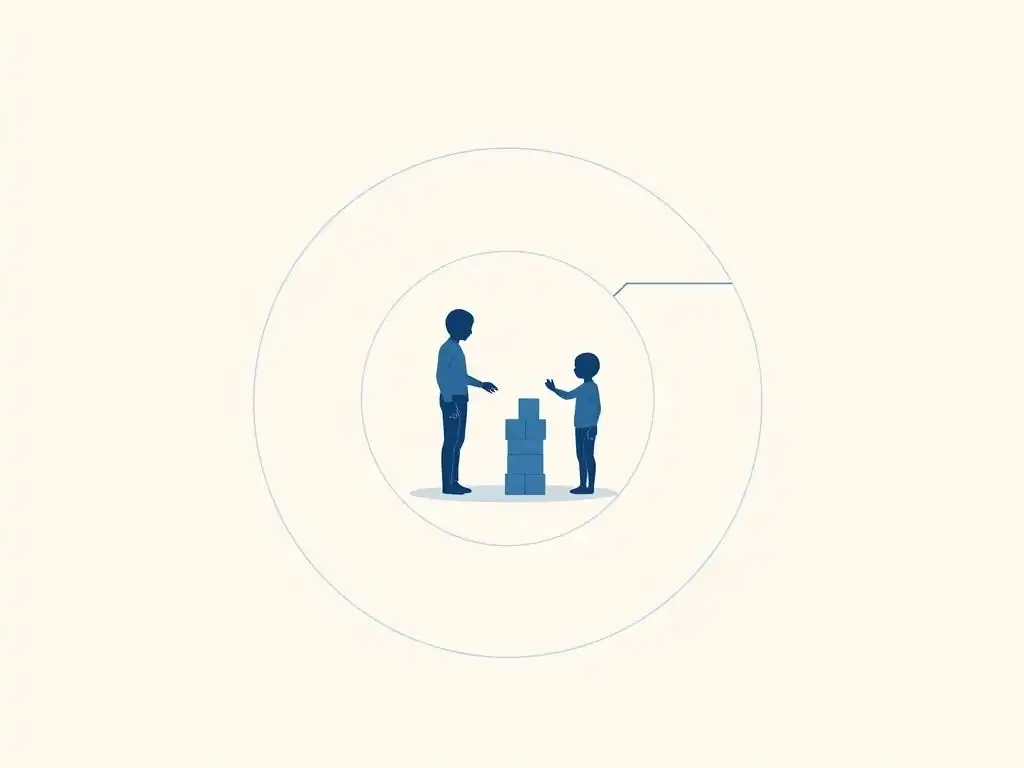
Bandura's social learning theory, far from being a purely academic concept, has profound real-world applications across numerous fields. Its emphasis on observational learning, modeling, and reinforcement significantly impacts our understanding of human behavior and offers practical strategies for intervention and improvement. This section explores some key applications, showcasing the theory's versatility and enduring relevance. The core principle – that learning occurs through observation and imitation – provides a powerful framework for understanding and addressing a wide range of behavioral issues. Understanding this framework is crucial to effectively applying the theory in various contexts.
Understanding Aggression and Violence
Bandura's theory provides a compelling explanation for the acquisition and perpetuation of aggressive behaviors. The classic Bobo doll experiment powerfully demonstrated how children readily imitate aggressive actions observed in adults. This highlights the crucial role of modeling in shaping aggressive tendencies. Children who witness violence, whether in person, through media, or online, are more likely to exhibit aggressive behavior themselves. This doesn't imply a deterministic relationship—individual differences in personality and environmental factors play a role. However, the theory emphasizes the significant influence of observational learning on the development of aggressive behaviors.
Further research has explored the impact of different types of media violence on aggression. Studies have suggested a correlation between exposure to violent video games and increased aggression, although the exact causal relationship remains a subject of ongoing debate. The key takeaway is that reducing exposure to aggressive models and reinforcing prosocial behaviors can be effective strategies for mitigating aggression. This includes implementing stricter media regulations, promoting positive role models, and emphasizing the consequences of aggressive actions. Moreover, understanding the mechanisms behind observational learning allows for the development of targeted interventions aimed at disrupting the cycle of violence.
Educational Applications and Learning Strategies
Bandura's social learning theory has significantly influenced educational practices. The theory underscores the importance of providing students with positive role models, both within and outside the classroom. Teachers who demonstrate enthusiasm for learning, effective problem-solving skills, and positive social interactions can serve as powerful models for their students. This creates a learning environment where students are more likely to engage actively and develop desirable learning behaviors.
Furthermore, the concept of vicarious reinforcement is crucial in education. Observing others being rewarded for positive academic behaviors (e.g., receiving praise for completing assignments, achieving high grades) can motivate students to emulate those behaviors. Conversely, witnessing negative consequences for poor academic performance can discourage such behaviors.
This highlights the importance of providing clear expectations, consistent feedback, and appropriate rewards and consequences to shape student learning. Effective educational strategies, therefore, often incorporate elements of modeling, vicarious reinforcement, and self-efficacy to maximize learning outcomes. Creating a supportive and encouraging classroom environment where students feel capable and confident plays a vital role in their academic success.
Bandura's social learning theory forms the basis of several therapeutic approaches. Cognitive Behavioral Therapy (CBT), for example, utilizes principles of observational learning and modeling to help clients modify maladaptive behaviors. Therapists might use modeling to demonstrate appropriate coping mechanisms, or guide clients through role-playing exercises to practice new behaviors in a safe environment. The therapist acts as a model, demonstrating effective strategies, and the client learns through observation and imitation.
Furthermore, the concept of self-efficacy plays a crucial role in therapy. Building self-efficacy—the belief in one's ability to succeed in specific situations—is often a central focus of treatment. Therapists may use techniques such as mastery experiences, vicarious experiences, verbal persuasion, and emotional arousal to enhance clients' self-efficacy and motivate them to engage in positive behavioral change.
This approach is particularly effective in treating anxiety disorders, phobias, and other conditions characterized by avoidance behaviors. By understanding the interplay between observational learning, self-efficacy, and reinforcement, therapists can develop tailored interventions that address the root causes of problematic behaviors and promote positive change. The focus on observable behaviors and the mechanisms of learning allows for concrete, measurable progress in therapy.
Criticisms and Limitations of Bandura's Theory
Bandura's Social Learning Theory, while highly influential, isn't without its critics. Several limitations and points of contention have been raised regarding its explanatory power and applicability across diverse contexts. Understanding these criticisms is crucial for a complete understanding of the theory's strengths and weaknesses. A balanced perspective acknowledges both the theory's significant contributions and its inherent limitations in fully capturing the complexity of human behavior. This section will delve into some key criticisms, offering a nuanced perspective on Bandura's groundbreaking work.
Overemphasis on Observational Learning
One prominent critique centers on the theory's apparent overemphasis on observational learning. While observational learning is undeniably significant in shaping behavior, critics argue that Bandura's model might underplay the role of other learning mechanisms. For instance, the influence of biological predispositions, individual experiences, and purely cognitive processes (like abstract reasoning or internal motivation) might be downplayed in favor of the model's focus on observation and imitation. This overemphasis could lead to an incomplete picture of behavioral acquisition and modification, especially in situations where other factors play a more dominant role.
Consider, for example, the development of phobias. While observational learning can contribute, biological preparedness and direct conditioning experiences might be equally or even more influential. A more holistic perspective would integrate these various factors rather than prioritizing observational learning exclusively.
Furthermore, the theory doesn't fully account for spontaneous behavior, behaviors that arise without any apparent prior observation or reinforcement. Creative acts, for instance, often emerge from novel combinations of existing knowledge and internal drives, challenging the purely observational basis of the theory. The development of a completely new dance routine, for example, isn't easily explained by simply observing others; intrinsic motivation and creativity play a significant role.
The Role of Individual Differences
Another significant limitation lies in the theory's relatively limited consideration of individual differences. While Bandura acknowledges the role of personality and cognitive factors, the theory doesn't fully explore the vast spectrum of individual variations in learning styles, motivations, and emotional responses. People differ vastly in their attention spans, their capacity for self-regulation, their susceptibility to social influence, and their inherent levels of self-efficacy.
These differences significantly impact the likelihood and manner in which observational learning manifests. For instance, a child with high self-efficacy might be more likely to imitate a model's behavior than a child with low self-efficacy, even when exposed to the same model and situation. Further research is needed to fully integrate these individual differences into a more comprehensive model of social learning.
The theory also struggles to explain how individual differences in cognitive abilities influence the processing and interpretation of observed behaviors. A child with higher cognitive abilities might be better at analyzing the nuances of a model's behavior, leading to more sophisticated imitation. Conversely, a child with lower cognitive abilities might focus on superficial aspects, leading to a less accurate or effective imitation. These cognitive differences represent a crucial aspect of social learning that requires further investigation and integration into the theoretical framework.
The Complexity of Human Behavior
Ultimately, the most significant criticism of Bandura's Social Learning Theory is its inability to fully capture the sheer complexity of human behavior. Human actions are rarely determined by a single factor, and reducing behavior to a simple formula of observation, imitation, and reinforcement, while useful, is overly simplistic.
Many factors beyond the scope of Bandura's model interact in complex ways to shape human actions, including cultural norms, societal pressures, biological factors, and unpredictable events. A more comprehensive understanding of human behavior demands a more multifaceted approach, integrating social learning theory with other psychological perspectives, such as neuroscience, evolutionary psychology, and developmental psychology.
To illustrate this point, consider the act of helping a stranger. While observational learning might play a role (seeing others help), the act is also influenced by empathy, moral values, situational factors, and the individual's personal cost-benefit analysis. Bandura's theory, while valuable, doesn't fully account for this intricate interplay of factors. A more nuanced understanding of human behavior requires a synthesis of various theoretical perspectives, acknowledging the limitations of any single framework. The theory provides a strong foundation but needs complementary perspectives to fully explain the richness and complexity of human action.
Frequently Asked Questions
Bandura's Social Learning Theory emphasizes observational learning, suggesting that we learn by watching and imitating others. It highlights the importance of cognitive processes like attention, memory, and motivation in learning.
Modeling is crucial; we learn by observing models – people whose behavior we imitate. The effectiveness of modeling depends on factors like the model's status and the observer's identification with the model.
What are the key components of observational learning?
The four main components are attention, retention, reproduction, and motivation. Without these, observation alone doesn't lead to learning. Reinforcement also plays a significant role in motivating imitation.
How does Bandura's theory differ from traditional behaviorism?
Unlike traditional behaviorism, which focuses solely on direct reinforcement, Bandura's theory incorporates cognitive factors and emphasizes the role of observation and imitation in learning. It's a more holistic approach.
This theory has wide applications, including education, therapy, and advertising. Understanding how people learn through observation helps develop effective teaching strategies, therapeutic interventions, and persuasive marketing campaigns.
Final Reflection: The Enduring Legacy of Observational Learning
Bandura's Social Learning Theory remains profoundly relevant today, shaping our understanding of how we learn and interact, impacting everything from education to social media's influence. The theory's emphasis on observation, imitation, and the crucial role of cognitive processes in learning provides a powerful framework for comprehending human behavior in a world increasingly saturated with information and mediated experiences. This isn't simply an academic exercise; it's a lens through which we can better understand ourselves and the society we inhabit.
The pervasive influence of social learning continues to shape our cultural landscape, from the subtle ways advertising targets our desires to the broader impact of role models on societal norms. The power of observation is undeniable, and its consequences, both positive and negative, are far-reaching. As Bandura himself stated, Most human behavior is learned observationally through modeling: from observing others, one forms an idea of how new behaviors are performed, and on later occasions this coded information serves as a guide for action.
This simple yet profound statement encapsulates the core of his theory and its lasting impact on our understanding of human development and social interaction.
Consider the implications of this theory in your own life. How have you learned new skills or behaviors through observation? Who are your role models, and how have they shaped your values and actions?
By actively recognizing the power of observational learning, you can consciously curate your learning environment, seeking out positive influences and mitigating the negative impacts of harmful models. Embrace the opportunity to be a positive model for others, understanding that your actions have a ripple effect, shaping the behaviors and beliefs of those around you. The legacy of Bandura's work isn't just about understanding the past; it's about actively shaping a better future.
**Embrace Change: Start Learning and Growing Today! **
Thank you for exploring Albert Bandura's Social Learning Theory with us! Understanding how observation shapes behavior provides valuable tools for personal growth and improved social interactions. Now, let's put this knowledge into practice!
Here's how you can start applying these ideas immediately:
- **Learn a new skill** by observing someone you admire—a friend, family member, or even a public figure. Follow their progress or seek out a mentor for guidance.
- Share your insights on social media using the hashtag **#SocialLearning**, and connect with others exploring this concept. Your experiences and perspectives could inspire others.
- Keep a journal to record your observations and how you plan to integrate them into your life. This reflective practice will significantly enhance your learning.
What skill or behavior are you eager to develop by learning from others? Share your thoughts in the comments!