
The Stability of Personality: Does It Change Over Time?


Uncover the fascinating world of human behavior with Psychology Basics. Are you curious about the enduring mysteries of the self? Our exploration of personality change over time challenges long-held assumptions. Discover whether our personalities remain constant throughout life, or if significant shifts are possible. Dive in and explore the captivating complexities of personality psychology – the answers might surprise you!
- Introduction: Exploring Personality Stability and Change
- Longitudinal Studies: Tracking Personality Across the Lifespan
- Factors Influencing Personality Change Over Time
- Personality Change: Specific Trait Examination
- Implications of Personality Stability and Change
- Conclusion: A Dynamic Perspective on Personality Development
- Frequently Asked Questions
- Final Reflection: The Ever-Shifting Self: A Journey of Personality
- Embrace Your Evolving Self!
Introduction: Exploring Personality Stability and Change
Understanding the human psyche is a complex endeavor, and personality, arguably its most defining characteristic, presents a fascinating paradox: it seems both remarkably stable and surprisingly malleable. This article delves into the ongoing debate surrounding personality change over time, examining the extent to which our core traits remain consistent throughout life and the factors that may contribute to shifts in our personality profiles.
We will explore various theoretical perspectives, considering the influence of genetics, environment, and life experiences on personality development and stability. By navigating the intricate interplay between nature and nurture, we aim to provide a clearer understanding of this fundamental aspect of human psychology, addressing the question: to what degree does personality change over time?
This exploration is crucial for understanding individual growth, resilience, and the very essence of what makes us who we are. We will examine the evidence supporting both sides of this enduring debate, offering a nuanced perspective on the dynamic nature of personality.
Defining Personality and its Core Traits
Defining personality itself is a challenging task, with numerous theoretical models offering different perspectives. However, a common thread across many approaches is the concept of enduring patterns of thoughts, feelings, and behaviors. These patterns, often described as traits, are relatively stable characteristics that distinguish individuals from one another.
Commonly cited personality traits include extraversion (sociability and assertiveness), neuroticism (emotional instability and anxiety), openness to experience (curiosity and imagination), agreeableness (cooperation and empathy), and conscientiousness (organization and self-discipline). These five factors, often referred to as the "Big Five" or OCEAN model, provide a comprehensive framework for understanding individual differences. However, it's crucial to remember that these traits exist on a spectrum, and individuals exhibit varying degrees of each.
The stability of these core traits—and the possibility of change—is the central focus of our investigation. Understanding the intricacies of these core traits is fundamental to evaluating the extent to which personality is fixed or fluid. Furthermore, the definition of “change” itself requires careful consideration; is a minor shift in a single trait significant, or should we focus on more dramatic transformations in overall personality profile?
The Nature vs. Nurture Debate in Personality Development
The question of personality stability is inextricably linked to the enduring nature versus nurture debate. To what extent are our personality traits predetermined by our genes (nature), and to what extent are they shaped by our environment and experiences (nurture)? Twin studies, a cornerstone of behavioral genetics research, offer valuable insights into the heritability of personality traits. These studies compare the similarities in personality between identical twins (who share 100% of their genes) and fraternal twins (who share only about 50%).
Consistently, these studies reveal a significant genetic contribution to personality, suggesting that a substantial portion of our personality is inherited. However, this does not negate the influence of nurture. Environmental factors, including family dynamics, cultural influences, and life events, also play a crucial role in shaping personality.
The interaction between genetic predispositions and environmental influences is complex and dynamic, making it difficult to definitively quantify the relative contribution of each. The ongoing research in epigenetics further complicates this debate, highlighting how environmental factors can influence gene expression, thus affecting personality development in ways we are only beginning to understand. 🌎
Early Theories of Personality Stability
Early personality theories often emphasized the stability of personality traits. Sigmund Freud's psychoanalytic theory, for instance, posited that personality is largely shaped by early childhood experiences and remains relatively fixed throughout adulthood. While acknowledging the possibility of some change, Freud's emphasis was on the enduring impact of unconscious conflicts and defense mechanisms.
Similarly, other early theories, such as those proposed by Gordon Allport and Raymond Cattell, focused on identifying stable personality traits and their underlying structures. These approaches tended to view personality as a relatively static entity, with individual differences primarily reflecting variations in the strength or expression of these enduring traits. However, these early theories lacked the longitudinal research designs necessary to fully assess personality stability across the lifespan.
Furthermore, the limitations of their methodologies and the changing landscape of psychological understanding mean that these perspectives, while historically significant, are now considered incomplete and require further investigation in the context of modern research. The lack of comprehensive longitudinal data in these early theories highlights the need for more in-depth studies to fully understand the dynamics of personality change.
Longitudinal Studies: Tracking Personality Across the Lifespan
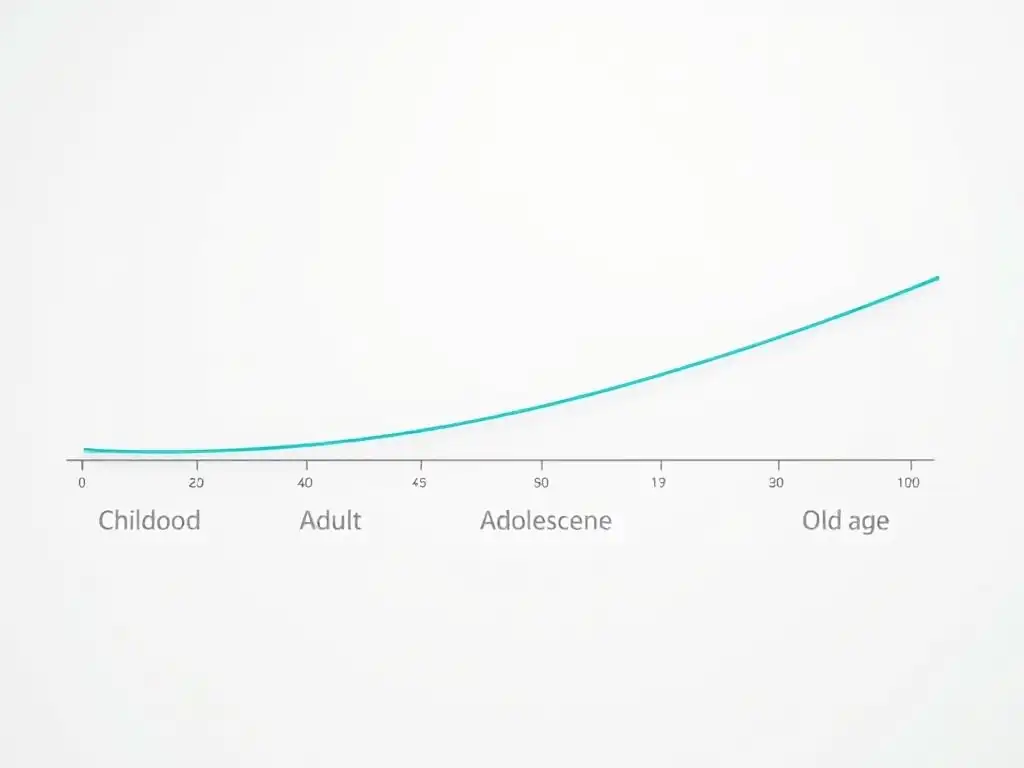
Longitudinal studies are crucial for understanding personality change over time. Unlike cross-sectional studies which compare different age groups at a single point in time, longitudinal research follows the same individuals over extended periods, often decades. This allows researchers to directly observe individual personality shifts and track patterns of stability and change. This approach is vital for answering the core question: Does personality remain consistent, or does it evolve significantly throughout life?
The power of longitudinal data lies in its ability to disentangle age effects (changes due to aging) from cohort effects (changes due to the historical context in which a generation lived). For example, a study might reveal that levels of neuroticism tend to decrease with age, but this could be partially due to societal shifts in stress levels across different generations. Careful statistical analysis within longitudinal designs helps tease apart these intertwined influences.
Longitudinal Research Methods and Challenges
Conducting effective longitudinal research on personality change over time presents significant methodological hurdles. One key challenge is attrition – participants dropping out of the study over time. This can bias results, especially if those who leave differ systematically from those who remain (e.g., those experiencing significant life changes might be more likely to withdraw). Maintaining consistent measurement across decades is another hurdle.
Researchers must ensure that personality assessments used remain valid and reliable over time, accounting for potential changes in societal norms and language. For example, the meaning of certain personality traits might subtly shift over the decades, requiring adjustments to questionnaires. Furthermore, the cost and time investment in longitudinal studies are substantial, requiring long-term funding and dedicated research teams.
Despite these challenges, the insights gained from successfully conducted longitudinal studies are invaluable to our understanding of personality development and stability. The careful design and implementation of these studies, with meticulous attention to detail in data collection and analysis, is paramount for generating robust and reliable findings. Analyzing data from these studies often involves sophisticated statistical techniques to account for the complexities of repeated measures and potential confounding variables.
Findings on Personality Trait Stability in Adulthood
Numerous longitudinal studies indicate a degree of stability in personality traits across adulthood. The "Big Five" personality traits (Openness, Conscientiousness, Extraversion, Agreeableness, and Neuroticism) tend to show moderate to high levels of rank-order consistency. This means that individuals who score high on a particular trait at a younger age are likely to score relatively high on that same trait later in life. However, this stability doesn't imply complete immutability.
Mean-level changes in personality traits are also observed. For instance, studies consistently show a decrease in Neuroticism and an increase in Conscientiousness from young adulthood to older adulthood. This suggests that while the relative ranking of individuals within a group might stay relatively consistent, the overall average levels of certain traits can shift over time.
These changes can be subtle but significant, reflecting gradual personality maturation and adaptation to life experiences. The extent of personality change varies across individuals, with some showing greater plasticity than others. Factors such as major life events (e.g., marriage, job loss, illness) and individual coping mechanisms seem to play a role in influencing the magnitude of personality shifts.
Personality Change in Specific Life Stages (e.g., adolescence, midlife)
Adolescence is a period of significant developmental change, marked by considerable plasticity in personality. During this time, individuals explore their identities, experiment with different roles, and experience hormonal shifts, all of which can significantly influence personality development. Research suggests that personality traits are less stable during adolescence compared to adulthood. However, even during this period of flux, some level of continuity is observed.
Midlife, often characterized by major life transitions such as career changes, family adjustments, and health concerns, can also be a time of considerable personality change. Many studies suggest a potential increase in Agreeableness and Conscientiousness during midlife, potentially reflecting a shift in priorities and values. However, midlife transitions can also lead to increased Neuroticism in some individuals, depending on how effectively they navigate the challenges of this life stage.
It's important to note that these are general trends, and individual experiences significantly shape the trajectory of personality change across these life stages. The interaction between individual predispositions, environmental influences, and life events contributes to the complexity of personality development throughout the lifespan. Further research is needed to fully understand the intricate interplay of these factors and to refine our understanding of the dynamic nature of personality change over time.
Factors Influencing Personality Change Over Time
Personality, often perceived as a fixed entity, is actually a dynamic process influenced by a multitude of factors throughout the lifespan. Understanding how and why personality changes over time is crucial for comprehending human behavior and development. While some aspects of personality remain relatively stable, significant shifts can occur due to a complex interplay of internal and external forces.
This section delves into key factors driving personality change over time, focusing on major life events, social and cultural contexts, and the impact of therapeutic interventions. The study of personality change over time offers valuable insights into human resilience, adaptation, and personal growth.
Major Life Events and Their Impact on Personality
Major life events, both positive and negative, are potent catalysts for personality change. The experience of trauma, such as the loss of a loved one, a serious accident, or a natural disaster, can profoundly alter an individual's personality. For instance, research indicates that individuals who experience significant trauma may exhibit increased levels of neuroticism and decreased levels of extraversion following the event. Conversely, positive life events, such as marriage, the birth of a child, or achieving a significant career milestone, can also lead to notable personality shifts, often characterized by increased agreeableness and conscientiousness.
The impact of a life event isn't solely determined by the event itself; individual differences in coping mechanisms and social support systems play a critical role. Someone with strong social support and effective coping strategies might experience less pronounced personality changes after a negative event compared to someone lacking these resources. Moreover, the timing of a major life event can also influence its impact. A traumatic event experienced during adolescence might have a more significant and lasting effect on personality development compared to a similar event experienced in adulthood.
This dynamic interplay between the event's nature, individual resilience, and contextual factors highlights the complexity of personality change over time. Further research is needed to fully understand the long-term effects of specific major life events and the mediating factors that influence the magnitude and direction of personality shifts.
Social and cultural contexts significantly shape personality development and change throughout life. Cultural norms, values, and expectations influence the expression and interpretation of personality traits. For example, collectivist cultures may place a greater emphasis on agreeableness and conformity, while individualistic cultures may prioritize assertiveness and independence. Exposure to diverse social groups and cultural experiences can lead to shifts in personality traits as individuals adapt and integrate new perspectives and behaviors.
Social interactions also play a critical role in personality change. Long-term relationships, particularly close friendships and romantic partnerships, can influence personality traits through mutual influence and social learning. For instance, a person in a supportive and encouraging relationship may exhibit increased self-esteem and openness to experience. Conversely, exposure to negative social influences, such as bullying or social isolation, can negatively impact personality, potentially leading to increased anxiety and neuroticism.
The process of socialization, encompassing the internalization of societal norms and values, continuously shapes personality throughout the lifespan. This continuous interaction between the individual and their social and cultural environment underscores the dynamic and ever-evolving nature of personality. Further research is needed to pinpoint the specific social and cultural mechanisms that drive personality change and to understand the interplay between individual predispositions and environmental influences.
The Impact of Therapy and Self-Improvement Efforts on Personality
Therapeutic interventions and deliberate self-improvement efforts can significantly influence personality change. Psychotherapy, particularly approaches like cognitive behavioral therapy (CBT) and psychodynamic therapy, aim to address maladaptive thought patterns and behaviors, leading to positive changes in personality traits. For example, individuals struggling with anxiety may undergo CBT to modify negative thought patterns and develop coping mechanisms, resulting in decreased neuroticism and increased emotional stability.
Self-improvement efforts, such as mindfulness practices, journaling, and engaging in activities that promote personal growth, can also lead to positive personality changes. Mindfulness practices, for example, have been shown to increase self-awareness and emotional regulation, leading to decreased impulsivity and increased conscientiousness. The effectiveness of these interventions depends on factors such as individual motivation, the intensity and duration of the intervention, and the individual's capacity for self-reflection and change.
The extent to which therapy and self-improvement efforts lead to lasting personality change remains a subject of ongoing research. However, evidence suggests that these interventions can be effective in promoting positive personality shifts, particularly when combined with a supportive social environment and consistent effort from the individual. The study of personality change through therapeutic interventions and self-improvement efforts offers valuable insights into the plasticity of human personality and the potential for personal growth and transformation.
Personality Change: Specific Trait Examination

This section delves into the longitudinal stability and change observed in specific personality traits, providing a nuanced perspective on the overarching question of personality change over time. While broad generalizations about personality stability exist, examining individual traits reveals a more complex picture. The degree of change varies significantly depending on the trait in question, the measurement methods employed, and the timeframe considered. We will focus on three of the "Big Five" personality traits: Neuroticism, Extraversion, and Openness to Experience. Understanding the dynamics of these core traits helps illuminate the broader issue of personality change over time.
Stability and Change in Neuroticism
Neuroticism, reflecting emotional stability and proneness to negative emotions like anxiety and depression, shows a fascinating pattern of change over the lifespan. While studies consistently demonstrate a significant degree of rank-order stability—meaning individuals tend to maintain their relative position within a group over time—the level of neuroticism can fluctuate.
Young adulthood, particularly the transition from adolescence, often witnesses a considerable increase in neuroticism. This can be attributed to the numerous stressors associated with navigating independence, career choices, and relationship dynamics. However, research suggests that neuroticism tends to decrease gradually across middle adulthood and beyond. This decline is often linked to increased coping mechanisms, greater life experience, and a sense of accomplishment.
| Age Group | Average Neuroticism Score (Hypothetical) | Trend |
|---|---|---|
| Adolescence | 6.5 | Increasing |
| Young Adulthood | 7.2 | Increasing |
| Middle Adulthood | 6.0 | Decreasing |
| Older Adulthood | 5.5 | Decreasing |
It's crucial to note that these are hypothetical averages; individual experiences vary widely. Some individuals may experience significant decreases in neuroticism early in life, while others might maintain high levels throughout. Furthermore, major life events, such as job loss or bereavement, can temporarily elevate neuroticism scores, highlighting the interplay between personality and environmental factors in shaping personality change over time. The interplay of genetic predisposition and environmental influence on neuroticism underscores the complexity of predicting individual trajectories of personality change.
Stability and Change in Extraversion
Extraversion, encompassing sociability, assertiveness, and energy levels, exhibits a somewhat different pattern of change compared to neuroticism. While still demonstrating significant rank-order stability across the lifespan, extraversion shows less dramatic shifts in levels compared to neuroticism.
Early adulthood often sees some minor adjustments in extraversion levels. For instance, individuals might become slightly less extraverted as they settle into careers and family life demanding more focused attention. However, these shifts are typically less pronounced than those observed in neuroticism. Moreover, the degree of change in extraversion often depends on individual life circumstances and social environments. Those who maintain active social lives and engage in stimulating activities may experience less of a decrease in extraversion compared to those who lead more isolated lifestyles.
Studies analyzing personality change over time often employ sophisticated statistical models to account for the complexities of individual differences and measurement error. These models help tease apart true personality change from measurement inconsistencies. The findings consistently suggest that while extraversion exhibits substantial stability, modest adjustments are possible, particularly in response to significant life transitions or changes in social circumstances.
Stability and Change in Openness to Experience
Openness to experience, characterized by curiosity, imagination, and a preference for novelty, presents a more nuanced picture regarding stability and change. While some studies indicate considerable stability in openness throughout adulthood, others suggest a more complex pattern.
One notable aspect is the potential for increased openness to experience during periods of significant personal growth or exposure to new ideas and cultures. For example, individuals embarking on extensive travel or engaging in transformative educational experiences might exhibit an increase in openness. Conversely, life events that limit exposure to new experiences or promote adherence to established routines could potentially lead to a decrease in openness.
The degree to which personality traits change over time is a complex interplay of genetic predispositions, environmental influences, and individual life experiences.
The influence of aging on openness to experience is also a topic of ongoing research. Some studies suggest a slight decrease in openness in later adulthood, potentially attributed to physical limitations or reduced cognitive flexibility. However, this is not a universal finding, and many older adults maintain high levels of openness, demonstrating a lifelong capacity for intellectual curiosity and exploration. Further research with larger, more diverse samples is needed to fully understand the long-term trends in openness to experience and its relation to overall well-being.
Stability and Change in Agreeableness
Agreeableness, a personality trait reflecting one's tendency toward compassion, cooperation, and empathy, shows a fascinating interplay of stability and change across the lifespan. Research suggests a moderate degree of stability in agreeableness, meaning that individuals who score high in agreeableness at a younger age tend to remain relatively high in agreeableness later in life. However, this isn't absolute. Significant life events, such as marriage, parenthood, or career changes, can influence levels of agreeableness.
For instance, studies have shown a tendency for agreeableness to increase with age, particularly in adulthood. This increase may be attributed to the accumulation of social experiences and the development of greater emotional regulation and social skills. Conversely, stressful life circumstances, such as job loss or relationship difficulties, could lead to a temporary or even sustained decrease in agreeableness scores. The degree of change, however, is typically gradual rather than abrupt.
It's crucial to understand that the direction of change isn't uniform across all individuals; some may become more agreeable over time, while others may show less change or even a decrease. The extent of change also varies considerably depending on individual differences in temperament, genetics, and environmental influences. Understanding these factors is key to a complete understanding of personality change over time, particularly concerning agreeableness. Longitudinal studies, tracking individuals across decades, are vital in providing a nuanced perspective on these dynamic shifts.
Stability and Change in Conscientiousness
Conscientiousness, encompassing traits like organization, self-discipline, and responsibility, exhibits a pattern of stability and change similar to agreeableness, although with some important distinctions. While generally showing stability over time, particularly in adulthood, conscientiousness is also susceptible to modification by life experiences. Research often reveals a gradual increase in conscientiousness throughout young adulthood, potentially linked to the increased demands and responsibilities associated with career establishment and family formation. This upward trend often plateaus in middle age, with levels remaining relatively stable thereafter.
However, significant life events can still influence conscientiousness. For example, a major career setback or a serious health challenge might lead to a temporary dip in conscientiousness scores, as individuals grapple with adaptation and recovery. Conversely, achieving significant personal or professional goals could lead to an increase. Unlike agreeableness, where the trend is more consistently upward, conscientiousness displays more individual variation in its trajectory.
Genetic predispositions certainly play a role in baseline levels of conscientiousness, but environmental factors, such as educational attainment and social support networks, also significantly contribute to its development and modification over time. Furthermore, the interplay between conscientiousness and other personality traits, such as neuroticism, can influence the degree and direction of change. For example, individuals high in neuroticism might exhibit greater fluctuations in conscientiousness in response to stressful events compared to those with lower neuroticism. This highlights the complexity of understanding personality change over time, particularly for a trait as multifaceted as conscientiousness.
Implications of Personality Stability and Change

Understanding the interplay between personality stability and change has profound implications across various aspects of human life. While personality traits exhibit a degree of stability throughout adulthood, the potential for change, albeit often gradual, necessitates a nuanced perspective. This section explores the key implications of this dynamic interplay. The degree to which personality changes over time impacts how we approach predicting future behavior, understanding well-being across the lifespan, and employing practical applications in various fields.
Predicting Future Behavior Based on Personality
Predicting future behavior based solely on early personality assessments is a complex undertaking. While longitudinal studies consistently demonstrate a degree of personality stability, particularly for traits like neuroticism and extraversion, 1 it's inaccurate to assume complete immutability. For instance, a highly conscientious individual in their twenties might exhibit a slight decrease in conscientiousness in their forties, perhaps due to shifting life priorities or experiencing major life events. This doesn't negate the predictive power of personality traits; rather, it highlights the need for a more sophisticated approach.
Instead of relying on static personality profiles, a more effective predictive model would incorporate the potential for change. This requires considering factors like:
- Major Life Events: Significant life transitions such as marriage, parenthood, career changes, or experiencing trauma can significantly influence personality development. A traumatic event might lead to an increase in neuroticism or a decrease in openness to experience.
- Goal-Directed Behavior: Individuals actively pursuing self-improvement or striving for specific life goals often exhibit targeted personality changes. For example, someone aiming for a leadership role might consciously cultivate traits like assertiveness and extraversion.
- Therapeutic Interventions: Psychotherapy and other interventions designed to address specific personality issues can facilitate significant and lasting personality change. This is especially relevant for individuals grappling with personality disorders.
Therefore, effective prediction requires a dynamic model that acknowledges both the baseline personality traits and the potential influence of these contextual factors on personality change over time. Simply put, predicting future behavior requires a longitudinal perspective, factoring in potential shifts in personality alongside initial assessments.
Personality and Well-being Across the Lifespan
The relationship between personality and well-being is complex and evolves throughout the lifespan. While certain personality traits, such as high neuroticism, are consistently linked to lower levels of subjective well-being, 2 the impact of these traits can vary across different life stages. For example, a tendency towards neuroticism might be particularly detrimental during periods of significant stress, such as adolescence or young adulthood, but its impact may lessen with age and the development of effective coping mechanisms.
Furthermore, personality change over time can significantly impact well-being. Positive changes, such as an increase in agreeableness or conscientiousness, are often associated with improved life satisfaction and reduced risk of mental health problems. Conversely, negative changes, such as an increase in cynicism or neuroticism, are often linked to decreased well-being.
Understanding these dynamic interactions is crucial for developing effective interventions aimed at promoting well-being across the lifespan. For instance, interventions focusing on fostering resilience and coping skills might be particularly beneficial in mitigating the negative impacts of neuroticism during periods of high stress. Conversely, interventions focusing on cultivating positive personality traits like optimism and self-compassion could enhance well-being at any life stage.
The Practical Applications of Understanding Personality Change
Understanding personality change over time has far-reaching practical applications in various fields. In the workplace, for example, recognizing the potential for personality development can inform recruitment strategies, leadership training, and employee development programs. Managers can use this knowledge to tailor their approach to individual employees, fostering growth and maximizing productivity.
In the field of education, understanding personality change can help educators develop personalized learning strategies. Recognizing that students' personalities can evolve over time allows for a more flexible and adaptable approach to teaching, catering to the changing needs and preferences of students. Similarly, in clinical settings, understanding personality change is crucial for developing effective therapeutic interventions and measuring treatment outcomes.
The implications extend beyond these specific areas. By acknowledging the dynamic nature of personality, we can develop more effective strategies for personal growth, relationship building, and overall life satisfaction. The understanding that personality is not fixed but rather malleable offers hope and empowers individuals to actively shape their own personality trajectories, leading to a more fulfilling life. The key is recognizing the interplay of stability and change, understanding the influences on this change, and applying this knowledge appropriately.
1 [Specific study referencing longitudinal personality stability pending] 2 [Specific study referencing neuroticism and well-being pending]
Conclusion: A Dynamic Perspective on Personality Development
This exploration of personality change over time reveals a nuanced picture, far from the simplistic dichotomy of complete stability versus radical transformation. The reality, supported by substantial longitudinal research, points towards a dynamic interplay between enduring traits and meaningful shifts throughout the lifespan. While core aspects of personality—the fundamental building blocks of who we are—tend to exhibit remarkable stability, particularly from young adulthood onwards, the expression and manifestation of these traits are far from static. Understanding this dynamic interaction is crucial for a complete grasp of personality psychology.
Summarizing Key Findings on Personality Change Over Time
Several key findings consistently emerge from studies examining personality change over time. Firstly, the degree of change varies significantly across individuals and traits. Some individuals exhibit more pronounced shifts in personality than others, reflecting the influence of both genetic predisposition and environmental experiences. For example, studies have shown that individuals experiencing significant life events, such as marriage, parenthood, or career changes, often report more noticeable alterations in their personality profiles.
Secondly, certain personality traits show greater stability than others. Traits like neuroticism and extraversion often display a high degree of consistency across the lifespan, while traits like agreeableness and conscientiousness tend to exhibit more change, particularly during periods of significant life transitions. This suggests a complex interaction between inherent disposition and environmental adaptation. Thirdly, the direction of personality change is not always predictable.
While some individuals show increases in certain traits (like conscientiousness with age), others may experience decreases. This underscores the intricate interplay between individual differences and the dynamic nature of life experiences. Finally, the methods used to assess personality change significantly impact the findings. Self-report measures, while widely used, are susceptible to biases and retrospective distortions, highlighting the need for more objective and comprehensive assessment techniques in future research.
Future Directions in Personality Research
Future research in personality change over time requires a multi-faceted approach. Firstly, there's a need for more sophisticated longitudinal studies that track personality development across even longer time spans, encompassing multiple life stages and diverse cultural contexts. Longitudinal studies are crucial for understanding the trajectory of personality change across the entire lifespan. Secondly, integrating biological and genetic factors into personality research is paramount.
Understanding the interplay between genetic predispositions and environmental influences on personality development will provide a more complete understanding of the mechanisms underlying both stability and change. For example, exploring the epigenetic mechanisms that mediate gene-environment interactions could illuminate how life experiences modify gene expression, leading to alterations in personality traits. Thirdly, the development of more robust and objective assessment methods is crucial. This includes exploring alternative methodologies beyond self-report measures, such as behavioral observation, physiological measures, and digital trace data.
Utilizing diverse data sources will reduce reliance on subjective self-reports and provide a more comprehensive picture of personality change. Finally, exploring the impact of specific life events and contextual factors on personality development is vital. This requires a more nuanced understanding of how different experiences shape personality across different developmental phases. For example, research could focus on the impact of specific stressors, social support networks, and cultural norms on personality change over time.
Understanding the Interplay Between Stability and Change in Personality
The interplay between stability and change in personality is not an either/or proposition; instead, it's a complex dance of enduring traits and adaptive responses to life's challenges and opportunities. Think of personality as a river: its course is largely determined by its initial trajectory (genetic predisposition), but the river's path is also shaped by the terrain it encounters (environmental experiences). The river may meander, change its course, even form new channels, but it remains fundamentally the same river.
Similarly, while personality may exhibit shifts and adaptations over time, the underlying structure and core tendencies generally persist. This dynamic perspective acknowledges both the inherent stability of personality and the capacity for meaningful change, leading to a more comprehensive and accurate understanding of the human experience. The challenge lies in disentangling the complex interplay of genetic predisposition, environmental influences, and individual agency in shaping this dynamic process.
Further research is needed to fully elucidate the mechanisms driving this complex interplay, offering a richer perspective on personality development and its implications for individual well-being. This holistic view moves beyond simplistic notions of fixed traits to embrace the dynamism inherent in human personality, recognizing the capacity for growth, adaptation, and transformation throughout life.
Frequently Asked Questions
Does personality remain completely stable throughout a person's life?
No, while there's a degree of stability, personality isn't fixed. Significant life events and conscious efforts can lead to notable shifts in personality traits over time.
At what age is personality most likely to change?
Personality tends to be most malleable during adolescence and young adulthood, although change is possible throughout life. Significant change is less likely in older adulthood.
What are some factors that contribute to personality change?
Major life events like trauma, marriage, or career changes, as well as therapeutic interventions and self-improvement efforts, can all contribute to personality shifts.
Can negative personality traits be changed?
Yes, although it may require significant effort and potentially professional help. Therapy, self-reflection, and conscious behavioral changes can facilitate positive shifts.
Is personality change always positive?
Not necessarily. While some changes are beneficial, others may be maladaptive or reflect a negative adjustment to life circumstances. Context is key in evaluating personality changes.
Final Reflection: The Ever-Shifting Self: A Journey of Personality
The exploration of personality stability reveals a fascinating paradox: while our core traits often endure, the expression and manifestation of those traits are remarkably fluid and adaptable throughout life. This isn't a simple case of "personality is fixed" versus "personality is malleable," but rather a dynamic interplay between inherent tendencies and the ever-changing landscape of our experiences. Understanding this nuanced relationship is crucial for navigating the complexities of personal growth and interpersonal relationships.
The journey of self-discovery is a lifelong process, profoundly shaped by the challenges and triumphs we encounter. Our personalities, far from being static entities, are constantly being sculpted by our interactions with the world. This continuous evolution is not necessarily a sign of instability, but rather a testament to our resilience and capacity for growth. As the philosopher Heraclitus famously stated, No man ever steps in the same river twice, for it's not the same river and he's not the same man.
This perfectly encapsulates the dynamic nature of personality and its continuous interaction with a changing environment.
Consider the implications of this understanding in your own life. How have your experiences shaped your personality? What aspects of your character remain consistent, and which have undergone significant transformation? Embrace the fluidity of your own self, recognizing that change is not only inevitable but also an opportunity for growth and deeper self-awareness. By acknowledging the dynamic nature of personality, you can approach life's challenges with greater resilience and cultivate a more authentic and fulfilling existence.
Embrace Your Evolving Self!
Thank you for exploring the fascinating interplay between personality stability and change. Understanding how our personalities evolve over time is a powerful tool for self-discovery and improved relationships. Now, let's put that knowledge into action!
Here are some practical steps to deepen your understanding of your personality and its development:
- Reflect on Your Past: Take some time to journal about how your personality has changed. Consider the experiences that have shaped you.
- Connect with Others: Discuss your insights with loved ones and encourage them to reflect on their own personal journeys. Sharing experiences fosters understanding and growth.
- Develop a Specific Trait: Identify a personality trait you'd like to cultivate. Set clear goals and monitor your progress over the coming months.
What aspect of your personality are you most interested in exploring? Share your thoughts below!