
Sibling Rivalry Unveiled: Practical Tips for Fostering Cooperation and Reducing Conflict

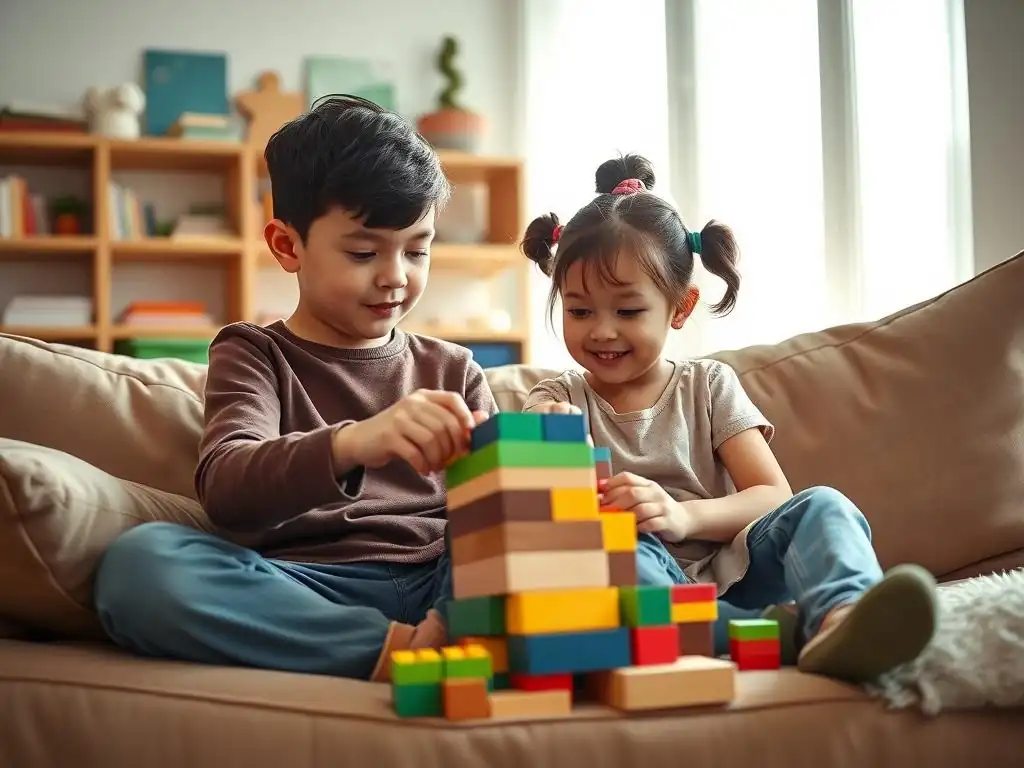
Welcome to Psychology Basics, your gateway to understanding the fascinating world of human behavior. Are you struggling with the constant battles between your children? Discover practical and effective strategies to reduce sibling rivalry conflict and foster a more harmonious home environment. This introductory guide delves into the psychology behind sibling dynamics, offering proven tips that you can implement immediately. Dive in and unlock the secrets to creating a more peaceful and cooperative family life!
Sibling rivalry—that age-old battle for parental attention, resources, and dominance—is a common experience in families worldwide. This article serves as a practical guide for parents and caregivers seeking effective strategies to reduce sibling conflict and foster a more harmonious home environment. We'll delve into the underlying causes of sibling rivalry, explore common triggers for fights, and provide actionable tips to promote cooperation and understanding between siblings.
Understanding the dynamics of sibling relationships is crucial for creating a positive and supportive family environment, allowing each child to thrive individually while strengthening the bonds of their sibling relationship. This guide aims to equip you with the knowledge and tools needed to navigate the challenges of sibling rivalry and cultivate a more peaceful and loving home. We will focus on evidence-based approaches and offer practical solutions that you can implement immediately to reduce sibling rivalry conflict.
Understanding Sibling Rivalry: The Root of the Problem
Sibling rivalry isn't simply about children being "mean" to each other; it's a complex interplay of developmental stages, personality differences, and environmental factors. Young children, still developing their sense of self, often struggle to share attention and resources. Competition for parental affection is a significant driver, as children seek validation and reassurance of their worth.
This competition is often intensified by perceived unfairness or favoritism, even if unintentional on the part of the parents. Furthermore, the age gap between siblings plays a role; a larger age difference can mean less shared experiences and increased competition for parental time. Understanding these root causes is the first step toward effective intervention.
The intensity of sibling rivalry can also vary greatly depending on factors such as parental parenting styles, family dynamics, and cultural influences. For example, studies have shown that families experiencing high levels of stress are more likely to experience increased sibling conflict.
Why Do Siblings Fight? Exploring the Underlying Causes of Sibling Conflict
Several key factors contribute to the frequency and intensity of sibling fights. These include:
- Competition for Resources: This encompasses tangible resources like toys, food, and parental attention, as well as intangible resources like praise and affection. The scarcity of resources, real or perceived, often fuels conflict.
- Developmental Differences: Siblings at different developmental stages have different needs and abilities, leading to misunderstandings and frustration. A younger sibling might not understand the older sibling's perspective, leading to conflict.
- Personality Differences: Inherent personality traits, such as introversion versus extroversion or high versus low sensitivity, can significantly influence how siblings interact and resolve conflicts. Some children are naturally more assertive or aggressive than others, leading to power struggles with their siblings.
- Parenting Styles: Inconsistent discipline, favoritism, or a lack of clear boundaries can exacerbate sibling rivalry. If children perceive unfair treatment, resentment and conflict are likely to arise.
- Lack of Social Skills: Children who lack effective communication and conflict-resolution skills are more prone to engaging in aggressive or passive-aggressive behaviors with their siblings. This often leads to escalating conflicts.
- Modeling Behavior: Children learn by observing the adults around them. If parents frequently engage in conflict or use aggressive communication styles, their children may model this behavior in their own interactions.
Common Triggers for Sibling Fights: Identifying the Flashpoints
Recognizing common triggers can help parents proactively intervene and prevent conflicts before they escalate. Some frequent flashpoints include:
- Sharing Toys and Possessions: The struggle over toys, games, and other possessions is a classic sibling rivalry trigger. This is especially true when resources are limited or when one sibling feels the other is being unfair.
- Attention Seeking: Children often compete for parental attention, especially when they feel neglected or overlooked. This can manifest as acting out, tattling, or deliberately provoking a sibling.
- Territorial Disputes: Children may fight over personal space, bedrooms, or other areas they consider "their own." This is especially common in families with limited living space.
- Disagreements over Activities: Disputes over what to play, where to go, or what to watch on television are frequent sources of conflict.
- Differing Temperaments: The clash of differing personalities and temperaments can lead to frequent disagreements and misunderstandings. One sibling's outgoing nature might clash with another's introverted personality.
- Lack of Parental Supervision: Insufficient supervision can create opportunities for conflict to arise and escalate unchecked. Close observation and timely intervention are crucial in these situations.
Practical Strategies to Reduce Sibling Rivalry Conflict Tips
Reducing sibling rivalry requires a multifaceted approach. One highly effective strategy involves teaching children conflict resolution skills. This isn't about simply telling them to "stop fighting," but rather equipping them with the tools to navigate disagreements constructively. Role-playing different scenarios, such as sharing toys or resolving disputes over screen time, can be incredibly beneficial. Parents can guide them through steps like identifying the problem, expressing their feelings calmly, brainstorming solutions together, and choosing the best option.
The focus should be on finding mutually agreeable solutions, fostering empathy, and understanding each other's perspectives. Furthermore, providing children with individual attention is crucial. Each child needs to feel loved, valued, and understood, irrespective of their sibling's presence. This can involve scheduling one-on-one time with each child, engaging in activities they particularly enjoy, and actively listening to their concerns and feelings without interruption.
This dedicated time helps to reduce feelings of competition and jealousy, paving the way for a more harmonious sibling relationship. Remember, consistent and patient application of these strategies is key to long-term success in reducing conflict. It's a journey, not a quick fix, and setbacks are normal. The goal is to equip children with skills they can use throughout their lives to manage conflict effectively.
Setting Clear Expectations: Establishing Family Rules and Boundaries
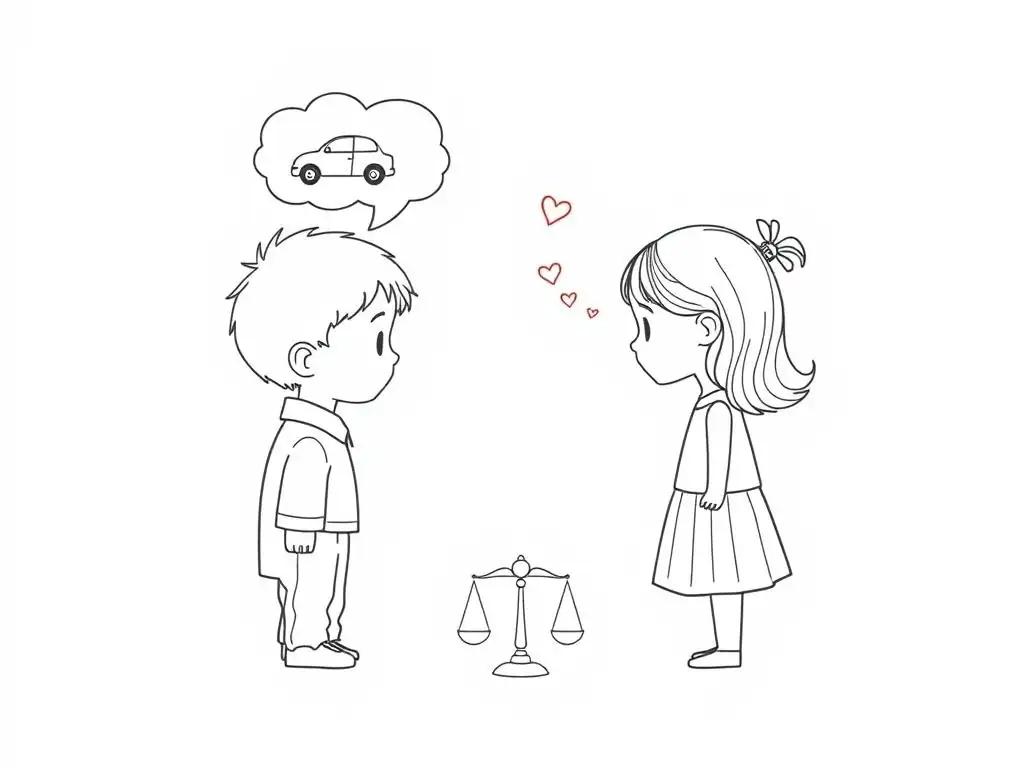
Clear expectations and consistent enforcement are cornerstones of managing sibling rivalry. Establishing family rules regarding sharing, respecting personal space, and appropriate behavior is paramount. These rules should be age-appropriate, clearly defined, and consistently enforced. For instance, a rule might be: "We treat each other with respect, even when we're angry."
Consequences for breaking these rules should be fair and consistently applied, avoiding favoritism or inconsistent discipline. This consistency is crucial for children to understand the boundaries and expectations. Furthermore, creating designated spaces for each child—a personal corner, a specific shelf for their belongings—can significantly minimize conflicts over possessions. This helps to establish a sense of ownership and reduces the feeling of things being constantly invaded or taken.
It's also important to involve children in the process of establishing these rules and boundaries. This participatory approach fosters a sense of ownership and increases their likelihood of adhering to them. A family meeting where everyone contributes ideas and collectively agrees upon the rules can create a sense of shared responsibility and mutual understanding. Remember, the rules should be reviewed periodically and adjusted as the children grow and mature, ensuring they remain relevant and effective.
Fostering Cooperation and Positive Interactions
Encouraging cooperation and positive interactions between siblings is vital in reducing conflict. This can be achieved through various strategies, including engaging in family activities that require teamwork and collaboration. Board games, puzzles, and even household chores that necessitate joint effort can foster a sense of shared accomplishment and strengthen their bond. Another effective strategy is to praise and reward positive interactions between siblings.
When you observe instances of cooperation, kindness, or empathy, acknowledge and appreciate these behaviors explicitly. Positive reinforcement, such as verbal praise or small rewards, can significantly encourage the repetition of such positive interactions. Similarly, focusing on each child's strengths and celebrating their individual achievements can reduce competitiveness. Highlighting their unique talents and contributions to the family helps to foster a sense of individual worth, reducing the need to constantly compare themselves to their sibling.
Creating opportunities for siblings to work together on projects, such as building a fort, preparing a meal, or cleaning up the house, can help them develop teamwork skills and a sense of shared responsibility. These shared experiences can build positive memories and foster a stronger bond between them. Remember, the goal is to create a supportive and nurturing environment where siblings learn to appreciate each other's strengths and work together to overcome challenges.
Effective Communication Techniques for Parents
Effective communication is paramount in reducing sibling rivalry. Parents often inadvertently fuel conflict through inconsistent discipline or biased favoritism. Open and honest communication, however, can significantly improve the situation. This involves actively listening to each child's perspective, validating their feelings, even if you don't agree with their actions. For example, instead of dismissing a child's complaint about their sibling, try saying, "It sounds like you're feeling frustrated because [sibling's action]. Can you tell me more about what happened?" This shows empathy and encourages open dialogue.
Furthermore, parents should strive for clear and consistent communication regarding rules and expectations. Ambiguity only creates opportunities for conflict. Clearly defined rules, consistently enforced, provide a sense of fairness and predictability, reducing the likelihood of disputes. For instance, a clear rule about sharing toys, with consistent consequences for not sharing, will minimize arguments over possessions. Parents should also communicate their expectations directly to the children, explaining the reasoning behind the rules to foster understanding and cooperation.
Regular family meetings can also be beneficial. These meetings provide a structured environment for children to express their concerns and work together to resolve conflicts. They also foster a sense of teamwork and shared responsibility within the family. During these meetings, parents can facilitate discussions, helping siblings find solutions collaboratively, rather than imposing solutions themselves. This empowers children and promotes their problem-solving skills. Remember, consistent, calm communication builds trust and encourages healthier interactions between siblings.
Addressing Specific Sibling Rivalry Scenarios
Sibling rivalry manifests differently depending on the children's ages and personalities. For example, younger siblings might resort to tantrums or whining to get attention, while older siblings might use bullying or exclusionary tactics. Addressing these scenarios requires a nuanced approach.
One common scenario involves competition for parental attention. One child might feel neglected if the other receives more attention, leading to jealousy and conflict. Parents can address this by ensuring that each child receives individual attention and quality time. This doesn't necessarily mean equal time, but rather meaningful interactions tailored to each child's needs and interests. For instance, a parent might read a book with one child while the other helps with a household chore. The key is to show each child that they are valued and loved individually.
Another frequent scenario revolves around resource allocation – toys, food, parental time. This often requires teaching children about sharing and compromise. Parents can facilitate this by establishing clear rules about sharing and teaching conflict resolution strategies. Role-playing scenarios can help children practice these skills in a safe environment. For instance, parents can act out a disagreement over a toy and then guide the children through different ways of resolving it peacefully. This can also involve teaching children to negotiate and find solutions that work for everyone involved.
Another critical aspect is dealing with competition for academic achievement. Parents should avoid comparing siblings, instead focusing on each child's individual progress and celebrating their unique strengths. Encouraging a healthy sense of competition, focusing on self-improvement rather than surpassing siblings, can be beneficial. This can be achieved by setting individual goals and rewarding effort rather than solely focusing on results.
Recommended Resources for Managing Sibling Conflict
Many excellent resources are available to help parents manage sibling conflict. Books focusing on positive parenting techniques and conflict resolution strategies offer valuable insights and practical tools. These often include specific exercises and techniques to help parents understand and address the root causes of sibling rivalry. Furthermore, workshops and parenting classes can provide a supportive environment for parents to learn from experts and share experiences with other parents facing similar challenges. These interactive sessions often offer opportunities to practice conflict resolution strategies and receive personalized feedback.
Online resources, such as reputable websites and articles from psychologists and family therapists, also offer a wealth of information. These resources often provide practical tips and advice, along with evidence-based strategies for managing sibling rivalry. However, it is crucial to be discerning and choose resources from credible sources. Look for information based on scientific research and supported by professional experts in the field of child psychology and family dynamics.
Remember, seeking professional help from a therapist or counselor is always an option if sibling rivalry is significantly impacting the family's well-being. A therapist can provide personalized guidance and support tailored to the family's specific needs and circumstances. They can help identify underlying issues and develop strategies to improve family dynamics and reduce conflict.
Books on Sibling Relationships: Deepening your Understanding
Understanding sibling dynamics is crucial in mitigating conflict and fostering positive relationships. Several excellent books offer valuable insights and practical strategies for parents and caregivers. These resources delve into the complexities of sibling rivalry, providing a deeper understanding of the underlying causes and offering effective solutions. For instance, books focusing on attachment theory explain how early childhood experiences and the parent-child relationship significantly impact sibling interactions. They illustrate how secure attachment can promote cooperation, while insecure attachment might contribute to competition and conflict.
Other resources explore the impact of birth order, personality differences, and developmental stages on sibling relationships. They often provide case studies and anecdotal evidence demonstrating how these factors influence sibling dynamics. Furthermore, some books offer practical exercises and activities parents can use to improve communication and conflict resolution skills within the family. These activities might include family meetings, role-playing scenarios, or collaborative problem-solving exercises.
Finally, many books emphasize the importance of creating a fair and equitable environment, where each child feels valued and respected. This approach helps to reduce feelings of jealousy and competition, paving the way for more harmonious sibling relationships. Choosing a book that aligns with your family's specific needs and challenges is crucial for maximizing its effectiveness. Consider reading reviews and comparing different approaches before making your selection.
Tools and Products to Reduce Sibling Rivalry
While there's no magic bullet to eliminate sibling rivalry entirely, certain tools and products can significantly aid in conflict resolution and promoting cooperation. These resources aren't a replacement for parental guidance and intervention, but rather supportive elements within a broader strategy. For example, structured playtime activities, like board games or collaborative art projects, can encourage teamwork and shared experiences. These activities provide opportunities for siblings to interact positively, building a sense of camaraderie and shared accomplishment.
Similarly, age-appropriate conflict resolution resources, such as books or workbooks, can equip children with the skills to manage disagreements effectively. These resources often introduce concepts like active listening, empathy, and compromise in a kid-friendly manner. Furthermore, visual aids such as charts or reward systems can be beneficial in tracking positive behaviors and reinforcing cooperation. These systems can make the process of conflict resolution more tangible and motivating for children.
It's crucial, however, to ensure that any reward system is fair and equitable, avoiding the creation of further competition or resentment. Remember, the effectiveness of these tools hinges on consistent parental involvement and guidance. These resources are merely supportive aids within a larger framework of open communication, clear boundaries, and consistent discipline. The selection of appropriate tools depends heavily on the age and developmental stage of the children involved.
Conclusion: Building a Harmonious Family Environment
Addressing sibling rivalry requires a multifaceted approach, combining understanding, proactive strategies, and consistent effort. By fostering open communication, establishing clear boundaries, and actively promoting positive sibling interactions, parents can significantly reduce conflict and build a more harmonious family environment. Remember that sibling rivalry is a common developmental phase, and it's not necessarily indicative of a dysfunctional family.
However, early intervention and consistent effort are key to preventing minor disagreements from escalating into significant problems. The strategies discussed—from understanding the underlying causes of rivalry to utilizing practical tools and resources—provide a pathway toward creating a more positive and cooperative atmosphere within the family. Ultimately, the goal is not to eliminate conflict entirely, but to equip siblings with the skills and emotional intelligence to navigate disagreements constructively and maintain healthy relationships throughout their lives.
This process requires patience, understanding, and a commitment to fostering a supportive and loving family environment where each child feels valued and respected. The journey may have its challenges, but the rewards of a close and harmonious sibling relationship are immeasurable. 🎉
Long-Term Benefits of Fostering Positive Sibling Relationships
Positive sibling relationships extend far beyond childhood. The skills learned in navigating sibling dynamics—compromise, empathy, conflict resolution, and negotiation—are invaluable life skills. Children who learn to cooperate and resolve conflicts with their siblings often demonstrate improved social-emotional development. Studies have shown a correlation between positive sibling relationships and increased social competence, leading to stronger friendships and more fulfilling relationships later in life. 1 Furthermore, children with supportive sibling bonds often exhibit greater resilience in the face of adversity. The emotional support and shared experiences with siblings create a secure base from which they can navigate life's challenges. This strong foundation of emotional support can also translate into better mental health outcomes in adulthood, contributing to a greater sense of well-being and reducing the risk of depression and anxiety. The ability to effectively communicate and manage conflict, honed through sibling interactions, translates directly into healthier adult relationships, both romantic and platonic. In essence, fostering positive sibling relationships is an investment in the child's long-term emotional, social, and psychological well-being.
Cultivating an Environment of Love and Respect
Creating a home environment that prioritizes love and respect is crucial in reducing sibling rivalry. This isn't about eliminating conflict entirely—disagreements are a natural part of sibling relationships—but about establishing a framework where disagreements are handled constructively. Parents can actively model respectful communication, demonstrating how to express needs and opinions without resorting to insults or aggression. Regular family meetings can be implemented, providing a structured space for children to voice their concerns and participate in decision-making processes.
This fosters a sense of fairness and inclusion, reducing feelings of jealousy or competition. Moreover, actively praising and rewarding cooperative behaviors reinforces positive interactions. Acknowledging and appreciating instances where siblings support or help each other strengthens their bond and encourages further positive interactions. Equally important is ensuring that each child feels individually valued and loved.
Parents should make a conscious effort to spend quality one-on-one time with each child, fostering a sense of individual worth that transcends sibling comparisons. This individualized attention can significantly reduce feelings of competition and insecurity, contributing to a more harmonious home environment. Remember, consistent and fair parenting is key to cultivating a loving and respectful atmosphere where siblings can thrive.
Seeking Professional Help: When to Consider Consulting a Child Psychologist
While many sibling conflicts can be managed with parental guidance and proactive strategies, some situations may require professional intervention. If sibling rivalry is escalating to the point of physical aggression, consistent bullying, or severe emotional distress for one or both children, seeking professional help is advisable. Signs that might warrant a consultation with a child psychologist include persistent fighting that disrupts family life, extreme jealousy that impacts a child's self-esteem, or a noticeable decline in a child's academic performance or social interactions directly linked to sibling conflict.
A child psychologist can provide tailored strategies to address the specific dynamics of the sibling relationship, offering coping mechanisms for the children and guidance for parents. They can also help identify underlying issues, such as developmental delays, learning disabilities, or emotional problems, which may be contributing to the conflict. Furthermore, a psychologist can assist parents in developing effective communication skills and conflict-resolution techniques.
Professional intervention can provide valuable support and tools to navigate complex sibling relationships and foster a more positive and harmonious family environment. Early intervention can prevent long-term negative consequences for the children's mental and emotional well-being. Don't hesitate to seek professional help if you feel overwhelmed or unable to manage the conflict effectively on your own.
1 [Specific study and citation needed]
- Understanding Sibling Rivalry: The Root of the Problem
- Why Do Siblings Fight? Exploring the Underlying Causes of Sibling Conflict
- Common Triggers for Sibling Fights: Identifying the Flashpoints
- Practical Strategies to Reduce Sibling Rivalry Conflict Tips
- Setting Clear Expectations: Establishing Family Rules and Boundaries
- Fostering Cooperation and Positive Interactions
- Effective Communication Techniques for Parents
- Addressing Specific Sibling Rivalry Scenarios
- Recommended Resources for Managing Sibling Conflict
- Books on Sibling Relationships: Deepening your Understanding
- Tools and Products to Reduce Sibling Rivalry
- Conclusion: Building a Harmonious Family Environment
- Long-Term Benefits of Fostering Positive Sibling Relationships
- Cultivating an Environment of Love and Respect
- Seeking Professional Help: When to Consider Consulting a Child Psychologist
- What is sibling rivalry, and why does it occur?
- How can I reduce sibling rivalry conflict in my home?
- What are some effective strategies for resolving sibling arguments?
- My children are very different in age and personality. Does this impact sibling rivalry?
- Are there any long-term consequences of unresolved sibling rivalry?
Frequently Asked Questions
What is sibling rivalry, and why does it occur?
Sibling rivalry is the competition and conflict between brothers and sisters. It's common and often stems from competition for parental attention, resources, and establishing individual identities within the family.
How can I reduce sibling rivalry conflict in my home?
Implement fairness and consistency in your parenting. Encourage cooperation and teamwork through shared activities and praise collaborative efforts. Individual attention for each child is also crucial.
What are some effective strategies for resolving sibling arguments?
Teach children conflict resolution skills, such as active listening and compromise. Help them identify their feelings and needs. Mediate disputes fairly, focusing on solutions rather than assigning blame.
My children are very different in age and personality. Does this impact sibling rivalry?
Yes, age gaps and personality differences can significantly affect sibling dynamics. Older siblings may dominate younger ones, while personality clashes can exacerbate conflict. Tailor your approach to each child's individual needs and personalities.
Are there any long-term consequences of unresolved sibling rivalry?
Unresolved conflict can negatively impact self-esteem, social skills, and mental health. Addressing sibling rivalry early can foster stronger sibling bonds and healthier family relationships in the long run.
Final Reflection: Cultivating Harmony in the Heart of the Home
The enduring challenge of sibling rivalry remains a potent force in countless families today, impacting not only the immediate family dynamic but also shaping the emotional landscape of children as they grow. Understanding the root causes and implementing effective strategies to mitigate conflict is not merely a parenting skill; it's a crucial investment in the well-being and future relationships of our children.
The impact of sibling relationships on personality development and future interpersonal skills is profound and often underestimated. These early interactions, whether marked by fierce competition or unwavering support, lay the foundation for how individuals navigate social dynamics throughout their lives. The sibling bond is the first relationship we have where we learn to negotiate, compromise, and share. It's a microcosm of the world, and how we navigate it shapes our future interactions.
This quote underscores the lasting significance of fostering positive sibling relationships, transforming potential conflict into opportunities for growth and empathy.
You, the reader, now hold the tools to cultivate a more harmonious home environment. Consider the strategies discussed – from establishing clear boundaries to promoting individual strengths and shared activities – and reflect on how you can adapt them to your unique family dynamic. Don't underestimate the power of small, consistent efforts to create a space where cooperation flourishes and sibling bonds are strengthened, not strained. Begin today, and watch as your family blossoms into a more unified and loving unit.
Cultivate Harmony: Take Action Today!
Thank you for exploring sibling rivalry with us! We hope you gained valuable insights into fostering cooperation and resolving conflicts. Now, let's put those strategies into practice to create a more harmonious home environment.
Here are some practical steps to begin:
- Practice active listening: Dedicate some quality time to each sibling, focusing on truly understanding their feelings and viewpoints. This individual attention can make a significant difference.
- Establish shared activities: Engage in fun, collaborative activities. For example, you could cook a meal together, work on a creative project, or even plan a family outing. The key is shared effort and enjoyment.
- Share this information: Consider sharing this advice with friends or family members who might find it helpful. Let's work together to create more supportive relationships!
What steps will you take to nurture a strong and supportive relationship between your siblings?