
Understanding Addiction: Behavioral Perspectives on Substance Use


Unravel the complexities of the human mind with Psychology Basics. Are you curious about the driving forces behind our actions, especially when it comes to harmful behaviors? Then delve into our insightful exploration of the psychology of addiction explained, a fascinating journey into the behavioral perspectives on substance use. Discover how powerful ingrained patterns influence our choices and unlock a deeper understanding of this prevalent issue. Prepare to be captivated by the science behind addiction—read on to explore the intricacies of behavioral theories and more!
- The Psychology of Addiction Explained: An Introduction
- Operant Conditioning and Addiction: Reinforcement and Punishment
- Classical Conditioning and Addiction: Cravings and Triggers
- Social Learning Theory and Addiction: Modeling and Observational Learning
- Cognitive Factors in Addiction: Thoughts and Beliefs
- The Biopsychosocial Model of Addiction: A Holistic Perspective
- Behavioral Interventions for Addiction: Evidence-Based Approaches
-
Frequently Asked Questions
- What is the main focus of this article on the psychology of addiction?
- How does operant conditioning relate to addiction?
- What role does classical conditioning play in addiction?
- Does this article discuss different types of addiction?
- Where can I find more information on the biological aspects of addiction?
- Final Reflection: Unraveling the Tapestry of Addiction
- **Empower Yourself: Overcome Addiction Together! **
The Psychology of Addiction Explained: An Introduction
Understanding addiction is a complex endeavor, extending far beyond the simple notion of physical dependence. This article delves into the fascinating world of the psychology of addiction, specifically exploring how behavioral perspectives illuminate the development and maintenance of substance use disorders. We will move beyond the purely biological explanations, focusing instead on the learned behaviors, cognitive processes, and environmental influences that contribute significantly to addictive patterns.
This exploration will be particularly relevant for those seeking a deeper understanding of the psychological mechanisms underpinning addiction, offering valuable insights into prevention and treatment strategies. The psychology of addiction explained through a behavioral lens provides a powerful framework for comprehending this pervasive issue, paving the way for more effective interventions and a more compassionate understanding of individuals struggling with substance abuse.
We will explore the key behavioral factors contributing to addiction, examining the interplay between individual vulnerabilities, environmental triggers, and learned responses that sustain the addictive cycle. This exploration aims to provide a comprehensive overview of the behavioral perspective on addiction, equipping readers with a more nuanced and informed understanding of this critical area of psychological study.
Defining Addiction: Beyond Physical Dependence
The traditional view of addiction often centers on the physiological dependence on a substance, characterized by withdrawal symptoms upon cessation. However, a comprehensive understanding requires moving beyond this narrow definition. Addiction, from a behavioral perspective, is viewed as a complex interplay of factors, including:
- Reward pathways: The brain's reward system plays a crucial role, with substances hijacking these pathways and creating powerful reinforcement loops. The release of dopamine creates intense feelings of pleasure, driving the compulsive seeking of the substance.
- Learned associations: Environmental cues, such as specific locations or social settings, become strongly associated with substance use, triggering cravings and relapse. This classical conditioning aspect is a cornerstone of behavioral explanations of addiction.
- Cognitive distortions: Addictive behaviors are often maintained by cognitive biases and distorted thinking patterns. Individuals may minimize the negative consequences of their actions, overestimate their ability to control their use, or engage in wishful thinking.
- Emotional regulation: Substance use can serve as a maladaptive coping mechanism for managing negative emotions like stress, anxiety, or depression. This self-medication aspect is a significant factor in the development and maintenance of addiction.
The complexity of addiction necessitates a multifaceted approach, acknowledging the significant role of learned behaviors, cognitive processes, and environmental contexts alongside the biological mechanisms. Understanding these interwoven factors is crucial for developing effective treatment strategies. For instance, therapies like Cognitive Behavioral Therapy (CBT) directly target maladaptive cognitions and behaviors associated with addiction.
Behavioral Factors in Substance Use Disorders
Substance use disorders (SUDs) are characterized by compulsive drug seeking and use despite harmful consequences. Behavioral factors play a pivotal role in the development and persistence of SUDs. Several key behavioral processes contribute to this cycle:
- Operant Conditioning: The rewarding effects of substance use strengthen the behavior through positive reinforcement. The immediate gratification outweighs the long-term negative consequences, leading to repeated use. Negative reinforcement also plays a role, as substance use can reduce withdrawal symptoms or alleviate negative emotions.
- Social Learning Theory: Observational learning and modeling, particularly within peer groups, can significantly influence the initiation and continuation of substance use. Exposure to substance use in social contexts can normalize the behavior and reduce perceived risk.
- Incentive Salience: Substances become highly salient cues, triggering intense cravings and compulsive behaviors. This increased attentional bias towards drug-related stimuli further contributes to the addictive cycle.
- Stress and Coping: Individuals might turn to substances as a means of coping with stress, anxiety, or trauma. This self-medication hypothesis highlights the role of emotional regulation in the development of addiction. However, this coping mechanism is ultimately maladaptive, leading to a vicious cycle of substance dependence and worsening emotional distress.
Understanding these behavioral factors is crucial for the development of effective prevention and intervention strategies. By targeting these specific mechanisms, therapeutic interventions can help individuals break free from the grip of addiction and develop healthier coping mechanisms. Further research is needed to refine our understanding of the complex interplay of behavioral, cognitive, and environmental factors in substance use disorders.
Operant Conditioning and Addiction: Reinforcement and Punishment

Operant conditioning, a cornerstone of behavioral psychology, provides a powerful framework for understanding the development and maintenance of addiction. The core principle revolves around the idea that behaviors are learned through consequences; rewarding consequences strengthen behaviors, while punishing consequences weaken them. In the context of substance use, this translates to understanding how rewarding effects of drug use reinforce the addictive behavior, while punishments (real or perceived) can potentially deter it.
This section will explore the roles of positive and negative reinforcement, as well as the complexities of punishment in addiction treatment. The psychology of addiction explained through this lens offers a clearer picture of the cyclical nature of substance dependence.
Positive Reinforcement in Substance Use
Positive reinforcement is the process where a behavior is strengthened by the addition of a rewarding stimulus. In the context of substance abuse, the rewarding effects of the drug itself act as powerful positive reinforcers. The immediate pleasurable sensations – euphoria, relaxation, reduced anxiety – strongly reinforce the act of taking the drug. This immediate gratification outweighs any long-term negative consequences, which are often delayed and less certain.
For example, a smoker might experience an immediate reduction in stress and a feeling of satisfaction after a cigarette, positively reinforcing the smoking behavior, regardless of the potential long-term health risks. The brain's reward system, involving dopamine release in the nucleus accumbens, is centrally involved in this process, making the positive reinforcement incredibly potent and driving the addictive cycle. The strength of this reinforcement often explains the difficulty individuals face in ceasing substance use, even when faced with severe adverse consequences.
Negative Reinforcement and Addiction Relief
Negative reinforcement, unlike positive reinforcement, involves strengthening a behavior by removing an aversive stimulus. In addiction, negative reinforcement plays a crucial role in maintaining the addictive cycle. Individuals might use substances to escape or alleviate unpleasant feelings like anxiety, stress, depression, or physical withdrawal symptoms. The removal of these negative feelings reinforces the substance use behavior.
For instance, an individual experiencing intense anxiety might use alcohol to reduce that anxiety. The relief experienced reinforces the alcohol use, making it more likely to be repeated in similar situations. This is particularly relevant during withdrawal, where the intense physical and psychological discomfort motivates continued substance use to alleviate the unpleasant symptoms. Understanding the role of negative reinforcement is vital for developing effective treatment strategies that address the underlying negative emotional states that drive substance use.
Punishment and its Limitations in Addiction Treatment
While punishment – introducing an aversive stimulus following a behavior – might seem like a logical approach to curb addiction, its effectiveness is significantly limited and often counterproductive. Punishment, in the form of legal penalties, social disapproval, or even physical consequences, can trigger negative emotional responses, such as shame, fear, and resentment. These emotions can further fuel the addictive behavior, as individuals might turn to substances to cope with these negative feelings.
Moreover, punishment often fails to address the underlying causes of addiction, such as underlying mental health conditions or environmental stressors. For example, while legal penalties for drug possession might deter some individuals, they are often ineffective for those deeply entrenched in addiction, who may continue using despite the risks.
Therefore, while punishment might have a minor role in certain contexts, a holistic approach emphasizing positive reinforcement for alternative behaviors and addressing the underlying causes of addiction is far more effective in long-term recovery. A balanced approach incorporating cognitive-behavioral therapy (CBT) and motivational interviewing often proves far more successful than relying solely on punishment-based strategies.
Classical Conditioning and Addiction: Cravings and Triggers
Classical conditioning, a fundamental learning process identified by Pavlov, plays a significant role in understanding the psychology of addiction explained. It explains how seemingly neutral stimuli become associated with the rewarding effects of substance use, eventually triggering intense cravings and relapse. This process is crucial in maintaining addictive behaviors, even long after the initial physiological dependence has subsided. The power of these learned associations highlights the importance of environmental factors in addiction development and recovery.
Conditioned Stimuli and Responses in Addiction
The core principle of classical conditioning in addiction involves the pairing of a neutral stimulus (e.g., the sight of a drug paraphernalia, a specific location, or even a particular song) with an unconditioned stimulus (the drug itself), which elicits an unconditioned response (the pleasurable effects of the drug). Through repeated pairings, the neutral stimulus becomes a conditioned stimulus, eliciting a conditioned response (craving or withdrawal symptoms) even in the absence of the unconditioned stimulus.
For instance, a person who regularly uses heroin in a specific apartment will eventually associate that apartment with the heroin high. Over time, simply being in that apartment can trigger intense cravings, even if the individual is trying to abstain. This conditioned response can be incredibly powerful, significantly increasing the risk of relapse.
The strength of the conditioned response is directly related to the frequency and intensity of the pairings between the neutral and unconditioned stimuli. This explains why certain environments or social situations can be particularly potent triggers for individuals struggling with addiction. Understanding these conditioned associations is vital for developing effective treatment strategies.
The intensity of these conditioned responses can vary significantly between individuals, highlighting the personalized nature of addiction and the need for tailored interventions. Further research is needed to fully understand the interplay between individual differences and the development of these conditioned associations, but current evidence strongly supports the role of classical conditioning in maintaining addictive behaviors.
Breaking Conditioned Associations Through Treatment
Treatment approaches informed by classical conditioning aim to weaken or extinguish these learned associations. One effective technique is extinction, where the conditioned stimulus is repeatedly presented without the unconditioned stimulus. For example, a person might be exposed to cues associated with their drug use (e.g., images of drug paraphernalia) in a controlled therapeutic setting, without actually using the drug. This repeated exposure, without reinforcement of the pleasurable effects, gradually weakens the conditioned response, reducing cravings and the likelihood of relapse.
Another strategy involves counter-conditioning, where a new, positive response is paired with the conditioned stimulus. This could involve replacing the cravings associated with a specific location with a relaxing activity, thereby creating a new association. Cognitive Behavioral Therapy (CBT) often incorporates these principles by helping individuals identify and modify their thoughts and behaviors related to their addiction.
By teaching coping mechanisms and strategies for managing cravings, CBT assists in breaking the cycle of conditioned responses and promoting long-term recovery. The effectiveness of these treatments varies depending on the individual and the specific addiction, but they represent a crucial component of comprehensive addiction treatment programs. The successful application of these techniques hinges on the individual's commitment to treatment and their ability to actively participate in the therapeutic process.
Moreover, ongoing research continues to refine these approaches, exploring novel methods for targeting and breaking these deeply ingrained conditioned associations. The ultimate goal is to equip individuals with the tools they need to resist the powerful pull of conditioned cravings and maintain long-term sobriety.

Social learning theory, a cornerstone of behavioral psychology, provides a compelling framework for understanding the development and maintenance of addictive behaviors. Unlike purely biological or purely psychological models, it emphasizes the crucial role of observational learning and social modeling in shaping our behaviors, including substance use. The psychology of addiction explained through this lens highlights how we learn not only through direct experience but also by observing the actions and consequences faced by others.
This section will explore how this theory illuminates the complex interplay between individual experiences and the social environment in the acquisition and perpetuation of addiction. We'll delve into specific examples to illustrate the power of social learning in shaping substance use patterns.
The Role of Peers and Family in Substance Use
The influence of peers and family on substance use is profound, and social learning theory offers a robust explanation. Children and adolescents, particularly, are highly susceptible to observational learning. If they witness significant figures—parents, siblings, or close friends—engaging in substance use without facing negative consequences, they are more likely to perceive such behavior as acceptable or even desirable. This is especially true if the observed behavior is associated with positive reinforcement, such as social approval, stress reduction, or enhanced mood.
For instance, a teenager whose parents regularly drink alcohol at home might develop a more lenient attitude toward alcohol consumption compared to a teenager from a family with strictly enforced abstinence. Similarly, if a young person's peer group regularly uses drugs and celebrates such use, the likelihood of that individual experimenting with drugs increases significantly. This isn't simply about imitation; it's about learning social norms and expectations surrounding substance use. The perceived social benefits outweigh the perceived risks, creating a powerful incentive for engagement.
Studies consistently demonstrate a correlation between parental substance use and children's subsequent substance use problems. However, it's crucial to remember that correlation doesn't equal causation. Other factors, such as genetic predisposition or shared environmental stressors, might contribute to this relationship. Nevertheless, the social learning perspective emphasizes the importance of environmental factors in shaping behavior, highlighting the need for preventative interventions that target both individual and social levels.
Media Influence and its Impact on Addiction Behaviors
Beyond the immediate social circle, the media plays a significant role in shaping attitudes and behaviors related to substance use. Movies, television shows, video games, and even music videos often portray substance use in a glamorized or normalized fashion, minimizing or omitting the negative consequences. This type of portrayal can act as a powerful form of observational learning, especially for young people who are still developing their critical thinking skills.
The frequency and intensity of exposure to such media representations can significantly impact an individual's perception of risk and reward associated with substance use. If the media consistently depicts substance use as pleasurable, exciting, and risk-free, it can contribute to a decreased perception of risk, making experimentation more appealing. Conversely, media campaigns that effectively depict the negative consequences of substance use can potentially deter individuals from engaging in such behaviors.
The impact of media is further complicated by the fact that different media platforms have different levels of influence. For example, the impact of seeing drug use glorified in a popular movie might be different from seeing it portrayed in a public health announcement. Research into the effectiveness of different media campaigns in influencing attitudes and behaviors related to substance use is ongoing and crucial for developing effective prevention strategies.
The psychology of addiction explained through the lens of media influence underscores the importance of responsible media consumption and the role of media literacy in mitigating potential harms. Understanding how social learning operates within media contexts is critical for crafting effective public health messaging and media regulations.
Cognitive Factors in Addiction: Thoughts and Beliefs
The psychology of addiction explained often highlights the crucial role of cognitive factors. Addiction isn't solely a matter of physiological dependence; it's deeply intertwined with how we think, feel, and perceive the world. Our beliefs, expectations, and cognitive processes significantly influence our vulnerability to addiction, the maintenance of addictive behaviors, and ultimately, the success of recovery efforts. Understanding these cognitive aspects is key to developing effective interventions. This section will delve into specific cognitive distortions prevalent in addiction and explore the effectiveness of Cognitive Behavioral Therapy (CBT) as a treatment modality.
Cognitive Distortions and Addiction
Individuals struggling with addiction frequently experience cognitive distortions – systematic errors in thinking that affect their perception of reality. These distortions maintain the cycle of addiction by justifying continued substance use or preventing individuals from seeking help. Let's examine some common examples:
- Minimization: Downplaying the severity of the problem. For example, an individual might say, "I only drink on weekends, it's not that bad." This minimizes the actual impact of their substance use on their life.
- Rationalization: Creating seemingly logical explanations to justify addictive behavior. "I deserve this drink after a long day" or "I need this drug to cope with stress" are examples of rationalizations that reinforce the addictive cycle.
- Denial: Refusing to acknowledge the existence or severity of the problem. This can manifest as outright denial ("I don't have a problem") or more subtle forms of denial, where the individual acknowledges the problem but minimizes its impact.
- All-or-nothing thinking: Viewing situations in extreme terms, with no middle ground. An individual might believe that if they have one drink, they'll inevitably lose control and drink excessively. This "all-or-nothing" thinking can prevent attempts at moderation.
- Emotional reasoning: Mistaking feelings for facts. For example, feeling anxious might lead an individual to believe they need a substance to alleviate that anxiety, reinforcing the association between the feeling and the substance.
The prevalence of these cognitive distortions varies across different addictions and individuals, but their presence consistently hinders recovery efforts. Addressing these distortions is a critical component of successful treatment. The use of journaling, mindfulness techniques, and cognitive restructuring exercises can help individuals identify and challenge these unhelpful thought patterns.
Cognitive Behavioral Therapy (CBT) for Addiction
Cognitive Behavioral Therapy (CBT) is a widely-used and highly effective treatment for addiction. It directly targets the cognitive distortions discussed above, helping individuals to identify, challenge, and ultimately change their maladaptive thought patterns and behaviors. CBT operates on the principle that our thoughts, feelings, and behaviors are interconnected. By modifying unhelpful thoughts, CBT aims to change feelings and behaviors associated with addiction.
A typical CBT program for addiction involves several key components:
- Psychoeducation: Educating the individual about the nature of addiction, including the role of cognitive distortions and the mechanisms of reinforcement.
- Cognitive restructuring: Identifying and challenging negative automatic thoughts and replacing them with more realistic and adaptive ones. This often involves techniques like Socratic questioning and behavioral experiments.
- Behavioral experiments: Testing out new beliefs and behaviors in real-life situations to challenge maladaptive assumptions. For instance, an individual might test the belief that they will lose control if they have one drink by attempting controlled drinking under supervision.
- Relapse prevention planning: Developing strategies to anticipate and cope with high-risk situations and potential triggers for relapse. This involves identifying personal triggers, developing coping mechanisms, and creating a relapse prevention plan.
The effectiveness of CBT for addiction has been extensively documented in research studies. Meta-analyses consistently show that CBT is a superior treatment approach compared to other forms of therapy or no treatment at all. The success rate varies depending on the specific addiction, the individual's commitment to treatment, and the skill of the therapist, but CBT offers a powerful tool for individuals seeking recovery from substance use disorders.
The integration of CBT with other therapeutic approaches, such as motivational interviewing, can further enhance treatment outcomes. The psychology of addiction explained through the lens of CBT underscores the importance of addressing not just the behaviors, but the underlying thoughts and beliefs that sustain them.
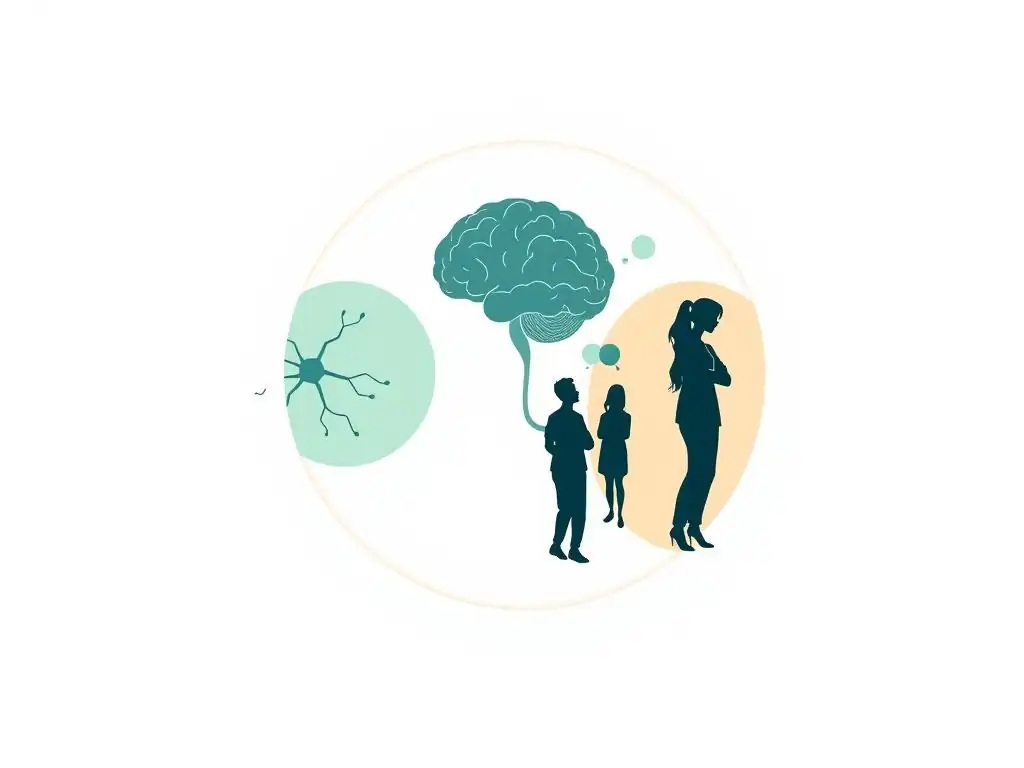
The psychology of addiction explained often simplifies the issue, focusing solely on psychological factors. However, a truly comprehensive understanding necessitates the adoption of a biopsychosocial model. This model acknowledges the intricate interplay of biological, psychological, and social factors in the development and maintenance of addictive behaviors. Ignoring any one of these dimensions provides an incomplete and potentially misleading picture of addiction.
The biological component encompasses genetic predispositions, neurochemical imbalances, and the direct physiological effects of substances on the brain. For example, individuals with a family history of alcoholism are at a significantly increased risk of developing alcohol use disorder. This genetic vulnerability interacts with neurobiological mechanisms, such as the reward pathway in the brain, which is heavily implicated in the reinforcing effects of addictive substances. Dopamine, a neurotransmitter crucial for pleasure and motivation, plays a central role in this process. Repeated substance use can lead to alterations in dopamine receptor sensitivity, contributing to tolerance and dependence.
The psychological dimension focuses on individual factors such as personality traits, cognitive processes, and emotional regulation. For instance, individuals with high levels of impulsivity or sensation-seeking tendencies may be more prone to substance abuse. Furthermore, learned behaviors and maladaptive coping mechanisms play a crucial role. Someone who uses substances to alleviate stress or anxiety may develop a dependence due to the temporary relief provided. Cognitive distortions, such as minimizing the negative consequences of substance use or overestimating its positive effects, further perpetuate the cycle of addiction.
Finally, the social context significantly influences the likelihood of developing an addiction. Socioeconomic factors, peer pressure, cultural norms, and access to substances all contribute to the risk. Growing up in a household with substance abuse issues, for example, increases the risk of developing similar problems. The availability of substances in a community also plays a significant role; easy access to drugs lowers the threshold for experimentation and subsequent abuse. Social support networks can either protect against or contribute to the risk of addiction, depending on their nature and influence.
The biopsychosocial model emphasizes the dynamic interaction between these three levels. It is not simply the sum of its parts; rather, it is the complex interplay of biological vulnerabilities, psychological predispositions, and social influences that shapes an individual's susceptibility to addiction. Understanding these intricate interactions is paramount for effective intervention.
Implications for Treatment and Prevention
The biopsychosocial model informs a holistic approach to addiction treatment and prevention. Effective interventions must address all three levels simultaneously. For example, medication can target biological mechanisms, such as reducing withdrawal symptoms or modulating neurotransmitter levels. Simultaneously, psychological therapies, such as cognitive behavioral therapy (CBT), can help individuals identify and modify maladaptive thoughts and behaviors, improving coping skills and relapse prevention strategies. Social interventions might involve family therapy, support groups, or community-based programs aimed at reducing substance availability and promoting healthy social networks.
A crucial aspect of prevention involves targeting risk factors at each level. Public health initiatives can raise awareness about the genetic predispositions to addiction, promoting early identification and intervention. Educational programs in schools can help adolescents develop healthy coping mechanisms and resilience to peer pressure. Community-level interventions can focus on reducing the availability of substances and creating supportive environments that discourage substance abuse.
By adopting a biopsychosocial perspective, we move beyond simplistic explanations of addiction and embrace a more nuanced and effective approach to treatment and prevention. This holistic understanding is crucial for developing comprehensive strategies that address the multifaceted nature of this complex issue, ultimately improving the lives of those affected by addiction and fostering healthier communities. This integrated approach to the psychology of addiction explained is far more effective than focusing solely on one aspect.
Behavioral Interventions for Addiction: Evidence-Based Approaches
This section delves into specific behavioral interventions demonstrably effective in treating addiction. Understanding the psychology of addiction explained through these approaches highlights the power of behavioral modification in overcoming substance use disorders. We will examine three prominent evidence-based methods: Motivational Interviewing, Contingency Management, and Relapse Prevention Strategies. These techniques, rooted in learning principles, offer practical tools for individuals struggling with addiction and their therapists.
Motivational Interviewing (MI)
Motivational Interviewing (MI) is a person-centered, directive counseling method that aims to elicit and strengthen motivation for change. It's not about imposing a treatment plan, but rather guiding the individual to explore their own ambivalence toward change and resolve it in favor of recovery. MI operates on the principle that individuals already possess the resources to overcome their addiction; the therapist's role is to facilitate the discovery and utilization of these internal resources.
Several core principles underpin MI's effectiveness:
- Expressing Empathy: The therapist actively listens and validates the individual's perspective, fostering a trusting therapeutic relationship. This empathy is crucial in addressing the often complex emotional landscape associated with addiction.
- Developing Discrepancy: The therapist gently highlights the discrepancies between the individual's current behavior and their values, goals, and aspirations. This discrepancy serves as a motivational catalyst for change.
- Rolling with Resistance: Instead of directly confronting resistance to change, the therapist acknowledges and reflects the individual's concerns, skillfully guiding the conversation towards self-discovery.
- Supporting Self-Efficacy: The therapist builds the individual's confidence in their ability to change, emphasizing their strengths and past successes. This focus on self-efficacy is vital in sustaining motivation throughout the recovery process.
Studies consistently demonstrate MI's effectiveness across various substance use disorders. For instance, research indicates that MI is particularly useful in the early stages of treatment, helping individuals make the initial commitment to change and engage in subsequent treatment steps. The success of MI hinges on the therapist's skill in applying these principles and adapting the approach to the individual's unique circumstances and personality.
Contingency Management (CM)
Contingency Management (CM) utilizes operant conditioning principles to modify addictive behaviors. The core concept is straightforward: rewarding desirable behaviors (abstinence) and discouraging undesirable behaviors (substance use). This approach moves beyond simply addressing the underlying psychological factors contributing to addiction; it directly shapes behavior through reinforcement and punishment.
CM often involves a structured system of rewards and consequences. For example, individuals might receive vouchers exchangeable for goods or services upon providing verified evidence of abstinence. Conversely, failure to meet predetermined criteria might lead to a temporary suspension of rewards.
The effectiveness of CM has been validated in numerous clinical trials. Studies show that CM can significantly increase abstinence rates, particularly in the short term. However, the long-term effectiveness of CM often depends on the integration of other therapeutic interventions, such as MI or relapse prevention strategies. The use of technology, such as smartphone apps that track abstinence and deliver rewards, is increasingly used to improve the delivery and compliance of CM interventions. This technology-assisted CM shows promise in improving access and engagement.
Relapse Prevention Strategies
Relapse prevention (RP) focuses on equipping individuals with the skills and coping mechanisms needed to manage high-risk situations and prevent relapse. It acknowledges that relapse is a common part of the recovery process, and focuses on developing strategies to minimize its impact and improve the chances of long-term recovery. This is a crucial component of understanding the psychology of addiction explained.
RP interventions typically involve:
- Identifying High-Risk Situations: Individuals collaboratively identify situations, emotions, and thoughts that trigger cravings or increase the risk of relapse. This involves a thorough self-assessment and a collaborative discussion with the therapist.
- Developing Coping Strategies: Individuals learn and practice specific coping mechanisms to manage high-risk situations. This might include stress management techniques, communication skills training, or developing alternative reward systems.
- Cognitive Restructuring: Individuals learn to identify and challenge negative or distorted thinking patterns that contribute to substance use. This involves replacing self-defeating thoughts with more positive and realistic ones.
- Relapse Planning: Individuals develop a detailed plan outlining how to respond to a relapse should it occur. This plan should include steps to manage the immediate consequences of relapse and to quickly resume treatment.
The effectiveness of RP strategies is supported by significant empirical evidence. Many studies demonstrate that individuals who receive RP training have lower relapse rates and better overall treatment outcomes compared to those who do not. The integration of RP strategies into broader treatment plans is considered essential for achieving sustainable recovery from addiction. The emphasis on proactive planning and coping skills allows for a more empowered and resilient approach to long-term recovery.
Frequently Asked Questions
What is the main focus of this article on the psychology of addiction?
This article primarily examines behavioral perspectives on substance use disorders. It explores how learning, conditioning, and environmental factors contribute to the development and maintenance of addiction, rather than solely focusing on biological or genetic aspects.
How does operant conditioning relate to addiction?
Operant conditioning explains addiction through reinforcement. The pleasurable effects of a substance act as a positive reinforcer, increasing the likelihood of repeated use. Negative reinforcement also plays a role, as substance use can alleviate withdrawal symptoms.
What role does classical conditioning play in addiction?
Classical conditioning contributes to addiction by creating conditioned responses. For example, environmental cues associated with drug use (e.g., places, people) can trigger cravings and relapse, even after periods of abstinence.
Does this article discuss different types of addiction?
While the article focuses on substance use, the principles discussed—learning, reward, and environmental influences—are applicable to a wide range of addictive behaviors, including gambling, gaming, and compulsive shopping.
Where can I find more information on the biological aspects of addiction?
While this article emphasizes behavioral perspectives, Psychology Basics offers other resources exploring the neurobiological underpinnings of addiction. Check the website's index for related articles.
Final Reflection: Unraveling the Tapestry of Addiction
The behavioral perspective on addiction, once a niche area of study, is now crucial to understanding and addressing the pervasive global crisis of substance use. The sheer scale of this crisis, impacting individuals, families, and communities worldwide, demands a multifaceted approach, and a deep understanding of the behavioral mechanisms driving addiction is paramount to effective intervention and prevention.
The exploration of conditioning, reinforcement, and cognitive biases within the context of addiction has profoundly shifted our understanding of this complex issue. It moves beyond simplistic moral judgments and instead illuminates the powerful psychological processes at play. This nuanced perspective allows us to develop more compassionate and effective treatment strategies. As Carl Jung wisely stated, Until you make the unconscious conscious, it will direct your life, and you will call it fate.
Understanding the unconscious behavioral patterns driving addiction allows us to reclaim our lives from the grip of seemingly inescapable fate.
You now possess a deeper understanding of the psychological underpinnings of addiction. Consider how these principles might apply to your own life, not just in relation to substance use, but also to other potentially addictive behaviors, such as compulsive gambling, overeating, or excessive social media use. Take a moment to reflect on your own habits and patterns.
Are there areas where you might benefit from applying the principles of behavioral modification to foster healthier choices and a more fulfilling life? The journey towards understanding and overcoming addictive tendencies is a personal one, but armed with knowledge, you are empowered to take the first step.
**Empower Yourself: Overcome Addiction Together! **
Thank you for exploring the complexities of addiction. You've gained valuable insights into the psychological factors driving substance use, and now it's time to take action. This understanding is a powerful first step towards recovery.
Here are some actionable steps to support yourself or others on the path to recovery:
- **Connect with others. ** Joining a local or online support group provides invaluable peer support and shared experience. This connection can be incredibly empowering.
- **Expand your knowledge. ** Further your understanding of addiction recovery through books, articles, and reputable online resources. Knowledge is a crucial tool in overcoming addiction.
- **Build a supportive network. ** Share what you've learned with friends and family. Open communication fosters understanding and creates a supportive environment for those struggling with addiction.
What positive step will you take today to improve your life or the life of someone you care about?