
Social Cognitive Theory: The Interplay of Thought, Behavior, and Environment


Welcome to Psychology Basics, your gateway to understanding the fascinating world of human behavior. Are you curious about how our thoughts, feelings, and actions are shaped by our interactions with the environment? Then you've come to the right place! Dive into our exploration of Social Cognitive Theory explained, where we unravel the intricate interplay between personal factors, behavioral patterns, and environmental influences on personality development. Prepare to discover how this powerful theory illuminates the complexities of human experience and learn how it impacts your daily life. Let's begin exploring!
- Understanding Social Cognitive Theory Explained
- Core Components of Social Cognitive Theory
- Social Cognitive Theory and Personality Development
- Applications of Social Cognitive Theory
- Criticisms and Future Directions of Social Cognitive Theory
- Frequently Asked Questions
- Final Reflection: The Enduring Power of Social Cognitive Theory
- Unleash Your Potential: Transform Your Thinking Today!
Social cognitive theory offers a compelling framework for understanding how individuals learn and develop within their social environments. Unlike purely behavioral or psychoanalytic perspectives, it emphasizes the intricate interplay between personal factors (cognitive processes, beliefs, and self-efficacy), behavioral patterns, and environmental influences.
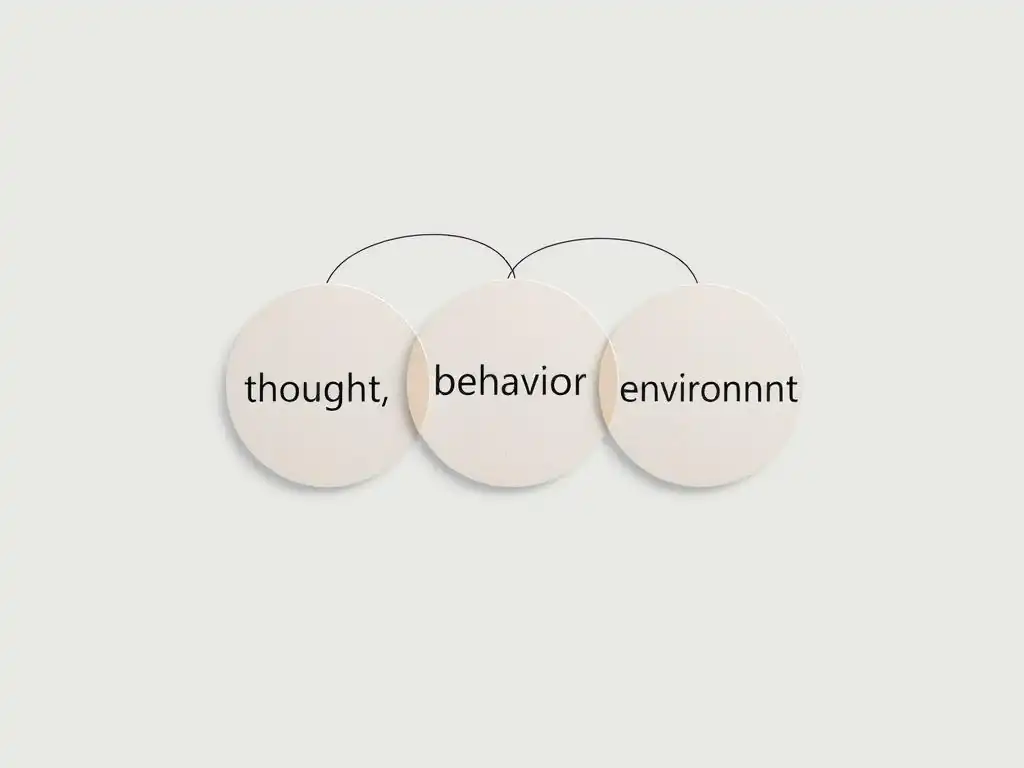
This dynamic interaction, often described as reciprocal determinism, forms the cornerstone of social cognitive theory, providing a richer and more nuanced explanation of human behavior than simpler models. This article will delve into the core tenets of social cognitive theory, exploring its key principles and illustrating its application in understanding personality development.
We will unpack the concept of reciprocal determinism, examine the significant role of observational learning, and ultimately show how this theory provides a robust explanation for the development and maintenance of personality traits and behaviors. Understanding social cognitive theory is crucial for anyone seeking a comprehensive grasp of personality psychology, and this article aims to provide a clear and accessible explanation, making this complex subject matter easily digestible for students and general readers alike.
Social cognitive theory, initially conceptualized by Albert Bandura, posits that personality is not solely determined by inherent traits or environmental conditioning, but rather emerges from a continuous interaction between these factors and the individual's cognitive processes. This means our thoughts, feelings, and beliefs actively shape how we interact with the world and, in turn, how the world shapes us.
Unlike purely behavioral theories which focus solely on observable actions and their consequences, social cognitive theory incorporates internal mental processes like self-efficacy (belief in one's ability to succeed in specific situations), self-regulation (the ability to control one's own behavior), and observational learning (learning by watching others). These cognitive factors significantly influence our behaviors and the choices we make, adding a crucial layer of complexity to the understanding of personality development.
This interactive model recognizes the individual's agency and capacity for self-direction, moving beyond deterministic views that solely attribute behavior to external stimuli or internal drives. It's a dynamic and flexible theory that accounts for the variability and complexity of human behavior across diverse contexts.
A central tenet of social cognitive theory is the concept of reciprocal determinism. This principle highlights the continuous interplay between personal factors, behavior, and environmental influences. It's not a simple cause-and-effect relationship, but rather a dynamic system where each element influences and is influenced by the others.
For example, an individual's belief in their ability to succeed in a particular task (personal factor) might lead them to actively seek opportunities to improve their skills (behavior). This behavior, in turn, could lead to positive feedback from their environment (environmental influence), further reinforcing their self-efficacy and creating a positive feedback loop. Conversely, a negative experience in a similar situation could decrease their self-efficacy, leading to avoidance behavior and a less supportive environment.
This cyclical interaction demonstrates how our internal thoughts and beliefs shape our actions, which then modify our environment, subsequently affecting our internal states. Understanding this reciprocal relationship is key to comprehending the complex process of personality development and behavioral change. This cyclical nature of the interaction is what makes social cognitive theory such a powerful explanatory model.
Observational learning, also known as vicarious learning or modeling, plays a pivotal role in social cognitive theory. This principle emphasizes that individuals learn by observing the behaviors of others, including their consequences. We don't need to directly experience the consequences of an action to learn from it; we can learn by watching others.
This process is particularly important in childhood, where children learn a vast array of behaviors by observing their parents, siblings, peers, and even characters in media. The effectiveness of observational learning depends on several factors, including the observer's attention, retention, reproduction capabilities, and motivation. For instance, a child might learn aggressive behavior by observing aggressive interactions between adults, but only if they pay attention to the behavior, remember it, have the physical ability to replicate it, and are motivated to do so (perhaps due to perceived rewards or lack of punishment).
The concept of observational learning significantly expands our understanding of how social and cultural factors shape personality and behavior, highlighting the powerful influence of social modeling on individual development. It's a critical component of how we learn social norms, skills, and attitudes throughout our lives.

Social cognitive theory, often explained as a dynamic interplay between personal factors, behavior, and the environment, rests on several key pillars. Understanding these core components is crucial to grasping the theory's comprehensive approach to human behavior. This section delves into the foundational elements that shape our actions and experiences, providing a detailed analysis of their individual contributions and interconnectedness. This detailed explanation of social cognitive theory will illuminate how these factors work together to influence our lives.
Self-Efficacy: Belief in One's Capabilities
Self-efficacy, a cornerstone of social cognitive theory, refers to an individual's belief in their capacity to execute behaviors necessary to produce specific performance attainments. It's not about possessing the skills themselves, but rather the confidence in one's ability to utilize those skills successfully. High self-efficacy is associated with greater persistence in the face of challenges, setting more ambitious goals, and experiencing less anxiety. Conversely, low self-efficacy can lead to avoidance of tasks, giving up easily, and experiencing heightened stress.
For example, consider a student preparing for a difficult exam. A student with high self-efficacy will likely approach the exam with confidence, believing in their ability to study effectively and perform well. They'll be more likely to dedicate sufficient time to studying, seek out resources, and remain optimistic about their chances of success. In contrast, a student with low self-efficacy might feel overwhelmed, doubt their ability to succeed, and consequently, might procrastinate, study minimally, and anticipate failure.
This belief, regardless of actual ability, significantly impacts their performance. Numerous studies have shown a strong correlation between self-efficacy and academic achievement, highlighting the importance of this construct in various life domains. Understanding and fostering self-efficacy is therefore a crucial aspect of personal development and success. The development of self-efficacy is a complex process, influenced by mastery experiences, vicarious experiences, social persuasion, and emotional and physiological states.
Behavioral Capability: Possessing the Skills for Success
Behavioral capability, another crucial component, encompasses the knowledge and skills necessary to perform a behavior. Simply believing in one's ability (self-efficacy) isn't enough; individuals must possess the actual skills to execute the desired behavior. This component emphasizes the importance of acquiring and mastering the necessary competencies. Without the requisite skills, even the strongest self-belief will likely fall short.
For instance, a person might have high self-efficacy in public speaking, believing they can deliver a compelling presentation. However, without the necessary skills – such as structuring a speech effectively, using appropriate vocal tone, and managing stage fright – their confidence will be undermined. Effective training and practice are vital in developing behavioral capability. This could involve taking a public speaking course, practicing in front of a mirror, or seeking feedback from others.
The acquisition of skills is often a gradual process, involving trial-and-error, feedback, and refinement. The development of behavioral capability often involves breaking down complex skills into smaller, more manageable steps, making the learning process more achievable and less daunting. This iterative process allows for continuous improvement and mastery of the desired behavior.
Outcome Expectations: Anticipating the Results of Actions
Outcome expectations refer to a person's beliefs about the likely consequences of their actions. Individuals are more likely to engage in behaviors they believe will lead to positive outcomes and avoid those they anticipate will result in negative ones. This component highlights the importance of considering the potential rewards and punishments associated with different actions. These expectations are shaped by past experiences, observations of others, and information received from various sources.
For example, a person considering starting an exercise program might weigh the anticipated positive outcomes (improved health, increased energy) against the potential negative outcomes (discomfort, time commitment). If the anticipated positive outcomes outweigh the perceived negative ones, they are more likely to initiate and maintain the exercise program. Conversely, if the perceived negative outcomes are deemed more significant, the individual might be less likely to start or continue the exercise program. Marketing and advertising often leverage outcome expectations to influence consumer behavior.
By highlighting the positive consequences of purchasing a product or service, marketers aim to increase the likelihood of consumer engagement. Understanding and managing outcome expectations is therefore crucial for influencing behavior change and achieving desired goals. The accuracy of outcome expectations can vary significantly depending on the individual's knowledge and experience.
Self-Regulation: Monitoring and Modifying Behavior
Self-regulation, a cornerstone of social cognitive theory, refers to the ability to control one's own thoughts, feelings, and behaviors. It's the process by which individuals set goals, monitor their progress towards those goals, and adjust their actions accordingly. This isn't a passive process; it's an active, ongoing engagement with one's own internal states and external environment. Think of it as an internal feedback loop, constantly evaluating and refining behavior.
Effective self-regulation involves several key steps. First, individuals must be able to set realistic and achievable goals. This requires self-awareness – understanding one's capabilities and limitations. Someone aiming to run a marathon, for example, wouldn't realistically start by attempting a full marathon on their first run; they'd set incremental goals, gradually increasing distance and intensity. Secondly, individuals need to monitor their progress. This involves tracking their behavior, noting successes and setbacks. This monitoring might involve keeping a journal, using a fitness tracker, or simply reflecting on their experiences. Regular self-assessment is crucial.
Finally, and perhaps most importantly, individuals must be able to adjust their behavior based on their self-monitoring. If progress is lagging, they need to identify the obstacles and develop strategies to overcome them. This might involve seeking support from others, adjusting their goals, or finding more effective methods. For instance, if someone's study habits aren't yielding good results, they might need to experiment with different techniques, such as using flashcards or studying in a quieter environment.
The ability to adapt and modify behavior is critical for successful self-regulation. This iterative process of goal setting, monitoring, and adjustment is what allows individuals to achieve their goals and maintain desired behaviors over time. Failures are viewed not as insurmountable obstacles, but as opportunities for learning and improvement, showcasing the dynamic nature of self-regulation within social cognitive theory. The process is not linear; it involves continuous feedback and adjustments.
The development of strong self-regulatory skills is vital for success in various aspects of life, from academic achievement to maintaining healthy relationships and achieving personal goals. Individuals with well-developed self-regulatory skills are better equipped to manage stress, resist temptations, and persist in the face of challenges. Conversely, deficits in self-regulation are linked to a range of problems, including impulsivity, substance abuse, and difficulties in academic and professional settings.
Understanding and fostering self-regulation is therefore a key focus in many therapeutic interventions based on social cognitive principles. The ability to effectively self-regulate is a significant predictor of positive outcomes across a multitude of life domains.
Social cognitive theory (SCT), a prominent perspective within personality psychology, offers a compelling explanation of how individuals develop their personalities. Unlike purely biological or psychodynamic approaches, SCT emphasizes the reciprocal interaction between personal factors, behavioral patterns, and environmental influences. This dynamic interplay shapes our thoughts, feelings, and actions, ultimately contributing to the unique personality profiles we exhibit.
Understanding this intricate relationship is crucial for comprehending the complexities of human behavior and personality development. This section will delve into the key components of this influential theory, focusing on how environmental factors, cognitive processes, and personal characteristics interweave to shape who we are. Mastering the concepts of social cognitive theory is key to understanding the development of personality, providing a more holistic view than many other theories.
The Influence of Environmental Factors on Personality
The environment plays a pivotal role in shaping personality according to SCT. It's not simply a passive backdrop; rather, it actively influences our behaviors and, consequently, our personalities. Observational learning, a cornerstone of SCT, highlights how we learn by watching others. For instance, a child who witnesses aggressive behavior from their parents might be more likely to exhibit aggressive behaviors themselves. This isn't to say that they are destined to be aggressive; rather, the observed behavior provides a model that influences their own behavior and ultimately contributes to their personality development.
Furthermore, environmental reinforcement significantly impacts personality. Positive reinforcement, such as praise or rewards, strengthens desirable behaviors, while punishment weakens undesirable ones. The consistent application of these principles shapes behavioral patterns, leading to the development of specific personality traits. Consider a child consistently praised for their kindness; this positive reinforcement is likely to strengthen their empathetic tendencies and contribute to a more altruistic personality.
Conversely, a child constantly criticized for their shyness might develop a more withdrawn personality. The social environment, including peer groups and cultural norms, also exerts a powerful influence, shaping our self-efficacy beliefs – our confidence in our ability to succeed – and influencing our choices and behaviors. The interplay between these environmental factors leads to a complex and dynamic personality development process. Understanding this intricate relationship is crucial to understanding the development and maintenance of personality.
The Impact of Cognitive Processes on Behavior
Beyond environmental influences, SCT emphasizes the critical role of cognitive processes in shaping behavior and personality. Our thoughts, beliefs, expectations, and self-perceptions actively mediate how we respond to environmental stimuli. Self-efficacy, as mentioned earlier, is a central cognitive factor. Individuals with high self-efficacy believe they can successfully perform specific tasks, leading them to actively pursue challenging goals and persevere in the face of obstacles. This contributes to the development of a confident and resilient personality.
In contrast, those with low self-efficacy may avoid challenges and exhibit self-doubt, potentially hindering their personal growth and development. Another crucial cognitive process is self-regulation, which involves setting goals, monitoring progress, and adjusting behaviors to achieve desired outcomes. Effective self-regulation fosters self-control and discipline, contributing to the development of a well-adjusted personality. Furthermore, our cognitive interpretations of events profoundly influence our emotional responses and subsequent behaviors.
For example, two individuals might experience the same setback, but their differing interpretations could lead to vastly different emotional and behavioral outcomes. One might view it as a temporary obstacle, fostering resilience, while the other might interpret it as a personal failure, leading to feelings of helplessness and depression. These cognitive processes, therefore, are central to how we navigate our environment, influencing our behaviors and shaping our personalities. The interplay between these cognitive processes and environmental influences is a key concept of social cognitive theory.
The Interaction Between Personal Factors and the Environment
SCT emphasizes the reciprocal determinism between personal factors, behavior, and the environment. This means that each element influences and is influenced by the others in a continuous feedback loop. For example, a person's personality (personal factor) might lead them to choose specific environments (environment). An extroverted individual might actively seek out social gatherings, while an introvert might prefer solitary activities.
These chosen environments then further shape their behavior and personality. The social interactions within the chosen environment might reinforce the extroverted individual's sociability and further develop their outgoing personality, while the quiet solitude reinforces the introvert's preference for quiet contemplation. The behavior itself also influences both personal factors and the environment. Consistent prosocial behavior might lead to positive feedback from others, strengthening the individual's sense of self-worth (personal factor) and creating a supportive environment.
This reciprocal interplay highlights the dynamic and ever-changing nature of personality development. It's not a linear progression but rather a continuous process of interaction and adaptation between an individual and their environment. This understanding of the reciprocal relationship between personal factors, behavior, and environment is crucial for a comprehensive understanding of social cognitive theory and its implications for personality development. The continuous interplay between these factors explains the complexity and dynamism of personality.
Social cognitive theory (SCT), with its emphasis on the reciprocal determinism between personal factors, behavior, and the environment, offers a powerful framework for understanding and influencing a wide range of human actions. Its versatility allows for applications across diverse fields, impacting how we approach therapy, education, and health promotion. This section explores some key applications, highlighting the theory's practical implications and demonstrating its explanatory power in real-world contexts.
Understanding how SCT operates in these different domains allows for more effective interventions and a deeper appreciation for the theory's impact. The flexibility of SCT makes it a valuable tool for understanding and changing human behavior, offering insights into how we can better promote positive outcomes across many aspects of life.
Cognitive Behavioral Therapy (CBT), a widely used therapeutic approach, directly incorporates principles of social cognitive theory. CBT emphasizes the interconnectedness of thoughts, feelings, and behaviors, recognizing that maladaptive behaviors are often maintained by cognitive distortions and negative thought patterns. Therapists employing CBT techniques help clients identify and challenge these unhelpful thoughts, replacing them with more adaptive and realistic ones.
For example, a client struggling with social anxiety might be taught to identify and challenge negative self-statements ("I'm going to make a fool of myself") and practice relaxation techniques to manage physiological arousal in social situations. This process aligns perfectly with SCT's emphasis on self-efficacy: by successfully completing these exercises, the client builds confidence and increases their self-efficacy for managing anxiety in future social interactions. The therapist acts as a model, demonstrating coping strategies, and provides reinforcement for successful behavior change.
Progress is monitored and the client's self-regulatory skills are strengthened, reflecting the core tenets of reciprocal determinism within SCT. Data collected during therapy sessions, such as self-reported anxiety levels or behavioral observations, can be used to track progress and adjust treatment strategies as needed. This iterative process reflects the dynamic interplay between personal factors, behavior, and the environment that is central to SCT.
SCT provides valuable insights into how students learn and how educators can design effective learning environments. The theory highlights the importance of self-efficacy in academic achievement. Students who believe in their ability to succeed are more likely to persevere in the face of challenges and achieve higher levels of academic performance. Therefore, educators can implement strategies to boost student self-efficacy, such as providing opportunities for mastery experiences, offering positive feedback, and fostering a supportive learning environment.
Furthermore, SCT emphasizes the role of observational learning. Students learn by observing the behaviors and outcomes of others, including teachers and peers. Effective teachers model desirable learning behaviors, such as active participation and persistence, while also providing opportunities for students to observe and learn from one another through peer teaching or collaborative projects. The design of the learning environment itself plays a crucial role.
A classroom characterized by clear expectations, positive reinforcement, and opportunities for student choice fosters a sense of self-efficacy and promotes engagement. Specific examples include using technology to personalize learning, incorporating active learning strategies, and providing regular feedback. Data on student performance, engagement, and self-reported confidence can be used to evaluate the effectiveness of these interventions.
The application of SCT in health psychology is particularly impactful in designing interventions to promote healthy behaviors such as exercise, healthy eating, and adherence to medical regimens. SCT suggests that changing health behaviors requires addressing factors at multiple levels: individual, environmental, and behavioral. For instance, to promote physical activity, interventions might focus on increasing self-efficacy through providing opportunities for success (e.g., starting with small, achievable goals), modeling healthy behaviors (e.g., showcasing successful role models), and creating supportive social environments (e.g., joining a fitness group).
Interventions also consider environmental factors. Making healthy choices easier (e.g., providing access to healthy food options) and reducing barriers (e.g., improving access to exercise facilities) are crucial. The use of self-monitoring techniques, goal setting, and reinforcement strategies further supports behavior change. For example, individuals trying to lose weight might use a food diary to track their intake, set weekly weight loss goals, and reward themselves for achieving those goals.
The success of these interventions can be measured through various indicators such as changes in weight, blood pressure, or self-reported physical activity levels. These data points provide valuable feedback to refine the intervention and ensure its effectiveness in promoting lasting behavioral changes. The integration of these multifaceted approaches highlights the comprehensive nature of SCT in addressing complex health behaviors.
Social cognitive theory (SCT), while influential, isn't without its critics. Understanding these criticisms is crucial for a complete grasp of the theory's strengths and weaknesses. This section will explore some key limitations and examine current research shaping the future of SCT. A nuanced understanding of both aspects is essential for anyone seeking a comprehensive "Social cognitive theory explained."
One significant criticism of SCT centers on its complexity. The intricate interplay between personal factors, behavioral factors, and environmental factors can be challenging to disentangle and measure empirically. Researchers often struggle to isolate the relative contributions of each component, leading to difficulties in establishing clear causal relationships. For example, while SCT posits that self-efficacy influences behavior, determining the precise extent of this influence, while controlling for other variables, remains a methodological challenge. Studies often rely on self-reported measures of self-efficacy, which can be susceptible to biases.
Another limitation lies in its potential overemphasis on conscious processes. While SCT acknowledges unconscious influences, its primary focus on observational learning and conscious self-regulation might underrepresent the role of automatic processes and implicit biases in shaping behavior. Many actions, especially habitual ones, occur without conscious deliberation. Ignoring these unconscious factors limits the theory's explanatory power in certain contexts. For instance, understanding prejudice and discrimination might require exploring unconscious biases that SCT doesn't fully address.
Furthermore, SCT has been criticized for its lack of attention to emotional factors. While the theory incorporates affective experiences, it doesn't always fully integrate the complexities of emotion regulation and the impact of intense emotions on cognitive processes and behavior. The role of emotions in shaping self-efficacy beliefs, for example, deserves further exploration. Future research should delve deeper into the bidirectional relationship between emotion and cognition within the SCT framework.
Finally, SCT's cultural universality has been questioned. While the core principles of observational learning and self-regulation are likely applicable across cultures, the specific mechanisms and factors influencing these processes may vary significantly. Further research is needed to examine the cultural context of social cognitive processes and adapt SCT to diverse cultural settings. This includes considering the influence of collectivist versus individualist cultural values on self-efficacy, self-regulation, and observational learning.
Despite the criticisms, SCT continues to evolve and adapt. Current research explores several promising avenues. One area of focus is the integration of neuroscience. Neuroimaging techniques are providing insights into the neural mechanisms underlying observational learning, self-regulation, and self-efficacy. This neuroscientific perspective can enhance our understanding of the biological underpinnings of SCT's core concepts. For example, studies are exploring the brain regions activated during self-regulatory processes, providing a biological basis for the cognitive mechanisms involved.
Another active area of research involves the application of SCT to diverse fields. SCT's principles are being used to develop interventions in areas such as health behavior change, education, and organizational psychology. These applications provide opportunities to test and refine the theory in real-world settings. The effectiveness of SCT-based interventions in promoting healthy behaviors like exercise and smoking cessation, for instance, is a subject of ongoing investigation.
Furthermore, researchers are exploring the role of technology and social media in shaping social cognitive processes. The influence of online social networks on observational learning, self-esteem, and self-efficacy represents a new frontier for SCT research. Understanding how digital environments impact the formation and maintenance of beliefs and behaviors is crucial in the modern context. This includes exploring the impact of cyberbullying and online harassment on self-efficacy and mental health.
While SCT faces certain limitations, ongoing research is addressing these challenges and expanding the theory's scope. The integration of neuroscience, diverse applications, and the exploration of technology's influence promise to further enrich our understanding of the interplay between thought, behavior, and environment, providing a more comprehensive and nuanced "Social cognitive theory explained." The future of SCT looks bright, driven by a commitment to addressing its limitations and expanding its applicability.
Frequently Asked Questions
Social Cognitive Theory (SCT) explains how people learn from observing others, their own experiences, and environmental factors. It emphasizes the interplay between cognition, behavior, and the environment. This reciprocal determinism is a core concept.
How does observational learning work in SCT?
Observational learning, a key component of SCT, involves learning by watching others (models). We're more likely to imitate behaviors we see reinforced and performed by respected individuals. This process influences our own behavior.
Self-efficacy, or belief in one's ability to succeed, is crucial. High self-efficacy leads to greater persistence and effort, whereas low self-efficacy can lead to avoidance. It directly impacts behavior change.
How does the environment influence behavior according to SCT?
The environment plays a significant role; opportunities, resources, and social support all impact our behavior. SCT emphasizes how the environment influences our cognitions and behaviors, and vice versa. It's a dynamic interplay.
SCT is applied in many fields, including health promotion, education, and therapy. For example, it's used to design interventions to change health behaviors like smoking cessation or to improve academic performance by modeling successful learning strategies.
Understanding the interplay of thought, behavior, and environment is not merely an academic exercise; it's the key to unlocking personal growth and societal progress. Social Cognitive Theory, as explored throughout this article, provides a powerful framework for comprehending how we learn, adapt, and shape our world. Its relevance today is undeniable, given the increasing complexity of our interconnected society and the urgent need for effective strategies in areas like education, public health, and social change.
The enduring influence of Social Cognitive Theory on our understanding of human behavior is profound. It moves beyond simplistic cause-and-effect models to acknowledge the dynamic interplay between individual agency and environmental factors. This nuanced perspective challenges us to consider the reciprocal nature of learning and development, recognizing that we are not passive recipients of information but active constructors of our own realities. Observational learning, or modeling, is a powerful force in shaping human behavior.
This simple statement encapsulates the core of the theory's impact, highlighting the pervasive influence of observation and imitation on our actions and beliefs.
Consider the implications of this theory in your own life. How have your personal experiences, observations, and self-efficacy beliefs shaped your choices and actions? What environmental factors have influenced your development?
By consciously applying the principles of Social Cognitive Theory, you can cultivate self-awareness, set realistic goals, and actively shape your environment to achieve your aspirations. Embrace the power of self-reflection, seek out positive role models, and remember that you have the agency to create the life you envision. The future is not predetermined; it is a landscape you actively sculpt through your thoughts, behaviors, and interactions with the world around you.
Unleash Your Potential: Transform Your Thinking Today!
Thank you for exploring the fascinating world of Social Cognitive Theory with us! You've gained valuable insights into the interplay of thoughts, behaviors, and environment in shaping our lives. Now, let's put this knowledge to work and create positive change.
Here's how to get started:
- Reflect on your beliefs: Identify a limiting belief that's holding you back. Write it down and actively challenge it using evidence from your own experiences. For example, if you believe you're "not creative," consider times you've been resourceful or innovative.
- Set achievable goals: Based on this self-reflection, choose a specific behavior you want to change. Create a plan with small, manageable steps. Instead of aiming for a complete overhaul, focus on incremental progress.
- Connect with others: Share your goals and progress with supportive friends or join an online community focused on personal growth. Mutual encouragement and accountability can significantly boost your success.
What limiting belief are you ready to challenge today? Let's discuss in the comments!