
The Most Affordable Online Therapy Platforms: Are They Worth It?

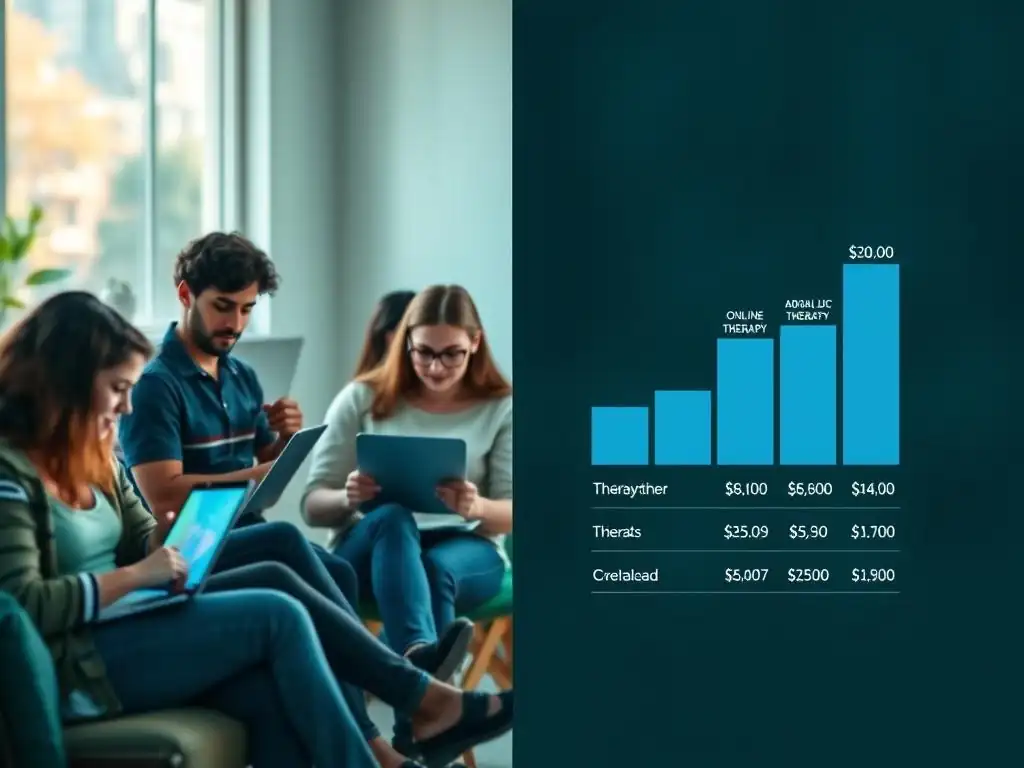
Welcome to Psychology Basics, your gateway to understanding the fascinating world of the human mind. Are you curious about accessing affordable mental health support? Then you've come to the right place. Our in-depth exploration of cheap online therapy student reviews will help you navigate the landscape of online therapy options and determine if these services truly deliver on their promises. Discover the surprising truths about cost-effective mental wellness and embark on a journey towards a healthier you. Read on to uncover the answers.
Accessing mental healthcare shouldn't be a luxury, but unfortunately, the cost of therapy can be a significant barrier for many, especially students. This article dives into the burgeoning world of affordable online therapy platforms, exploring whether these services offer a viable and effective alternative to traditional in-person therapy. We'll examine several platforms, considering factors like cost, accessibility, therapist qualifications, and user experiences, specifically focusing on reviews from students navigating the challenges of balancing academics, social life, and mental well-being.
This review aims to provide a comprehensive guide for those seeking budget-friendly mental health support, helping you determine if cheap online therapy is the right choice for your needs. We'll tackle the question: Is the cost savings worth any potential compromises in quality or effectiveness?
The goal is to empower you with the information necessary to make an informed decision about your mental health journey. We'll focus particularly on the keyword phrase "cheap online therapy student review" to ensure this article is easily discoverable for those who need it most.
Understanding the Need for Budget-Friendly Mental Healthcare
The rising cost of living, coupled with the often-high fees associated with traditional therapy, creates a significant access barrier for many. Students, in particular, frequently face financial constraints while simultaneously navigating the pressures of academics, social life, and personal growth. The stigma surrounding mental health can also prevent individuals from seeking help, and the financial burden only exacerbates this issue.
Many students rely on limited financial resources, making even moderately priced therapy inaccessible. This financial barrier disproportionately affects marginalized communities and those from lower socioeconomic backgrounds, further highlighting the critical need for affordable and accessible mental health services.
The lack of affordable options can lead to delayed or forgone treatment, resulting in potentially worsening mental health conditions and impacting academic performance, relationships, and overall well-being. The demand for budget-friendly solutions underscores a critical gap in the current mental healthcare system, which this review aims to address by examining the efficacy and value of affordable online platforms.
The Rise of Affordable Online Therapy for Students
The increasing popularity of online therapy platforms directly addresses the accessibility and affordability challenges faced by many students. These platforms offer a convenient and cost-effective alternative to traditional in-person therapy, eliminating the need for travel and often providing lower session rates. The convenience of accessing therapy from anywhere with an internet connection is particularly appealing to students with busy schedules and limited mobility.
Furthermore, many platforms offer features like text-based communication and asynchronous messaging, allowing for flexible scheduling and communication styles that cater to different preferences. However, it's crucial to critically evaluate these platforms. Not all platforms are created equal, and variations exist in therapist qualifications, the level of support offered, and the overall quality of the therapeutic experience.
Therefore, a thorough review focusing on student experiences is necessary to identify reliable and effective options within the affordable online therapy landscape. This section will explore several key factors to consider when selecting a platform, including pricing models, therapist credentials, platform features, and user feedback specifically from students. We will analyze real data on student satisfaction and outcomes where available to provide a well-rounded perspective on the value proposition of affordable online therapy for students.
- Understanding the Need for Budget-Friendly Mental Healthcare
- The Rise of Affordable Online Therapy for Students
Online Therapy for Students: A Review of Options
Students often face unique financial challenges, making access to mental health services a significant hurdle. Traditional therapy can be prohibitively expensive, leading many to seek more affordable alternatives. This section explores the landscape of online therapy platforms specifically tailored to, or beneficial for, students navigating the complexities of academic life and limited budgets.
We'll examine various platforms and their suitability for students seeking "cheap online therapy," focusing on factors beyond just the price tag. Finding the right balance between cost-effectiveness and quality care is crucial for students' mental well-being. The demand for affordable mental health support among students is high, and understanding the available options is a crucial step in improving access to care.
Evaluating the Cost of Traditional Therapy vs. Online Options
The cost of traditional in-person therapy varies significantly depending on location, therapist experience, and insurance coverage. A single session can range from $75 to $250 or more. For students with limited or no insurance, this can be an insurmountable barrier. Online therapy, however, often presents a more accessible price point. Many platforms offer sliding scales based on income, subscription models with varying levels of access, or limited-time free trials. This allows students to budget more effectively and find a treatment plan that fits their financial realities.
Let's compare the average costs:
| Therapy Type | Average Cost per Session | Insurance Coverage | Accessibility |
|---|---|---|---|
| Traditional In-Person | $100 - $200 | Often Required | Limited |
| Online Therapy | $50 - $150 | Sometimes Covered | High |
While the cost difference can be substantial, it's crucial to consider the overall value. Factors such as convenience, flexibility, and the therapist's expertise should also be weighed against the price. A slightly more expensive online platform might offer better features or a more suitable therapist than a cheaper, less comprehensive option. The long-term benefits of consistent mental health support often outweigh the initial cost difference. The key is to find a balance that works for both your budget and your mental health needs.
Key Features to Consider When Choosing Low-Cost Online Therapy
Choosing a "cheap online therapy" platform requires careful consideration beyond just the price. Several key features should be prioritized to ensure you receive effective and supportive care:
- Licensed Therapists: Verify that the platform employs licensed and qualified mental health professionals. Credentials and experience should be readily available and transparent. Look for platforms that emphasize rigorous vetting processes for their therapists. This ensures the quality and safety of the services provided.
- Therapy Modality: Different platforms offer various therapy modalities, such as Cognitive Behavioral Therapy (CBT), Dialectical Behavior Therapy (DBT), or psychodynamic therapy. Consider which approach aligns best with your needs and preferences. Some platforms specialize in specific areas, such as anxiety or depression, while others offer a broader range of services.
- Communication Methods: Assess the communication options available. Does the platform offer text, video, or phone sessions? Some students might prefer the anonymity of text-based communication, while others might benefit from the visual connection of video sessions. The flexibility to choose the method that best suits your comfort level is important.
- Customer Support: A responsive and helpful customer support system is essential, particularly if you encounter technical issues or have questions about billing or scheduling. Look for platforms with readily available support channels and positive user reviews regarding their responsiveness.
- Privacy and Security: Online therapy involves sharing sensitive personal information. Ensure the platform utilizes robust security measures to protect your data and maintain confidentiality. Look for platforms that comply with relevant privacy regulations like HIPAA.
Choosing affordable online therapy is a significant step towards prioritizing mental well-being. By carefully considering the factors outlined above, students can find a platform that effectively balances cost and quality of care, contributing to a healthier and more successful academic journey. Remember, investing in your mental health is an investment in your overall success.
Pros of Using Low-Cost Online Therapy Platforms
Choosing affordable online therapy can significantly impact your mental well-being, offering numerous advantages that shouldn't be overlooked. While cost is a primary driver, the benefits extend beyond simple affordability. Let's explore some key advantages.
Accessibility and Convenience: Therapy When and Where You Need It
One of the most compelling benefits of budget-friendly online therapy platforms is their unparalleled accessibility and convenience. Traditional in-person therapy often presents significant barriers: geographical limitations, inflexible scheduling, and the time commitment of commuting. Online therapy dismantles these obstacles. Students, particularly, benefit from this flexibility.
Imagine a busy college student juggling classes, part-time jobs, and social life. Finding time for a traditional therapy appointment can be incredibly challenging. Online platforms, however, allow for sessions scheduled around their availability, eliminating the need for lengthy commutes and rigid appointment times. This flexibility promotes better adherence to treatment plans, leading to improved outcomes.
The convenience extends beyond scheduling. Sessions can be conducted from the comfort of one's home, dorm room, or even a quiet coffee shop – wherever feels safe and comfortable. This reduction in stress associated with travel and unfamiliar environments contributes to a more relaxed and productive therapeutic experience. This increased accessibility is a crucial factor in making mental healthcare more readily available to a wider population, especially those facing financial constraints or logistical challenges.
The convenience factor also extends to the overall ease of use of the platforms themselves. Many platforms offer user-friendly interfaces and intuitive navigation, making it easy to schedule appointments, communicate with therapists, and access resources. This ease of use can be especially beneficial for individuals who may feel anxious or overwhelmed by navigating complex healthcare systems. The seamless integration of technology into the therapeutic process contributes significantly to the overall positive experience.
Lower Costs: Making Mental Healthcare More Affordable
The primary draw of low-cost online therapy platforms is, undeniably, the reduced financial burden. Mental healthcare can be prohibitively expensive, placing it out of reach for many individuals, particularly students facing financial pressures. These platforms offer a viable alternative, making professional help accessible to those who might otherwise go without.
The decreased cost doesn't necessarily compromise the quality of care; many platforms employ licensed and experienced therapists who provide effective treatments. The lower overhead costs associated with online platforms allow them to offer competitive pricing while maintaining a high standard of care. This affordability empowers individuals to prioritize their mental health without the crippling financial strain often associated with traditional therapy.
The long-term benefits of early intervention and consistent treatment far outweigh the initial cost savings, contributing to improved overall well-being and potentially reducing the need for more expensive interventions in the future. The accessibility provided by reduced cost is a critical component of improving mental health equity.
Talkspace offering introductory rates for students
Talkspace, for example, frequently offers introductory rates specifically tailored to students, recognizing the unique financial challenges this demographic faces. These discounted rates make professional mental health support significantly more attainable. While specific pricing varies and changes over time, it showcases a commitment by some providers to broaden access to mental health services for students.
This proactive approach by platforms like Talkspace underscores the growing awareness of the mental health needs of students and the importance of removing financial barriers to care. The availability of these student-specific discounts should be considered when researching and selecting an online therapy platform. Checking for these types of offers can significantly reduce the overall cost of therapy, making it a more viable option for students.
This proactive approach to affordability demonstrates a commitment to accessibility and equity within the mental health landscape. It's a significant step towards ensuring that mental health support is within reach for everyone, regardless of socioeconomic background.
Variety of Communication Methods: Finding Your Preferred Style
Choosing the right therapy platform often hinges on finding a communication style that suits your personality and comfort level. Many budget-friendly online therapy platforms understand this and offer a diverse range of communication options, catering to various preferences and needs. This flexibility can significantly impact the effectiveness of your therapy sessions, allowing you to feel more at ease and open during your sessions.
Some individuals thrive in the immediacy of a video call, feeling a stronger connection with their therapist through visual cues and nonverbal communication. Others might prefer the more private and reflective nature of text-based therapy, allowing them time to carefully consider their responses and articulate their thoughts. Still others may find the intimacy of an audio-only session to be the most comfortable option, minimizing distractions and allowing for a deeper focus on the conversation.
The availability of these choices ensures accessibility for a wider range of individuals, regardless of their personal communication preferences. The ability to select a method that aligns with your comfort zone is a crucial factor in building a trusting and productive therapeutic relationship. This flexibility is often overlooked but contributes significantly to the overall positive experience of online therapy.
Text therapy, video calls, and audio options on platforms like BetterHelp
Platforms like BetterHelp exemplify the trend towards offering diverse communication methods. They often provide text messaging as a primary mode of communication, allowing clients to reach out to their therapists whenever they need support, even outside of scheduled sessions. This asynchronous communication can be incredibly beneficial for individuals who struggle with real-time interaction or prefer to process their thoughts before sharing them. The option of scheduling video calls allows for a more traditional face-to-face interaction, enhancing the sense of connection and allowing for nonverbal cues to be observed and interpreted by both the therapist and the client.
This can be particularly helpful in addressing complex emotional issues where visual communication plays a significant role. Finally, the inclusion of audio-only sessions provides a middle ground, offering a more intimate setting than video calls while retaining the immediacy of a live conversation. This versatility caters to a broad spectrum of preferences and needs, maximizing the accessibility and effectiveness of online therapy for a diverse clientele.
The choice between text, video, and audio allows clients to tailor their experience and find the communication style that best facilitates their therapeutic progress and overall comfort. This detailed approach to communication options is a key feature that makes these platforms attractive to students on a budget seeking convenient and effective mental healthcare. The ability to choose the method that works best for you is a critical aspect of making online therapy a successful and positive experience, especially for those seeking "cheap online therapy student review" options.
Cons of Using Budget-Friendly Online Therapy Platforms

While affordable online therapy platforms offer accessibility and cost-effectiveness, it's crucial to acknowledge potential drawbacks. Choosing a cheaper option doesn't automatically mean compromising quality, but understanding the limitations is vital for making an informed decision. This section explores some key considerations before committing to a budget-friendly platform. Remember, your mental health is paramount, and the right fit is more important than simply the lowest price.
Potential Limitations in Therapist Matching
Finding the perfect therapist is a journey, and budget platforms might present some challenges in this area. One major concern revolves around the breadth of therapist specialization.
Some platforms may have fewer therapists specializing in specific issues.
This is a significant factor to consider. If you're dealing with a complex or niche issue, such as trauma, eating disorders, or specific personality disorders, a less expensive platform might have a smaller pool of therapists with relevant expertise. A larger, more established platform might offer a wider range of specialists, even if it means a higher cost. This doesn't mean cheaper platforms lack specialists entirely, but your options might be more limited, requiring more thorough searching and potentially longer wait times to find a suitable match.
For example, finding a therapist specializing in Dialectical Behavior Therapy (DBT) on a smaller platform might be more challenging than on a larger, more comprehensive one. This is especially relevant for students seeking specialized help for common student stressors like academic pressure and exam anxiety. Thorough research into the therapists' profiles is crucial to ensure a good fit.
Variability in Therapist Experience and Qualifications
The cost of therapy often reflects the therapist's experience and qualifications. While many highly qualified and experienced therapists work on budget platforms, it's important to exercise due diligence in verifying their credentials.
Checking credentials and certifications on Regain is crucial.
While this section focuses on the potential downsides of budget platforms, it's vital to emphasize the importance of due diligence regardless of the platform's pricing. Always verify a therapist's licensing, certifications, and experience before starting therapy. Platforms like Regain often provide detailed profiles, but it's your responsibility to thoroughly review this information.
Look for licensing information from relevant state boards, and don't hesitate to ask questions about their experience with specific issues or therapeutic approaches. This is especially important when considering "cheap online therapy student review" options; students often prioritize affordability, which can sometimes overshadow the importance of verifying the therapist's expertise and qualifications. A thorough check of credentials helps ensure that the therapist is legally and ethically qualified to provide the services you need.
Don't solely rely on the platform's verification; conduct your own independent verification whenever possible. This proactive approach protects you and ensures you receive high-quality care, regardless of cost.
Potential for Technical Issues and Limited Tech Support
Budget-friendly online therapy platforms, while aiming for accessibility, may sometimes compromise on the robustness of their technological infrastructure. This can manifest in several frustrating ways for the user. For instance, poorly designed interfaces can lead to difficulties in scheduling appointments, accessing secure messaging systems, or even simply navigating the platform itself. Imagine trying to discuss a sensitive issue during a session only to be interrupted by a system crash – a truly disruptive and potentially damaging experience.
Furthermore, the level of technical support offered by these platforms can often be inadequate. Response times to technical issues might be slow, and the support staff may lack the expertise to effectively resolve complex problems. This lack of reliable technical support can leave users feeling stranded and frustrated, especially during moments of emotional vulnerability when seamless access to the platform is crucial.
Students, in particular, might find this particularly challenging as they may lack the technical skills to troubleshoot problems independently. A reliable and responsive technical support system is paramount for a positive online therapy experience, and this is an area where budget platforms may fall short. The consequences can range from minor inconveniences to significant disruptions in the therapeutic process.
Lack of In-Person Interaction: The Importance of a Personal Connection
One of the most significant drawbacks of utilizing budget online therapy platforms is the inherent lack of in-person interaction. While video calls offer a degree of visual connection, they cannot fully replicate the nuances of face-to-face communication. Body language, subtle facial expressions, and the overall atmosphere of a physical space contribute significantly to the therapeutic relationship.
These nonverbal cues, often crucial in building trust and rapport, are significantly diminished or lost entirely in a purely digital environment. For some individuals, especially those who benefit from a strong therapeutic alliance based on personal connection, this lack of in-person interaction can be a considerable disadvantage. The impersonal nature of the online interaction, however subtle, can hinder the development of a deep and meaningful therapeutic relationship, potentially impacting the overall effectiveness of the therapy.
This is particularly relevant for students who might be navigating complex emotional challenges and require a high level of empathy and understanding from their therapist. The absence of physical proximity can make it harder to establish the essential trust and safety needed for vulnerable self-disclosure, which is a cornerstone of successful therapy. While technology can bridge geographical distances, it cannot fully replace the richness and depth of human connection crucial for effective mental health care.
Analyzing Specific Affordable Online Therapy Platforms
This section delves into the specifics of several popular online therapy platforms, focusing on their suitability for students seeking affordable mental health support. We'll examine features, pricing structures, and user feedback to help you determine if these services align with your needs and budget. Remember, individual experiences can vary, and this analysis is based on publicly available information and aggregated reviews. Finding the right fit often requires personal exploration.
Talkspace: A Detailed Review of Student-Focused Options
Talkspace is a well-known platform offering a range of therapy options, including messaging-based therapy and live video sessions. Their marketing often targets students, highlighting the affordability and accessibility of their services. However, a critical examination is necessary to assess whether their claims hold true for the average student budget.
Features, Pricing Structure, and User Feedback on Talkspace
Talkspace's core feature is unlimited messaging with your assigned therapist. This asynchronous communication style allows for flexibility, which can be beneficial for busy students. They also offer live video sessions, but these typically come at an additional cost. Pricing varies considerably depending on the therapist's experience and the type of therapy chosen. While they advertise "affordable" options, the actual cost can still be a barrier for some students. Many students report finding the initial cost estimates to be lower than the final price after selecting a therapist.
A common complaint amongst students in online reviews is the difficulty in finding a therapist who specializes in issues relevant to the student experience, such as academic stress, financial worries, and social anxiety. While Talkspace boasts a large network of therapists, the matching process isn't always perfect. Some students report feeling mismatched with their assigned therapist, leading to a less effective therapeutic experience.
Positive reviews, however, emphasize the convenience and accessibility of the platform, particularly for students with limited mobility or those living in areas with a shortage of mental health professionals. The ease of scheduling and communication is frequently praised.
| Feature | Positive Aspects | Negative Aspects |
|---|---|---|
| Messaging | Convenient, flexible, asynchronous communication | Can feel impersonal, lack of immediate feedback |
| Video Sessions | Allows for face-to-face interaction | Often more expensive than messaging, limited availability |
| Therapist Matching | Wide network of therapists | Matching process can be imperfect, difficulty finding specialists |
| Pricing | Potentially affordable options available | Can be higher than advertised, varies widely between therapists |
BetterHelp: Exploring the Pros and Cons of Their Subscription Model
BetterHelp operates on a subscription-based model, offering various tiers of service at different price points. This approach promises transparency, but requires careful consideration to ensure it fits within a student's budget. The platform's popularity stems from its ease of use and vast network of licensed therapists. However, the subscription model presents both advantages and disadvantages for students.
Cost-Effectiveness, Therapist Selection, and Specializations on BetterHelp
BetterHelp's subscription model can be attractive due to its predictable monthly cost. However, the price point may still be prohibitive for some students, especially those relying solely on part-time employment or financial aid. The range of therapists available is extensive, but the quality of the therapist-client match can vary, similar to Talkspace. Finding a therapist specializing in student-specific issues might require careful searching and potentially upgrading to a higher tier of service.
While BetterHelp provides a large selection of therapists, the emphasis on a quick matching process sometimes results in less personalized pairings. Some users report feeling rushed through the initial assessment process, which could lead to a less effective therapeutic journey. The platform's focus on ease of access and quick onboarding, while efficient, might not prioritize the depth of matching that some students require for optimal results. Furthermore, the subscription model might lock students into a commitment they find difficult to maintain financially, even if the therapeutic relationship isn't ideal.
Positive feedback commonly highlights the convenience and broad availability of therapists. The platform's user-friendly interface is frequently praised. However, concerns remain about the balance between accessibility and the personalized care crucial for effective therapy.
Comparative Analysis: Talkspace vs. BetterHelp - Which is Best for Students?
Choosing between Talkspace and BetterHelp, two prominent players in the online therapy market, can be challenging, especially for students on a budget seeking "cheap online therapy student review" options. Both platforms offer various therapy styles and pricing plans, but their approaches and strengths differ. Let's delve into a comparative analysis to help you determine which best suits your needs.
One key difference lies in their messaging systems. Talkspace emphasizes asynchronous communication, meaning you primarily interact with your therapist through text messaging. This allows for greater flexibility in scheduling and responding at your convenience, ideal for students juggling classes, work, and social life. However, some students might prefer the immediacy of live sessions.
BetterHelp, while also offering messaging, provides a broader range of communication options, including live video sessions, phone calls, and even live chat. This versatility can be beneficial for students who value real-time interaction and prefer a more dynamic therapeutic experience. The added options, however, often come at a higher price point.
Another crucial aspect to consider is the matching process. Both platforms utilize questionnaires and algorithms to match you with a suitable therapist. However, anecdotal evidence suggests that BetterHelp's matching process might be slightly more refined, leading to a higher likelihood of finding a therapist who truly understands your specific needs and concerns. This is crucial for students facing unique academic pressures and stress. Talkspace's matching, while generally effective, may require more trial and error to find the perfect fit. This could potentially lead to increased costs if you need to switch therapists.
Pricing is another critical factor influencing a "cheap online therapy student review." Both platforms offer various subscription tiers, but BetterHelp’s pricing structure tends to be more transparent. Talkspace often bundles services in a way that can be initially confusing, making it harder to accurately compare their options to BetterHelp's more straightforward pricing model. Students should carefully review both platforms’ pricing plans and consider their communication preferences to determine the best value for their money. Remember to check for any student discounts offered by either platform – these can significantly impact affordability.
Finally, the types of therapists available on each platform should also be weighed. Both platforms boast a wide network of licensed professionals, but the specific specialties offered may vary. Students dealing with specific issues like anxiety, depression, or academic stress should research the therapists' profiles on both platforms to ensure they have expertise in these areas. This step is essential for maximizing the effectiveness of therapy and ensuring a positive experience. A thorough review of therapist profiles is a key part of any comprehensive "cheap online therapy student review."
Ultimately, the "best" platform depends entirely on individual needs and preferences. Students prioritizing affordability and asynchronous communication might favor Talkspace, while those who prefer a variety of communication methods and potentially a more refined matching process might find BetterHelp more suitable. Carefully weighing these factors – communication style, matching process, pricing, and therapist specialties – will empower students to make an informed decision and find the most effective and affordable online therapy option.
Recommendations and Considerations for Choosing Affordable Online Therapy

Choosing an affordable online therapy platform requires careful consideration of your individual needs and circumstances. While cost is a significant factor, it shouldn't be the only factor. The effectiveness of therapy hinges on the therapeutic alliance—the relationship between you and your therapist. A cheaper option might be less effective if the therapist isn't a good fit.
Therefore, a balanced approach is crucial, weighing affordability against quality of care. This means prioritizing platforms with robust therapist profiles, clear communication policies, and secure platforms for session delivery. Consider reading reviews from other students like yourself using keywords such as "cheap online therapy student review" to gain insights into the real-world experiences of others.
When is Low-Cost Online Therapy a Good Fit?
Low-cost online therapy can be an excellent solution for several situations. It's particularly beneficial for students facing financial constraints, who often have limited access to affordable in-person therapy. Individuals with manageable mental health concerns, such as mild anxiety or stress, might find that online platforms offer sufficient support without requiring the intensity of traditional, higher-priced options. The convenience factor also plays a significant role.
Online therapy eliminates commute times and scheduling difficulties, making it ideal for busy students juggling academics, work, and personal life. The anonymity offered by some platforms can also be a significant advantage for individuals who feel uncomfortable seeking in-person help. A cost-effective platform can provide a stepping stone to better mental well-being, offering accessible initial support.
When Might Traditional Therapy Be a Better Option?
While affordable online therapy offers many advantages, it’s not always the best choice. Traditional therapy might be more suitable for individuals dealing with severe mental health conditions such as depression, PTSD, or bipolar disorder. These conditions often require intensive, personalized care that may not be adequately addressed through a low-cost online platform. Individuals requiring medication management or those who benefit from in-person interaction and a stronger therapeutic relationship might also find traditional therapy more effective.
Furthermore, certain therapeutic modalities, like those involving physical activities or specialized equipment, are not easily replicated in an online setting. The lack of face-to-face interaction can also be a drawback for some individuals who prefer the personal connection of traditional therapy. Ultimately, the decision depends on the individual's specific needs and the severity of their mental health challenges.
Maximizing Your Experience with Affordable Online Therapy
Even with affordable options, getting the most out of online therapy requires proactive engagement. It's not a passive experience; it demands active participation and a commitment to the process. Remember, the success of therapy depends heavily on your willingness to work with your therapist.
Setting Realistic Expectations and Actively Participating in Therapy
Active Participation:
Active participation means coming prepared for sessions, completing any assigned homework or exercises, and honestly sharing your thoughts and feelings with your therapist. Don't hesitate to ask questions and voice your concerns. Consistent engagement significantly increases the likelihood of positive outcomes.
Realistic Expectations:
Therapy is a journey, not a quick fix. While you can expect progress, it's important to avoid unrealistic expectations of immediate results. Set achievable goals, celebrate small victories, and remember that setbacks are a normal part of the process. Be patient with yourself and the therapeutic process. Remember to consistently utilize keywords such as "cheap online therapy student review" to help you in your search.
| Aspect | Positive Outcomes | Potential Challenges |
|---|---|---|
| Active Participation | Increased therapeutic progress, stronger therapeutic alliance | Difficulty scheduling, time commitment issues |
| Realistic Expectations | Reduced frustration, improved adherence to treatment plan | Discouragement due to slow progress, unrealistic goals |
Remember, finding the right fit for your mental health needs is crucial. Thorough research, considering both cost and quality, and actively participating in the therapeutic process are key to maximizing the benefits of affordable online therapy. Don't hesitate to seek additional guidance if needed. Your mental health is an investment worth prioritizing.
The Final Verdict: Is Online Therapy Worth it for Students?
Finding affordable mental healthcare is a significant challenge for many students, often juggling academic pressures, part-time jobs, and financial constraints. The rise of cheap online therapy platforms offers a potential solution, but the question remains: is it truly worth it? This section explores the crucial considerations students should weigh when deciding if online therapy aligns with their needs and budget.
We'll examine the trade-offs between cost and the quality of care received, helping you make an informed decision about your mental wellness journey. This analysis aims to provide clarity for those searching for "cheap online therapy student review" and similar queries.
Balancing Affordability and Quality of Mental Health Care
The allure of cheap online therapy is undeniable, especially for students on a tight budget. However, affordability shouldn't come at the expense of quality mental healthcare. A critical factor to consider is the therapist's qualifications and experience. While some platforms vet their therapists rigorously, others have less stringent requirements. Before committing, research the therapist's credentials, licensing, and specialization. Look for reviews and testimonials from other users, particularly students, to gauge their experiences with the platform and individual therapists. Remember, prioritizing cost above all else could lead to subpar care, potentially hindering your progress and even causing harm.
Consider these points when comparing platforms:
- Therapist Credentials: Are they licensed and experienced in treating your specific concerns?
- Platform Features: Does the platform offer features like secure messaging, appointment scheduling, and progress tracking?
- Privacy and Security: How does the platform protect your personal information and ensure confidentiality?
- Customer Support: What kind of support is available if you encounter problems?
A balanced approach involves researching several platforms, comparing their pricing models, therapist profiles, and user reviews. Don't hesitate to contact platforms directly with questions about their services and therapist qualifications. Remember, investing in your mental health is an investment in your overall well-being and academic success. The right platform will offer a supportive and effective therapeutic environment, even at a lower cost.
Making an Informed Decision About Your Mental Wellness Journey
Choosing an online therapy platform is a personal decision, and there's no one-size-fits-all answer. The ideal platform will depend on your specific needs, preferences, and budget. Factors to consider include:
- Your Mental Health Needs: What specific issues are you hoping to address through therapy? Some platforms specialize in certain areas, such as anxiety, depression, or trauma.
- Your Communication Style: Do you prefer text-based communication, video sessions, or phone calls? Different platforms offer various communication methods.
- Your Technological Proficiency: Are you comfortable using online platforms and video conferencing tools? Some platforms may be more user-friendly than others.
- Your Availability: Consider your schedule and the therapist's availability when choosing a platform and therapist.
Remember, finding the right fit might take time and effort. Don't be discouraged if your first choice doesn't work out. Be patient with the process, and prioritize finding a therapist who you feel comfortable with and who can effectively address your mental health concerns. The right therapist can be instrumental in supporting your academic pursuits and overall well-being. Choosing a platform that aligns with your individual circumstances and preferences is key to a successful therapeutic experience.
Exploring Resources for Further Mental Health Support
Even with affordable online therapy options available, it's important to remember that these platforms aren't the only source of mental health support. Students often have access to additional resources on their college campuses, including counseling centers, peer support groups, and mental health workshops. These resources can provide complementary support and can be integrated with online therapy to enhance the effectiveness of your mental wellness journey.
Exploring these options can provide a holistic approach to mental health, offering diverse avenues for support and guidance. Furthermore, many communities offer free or low-cost mental health services, which can be a valuable supplement to online therapy. Researching local options can expand your access to support and ensure you have a robust network for your mental well-being.
Don't hesitate to utilize all available resources to support your mental health journey. Remember, seeking help is a sign of strength, and a comprehensive approach can significantly improve your overall well-being.
Frequently Asked Questions
What makes online therapy cheaper than traditional therapy?
Online therapy often cuts costs by eliminating overhead expenses like rent and administrative staff. This allows therapists to offer lower rates while still maintaining a profitable practice. Providers also often offer packages or sliding scales.
Are student discounts available for online therapy?
Many platforms offer discounted rates or packages specifically for students. Check the website of the platform you are considering to see if they have a student discount program. Some therapists also offer reduced fees based on income.
How can I find reviews of cheap online therapy platforms?
Look for independent review sites and forums dedicated to mental health services. Read reviews carefully, paying attention to both positive and negative experiences. Consider checking the Better Business Bureau and social media for additional perspectives.
What should I look for when choosing a cheap online therapy platform?
Prioritize platforms with licensed therapists, secure communication methods, and a clear privacy policy. Make sure the platform is a good fit for your specific needs and preferences. Consider reading user reviews and comparing different providers.
Is cheap online therapy as effective as in-person therapy?
The effectiveness of therapy depends more on the therapist-client relationship and the treatment approach than the setting. Online therapy can be just as effective as in-person therapy for many individuals, provided the therapist is a good fit. Research supports the efficacy of online therapy.
Final Reflection: The Accessibility and Value of Affordable Online Therapy
The rising cost of mental healthcare, coupled with the increasing demand for accessible services, makes the affordability and effectiveness of online therapy platforms a critical issue today. The sheer number of students struggling with mental health challenges, often exacerbated by academic pressures and financial constraints, underscores the urgency of this conversation. Finding affordable and effective solutions is no longer a luxury; it's a necessity.
The impact of readily available, low-cost mental health services is profound and far-reaching. It's not just about cost; it's about breaking down barriers to care, fostering a culture of open dialogue around mental wellbeing, and empowering individuals to prioritize their mental health regardless of their financial situation. The greatest barrier to mental health care is not the lack of resources, but the lack of access.
This quote highlights the crucial role that affordable online therapy plays in dismantling this barrier, allowing students and others to seek help when they need it most.
Consider the implications of this accessibility. You, the reader, now possess the knowledge to make informed decisions about your mental health journey. Don't let financial limitations dictate your access to support. Explore the options presented in this article, weigh the pros and cons, and actively prioritize your mental wellbeing. Take the first step towards a healthier, happier you. The investment in your mental health is an investment in your future, and it's an investment worth making.
**Take Control: Start Your Affordable Therapy Journey Today! **
Thank you for exploring affordable online therapy options! You've learned how these resources can significantly improve your mental well-being without excessive cost. Now, let's put this knowledge to practical use.
Here's how to begin your journey toward better mental health:
- **Explore** one of the many affordable online therapy platforms and take advantage of a free trial to experience the benefits directly.
- **Share** this information with friends or family who might benefit from similar support, encouraging them to explore their own mental health options.
- **Join** an online mental health community or forum to connect with others, share experiences, and gain valuable insights and support.
What's preventing you from taking that crucial first step towards a healthier mind? We'd love to hear your thoughts below!