
Memory Consolidation: The Journey from ShortTerm to LongTerm


Welcome to Psychology Basics, your gateway to understanding the fascinating world of the human mind. Are you curious about how memories are formed and stored? This site is designed to demystify key psychological concepts, and we're starting with a crucial element of cognitive function: memory consolidation. Discover how the brain transforms fleeting experiences into lasting memories in our in-depth article, "Memory Consolidation: The Journey from Short-Term to Long-Term," and unlock the secrets to improving this vital process. Explore the intricacies of cognitive psychology and embark on a journey of self-discovery.
- Understanding the Memory Consolidation Process: From Short-Term to Long-Term Storage
-
Factors Influencing Memory Consolidation: Optimizing Your Memory
- Sleep and Memory Consolidation: The Role of REM and Slow-Wave Sleep
- Stress and Memory Consolidation: The Impact of Glucocorticoids on the Hippocampus
- Retrieval Practice and Memory Consolidation: The Testing Effect
- Emotional Significance and Memory Consolidation: The Amygdala's Role in Memory Enhancement
- Strategies to Improve Memory Consolidation Process: Practical Techniques
- The Neuroscience of Memory Consolidation: A Look at the Brain
- Consolidation Failure and Memory Problems: When Things Go Wrong
- Frequently Asked Questions
- Final Reflection: Forging Lasting Memories: A Journey of Understanding and Application
- Unlock the Secrets of Your Mind!
Understanding the Memory Consolidation Process: From Short-Term to Long-Term Storage
Memory is a fundamental cognitive process, shaping our understanding of the world and our ability to navigate it. This article delves into the fascinating journey of memory consolidation, the process by which fleeting short-term memories transform into enduring long-term memories. Understanding this process is crucial for anyone seeking to improve their memory and cognitive function.
We will explore the intricate stages involved, from the initial sensory input to the eventual stable storage in long-term memory. This detailed examination will equip you with a comprehensive understanding of how memories are formed and solidified, providing practical insights into how to improve the memory consolidation process. We will explore strategies and factors that influence this crucial transformation, ultimately offering you tools to strengthen your memory and enhance your learning capabilities.
This exploration is vital for students, professionals, and anyone interested in optimizing their cognitive abilities. The effective consolidation of memories is essential for learning, remembering information, and building a rich and detailed life experience.
The Role of Sensory Memory in Memory Consolidation
Before a memory can even be considered for short-term storage, it must first pass through sensory memory. This fleeting stage acts as a temporary holding area for sensory information from the environment. Think of it like a buffer, briefly retaining the raw sensory data from your eyes, ears, and other senses.
This initial sensory input—visual, auditory, tactile, olfactory, and gustatory—is incredibly rich but extremely short-lived, lasting only milliseconds to a few seconds. Only the information that receives attention proceeds to the next stage. The efficiency of this initial sensory processing significantly impacts the subsequent stages of memory consolidation.
For example, if you are distracted while someone is speaking, the auditory sensory memory of their words may decay before it can be encoded into short-term memory. Therefore, focusing your attention is the first critical step in improving the memory consolidation process. The amount of information that successfully transitions from sensory memory to short-term memory depends greatly on factors such as attention, arousal, and the intensity of the sensory stimulus.
Encoding and the Initial Stages of Consolidation: The Role of Attention
Once sensory information captures our attention, it moves into short-term memory, also known as working memory. This is where the real work of encoding begins. Encoding is the process of transforming sensory information into a format that the brain can store. This involves multiple brain regions working in concert.
Attention plays a crucial role in this stage. Selective attention allows us to filter out irrelevant information and focus on what's important, significantly influencing what gets encoded. The more attention we dedicate to a piece of information, the more effectively it's encoded and the greater the likelihood of successful consolidation. Different encoding strategies exist, such as visual imagery, acoustic rehearsal, and semantic processing, each impacting the strength and durability of the memory trace.
Poor encoding, often due to distractions or lack of focus, significantly hinders the memory consolidation process. For example, trying to read a textbook while watching TV often results in poor encoding and consequently, weak memories. Effective encoding, on the other hand, is fundamental for improving the memory consolidation process.
The Transition to Long-Term Memory: Consolidation via Systems Consolidation
The transition from short-term to long-term memory is a complex process known as consolidation. This isn't a single event but rather a gradual process involving several stages and brain structures. One key aspect is systems consolidation, where memories initially stored in the hippocampus, a brain region crucial for forming new memories, are gradually transferred to the neocortex, the brain's outer layer responsible for long-term storage. This transfer is not simply a relocation; it's a transformation.
The memory trace becomes more stable and less reliant on the hippocampus over time. Sleep plays a vital role in this process, with research showing that sleep deprivation significantly impairs consolidation. Furthermore, the process of reconsolidation, where memories are revisited and potentially altered each time they are retrieved, also contributes to the overall stability and integration of long-term memories.
Factors like stress, emotion, and repetition influence the strength and durability of these consolidated memories. Understanding these factors is key to improving the memory consolidation process and enhancing long-term retention. The more effectively we encode and the better we support the consolidation process (through sufficient sleep, reduced stress, and focused retrieval), the stronger and more resilient our long-term memories become.
Factors Influencing Memory Consolidation: Optimizing Your Memory
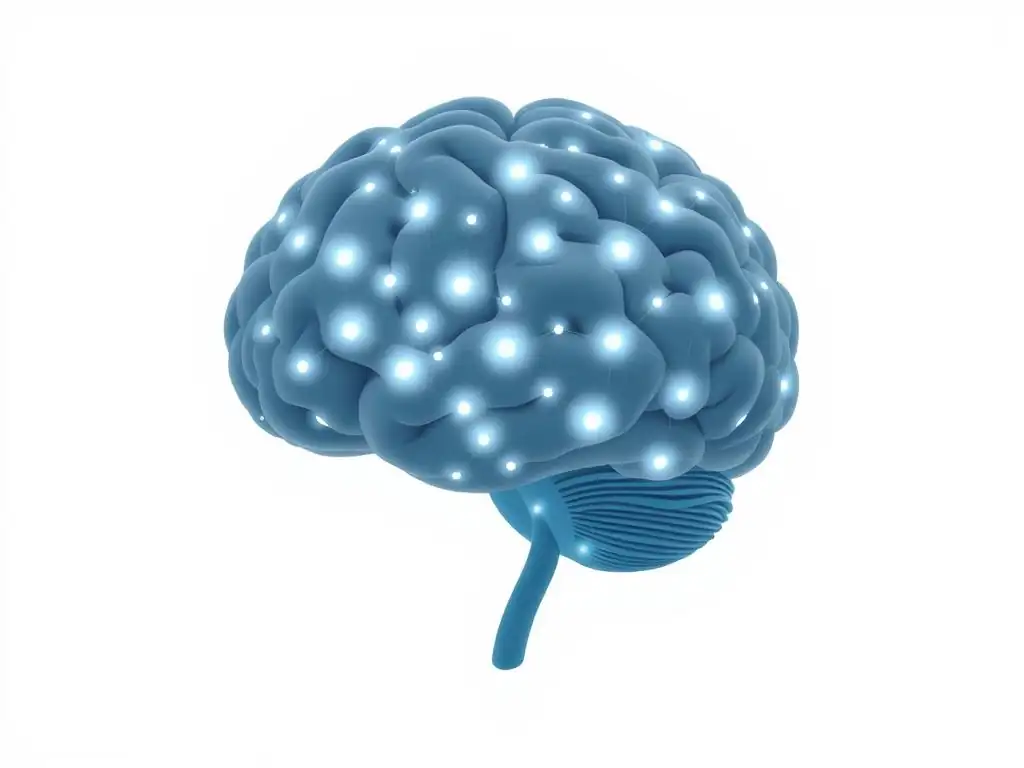
Memory consolidation, the process of transferring information from short-term to long-term memory, is a dynamic and multifaceted process influenced by a range of internal and external factors. Understanding these influences is crucial for anyone looking to improve memory consolidation process and enhance their learning and retention capabilities. This section will explore some key factors that significantly impact the efficiency of memory consolidation. Optimizing these factors can lead to substantial improvements in long-term memory formation.
Sleep and Memory Consolidation: The Role of REM and Slow-Wave Sleep
Sleep plays a vital role in memory consolidation. During sleep, the brain actively processes and reorganizes information acquired during wakefulness. Two sleep stages are particularly important: Rapid Eye Movement (REM) sleep and slow-wave sleep (SWS). REM sleep, characterized by vivid dreams, is associated with the consolidation of procedural memories – those related to skills and habits. Studies using EEG and fMRI have shown increased hippocampal activity during REM sleep, suggesting its importance in transferring episodic memories (memories of events) to the neocortex for long-term storage.
SWS, on the other hand, is crucial for consolidating declarative memories – facts and events. During SWS, slow oscillations and sleep spindles, characteristic brainwave patterns, are observed. These patterns facilitate the replay of recently learned information, strengthening synaptic connections and promoting long-term retention. Depriving individuals of sufficient SWS significantly impairs their ability to consolidate declarative memories. For example, studies have demonstrated that participants who are sleep-deprived perform poorly on memory tests requiring recall of factual information. This highlights the critical need for adequate sleep to effectively improve memory consolidation process.
The interplay between REM and SWS is complex and still being researched. However, it's clear that a balanced and sufficient amount of both sleep stages is essential for optimal memory consolidation. Aiming for 7-9 hours of quality sleep each night is a crucial step towards enhancing your memory capabilities.
Stress and Memory Consolidation: The Impact of Glucocorticoids on the Hippocampus
While moderate stress can sometimes enhance memory encoding, chronic or excessive stress can severely impair memory consolidation. This is largely due to the effects of glucocorticoids, stress hormones released by the adrenal glands. High levels of glucocorticoids, such as cortisol, can interfere with the normal functioning of the hippocampus, a brain region critical for memory formation and consolidation.
Prolonged exposure to high glucocorticoid levels can lead to hippocampal atrophy (shrinkage) and neuronal damage. This damage disrupts the intricate neural pathways involved in memory consolidation, leading to impaired memory performance. Specifically, glucocorticoids can interfere with long-term potentiation (LTP), a cellular mechanism underlying learning and memory. LTP involves strengthening synaptic connections between neurons, and glucocorticoids can disrupt this process, hindering the formation of lasting memories.
The detrimental effects of chronic stress on memory consolidation are well-documented. Studies have shown a strong correlation between high stress levels and impaired performance on memory tasks. Managing stress through techniques like mindfulness, exercise, and sufficient sleep is crucial for protecting the hippocampus and promoting healthy memory consolidation. This underscores the importance of stress management in optimizing the improve memory consolidation process.
Retrieval Practice and Memory Consolidation: The Testing Effect
Retrieval practice, also known as the testing effect, is a powerful technique for enhancing memory consolidation. Simply put, actively retrieving information from memory strengthens its representation and improves long-term retention. This contrasts with passive review, such as rereading notes, which often yields less effective learning outcomes.
The testing effect is supported by numerous studies demonstrating the superiority of retrieval practice over passive review. For instance, research has shown that students who take practice tests perform significantly better on subsequent exams compared to students who only review the material passively. This improvement is not simply due to familiarity with the material; rather, the act of retrieving information strengthens the memory trace, making it more resistant to forgetting.
This process is likely due to the increased neural activity associated with retrieval. Retrieving information requires active engagement with the memory trace, leading to the reactivation and strengthening of relevant neural pathways. The effort involved in retrieval is key to its effectiveness; it forces the brain to actively reconstruct the memory, enhancing its consolidation. Regularly testing yourself on learned material is a highly effective method to improve memory consolidation process and improve long-term retention. Incorporate retrieval practice into your study habits to maximize learning efficiency.
Emotional Significance and Memory Consolidation: The Amygdala's Role in Memory Enhancement
The amygdala, a small almond-shaped structure deep within the brain's temporal lobes, plays a crucial role in processing emotions, particularly fear and anxiety. Its influence on memory consolidation is profound, significantly impacting how well we remember emotionally charged events. This is because the amygdala interacts extensively with the hippocampus, the brain region primarily responsible for forming new long-term memories. When we experience a highly emotional event, the amygdala is activated, releasing stress hormones like cortisol and norepinephrine.
These hormones act as powerful memory enhancers, strengthening the neural connections associated with the event and facilitating its transfer from short-term to long-term storage. This explains why we often remember intensely emotional experiences with exceptional clarity, even years later. Think of a vivid memory of a frightening childhood experience, or a joyful moment from a significant life event – the emotional intensity likely contributed to its robust consolidation.
This enhanced consolidation isn't always beneficial, however. While emotionally arousing events are often remembered well, the amygdala's influence can also lead to the formation of strong, sometimes intrusive, memories of traumatic experiences. These memories, often characterized by vivid sensory details and strong emotional responses, can be difficult to manage and may contribute to the development of anxiety disorders or post-traumatic stress disorder (PTSD).
The amygdala's role highlights the complex interplay between emotion and memory, demonstrating how powerful emotions can shape the very architecture of our memories. Understanding this relationship allows us to better appreciate the mechanisms behind strong memory formation and develop strategies to improve memory consolidation, particularly for information we want to retain. For example, techniques that engage emotional responses, such as storytelling or connecting new information to personal experiences, can leverage the amygdala's influence to enhance memory encoding and consolidation.
Conversely, managing stress and anxiety through techniques like mindfulness or deep breathing can help mitigate the negative impact of extreme emotional arousal on memory. The key lies in harnessing the power of emotion to optimize memory, rather than letting it overwhelm the process.
Strategies to Improve Memory Consolidation Process: Practical Techniques
This section explores practical techniques you can employ to enhance your memory consolidation process, effectively transitioning information from short-term to long-term storage. Improving memory consolidation isn't about memorizing faster; it's about optimizing how your brain encodes and stores information. We'll examine specific strategies backed by cognitive psychology research, focusing on how these methods directly impact the consolidation process. Remember, consistent practice is key to reaping the benefits of these techniques. The more you utilize them, the more effective they become in strengthening your memory.
Mnemonics and Memory Consolidation: The Method of Loci
Mnemonics are memory aids that use imagery and association to improve encoding and retrieval. The Method of Loci, also known as the memory palace technique, is a particularly powerful mnemonic for improving memory consolidation. This technique involves associating items you need to remember with specific locations along a familiar route, such as your commute to work or the layout of your home. By mentally "walking" through this route, you can vividly recall the items associated with each location.
For example, to remember a grocery list (milk, eggs, bread, cheese, bananas), you might imagine a carton of milk spilling on your doorstep, eggs cracking on your welcome mat, a loaf of bread perched on your living room couch, a wheel of cheese sitting on your coffee table, and a bunch of bananas hanging from your chandelier. The more bizarre and memorable the images, the better the consolidation. This method leverages the brain's natural ability to remember spatial information, making it highly effective for consolidating complex lists or sequences of information.
The act of creating these vivid mental images strengthens the neural pathways involved in memory encoding, facilitating the transition to long-term memory. Regular practice with the Method of Loci can significantly improve your ability to remember information over extended periods.
Chunking and Memory Consolidation: Organizing Information into Meaningful Units
Chunking involves grouping individual pieces of information into larger, more manageable units. This technique significantly improves memory consolidation by reducing the cognitive load required to process and store information. Instead of trying to remember a long string of numbers like 194117761989, you can chunk it into meaningful units: 1941, 1776, 1989 (representing significant historical years).
Similarly, when learning a new language, chunking vocabulary into thematic groups (e.g., food, transportation, clothing) improves recall. This is because the brain naturally organizes information hierarchically. Chunking leverages this natural organizational structure, making it easier for the brain to encode and consolidate the information. Effective chunking requires identifying inherent relationships between pieces of information and creating meaningful groups. The more meaningful the chunks, the more efficient the consolidation process becomes. This technique is particularly useful for improving memory consolidation of complex lists, sequences, and abstract concepts.
Spaced Repetition and Memory Consolidation: The Leitner System
Spaced repetition is a learning technique based on the principle that revisiting information at increasing intervals optimizes long-term retention. The Leitner System is a popular implementation of spaced repetition. This system uses a set of flashcards, organized into boxes representing different review intervals. New flashcards start in box 1, and if you successfully recall the information, you move the card to the next box, increasing the review interval. If you fail to recall, the card goes back to box 1.
This systematic approach ensures that information is revisited just before it's likely to be forgotten, strengthening the memory trace and improving consolidation. The increasing intervals between reviews optimize the spacing effect, maximizing long-term retention. The Leitner System, and spaced repetition in general, directly addresses the forgetting curve, a phenomenon where memory fades over time.
By strategically scheduling reviews, you actively combat this forgetting, leading to a more robust and lasting memory of the material. This technique is applicable to a wide range of learning materials, from vocabulary to complex concepts, making it a versatile tool for improving memory consolidation across diverse domains. The key to success is consistent application and adherence to the scheduled review intervals.
Elaborative Rehearsal and Memory Consolidation: Connecting New Information to Existing Knowledge
Elaborative rehearsal is a powerful technique to improve the memory consolidation process. Unlike rote repetition, which simply involves repeating information verbatim, elaborative rehearsal focuses on actively processing and integrating new information with existing knowledge. This deeper level of processing strengthens the memory trace and facilitates its transition from short-term to long-term memory. Think of it like building a sturdy bridge instead of a flimsy walkway—the more connections you create, the stronger and more stable the structure becomes.
One effective method of elaborative rehearsal is to create meaningful associations. For instance, if you're trying to remember a new vocabulary word, don't just repeat its definition; instead, try to connect it to a personal experience or a vivid image. If the word is "serendipity," you might recall a time you unexpectedly found something valuable, thus weaving the word's meaning into your personal narrative. This active engagement significantly boosts memory consolidation.
Furthermore, using self-referencing questions can greatly enhance elaborative rehearsal. Instead of passively reading a textbook, actively question yourself about the material. Ask "How does this relate to my life?" or "What examples can I think of that illustrate this concept?" This self-testing process forces you to actively retrieve and process the information, leading to a more robust memory trace. Studies have consistently shown that self-testing is a highly effective learning strategy, superior to simply rereading the material. The act of retrieval itself strengthens the memory.
Another valuable aspect of elaborative rehearsal is the use of mnemonics. Mnemonics are memory aids that use vivid imagery, acronyms, or other techniques to make information easier to remember. For example, the acronym ROY G. BIV helps many people remember the colors of the rainbow (Red, Orange, Yellow, Green, Blue, Indigo, Violet). These techniques are particularly effective because they transform abstract information into concrete, memorable images, facilitating the formation of stronger memory connections and thus improving memory consolidation.
The more creative and personal your mnemonic, the more effective it is likely to be. The key is to make the information personally relevant and meaningful. This is precisely what makes elaborative rehearsal such a potent tool for improving memory consolidation.
The Neuroscience of Memory Consolidation: A Look at the Brain

Memory consolidation, the process of stabilizing a memory trace after its initial acquisition, is a complex interplay of neuronal and synaptic activity within the brain. Understanding this process is crucial to improving memory consolidation processes and ultimately enhancing memory performance. This section delves into the specific brain regions, synaptic mechanisms, and neurotransmitters that underpin this fascinating aspect of cognitive function.
Brain Regions Involved in Memory Consolidation: The Hippocampus, Amygdala, and Prefrontal Cortex
The hippocampus, often described as the brain's "memory indexer," plays a pivotal role in the initial stages of memory consolidation, particularly for declarative memories (facts and events). Research using fMRI and lesion studies consistently demonstrates its involvement in encoding new information and transferring it to neocortical regions for long-term storage. Damage to the hippocampus severely impairs the ability to form new long-term memories, a condition known as anterograde amnesia.
The amygdala, a key structure in the limbic system, is strongly implicated in emotional memory consolidation. It interacts closely with the hippocampus, enhancing the consolidation of memories with strong emotional significance. This explains why emotionally charged events are often remembered more vividly and enduringly than neutral ones. The amygdala's role is particularly critical in strengthening the memory trace through the release of stress hormones like cortisol, which modulate synaptic plasticity.
The prefrontal cortex (PFC), responsible for higher-order cognitive functions like planning and decision-making, also contributes significantly to memory consolidation. The PFC isn't directly involved in storing memories but rather in organizing and strategizing the encoding process. It helps select information for consolidation, suppressing irrelevant details, and integrating new memories with existing knowledge, thereby improving the efficiency of the memory consolidation process. Different subregions of the PFC are likely involved in different aspects of memory consolidation, a topic needing further research.
Synaptic Plasticity and Memory Consolidation: Long-Term Potentiation and Long-Term Depression
Synaptic plasticity, the ability of synapses to strengthen or weaken over time, is the fundamental mechanism underlying memory consolidation. Two key processes are crucial: Long-Term Potentiation (LTP) and Long-Term Depression (LTD).
LTP involves a persistent strengthening of synapses based on recent patterns of activity. Repeated stimulation of a synapse leads to an increased response, reflecting a strengthening of the connection between neurons. This strengthening is thought to be a cellular correlate of memory formation. Conversely, LTD is a long-lasting decrease in synaptic strength, which is essential for refining and optimizing memory representations.
It allows for the removal of less relevant information, preventing the saturation of the system and improving the signal-to-noise ratio in memory retrieval. The balance between LTP and LTD is crucial for effective memory consolidation. Disruptions in this delicate balance can contribute to memory impairments.
Neurotransmitters and Memory Consolidation: The Roles of Glutamate and Acetylcholine
Several neurotransmitters play crucial roles in memory consolidation, with glutamate and acetylcholine being particularly prominent. Glutamate, the primary excitatory neurotransmitter in the brain, is essential for LTP and therefore for memory formation. It acts on NMDA and AMPA receptors, triggering intracellular signaling cascades that lead to structural and functional changes at the synapse. Insufficient glutamate signaling can impair memory consolidation, potentially contributing to learning difficulties and cognitive decline.
Acetylcholine, a neurotransmitter involved in learning and memory, also plays a crucial role in memory consolidation. It modulates hippocampal activity and synaptic plasticity, improving the encoding and storage of new memories. The cholinergic system, which utilizes acetylcholine, is known to be vulnerable to age-related decline, potentially explaining age-related memory impairments. Maintaining optimal levels of acetylcholine is therefore important for supporting efficient memory consolidation processes. Further research into the intricate interplay of various neurotransmitters and their impact on memory consolidation promises to unlock even more effective strategies to improve memory.
Consolidation Failure and Memory Problems: When Things Go Wrong
Memory consolidation, the process of stabilizing a memory trace after initial encoding, is crucial for learning and remembering. However, this intricate process isn't always perfect. Failures in consolidation can lead to significant memory problems, impacting daily life and cognitive function. Understanding these failures is key to developing strategies for improvement and ultimately, to improve memory consolidation process.
Causes of Memory Consolidation Difficulties: Neurodegenerative Diseases, Traumatic Brain Injury, Sleep Deprivation
Several factors can disrupt the delicate dance of memory consolidation. Neurodegenerative diseases, such as Alzheimer's disease and Parkinson's disease, are prime examples. These conditions progressively damage brain regions vital for memory, including the hippocampus and amygdala, directly interfering with the mechanisms responsible for transforming short-term memories into long-term ones. The resulting memory impairment ranges from mild forgetfulness to severe amnesia, significantly impacting the individual's quality of life. The exact mechanisms vary depending on the specific disease, but often involve the disruption of synaptic plasticity and neurotransmitter systems crucial for memory formation.
Traumatic brain injury (TBI) also poses a significant threat to memory consolidation. The physical trauma inflicted on the brain can cause widespread damage, affecting various brain regions involved in memory processing. The severity of memory impairment following TBI is highly variable and depends on the location and extent of the injury. Mild TBIs may result in temporary memory lapses, while severe TBIs can lead to long-term and profound memory deficits, making even simple tasks challenging. Furthermore, research suggests that repeated concussions can cumulatively impair memory consolidation, highlighting the importance of head protection in contact sports and other high-risk activities.
Sleep deprivation, often underestimated, plays a critical role in memory consolidation failure. During sleep, particularly during slow-wave sleep and REM sleep, the brain actively processes and consolidates newly acquired memories. Depriving oneself of sufficient sleep disrupts this crucial process, leading to impaired memory performance and an inability to effectively transfer information from short-term to long-term storage.
Studies have consistently shown that sleep-deprived individuals exhibit poorer recall and recognition memory compared to their well-rested counterparts. This effect is particularly pronounced for declarative memories, which encompass facts and events. The impact of sleep deprivation on memory consolidation underscores the importance of prioritizing adequate sleep for optimal cognitive function.
Strategies to Overcome Memory Consolidation Challenges: Cognitive Rehabilitation, Medication, Lifestyle Changes
Addressing memory consolidation challenges requires a multifaceted approach tailored to the underlying cause. Cognitive rehabilitation, a type of therapy designed to improve cognitive functions, plays a vital role. This approach involves structured exercises and activities aimed at strengthening memory skills and compensatory strategies.
Techniques such as mnemonic devices, spaced repetition, and elaborative rehearsal can be particularly helpful in enhancing encoding and retrieval processes, indirectly supporting memory consolidation. The specific exercises and techniques are adapted to the individual's needs and cognitive abilities, ensuring personalized and effective intervention. For example, patients with TBI might benefit from targeted memory training focusing on specific memory deficits, while individuals with mild cognitive impairment might focus on strategies to improve daily memory functioning.
Pharmacological interventions can also be employed in certain cases. While there is no single "memory pill" that directly fixes consolidation failures, some medications can help manage underlying conditions or improve cognitive function. For instance, cholinesterase inhibitors, commonly used in the treatment of Alzheimer's disease, can help slow the progression of cognitive decline by increasing the levels of acetylcholine, a neurotransmitter crucial for memory. However, medication should always be prescribed and monitored by a qualified healthcare professional, and it's important to understand that medication alone is rarely sufficient to completely overcome memory consolidation problems.
Finally, lifestyle changes can significantly contribute to improving memory consolidation. Adopting a healthy lifestyle that includes regular exercise, a balanced diet, stress management techniques, and sufficient sleep can positively impact brain health and cognitive function. Regular physical activity enhances blood flow to the brain, promoting neuroplasticity and supporting memory processes. A balanced diet rich in antioxidants and omega-3 fatty acids nourishes the brain and protects against age-related cognitive decline.
Stress reduction techniques, such as mindfulness meditation or yoga, can help mitigate the negative impact of stress on memory consolidation. And, as previously discussed, ensuring adequate sleep is paramount for optimal memory consolidation. By adopting these lifestyle changes, individuals can proactively support their brain health and improve their capacity for memory consolidation, ultimately contributing to a better quality of life. The combined effect of these strategies offers a holistic approach to improve memory consolidation process.
Frequently Asked Questions
What is memory consolidation?
Memory consolidation is the process by which short-term memories are transformed into long-term memories. This involves structural and functional changes in the brain. It's a crucial step for learning and remembering information.
How long does memory consolidation take?
The time it takes varies greatly, from minutes to years, depending on the type of memory and the factors influencing consolidation. Sleep plays a significant role in this process.
What factors can improve the memory consolidation process?
Several factors can enhance consolidation, including sufficient sleep, spaced repetition, emotional engagement with the material, and active retrieval of information. Minimizing stress can also help.
Can I actively improve my memory consolidation?
Yes! Employing effective learning strategies like spaced repetition and elaborative rehearsal can significantly boost your memory consolidation. Getting enough sleep is also crucial.
What happens if memory consolidation is disrupted?
Disruptions to consolidation, such as brain injury or sleep deprivation, can lead to impaired memory and difficulties recalling information. Stress can also negatively impact the process.
Final Reflection: Forging Lasting Memories: A Journey of Understanding and Application
The ability to effectively consolidate memories is not merely a neurological process; it's the very foundation of our personal narratives, shaping our identities and guiding our futures. Understanding how short-term memories transform into long-term recollections is crucial in an era of information overload and the constant demand for cognitive flexibility. This knowledge empowers us to actively participate in the creation and preservation of our own experiences.
The exploration of memory consolidation has profoundly impacted my understanding of learning and personal growth. It's no longer just about rote memorization, but about actively engaging with information, fostering meaningful connections, and creating a rich tapestry of experiences. The past is never dead. It's not even past.
- William Faulkner. This quote resonates deeply, highlighting the enduring power of memory and its shaping influence on our present selves. The more we understand the mechanisms of memory consolidation, the better equipped we are to navigate the complexities of our past and shape the trajectory of our future.
Now, consider your own life. What strategies can you implement to improve your memory consolidation process? Think about how you learn new information, the environments in which you study, and the methods you use to reinforce learning. By consciously applying the principles discussed in this article – from optimizing sleep and reducing stress to actively engaging with material and employing effective learning techniques – you can actively cultivate a stronger, more resilient memory, enriching your life and empowering you to achieve your goals. Embrace the journey of memory consolidation; it's a journey of self-discovery and lasting impact.
Unlock the Secrets of Your Mind!
Thank you for exploring the fascinating process of memory consolidation! You've gained valuable insights into how our brains transform short-term memories into long-lasting ones. Now, let's put that knowledge to practical use.
Here are a few simple yet powerful steps you can take to improve your memory today:
- Maintain a Daily Journal: Record key events and insights each day. This practice can significantly enhance memory retention.
- Employ Effective Memory Strategies: Experiment with techniques like spaced repetition or the method of loci (memory palace) to improve information storage and recall.
- Share Your Knowledge: Discuss what you've learned with friends and family. Engaging in conversation solidifies understanding and can help others improve their memories as well.
What memory techniques have you found helpful, and how have they affected your ability to retain information?