
Introspection vs. Observation: Early Methodological Debates in Psychology


Welcome to Psychology Basics, your gateway to understanding the fascinating world of the human mind. Have you ever wondered how psychology, as a field, even began? This site is designed to provide clear and concise explanations of core psychological concepts.
Dive into our exploration of "Psychology early methods comparison", where we unpack the intriguing historical debate between introspection and observation – two vastly different approaches that shaped the very foundation of psychological inquiry. Discover how these early methods laid the groundwork for modern psychological understanding and uncover the surprising implications of their contrasting perspectives. Let's explore the evolution of psychological thought together!
- Psychology's Early Methods: A Historical Overview
- Introspection: The "Looking Inward" Method
- Observation: An Alternative Approach to Psychological Study
- Comparing Introspection and Observation: A Critical Analysis
- Beyond Introspection and Observation: The Evolution of Psychological Methods
-
Frequently Asked Questions
- What is introspection, and how was it used in early psychology?
- How does observation differ from introspection as a research method?
- What were the main limitations of introspection as a research method?
- What are some examples of early psychological studies that used observation?
- How did the shift from introspection to observation contribute to the development of psychology as a science?
- Final Reflection: Echoes of the Past, Shaping the Future of Psychology
- Unveil the Wisdom of Psychology: Take Action Now!
Psychology's Early Methods: A Historical Overview
The nascent field of psychology, striving to establish itself as a distinct scientific discipline in the late 19th and early 20th centuries, grappled intensely with fundamental methodological questions. Unlike established sciences with readily quantifiable data, psychology faced the unique challenge of studying the inner workings of the human mind. This inherent complexity led to vigorous debates surrounding the most appropriate methods for investigating psychological phenomena.
This article delves into the crucial early methodological debates, focusing on the contrasting approaches of introspection and observation, and their lasting impact on the development of psychological research. Understanding these historical debates provides crucial context for appreciating the sophisticated methodologies employed in contemporary psychology and illuminates the evolution of our understanding of the human mind.
We will explore the strengths and weaknesses of each approach, examining how these early methods shaped the field and paved the way for modern psychological research techniques. The keyword "Psychology early methods comparison" will be addressed throughout the article, highlighting the key differences and similarities between introspection and observation.
Establishing Methodological Foundations in Early Psychology
The birth of psychology as an independent science is often linked to Wilhelm Wundt's establishment of the first psychology laboratory in Leipzig in 1879. Wundt, a strong proponent of introspection, believed that the best way to understand the mind was through careful self-examination of one's own thoughts and feelings. This involved rigorously trained participants reporting their immediate conscious experiences in response to controlled stimuli. For instance, participants might be presented with a simple tone and asked to describe their sensory experience in detail – the pitch, loudness, and any associated feelings.
However, introspection faced significant limitations. The subjective nature of internal experiences made it difficult to ensure consistency and reliability across participants. Furthermore, the very act of introspection could potentially alter the conscious experience being studied. This inherent subjectivity led to concerns about the scientific rigor of introspection-based research. The lack of objectivity and the difficulty in replicating findings across different researchers presented a major challenge to the widespread acceptance of introspection as a primary research method.
Despite these limitations, introspection contributed significantly to the early development of psychology. It helped establish psychology as an empirical discipline, emphasizing the importance of systematic data collection and analysis, even if the data were subjective. It also laid the groundwork for later studies of consciousness and cognitive processes. The limitations of introspection, however, spurred the exploration of alternative methodologies.
Key Figures and Their Approaches to Psychological Inquiry
While Wundt championed introspection, other prominent figures in early psychology adopted different approaches. For example, [Name of a psychologist who used observation, information pending] focused more on observation of overt behavior. This approach emphasized the objective study of observable actions and responses, avoiding the subjective challenges inherent in introspection. This shift towards behaviorism later became a dominant force in psychology, prioritizing the study of observable behaviors and their environmental determinants.
The contrast between introspection and observation highlights a fundamental tension in the early development of psychology: the balance between subjective experience and objective measurement. This tension continues to shape psychological research today, although modern methodologies often integrate both subjective and objective measures to provide a more comprehensive understanding of human behavior and mental processes. The debate between introspection and observation is not simply a historical curiosity; it continues to inform discussions about the nature of psychological data and the best ways to study the complex human mind.
The legacy of these early methodological debates is evident in the diverse range of methods employed in contemporary psychological research, showcasing the ongoing evolution of the field. The comparison of these early methods highlights the crucial role of methodological innovation in the advancement of psychological knowledge.
Introspection: The "Looking Inward" Method

Introspection, meaning "looking inward," was a cornerstone of early psychological research. This method relied on trained individuals carefully examining and reporting their own conscious thoughts, feelings, and sensations in response to controlled stimuli. The goal was to break down complex mental processes into their basic elements, much like a chemist analyzes a compound.
Think of it as a highly disciplined form of self-reflection, aiming for objectivity despite its inherently subjective nature. Early proponents believed that through rigorous training, individuals could achieve a level of accuracy and consistency in their introspective reports, providing valuable insights into the workings of the mind. This approach, while now largely superseded by other methods, played a crucial role in establishing psychology as a distinct scientific discipline.
Understanding its strengths and weaknesses is essential to appreciating the evolution of psychological methodology. The legacy of introspection continues to shape contemporary cognitive psychology, particularly in areas like phenomenology and qualitative research, albeit with significant methodological refinements. The quest for understanding the inner workings of the human mind, a central tenet of psychology early methods comparison, began with this powerful, yet ultimately limited, technique.
Wundt and the Leipzig School: Pioneers of Introspection
Wilhelm Wundt, often considered the "father of experimental psychology," established the first psychology laboratory in Leipzig, Germany, in 1879. Wundt and his colleagues at the Leipzig School were pioneers in developing and refining introspective methods. They meticulously designed experiments to elicit specific mental experiences, such as sensations of color, sound, or touch.
Participants, rigorously trained in introspection, would then report their immediate conscious experience upon encountering the stimuli. Wundt's approach emphasized controlled conditions and systematic observation of internal states. For instance, experiments might involve presenting participants with a simple tone and asking them to describe not just the sound itself, but also the associated sensations, feelings, and images.
The collected data aimed to identify the basic structural elements of consciousness, a project known as structuralism. While the data was inherently subjective, Wundt believed that through rigorous training and standardization of procedures, a degree of objectivity could be achieved. This early work, focused on a psychology early methods comparison, laid the groundwork for later developments in experimental psychology, even if the specific methods were later refined or discarded.
Strengths and Limitations of Introspective Methods
Introspective methods, while fraught with limitations, possessed certain strengths. The detailed, qualitative data obtained could provide rich insights into subjective experiences, revealing nuances that objective measures might miss. For example, introspection allowed researchers to explore the complexities of emotional responses, capturing the subtle differences between various emotional states. Furthermore, the method's focus on individual experience highlighted the importance of subjective perspectives in understanding behavior.
However, introspection's limitations are significant. The inherent subjectivity of the method made it difficult to ensure consistency and reliability across participants. Different individuals might interpret and report the same stimulus in vastly different ways, leading to inconsistent results. Moreover, the act of introspection itself could alter the experience being studied, introducing bias.
The process of analyzing one's own mental states is inherently complex and prone to error, making it challenging to obtain objective and replicable data. The reliance on verbal reports also posed a problem, limiting the method's applicability to individuals who lacked the verbal skills to articulate their inner experiences. These shortcomings contributed to the eventual decline of introspection as the dominant method in psychology.
Criticisms of Introspection: Subjectivity and Reliability
The most significant criticism leveled against introspection centers on its inherent subjectivity and lack of reliability. Because the data relies on individual self-reports, it's difficult to verify the accuracy or consistency of those reports. Observers could be influenced by personal biases, expectations, or even the desire to please the experimenter.
This subjectivity rendered the findings difficult to replicate and generalize to larger populations, a fundamental requirement for scientific rigor. Furthermore, the process of introspection is itself potentially disruptive. The act of trying to analyze one's thoughts and feelings can alter the very experiences being studied, introducing a form of reactivity bias.
Early critics, such as behaviorists, argued that introspection's focus on unverifiable internal states made it unsuitable for a truly scientific psychology. The emphasis on observable behavior, rather than subjective experience, became a defining characteristic of behaviorism, offering a stark contrast to the introspective approach and significantly impacting the field of psychology early methods comparison. The limitations of introspection ultimately spurred the development of more objective and reliable methods in psychology.
Observation: An Alternative Approach to Psychological Study
Observation, unlike introspection, offered a seemingly more objective path to understanding the human mind. Instead of relying on subjective reports of internal experiences, observation focused on directly perceptible behaviors and actions. This shift represented a crucial turning point in the development of early psychological methods, paving the way for new research avenues and theoretical frameworks.
The emphasis moved from the "inner world" of consciousness to the "outer world" of observable actions, marking a significant departure from the introspective approach and fueling the debate surrounding the best methodology for studying the complexities of the human psyche. The rise of observation as a primary research method deeply influenced the trajectory of psychology, shaping its methodologies and influencing subsequent theoretical developments. This section explores the evolution and impact of observational methods in early psychology.
Early Observational Studies in Psychology: The Studies of Darwin and Galton
Early observational studies played a pivotal role in establishing psychology as a scientific discipline. Charles Darwin's meticulous observations of animal behavior, particularly his work on the expression of emotions in humans and animals, provided a foundation for understanding the biological basis of behavior. His observations, meticulously documented and analyzed, highlighted the continuity between human and animal behavior, challenging prevailing anthropocentric views.
Similarly, Francis Galton, a pioneer in the field of individual differences, used observational methods to study a wide range of human traits, including sensory acuity and reaction time. Galton’s work, characterized by its quantitative approach, laid the groundwork for future research on individual differences and the development of psychometrics. These early researchers, while not explicitly framing their work within the context of a nascent psychology, provided crucial empirical data and methodological approaches that would profoundly influence the discipline's later development.
The meticulous data collection and analysis employed by Darwin and Galton served as models for subsequent generations of psychologists seeking to establish the scientific credibility of their field. Their emphasis on observable phenomena, rather than subjective introspection, helped shift the focus towards more objective and quantifiable aspects of human behavior. This focus on observation remains a cornerstone of modern psychological research.
The Rise of Behaviorism and Observable Behavior
The early 20th century witnessed the ascendance of behaviorism, a school of thought that explicitly championed the use of observational methods. Behaviorists, such as John B. Watson and B.F. Skinner, argued that psychology should focus exclusively on observable behavior, rejecting the study of unobservable mental processes. This radical shift stemmed from a perceived lack of objectivity and replicability in introspective methods.
Behaviorism’s emphasis on observable behavior led to the development of rigorous experimental designs and the use of controlled settings to study learning, conditioning, and other behavioral phenomena. Studies involving animal models, such as Skinner's work with operant conditioning using rats and pigeons, became common, further emphasizing the focus on observable actions and their environmental determinants. The rise of behaviorism marked a significant victory for observational methods in psychology, solidifying their role as a cornerstone of empirical research.
This methodology continues to inform modern experimental psychology and related fields. The legacy of behaviorism in shaping the methodology of psychological research remains undeniable.
Advantages of Observational Methods: Objectivity and Measurability
Observational methods offered several key advantages over introspection. Firstly, they promoted greater objectivity. Unlike introspection, which relied on subjective reports, observational methods focused on directly observable behaviors, minimizing the influence of personal biases and interpretations. This increased objectivity enhanced the reliability and validity of research findings.
Secondly, observational methods facilitated measurability. Observable behaviors could be quantified and analyzed statistically, allowing for more rigorous testing of hypotheses and the establishment of causal relationships. This quantitative approach contributed significantly to the scientific credibility of psychology. For example, reaction time measurements, a staple of early psychological research, provided objective data on cognitive processes, paving the way for more sophisticated methods in cognitive psychology.
The ability to quantify behavior also allowed for comparisons across individuals and groups, furthering the understanding of individual differences and the impact of environmental factors on behavior. The advantages of objectivity and measurability offered by observational methods remain highly valued in contemporary psychological research, underscoring their enduring importance in the field. The continued emphasis on quantifiable data and rigorous experimental designs reflects the lasting influence of early advocates for observational approaches in psychology.
Challenges in Observational Studies: Observer Bias and Reactivity
Observational studies, while offering a valuable alternative to introspection in the early days of psychology, were not without their significant limitations. Two major challenges consistently plagued researchers: observer bias and reactivity. These intertwined issues significantly impacted the validity and reliability of the data collected.
Observer bias refers to the systematic errors that can occur when the observer's expectations or preconceived notions influence their interpretation of the observed behavior. For example, if a researcher believes a particular group of individuals are more prone to aggression, they might unconsciously interpret ambiguous actions as aggressive, leading to skewed results. This bias could be conscious or unconscious, making it particularly insidious. Early psychologists, lacking the sophisticated tools and methodologies available today, were particularly vulnerable to this type of error.
The very act of selecting specific behaviors for observation could introduce bias, as researchers might inadvertently focus on behaviors confirming their hypotheses while overlooking contradictory evidence. Consider a study on child development: an observer expecting heightened anxiety in children from single-parent households might interpret normal shyness as anxiety, distorting the true picture. Careful training and standardization of observation protocols were crucial, but often lacking in the nascent field.
Reactivity, on the other hand, refers to the phenomenon where the act of being observed alters the behavior of the individuals being studied. This is also known as the Hawthorne effect, famously illustrated in studies of worker productivity. Simply knowing they are being watched can cause individuals to modify their behavior, leading to artificial or unrealistic data. In early psychological studies, this issue was particularly problematic.
Participants might try to present themselves in a favorable light, suppressing natural behaviors or exaggerating certain traits. For instance, in studies on emotional responses, participants might consciously or unconsciously inhibit expressions of negative emotions if they perceived being observed negatively. This is especially true if the social context of the observation itself induced anxiety or feelings of being judged. The lack of sophisticated techniques to minimize reactivity, such as unobtrusive observation or naturalistic settings, compounded the problem.
Early studies often relied heavily on laboratory settings, inherently artificial environments that increased the likelihood of reactivity. The inherent tension between the need for controlled observation and the desire to capture natural behavior posed a considerable methodological challenge. Overcoming these challenges required careful consideration of experimental design and the development of more nuanced observational techniques.
Comparing Introspection and Observation: A Critical Analysis
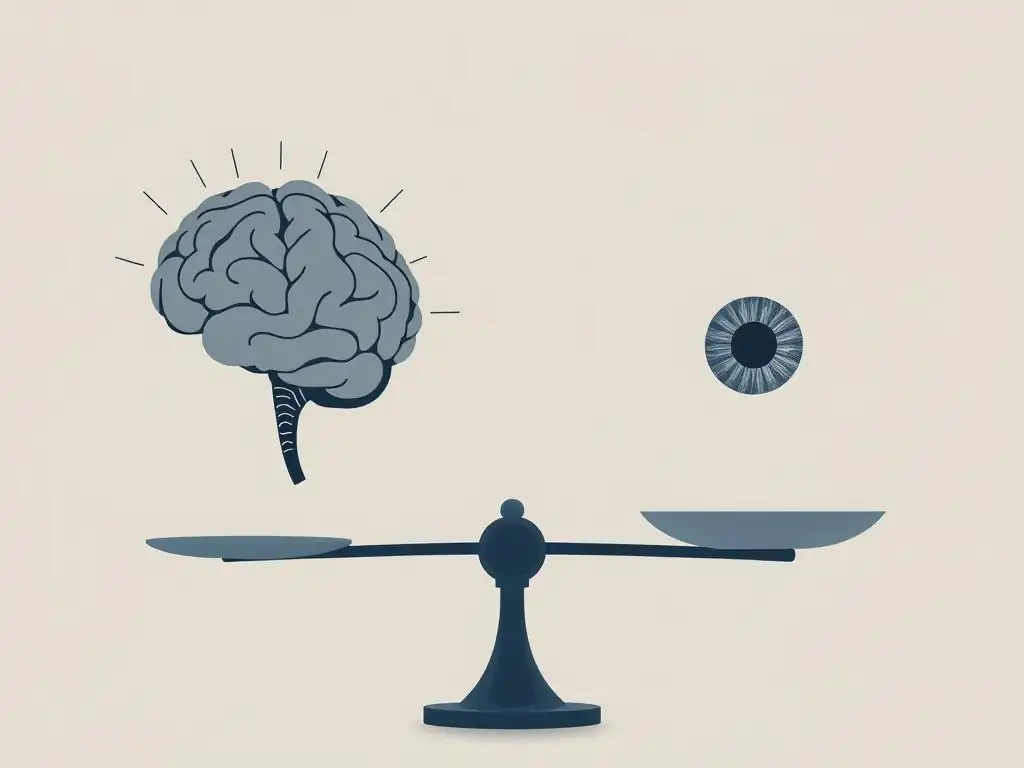
Contrasting Methodological Approaches
Early psychology grappled with fundamental methodological questions, most notably the debate between introspection and observation. Introspection, championed by figures like Wilhelm Wundt and Edward Titchener, relied on self-report; trained participants meticulously analyzed their own conscious experiences in response to stimuli. This approach aimed for a detailed, subjective understanding of mental processes. However, its inherent limitations—subjectivity, variability between individuals, and difficulty in verifying reports—became increasingly apparent. The reliance on highly trained individuals also limited the generalizability of findings.
Observation, on the other hand, focused on external, observable behaviors. Early behaviorists, such as John B. Watson and B.F. Skinner, prioritized objective measurement of actions and responses, rejecting the subjective nature of introspection. They argued that observable behavior, not internal mental states, was the proper subject of psychological inquiry. This shift towards objectivity significantly influenced the development of experimental psychology, paving the way for rigorous methodologies and quantifiable data. The systematic observation of behavior led to the development of controlled experiments, which allowed researchers to establish cause-and-effect relationships.
The core difference boils down to the focus of inquiry: internal, subjective experience versus external, observable behavior. This distinction shaped not only the methods employed but also the very subject matter considered legitimate within the field of psychology. The debate essentially pitted qualitative data (introspection) against quantitative data (observation). This fundamental difference in data collection and analysis techniques resulted in vastly different interpretations of psychological phenomena.
Impact of Methodological Debates on Psychology's Development
The intense debate between introspection and observation profoundly impacted psychology's trajectory. The limitations of introspection, particularly its subjectivity and lack of replicability, ultimately led to its decline as a dominant research method. The inherent difficulties in verifying subjective reports and the lack of standardization across researchers hampered the development of a unified, scientifically rigorous field. This period highlights the crucial role of methodological rigor in establishing a discipline's credibility.
The rise of behaviorism, with its emphasis on observable behavior and controlled experimentation, represented a significant shift towards scientific objectivity. Behaviorism's influence is undeniable, shaping much of experimental psychology and leading to advancements in learning theory, animal psychology, and clinical applications such as behavior modification therapies. However, the exclusive focus on observable behavior also drew criticism for neglecting the crucial role of cognitive processes and internal mental states.
The methodological debates of early psychology serve as a cautionary tale, illustrating the importance of carefully considering methodological limitations and biases. The pursuit of objective, replicable findings is paramount in establishing the scientific credibility of any field. The need for a balance between objective observation and understanding subjective experience remains a central theme in contemporary psychological research.
The Legacy of Introspection and Observation in Modern Research
While introspection is no longer the primary research method in psychology, its legacy persists in qualitative research methodologies, such as phenomenology and grounded theory. These approaches emphasize in-depth understanding of individual experiences and perspectives, albeit with greater methodological sophistication than early introspection. Techniques like semi-structured interviews and thematic analysis allow for the exploration of subjective experiences while incorporating elements of rigor and systematic analysis.
Observation, on the other hand, remains a cornerstone of psychological research. Modern observational methods are far more sophisticated than their early counterparts, utilizing techniques like naturalistic observation, structured observation, and participant observation. These methods are carefully designed to minimize observer bias and maximize the reliability and validity of data. Moreover, the integration of technology, such as video recording and data-logging devices, enhances the precision and objectivity of observational studies. Advances in statistical analysis further strengthen the ability to draw meaningful conclusions from observational data.
The ongoing dialogue between qualitative and quantitative approaches reflects a matured understanding of the strengths and limitations of both introspection and observation. Modern psychology recognizes the value of both subjective experience and objective measurement, striving for a holistic and nuanced understanding of the human mind and behavior. The legacy of these early methodological debates continues to shape how psychologists approach research and interpret findings today.
The ongoing refinement of research methods continually pushes the field towards more robust and comprehensive understandings of the complexities of human psychology. The evolution from early, simplistic methods to the sophisticated techniques of modern psychology is a testament to the self-correcting nature of scientific inquiry. Ultimately, a balanced approach, integrating both subjective and objective methods, best serves the pursuit of a complete understanding of the "Psychology early methods comparison".
Beyond Introspection and Observation: The Evolution of Psychological Methods
The early days of psychology, heavily reliant on introspection and observation, laid a crucial foundation. However, the limitations of these methods—subjectivity in introspection and potential biases in observation—quickly became apparent. The quest for a more rigorous, scientific approach led to significant methodological shifts, paving the way for the sophisticated research methodologies we employ today.
This evolution wasn't a sudden revolution; rather, it was a gradual process of refinement and integration of diverse techniques, driven by the need for greater objectivity, replicability, and generalizability of findings. Understanding this evolution is key to appreciating the complexity and sophistication of modern psychological research and the ongoing debate surrounding methodology in the field.
This section explores the key transitions and their impact on the development of psychology as a scientific discipline. The search for a more robust methodology to understand the human mind drove the field forward, pushing it beyond its initial reliance on subjective introspection and potentially biased observation.
The Emergence of Experimental Methods in Psychology
The limitations of solely relying on introspection and observation became increasingly clear as psychologists sought to establish psychology as a truly scientific discipline. The need for controlled experiments, allowing researchers to manipulate variables and measure their effects, became paramount. This shift towards experimental methods, heavily influenced by advancements in the natural sciences, marked a turning point.
Early experimental psychologists, such as Wilhelm Wundt and his students, pioneered techniques for measuring reaction times and sensory perception, laying the groundwork for future research on cognitive processes. Their experiments, though rudimentary by today's standards, emphasized the importance of controlled conditions and quantifiable data.
The introduction of experimental designs allowed for the systematic investigation of cause-and-effect relationships. Researchers could now test hypotheses, manipulate independent variables (like exposure to certain stimuli), and measure their impact on dependent variables (like reaction time or accuracy). This approach significantly improved the reliability and validity of psychological research, moving away from the subjective interpretations inherent in earlier methods.
The rise of behaviorism in the early 20th century further solidified the dominance of experimental methods, focusing on observable behaviors and their environmental determinants. Experiments became the gold standard, allowing for replication and verification of findings across different labs and populations. This emphasis on experimental rigor continues to shape the field, although modern psychology also embraces a broader range of methodologies.
Integrating Qualitative and Quantitative Methods in Contemporary Research
While experimental methods remain a cornerstone of psychological research, contemporary approaches recognize the limitations of relying solely on quantitative data. The rise of qualitative methods, such as interviews, focus groups, and case studies, has enriched the field by providing valuable insights into subjective experiences, cultural contexts, and nuanced individual differences. This integration of qualitative and quantitative approaches, often referred to as mixed methods research, offers a more comprehensive and holistic understanding of complex psychological phenomena.
For example, a study investigating the impact of trauma on mental health might employ quantitative methods like standardized questionnaires to measure symptom severity. However, incorporating qualitative interviews allows researchers to explore the individual's lived experiences, coping mechanisms, and personal narratives, providing a richer understanding beyond numerical data. The combination of these approaches can reveal patterns and relationships that might otherwise be missed if only one type of data is considered.
This integrative approach is crucial in addressing the complexities of human behavior and mental processes, moving beyond simplistic cause-and-effect models towards a more nuanced and holistic understanding. The increasing sophistication of statistical techniques also allows for the integration and analysis of both quantitative and qualitative data, further strengthening the validity and generalizability of research findings within the field of "Psychology early methods comparison".
Frequently Asked Questions
What is introspection, and how was it used in early psychology?
Introspection, a self-examination of one's thoughts and feelings, was an early method in psychology. Researchers asked participants to describe their internal experiences in response to stimuli, aiming to understand conscious processes. However, its subjectivity limited its scientific rigor.
How does observation differ from introspection as a research method?
Unlike introspection's reliance on subjective reports, observation focuses on external, observable behaviors. Researchers systematically watch and record actions, providing a more objective measure compared to the internal focus of introspection.
What were the main limitations of introspection as a research method?
Introspection's major limitations included subjectivity and variability. Individual experiences and interpretations differed greatly, making it difficult to reach reliable and generalizable conclusions. The process itself could also alter participants' experiences.
What are some examples of early psychological studies that used observation?
Early studies using observation included Wilhelm Wundt's work on reaction times and studies of animal behavior. These approaches emphasized objective measurement and focused on directly observable actions rather than internal mental states.
How did the shift from introspection to observation contribute to the development of psychology as a science?
The move from introspection to observation marked a critical step towards establishing psychology as a more objective and scientific discipline. The emphasis on observable behaviors and quantifiable data provided a more reliable basis for understanding human behavior and mental processes.
Final Reflection: Echoes of the Past, Shaping the Future of Psychology
The early methodological debates in psychology, far from being relics of a bygone era, continue to resonate deeply within the contemporary field. The tension between introspection and observation, between subjective experience and objective measurement, remains a central challenge in our pursuit of understanding the human mind. This enduring struggle highlights the inherent complexities of studying something as multifaceted and elusive as human consciousness.
The legacy of these early debates is profound, shaping not only the methodologies we employ today but also the very questions we ask. The ongoing dialogue between qualitative and quantitative approaches, between exploring the inner world and observing external behavior, reflects a direct lineage from these foundational arguments. The greatest obstacle to discovery is not ignorance—it is the illusion of knowledge.
– Daniel J. Boorstin. This quote perfectly captures the need for continuous critical evaluation of our methods, a need born from the very struggles of early psychologists. We must always question our assumptions and strive for a more holistic understanding that integrates both subjective and objective perspectives.
Consider the implications of these early debates for your own life. How do you balance introspection and observation in your own understanding of yourself and others? Are you more inclined to trust your subjective experiences or objective data?
By engaging with the history of psychological methodology, we can gain a deeper appreciation for the complexities of human experience and develop a more nuanced and comprehensive approach to understanding ourselves and the world around us. Let the echoes of these early debates inspire you to critically examine your own methods of understanding, fostering a more insightful and self-aware approach to life.
Unveil the Wisdom of Psychology: Take Action Now!
Thank you for exploring the fascinating world of introspection and observation in psychology. Your interest in these foundational concepts enhances your understanding and provides a strong basis for further exploration of psychological methods.
Now, let's put your knowledge into practice! Here are some ways to continue your learning journey:
- **Engage with Others:** Join an online psychology forum or a local study group to share your insights and learn from others' perspectives on psychological methodology. The exchange of ideas can be incredibly valuable.
- **Explore Further:** Delve deeper into the subject by reading a book or scholarly article on the modern applications of early psychological methods. This will demonstrate the evolution of the field and its lasting impact.
- **Reflect on Your Experiences:** Consider writing in a journal about your personal experiences with introspection and observation. Compare your own introspective insights with your observations of others to deepen your understanding of both approaches.
As you continue your exploration, consider this: **How does the interplay between introspection and observation shape our understanding of the human mind today? ** Share your thoughts below!