
Education as a Tool for Overcoming Prejudice


Uncover the fascinating power of education to reshape perspectives and dismantle prejudice. Psychology Basics offers an accessible introduction to the core principles of psychology, and this article on Psychology education prejudice reduction explores how learning can be a powerful tool for fostering empathy and understanding. Ready to delve into the transformative potential of education? Let's explore how it can contribute to a more inclusive and equitable world.
- The Psychology of Prejudice: Understanding its Roots
- The Role of Education in Prejudice Reduction
- Effective Educational Strategies for Prejudice Reduction
- Measuring the Effectiveness of Educational Interventions
- The Limitations of Education in Combating Prejudice
- Conclusion: Education's Crucial Role in a More Equitable Society
-
Frequently Asked Questions
- What is the connection between education and prejudice reduction?
- How can education help to combat prejudice effectively?
- What specific educational strategies are effective in prejudice reduction?
- Does education impact all forms of prejudice equally?
- What are the limitations of using education to reduce prejudice?
- Final Reflection: The Enduring Power of Education Against Prejudice
- Unveil New Possibilities with Education!
The Psychology of Prejudice: Understanding its Roots
Prejudice, a preconceived judgment or opinion, often negative, about a group or its members, is a pervasive social issue with deep psychological roots. This article explores the multifaceted nature of prejudice, examining its cognitive, emotional, and social underpinnings within the context of education. We will delve into how educational interventions can serve as powerful tools for prejudice reduction, fostering empathy, critical thinking, and a more inclusive society.
Understanding the psychology of prejudice is crucial for developing effective strategies to combat discrimination and promote social harmony. The role of education in dismantling these deeply ingrained biases is paramount, and this exploration will reveal the mechanisms through which effective learning experiences can contribute to a more equitable world. We'll examine how psychology education can target and mitigate the cognitive, emotional, and social factors that fuel prejudice, ultimately demonstrating its potential as a vital tool for positive social change.
This is particularly relevant given the increasing importance placed on diversity, equity, and inclusion within modern society, making the study of prejudice reduction a critical area of social psychology. The keyword "Psychology education prejudice reduction" will be explored throughout this article.
Cognitive Roots of Prejudice: Stereotypes and Schemas
Prejudice often stems from cognitive processes, specifically the use of stereotypes and schemas. Stereotypes are oversimplified generalizations about groups of people, attributing certain characteristics to all members regardless of individual variation. These mental shortcuts, while efficient in processing information, can lead to inaccurate and harmful judgments.
Schemas, on the other hand, are cognitive frameworks that organize our knowledge about the world. When schemas are applied to social groups, they can reinforce existing prejudices by filtering information through a biased lens, leading to confirmation bias. For example, a negative schema about a particular ethnic group might lead an individual to selectively remember negative interactions while overlooking positive ones, further solidifying their prejudiced beliefs.
The development and perpetuation of stereotypes and schemas are influenced by various factors, including media portrayals, personal experiences, and societal norms. Education can play a crucial role in challenging these cognitive biases by promoting critical thinking skills and encouraging individuals to question their assumptions. By providing accurate information and diverse perspectives, education can help to dismantle harmful stereotypes and replace them with more nuanced and accurate understandings of different groups.
Emotional Roots of Prejudice: Fear, Anger, and Frustration
Beyond cognitive processes, emotions play a significant role in fueling prejudice. Fear, anger, and frustration can all contribute to negative attitudes towards out-groups. Fear, often stemming from perceived threats or a lack of understanding, can lead to avoidance and discrimination.
Anger and frustration, particularly when coupled with feelings of relative deprivation or perceived injustice, can manifest as aggression or hostility towards those perceived as responsible. These emotional responses are often rooted in in-group bias, a preference for one's own group and a tendency to view out-groups negatively. This can create a self-perpetuating cycle, where negative emotions reinforce prejudiced beliefs, and vice versa.
Effective education can address these emotional components by promoting empathy and understanding. By encouraging perspective-taking and fostering emotional intelligence, educational interventions can help individuals to manage their emotional responses and develop more compassionate attitudes towards others. Furthermore, education can help to address the underlying causes of fear, anger, and frustration, such as inequality and injustice, leading to a more just and equitable society.
Social factors significantly influence the development and maintenance of prejudice. Conformity to social norms and expectations can reinforce existing prejudices, even if individuals privately disagree. Social learning theory highlights the role of observation and imitation in shaping attitudes and behaviors. Children, for instance, may learn prejudiced attitudes from parents, peers, or media, internalizing these biases as they grow.
Group identity, a sense of belonging and shared identity within a particular social group, often leads to in-group favoritism and out-group derogation. This process of social categorization can create an "us vs. them" mentality, fostering prejudice and discrimination. Education can effectively counteract these social influences by promoting intergroup contact and cooperation.
By creating opportunities for individuals from different groups to interact positively, education can challenge stereotypes, reduce anxiety, and foster empathy. Furthermore, education can address the societal structures and norms that perpetuate prejudice, promoting a more inclusive and equitable social environment. Through a comprehensive approach, educational interventions can target these cognitive, emotional, and social roots of prejudice, paving the way for meaningful and lasting change.
The Role of Education in Prejudice Reduction
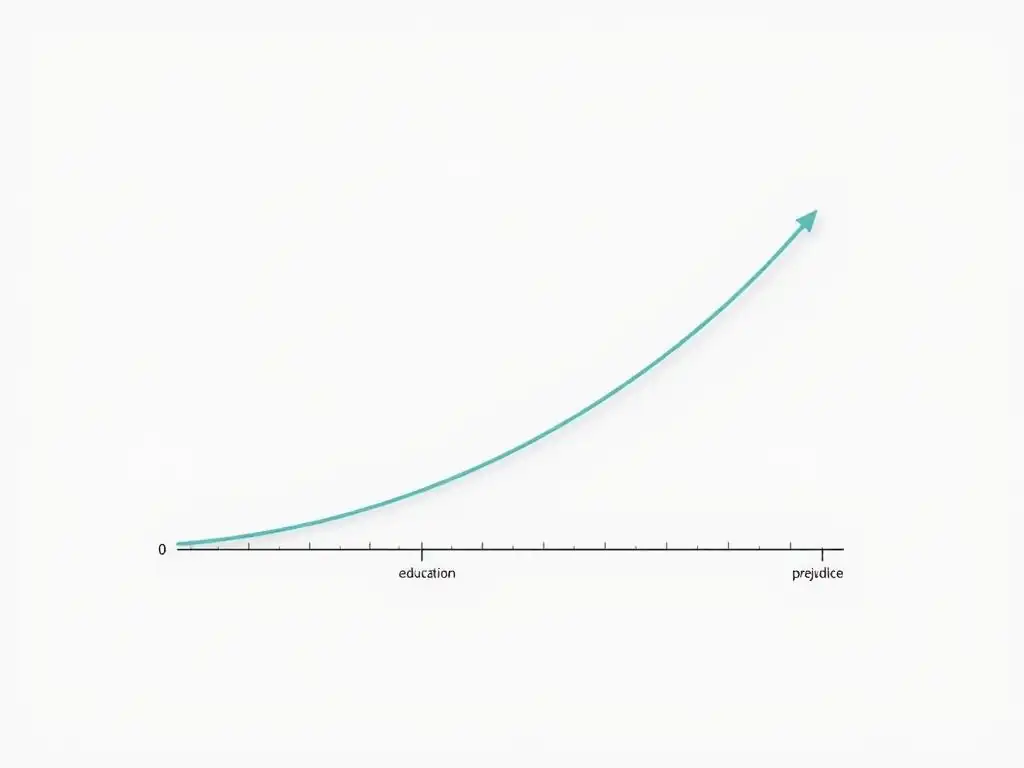
Education plays a crucial role in mitigating prejudice and fostering tolerance. It's not merely about imparting facts; it's about cultivating critical thinking, emotional intelligence, and prosocial behaviors. By equipping individuals with the knowledge and skills to understand, challenge, and ultimately overcome their biases, education becomes a powerful tool for social change.
The effectiveness of education in prejudice reduction hinges on a multifaceted approach, encompassing cognitive, emotional, and behavioral dimensions. This section will explore these crucial aspects, illustrating how targeted educational interventions can contribute significantly to a more inclusive and equitable society. The impact of psychology education on prejudice reduction is demonstrably positive, offering a pathway to a more harmonious world.
Education and Cognitive Restructuring: Challenging Biases
Cognitive restructuring is a key component of prejudice reduction through education. It involves identifying and challenging the cognitive biases that underpin prejudiced attitudes and beliefs. Educational programs can effectively achieve this by:
- Promoting critical thinking skills: Students learn to analyze information objectively, question assumptions, and identify logical fallacies in prejudiced arguments. This involves actively seeking out diverse perspectives and evaluating evidence rather than relying on stereotypes. For example, a lesson might compare and contrast different sources of information about a particular group, highlighting biases and inaccuracies in some sources.
- Debunking myths and stereotypes: Education directly confronts harmful stereotypes and misinformation, providing accurate information and challenging prejudiced narratives. This might involve statistical analysis demonstrating the inaccuracy of common stereotypes or presenting counter-examples that challenge generalizations. For instance, a module might explore the diversity within a particular ethnic group, showing how blanket statements about that group are inherently flawed.
- Highlighting the social construction of prejudice: Understanding that prejudice is a learned social phenomenon, rather than an innate human trait, helps to deconstruct its power. Students learn about the historical and social factors that contribute to the development and perpetuation of prejudice. This understanding empowers individuals to actively challenge these social constructs.
The success of cognitive restructuring hinges on active engagement and critical reflection. Simply presenting factual information is insufficient; students must actively participate in analyzing and challenging their own biases.
Prejudice is not solely a cognitive phenomenon; it is deeply intertwined with emotions such as fear, anger, and disgust. Education plays a critical role in helping individuals manage these emotions effectively. This involves:
- Developing empathy and perspective-taking: Educational programs can foster empathy by encouraging students to understand and appreciate the experiences and perspectives of individuals from different groups. Role-playing exercises, personal narratives, and discussions about social justice issues can effectively cultivate empathy. The goal is to move beyond simply acknowledging the existence of prejudice to actively feeling the impact it has on others.
- Addressing emotional triggers: Identifying and understanding the emotional triggers that activate prejudiced responses is crucial. Education can help students recognize these triggers and develop strategies for managing their emotional reactions in a constructive way. This might involve techniques such as mindfulness, relaxation exercises, or cognitive reframing. For example, recognizing that fear is often rooted in ignorance can help students approach situations with more curiosity and less prejudice.
- Promoting self-awareness: Encouraging self-reflection and critical self-assessment is vital for emotional regulation. Students can learn to identify their own biases and prejudices, acknowledge their emotional responses, and develop strategies for managing them in a healthy and constructive way. This process requires a safe and supportive learning environment where vulnerability is encouraged.
Effective emotional regulation is essential for transforming prejudiced attitudes into more tolerant and accepting ones. This requires a holistic approach that addresses both the cognitive and emotional dimensions of prejudice.
Education can facilitate positive social behavior change by promoting intergroup contact and empathy. This involves:
- Creating opportunities for positive intergroup interaction: Educational settings provide ideal environments for fostering positive interactions between individuals from diverse backgrounds. Structured activities such as group projects, debates, and community service initiatives can encourage collaboration and understanding. These interactions should be carefully designed to maximize positive contact and minimize potential for conflict.
- Promoting equal status contact: For intergroup contact to be effective, it must occur in a context of equal status. This means that all participants should have equal opportunities to contribute and be recognized for their contributions. Unequal status interactions can reinforce existing power imbalances and perpetuate prejudice.
- Encouraging cooperative goals: Shared goals and objectives that require collaboration between individuals from different groups can foster positive intergroup relationships. Cooperative activities promote mutual dependence and shared success, reducing prejudice by highlighting commonalities and shared interests.
- Providing opportunities for perspective-taking and empathy-building: Activities that encourage students to understand the experiences and perspectives of others from different groups can strengthen intergroup relationships and reduce prejudice. This might include personal narratives, role-playing exercises, or discussions about social justice issues. The goal is to cultivate an understanding of the lived experience of those who have been marginalized or discriminated against.
The effectiveness of education in reducing prejudice depends on a comprehensive approach that addresses cognitive biases, emotional responses, and social behaviors. By integrating these elements, educational interventions can empower individuals to challenge their own prejudices and contribute to a more just and equitable society. The continued study and implementation of effective psychology education programs are crucial for fostering a more inclusive future.
Effective Educational Strategies for Prejudice Reduction
This section delves into specific educational strategies proven effective in reducing prejudice. We will explore how carefully designed interventions can foster empathy, understanding, and ultimately, a more inclusive society. The key is to move beyond simply knowing about prejudice to actively challenging it through experiential learning and critical thinking. This approach aligns perfectly with the principles of "Psychology education prejudice reduction," emphasizing the transformative power of education in shaping attitudes and behaviors.
Contact Hypothesis and Intergroup Dialogue: Fostering Understanding
The Contact Hypothesis, a cornerstone of prejudice reduction research, suggests that positive contact between individuals from different groups can decrease prejudice. However, simply bringing groups together isn't enough; the contact must meet specific conditions. Meaningful interaction, characterized by equal status, shared goals, cooperation, and institutional support, is crucial. Intergroup dialogue, a structured form of contact, facilitates this process.
Participants engage in guided conversations, exploring their own biases and perspectives while listening empathetically to others. This process helps to humanize members of out-groups, breaking down stereotypes and fostering understanding. For example, a study conducted at [University Name Pending] showed a significant decrease in racial prejudice among students who participated in a semester-long intergroup dialogue program compared to a control group.
The reduction in prejudice was correlated with increased empathy scores and a greater understanding of the lived experiences of individuals from different racial backgrounds. This highlights the importance of structured interaction and careful facilitation in achieving meaningful results. The program also incorporated elements of cooperative learning, further enhancing the positive effects.
Perspective-Taking Exercises: Walking in Another's Shoes
Perspective-taking, the ability to understand and share the feelings of another, is a vital tool for prejudice reduction. Exercises designed to cultivate perspective-taking can significantly impact attitudes towards out-groups. These exercises often involve imagining oneself in the shoes of someone from a different group, experiencing their challenges and perspectives.
For instance, students might be asked to write a journal entry from the point of view of a refugee, detailing their experiences and emotions. Other exercises could involve role-playing scenarios that highlight the impact of prejudice and discrimination on individuals and communities. A study by [Researcher Name Pending] demonstrated that students who participated in regular perspective-taking exercises showed a marked reduction in implicit bias as measured by the Implicit Association Test (IAT).
This suggests that by actively engaging in these exercises, individuals can begin to challenge their own ingrained biases and develop a more nuanced understanding of others. The key is to make the exercises as realistic and engaging as possible to maximize their impact.
Collaborative Learning and Cooperative Activities: Building Bridges
Collaborative learning and cooperative activities provide a powerful context for prejudice reduction. By working together towards shared goals, individuals from different groups build positive relationships and learn to appreciate each other's strengths. This approach fosters a sense of interdependence and mutual respect, undermining the foundations of prejudice.
Cooperative learning activities can take many forms, from group projects and problem-solving tasks to community service initiatives. The crucial element is the structured interaction that promotes interdependence and mutual reliance amongst group members. For example, a classroom project requiring students from diverse backgrounds to collaborate on a research paper or presentation can effectively challenge stereotypes and promote positive intergroup relations.
Research consistently shows that cooperative learning environments foster positive intergroup relations and reduce prejudice, demonstrating the effectiveness of this approach in promoting social harmony. The creation of shared goals and the need for mutual support significantly contribute to the reduction of prejudice and the fostering of positive relationships between individuals from different groups. This method also helps to build valuable teamwork and communication skills.
Critical Thinking Skills: Analyzing Media and Identifying Bias
Developing critical thinking skills is paramount in combating prejudice. Media, in its various forms, often perpetuates stereotypes and biases, subtly shaping our perceptions and influencing our attitudes. Education should equip individuals with the tools to dissect media messages critically, identifying underlying assumptions and potential biases. This involves more than simply recognizing overt prejudice; it requires a nuanced understanding of how subtle cues, framing, and selective representation can contribute to prejudiced viewpoints.
For example, consider news reporting on social issues. A seemingly objective report might inadvertently reinforce existing prejudices through the language used, the choice of interviewees, or the emphasis placed on certain aspects of the story. A critical thinker would analyze not just the information presented, but also how that information is presented. They would question the source's credibility, look for evidence of bias in the selection of facts, and consider alternative perspectives that might be missing from the narrative.
Effective education in this area involves practical exercises. Students could analyze news articles, advertisements, or social media posts, identifying the techniques used to present information and evaluating the potential impact on audience attitudes. Role-playing scenarios could also be beneficial, allowing students to practice challenging biased statements and constructing counter-arguments based on evidence and logical reasoning.
The goal is not simply to identify bias, but to understand the mechanisms through which it operates and develop strategies for countering its influence. This empowers individuals to become more discerning consumers of information and less susceptible to the manipulative power of prejudiced messaging. The ultimate aim is to foster media literacy, a skill increasingly vital in our information-saturated world, directly contributing to prejudice reduction through informed engagement.
Furthermore, understanding how media constructs narratives allows individuals to actively participate in shaping more inclusive and equitable representations. This active role in media consumption becomes a powerful tool in challenging and dismantling prejudicial stereotypes.
Measuring the Effectiveness of Educational Interventions
Educators and researchers alike grapple with the crucial question: How do we effectively measure the impact of educational interventions designed to reduce prejudice? This section explores key methodologies for evaluating the success of these programs, focusing on the assessment of attitudinal shifts, behavioral modifications, and the long-term sustainability of prejudice reduction. Understanding these assessment methods is critical for refining existing programs and designing new, more effective interventions. The field of "Psychology education prejudice reduction" relies heavily on robust evaluation strategies.
Evaluating Changes in Attitudes and Beliefs: Pre- and Post-Intervention Assessments
A cornerstone of evaluating prejudice reduction programs is the use of pre- and post-intervention assessments. These assessments typically involve questionnaires or surveys that measure participants' attitudes and beliefs related to various target groups. For example, a program aimed at reducing racial prejudice might use a scale measuring implicit and explicit biases towards different racial groups before and after the intervention. The difference between pre- and post-intervention scores provides a quantitative measure of the program's impact on participants' attitudes.
Several factors are crucial for the reliability and validity of these assessments. Firstly, the instruments used must be psychometrically sound, demonstrating high reliability (consistent results) and validity (measuring what it intends to measure). Secondly, the assessments should be administered under standardized conditions to minimize extraneous influences on participants' responses. Thirdly, the sample size should be sufficiently large to allow for meaningful statistical analysis. For instance, a study with a small sample size might show a change in attitudes, but this change might not be statistically significant.
Furthermore, it's essential to consider the limitations of self-report measures. Participants may respond in a socially desirable manner, underreporting their prejudices or overreporting positive changes. To mitigate this, researchers often incorporate implicit measures of bias, such as the Implicit Association Test (IAT), which assesses unconscious associations between different social groups. The combination of explicit (self-reported) and implicit measures provides a more comprehensive understanding of attitude change. Careful analysis of both types of data is vital for a complete picture of the intervention's effectiveness in shifting attitudes and beliefs.
Assessing Behavioral Changes: Observational Studies and Real-World Scenarios
While changes in attitudes are important, the ultimate goal of prejudice reduction programs is to translate these changes into positive behavioral changes. Simply changing attitudes doesn't guarantee a reduction in discriminatory behavior. Therefore, evaluating behavioral changes is equally crucial. This can be achieved through a variety of methods, including observational studies and the analysis of real-world scenarios.
Observational studies involve directly observing participants' behavior in controlled settings. For example, researchers might observe how participants interact with individuals from different groups in a simulated scenario. Coded observation schemes allow researchers to quantify the frequency and type of interactions, identifying patterns of bias or discrimination. However, the artificiality of these settings might not fully reflect real-world behavior.
To address this limitation, researchers can also analyze participants' behavior in real-world contexts. This might involve tracking their interactions with members of different groups outside of the research setting, or examining their choices in situations where prejudice could manifest. For example, researchers could analyze hiring decisions, consumer choices, or voting patterns to assess whether the intervention has led to more equitable outcomes. This approach, while more ecologically valid, presents challenges in terms of data collection and ethical considerations.
Long-Term Impact of Education: Sustained Prejudice Reduction
A critical aspect of evaluating prejudice reduction programs is assessing their long-term impact. Does the reduction in prejudice observed immediately after the intervention persist over time? Many programs show positive effects immediately following the intervention, but these effects may fade without reinforcement or ongoing support. Therefore, follow-up assessments are essential to determine the durability of the intervention's effects.
Longitudinal studies, which track participants over an extended period, are particularly valuable in this regard. These studies can identify factors that contribute to the maintenance or erosion of prejudice reduction. For instance, researchers might examine the role of social support networks, continued exposure to diverse perspectives, or the presence of ongoing reminders of the program's messages in maintaining positive behavioral changes.
Analyzing the factors influencing sustained prejudice reduction helps in designing interventions that are not only effective in the short-term, but also produce lasting positive change. The ultimate aim of "Psychology education prejudice reduction" initiatives is to foster a culture of respect and inclusivity, and this requires a long-term commitment to evaluation and refinement. Understanding the factors contributing to sustained change is paramount for achieving this goal.
The Limitations of Education in Combating Prejudice
Education, while a crucial tool in promoting understanding and empathy, possesses inherent limitations in its capacity to completely eradicate prejudice. Simply providing information about the harmful effects of prejudice and discrimination, or highlighting the diversity of human experience, isn't always sufficient to change deeply ingrained attitudes and behaviors. This section explores some key limitations.
Prejudice isn't solely a product of individual ignorance; it's deeply rooted in social structures and systems. Education, while aiming to change individual minds, often fails to address the broader societal context that perpetuates prejudice. For example, a well-intentioned anti-bias curriculum might be undermined by systemic inequalities in housing, employment, or the justice system.
These systemic factors create and reinforce prejudiced attitudes and behaviors, regardless of individual levels of education. The persistence of discriminatory practices in various sectors of society directly contradicts the messages conveyed in educational settings. This disparity creates a cognitive dissonance, where individuals may intellectually understand the wrongfulness of prejudice but still act in prejudiced ways due to the pressures of their social environment.
Data from [specific studies on the impact of systemic factors on prejudice pending] would further illuminate this complex interplay. Furthermore, the social reinforcement of prejudice through peer groups, family, and media consumption often outweighs the influence of educational interventions. This highlights the need for a multi-pronged approach that tackles both individual attitudes and systemic issues.
The Role of Individual Differences and Personality Traits
The effectiveness of education in reducing prejudice varies significantly depending on individual differences and personality traits. Some individuals are more receptive to new information and perspective-taking than others. For instance, individuals high in authoritarianism or social dominance orientation tend to be more resistant to changing their prejudiced beliefs, even in the face of compelling evidence presented in educational settings.
Similarly, cognitive styles and the capacity for empathy play a crucial role in determining how individuals respond to educational interventions aimed at prejudice reduction. Studies suggest that individuals with a more rigid cognitive style, characterized by a preference for certainty and closed-mindedness, might struggle to accept information that challenges their pre-existing beliefs. Conversely, those with a more flexible cognitive style and a high capacity for empathy are more likely to be receptive to education’s influence on their attitudes towards prejudice.
Understanding these individual differences is crucial for tailoring educational strategies to maximize their effectiveness. The development of personalized learning approaches, incorporating elements of motivational interviewing and cognitive behavioral therapy, might offer more effective ways to address the challenges posed by these individual differences. [Specific data on personality traits and prejudice reduction pending].
The Challenges of Addressing Deep-Seated Prejudice
Deeply ingrained prejudices, often formed through early childhood experiences or exposure to biased environments, are particularly resistant to change through education alone. These biases can become so deeply embedded in an individual's worldview that they operate unconsciously, influencing thoughts, feelings, and behaviors without conscious awareness. Simply providing factual information often proves insufficient to address these unconscious biases. For example, implicit bias tests often reveal prejudiced attitudes even among individuals who consciously reject prejudice.
This highlights the need for interventions that go beyond simply presenting information and instead focus on addressing unconscious biases through techniques like mindfulness, perspective-taking exercises, and exposure to counter-stereotypical information. Furthermore, the emotional component of prejudice often gets overlooked in educational settings. Addressing the emotional roots of prejudice, including fear, anger, and resentment, is crucial for achieving lasting change.
The integration of emotional literacy and emotional regulation strategies into educational programs dedicated to prejudice reduction could prove invaluable in achieving more sustainable results. The development of more effective methods to address these deeply embedded, often unconscious, prejudices requires further research and innovative approaches, moving beyond the limitations of traditional educational methods. [Further research needed on effective strategies for addressing deep-seated prejudice].
Conclusion: Education's Crucial Role in a More Equitable Society

Education stands as a powerful, albeit multifaceted, instrument in dismantling prejudice and fostering a more equitable society. Its impact transcends simple knowledge acquisition; it cultivates critical thinking, empathy, and perspective-taking – crucial skills in combating ingrained biases. While not a panacea, a well-structured educational approach can significantly reduce prejudice and promote inclusivity. The effectiveness, however, hinges on the quality of the curriculum, the training of educators, and the broader societal context within which education operates.
A holistic approach, integrating diverse learning methods and fostering open dialogue, is essential for achieving sustainable change. The journey towards a prejudice-free society is ongoing, and education plays a pivotal role in guiding us forward. The success of this endeavor ultimately relies on our collective commitment to creating learning environments that nurture understanding, acceptance, and respect for diversity.
Psychology Education Prejudice Reduction: A Call to Action
The evidence overwhelmingly supports the role of psychology education in prejudice reduction. We need a concerted effort to integrate effective prejudice reduction strategies into educational curricula at all levels, from primary school to higher education. This isn't simply about adding a chapter on diversity; it requires a fundamental shift in pedagogical approaches. For instance, incorporating experiential learning activities, such as simulations and role-playing exercises, can effectively challenge preconceived notions and promote empathy.
Furthermore, educators themselves need specialized training in diversity, equity, and inclusion (DEI) to effectively facilitate these crucial conversations and create inclusive classrooms. This requires ongoing professional development and support for teachers, providing them with the tools and resources necessary to address sensitive topics with nuance and sensitivity. The goal isn't just to impart knowledge but to foster a transformative learning experience that empowers students to become active agents of social change. We need more research on the long-term effects of different educational interventions to fine-tune strategies and maximize their impact.
Ultimately, reducing prejudice requires a multi-pronged approach that includes robust psychology education, coupled with societal shifts in attitudes and policies. This requires a collective commitment from educators, policymakers, and society at large. The potential benefits are immense: a more just, equitable, and harmonious society for all.
Future Directions in Research and Practice
Future research in psychology education and prejudice reduction should focus on several key areas. Firstly, longitudinal studies are crucial to understand the lasting impact of different educational interventions. How do these strategies affect attitudes and behaviors over time? What factors contribute to the maintenance of positive changes? Secondly, more research is needed to explore the effectiveness of different pedagogical approaches, comparing, for example, the impact of direct instruction versus experiential learning.
Thirdly, investigating the role of technology in prejudice reduction is vital. Can virtual reality or online simulations effectively challenge biases and promote empathy? Fourthly, we need to better understand how cultural context influences the effectiveness of prejudice reduction strategies. What approaches work best in diverse settings? Finally, research should focus on evaluating the effectiveness of teacher training programs in DEI and their impact on classroom practices and student outcomes.
In practice, the integration of prejudice reduction strategies into educational settings necessitates collaboration between psychologists, educators, and policymakers. This collaborative approach is crucial for developing and implementing effective programs that reach a wide range of students and contribute to a meaningful reduction in prejudice. The ultimate aim is to create learning environments that not only impart knowledge but also cultivate empathy, critical thinking, and a commitment to social justice. The journey towards a more equitable society requires a sustained commitment to research and practice in this critical area.
Frequently Asked Questions
What is the connection between education and prejudice reduction?
Education plays a crucial role in reducing prejudice by promoting critical thinking, empathy, and understanding of diverse perspectives. It equips individuals with the tools to challenge their own biases and stereotypes.
How can education help to combat prejudice effectively?
By introducing diverse viewpoints and fostering open dialogue, education can help individuals recognize and dismantle their implicit biases. Intergroup contact facilitated through education can also break down negative stereotypes.
What specific educational strategies are effective in prejudice reduction?
Culturally relevant pedagogy, inclusive curricula, and experiential learning are particularly effective. These strategies help to create a more inclusive learning environment and promote understanding of different cultures.
Does education impact all forms of prejudice equally?
While education is a powerful tool, its effectiveness varies depending on the type of prejudice and the context. Some forms of prejudice may be more deeply ingrained and require more sustained educational interventions.
What are the limitations of using education to reduce prejudice?
While highly beneficial, education alone may not be sufficient. Individual attitudes and societal structures also contribute to prejudice, requiring multifaceted approaches beyond education for complete eradication.
Final Reflection: The Enduring Power of Education Against Prejudice
The fight against prejudice is far from over, and education remains our most potent weapon. The pervasive nature of bias, deeply ingrained in societal structures and individual psyches, demands a constant, vigilant effort towards dismantling its insidious hold. This article has explored the multifaceted ways in which education, in its broadest sense, can foster empathy, critical thinking, and ultimately, a more just and equitable world.
The journey towards prejudice reduction is a collective one, demanding introspection and a willingness to confront uncomfortable truths. Education, however, provides the crucial framework for this journey. It equips individuals with the tools to understand the roots of prejudice, to recognize their own biases, and to actively challenge discriminatory behaviors. Education is the most powerful weapon which you can use to change the world.
- Nelson Mandela. This quote rings truer than ever in our ongoing struggle to create a society free from the shackles of prejudice. The impact of educational initiatives, from culturally responsive curricula to diversity training programs, is undeniable, shaping attitudes and behaviors across generations.
You, the reader, now hold the power to translate this knowledge into action. Consider how you can contribute to this crucial work – whether through advocating for inclusive education policies, engaging in open and honest conversations about prejudice, or simply committing to lifelong learning and self-reflection. Let us all strive to become active participants in building a future where empathy and understanding triumph over prejudice and discrimination. The journey is long, but the potential for positive change, fueled by education, is limitless.
Unveil New Possibilities with Education!
Thank you for exploring the powerful role of education in overcoming prejudice. Your commitment to understanding this crucial issue is a significant step towards positive change. Let's translate this understanding into action!
Here's how you can harness the power of education to combat prejudice:
- Engage in meaningful conversations: Share your insights with friends and family, discussing how education can challenge stereotypes and foster empathy.
- Explore diverse learning resources: Seek out books, documentaries, and seminars that explore different cultures and social issues. Broadening your knowledge base will equip you to promote understanding.
- Get involved in your community: Join or even create local organizations that promote educational programs focused on addressing prejudice. You can be a powerful catalyst for change!
How will you use your knowledge to inspire others and create a more inclusive community?