
Online Group Therapy: Finding Support and Community


Unravel the complexities of the human mind with Psychology Basics. We're your gateway to understanding the fascinating world of psychology, offering clear and engaging explanations of core concepts. But what if finding support for your mental wellbeing could be as simple as logging on? Discover the surprising benefits of online group therapy for students, and how this innovative approach is revolutionizing mental healthcare. Dive in and explore how connecting with others online can foster resilience and promote a healthier you.
-
Understanding the Benefits of Online Group Therapy for Students
- Accessibility and Convenience of Online Group Therapy Sessions
- Affordability: Cost-Effective Mental Healthcare for Students
- Reduced Stigma: Online Therapy's Discreet Approach for Young Adults
- Flexibility and Scheduling: Fitting Therapy into Busy Student Schedules
- Accessibility and Inclusivity: Reaching Students in Diverse Locations
- Cost-Effectiveness: Managing the Financial Burden of Therapy
- Finding the Right Online Group Therapy for Your Needs
- Navigating the Online Group Therapy Experience
- Integrating Online Group Therapy into Your Student Life
- Online Group Therapy vs. Traditional In-Person Therapy: A Comparison for Students
-
Frequently Asked Questions
- What are the benefits of online group therapy for students?
- How does online group therapy differ from in-person therapy?
- Is online group therapy effective for students dealing with specific issues like anxiety or depression?
- How can I find a reputable online group therapy program for students?
- What are the potential drawbacks of online group therapy for students?
- Final Reflection: The Evolving Landscape of Online Mental Wellness
- Embrace Connection: Take Your First Step Towards Healing!
Understanding the Benefits of Online Group Therapy for Students
Online group therapy is rapidly becoming a popular and effective way to access mental health support, particularly for students. Juggling academic pressures, social life, and financial constraints often leaves students feeling overwhelmed and isolated. This article explores the significant advantages of online group therapy, focusing on how it specifically benefits students by providing accessible, affordable, and stigma-reducing mental healthcare.
We'll delve into the convenience, cost-effectiveness, and discreet nature of online group therapy, demonstrating why it's a valuable resource for young adults navigating the challenges of higher education and beyond. The benefits extend beyond simple accessibility; online group therapy fosters a sense of community and shared experience, crucial for students facing similar struggles. This approach offers a powerful combination of professional guidance and peer support, making it a potentially transformative tool in promoting mental wellbeing among students.
Accessibility and Convenience of Online Group Therapy Sessions
The accessibility and convenience of online group therapy sessions are game-changers for students. Traditional therapy often involves scheduling challenges, geographical limitations, and the need for transportation. Online platforms eliminate these barriers. Students can participate in sessions from anywhere with an internet connection – their dorm room, their apartment, even a quiet corner of the library.
This flexibility allows for greater participation, particularly for students with busy schedules or limited mobility. Furthermore, the asynchronous nature of some online platforms allows for participation outside of rigidly scheduled sessions, providing a more flexible and accommodating approach to therapy. This increased accessibility directly translates to improved engagement and better treatment outcomes.
The convenience factor alone can significantly reduce the barriers to seeking help, encouraging students to prioritize their mental health. Think of the time saved by not having to commute! This time can be used for studying, socializing, or simply relaxing – contributing to a better overall well-being.
Affordability: Cost-Effective Mental Healthcare for Students
Affordability is a major concern for many students. Online group therapy often presents a more cost-effective solution compared to individual in-person therapy. Group sessions typically have lower per-session costs, making mental healthcare more accessible to those with limited budgets. Many platforms also offer sliding-scale fees or financial assistance programs, further enhancing affordability.
This economic accessibility is crucial for students who may not have the financial resources to cover the cost of traditional therapy, ensuring that mental health support isn't a privilege reserved for only the wealthy. The cost savings can also alleviate financial stress, a significant contributor to mental health challenges among students. By reducing the financial burden, online group therapy makes mental health care a more realistic option for a larger population of students.
Reduced Stigma: Online Therapy's Discreet Approach for Young Adults
The stigma surrounding mental health remains a significant barrier for many young adults, particularly students who may fear judgment from peers or family. Online group therapy offers a degree of anonymity and discretion that can help alleviate these concerns. Participating in sessions from the privacy of one's own space reduces the visibility of seeking help, making it a less daunting prospect for those worried about social stigma. The discreet nature of online platforms can empower students to prioritize their mental well-being without the fear of social repercussions.
This reduction in stigma contributes to a safer and more supportive environment for self-discovery and healing. The ability to access support discreetly can be particularly important for students dealing with sensitive issues or those who are hesitant to seek help due to societal pressures. This ultimately leads to improved help-seeking behavior and better mental health outcomes.
Flexibility and Scheduling: Fitting Therapy into Busy Student Schedules
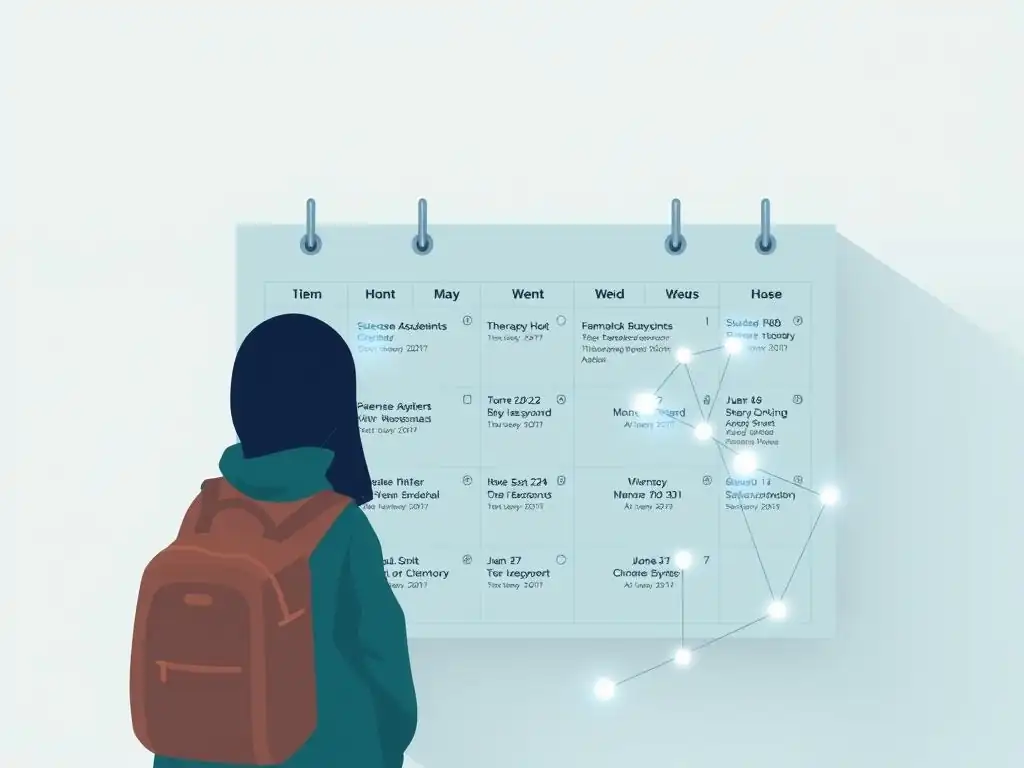
Juggling classes, exams, part-time jobs, social life, and personal responsibilities is a common challenge for students. Finding time for self-care, let alone attending traditional in-person therapy sessions, can feel impossible. Online group therapy offers an unparalleled level of flexibility that addresses this crucial need. Unlike traditional therapy, which often requires committing to specific days and times, online group sessions can be accessed from virtually anywhere with an internet connection.
This means students can participate in sessions during breaks between classes, late at night after finishing assignments, or even from the comfort of their dorm room or apartment. The asynchronous nature of some online platforms further enhances flexibility, allowing students to engage with group discussions and materials at their own pace, fitting therapy into the gaps in their already packed schedules. This adaptability is a significant advantage for students, fostering better adherence to treatment and maximizing the benefits of group therapy.
Many platforms also offer a range of session times to accommodate various time zones and student schedules, further improving accessibility. The convenience factor alone can significantly impact a student's willingness and ability to engage consistently with therapy, ultimately leading to improved mental well-being. For students facing high levels of stress and time constraints, this flexibility is a game-changer.
Accessibility and Inclusivity: Reaching Students in Diverse Locations
Online group therapy significantly expands access to mental health support for students, particularly those in rural areas or those with limited mobility. Traditional therapy often requires travel to a therapist's office, which can present a significant barrier for students who lack transportation, live far from mental health services, or have physical limitations. Online therapy eliminates this geographical barrier, making mental health support readily available to a wider range of students regardless of their location.
This increased accessibility is particularly crucial for students from marginalized communities who might face additional challenges accessing in-person care due to financial constraints, cultural barriers, or systemic inequities. Online group therapy democratizes access to mental health services, promoting inclusivity and reducing disparities in care. The ability to participate from anywhere with an internet connection empowers students who might otherwise be excluded from receiving essential mental health support.
This inclusivity is a vital aspect of promoting mental wellness among the diverse student population. Moreover, the anonymity offered by some online platforms can reduce stigma and increase comfort levels for students who might hesitate to seek help in person.
Cost-Effectiveness: Managing the Financial Burden of Therapy
The cost of therapy can be a significant obstacle for many students, especially those who are already struggling financially. Online group therapy often presents a more affordable alternative to individual in-person therapy. Group sessions typically have lower per-session costs compared to individual sessions, making them a more accessible option for students with limited budgets.
This cost-effectiveness is crucial in ensuring that students can access the mental health support they need without incurring excessive financial burdens. The reduced overhead costs associated with online platforms allow therapists to offer more affordable services, benefiting students who may not be able to afford traditional therapy. Furthermore, some online platforms offer sliding-scale fees or financial assistance programs to further reduce the financial barrier to care.
This affordability helps promote equitable access to mental health services, supporting students' overall well-being while easing their financial stress. For students who are already juggling tuition, living expenses, and potentially part-time jobs, the cost savings offered by online group therapy can be a significant factor in their decision to seek support.
Finding the Right Online Group Therapy for Your Needs
Finding the right online group therapy can significantly impact your experience and the benefits you receive. It's crucial to approach the search strategically, considering your individual requirements and preferences. Many students find online group therapy particularly beneficial due to its flexibility and accessibility. This section will guide you through the process of identifying the ideal online group therapy to support your journey towards improved mental well-being. Remember, choosing the right fit is paramount for maximizing the positive effects of online group therapy for students.
Identifying Your Specific Needs and Goals in Therapy
Before embarking on your search, introspection is key. What specific issues are you hoping to address? Are you struggling with anxiety, depression, stress related to academic pressures, or perhaps navigating social challenges? Defining your goals—whether it's improved coping mechanisms, increased self-esteem, or enhanced social skills—will help you narrow your search and choose a group therapy program that directly addresses your needs.
Consider the intensity of your challenges; some groups focus on specific issues, while others offer a broader approach. For example, a group focused on test anxiety might be more suitable than a general support group if exam stress is your primary concern. Writing down your goals and prioritizing them can be incredibly helpful in this process.
This self-reflection is crucial for finding the most effective online group therapy for students like yourself. Don't hesitate to be detailed and honest with yourself about your needs. The more specific you are, the better equipped you'll be to find a suitable group.
Types of Online Group Therapy Available to Students (e.g., CBT, DBT, Support Groups)
Online group therapy offers a diverse range of approaches tailored to different needs. Some common types include:
- Cognitive Behavioral Therapy (CBT) Groups: These groups focus on identifying and changing negative thought patterns and behaviors. CBT is particularly effective for managing anxiety, depression, and stress. Students often find CBT groups helpful for managing academic stress and improving study habits.
- Dialectical Behavior Therapy (DBT) Groups: DBT emphasizes mindfulness, emotional regulation, and distress tolerance skills. It's often used to treat borderline personality disorder but can also be beneficial for students struggling with intense emotions and self-harming behaviors.
- Support Groups: These groups provide a safe and supportive space for sharing experiences and connecting with others facing similar challenges. Support groups focusing on specific student issues, such as academic pressure or social isolation, can be particularly valuable. The sense of community in these groups can be incredibly beneficial for reducing feelings of loneliness and isolation.
- Specific Issue Groups: Many online platforms offer groups focused on particular issues like eating disorders, trauma, or grief. If you have a specific concern, searching for a group addressing that issue directly will yield the most targeted support.
Understanding the different therapeutic approaches and finding one that aligns with your needs and preferences is a critical step in leveraging the benefits of online group therapy for students. Consider researching the different approaches to understand which might best suit your circumstances.
Vetting Online Therapy Platforms and Practitioners
Choosing a reputable online therapy platform and qualified practitioners is paramount. Look for platforms that:
| Feature | Importance | How to Check |
|---|---|---|
| Licensed Therapists | Ensures professionals are qualified and adhere to ethical guidelines. | Verify licenses on the platform or through state licensing boards. |
| Secure Platform | Protects your privacy and confidentiality. | Look for mentions of HIPAA compliance and strong security measures. |
| Client Reviews | Provides insights into other users' experiences. | Read reviews carefully, considering both positive and negative feedback. |
| Variety of Groups | Offers diverse group types to find the best fit for your needs. | Browse the available groups to see if they align with your needs and preferences. |
| Transparent Pricing | Clearly states fees and payment options. | Review the pricing information upfront to avoid unexpected costs. |
Before joining any group, research the therapist's credentials and experience. Look for therapists specializing in the type of therapy and issues relevant to your needs. Remember, your comfort and trust in the therapist are essential for a successful therapeutic experience. Choosing wisely maximizes the potential benefits of online group therapy for students. Don't hesitate to ask questions and seek clarity before committing to a particular platform or group. Your mental health journey deserves thoughtful consideration.
Considering Factors like Group Size, Therapist Experience, and Platform Features
Choosing the right online group therapy experience involves careful consideration of several key factors. The size of the group significantly impacts the dynamic and your level of participation. Smaller groups, perhaps with 4-6 members, often foster a more intimate and supportive environment where individuals feel comfortable sharing personal experiences.
Larger groups, while potentially offering a wider range of perspectives, might lead to less individual attention from the therapist and less opportunity for in-depth discussion. The ideal group size often depends on the specific therapeutic goals and your personal preferences. Some individuals thrive in smaller, more focused settings, while others prefer the energy and diversity of a larger group.
Therapist experience plays a crucial role in the success of online group therapy. Look for therapists with specific training and experience in facilitating group therapy, particularly in the area relevant to your needs. For students, finding a therapist familiar with the unique challenges faced by college students or young adults is particularly beneficial.
Experience with online platforms is also vital, ensuring the therapist is comfortable and adept at navigating the technological aspects of the therapy session and maintaining a secure and confidential environment. Checking credentials, professional affiliations, and client reviews can provide valuable insights into the therapist's experience and expertise. Remember to prioritize a therapist who demonstrates empathy, strong communication skills, and a clear understanding of the therapeutic process.
Finally, the platform itself influences the overall experience. A user-friendly platform with robust security features is paramount. Consider factors like ease of access, video and audio quality, and the availability of features like chat functions or screen sharing. Some platforms might offer additional resources like scheduling tools or access to supplementary materials.
A reliable platform ensures a smooth and uninterrupted therapy session, minimizing technical disruptions that could interfere with the therapeutic process. Choosing a platform that integrates well with your personal technology and preferences contributes significantly to a positive and effective online group therapy experience. For students, accessibility on various devices (laptops, tablets, smartphones) might be a significant consideration, allowing for flexibility in scheduling and participation.
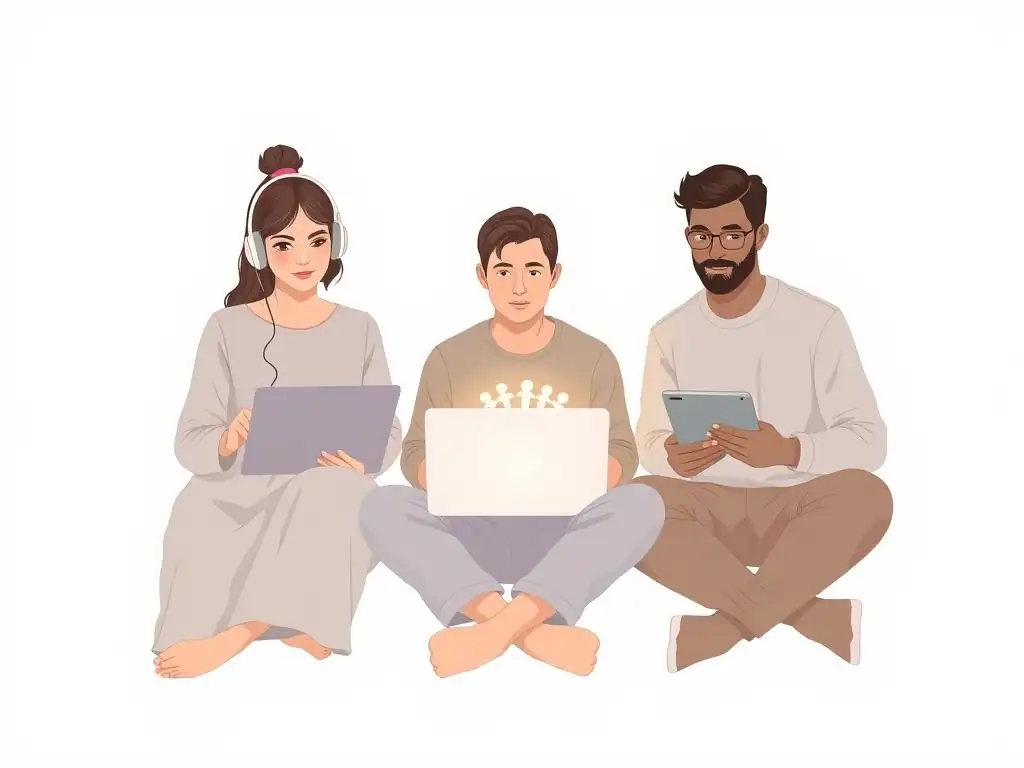
Online group therapy offers a unique set of advantages, particularly beneficial for students navigating the pressures of academics, social life, and personal growth. However, successfully engaging with this modality requires understanding its nuances and proactively addressing potential challenges. This section explores key aspects of the online group therapy experience, focusing on strategies to maximize its benefits. The advantages for students are particularly noteworthy, as the flexible nature of online therapy often aligns well with demanding academic schedules.
Preparing for Your First Online Group Therapy Session
Your first online group therapy session sets the tone for your entire experience. Thorough preparation is crucial for maximizing comfort and engagement. Begin by familiarizing yourself with the platform the group will be using (Zoom, Skype, etc.). Test your internet connection and ensure your microphone and camera are functioning correctly. Choose a quiet, private space where you feel comfortable and won't be interrupted.
Consider having a notepad and pen handy for jotting down thoughts or key points discussed during the session. Practicing using the platform beforehand can alleviate any technical anxieties and allow you to focus on the therapeutic process. For students, scheduling the session around less demanding periods in their academic calendar is highly recommended. This proactive approach ensures full participation and minimizes distractions.
Effective Communication and Participation in Virtual Sessions
Effective communication is paramount in any therapeutic setting, but it takes on added significance in the virtual realm. Clear and concise verbal communication is essential. Be mindful of background noise and ensure your environment minimizes distractions for both yourself and other participants. Active listening is equally critical. Pay attention not only to what others are saying but also to their nonverbal cues, which can be more challenging to interpret online.
Don't hesitate to ask clarifying questions if something is unclear. Online group therapy benefits students by fostering a sense of community, but only if all members actively engage. For example, a student struggling with exam anxiety can learn valuable coping mechanisms by actively listening to and interacting with other students sharing similar experiences. Remember, your active participation enriches the experience for everyone.
Building Trust and Connection within an Online Therapeutic Community
Building trust and connection in an online environment may initially seem challenging, but it's entirely achievable. Openness and vulnerability are key to fostering a supportive and therapeutic community. Sharing personal experiences, even if initially uncomfortable, can create a sense of shared understanding and empathy among group members.
Respecting the confidentiality and boundaries of others is crucial. Remember that everyone in the group is on a journey of self-discovery and healing. Online group therapy benefits students by providing a safe space to connect with peers facing similar challenges.
This shared experience can foster a sense of belonging and reduce feelings of isolation, which are common among students dealing with academic pressure or mental health concerns. For instance, a student struggling with social anxiety can find solace and encouragement in connecting with others who understand their difficulties, fostering a sense of community that transcends the physical limitations of the online setting. This sense of community is a significant advantage of online group therapy, particularly for students who may find it difficult to access in-person support.
Managing Challenges of Online Interaction and Technical Issues
Online group therapy, while offering many advantages, presents unique challenges absent from in-person sessions. Successfully navigating these requires proactive strategies and a degree of technological literacy. One common hurdle is the lack of non-verbal cues. In face-to-face interactions, subtle body language, facial expressions, and even the distance between participants contribute significantly to understanding and empathy.
Online, these cues are often muted or absent, leading to potential misinterpretations and communication breakdowns. For students, this can be especially challenging, as they may be less experienced in navigating nuanced online communication. Developing strong written communication skills and being mindful of tone in typed messages becomes paramount. Using emoticons judiciously can also help convey emotion and intent, but overuse can be distracting.
Another significant challenge is managing technical difficulties. Internet connectivity issues, microphone malfunctions, or software glitches can disrupt the flow of therapy and create frustration for both participants and the therapist. Students should ensure they have a reliable internet connection, a functioning microphone and speakers (or headphones), and a quiet space free from distractions before each session. Proactively testing their equipment beforehand can prevent embarrassing or disruptive interruptions during the group session.
Furthermore, having a backup plan, such as a secondary device or a method of contacting the therapist in case of technical problems, is a wise precaution. It's crucial to remember that technical difficulties are a common occurrence, and open communication with the therapist about any issues is vital to ensuring a smooth and productive therapeutic experience. Many online platforms offer technical support, and utilizing these resources can be immensely helpful in resolving any technological snags.
Finally, the anonymity afforded by online platforms can sometimes lead to less accountability and a greater risk of disruptive behavior. While anonymity can be beneficial for some, it can also embolden individuals to express themselves in ways they might not in a face-to-face setting. Online group therapy platforms often have moderators or guidelines in place to manage such behavior, but participants should be mindful of their online etiquette and respectful of others' experiences.
Students should be particularly aware of the potential for cyberbullying or other forms of online harassment and know how to report such incidents. A clear understanding of the platform's rules and policies, coupled with responsible online behavior, is essential for creating a safe and supportive environment for all. Active participation in establishing and maintaining a positive group dynamic is crucial for a successful online group therapy experience for students.
Integrating Online Group Therapy into Your Student Life

The demands of student life – academic pressure, financial concerns, social adjustments, and the ever-present need to balance work and personal time – can significantly impact mental well-being. Online group therapy offers a unique opportunity to address these challenges within a supportive and understanding environment, specifically tailored to the experiences of students.
Many students find that the flexibility and accessibility of online platforms significantly reduce barriers to accessing mental health care, making it a viable and effective option for managing stress and improving overall mental health. This section will explore how to successfully integrate online group therapy into your busy student schedule and maximize its benefits.
Successfully integrating online group therapy into your student life requires careful planning and prioritization. Many students struggle to find time for self-care amidst a rigorous academic schedule, social commitments, and part-time jobs. The key is to treat therapy sessions as non-negotiable appointments, similar to important classes or exams. Consider scheduling your sessions during less hectic periods, such as early mornings, late evenings, or during breaks between classes. Utilizing online platforms allows for flexibility in scheduling, enabling you to find times that best suit your fluctuating academic and social calendar.
Effective time management is crucial. Use a planner or calendar to block out therapy session times and avoid double-booking. Communicating your therapy schedule to friends and family can help them understand your need for this time and prevent scheduling conflicts. Remember, prioritizing your mental health is not selfish; it's essential for academic success and overall well-being.
Taking proactive steps to manage your time will help you reap the benefits of therapy without compromising other important aspects of your student life. Many students find that the improved mental clarity and reduced stress from therapy actually increases their productivity and academic performance. It's an investment in your future success.
Utilizing Online Resources and Support Materials
Many online group therapy platforms offer supplemental resources to enhance the therapeutic experience. These resources can significantly bolster the benefits of therapy, reinforcing what you learn during sessions and providing ongoing support. Look for platforms that provide access to:
- Guided meditations and mindfulness exercises: These can help manage stress and anxiety between sessions.
- Educational materials: Articles, videos, or worksheets on relevant topics discussed in therapy can deepen your understanding and provide practical tools.
- Support forums or communities: Connecting with other participants outside of scheduled sessions can foster a sense of community and shared experience.
- Journaling prompts: Regular journaling can help process emotions and track progress, strengthening the therapeutic process.
Actively engaging with these resources is key to maximizing the benefits of online group therapy. Consider setting aside dedicated time each week to explore these materials, integrating them into your self-care routine. Remember, these resources are designed to supplement your therapy sessions, not replace them. They are valuable tools to help you continue your journey toward better mental health even outside of scheduled group meetings.
Maintaining Progress and Seeking Additional Support When Needed
Consistent participation in online group therapy is essential for maintaining progress. Just as with any other commitment, attending sessions regularly is crucial for building rapport with the therapist and other participants, and for establishing a consistent space for processing your emotions and experiences. Missed sessions can disrupt the therapeutic process, hindering your ability to build momentum and achieve your goals.
However, life happens. If you anticipate missing a session, communicate with your therapist as soon as possible. Many platforms offer options for rescheduling or accessing recordings of previous sessions (where applicable). It's important to be honest about any challenges you're facing in maintaining your commitment to therapy.
Your therapist can provide support and strategies for overcoming obstacles, helping you stay engaged and achieve the best possible outcomes. Remember, seeking additional support when needed is a sign of strength, not weakness. Don't hesitate to reach out to your therapist, a trusted friend, family member, or campus resources if you need extra support beyond your group therapy sessions. Online group therapy benefits students by providing a flexible and accessible route to improved mental well-being, but consistent engagement and proactive communication are essential for maximizing its positive impact.
Recognizing the Long-Term Benefits of Online Group Therapy for Mental Well-being
Online group therapy offers significant long-term advantages for students' mental well-being that extend far beyond immediate symptom relief. Participating in a supportive online community fosters resilience, equipping students with coping mechanisms applicable to future challenges. This sustained support network can significantly reduce the risk of future mental health crises. The skills learned—such as communication, empathy, and problem-solving—are transferable to various aspects of life, enhancing interpersonal relationships and overall life satisfaction.
Furthermore, the consistent engagement with a therapist and peers within the online group therapy setting can cultivate a proactive approach to mental health. Students learn to identify early warning signs of distress and develop strategies for self-management, preventing minor issues from escalating into major problems. This proactive approach is crucial for long-term mental well-being, promoting a sense of self-efficacy and control over one's mental health journey. The sustained practice of these coping mechanisms and the ongoing support system provided by online group therapy helps build a strong foundation for enduring mental wellness throughout college and beyond. The positive impact on self-esteem and confidence resulting from successful navigation of challenges within the group setting further contributes to this long-term benefit. Many students report feeling empowered and better equipped to handle future stressors after completing a course of online group therapy. This empowered mindset is a key component of sustained mental well-being.
Online Group Therapy vs. Traditional In-Person Therapy: A Comparison for Students
This section directly addresses the advantages of online group therapy specifically for students, comparing it to the traditional in-person model. We'll examine accessibility, cost, and effectiveness to highlight why online group therapy is a particularly beneficial option for this demographic.
Accessibility and Convenience: Online vs. In-Person
The flexibility of online group therapy significantly benefits students. Traditional in-person therapy requires travel to a physical location, often during limited clinic hours, which can clash with demanding academic schedules, part-time jobs, and extracurricular activities. Online sessions, conversely, can be accessed from anywhere with an internet connection, at times convenient for the student. This increased accessibility reduces scheduling conflicts and eliminates travel time, allowing for greater participation and consistency in therapy.
Think about the average student's life: juggling lectures, assignments, exams, social life, and potentially a part-time job. Fitting in a weekly therapy session requires significant planning and coordination. Online therapy removes many of these logistical barriers.
For students facing transportation challenges, disabilities impacting mobility, or living in remote areas with limited access to mental health professionals, online group therapy offers a vital lifeline. This enhanced accessibility contributes directly to improved mental health outcomes by ensuring consistent engagement with therapeutic support. The convenience factor alone can be a significant motivator for students to seek and maintain therapy, leading to better adherence to treatment plans.
Cost Comparison: Affordability of Online Group Therapy Options
Cost is frequently a major barrier to accessing mental health services, particularly for students often operating on tight budgets. Online group therapy frequently presents a more affordable alternative compared to in-person individual or group therapy. Several factors contribute to this cost-effectiveness. Firstly, providers often have lower overhead costs associated with online platforms, which can translate to lower fees for clients. Secondly, the reduced need for physical space and travel expenses on the part of the therapist also contributes to lower pricing.
While pricing varies depending on the provider and location, a quick survey of online therapy platforms reveals that group sessions are generally cheaper than individual sessions, making them a more financially accessible option for students. This difference can be substantial, potentially making the difference between accessing crucial mental health support and foregoing it altogether.
For students managing student loans, part-time jobs, and everyday expenses, the lower cost of online group therapy can be a game-changer, enabling them to prioritize their mental well-being without undue financial strain. This economic accessibility is a key benefit for students seeking to manage stress, anxiety, and depression while navigating the challenges of higher education.
Effectiveness: Comparing Outcomes of Online and In-Person Group Therapy
Research increasingly demonstrates that online group therapy is as effective as in-person group therapy for a range of mental health concerns. Studies comparing outcomes for anxiety, depression, and stress show no significant differences in efficacy between online and in-person modalities. This means that students can expect to receive comparable therapeutic benefits from online group therapy as they would from traditional in-person sessions.
The benefits of online group therapy extend beyond simple equivalence in effectiveness. The anonymity and reduced social pressure inherent in the online environment can actually increase comfort and participation for some students. This can lead to more open communication and a deeper exploration of personal issues within the group setting. The consistent, accessible nature of online therapy also contributes to improved adherence to treatment plans, which is a key factor in achieving positive outcomes. Furthermore, online platforms often offer features like journaling tools and access to educational resources, further enhancing the therapeutic experience and promoting self-management skills. The evidence points towards online group therapy being a viable and effective alternative for students seeking to address their mental health needs within a supportive and accessible environment. The accessibility and affordability factors, combined with comparable effectiveness, make online group therapy a strong option for students facing the unique pressures of academic life.
Online group therapy offers a unique approach to social interaction, differing significantly from traditional in-person settings. While in-person groups foster immediate, face-to-face connections, facilitated by shared physical space and non-verbal cues, online platforms necessitate a reliance on digital communication tools. This shift presents both advantages and disadvantages for students seeking community.
One key benefit of online group therapy for students is its accessibility. Geographical limitations, often a barrier to in-person participation, are eliminated. Students from diverse locations, even internationally, can connect and build relationships, fostering a sense of belonging that might otherwise be unattainable. The anonymity afforded by online platforms can also be advantageous for shy or introverted students, allowing them to participate more comfortably and gradually build confidence in their interactions. This can be particularly beneficial for students struggling with social anxiety, a common issue impacting academic performance and overall well-being.
However, the lack of physical presence can hinder the development of deep, meaningful connections. The nuances of non-verbal communication, crucial for empathy and understanding in in-person interactions, are often lost or misinterpreted in online settings. Technical glitches, internet connectivity issues, and the impersonal nature of digital communication can also impact the sense of community.
Furthermore, the absence of shared physical space limits the opportunities for informal interactions, such as spontaneous conversations before or after sessions, which often strengthen bonds in traditional group settings. For students who thrive on in-person interactions and find comfort in immediate, tangible connections, the online format might feel less engaging and supportive. The experience, therefore, is highly dependent on the individual student’s personality and communication style.
Successfully navigating the online environment often requires a proactive approach, including actively participating in discussions and engaging with fellow group members outside of scheduled sessions, if facilitated by the therapist. The effectiveness in building community also heavily relies on the therapist's ability to foster a supportive and inclusive online environment.
Frequently Asked Questions
What are the benefits of online group therapy for students?
Online group therapy offers convenient and accessible support, allowing students to connect with peers and therapists from anywhere. It provides a safe space to discuss challenges and learn coping mechanisms, improving mental well-being and academic performance.
How does online group therapy differ from in-person therapy?
While the therapeutic principles remain the same, online group therapy utilizes virtual platforms for sessions. This offers flexibility in scheduling and location but may lack the in-person connection some find beneficial. Technological proficiency is also a factor.
Is online group therapy effective for students dealing with specific issues like anxiety or depression?
Yes, online group therapy can be highly effective for various mental health concerns, including anxiety and depression. The shared experience within the group and the guidance of a therapist provide valuable tools for managing these challenges. Evidence-based techniques are utilized.
How can I find a reputable online group therapy program for students?
Research programs carefully, checking for licensed therapists and positive client reviews. Look for programs specifically designed to address the unique needs of students, offering features like flexible scheduling and affordable options. Consider recommendations from your university's counseling services.
What are the potential drawbacks of online group therapy for students?
Potential drawbacks include technological issues, privacy concerns, and the lack of immediate, in-person support. It's crucial to ensure a reliable internet connection and a private space for sessions. The level of comfort with technology will influence the experience.
Final Reflection: The Evolving Landscape of Online Mental Wellness
The accessibility of online group therapy is revolutionizing mental healthcare, offering students, in particular, a vital lifeline in navigating the unique pressures of academic life. This readily available support system is no longer a niche option but a crucial component of a holistic approach to student well-being, directly impacting academic success and overall mental health.
The shift towards online platforms has democratized access to mental health resources, breaking down geographical barriers and reducing the stigma often associated with seeking help. This is particularly impactful for students who may face financial constraints, limited access to in-person services, or feel uncomfortable disclosing their struggles in their immediate environment. The greatest barrier to mental health care is not the lack of resources, but the lack of access.
This quote underscores the transformative power of online group therapy in bridging this gap and fostering a sense of community for those who need it most.
Consider the impact this has had on your own life. Have you ever felt isolated or overwhelmed? The insights shared in this article offer a pathway towards building resilience and connection. Take a moment to reflect on the potential benefits of online group therapy – not just as a solution to immediate challenges, but as a proactive step towards cultivating a stronger, healthier you. Explore the resources mentioned, reach out to a trusted professional, and remember that seeking support is a sign of strength, not weakness. Your mental well-being is an investment worth making.
Embrace Connection: Take Your First Step Towards Healing!
Thank you for joining us on this journey through the transformative world of online group therapy! We hope you've discovered valuable insights that empower you to seek support and build a strong sense of community. Now, it's time to put that knowledge into action and nurture your well-being.
Here's how you can begin your healing journey:
- Join a Supportive Group: Explore our directory of online therapy groups and find one that feels right for you. We have a wide variety of groups focusing on different needs and experiences.
- Share Your Experiences: Connect with others on a similar path by sharing your thoughts and experiences in our community forum. You might be surprised at how many people find strength and comfort in hearing your story.
- Spread the Word: Share the benefits of online group therapy with someone you care about. You can share this article, or any other resources you found helpful.
What are you most hoping to achieve by connecting with others through therapy? Share your thoughts below!