
Dance/Movement Therapy: Expressing Emotions Through Body Movement

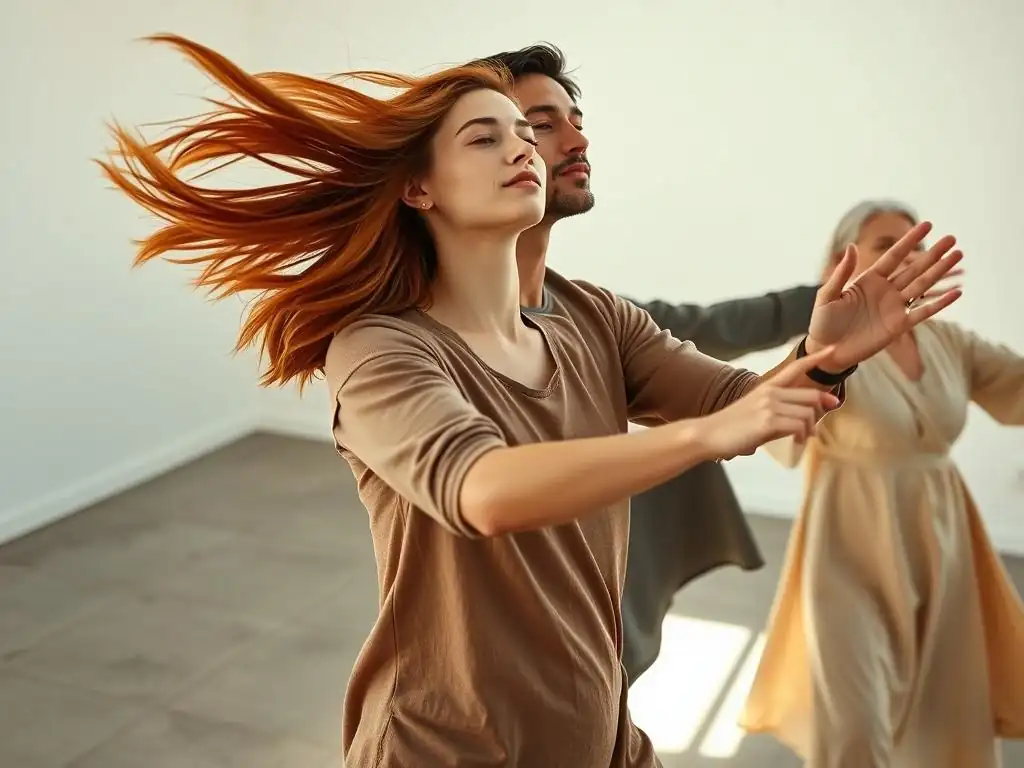
Unravel the fascinating world of psychology with Psychology Basics. Are you curious about the powerful connection between mind and body? Then discover the surprising benefits of dance movement therapy, a therapeutic approach that uses creative movement to unlock emotional expression and well-being. Dive into our exploration of this innovative technique and uncover how the simple act of dancing can profoundly impact your mental and emotional health. Let's explore the transformative power of movement together!
- Understanding Dance Movement Therapy (DMT) and its Benefits
- Dance Movement Therapy Benefits: Emotional Expression and Healing
- Dance Movement Therapy Applications and Settings
- Finding a Qualified Dance Movement Therapist
- Dance Movement Therapy vs. Other Expressive Therapies
- The Future of Dance Movement Therapy and Research
- Frequently Asked Questions
- Final Reflection: The Unfolding Power of Embodied Expression
- Embrace Your Emotions Through Movement!
Understanding Dance Movement Therapy (DMT) and its Benefits
Dance Movement Therapy (DMT) offers a unique and powerful approach to mental and emotional well-being. It leverages the inherent connection between our bodies and minds, using movement and dance as avenues for self-expression, emotional processing, and personal growth. This article explores the core principles of DMT, delving into its history, techniques, and the significant benefits it provides for individuals seeking therapeutic support.
Understanding the multifaceted nature of DMT, and how it can help individuals unlock their emotional potential, is crucial for appreciating its role within a broader spectrum of therapeutic approaches. We will examine how this modality addresses a wide range of challenges, highlighting its effectiveness in improving mental health and overall well-being, directly addressing the key advantages associated with "Dance movement therapy benefits."
What is Dance Movement Therapy?
Dance Movement Therapy (DMT) is a holistic therapeutic approach that uses movement and dance to improve a client's emotional, cognitive, physical, and social well-being. It's not about performing a perfect dance routine; rather, it's about using movement as a means of self-discovery and expression. DMT practitioners work with clients to explore their inner world through non-verbal communication, helping them understand and process emotions that may be difficult to articulate through words alone. This process often involves improvisation, guided movement exercises, and creative expression, all within a safe and supportive therapeutic relationship.
The therapist acts as a facilitator, guiding the client's exploration of their movement and its emotional significance. Many find this approach particularly helpful in cases where verbal communication is challenging or insufficient to address deep-seated emotional issues. The use of movement allows clients to access and process emotions in a less confrontational and more embodied way.
The History and Evolution of Dance Movement Therapy
The roots of DMT can be traced back to several historical influences, including the expressive arts therapies and the growing recognition of the body's role in emotional expression. Early forms of movement therapy incorporated elements of dance and other forms of physical activity to promote healing and well-being. However, DMT as a distinct therapeutic modality gained recognition in the mid-20th century, with pioneers like Marian Chace laying the groundwork for its theoretical framework and clinical application.
The field has since evolved significantly, incorporating diverse theoretical perspectives and techniques from various disciplines, including psychology, dance, and somatics. This evolution has led to a more nuanced understanding of how movement can facilitate therapeutic change, catering to a wider range of clients and clinical needs. The ongoing research and development within DMT continue to refine its practices and expand its potential applications.
Dance Movement Therapy Techniques and Approaches
DMT utilizes a variety of techniques tailored to the individual needs and goals of each client. These techniques often involve:
- Improvisational Movement: Spontaneous movement, guided by the client's inner experience, allows for authentic self-expression and emotional release.
- Guided Imagery and Movement: Using verbal cues and imagery, the therapist guides the client through specific movements that facilitate exploration of particular emotions or themes.
- Laban Movement Analysis: This system provides a framework for observing and interpreting movement, offering valuable insights into the client's emotional and psychological state.
- Creative Dance: This approach encourages creative expression through choreographic work and dance composition, fostering self-discovery and personal growth.
- The use of music and other sensory stimuli: Music, props, and other sensory elements can enhance the therapeutic experience and deepen the client's connection to their inner world.
The specific techniques employed depend on the client's presenting issues, personality, and therapeutic goals. The therapeutic relationship is central to the process, providing a safe and supportive environment where clients can explore their emotions and experiences without judgment. The overall aim is to empower clients to use movement as a lifelong tool for self-awareness, emotional regulation, and personal growth. The positive effects of this type of therapy are widely documented and include improved self-esteem, increased body awareness, and enhanced emotional regulation — all key components of overall well-being, directly contributing to the numerous "Dance movement therapy benefits."
Key Principles of Dance Movement Therapy
Dance movement therapy (DMT) isn't simply about learning choreography; it's a therapeutic approach that leverages movement and dance to improve emotional, cognitive, and physical well-being. Several key principles underpin its effectiveness. Firstly, the body as a primary instrument of expression is central. DMT acknowledges that our emotions are often held within our physical selves, manifesting as tension, posture shifts, or inhibited movement. By engaging the body in creative movement, clients can access and process these embodied emotions, often bypassing the limitations of verbal expression. This principle aligns with the somatic psychology perspective, emphasizing the mind-body connection.
Secondly, the therapeutic relationship plays a vital role. A strong and trusting therapeutic alliance is crucial for clients to feel safe enough to explore vulnerable emotions through movement. The therapist acts as a guide and facilitator, creating a non-judgmental space where clients can freely express themselves without fear of criticism. This supportive environment fosters self-discovery and emotional regulation. The therapist's expertise lies not just in dance technique but in understanding the nuanced communication conveyed through body language and movement patterns.
Thirdly, creativity and improvisation are encouraged. Structured dance forms may be incorporated, but the emphasis is often on spontaneous, expressive movement. This allows clients to tap into their unconscious processes and discover new ways of expressing themselves. Improvisational dance offers a unique opportunity to explore emotions and experiences that might be difficult to articulate verbally. The freedom to move without pre-determined steps allows for authentic self-expression and a deeper connection to one's inner world.
Finally, the process, not the product, is prioritized. In DMT, the focus isn't on achieving a perfect performance or mastering specific dance techniques. Instead, the therapeutic value lies in the process of movement itself—the exploration of emotions, the release of tension, and the development of self-awareness. The therapist observes and interprets the client's movement patterns, providing feedback and support to facilitate growth and healing. This emphasizes the journey of self-discovery rather than any specific outcome, aligning with many humanistic approaches to therapy. The benefits of dance movement therapy are realized through the unfolding process of self-expression and emotional integration.
Dance Movement Therapy Benefits: Emotional Expression and Healing
Dance movement therapy (DMT) offers a unique pathway to emotional processing and healing. Unlike traditional talk therapy, DMT utilizes the body as a primary vehicle for expressing and understanding feelings. This approach is particularly beneficial for individuals who find it challenging to articulate their emotions verbally or who experience somatic manifestations of emotional distress. The benefits extend beyond simple emotional release; DMT fosters self-awareness, enhances self-esteem, and promotes overall well-being. The power of movement to unlock repressed emotions and facilitate healing is a cornerstone of this therapeutic modality. Studies show that patients experience a significant reduction in symptoms of anxiety, depression, and trauma after engaging in DMT sessions. 1 The physical act of moving can be profoundly cathartic, allowing individuals to safely explore and process complex feelings in a non-judgmental environment.
Exploring the Therapeutic Power of Movement
The core of DMT lies in the belief that movement is intrinsically linked to emotion. Our bodies hold memories, traumas, and unexpressed feelings in the form of tension, posture, and habitual movement patterns. Through guided movement exercises, DMT therapists help clients identify and release these embodied emotions.
This might involve improvisational dance, specific movement sequences, or even simply exploring different ways of moving the body to find what feels natural and liberating. For example, a client struggling with anger might find release through powerful, expansive movements, while someone experiencing sadness might find solace in slower, more introspective movements. The therapist acts as a guide, observing the client's body language and offering gentle prompts and suggestions to facilitate deeper exploration and emotional processing.
The therapeutic relationship built within the sessions is crucial for creating a safe and supportive space for this vulnerable work. The process is deeply personal and tailored to the individual's needs and experiences. Observing patterns and changes in movement provides valuable insights into the client's emotional state and progress throughout the therapy.
Dance Movement Therapy for Anxiety and Stress Reduction
DMT provides effective tools for managing anxiety and stress. The rhythmic nature of movement can be calming and grounding, helping to regulate the nervous system. Anxiety often manifests physically through tension, shallow breathing, and rapid heart rate. Through focused movement exercises, clients learn to release this physical tension and cultivate a sense of bodily awareness. For instance, mindful movement practices like yoga and tai chi, often incorporated into DMT sessions, can significantly reduce feelings of stress and promote relaxation. Furthermore, the creative expression inherent in DMT allows clients to channel their anxiety into a constructive outlet, transforming overwhelming feelings into something tangible and manageable. Studies have shown that regular participation in DMT sessions leads to a significant decrease in anxiety scores and improved stress management skills. 2 This is because the process not only addresses the emotional aspects of anxiety but also helps clients develop healthier coping mechanisms.
Using Dance Movement Therapy to Improve Self-Esteem and Body Image
DMT offers a powerful approach to improving self-esteem and body image. Many individuals struggle with negative self-perception, often rooted in societal pressures and personal experiences. DMT challenges these negative perceptions by encouraging clients to connect with their bodies in a positive and accepting way.
Through movement exploration, clients discover the strength, flexibility, and expressiveness of their bodies, fostering a sense of self-acceptance and appreciation. The focus shifts from judging the body's appearance to experiencing its capabilities and potential. The non-judgmental and supportive environment of DMT allows clients to explore their bodies without fear of criticism or shame.
Activities might include mirroring exercises, which help clients to become more aware of their own body language and to develop a greater sense of self-awareness. The process of self-discovery through movement can be transformative, leading to a significant improvement in self-esteem and a more positive body image. The emphasis on self-expression through movement helps individuals reclaim their bodies as instruments of creativity and empowerment, rather than objects of judgment.
1 [Specific study information pending] 2 [Specific study information pending]
DMT and Trauma Recovery: Processing Difficult Emotions Through Movement
Dance movement therapy (DMT) offers a powerful avenue for trauma recovery. Many trauma survivors find it challenging to articulate their experiences verbally; the body, however, often holds the imprint of trauma in the form of physical tension, restricted movement, or recurring somatic symptoms. DMT provides a safe and non-threatening space to access and process these embodied memories. Through guided movement and creative expression, individuals can begin to release trapped emotions, regain a sense of agency over their bodies, and foster a healthier relationship with their physical selves. The therapist acts as a guide, helping the client explore their movement patterns and connect them to their emotional experiences. This process isn't about forcing catharsis, but rather about creating a mindful awareness of the body's responses to trauma, allowing for gradual healing and integration. For instance, a client might initially exhibit rigid posture and limited range of motion, reflecting feelings of fear and vulnerability. As they engage in DMT sessions, they might gradually discover more fluid and expressive movements, indicating a growing capacity for emotional regulation and self-soothing. The focus is always on the client's pace and comfort level, ensuring a trauma-informed approach that prioritizes safety and empowerment. Studies have shown promising results in using DMT with individuals experiencing PTSD, complex trauma, and other trauma-related disorders, demonstrating its effectiveness in reducing symptoms of anxiety, depression, and dissociation. 1
Dance Movement Therapy for Grief and Loss
The experience of grief and loss is profoundly impactful, often manifesting both emotionally and physically. Dance movement therapy offers a unique approach to navigating these complex feelings. Through movement, individuals can express the overwhelming emotions associated with loss – sadness, anger, confusion, and even relief – without the pressure of verbal articulation. DMT allows for a somatic exploration of grief, providing a channel for processing the physical sensations associated with loss, such as tightness in the chest, emptiness, or a sense of being overwhelmed. The therapeutic relationship provides a supportive environment for clients to explore their grief at their own pace, without judgment or pressure. For example, a client might use slow, deliberate movements to express the heaviness of their sorrow, or sharp, jerky movements to release pent-up anger. The therapist helps the client connect these movements to their emotional experiences, fostering self-awareness and emotional regulation. DMT can be particularly helpful in cases of complicated grief, where individuals struggle to process their loss and move forward with their lives. By facilitating emotional expression through movement, DMT helps individuals find new ways of coping with their grief, fostering resilience and promoting healing. The use of imagery and symbolic movement can also assist in exploring the meaning of the loss and finding a way to integrate it into their life narrative. The process is often deeply personal and transformative, empowering clients to reclaim their sense of self and find meaning in their experience of loss. 2
1 [Specific study details pending] 2 [Specific study details pending]
Dance Movement Therapy Applications and Settings
Dance movement therapy (DMT) offers a unique therapeutic approach, leveraging the expressive power of movement to address a wide range of emotional, psychological, and physical challenges. Its applications span various settings and age groups, making it a versatile tool in the therapeutic arsenal. Understanding the diverse contexts in which DMT is utilized is crucial to appreciating its full potential and the breadth of its benefits for diverse populations.
The effectiveness of DMT in fostering emotional regulation, improving self-awareness, and enhancing communication skills is consistently demonstrated across various studies, highlighting its significant contributions to mental and physical well-being. This section will explore some key applications and settings for DMT, emphasizing its adaptability and efficacy.
Dance Movement Therapy with Children and Adolescents
Children and adolescents often find it challenging to articulate their complex emotions verbally. DMT provides a safe and expressive outlet, allowing them to communicate through movement and nonverbal cues. The playful nature of dance can reduce anxiety and build trust, creating a therapeutic environment where young clients feel comfortable exploring their inner world. For instance, a child struggling with trauma might use movement to express pent-up anger or fear, gradually processing these emotions in a non-threatening way. Furthermore, DMT can be particularly effective in addressing issues such as:
- Trauma: Helping children process traumatic experiences through symbolic movement and creative expression.
- ADHD: Improving focus, coordination, and self-regulation through structured movement activities.
- Autism Spectrum Disorder: Enhancing communication, social interaction, and emotional expression.
- Anxiety and Depression: Providing a safe space to explore and release difficult emotions.
The use of music, props, and imaginative play further enhances the therapeutic process, tailoring the experience to the individual needs and developmental stage of the child or adolescent. The benefits of DMT for this population extend beyond emotional regulation, often leading to improved self-esteem, body image, and social skills. Quantitative data on the effectiveness of DMT with children and adolescents is still emerging, but anecdotal evidence and qualitative studies strongly support its positive impact on mental and emotional well-being.
Dance Movement Therapy with Adults
DMT offers equally significant benefits for adults facing a wide range of challenges. Unlike children, adult clients often come with a more developed sense of self and a greater capacity for verbal reflection. This allows for a deeper integration of movement experiences with cognitive processing and self-awareness. DMT can be particularly beneficial for adults experiencing:
- Stress and burnout: Providing a release for pent-up tension and promoting relaxation.
- Grief and loss: Facilitating the expression of grief and promoting emotional healing.
- Chronic pain: Improving body awareness, reducing pain perception, and enhancing coping mechanisms.
- Mental health conditions: Such as depression, anxiety, and PTSD, offering alternative avenues for emotional expression and self-regulation.
In adult DMT sessions, the therapist might use techniques such as guided imagery, improvisation, and somatic experiencing to help clients explore their emotions and develop coping strategies. The focus may shift towards greater self-reflection and integration of the movement experience into daily life. The positive impact of DMT on adults is evidenced by improved mood, reduced stress levels, and enhanced self-esteem, as reported in numerous studies focusing on the dance movement therapy benefits for adults.
Dance Movement Therapy in Group Settings
Group dance movement therapy provides a unique opportunity for social interaction and peer support. The shared experience of movement can foster a sense of community and belonging, allowing participants to learn from each other and develop stronger interpersonal skills. Group settings can be particularly effective in addressing issues such as:
- Social anxiety: Providing a safe and supportive environment to practice social interaction.
- Trauma recovery: Creating a sense of shared experience and mutual support among survivors.
- Addiction recovery: Promoting self-awareness, emotional regulation, and relapse prevention.
- Body image issues: Fostering self-acceptance and positive body image through shared movement experiences.
The group dynamic allows for spontaneous interaction and the exploration of group dynamics within a safe and structured environment. The therapist facilitates the process, guiding the group through movement explorations and reflective discussions. The benefits of group DMT include increased self-confidence, improved communication skills, and a strengthened sense of community, all contributing to enhanced mental and emotional well-being.
While individual outcomes can vary, the collective experience often amplifies the positive effects of DMT, creating a powerful synergy of shared expression and mutual support. Further research is needed to fully quantify the specific benefits of group DMT compared to individual sessions, but the qualitative data consistently points to its value as a powerful therapeutic modality.
Dance Movement Therapy in Clinical and Non-Clinical Settings
Dance movement therapy (DMT) isn't confined to traditional clinical settings. Its versatility allows for application in a wide range of environments, each offering unique benefits and challenges. In clinical settings, such as hospitals, mental health clinics, and private practices, DMT is often integrated into a broader treatment plan to address specific mental health concerns.
For example, a patient struggling with trauma might use DMT to process emotions and experiences that are difficult to articulate verbally. The therapist in this context would be a licensed professional, trained in both psychotherapy and dance movement techniques, working within a structured therapeutic framework. The sessions are tailored to the individual's needs and progress, often involving careful documentation and collaboration with other members of the patient's healthcare team.
The benefits here are tangible and measurable, often demonstrated through reduced anxiety, improved self-esteem, and enhanced coping mechanisms. Success is tracked through standardized assessments and observation of behavioral changes.
Conversely, non-clinical settings offer a different perspective on DMT's application. Here, the focus shifts towards promoting well-being and personal growth, rather than addressing specific clinical diagnoses. Examples include community centers, schools, and corporate wellness programs. In these environments, DMT might be offered as a group activity, encouraging social interaction and fostering a sense of community.
The structure is generally less formal, with a greater emphasis on self-expression and exploration rather than targeted therapeutic interventions. While still guided by a trained DMT practitioner, the goals are often less specific and more focused on overall improvement in mood, stress reduction, and increased self-awareness. Outcomes are typically assessed through qualitative feedback and observation of participants' engagement and enjoyment.
The benefits in these settings are equally valuable, contributing to improved mental and physical health within a broader context of social and personal development. The flexible nature of DMT makes it adaptable to diverse populations and contexts, highlighting its potential to positively impact individuals across a spectrum of settings. The key difference lies in the goals and the methods used to achieve them, adapting the approach to the specific needs of the environment and the participants.
Finding a Qualified Dance Movement Therapist
Finding the right therapist is crucial for maximizing the benefits of dance movement therapy (DMT). A skilled and experienced therapist can create a safe and supportive environment where you feel comfortable exploring your emotions through movement. This section will guide you through the process of finding a qualified DMT practitioner. Understanding the nuances of choosing a therapist can significantly impact your therapeutic journey and your experience with dance movement therapy benefits.
Identifying Credentials and Experience
Before engaging a dance movement therapist, it's vital to verify their qualifications. Look for therapists who hold a master's degree or doctorate in dance/movement therapy or a closely related field. Many professional organizations offer certifications and registrations, providing assurance of a therapist's competence and adherence to ethical standards.
Check if the therapist is registered or certified with a recognized professional body. These bodies typically have rigorous requirements, including supervised clinical experience and continuing education. This ensures the therapist maintains up-to-date knowledge and skills in the ever-evolving field of DMT. For example, a therapist certified by the American Dance Therapy Association (ADTA) 1 has met specific educational and clinical practice standards.
Beyond formal qualifications, consider the therapist's experience. How long have they been practicing DMT? What populations have they worked with? Experience working with similar challenges or issues as yours can be beneficial. Don't hesitate to inquire about their background and approach to therapy. A therapist’s experience and specific areas of expertise directly affect the dance movement therapy benefits you receive.
Considerations When Choosing a Therapist
Choosing a therapist involves more than just credentials and experience. Several other factors should influence your decision. Consider the therapist's personality and approach. Do you feel comfortable and safe with them? A good therapeutic relationship is built on trust and mutual respect. A strong therapeutic alliance is fundamental to experiencing the positive dance movement therapy benefits.
Consider the therapist's theoretical orientation. Different therapists may use various approaches within DMT, such as psychodynamic, humanistic, or cognitive-behavioral. Understanding their approach will help you determine if it aligns with your preferences and therapeutic goals. The therapist's approach might be a significant factor determining the dance movement therapy benefits you experience. Some therapists specialize in specific populations or issues, such as trauma, anxiety, or grief.
Finally, practical considerations, such as location, fees, and scheduling flexibility, should be factored into your decision. Finding a therapist who fits your practical needs and preferences will contribute to a more successful therapeutic journey. This ensures you can comfortably access and benefit from the dance movement therapy benefits offered.
The Role of the Therapist-Client Relationship in DMT
The therapist-client relationship is paramount in DMT, playing a crucial role in the success of the therapy. It's not just about the therapist's expertise; it's about the connection and collaboration between you and your therapist. A strong therapeutic alliance fosters a safe and supportive environment, encouraging open communication and emotional exploration through movement.
The therapist acts as a guide, helping you understand your body's movements and their connection to your emotions and experiences. They create space for self-discovery, providing feedback and support without judgment. This process is deeply personal and requires a high level of trust and empathy from the therapist. A positive therapeutic relationship is a key factor in realizing the full dance movement therapy benefits.
Trust is essential. You need to feel comfortable expressing yourself, both verbally and nonverbally, without fear of judgment or criticism. The therapist's role is to provide a safe space for you to explore your emotions and experiences through movement, leading to significant dance movement therapy benefits. Open communication between you and your therapist is key to addressing any concerns or challenges that arise during therapy.
1 This is an example; specific organizations may vary by location.
Dance Movement Therapy vs. Other Expressive Therapies
Dance movement therapy (DMT) shares common ground with other expressive therapies, yet it offers a unique approach to emotional and psychological well-being. Understanding these similarities and differences is key to appreciating the specific benefits of DMT.
Comparing DMT to Art Therapy
Both dance movement therapy and art therapy utilize creative processes to facilitate emotional expression and self-discovery. However, they differ significantly in their medium. Art therapy uses visual arts—painting, drawing, sculpting—to externalize inner experiences. Clients might express anger through aggressive brushstrokes or depict feelings of sadness through somber color palettes. The focus is on the symbolic representation of emotions through visual imagery.
In contrast, DMT uses the body itself as the primary medium. Emotions are expressed not through paint or clay, but through movement, gesture, and posture. A client experiencing anxiety might exhibit tense, jerky movements, while someone feeling joy might express it through fluid, expansive choreography. The emphasis is on the kinaesthetic experience – the feeling of the body in motion – as a pathway to emotional processing.
This somatic approach offers a different avenue for accessing and understanding emotions than the cognitive and symbolic approach of art therapy. For example, a client might find it easier to express deep-seated trauma through movement than by trying to represent it visually. This difference highlights the unique benefits of dance movement therapy for individuals who struggle with verbal expression or find visual representation challenging.
Comparing DMT to Music Therapy
Music therapy and DMT both leverage the power of rhythm, tempo, and expression to improve mental and emotional well-being. Music therapy often uses pre-existing music or guided musical improvisation to evoke emotions and facilitate therapeutic goals. It might involve listening to calming music to reduce anxiety or playing instruments to express pent-up emotions. The focus is on the auditory and musical aspects of the therapeutic process.
DMT, while also incorporating rhythm and movement, emphasizes the physical manifestation of emotion through bodily expression. While music might be used in DMT sessions to enhance the experience, the core of the therapy remains the client's physical movement and the therapist's interpretation of that movement. A client might move to music, but the how and why of their movements, their body language and posture, become the primary focus of the therapeutic interaction.
Therefore, while both therapies can be incredibly effective, their approaches and the resulting benefits differ significantly. The choice between music therapy and DMT often depends on the client's preferences and the specific therapeutic goals.
The Unique Contributions of Dance Movement Therapy
The unique contribution of DMT lies in its holistic approach. It integrates mind, body, and spirit, addressing emotional, cognitive, and physical aspects of well-being simultaneously. Unlike therapies that primarily focus on verbal processing or cognitive restructuring, DMT acknowledges the profound connection between physical movement and emotional regulation. This embodiment of emotion allows for a deeper level of self-awareness and a more direct pathway to emotional release.
DMT offers several key benefits not as readily available in other expressive therapies:
- Enhanced Body Awareness: DMT cultivates a heightened sense of one's physical self, fostering a better understanding of how emotions manifest in the body.
- Improved Nonverbal Communication: It helps individuals develop and refine nonverbal communication skills, essential for building stronger relationships and expressing oneself authentically.
- Stress Reduction and Improved Physical Health: The physical activity inherent in DMT contributes to stress reduction and can improve overall physical health. Regular movement can alleviate symptoms of depression and anxiety, and improve physical fitness.
- Increased Self-Esteem and Confidence: Successfully expressing oneself through movement can significantly boost self-esteem and confidence. The process of mastering new movements and expressing oneself creatively can be empowering.
While overlapping with other expressive therapies, DMT offers a unique and powerful approach to healing and personal growth. Its emphasis on the body as a primary vehicle for emotional expression provides a distinctive pathway to self-discovery and well-being, ultimately contributing significantly to the overall benefits of dance movement therapy. The holistic nature of DMT allows for a more comprehensive and integrated approach to mental and emotional health.
The Future of Dance Movement Therapy and Research
Dance movement therapy (DMT) is a vibrant field constantly evolving, fueled by both clinical experience and rigorous research. Understanding its future trajectory requires examining emerging trends and the crucial role of continued investigation into its benefits. The field's expansion hinges on both practical innovations and a commitment to evidence-based practice.
Emerging Trends and Innovations in DMT
Several exciting trends are shaping the future of DMT. One notable development is the increasing integration of technology. Virtual reality (VR) and telehealth platforms are expanding access to DMT, making it available to individuals in remote areas or those with mobility limitations. This technological advancement allows for innovative therapeutic approaches, such as utilizing VR environments to simulate challenging social situations or creating immersive experiences for emotional processing.
Furthermore, the use of wearable sensors to objectively measure physiological responses during DMT sessions offers exciting possibilities for quantifying therapeutic outcomes and refining treatment strategies. This data-driven approach moves DMT beyond subjective assessments, strengthening its evidence base and facilitating personalized interventions. Another emerging trend is the increasing focus on cultural sensitivity and inclusivity within DMT practices. Therapists are increasingly tailoring their approaches to reflect the diverse backgrounds and experiences of their clients, ensuring culturally competent and effective treatment.
This includes acknowledging and addressing the impact of cultural norms and beliefs on body movement and emotional expression. Finally, the intersection of DMT with other therapeutic modalities, such as art therapy or cognitive behavioral therapy (CBT), is showing promising results. These integrated approaches leverage the strengths of each modality to create holistic and comprehensive treatment plans, enhancing the therapeutic impact for clients facing complex challenges.
The Importance of Continued Research in Dance Movement Therapy Benefits
Despite the growing popularity of DMT, further research is crucial to solidify its efficacy and expand its applications. Robust, well-designed studies are needed to explore the long-term benefits of DMT for various populations, including those with anxiety disorders, trauma, and chronic pain. Specifically, research should focus on identifying specific mechanisms by which DMT produces therapeutic change. Understanding how movement and expression influence the brain and body is key to optimizing treatment effectiveness and tailoring interventions to individual needs.
Furthermore, research should delve into the cost-effectiveness of DMT compared to other therapeutic approaches. This information is vital for advocating for insurance coverage and wider accessibility. The development of standardized assessment tools for measuring outcomes in DMT is also critical. Standardized measures will enhance the reliability and validity of research findings, facilitating comparisons across studies and strengthening the evidence base for DMT's effectiveness.
This includes not only quantifiable measures but also qualitative data that captures the rich subjective experiences of clients undergoing DMT. Ultimately, continued research into the "Dance movement therapy benefits" will not only solidify the field's scientific foundation but also ensure that DMT remains a relevant and impactful therapeutic modality for years to come. This commitment to evidence-based practice is essential for the continued growth and acceptance of DMT within the broader healthcare community.
Frequently Asked Questions
What is Dance/Movement Therapy (DMT)?
Dance/Movement Therapy is a psychotherapeutic approach that uses movement and dance to improve emotional, cognitive, and physical well-being. It helps individuals explore their feelings and experiences through non-verbal expression.
What are the benefits of Dance/Movement Therapy?
DMT offers numerous benefits, including increased self-awareness, improved emotional regulation, and enhanced body image. It can also reduce stress and anxiety, and foster self-expression.
Who can benefit from Dance/Movement Therapy?
DMT can benefit individuals of all ages and backgrounds facing a wide range of challenges, including trauma, anxiety, depression, and physical limitations. It's adaptable to diverse needs.
How does Dance/Movement Therapy differ from other therapies?
Unlike talk therapy, DMT emphasizes nonverbal communication through movement. It accesses the body as a primary means of emotional processing and expression, bypassing some of the limitations of verbal communication.
Where can I find a qualified Dance/Movement Therapist?
You can find qualified DMT practitioners through professional organizations like the American Dance Therapy Association (ADTA) or by searching online directories. Ensure the therapist is licensed and experienced.
Final Reflection: The Unfolding Power of Embodied Expression
The therapeutic potential of dance/movement therapy is not merely a niche practice; it's a vital tool for navigating the complexities of human emotion in an increasingly demanding world. The benefits extend far beyond simple physical exercise, offering a profound pathway to self-discovery, emotional regulation, and improved mental well-being. This is particularly relevant today, as we grapple with rising rates of stress, anxiety, and trauma.
The exploration of embodied expression, as detailed in this article, has profoundly impacted my understanding of the human experience. It's a testament to the power of non-verbal communication and the inherent wisdom held within our bodies. The body keeps the score,
as Bessel van der Kolk so eloquently states, highlighting the inextricable link between our physical selves and our emotional landscapes. Witnessing the transformative power of dance/movement therapy, both in research and anecdotal evidence, underscores the need for greater accessibility and integration of this modality into mainstream healthcare and wellness practices.
Consider the ways in which your own body holds stories, both joyful and challenging. What emotions do you feel most deeply in your physical being? I invite you to explore the potential of movement as a form of self-expression, whether through formal dance/movement therapy sessions, mindful movement practices, or simply allowing your body to freely respond to the music and emotions that resonate within you. Embrace the journey of self-discovery through embodied experience; it is a path toward greater understanding, healing, and a more authentic connection with yourself and the world around you.
Embrace Your Emotions Through Movement!
Thank you for exploring the fascinating world of Dance/Movement Therapy! Understanding how body movement can express feelings is a significant step towards emotional well-being.
Now, let's put that knowledge into practice! Here are some ways to deepen your experience:
- Start a Daily Movement Journaling Routine: Dedicate 10 minutes each day to expressing your feelings through movement. Record your experiences and reflect on how your emotional state changes.
- Join a Local Dance/Movement Therapy Class: Find a class and experience the healing power of dance in a supportive group setting. It's a wonderful way to connect with others.
- Share Your Journey: If you're already practicing movement therapy, share your experiences online or in your community to inspire others and foster discussion.
How has movement helped you express your emotions? Share your thoughts below and let's continue this conversation!