
The Iterative Nature of Experimental Design in Psychology

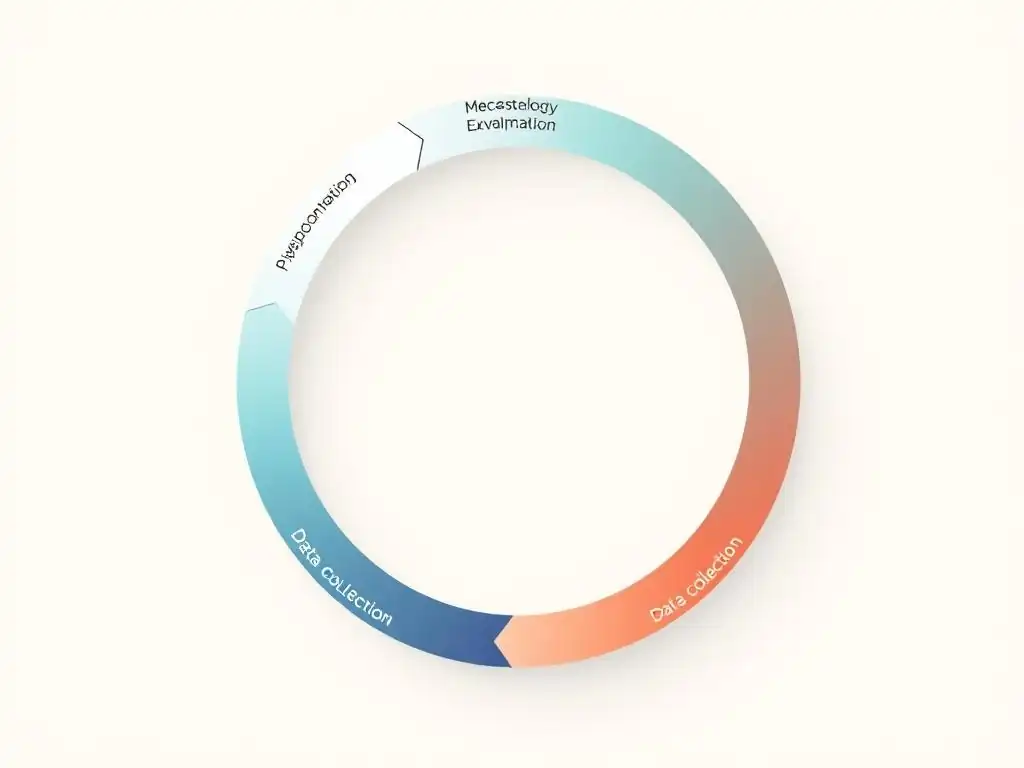
Welcome to Psychology Basics, your gateway to understanding the fascinating world of human behavior. Are you curious about the intricate process behind groundbreaking psychological discoveries? Then delve into the Psychology experiment design process, a journey that's far more iterative and nuanced than you might imagine. Our exploration of the Iterative Nature of Experimental Design in Psychology will reveal the secrets behind crafting robust and insightful experiments—prepare to be surprised by what unfolds. Let's unlock the mysteries of the mind, together.
- Understanding the Psychology Experiment Design Process: A Cyclical Approach
- Refining Your Psychology Experiment Design: The Iterative Cycle
- The Importance of Iteration in Psychology Experiment Design
- Illustrative Example: Iterative Design in a Memory Experiment
-
Frequently Asked Questions
- What is the core idea behind "The Iterative Nature of Experimental Design in Psychology"?
- Why is iteration important in psychology experiment design?
- What are some examples of iterative steps in a psychology experiment?
- How does the iterative process contribute to better research outcomes?
- Where can I learn more about designing psychology experiments?
- Final Reflection: The Ever-Evolving Landscape of Psychological Experimentation
- Embrace the Power of Iteration in Psychology!
Understanding the Psychology Experiment Design Process: A Cyclical Approach
The design of a psychology experiment is not a linear process; it's iterative and cyclical. Successfully navigating the nuances of experimental design requires a flexible approach, acknowledging that adjustments and refinements are often necessary throughout the research journey. This article will guide you through the key stages involved in designing a psychology experiment, emphasizing the iterative nature of each step and how they inform and refine one another.
Understanding this cyclical process is crucial for conducting rigorous and meaningful psychological research. We will explore the iterative nature of defining your research question, formulating hypotheses, and choosing your research design, highlighting the importance of continuous evaluation and adjustment throughout the experiment’s lifecycle. Mastering the psychology experiment design process is key to producing high-quality, impactful psychological research, and this guide aims to provide a solid foundation for aspiring researchers.
This iterative approach helps minimize bias, maximize the validity of your findings, and ultimately contribute to a more robust understanding of human behavior. We'll delve into specific examples to illustrate how these stages interact and influence each other, emphasizing the importance of flexibility and critical thinking throughout the process.
Defining Your Research Question in Psychology Experiment Design
The initial step in designing any psychology experiment is formulating a clear and concise research question. This seemingly straightforward step often requires significant refinement. Your initial question may be broad and require narrowing down through literature reviews and pilot studies. For instance, a broad question like "How does stress affect memory?" needs further specification.
Is it acute or chronic stress? What type of memory is being assessed (e.g., short-term, long-term, working memory)? What population is being studied? The iterative process involves continually refining your question based on feasibility, available resources, and the existing literature.
This iterative refinement might involve several cycles of brainstorming, literature review, and consultation with mentors or peers. The final research question should be specific, measurable, achievable, relevant, and time-bound (SMART). A refined question might be: "How does acute stress, induced by a public speaking task, affect the working memory performance of undergraduate students?" This iterative process ensures that the research question is focused, manageable, and directly addresses a gap in the existing knowledge.
Formulating Hypotheses: Testable Predictions in Psychology Experiments
Once your research question is refined, you formulate testable hypotheses. A hypothesis is a specific, falsifiable prediction about the relationship between variables. This stage also involves iteration.
Your initial hypotheses might be based on preliminary observations or existing theories, but they often need revision based on pilot studies or unexpected results. For example, if your initial hypothesis predicts a positive correlation between stress and impaired working memory, a pilot study might reveal a more nuanced relationship, perhaps showing that only certain types of stress negatively impact working memory, while others have no effect, or even a positive effect. This would necessitate revising your hypothesis to reflect this more complex relationship.
The iterative nature of hypothesis formulation ensures that your predictions are grounded in empirical evidence and are not overly simplistic. This process often involves back-and-forth between reviewing the literature, conducting pilot tests, and adjusting predictions until they are both specific and testable. The goal is to create hypotheses that are both precise and realistic, guiding the design and interpretation of the experiment.
Choosing Your Research Design: Experimental vs. Quasi-Experimental
Selecting the appropriate research design is another crucial iterative step. The choice between experimental and quasi-experimental designs depends on the research question, available resources, and ethical considerations. An experimental design involves random assignment to conditions, allowing for stronger causal inferences. However, random assignment might not always be feasible or ethical.
A quasi-experimental design, lacking random assignment, may be necessary. The iterative process here involves evaluating the strengths and limitations of each design in relation to your specific research question and context. For example, if your research question involves studying the effects of a new teaching method on student performance, a true experimental design might be preferred if feasible.
However, if you are studying the effects of a pre-existing school policy on student achievement, a quasi-experimental design, comparing students in schools with and without the policy, might be more appropriate. The iterative process might involve exploring different design variations within experimental or quasi-experimental frameworks to optimize the study's ability to answer the research question while addressing potential confounding variables. This stage requires careful consideration of internal and external validity to ensure the results are both reliable and generalizable.
Refining Your Psychology Experiment Design: The Iterative Cycle

The process of designing a psychology experiment is rarely linear. Instead, it's an iterative cycle of planning, testing, analyzing, and refining. This iterative approach, central to the psychology experiment design process, allows researchers to progressively improve their methodology and enhance the validity and reliability of their findings.
Understanding this cyclical nature is crucial for conducting robust and meaningful psychological research. The iterative process ensures that potential flaws are identified and addressed early on, preventing wasted resources and ultimately leading to more impactful results. Consider it a continuous feedback loop, constantly improving the experiment's design based on the gathered data and identified limitations.
Pilot Testing and Data Collection: Initial Steps in Psychology Experiment Design Process
Before launching a full-scale study, conducting a pilot test is paramount. A pilot study is a smaller-scale version of your main experiment, designed to identify potential problems with your methodology before investing significant time and resources. This crucial step in the psychology experiment design process allows you to test your procedures, materials, and data collection methods. For instance, you might discover that your instructions are unclear, your questionnaire is too lengthy, or your experimental manipulation isn't having the intended effect.
Pilot testing provides invaluable feedback. Consider a study investigating the effect of background music on memory recall. A pilot test might reveal that the chosen music is too distracting, leading participants to perform poorly regardless of the experimental manipulation. This allows you to adjust the music selection or even reconsider the entire experimental design before committing to a larger sample size.
Data collected during the pilot phase, even if preliminary, offers insights into potential issues and helps refine data collection techniques for improved accuracy and efficiency. Analyzing this initial data allows for a more streamlined and effective main study. The iterative nature of the psychology experiment design process is clearly demonstrated here; pilot testing informs subsequent refinements.
Data Analysis and Interpretation: Insights from Preliminary Data
Analyzing data from the pilot study is critical for informing subsequent iterations of the experiment. This analysis doesn't necessarily need to be as rigorous as the final analysis, but it should provide enough information to identify trends, inconsistencies, and potential problems. For example, unexpectedly high variability in the pilot data might suggest a need for more precise control over extraneous variables in the main study. Or, a lack of significant difference between experimental groups might indicate a need to strengthen the experimental manipulation.
The goal is not necessarily to draw definitive conclusions from the pilot data but to identify areas for improvement. Statistical analysis, even basic descriptive statistics, can help to highlight these areas. For example, examining the standard deviation can reveal the variability in responses, and simple t-tests might indicate early signs of significant differences (or lack thereof) between experimental conditions.
This iterative process, a cornerstone of the psychology experiment design process, allows for a more focused and efficient approach to the main study. The insights gained from this preliminary analysis are then fed back into the experimental design, leading to a more refined and robust methodology.
Refining Your Methodology: Addressing Limitations in Psychology Experiment Design
Based on the pilot test data and analysis, researchers should refine their methodology. This might involve modifying the experimental procedure, improving the materials, changing the sampling method, or even completely rethinking the experimental design. This iterative refinement is crucial to the psychology experiment design process. For instance, if the pilot study reveals that participants are easily guessing the hypothesis, the researcher might employ deception techniques or blind procedures to mitigate this bias.
Addressing limitations identified in the pilot phase ensures a more rigorous and credible final experiment. This cycle of refinement continues until the researcher is satisfied with the robustness and validity of the design. This may involve several iterations of pilot testing, data analysis, and methodological adjustments.
The iterative nature of this process ensures that the final experiment is well-designed, minimizing potential biases and maximizing the chances of obtaining meaningful and reliable results. The emphasis on iterative refinement is what separates a well-designed psychology experiment from one that is prone to error and misinterpretation. The psychology experiment design process is inherently iterative, constantly striving for improvement.
Iterative Refinement: Revising Hypotheses and Procedures
The process of designing a psychology experiment is rarely linear. Initial hypotheses and procedures often require significant refinement based on preliminary data, unexpected results, or even unforeseen challenges encountered during the study's execution. This iterative refinement is crucial for ensuring the validity and reliability of the findings. It's not a sign of failure but a hallmark of rigorous scientific inquiry. Think of it like sculpting; you start with a rough idea, and through successive adjustments and refinements, you arrive at a more precise and meaningful result.
Consider a study investigating the effects of sleep deprivation on cognitive performance. The initial hypothesis might posit a linear relationship: more sleep deprivation leads to poorer performance on a specific cognitive task (e.g., a reaction time test). However, preliminary data might reveal a non-linear relationship, perhaps showing a sharp decline in performance after a certain threshold of sleep deprivation, followed by a plateau.
This unexpected finding necessitates a revision of the initial hypothesis, perhaps incorporating a threshold effect or considering other mediating factors. The experimental procedures might also need adjustments; for example, the researchers might need to include more data points around the suspected threshold or add measures of other relevant variables like stress levels or individual differences in sleep patterns.
Another example could involve a study exploring the effectiveness of a new therapeutic intervention. Initial results might be inconclusive or even suggest a negative effect, contrary to the initial hypothesis. This doesn't automatically invalidate the intervention. It prompts a critical review of the methodology: Were the participants adequately sampled?
Were the control conditions appropriately matched? Were the measures of therapeutic success appropriately chosen and implemented? The iterative process would involve revisiting the experimental design, potentially refining the intervention itself, adjusting the participant selection criteria, or modifying the assessment tools to better capture the intended outcome. The revised study might then yield more conclusive and meaningful results.
This iterative nature underscores the importance of flexibility and adaptability in psychological research. Researchers should be prepared to adjust their hypotheses and procedures based on emerging evidence, acknowledging that the initial design is merely a starting point, not a rigid blueprint. This iterative approach, while demanding, ultimately leads to more robust and nuanced understanding of the phenomena under investigation. The process of refining your psychology experiment design is a continuous cycle of learning and adaptation, ultimately leading to more reliable and valid conclusions. It's a testament to the scientific method's ability to self-correct and improve over time.
The Importance of Iteration in Psychology Experiment Design

The iterative nature of psychology experiment design is crucial for generating robust and reliable findings. Unlike other scientific fields where a single, meticulously planned experiment might suffice, psychological research often requires a cyclical process of design, execution, analysis, and refinement. This iterative approach acknowledges the inherent complexities of human behavior and the limitations of initial hypotheses. The "Psychology experiment design process" isn't linear; it's a continuous feedback loop that allows researchers to progressively improve their understanding of the phenomenon under investigation.
This iterative process directly impacts the validity and reliability of the research, leading to more nuanced and impactful conclusions. Ignoring this iterative aspect risks producing flawed studies with limited generalizability and potentially misleading interpretations. The iterative process, therefore, is not just a methodological preference but a necessity for producing high-quality psychological research.
Enhancing Internal Validity: Controlling for Confounding Variables
Internal validity refers to the confidence that the observed effects are genuinely due to the manipulated independent variable and not to extraneous factors. In iterative design, controlling for confounding variables is a key element. For example, imagine a study investigating the effect of a new therapy on anxiety levels. The initial design might overlook the influence of participants' pre-existing coping mechanisms.
After the first iteration, analysis might reveal a significant correlation between coping skills and treatment response. This insight informs the next iteration, where researchers might incorporate a measure of coping skills as a control variable or stratify participants based on their coping mechanisms. This iterative refinement directly addresses potential threats to internal validity, leading to a more accurate assessment of the treatment's effectiveness.
The process continues until researchers are confident that the observed effects are primarily attributable to the independent variable, minimizing the influence of confounding factors. This iterative approach to controlling confounding variables significantly strengthens the internal validity of the study, making the results more trustworthy and less susceptible to alternative explanations. Careful observation and data analysis at each stage are crucial for this enhancement.
Improving External Validity: Generalizability of Findings
External validity concerns the extent to which the findings can be generalized to other populations, settings, and times. Iteration plays a significant role in enhancing external validity. An initial study might focus on a specific sample, such as college students. Analysis of the first iteration might reveal limitations in generalizing the findings to older adults.
Subsequent iterations could then involve recruiting a more diverse sample, including older adults or individuals from different socioeconomic backgrounds. Furthermore, the initial study might be conducted in a highly controlled laboratory setting. Later iterations could replicate the study in more naturalistic environments, such as schools or community centers.
This iterative process of expanding the sample and modifying the setting improves the generalizability of the findings, increasing their practical significance and applicability. By systematically addressing limitations in external validity across multiple iterations, researchers can build a more comprehensive understanding of the phenomenon and its relevance beyond the initial experimental context. The iterative approach ensures that the conclusions drawn are more robust and less susceptible to criticisms regarding their limited applicability.
Ethical Considerations in Iterative Psychology Experiment Design
Ethical considerations are paramount throughout the iterative psychology experiment design process. Each iteration presents opportunities to refine procedures to minimize risks and maximize benefits for participants. For example, an initial study might reveal unexpected levels of participant distress.
Ethical review boards (ERBs) play a crucial role in monitoring the ethical implications of each iteration, ensuring that participant well-being is prioritized. Subsequent iterations would then incorporate modifications to reduce distress, such as providing more detailed informed consent information or offering additional support resources. This iterative process of ethical review and refinement guarantees that the research is conducted responsibly and ethically, protecting the rights and welfare of participants.
Moreover, iterative design allows for the incorporation of new ethical guidelines and best practices as they emerge in the field. Continuous ethical reflection throughout the research process is not merely a compliance issue; it is an integral part of responsible scientific conduct. The iterative process, therefore, is a crucial mechanism for ensuring the ethical integrity of psychological research.
Illustrative Example: Iterative Design in a Memory Experiment
This section details the iterative process of designing a psychology experiment, focusing on a memory study. We'll demonstrate how initial assumptions, pilot testing, and subsequent revisions are crucial for refining the experimental design and obtaining reliable, meaningful results. This iterative approach is central to the psychology experiment design process, ensuring robustness and validity.
Initial Design: A Simple Memory Recall Task
Our initial hypothesis was that exposure to emotionally evocative imagery would improve long-term memory recall compared to neutral imagery. The initial design involved:
- Participants: 50 undergraduate students (25 assigned to each condition).
- Materials: 20 images – 10 emotionally evocative (e.g., images depicting natural disasters, intense interpersonal interactions) and 10 neutral (e.g., landscapes, inanimate objects).
- Procedure: Participants viewed each image for 10 seconds. After a 20-minute distraction task (solving simple arithmetic problems), they were asked to recall as many images as possible. Recall accuracy was the primary dependent variable.
This seemingly straightforward design, while conceptually sound, lacked crucial controls and considerations that became apparent during the pilot study phase. The initial design prioritized simplicity over rigorous control, a common pitfall in the early stages of the psychology experiment design process.
Pilot Study Results and Refinements
The pilot study, conducted with a smaller sample of 10 participants, revealed several limitations:
- Recall Bias: Participants in both groups exhibited a recall bias towards emotionally charged images, regardless of the condition. This suggested a confounding variable – inherent biases in image memorability – needed addressing.
- Distraction Task Efficacy: The arithmetic task proved too simple, potentially failing to adequately disrupt memory consolidation. Participants reported minimal difficulty, suggesting it didn't sufficiently interfere with memory encoding and retrieval.
- Image Selection: Some images, even within the "neutral" category, evoked subtle emotional responses from participants. This highlighted the need for more rigorous image pre-testing to ensure consistent emotional valence across conditions.
These pilot study findings underscored the importance of iterative design. The initial design, while seemingly logical, failed to account for unforeseen variables and limitations. The psychology experiment design process necessitates this iterative approach for refinement.
Revised Design and Final Results: Improvements in Psychology Experiment Design Process
Based on the pilot study's feedback, the experimental design underwent significant revisions:
| Feature | Initial Design | Revised Design |
|---|---|---|
| Participants | 50 undergraduate students | 100 undergraduate students (matched for age and gender across conditions) |
| Materials | 20 images (10 evocative, 10 neutral) | 40 images (20 evocative, 20 neutral), pre-tested for emotional valence |
| Procedure | 10-second exposure, 20-minute arithmetic task | 10-second exposure, 45-minute complex problem-solving task |
| Control | None | Inclusion of a control group viewing only neutral images (no distraction task) |
The revised design incorporated:
- A larger, more diverse sample.
- Rigorously pre-tested images to ensure consistent emotional impact.
- A more demanding distraction task to effectively disrupt memory consolidation.
- A control group to isolate the effect of the distraction task.
The final results, after analyzing data from the revised experiment, showed a statistically significant difference in recall accuracy between the emotionally evocative and neutral image groups only in the experimental group with the distraction task. This demonstrated the importance of the iterative approach in the psychology experiment design process, leading to a more robust and valid conclusion. The initial design, had it not been iteratively refined, might have yielded misleading or inconclusive results. This highlights the crucial role of pilot studies and iterative refinement in the overall psychology experiment design process.
Frequently Asked Questions
What is the core idea behind "The Iterative Nature of Experimental Design in Psychology"?
The article emphasizes that psychological experiment design isn't linear. It's an iterative process, involving repeated cycles of planning, conducting, analyzing, and refining the study based on the results. This allows for continuous improvement and stronger conclusions.
Why is iteration important in psychology experiment design?
Iteration allows researchers to address limitations discovered during earlier stages. This leads to more robust and reliable results, minimizing biases and increasing the overall validity of the findings. It's crucial for producing high-quality research.
What are some examples of iterative steps in a psychology experiment?
Examples include pilot testing to identify flaws in the methodology, revising the materials based on participant feedback, and adjusting the analysis plan after examining preliminary data. The entire process is a continuous cycle of refinement.
How does the iterative process contribute to better research outcomes?
By incorporating feedback and addressing limitations throughout the process, the iterative approach leads to more precise measurements, stronger causal inferences, and a greater understanding of the psychological phenomenon under investigation.
Where can I learn more about designing psychology experiments?
The Psychology Basics website offers further resources on experimental design, including articles and guides. You can also consult academic textbooks and explore relevant research articles to deepen your understanding.
Final Reflection: The Ever-Evolving Landscape of Psychological Experimentation
The iterative nature of experimental design in psychology isn't just a methodological quirk; it's the very heartbeat of scientific progress in understanding the human mind. Our understanding of complex human behavior is constantly evolving, and the iterative process, with its inherent flexibility and capacity for refinement, is crucial for navigating this intricate landscape. This continuous cycle of hypothesis testing, data analysis, and refinement allows us to approach ever closer to a more nuanced and accurate picture of psychological phenomena.
The impact of this iterative approach extends far beyond the confines of the laboratory. It has shaped our understanding of everything from cognitive biases to therapeutic interventions. The very act of questioning our assumptions and refining our methods reflects a commitment to intellectual honesty and a pursuit of truth. The scientist is a persistent doubter, always questioning, always experimenting, always searching for a better understanding.
This quote encapsulates the spirit of iterative design, highlighting the ongoing nature of scientific inquiry and the importance of continuous improvement in our understanding of the human condition.
Consider the implications of this iterative process in your own life. Are you willing to embrace a similar approach to your own personal growth and understanding? Challenge your assumptions, refine your strategies, and learn from your mistakes. Just as a psychologist refines their experimental design based on data, you too can refine your approach to life's challenges, leading to a more fulfilling and meaningful existence. Embrace the iterative process – it's not just a scientific method; it's a pathway to continuous learning and self-improvement.
Embrace the Power of Iteration in Psychology!
Thank you for exploring the fascinating world of experimental design in psychology! We hope you've gained valuable insights into how iterative processes enhance research. Now, let's put your newfound knowledge into practice!
- Design your own iterative experiment: Select a research question that genuinely interests you and design a small-scale study. Remember to refine your methodology based on your initial results.
- Connect with the community: Share your experiments and findings with other researchers by joining online forums or social media groups dedicated to psychology. Collaboration can spark exciting new avenues of research.
- Expand your knowledge: Delve deeper into innovative psychological methodologies and consider how these techniques can inform your future research projects.
What research question will you explore using an iterative approach in your next experiment? We encourage you to share your ideas in the comments below!