
The Role of Neurotransmitters in Happiness: Serotonin, Dopamine, and More

Uncover the secrets behind your happiness! Dive into the fascinating world of Psychology Basics and explore the intricate connection between our brains and our emotions. This website is your gateway to understanding fundamental psychological concepts, starting with our in-depth exploration of neurotransmitters and happiness explained. Discover how key chemicals like serotonin and dopamine influence your mood and learn practical strategies for cultivating a more fulfilling life. Ready to unlock the science of well-being? Let's begin!
- Understanding Neurotransmitters and Happiness Explained
- Serotonin: The Happiness Hormone
- Dopamine: The Reward Neurotransmitter
- Other Neurotransmitters and Their Influence on Happiness
- The Interplay of Neurotransmitters in Happiness
- Neurotransmitters and Happiness: Practical Implications
-
Frequently Asked Questions
- What are neurotransmitters, and how do they relate to happiness?
- Which neurotransmitters are most important for happiness?
- Can I increase my levels of "happy" neurotransmitters naturally?
- What happens if I have an imbalance of these neurotransmitters?
- Are there any medications that affect neurotransmitters related to happiness?
- Final Reflection: Unlocking the Chemistry of Joy
- Unlock Your Happiness Potential Today!
Understanding Neurotransmitters and Happiness Explained
Our brains are incredibly complex organs, orchestrating everything from our simplest reflexes to our most profound emotions. Understanding the intricate mechanisms behind our feelings, particularly happiness, is a fascinating journey into the world of neuroscience. This article delves into the crucial role of neurotransmitters – the chemical messengers within our nervous system – in shaping our emotional landscape, focusing specifically on their contribution to happiness.
We'll explore what neurotransmitters are, how they influence mood, and examine the key players in the "happiness cocktail" within our brains. This exploration aims to provide a clear and comprehensive understanding of the connection between neurotransmitters and happiness, demystifying the complex interplay of chemicals that influence our emotional well-being.
By the end, you'll have a foundational knowledge of how these tiny molecules significantly impact our experience of joy, contentment, and overall happiness. This is crucial for anyone interested in understanding the science behind positive emotions and exploring potential pathways to enhance their own well-being.
What are Neurotransmitters?
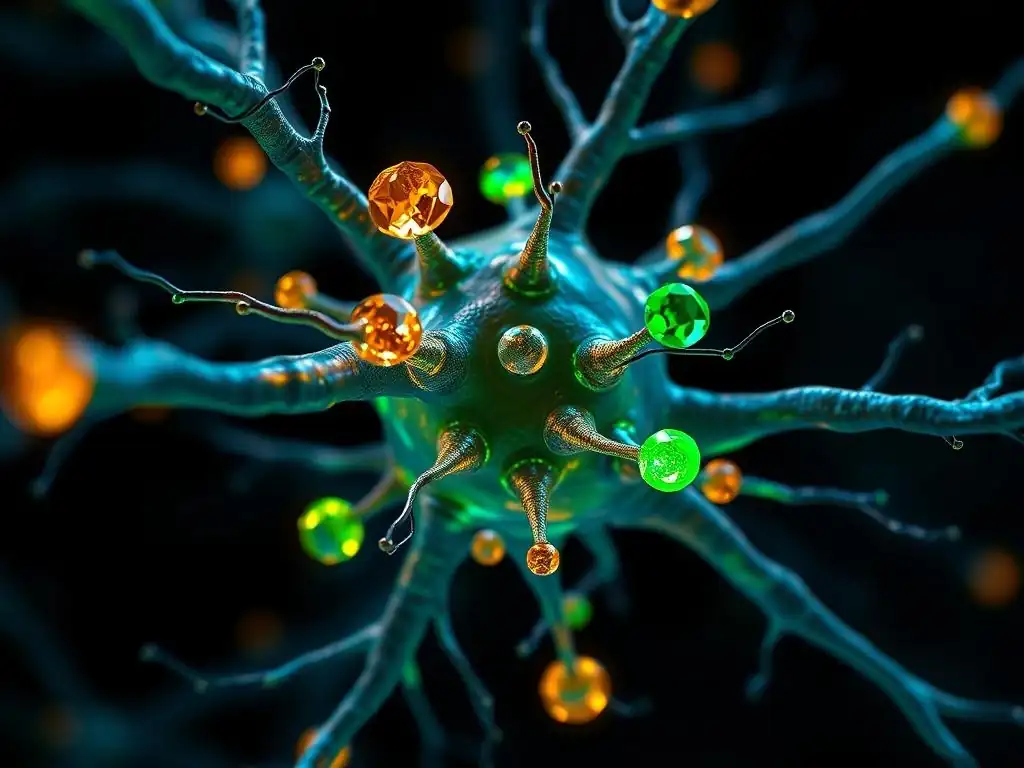
Neurotransmitters are chemical messengers that transmit signals across a synapse, the tiny gap between two nerve cells (neurons). Think of them as the brain's internal communication system. These molecules are released from the axon terminal of one neuron and bind to receptors on the dendrites of another neuron, triggering a specific response.
This response can be excitatory, increasing the likelihood of the receiving neuron firing, or inhibitory, decreasing the likelihood. The precise effect depends on the specific neurotransmitter and the type of receptor it binds to. The process is incredibly fast and efficient, allowing for rapid communication throughout the entire nervous system.
Dysregulation or imbalances in neurotransmitter systems can have significant consequences, impacting various cognitive functions, including mood regulation and the experience of happiness. Understanding the basic mechanics of neurotransmission is fundamental to appreciating their role in emotional well-being. This intricate communication system forms the basis of our thoughts, feelings, and behaviors.
The Chemistry of Mood: An Introduction to Neurotransmitters and Emotions
Our moods are not simply a matter of conscious thought; they are deeply rooted in the complex biochemical processes occurring within our brains. Neurotransmitters play a pivotal role in this intricate dance of chemicals that influence our emotional state. The release and uptake of these chemical messengers directly impact our feelings, influencing everything from mild contentment to intense joy or profound sadness.
For example, an increase in certain neurotransmitters can elevate mood, leading to feelings of happiness and well-being, while a deficiency can contribute to feelings of sadness, anxiety, or depression. This intricate relationship between neurochemistry and emotion highlights the importance of maintaining a balanced neurotransmitter system for optimal mental health.
Further research continues to uncover the nuances of this complex interaction, providing a deeper understanding of the biological underpinnings of our emotional experiences. It’s important to remember this is a dynamic system, constantly adapting and responding to internal and external stimuli.
Key Neurotransmitters Involved in Happiness
Several neurotransmitters are particularly associated with happiness and positive emotions. Let's explore some key players:
| Neurotransmitter | Role in Happiness | Potential Impact of Imbalance |
|---|---|---|
| Serotonin | Regulates mood, sleep, and appetite; promotes feelings of calm and well-being. | Low serotonin is linked to depression, anxiety, and irritability. |
| Dopamine | Associated with reward, motivation, and pleasure; reinforces behaviors leading to positive outcomes. | Low dopamine can lead to decreased motivation, anhedonia (inability to experience pleasure), and depression. |
| Endorphins | Natural pain relievers and mood boosters; contribute to feelings of euphoria and well-being. | Deficiencies may be associated with increased pain sensitivity and lower mood. |
| Norepinephrine | Involved in alertness, arousal, and focus; contributes to feelings of energy and motivation. | Imbalances can contribute to anxiety, depression, and difficulty concentrating. |
| GABA | An inhibitory neurotransmitter that helps regulate anxiety and promotes relaxation. | Low GABA levels are linked to anxiety disorders and insomnia. |
Understanding the roles of these neurotransmitters provides a valuable insight into the biological basis of happiness. Maintaining a balance of these crucial chemicals is key to promoting positive mental health. While further research is ongoing, the current understanding points to a complex interplay between these neurotransmitters and our overall emotional well-being. The information presented here offers a starting point for exploring the fascinating relationship between neurochemistry and happiness.
Serotonin: The Happiness Hormone
Serotonin, often dubbed the "happiness hormone," plays a crucial role in regulating mood, sleep, and appetite. While it's not solely responsible for happiness, its influence is significant. Understanding serotonin's function helps clarify the complex interplay between neurotransmitters and our emotional states.
Its impact extends far beyond simple feelings of joy; it's deeply involved in maintaining emotional stability and overall well-being. Imbalances in serotonin levels are strongly linked to various mental health conditions, highlighting its importance in maintaining psychological equilibrium. The intricate mechanisms by which serotonin achieves these effects are still being actively researched, but considerable progress has been made in understanding its pathways and interactions.
Serotonin's Role in Mood Regulation
Serotonin's primary function in mood regulation is mediated through its interaction with various receptors in the brain. These receptors, when activated by serotonin, trigger a cascade of intracellular events that ultimately influence neuronal activity. This neuronal modulation is crucial in controlling emotional responses. For example, increased serotonin activity is generally associated with feelings of calmness, contentment, and emotional stability.
Conversely, low serotonin levels are often linked to feelings of irritability, anxiety, and depression. This isn't a simple cause-and-effect relationship; rather, serotonin interacts with other neurotransmitters and brain regions to modulate mood in a complex manner. Think of it as a conductor in an orchestra – it coordinates the activity of other players to create a harmonious emotional state. Further research continues to unveil the subtleties of these interactions.
Serotonin Deficiency and its Impact on Happiness
A serotonin deficiency can significantly impact an individual's experience of happiness. Symptoms of serotonin deficiency can range from mild to severe, including persistent sadness, feelings of hopelessness, difficulty concentrating, sleep disturbances, and changes in appetite. In more severe cases, a deficiency can contribute to major depressive disorder (MDD) and other mood disorders.
It's important to note that serotonin deficiency is rarely the sole cause of these conditions; genetic predisposition, environmental factors, and other neurochemical imbalances often play a role. Diagnosing a serotonin deficiency requires a thorough clinical evaluation by a mental health professional, as self-diagnosis can be misleading and potentially harmful. Accurate diagnosis is critical for effective treatment.
Boosting Serotonin Levels Naturally
While medication can be effective in addressing severe serotonin deficiencies, several lifestyle changes can help boost serotonin levels naturally. These include:
- Regular Exercise: Physical activity stimulates serotonin release. Aim for at least 30 minutes of moderate-intensity exercise most days of the week. 🚶♀️🏃♂️
- Sunlight Exposure: Sunlight helps regulate the body's circadian rhythm and promotes serotonin production. Spend some time outdoors each day, especially during daylight hours. ☀️
- Healthy Diet: A balanced diet rich in tryptophan (an amino acid that the body uses to produce serotonin) is crucial. Good sources include turkey, bananas, eggs, and nuts. 🍎🍌🥚🥜
- Sufficient Sleep: Adequate sleep is essential for optimal serotonin function. Aim for 7-9 hours of quality sleep per night. 😴
- Stress Management: Chronic stress can deplete serotonin levels. Practice stress-reducing techniques like meditation, yoga, or deep breathing. 🧘♀️
These lifestyle modifications can be highly beneficial in supporting overall mental well-being and contributing to improved mood and happiness. However, it's crucial to remember that these strategies are supportive and not a replacement for professional medical advice. For individuals experiencing significant mental health challenges, seeking help from a qualified healthcare professional is essential.
Dopamine: The Reward Neurotransmitter
Dopamine, a crucial neurotransmitter, plays a pivotal role in experiencing pleasure and reward, significantly impacting our overall happiness. Unlike serotonin, which contributes to a more stable sense of well-being, dopamine's effects are more immediate and intensely tied to specific experiences and achievements. Understanding its mechanisms is key to grasping how it influences our emotional landscape and pursuit of happiness.
The intricate interplay between dopamine and our reward system is a fascinating area of ongoing research, constantly revealing new insights into the neurochemical basis of happiness. Many consider dopamine the "feel-good" neurotransmitter, but this simplification overlooks its complex and multifaceted influence on our mental and emotional states.
Dopamine and the Feeling of Pleasure
The feeling of pleasure is intrinsically linked to dopamine release. When we engage in rewarding activities – such as eating delicious food, achieving a goal, or experiencing social connection – our brains release dopamine into the reward pathway. This surge of dopamine creates a positive feeling, reinforcing the behavior that led to its release. This is a fundamental mechanism of learning and motivation. The intensity of the pleasure experienced is often correlated with the amount of dopamine released. For example, the intense pleasure derived from a particularly delicious meal might be associated with a higher dopamine surge compared to a more mundane meal. However, the experience is subjective and varies greatly between individuals. Factors like genetics, past experiences, and individual sensitivities all play a role in determining the intensity of dopamine's effect. This is why some individuals might find immense joy in certain activities while others find them less rewarding.
Dopamine's Influence on Motivation and Goal Achievement
Dopamine isn't just about feeling pleasure; it's also crucial for motivation and goal achievement. The anticipation of reward triggers dopamine release, fueling our drive to pursue goals. This anticipatory dopamine signal acts as an internal motivator, pushing us to work towards desired outcomes. Think about the feeling of excitement you experience when planning a vacation or working towards a promotion – that anticipation is driven, in part, by dopamine.
This neurotransmitter helps us maintain focus and persistence, even when faced with challenges or setbacks. Studies have shown that individuals with lower dopamine levels often struggle with motivation and experience difficulty in pursuing their goals. Conversely, maintaining healthy dopamine levels can enhance our ability to set and achieve goals, leading to a greater sense of accomplishment and happiness. Furthermore, the successful completion of a task triggers another dopamine surge, reinforcing the behavior and promoting future goal-directed actions.
The Dopamine Reward System and its Link to Happiness
The dopamine reward system is a complex network of brain regions involved in processing reward, motivation, and pleasure. Key areas include the ventral tegmental area (VTA), the nucleus accumbens, and the prefrontal cortex. These regions work together to process rewarding stimuli, triggering the release of dopamine and generating feelings of pleasure and satisfaction.
Dysregulation within this system can lead to various issues, including addiction and depression. For instance, addictive substances often hijack the reward system, leading to excessive dopamine release and a compulsive pursuit of the substance. Conversely, low dopamine levels are often associated with decreased motivation, anhedonia (inability to experience pleasure), and depression – all of which significantly impact happiness.
Understanding the intricacies of the dopamine reward system and its role in regulating emotions is crucial for developing effective strategies to enhance well-being and promote happiness. Maintaining a balanced and healthy dopamine system through lifestyle choices, such as regular exercise, a healthy diet, and sufficient sleep, is essential for overall well-being and the experience of happiness. Moreover, engaging in activities that naturally stimulate dopamine release, such as pursuing hobbies, spending time in nature, and fostering positive social connections, can contribute to a more fulfilling and joyful life.
Other Neurotransmitters and Their Influence on Happiness
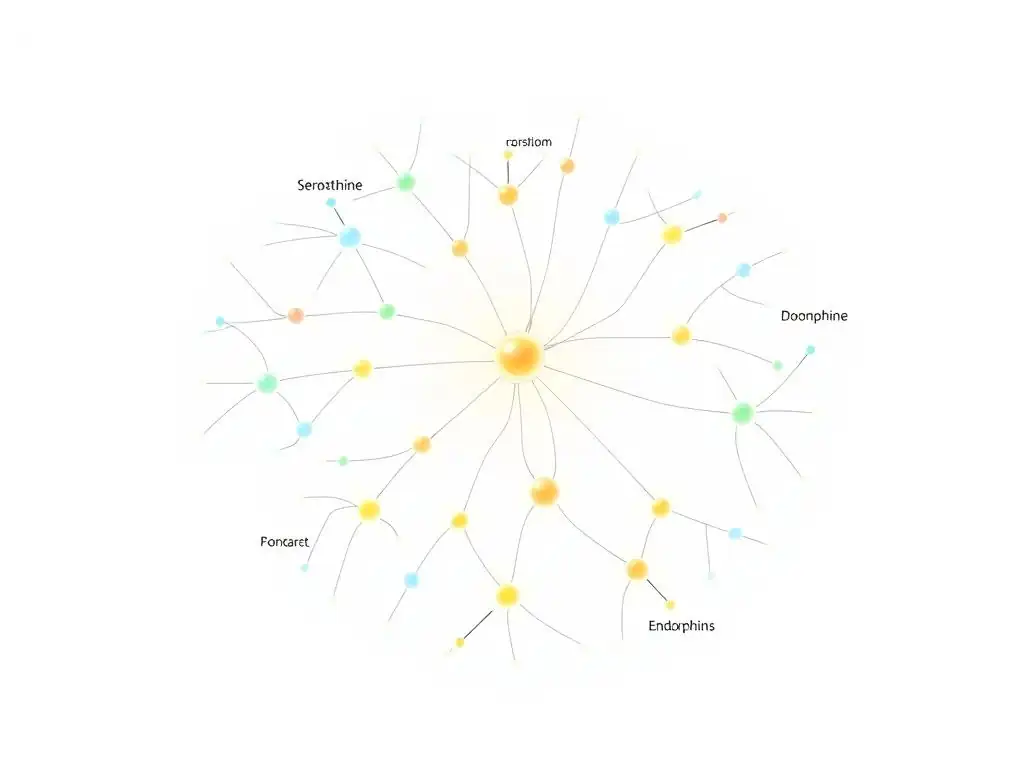
While serotonin and dopamine often take center stage in discussions about happiness, a complex interplay of various neurotransmitters contributes to our overall mood and emotional well-being. Understanding this intricate network is crucial for a comprehensive grasp of the "Neurotransmitters and happiness explained" concept. Let's delve into the roles of other key players.
Norepinephrine's Role in Alertness and Mood
Norepinephrine, a neurotransmitter and hormone, plays a significant role in regulating alertness, arousal, and mood. Often associated with the "fight-or-flight" response, its impact on happiness is less direct than that of serotonin or dopamine, but equally important. Think of it this way: while dopamine rewards you for achieving a goal, norepinephrine helps you focus on achieving that goal in the first place.
Norepinephrine's influence on mood is multifaceted. Sufficient levels contribute to feelings of focus, energy, and even exhilaration. Conversely, imbalances can manifest as fatigue, low mood, and difficulty concentrating. This explains why individuals experiencing depression often report a lack of energy and motivation – a potential consequence of norepinephrine dysfunction.
Interestingly, many antidepressant medications work by influencing norepinephrine levels, highlighting its crucial role in mood regulation. Research suggests that optimal norepinephrine levels are essential for experiencing the full benefits of other mood-boosting neurotransmitters. For example, a deficiency could impair the positive effects of dopamine, resulting in a blunted response to rewarding experiences.
Endorphins: The Body's Natural Pain Killers and Mood Boosters
Endorphins are endogenous opioid peptides—naturally occurring chemicals produced by the body—that act as neurotransmitters. They are primarily known for their pain-relieving properties, but their impact extends significantly to mood regulation. When we engage in activities like exercise, laughter, or even listening to enjoyable music, our bodies release endorphins, leading to feelings of euphoria and well-being. This explains the "runner's high" phenomenon, where intense physical activity triggers a surge of endorphins, resulting in a feeling of intense pleasure and reduced pain perception.
The mechanism through which endorphins elevate mood involves their interaction with opioid receptors in the brain. This interaction reduces the perception of pain and stress, promoting a sense of relaxation and contentment. Furthermore, endorphin release is often accompanied by the release of other neurotransmitters, creating a synergistic effect on mood enhancement. This complex interplay makes studying the precise contribution of endorphins to happiness a challenging, yet fascinating area of research. Further studies are needed to fully understand the precise mechanisms and interactions involved in endorphin-mediated happiness.
GABA and its Impact on Anxiety and Relaxation
Gamma-aminobutyric acid (GABA) is the primary inhibitory neurotransmitter in the central nervous system. Unlike the excitatory neurotransmitters we've discussed, GABA's role is to dampen neuronal activity. This inhibitory function is crucial for regulating anxiety and promoting relaxation. When GABA levels are sufficient, it helps to reduce excessive neuronal firing, preventing feelings of overwhelming anxiety and promoting a sense of calm.
Conversely, low GABA levels can lead to heightened anxiety, irritability, and difficulty sleeping. This is because an imbalance can result in excessive neuronal activity, leading to an overactive "stress response." Many anxiety-reducing medications work by enhancing GABA's activity, illustrating its critical role in mood regulation and stress management.
Considering the strong link between anxiety and reduced happiness, maintaining healthy GABA levels is essential for overall well-being. Understanding the intricate balance between excitatory and inhibitory neurotransmitters like GABA and dopamine, respectively, is key to understanding the complexity of mood regulation and how neurotransmitters affect happiness. The interplay between these systems is far from fully understood, representing a fertile ground for future research.
The Interplay of Neurotransmitters in Happiness
Understanding the role of neurotransmitters in happiness isn't simply about identifying a single "happiness chemical." It's a complex orchestra of chemical messengers interacting in intricate ways. While serotonin and dopamine often take center stage in discussions about happiness, a balanced interplay of various neurotransmitters is crucial for overall well-being.
Neglecting the contributions of other neurochemicals like endorphins, oxytocin, and GABA leads to an incomplete picture of the neurobiological underpinnings of positive emotions. Think of it like a finely tuned engine; one faulty component can significantly impact performance. Similarly, an imbalance in any of these neurotransmitters can disrupt the delicate equilibrium necessary for sustained happiness.
The Complex Relationship Between Different Neurotransmitters
The relationship between different neurotransmitters involved in happiness is far from simple. They don't operate in isolation but rather influence and modulate each other's activity. For example, dopamine, often associated with reward and motivation, can indirectly boost serotonin levels, contributing to feelings of contentment and satisfaction. Conversely, low serotonin levels can negatively impact dopamine signaling, potentially leading to decreased motivation and anhedonia (the inability to experience pleasure). This interconnectedness highlights the importance of a holistic approach to understanding and promoting happiness.
Consider the following simplified analogy: imagine dopamine as the "motivation engine" and serotonin as the "contentment regulator." A strong dopamine signal drives us towards goals, while serotonin helps us appreciate the achievements and find satisfaction in the process. If the "engine" is strong but the "regulator" is weak, we might experience intense drive but struggle to feel satisfied, leading to potential burnout. Conversely, a weak engine with a strong regulator might result in contentment but a lack of drive and ambition. Optimal well-being requires a harmonious balance between these and other neurotransmitters.
Maintaining Neurotransmitter Balance for Optimal Well-being
Maintaining a balanced neurotransmitter profile is key to experiencing sustained happiness. While specific recommendations require professional guidance, several lifestyle choices can significantly influence neurotransmitter production and function. These include:
- Regular Exercise: Physical activity stimulates the release of endorphins, natural mood boosters that reduce stress and promote feelings of well-being. Studies show that even moderate exercise can significantly impact neurotransmitter levels.
- Nutritious Diet: A diet rich in tryptophan (a precursor to serotonin), tyrosine (a precursor to dopamine and norepinephrine), and other essential nutrients provides the building blocks for neurotransmitter synthesis. Focusing on whole foods and limiting processed foods, sugar, and excessive caffeine is crucial.
- Sufficient Sleep: Sleep deprivation severely disrupts neurotransmitter balance, leading to mood swings, irritability, and decreased cognitive function. Aiming for 7-9 hours of quality sleep per night is essential for optimal neurotransmitter regulation.
- Mindfulness and Stress Management: Chronic stress depletes neurotransmitters and can negatively impact mental health. Practices like meditation, yoga, and deep breathing can help regulate the stress response and promote neurotransmitter balance.
- Social Connection: Strong social bonds stimulate the release of oxytocin, a hormone associated with feelings of connection, trust, and social bonding, all of which contribute to happiness.
The Importance of Holistic Approaches to Happiness
Understanding the role of neurotransmitters in happiness is crucial, but it's essential to remember that neurochemistry is only one piece of the puzzle. A holistic approach to well-being considers multiple factors contributing to happiness, including:
- Psychological factors: Cognitive behavioral therapy (CBT) and other psychological interventions can help individuals develop healthier coping mechanisms, challenge negative thought patterns, and build resilience.
- Social factors: Strong social support networks, meaningful relationships, and a sense of belonging are vital for overall well-being.
- Environmental factors: Living in a supportive and stimulating environment can significantly impact mental health and happiness.
While optimizing neurotransmitter function is undoubtedly important for happiness, it's crucial to adopt a comprehensive approach that addresses the multifaceted nature of well-being. A balanced lifestyle encompassing physical health, mental well-being, and strong social connections is the most effective recipe for lasting happiness. Ignoring any of these elements risks creating an imbalance, hindering the full potential of the neurochemical orchestra within. Remember, sustainable happiness is not solely a chemical equation; it's a holistic symphony.
Neurotransmitters and Happiness: Practical Implications
This section explores how understanding the role of neurotransmitters in happiness translates into actionable steps for improving well-being. While we can't directly control neurotransmitter levels with a simple switch, we can influence their production and function through conscious lifestyle choices. This empowers us to actively participate in cultivating our own happiness.
The information presented here emphasizes the interconnectedness of mental and physical health, highlighting the significant impact of lifestyle factors on our neurochemical balance and, consequently, our emotional state. Remember, consistency is key when implementing these strategies; gradual changes over time yield the most sustainable results. The journey towards greater happiness is a marathon, not a sprint.
Lifestyle Choices that Support Neurotransmitter Production
Optimizing neurotransmitter production involves a holistic approach, encompassing various lifestyle factors. It's not about quick fixes, but rather about making sustainable changes that positively impact your overall health and well-being. Think of it as nurturing your brain's natural ability to produce the chemicals responsible for happiness.
Several lifestyle choices can significantly influence neurotransmitter production. These include:
- Prioritizing Sleep: Adequate sleep (7-9 hours per night) is crucial for the brain to consolidate memories, repair itself, and regulate neurotransmitter production. Sleep deprivation disrupts this delicate balance, leading to mood disturbances and decreased resilience to stress. Aim for a consistent sleep schedule, creating a relaxing bedtime routine to improve sleep quality.
- Stress Management: Chronic stress depletes neurotransmitters, leading to feelings of anxiety and depression. Implementing stress-reduction techniques, such as mindfulness meditation, yoga, deep breathing exercises, or spending time in nature, can significantly improve neurotransmitter balance. Even short periods of relaxation throughout the day can have a cumulative positive effect.
- Social Connection: Humans are social creatures, and strong social connections are essential for well-being. Regular interaction with loved ones boosts the release of oxytocin, a neurotransmitter associated with bonding and feelings of trust and security. Make time for meaningful connections with friends and family.
- Mindful Engagement: Engaging in activities you enjoy fosters a sense of purpose and fulfillment. Hobbies, creative pursuits, and spending time in nature all contribute to a more positive emotional state and can indirectly enhance neurotransmitter production. The key is to find activities that genuinely bring you joy and satisfaction.
The Role of Diet and Nutrition in Mood Regulation
Nutrition plays a pivotal role in regulating mood. The food we consume directly impacts neurotransmitter synthesis and function. A balanced diet rich in essential nutrients is crucial for optimal brain health and emotional well-being.
Specific nutrients are particularly important for neurotransmitter production:
- Tryptophan: This essential amino acid is a precursor to serotonin, a key neurotransmitter involved in mood regulation, sleep, and appetite. Good sources include turkey, chicken, eggs, dairy products, and legumes.
- Tyrosine: This amino acid is a precursor to dopamine and norepinephrine, neurotransmitters involved in reward, motivation, and focus. Good sources include almonds, avocados, bananas, and dairy products.
- Omega-3 Fatty Acids: These essential fats are vital for brain health and function, supporting the production and regulation of various neurotransmitters. Good sources include fatty fish (salmon, tuna, mackerel), flaxseeds, and chia seeds.
- Vitamin D: Emerging research suggests a link between vitamin D deficiency and mood disorders. Sunlight exposure and dietary sources (fatty fish, eggs) are important for maintaining adequate vitamin D levels. It's always advisable to consult with a healthcare professional to determine if supplementation is necessary.
A balanced diet, rich in fruits, vegetables, whole grains, and lean protein, provides the building blocks for optimal neurotransmitter function. Minimizing processed foods, sugar, and excessive caffeine can also contribute to improved mood regulation.
Exercise and its Impact on Neurotransmitter Levels
Regular physical activity is a potent mood booster, influencing neurotransmitter levels in several ways. Exercise stimulates the release of endorphins, natural mood elevators that have analgesic and mood-enhancing effects. It also increases the production of dopamine, serotonin, and norepinephrine, leading to improved mood, motivation, and cognitive function.
The benefits of exercise extend beyond immediate mood elevation. Regular physical activity promotes neuroplasticity, the brain's ability to adapt and reorganize itself. This translates to improved cognitive function, resilience to stress, and enhanced emotional regulation over time.
Different types of exercise offer various benefits. Aerobic exercises, such as running, swimming, or cycling, are particularly effective in boosting mood and reducing stress. Strength training can also contribute to overall well-being and improved self-esteem. The key is to find activities you enjoy and can incorporate into your routine consistently. Even short bursts of exercise throughout the day can accumulate significant benefits. Remember to consult a healthcare professional before starting any new exercise program.
The Importance of Stress Management for Neurotransmitter Balance
Chronic stress significantly impacts neurotransmitter production and balance. When we experience prolonged stress, our bodies release high levels of cortisol, a hormone that, in the short term, helps us cope with challenges. However, sustained elevated cortisol levels disrupt the delicate equilibrium of neurotransmitters like serotonin and dopamine. This disruption can manifest as decreased serotonin, leading to feelings of sadness, anxiety, and difficulty concentrating. Simultaneously, excessive cortisol can interfere with dopamine signaling, resulting in reduced motivation, pleasure, and reward-seeking behavior—all crucial components of happiness.
Effective stress management techniques are therefore paramount for maintaining healthy neurotransmitter levels. Regular exercise, for instance, stimulates the release of endorphins, natural mood boosters that counteract the effects of stress hormones. Mindfulness practices, such as meditation and deep breathing exercises, have been shown to reduce cortisol levels and promote a sense of calm, indirectly supporting balanced neurotransmitter function. Adequate sleep is another critical factor, as sleep deprivation exacerbates stress and further disrupts neurotransmitter production.
Aiming for 7-9 hours of quality sleep each night is crucial for optimal neurotransmitter regulation. Finally, incorporating stress-reducing activities into your daily routine, such as spending time in nature, engaging in hobbies, or connecting with loved ones, can significantly improve your overall well-being and contribute to a more balanced neurotransmitter profile. These lifestyle changes are essential proactive steps in nurturing happiness by optimizing the body's natural chemistry.
Seeking Professional Help for Mood Disorders
While lifestyle changes are crucial, it's vital to understand that some individuals experience mood disorders that significantly impact neurotransmitter function and require professional intervention. Conditions like depression and anxiety are often characterized by imbalances in serotonin, dopamine, and other neurotransmitters. In such cases, self-help strategies may not be sufficient, and seeking professional help is essential.
A psychiatrist or psychologist can conduct a thorough assessment to determine the underlying cause of mood disturbances. They may employ various diagnostic tools, including clinical interviews and psychological assessments, to understand the individual's symptoms, history, and overall mental health. Based on the assessment, they might recommend a combination of therapies, including psychotherapy and medication.
Psychotherapy, such as cognitive behavioral therapy (CBT), can help individuals identify and modify negative thought patterns and behaviors that contribute to their mood disorder. Medication, such as selective serotonin reuptake inhibitors (SSRIs) or other antidepressants, can help restore neurotransmitter balance by increasing the availability of serotonin in the brain. Importantly, medication is often most effective when combined with psychotherapy, creating a holistic approach to treatment.
Remember, seeking professional help is a sign of strength, not weakness, and it's a crucial step towards improving mental well-being and reclaiming happiness. Don't hesitate to reach out for support if you are struggling; effective treatments are available, and recovery is possible.
Frequently Asked Questions
What are neurotransmitters, and how do they relate to happiness?
Neurotransmitters are chemical messengers in the brain. Certain neurotransmitters, like serotonin and dopamine, are strongly linked to feelings of happiness, well-being, and reward. Imbalances can contribute to low mood.
Which neurotransmitters are most important for happiness?
Serotonin is crucial for mood regulation and feelings of contentment. Dopamine plays a key role in motivation, pleasure, and reward, contributing significantly to happiness. Other neurotransmitters like endorphins and norepinephrine also influence mood.
Can I increase my levels of "happy" neurotransmitters naturally?
Yes! Regular exercise, a healthy diet, sufficient sleep, and stress management techniques (like meditation or yoga) can all boost neurotransmitter levels naturally.
What happens if I have an imbalance of these neurotransmitters?
Imbalances can lead to various mental health conditions, including depression and anxiety. Symptoms might include persistent sadness, lack of motivation, or difficulty experiencing pleasure. Professional help is crucial for diagnosis and treatment.
Yes, many antidepressant medications work by influencing serotonin, dopamine, or other neurotransmitters. These medications should only be used under the guidance of a qualified healthcare professional.
Final Reflection: Unlocking the Chemistry of Joy
Understanding the intricate dance of neurotransmitters like serotonin and dopamine is not merely an academic exercise; it's a crucial key to unlocking a deeper understanding of our own happiness and well-being. The information presented in this article highlights the profound impact these chemical messengers have on our emotional landscape, offering a tangible pathway towards improving mental health and overall life satisfaction. This is not just about understanding brain chemistry; it's about empowering ourselves to take control of our emotional states.
The exploration of neurotransmitters and their influence on happiness has profoundly shifted our understanding of mental health, moving away from simplistic explanations towards a more nuanced appreciation of the complex interplay of biological and environmental factors. This understanding is crucial in dismantling the stigma surrounding mental illness and fostering a culture of self-compassion and proactive well-being. As the renowned psychiatrist Viktor Frankl so eloquently stated: >“Between stimulus and response there is a space.
In that space is our power to choose our response. In our response lies our growth and our freedom.” This space, in part, is shaped by the delicate balance of our neurotransmitters, and understanding that balance gives us more power over our responses.
Now, consider your own life. Reflect on moments of intense joy, profound sadness, or even simple contentment. How might the information presented in this article help you understand the underlying neurological processes at play? What steps can you take today – whether it's through diet, exercise, mindfulness, or seeking professional help – to nurture the neurochemical pathways that lead to greater happiness and resilience? The journey to well-being is a personal one, but armed with this knowledge, you are better equipped to navigate it with intention and grace.
Unlock Your Happiness Potential Today!
Thank you for exploring the fascinating connection between neurotransmitters and happiness. You've gained valuable insights that can significantly improve your well-being. Now, let's put this knowledge into practice.
Here are some practical steps to boost your happiness:
- **Prioritize Your Mental Health:** Incorporate mindfulness practices like meditation and deep breathing into your daily routine. These techniques can naturally increase serotonin levels, promoting a sense of calm and well-being.
- **Connect with Others:** Engage in meaningful conversations with friends and family, or join a local club or group. Social interaction stimulates dopamine release, fostering feelings of connection and happiness.
- **Explore New Activities:** Try a new hobby, join a sports team, or take a class. Stepping outside your comfort zone and engaging in stimulating activities boosts your brain's reward system, leading to increased happiness and a sense of accomplishment.
Consider this: **What small step can you take today to increase your happiness, however slightly? ** Your journey towards greater joy and fulfillment begins now!