Improving Workplace Communication and Collaboration: A Psychological Approach
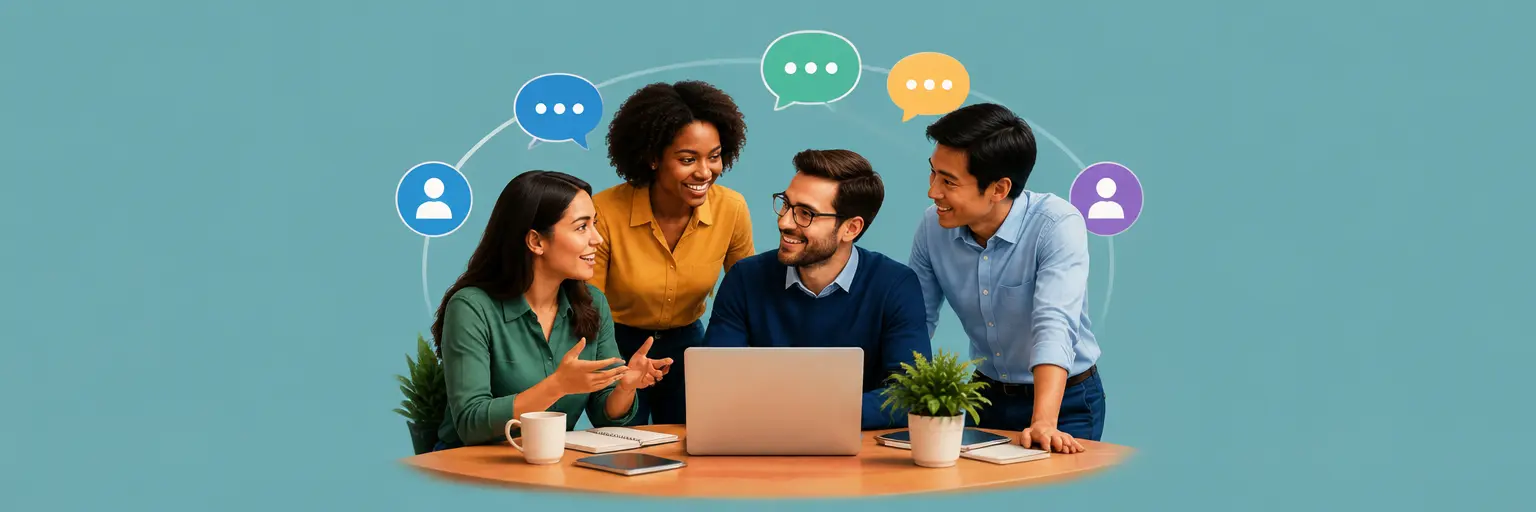
Effective workplace communication and collaboration are not just soft skills—they are psychological processes rooted in how we perceive, interpret, and respond to others. In this subcategory of Career & Professional Development, we explore evidence-based strategies from social, cognitive, and organizational psychology to help you build stronger teams, reduce misunderstandings, and foster a culture of trust. Whether you are a manager, an entry-level employee, or a student preparing for professional life, these insights will transform how you interact at work.
🧠 Understanding the Psychology of Miscommunication
Miscommunication often stems from cognitive biases, emotional filters, and differing perceptual frameworks. For example, the *fundamental attribution error* leads us to blame others’ character when things go wrong, while excusing our own mistakes due to situational factors. This psychological tendency creates friction in teams. By becoming aware of these biases, you can pause before reacting and choose more constructive interpretations. Research in communication psychology shows that active listening—not just hearing—reduces defensive reactions and increases mutual understanding.
Practical techniques include reflective paraphrasing, asking clarifying questions, and checking for emotional tone in written messages. When you acknowledge that your colleague’s perspective is shaped by their unique mental model, you open a door to empathy. This subcategory provides concrete exercises to identify your own biases and practice perspective-taking, leading to fewer conflicts and smoother project workflows.
🤝 Building Trust Through Psychological Safety
Psychological safety—the belief that you won’t be punished or humiliated for speaking up—is the cornerstone of effective collaboration. Google’s Project Aristotle found that psychological safety was the most important factor in high-performing teams. When employees feel safe, they share innovative ideas, admit mistakes, and ask for help without fear. This creates a virtuous cycle of openness and learning. Conversely, fear-based environments stifle communication and lead to silent failures.
To build psychological safety, start with modeling vulnerability: admit when you don’t know something, invite dissenting opinions, and respond to errors with curiosity rather than blame. Another key is *norming*—setting explicit team agreements about how to give feedback and handle disagreements. This subcategory offers a step-by-step guide to creating a team charter and facilitating regular check-ins that reinforce trust. You’ll learn how to turn routine meetings into safe spaces for honest dialogue.
🗣️ Nonverbal and Virtual Communication Nuances
In today’s hybrid workplaces, much of communication happens through screens, making nonverbal cues—facial expressions, tone, posture—less visible. Psychology research on media richness theory shows that text-based communication lacks the emotional bandwidth of face-to-face interaction, increasing misreading. For instance, a short email reply can be perceived as cold or passive-aggressive, even when the sender is simply busy. Understanding these limitations helps you choose the right channel for each message.
When working remotely, use video calls for sensitive discussions, add emojis or explicit tone markers in chat, and schedule brief “overcommunication” pauses to confirm alignment. On the nonverbal side, learn to read micro-expressions during live meetings and to use your own body language to signal openness—uncrossed arms, nodding, and eye contact. This section provides a checklist for virtual meeting etiquette and a framework for decoding ambiguous digital messages without jumping to conclusions.
🌀 Managing Conflict and Difficult Conversations
Conflict is inevitable in any collaborative environment, but psychological strategies can transform it from destructive to constructive. The *Thomas-Kilmann Conflict Mode Instrument* identifies five styles: competing, collaborating, compromising, avoiding, and accommodating. Effective communicators switch styles based on context, but collaboration—seeking win-win solutions—is often the healthiest for long-term relationships. A key psychological tool is separating the person from the problem, as articulated in principled negotiation.
During difficult conversations, use the SBI model (Situation, Behavior, Impact) to give feedback without blame. For example, instead of “You’re always late,” say “In Tuesday’s meeting (situation), you arrived 10 minutes late (behavior), which delayed our start and reduced focus (impact).” This reduces defensiveness and encourages problem-solving. Additionally, practice emotional regulation techniques—like deep breathing or naming your emotion—to stay calm. This subcategory includes role-play scripts and de-escalation tactics to handle even the most tense exchanges with professionalism.
💡 Cultivating a Collaborative Mindset and Team Culture
Collaboration is more than just working together; it’s a shared cognitive state. Research on *shared mental models* shows that teams who align on goals, roles, and procedures perform dramatically better. To cultivate this, invest time in team-building activities that reveal each member’s strengths, preferences, and working styles—such as personality assessments (MBTI, Big Five) or team retrospectives. These activities reduce uncertainty and create a shared vocabulary for discussing differences.
Also, design collaborative rituals: daily stand-ups, cross-functional brainstorming sessions, and peer recognition programs. Encouraging *constructive dissent*—where disagreement is seen as a spark for creativity—requires leadership that rewards critical thinking over conformity. This subcategory provides a roadmap for turning a group of individuals into a cohesive unit, including exercises in joint problem-solving and collective goal-setting. You’ll leave with actionable templates for team charters and meeting agendas that prioritize inclusion.
Frequently Asked Questions
What is the biggest psychological barrier to workplace communication?
The biggest barrier is usually ego defensiveness, driven by the brain’s threat response. When we perceive criticism, our amygdala triggers fight-or-flight, reducing our ability to listen. Overcome this by practicing self-awareness and using “I” statements, which reduce the perceived attack on the other person’s identity.
How can I improve collaboration in a remote team?
Focus on creating explicit communication protocols: decide which tools are for quick questions (chat) versus deep work (email or docs), and schedule regular video syncs. Use psychological safety check-ins—like asking each person to share one risk they took—and ensure everyone has a chance to speak in every meeting.
Are personality tests useful for team collaboration?
Yes, but only as a starting point. Tools like Myers-Briggs or DISC help individuals articulate their preferences and reduce misinterpretation. However, don’t stereotype or limit people to their “type.” Use them to foster curiosity about differences, not to excuse behavior.
What should I do if a colleague avoids conflict and is too passive?
Encourage them by creating low-stakes opportunities to express opinions—for example, asking for their input in written form before a meeting. Validate their contributions positive feedback. Teach assertive communication techniques, such as the DESC script (Describe, Express, Specify, Consequences), to give them a framework.
How do I give feedback without causing resentment?
Use the “sandwich” method wisely: start with a genuine positive, then state the issue using the SBI model, and end with a collaborative solution. More importantly, ask permission before giving feedback (“Can I share an observation?”). This respects autonomy and reduces defensive barriers, making the feedback more likely to be accepted.