
Cultural Biases in Personality Assessment: Challenges and Solutions


Uncover the hidden biases shaping how we understand ourselves and others. Psychology Basics welcomes you to a world of fascinating insights into the human mind. Are personality tests truly objective, or do cultural biases subtly influence the results? Explore the critical issue of cultural bias in personality tests and discover the challenges and potential solutions in this insightful exploration of personality psychology. Dive in and unlock a deeper understanding of the complexities of human behavior.
- Understanding Cultural Bias in Personality Tests
- Manifestations of Cultural Bias in Personality Assessment Instruments
- Consequences of Culturally Biased Personality Assessments
-
Mitigating Cultural Bias in Personality Assessment
- Enhancing Cultural Sensitivity in Test Development
- Utilizing Culturally Adapted Assessment Tools
- Implementing Culturally Competent Assessment Practices
- The Importance of Cultural Considerations in Test Interpretation
- Adapting Existing Tests for Diverse Populations
- Developing Culturally Sensitive Assessment Tools
- Best Practices for Culturally Sensitive Personality Assessment
- Future Directions in Culturally Fair Personality Assessment
- Frequently Asked Questions
- Final Reflection: Recalibrating the Compass of Personality Assessment
- **Embrace Change: Take Action Against Cultural Bias in Assessments! **
Understanding Cultural Bias in Personality Tests
Cultural bias in personality assessment represents a significant challenge in the field of psychology. Accurate and reliable personality measurement is crucial for various applications, from clinical diagnosis and treatment planning to personnel selection and educational guidance. However, the inherent cultural embeddedness of personality—its expression and interpretation—means that tests developed in one cultural context may not accurately reflect the personality traits of individuals from different cultural backgrounds.
This article explores the multifaceted nature of cultural bias in personality tests, examining its sources, impact, and potential mitigation strategies. We will delve into how cultural context shapes personality expression and identify specific sources of bias within commonly used assessment tools. Ultimately, understanding and addressing cultural bias is paramount for ensuring fairness, equity, and the validity of psychological assessments across diverse populations.
This is crucial for creating truly inclusive and effective psychological practices, fostering a deeper understanding of the intricate interplay between culture and personality. The goal is to equip readers with the knowledge to critically evaluate personality assessments and promote the development of more culturally sensitive and valid tools.
Defining Cultural Bias and its Impact on Psychological Measurement
Cultural bias in personality tests refers to the systematic error introduced when a test's content, administration, or interpretation is not equally appropriate or meaningful across different cultural groups. This bias can manifest in various ways, significantly impacting the validity and reliability of the results. For example, a personality test developed within a Western individualistic culture might assume a level of self-reliance and independence that is not universally applicable.
Individuals from collectivistic cultures, who prioritize group harmony and interdependence, might score differently not because of inherent personality differences, but because the test's framework doesn't align with their cultural norms. This can lead to misinterpretations of personality profiles, inaccurate diagnoses, and ultimately, inequitable outcomes. The impact extends beyond individual assessments; biased tests can perpetuate stereotypes, reinforce cultural inequalities, and hinder effective cross-cultural communication and understanding.
The consequences of inaccurate assessments can be far-reaching, affecting access to resources, career opportunities, and even mental health services. Addressing this issue requires a multi-pronged approach focusing on both test development and interpretation.
The Role of Cultural Context in Personality Expression
Understanding the role of cultural context in shaping personality expression is fundamental to addressing cultural bias. Personality is not a static entity; its manifestation is significantly influenced by sociocultural factors. For instance, the expression of extraversion might differ across cultures.
In some cultures, outward displays of enthusiasm and sociability are highly valued, while in others, more reserved and introspective behaviors are considered socially appropriate. Similarly, concepts like self-esteem or agreeableness can be defined and expressed differently across cultures, leading to discrepancies in test scores. Furthermore, cultural values, beliefs, and practices influence how individuals perceive themselves and others, impacting their responses to personality questionnaires.
This underscores the importance of considering cultural nuances when interpreting personality data. Ignoring these contextual factors can lead to erroneous conclusions about an individual's personality traits, highlighting the need for culturally sensitive assessment methods. The development of culturally adapted tests or the use of qualitative methods alongside quantitative measures can significantly improve the accuracy and fairness of personality assessments.
Identifying Sources of Bias in Common Personality Assessments
Several sources contribute to cultural bias within common personality assessments. These biases can stem from the test's language, content, and even the format of the questions. For example, idioms, colloquialisms, or culturally specific references in test items can be confusing or meaningless to individuals from different cultural backgrounds. Furthermore, the underlying theoretical framework of a personality test might reflect the values and assumptions of a particular culture, inadvertently disadvantaging individuals from other cultural groups.
The use of response scales can also introduce bias; what constitutes "strongly agree" or "neutral" might vary across cultures. Even the testing environment and the relationship between the test administrator and the test-taker can influence responses. For example, a formal testing situation might be more anxiety-provoking for individuals from cultures that prioritize informal interactions.
Identifying and mitigating these sources of bias requires careful examination of the entire assessment process, from test development to interpretation. This includes employing diverse teams in test development, conducting thorough cross-cultural validation studies, and providing culturally appropriate instructions and support during the assessment process. Furthermore, utilizing diverse assessment methods and incorporating qualitative data can enhance the accuracy and cultural sensitivity of personality assessments.
Manifestations of Cultural Bias in Personality Assessment Instruments
Cultural bias in personality tests, a significant concern in psychological assessment, manifests in various ways, impacting the validity and reliability of results across different cultural groups. Understanding these manifestations is crucial for mitigating bias and ensuring fair and equitable assessment practices. This section will explore key areas where cultural bias frequently emerges in personality assessment instruments, highlighting the need for culturally sensitive test development and interpretation. The pervasiveness of "cultural bias personality tests" necessitates a critical examination of these issues.
Bias in Item Content and Wording
Item content and wording significantly influence how individuals from diverse cultural backgrounds respond to personality assessment instruments. Many tests rely on idioms, colloquialisms, or culturally specific references that might not be universally understood. For example, an item asking about one's comfort level with "assertiveness" might be interpreted differently depending on the cultural norms surrounding self-expression. In some cultures, direct assertiveness might be viewed negatively, while indirect communication is preferred. This difference in interpretation can lead to inaccurate assessment of the trait in question.
Furthermore, the language used in items can inadvertently reflect the cultural background of the test developers, leading to a bias towards that specific cultural perspective. For instance, a test developed in a Western context might assume a certain level of individualism, which may not be representative of collectivistic cultures. This can result in individuals from collectivistic cultures scoring lower on measures of independence or self-reliance, not because they lack these traits, but because the assessment tool doesn't accurately capture their nuanced understanding of self and society.
The impact of this "cultural bias personality tests" problem is substantial. Consider this example: A question about "personal achievement" might be interpreted differently by someone from a culture that prioritizes community well-being over individual success.
Bias in Response Styles and Interpretation
Beyond item content, cultural differences in response styles can significantly influence test results. Some cultures encourage modesty and humility, leading individuals to underreport positive traits or socially desirable attributes. Conversely, other cultures might promote self-enhancement, potentially leading to overreporting. These response biases can systematically distort scores and create inaccurate profiles, especially when comparing individuals from different cultural backgrounds. This is a crucial aspect of understanding the limitations of "cultural bias personality tests".
Moreover, the interpretation of responses can also be influenced by cultural biases. Clinicians or psychologists may unconsciously apply their own cultural frameworks when interpreting test results, potentially misinterpreting responses that deviate from their expectations. For example, a response indicating a preference for solitude might be interpreted as a sign of social anxiety in a predominantly extroverted culture, while in a culture that values introspection and quiet contemplation, it might be seen as perfectly normal.
This highlights the crucial need for cultural competence in the interpretation and application of personality assessment instruments. The potential for misinterpretation amplifies the problematic nature of "cultural bias personality tests".
Bias in Normative Data and Standardization
The normative data used to standardize personality tests are often drawn from specific populations, typically reflecting the cultural background of the test developers and the initial sample group. If the normative sample lacks diversity, the test's norms may not be applicable to individuals from other cultural groups. This can lead to inaccurate comparisons and misinterpretations of scores. For example, a test standardized on a predominantly white, middle-class population might yield significantly different results when administered to individuals from minority ethnic groups or lower socioeconomic backgrounds.
The lack of diverse normative samples is a major contributor to the problem of "cultural bias personality tests." This issue directly affects the validity and reliability of the test's scores when applied to individuals outside the original sample's demographic characteristics. It is imperative that researchers and test developers prioritize the creation of representative normative samples that encompass the diversity of cultural backgrounds, socioeconomic statuses, and other relevant demographic factors to minimize the impact of cultural bias. This ensures more accurate and fair assessments across all populations. Ignoring this aspect perpetuates the issues associated with "cultural bias personality tests".
Consequences of Culturally Biased Personality Assessments
Culturally biased personality assessments can have far-reaching and detrimental consequences for individuals and the field of psychology as a whole. Failing to account for cultural differences in personality expression leads to inaccurate interpretations and ultimately, unjust outcomes. Understanding these consequences is crucial for developing culturally sensitive and equitable assessment practices. The pervasive nature of cultural bias in personality tests necessitates a critical examination of its impact, pushing for the development and implementation of more inclusive assessment tools.
Misdiagnosis and Misinterpretation of Results
One of the most significant consequences of cultural bias in personality tests is the potential for misdiagnosis and misinterpretation of results. Personality tests, often standardized on specific populations (frequently, majority cultures), may not accurately reflect the personality traits of individuals from different cultural backgrounds. For example, a test that emphasizes individualistic traits might misinterpret the collectivistic values of someone from a culture that prioritizes group harmony. This can lead to inaccurate diagnoses of personality disorders or other mental health conditions.
Consider a scenario where a clinician uses a Western-centric personality inventory to assess a patient from a collectivist culture. The patient, accustomed to prioritizing group needs over individual expression, might score low on assertiveness and independence, traits often considered essential for successful functioning within individualistic societies. This low score, however, doesn't necessarily reflect a personality disorder; rather, it reflects a different cultural orientation. The misinterpretation could lead to an incorrect diagnosis of depression or social anxiety, potentially resulting in unnecessary and ineffective treatment. The consequences of such misinterpretations can be significant, ranging from unnecessary medication to stigmatization and social isolation. Accurate assessment requires understanding the nuances of cultural expression and avoiding the imposition of one cultural framework on another. Further research is needed to identify specific instances and quantify the prevalence of misdiagnosis stemming from cultural bias in personality tests. [Data on prevalence of misdiagnosis due to cultural bias pending].
Impact on Treatment Planning and Outcomes
Misinterpretations stemming from culturally biased personality assessments directly influence treatment planning and, consequently, treatment outcomes. If a diagnosis is inaccurate due to cultural bias, the resulting treatment plan will likely be ineffective or even harmful. For instance, therapies designed for individuals with a specific personality disorder, based on an inaccurate diagnosis resulting from cultural bias, may not address the individual's actual needs, leading to frustration and a lack of progress.
Furthermore, the therapeutic relationship itself can be negatively impacted. If a clinician misunderstands a patient's cultural background and behavior, the rapport necessary for effective therapy may not develop. This lack of understanding can create barriers to communication and trust, hindering the therapeutic process and ultimately impacting the effectiveness of treatment.
The development of culturally appropriate therapeutic interventions and the training of clinicians in cultural competency are therefore crucial to mitigate the negative impacts of biased assessments on treatment outcomes. Studies consistently demonstrate that culturally sensitive therapies lead to improved adherence and better outcomes. [Specific study data on improved adherence and outcomes of culturally sensitive therapies pending].
Ethical Implications of Using Biased Assessments
The use of culturally biased personality assessments raises serious ethical concerns. It represents a violation of the principle of fairness and justice, as individuals from certain cultural backgrounds are systematically disadvantaged by the assessment process. This can lead to unequal access to resources and opportunities, perpetuating existing social inequalities. The inherent bias in the assessment tools reinforces stereotypes and prejudices, further marginalizing already vulnerable populations.
The ethical responsibility of psychologists is to ensure that their assessment practices are fair, valid, and unbiased. Using a test known to be culturally biased violates this ethical obligation. Professional guidelines emphasize the importance of cultural competence and the need to select assessments that are appropriate for the cultural background of the individual being assessed. Failure to adhere to these guidelines can lead to disciplinary actions and legal repercussions.
The development and utilization of culturally appropriate assessment tools are not merely a matter of best practice; they are ethical imperatives. Ignoring the ethical implications of cultural bias in personality tests is not only professionally irresponsible but also socially unjust. A commitment to ethical practice necessitates a continuous effort to identify and eliminate cultural bias from psychological assessments. 💅
Mitigating Cultural Bias in Personality Assessment
Cultural bias in personality tests presents a significant challenge to accurate and equitable psychological assessment. Ignoring these biases can lead to misinterpretations of individuals' personality traits, potentially impacting diagnoses, treatment plans, and even life opportunities. Addressing this requires a multifaceted approach, focusing on the entire assessment process, from test development to interpretation. The goal is to create assessments that are fair, valid, and reliable across diverse cultural groups.
This section explores strategies to minimize cultural bias and promote culturally sensitive assessment practices. Understanding and addressing these biases is crucial for ensuring the ethical and effective application of personality assessments. The pervasiveness of "cultural bias personality tests" highlights the urgency of these efforts.
Enhancing Cultural Sensitivity in Test Development
The foundation of culturally unbiased personality assessment lies in the development phase. Creating tests that are truly representative of diverse populations demands careful consideration of several key factors. Firstly, item selection must be scrutinized for potential biases. Items might inadvertently favor certain cultural groups due to language, imagery, or references to specific cultural experiences. For instance, a question about "team sports" might disadvantage individuals from cultures that prioritize individual achievement.
Secondly, the use of culturally appropriate language is critical. Tests should be translated and adapted, not just directly translated, to ensure meaning and equivalence across languages. Back-translation, where a translated test is retranslated into the original language by a different translator, helps detect errors and discrepancies. Furthermore, the use of standardized testing procedures is essential. This includes clear instructions, consistent administration, and equivalent scoring methods across all cultural groups.
Finally, pilot testing with diverse samples is crucial to identify potential biases before widespread use. This iterative process allows for refining the test and ensuring its cultural appropriateness. The goal is to create a test that accurately measures the construct of interest, regardless of the cultural background of the test-taker. Failing to do so perpetuates the problem of "cultural bias personality tests."
Utilizing Culturally Adapted Assessment Tools
While striving for universal tools, recognizing and leveraging culturally adapted assessments is also crucial. These tools are specifically designed and validated for particular cultural groups, accounting for specific values, beliefs, and communication styles. For example, a personality inventory developed for use within a specific ethnic community might incorporate culturally relevant concepts and phrasing, leading to more accurate and nuanced results. However, the use of culturally adapted tools requires careful consideration.
The mere existence of a cultural adaptation does not guarantee freedom from bias. Rigorous validation studies must demonstrate the test's psychometric properties within the target culture. Furthermore, the limitations of culturally adapted tools should be clearly understood. While they enhance cultural sensitivity for a specific group, they may not be appropriate for use with other cultures.
The selection of an appropriate assessment tool should always be guided by the specific cultural background of the individual being assessed. Using the wrong tool, even one labeled as a culturally adapted personality test, can still introduce bias. The choice requires careful consideration and consultation with experts in cultural psychology.
Implementing Culturally Competent Assessment Practices
Beyond test development and selection, culturally competent assessment practices are vital. This includes the assessor's awareness of their own cultural biases and their potential impact on the assessment process. Implicit biases, unconscious prejudices that affect our perceptions and judgments, can significantly influence how we interpret test results. Ongoing training and self-reflection are necessary to mitigate these biases.
Furthermore, building rapport and trust with individuals from diverse backgrounds is crucial. This involves demonstrating respect for their cultural values, using culturally sensitive communication styles, and creating a safe and comfortable testing environment. Additionally, considering the individual's sociocultural context during interpretation is essential. Test scores should not be interpreted in isolation, but rather in conjunction with other information about the individual's life experiences and cultural background.
This holistic approach reduces the risk of misinterpretations and ensures a more equitable assessment process. Finally, providing feedback in a culturally sensitive manner is vital. Results should be explained clearly and in a way that is understandable and respectful to the individual's cultural background. Adopting these culturally competent assessment practices is crucial in combating the issue of "cultural bias personality tests" and fostering fairer and more effective psychological assessments.
The Importance of Cultural Considerations in Test Interpretation
Interpreting personality assessment results without considering cultural context can lead to significant misinterpretations and inaccurate conclusions. Cultural norms, values, and beliefs profoundly influence self-perception and behavioral expression. What might be considered assertive behavior in one culture could be perceived as aggressive in another. Similarly, a preference for individualism in a test response might be misinterpreted as a lack of teamwork skills in a collectivist culture, leading to inaccurate labeling and potentially harmful consequences for the individual being assessed.
Therefore, a thorough understanding of the cultural background of the test-taker is crucial for accurate interpretation. Clinicians and researchers must move beyond simply comparing scores to norms and delve into the nuances of cultural influences on responses. This necessitates familiarity with relevant cultural frameworks and the potential impact of cultural differences on various test items. Failure to account for these factors can lead to biased diagnoses, inappropriate treatment plans, and unfair judgments about an individual's capabilities or personality traits.
The consequences of misinterpretations stemming from cultural bias can be far-reaching, impacting educational opportunities, employment prospects, and even access to mental health services. Understanding the cultural context is not merely a matter of ethical practice; it's essential for ensuring the validity and fairness of personality assessments. Ignoring cultural considerations directly undermines the reliability and generalizability of the findings.
Adapting Existing Tests for Diverse Populations
Adapting existing personality tests for diverse populations is a multifaceted process requiring careful consideration and rigorous methodology. Simple translation is insufficient; it's crucial to ensure that the adapted test maintains its psychometric properties and accurately measures the intended constructs across cultures. This involves not only translating the language but also adapting the content to ensure cultural relevance and avoid any ambiguity or misinterpretations due to cultural differences. For instance, idioms or metaphors specific to one culture might be incomprehensible or misinterpreted in another.
The process may involve qualitative research methods, like focus groups and interviews with members of the target cultural groups, to ensure the appropriateness and comprehensibility of the adapted test items. Quantitative methods, such as pilot testing and factor analysis, are also essential to verify the psychometric properties of the adapted version, ensuring that it exhibits the same level of reliability and validity as the original test. This iterative process of adaptation and validation is critical for producing a culturally sensitive and psychometrically sound instrument.
Furthermore, consideration must be given to potential cultural biases embedded within the original test's structure and scoring system. These biases might need to be addressed through modifications to the scoring algorithms or the development of culturally specific norms. The entire process demands a deep understanding of both psychometrics and cultural psychology.
Developing Culturally Sensitive Assessment Tools
Developing truly culturally sensitive assessment tools requires a paradigm shift in how we approach personality assessment. The goal should not be simply adapting existing tests but creating measures that are inherently inclusive and respectful of cultural diversity from the very beginning. This necessitates a collaborative approach, involving researchers and practitioners from diverse cultural backgrounds throughout the entire process, from conceptualization and design to validation. This ensures that the assessment truly reflects the experiences and perspectives of the target population, avoiding the imposition of Western or dominant cultural norms.
The development process should include rigorous qualitative research to identify culturally relevant constructs and to inform item generation. For example, understanding the cultural concepts of honor or face can inform the development of items that accurately capture these constructs in a meaningful way. Quantitative methods, including pilot testing and cross-cultural validation studies, are essential to ensure the reliability and validity of the new instrument across different cultural groups.
The development of culturally sensitive assessment tools is a complex and time-consuming undertaking, requiring significant resources and expertise. However, the payoff is invaluable: tools that accurately and fairly assess personality across diverse populations, leading to more equitable and effective interventions and services. This approach fosters a more inclusive and just society, recognizing and valuing the richness of human experience across cultures.
Best Practices for Culturally Sensitive Personality Assessment
This section delves into practical strategies for minimizing cultural bias in personality assessments, offering psychologists and researchers actionable steps toward fairer and more equitable evaluations. The goal is to move beyond simply acknowledging the existence of cultural bias in personality tests to actively mitigating its impact. This requires a multifaceted approach, encompassing the entire assessment process, from initial test design to final interpretation.
Ignoring these best practices can lead to misinterpretations of personality traits, potentially resulting in inaccurate diagnoses, inappropriate interventions, and perpetuation of harmful stereotypes. Understanding and implementing these strategies is crucial for ensuring the validity and fairness of personality assessments across diverse populations.
Utilizing Diverse Samples in Test Development and Standardization
A cornerstone of reducing cultural bias in personality tests is the utilization of diverse samples during development and standardization. This involves recruiting participants from a wide range of cultural backgrounds, ethnicities, socioeconomic statuses, and levels of education. A homogenous sample, even unintentionally, can lead to a test that is disproportionately biased toward the characteristics of that dominant group.
For example, a personality test developed primarily on a sample of college-educated individuals from a single region may not accurately reflect the personality profiles of individuals from lower socioeconomic backgrounds or rural communities. The sample size for each subgroup should also be sufficiently large to ensure reliable and valid results within those specific cultural groups.
The process of standardization involves establishing norms for the test based on the diverse sample. These norms provide a benchmark against which individual scores can be compared. Without proper standardization, comparing scores across different cultural groups becomes problematic, potentially leading to misinterpretations of results. Furthermore, the use of diverse samples in pilot studies allows researchers to identify and address potential cultural biases before the test is widely implemented.
This iterative process, refining the test based on feedback from diverse groups, is essential in minimizing cultural bias. Careful consideration must also be given to linguistic equivalence, ensuring that the test is accurately translated and adapted for different linguistic groups, mitigating any potential bias introduced through translation. This is critical for accurate interpretation and avoids misrepresenting the personality traits of individuals due to language barriers.
Incorporating Qualitative Data to Understand Cultural Nuances
Quantitative data, while essential for statistical analysis, often fails to capture the rich tapestry of cultural nuances that influence personality expression. To address this limitation, incorporating qualitative data—such as interviews, focus groups, and ethnographic observations—is crucial. These methods provide valuable insights into how cultural contexts shape individual responses and perceptions. For instance, a certain personality trait, like assertiveness, might be expressed differently across cultures. In some cultures, assertiveness may be valued and directly expressed, while in others, it might be considered inappropriate or even rude, leading to different responses on a personality test.
Qualitative data can highlight these subtle yet significant differences. By gathering qualitative information alongside quantitative data, researchers can gain a more comprehensive understanding of how cultural factors interact with personality traits. This richer, more nuanced understanding allows for more accurate interpretations of test results and helps in identifying potential cultural biases that may not be evident through solely quantitative analysis.
Analyzing qualitative data can reveal unexpected cultural influences on test responses, leading to improvements in test design and interpretation guidelines. For example, focus groups can reveal cultural beliefs that might influence responses to specific questions, allowing researchers to revise those questions to better capture the intended personality trait across different cultural groups. The integration of qualitative and quantitative data provides a more robust and culturally sensitive approach to personality assessment.
Providing Culturally Appropriate Instructions and Administration
Clear and culturally appropriate instructions and administration are paramount in ensuring the validity and fairness of personality assessments. Instructions should be written in a language easily understood by the target population, and any cultural idioms or expressions that might be misinterpreted should be avoided. The instructions should also clearly explain the purpose of the assessment and how the results will be used, ensuring transparency and building trust with participants from diverse backgrounds. Furthermore, the manner in which the test is administered can significantly impact the results.
For example, the test administrator's cultural background, communication style, and level of rapport with the participant can influence the participant's responses. Therefore, training test administrators on culturally sensitive practices is crucial. This training should emphasize active listening, empathy, and recognizing and responding appropriately to cultural differences in communication styles and non-verbal cues. Moreover, the testing environment should be conducive to comfortable and unbiased responses.
Factors such as the location, time of day, and presence of others can all influence a participant's performance. Providing a quiet and private testing environment is essential for ensuring accurate and reliable results. By paying close attention to these details, researchers can minimize the potential for cultural bias to affect the administration and interpretation of personality tests. This attention to detail ensures a more equitable and just assessment process for individuals from all cultural backgrounds.
Ensuring Interpreter Use When Necessary
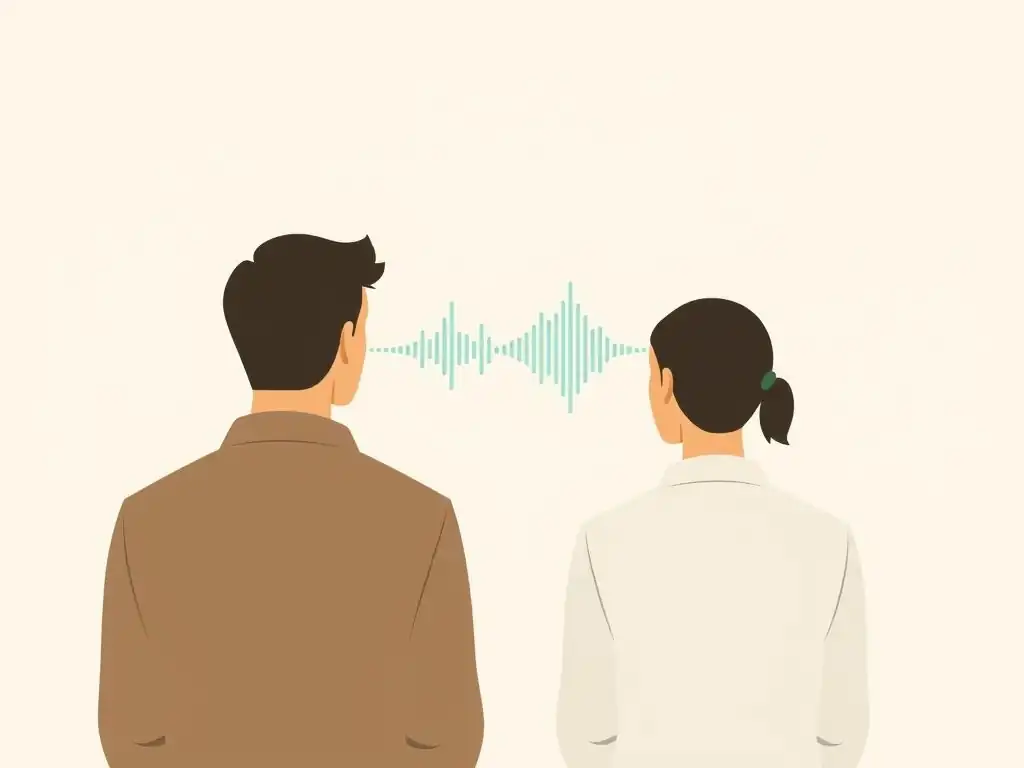
The use of interpreters is paramount when administering personality assessments to individuals whose native language differs from that of the test administrator or the test itself. Simply providing a translated version of the test isn't sufficient; nuances in language, cultural context, and even non-verbal communication can significantly impact test results. A skilled interpreter can bridge these gaps, ensuring accurate comprehension of instructions and responses. For example, a seemingly simple instruction like "think carefully before answering" might have vastly different interpretations across cultures.
A competent interpreter will be aware of these subtle differences and adapt their approach accordingly, facilitating a more accurate and reliable assessment. The interpreter's role extends beyond simple translation; they must also be adept at establishing rapport with the test-taker, mitigating potential anxieties related to language barriers and the assessment process itself. Choosing a qualified and experienced interpreter is crucial; their training and experience in psychological assessment are vital to ensure the integrity of the results. The interpreter should be briefed thoroughly on the assessment's purpose and procedures, ensuring a consistent and standardized approach.
Failure to use a qualified interpreter can lead to significant misinterpretations, potentially resulting in inaccurate diagnoses or inappropriate interventions. The cost of a qualified interpreter is a small price to pay for the accuracy and fairness of the assessment process, and it's ethically crucial to prioritize this. In situations where budgetary constraints are an issue, exploring community resources or pro bono services might be a viable solution. The ethical implications of neglecting this critical aspect of culturally sensitive assessment cannot be overstated.
Utilizing Culturally Adapted Tests
The ideal scenario for culturally sensitive personality assessment involves the use of tests that have been specifically adapted for the target culture. This adaptation isn't simply translation; it requires a deep understanding of the cultural context to ensure that items are relevant, meaningful, and interpreted consistently across different cultural groups. For instance, a question about individualism might be perfectly valid in one culture but completely meaningless or even offensive in another. Culturally adapted tests go beyond simple translation to ensure that the test's content, format, and scoring are all appropriate for the specific cultural group being assessed.
This often involves extensive research, pilot testing, and validation within the target culture to ensure the test's reliability and validity. Such tests are essential for minimizing cultural bias and ensuring fairer and more accurate assessment outcomes. The development of these adapted tests is a complex and resource-intensive process, but the benefits in terms of reduced bias and improved accuracy far outweigh the challenges.
Many established personality tests have culturally adapted versions available, but researchers should always carefully scrutinize the adaptation process and methodology before employing them in their work. The lack of readily available culturally adapted tests for some populations highlights a critical need for further research and development in this area. This is especially important for under-represented groups, where the absence of appropriate assessment tools can lead to systematic biases and inequalities.
Future Directions in Culturally Fair Personality Assessment
The field of personality assessment is evolving rapidly, striving towards greater cultural fairness and inclusivity. Eliminating cultural bias in personality tests requires a multifaceted approach extending beyond simple translation or adaptation. Future research and development must prioritize the creation of truly equitable and valid tools that accurately reflect the diverse tapestry of human experience. This necessitates a shift in how we conceptualize personality and how we measure it.
The current limitations highlight the urgent need for innovative strategies and a renewed commitment to ethical considerations. The ultimate goal is to develop assessments that are not only free from bias but also sensitive to and respectful of cultural differences. This section will explore key areas for future development.
Development of Culturally Relevant Assessment Models
Developing culturally relevant assessment models requires a paradigm shift. We need to move beyond simply adapting existing Western-centric tests to creating instruments grounded in the specific cultural contexts they aim to measure. This involves:
- Indigenous perspectives: Incorporating indigenous psychological theories and frameworks into the design and interpretation of assessments. This means engaging directly with communities and researchers from diverse cultural backgrounds to ensure that the constructs being measured are relevant and meaningful within those contexts. For example, instead of solely relying on Western personality traits like extraversion and neuroticism, researchers should explore culturally specific personality constructs.
- Qualitative research methods: Heavy reliance on qualitative methods, such as ethnographic studies and interviews, to understand the nuances of personality expression across cultures. This allows for a deeper understanding of the cultural context surrounding personality, going beyond simplistic quantitative comparisons.
- Contextualization: Understanding the impact of socio-cultural factors, such as socioeconomic status, education level, and acculturation, on responses to personality assessments. Failure to consider these factors can lead to misinterpretations and biased results. For instance, a test measuring self-esteem might need to account for cultural norms regarding self-expression.
- Testing methodologies: Exploring alternative testing methods that are less reliant on language and literacy. This includes the use of nonverbal assessments, performance-based tasks, and even observational methods. This is crucial for populations with limited literacy skills or for those who are not fluent in the language of the assessment.
Advancements in Cross-Cultural Psychological Research
Advancements in cross-cultural psychological research are crucial for developing culturally fair personality assessments. This includes:
- Comparative studies: Conducting rigorous comparative studies that systematically examine the validity and reliability of personality assessments across different cultural groups. These studies must move beyond simple comparisons of mean scores and delve into a deeper understanding of cultural variations in personality expression.
- Data analysis techniques: Employing sophisticated data analysis techniques that account for cultural differences and avoid making inappropriate generalizations. This might involve using multilevel modeling or other statistical methods that can account for nested data structures and cultural variations.
- Collaboration: Fostering international collaborations among researchers from diverse cultural backgrounds. This collaborative approach ensures that assessments are developed and validated in a culturally sensitive and ethically sound manner. Sharing best practices and research findings across borders is crucial for progress.
- Emic vs. etic approaches: Striking a balance between emic (culture-specific) and etic (universal) perspectives. While recognizing the unique aspects of different cultures, researchers should also seek to identify universal personality dimensions that transcend cultural boundaries. This nuanced approach avoids the pitfalls of both cultural relativism and cultural imperialism.
Ethical Considerations for Future Assessment Practices
Ethical considerations are paramount in the development and use of culturally fair personality assessments. This necessitates:
- Informed consent: Ensuring that participants are fully informed about the purpose and implications of the assessment and provide their free and informed consent. This is particularly important when working with vulnerable populations or those from marginalized communities.
- Cultural sensitivity: Training assessors to be culturally sensitive and aware of potential biases in their interpretations. This includes addressing implicit biases and recognizing the influence of personal beliefs and values on assessment practices.
- Transparency: Being transparent about the limitations of the assessment and avoiding making overgeneralizations based on test results. It's crucial to emphasize that assessments provide only one piece of information and should not be used to make definitive judgments about individuals or groups.
- Beneficence and non-maleficence: Prioritizing the well-being of participants and ensuring that assessments are used in a way that benefits, rather than harms, individuals and communities. This involves careful consideration of the potential consequences of using assessments in various contexts. For example, considering the potential impact of test results on access to education, employment, or healthcare.
The development of truly culturally fair personality assessments is an ongoing process requiring a commitment to rigorous research, ethical practice, and cross-cultural collaboration. The ultimate goal is to create assessments that are not only valid and reliable but also equitable and respectful of the diverse human experience. This requires a continuous dialogue and a willingness to adapt and evolve our approaches based on new research findings and societal changes. 🎉
Frequently Asked Questions
What is cultural bias in personality tests?
Cultural bias refers to the systematic errors in personality tests that arise when the test is not equally valid and reliable across different cultures. This can lead to misinterpretations of individuals from diverse backgrounds. Tests may unintentionally favor certain cultural groups.
How does culture influence personality assessment?
Culture significantly impacts an individual's self-perception, behaviors, and responses to test items. What is considered normal or desirable in one culture might be viewed differently in another, leading to inaccurate results. Cultural values and norms shape responses.
What are some examples of cultural biases in personality tests?
Examples include using idioms or colloquialisms unfamiliar to certain groups, relying on Western-centric concepts of personality, and failing to account for cultural differences in self-disclosure. These biases can lead to inaccurate and unfair assessments.
How can cultural biases in personality tests be minimized?
Minimizing bias involves using culturally appropriate language, adapting test items to reflect diverse cultural contexts, and employing diverse samples in test development and validation. Cross-cultural research is crucial for identifying and addressing biases.
Are there culturally sensitive personality tests available?
While not all personality tests are culturally sensitive, there is a growing effort to develop and validate tests that are more inclusive. Researchers are working to create tests that account for cultural variations in personality and behavior, leading to more equitable assessments.
Final Reflection: Recalibrating the Compass of Personality Assessment
The pervasive influence of cultural biases in personality assessment tools continues to undermine their validity and fairness, jeopardizing accurate evaluations and perpetuating systemic inequalities. Ignoring these biases isn't just a methodological oversight; it's a matter of ethical responsibility and social justice. We must move beyond simply acknowledging the problem and actively work towards solutions.
The insidious nature of cultural bias in psychological testing has profoundly shaped our understanding of personality, often reinforcing existing stereotypes and marginalizing diverse populations. Culture is not a static entity; it is a dynamic process of interaction and negotiation.
This dynamic nature demands that our assessment tools evolve to reflect the complexity and richness of human experience, rather than imposing a narrow, culturally-biased framework. The ongoing struggle to create truly equitable and culturally sensitive assessments underscores the critical need for continuous research, development, and critical evaluation of existing methodologies.
Consider the implications of relying on biased assessments in areas like hiring, education, and mental health. What opportunities are lost? What misjudgments are made? You, the reader, hold the power to advocate for change. Demand transparency in assessment methods, encourage the development and use of culturally informed tools, and actively challenge assumptions that perpetuate bias. Let's work together to build a future where personality assessment truly reflects the multifaceted tapestry of human individuality, free from the constraints of cultural prejudice.
**Embrace Change: Take Action Against Cultural Bias in Assessments! **
Thank you for your commitment to understanding the critical issue of cultural bias in personality assessments. Your engagement today contributes significantly to the conversation surrounding fair and accurate evaluations for diverse populations. Now, let's translate this understanding into concrete action!
Here are some practical steps you can take to make a difference:
- **Expand Your Knowledge and Share It:** Increase your understanding of how cultural biases affect personality assessments. Discuss relevant articles or books with colleagues and friends to raise awareness within your network.
- **Champion Inclusive Practices:** If you work in education or a professional setting, advocate for the adoption of more inclusive assessment methods and cultural competency training for all evaluators.
- **Engage in Professional Dialogue:** Participate in discussions and forums focused on psychological assessment to connect with others dedicated to fairness and equity in the field.
What impact have you observed from cultural biases in personality assessments? Share your experiences to help foster a productive discussion.