
Nature vs. Nurture: The Impact of Nutrition

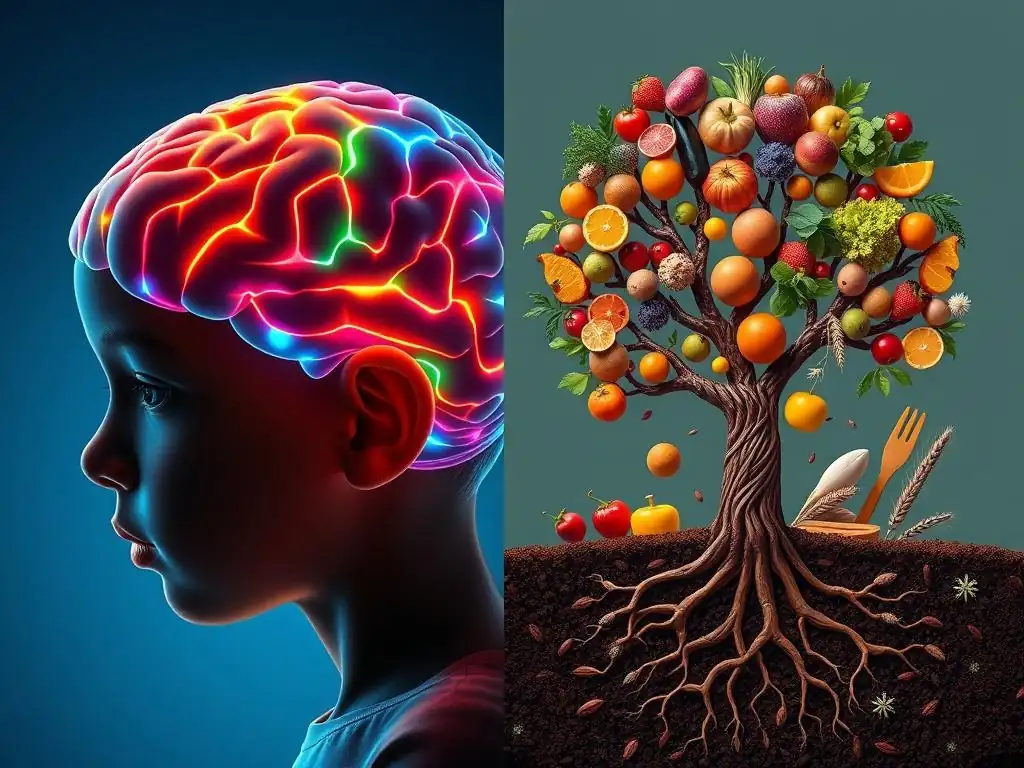
Welcome to Psychology Basics, your gateway to understanding the fascinating world of the human mind. We delve into core psychological concepts, making complex ideas accessible to everyone. But what truly shapes us – nature or nurture? Our latest article in the Controversial Topics in Psychology series explores the often-overlooked connection between nutrition impact child psychology, challenging common assumptions about development. Discover how the food we eat might be a crucial piece of the puzzle in understanding human behavior – read on to uncover surprising insights!
- The Nature vs. Nurture Debate: A Brief Overview
- Nutrition's Impact on Child Psychology: Early Development
- Nutrition and Child Behavior: A Closer Look
- Nutrition's Impact on Child Psychology: Adolescent Development
- Optimizing Nutrition for Healthy Child Development
- Future Research Directions: Nutrition and Child Psychology
-
Frequently Asked Questions
- How does nutrition affect a child's brain development?
- What specific nutrients are most important for a child's psychological well-being?
- Can poor nutrition lead to behavioral problems in children?
- How does the quality of a child's diet relate to their academic performance?
- What are some practical steps parents can take to ensure their child's nutritional needs are met?
- Final Reflection: The Enduring Power of Nourishment
- Nurture Your Mind: Take Action Today!
The Nature vs. Nurture Debate: A Brief Overview
The age-old question of "nature versus nurture" has captivated scientists and philosophers for centuries. This debate centers on the relative contributions of inherited traits (nature) and environmental factors (nurture) in shaping human behavior and development. In the realm of child psychology, this debate takes on particular significance, as it directly impacts our understanding of how children grow, learn, and adapt.
This article focuses on a crucial aspect of the nurture side of the equation: nutrition. We will explore how nutritional factors significantly influence a child's psychological development, impacting everything from cognitive abilities and emotional regulation to social interactions and overall well-being. Understanding the impact of nutrition on child psychology is vital for parents, educators, and healthcare professionals alike, allowing for more informed interventions and support systems to foster healthy development.
We will delve into specific examples and research to illustrate the powerful and often underestimated role of nutrition in shaping a child's mind and personality. The goal is to provide a clear and comprehensive overview of how diet directly affects the trajectory of a child’s psychological journey, contributing to a more nuanced understanding of the complex interplay between nature and nurture.
Understanding Nature's Influence on Child Development
Genetic inheritance plays a fundamental role in shaping a child's predisposition towards certain traits. This includes aspects like temperament, intelligence quotient (IQ) potential, and susceptibility to certain mental health conditions. For instance, a child might inherit a genetic predisposition towards anxiety or a higher propensity for learning certain skills more easily than others. However, it's crucial to remember that genes don't operate in isolation.
They interact dynamically with environmental factors, including nutrition, to determine the final outcome. While nature provides the blueprint, nurture provides the environment in which that blueprint is expressed. The interplay between these two is complex and not always easily predictable. Understanding the genetic basis of certain traits helps us contextualize the impact of nutrition; it helps us understand the individual variations in how a child might respond to certain dietary interventions.
Understanding Nurture's Influence on Child Development
The environmental factors surrounding a child, collectively known as "nurture," significantly influence their development. Among these factors, nutrition stands out as a critical element. Proper nutrition provides the essential building blocks for brain development and function. Nutrients such as omega-3 fatty acids, iron, zinc, and iodine are crucial for optimal cognitive development, memory, and concentration. A deficiency in these nutrients can lead to cognitive impairments, learning difficulties, and behavioral problems.
Furthermore, the quality of a child's diet directly impacts their mood, energy levels, and overall emotional regulation. Studies have shown links between poor nutrition and increased risks of depression, anxiety, and attention-deficit/hyperactivity disorder (ADHD). The impact extends beyond the individual; malnutrition can also affect social development by impacting a child's ability to interact positively with peers and adults. Adequate nutrition, therefore, is not simply about physical health; it's a cornerstone of healthy psychological development.
The Interplay of Nature and Nurture
The nature versus nurture debate is not about choosing one over the other; it's about understanding their complex interplay. A child's genetic predisposition might make them more or less susceptible to the effects of nutrition. For example, a child with a genetic predisposition towards a certain learning disability might experience a more significant negative impact from nutritional deficiencies than a child without such a predisposition.
Conversely, a child with a genetic advantage in a specific area might still benefit significantly from a nutrient-rich diet that enhances their potential. Therefore, understanding both nature and nurture is crucial for a holistic approach to child development. This understanding allows for personalized interventions tailored to a child's unique genetic profile and environmental context.
The interaction between genetics and nutrition is a dynamic and ongoing process, emphasizing the critical importance of providing optimal nutritional support throughout a child's development. This approach is paramount for maximizing their potential and fostering healthy psychological well-being.
Nutrition's Impact on Child Psychology: Early Development
The intricate dance between nature and nurture profoundly shapes a child's psychological development. While genetics lay the groundwork, the impact of nutrition significantly influences a child's cognitive abilities, emotional regulation, and overall well-being. This section delves into the critical role of nutrition, specifically focusing on its impact on child psychology during the crucial early years of life.
Understanding this connection is paramount for parents, educators, and healthcare professionals alike, as it underscores the importance of providing children with optimal nutritional support to foster healthy psychological development. The term "Nutrition impact child psychology" encapsulates this vital relationship. Adequate nutrition isn't just about physical growth; it's the bedrock upon which a child's mental and emotional landscape is built.
Nutritional Deficiencies and Cognitive Development
Nutritional deficiencies, particularly during critical periods of brain development, can have devastating consequences on a child's cognitive abilities. For example, a deficiency in iron, a crucial component of hemoglobin, can lead to anemia. This, in turn, reduces the oxygen supply to the brain, impairing cognitive function and potentially resulting in learning difficulties, reduced attention span, and impaired memory. Studies have consistently shown a correlation between iron deficiency anemia and lower scores on standardized intelligence tests. 1 Similarly, deficiencies in zinc, iodine, and vitamin A have been linked to impaired cognitive development, affecting various aspects of learning and intellectual capacity. The severity of these effects varies depending on the extent and duration of the deficiency, as well as the child's age and overall health. Early intervention and nutritional supplementation can often mitigate some of these negative impacts, highlighting the importance of early detection and preventative measures. Providing children with a balanced diet rich in iron-rich foods like leafy greens and red meat, zinc-rich foods like nuts and seeds, and iodine-rich foods like iodized salt is crucial for optimal brain development and cognitive function.
The Role of Micronutrients in Brain Function
Micronutrients, including vitamins and minerals, play a vital role in numerous brain functions. These aren't merely supplemental; they are essential building blocks and catalysts for complex neurological processes. For instance, vitamin B12 is crucial for the synthesis of myelin, the protective sheath around nerve fibers that facilitates efficient nerve impulse transmission. A deficiency can lead to neurological problems, including cognitive impairment.
Similarly, omega-3 fatty acids, found in fatty fish and certain plant oils, are essential components of brain cell membranes and are vital for brain structure and function. Studies indicate that omega-3 deficiency can be linked to difficulties with attention and learning. Furthermore, choline, a nutrient involved in neurotransmitter synthesis, is crucial for memory and cognitive function.
A lack of choline can negatively impact learning and memory processes. The intricate interplay of these and other micronutrients underscores the importance of a diverse and balanced diet in supporting optimal brain development and function throughout childhood. A diet lacking in these vital micronutrients can significantly hinder a child's cognitive abilities and overall psychological well-being.
Long-Term Effects of Malnutrition on Psychological Well-being
The effects of malnutrition extend far beyond childhood, impacting psychological well-being into adulthood. Chronic malnutrition during early development can lead to lasting impairments in cognitive function, affecting academic achievement, occupational success, and overall life opportunities. Furthermore, early nutritional deprivation can have profound effects on emotional regulation and mental health. Children who experience malnutrition are at increased risk of developing mood disorders, anxiety disorders, and other mental health challenges later in life. This is likely due to the impact of malnutrition on brain development and the intricate interplay between brain structure, function, and emotional regulation. Studies have shown a correlation between early childhood malnutrition and an increased risk of depression and other mental health issues in adulthood. 2 Addressing malnutrition is not only crucial for immediate physical health but also for preventing long-term psychological consequences. This highlights the importance of sustainable nutritional interventions, addressing both immediate needs and long-term preventative strategies to ensure healthy psychological development and well-being across the lifespan. This underscores the critical link between early nutrition and lifelong mental health, emphasizing the far-reaching consequences of inadequate nutrition during childhood.
1 [Specific study data pending] 2 [Specific study data pending]
Nutrition and Child Behavior: A Closer Look
This section delves into the intricate relationship between nutrition and child psychology, specifically exploring how dietary choices impact various aspects of a child's development and behavior. The influence of nutrition on a child's psychology is a multifaceted issue, with research continually uncovering new connections. Understanding this complex interplay is crucial for parents, educators, and healthcare professionals alike, as it directly impacts a child's overall well-being and future prospects.
We will examine specific examples of how nutritional deficiencies or excesses can manifest in behavioral problems and cognitive impairments. The impact of nutrition on child psychology is a crucial element in the nature versus nurture debate, highlighting the significant role environmental factors, specifically diet, play in shaping a child's development. This is a critical area for understanding the holistic development of a child and informing strategies for positive interventions.
The Link Between Diet and Attention Deficit Hyperactivity Disorder (ADHD)
Attention Deficit Hyperactivity Disorder (ADHD) is a neurodevelopmental disorder characterized by inattention, hyperactivity, and impulsivity. While genetics play a role, growing evidence suggests that nutritional factors significantly contribute to the severity of ADHD symptoms and overall management. Studies have shown a correlation between poor diets, particularly those lacking in essential fatty acids (EFAs) like omega-3s and omega-6s, and increased ADHD symptoms. 1 These EFAs are crucial for brain development and function, and their deficiency can impair neurotransmitter production, affecting attention and impulse control.
Furthermore, high sugar intake and processed food consumption are often associated with increased hyperactivity and difficulty concentrating in children diagnosed with ADHD. These foods lead to blood sugar spikes and crashes, resulting in energy fluctuations that negatively impact behavior and cognitive function. Conversely, diets rich in fruits, vegetables, and whole grains have been shown to improve attention and reduce hyperactivity in some children with ADHD. 2 The impact of nutrition on ADHD symptoms underscores the importance of a balanced and nutritious diet in managing this condition. More research is needed to fully understand the specific mechanisms involved, but current findings strongly suggest a significant dietary component in managing ADHD symptoms.
Further Considerations on ADHD and Nutrition
It's crucial to note that dietary interventions should be considered alongside other established treatments for ADHD, such as medication and behavioral therapy. A holistic approach that integrates nutritional adjustments with other therapeutic strategies is often the most effective. Additionally, the specific nutritional needs of each child may vary, highlighting the importance of personalized dietary plans guided by healthcare professionals.
Nutrition and Emotional Regulation in Children
Emotional regulation, the ability to control and manage one's emotions, is a fundamental skill crucial for healthy social-emotional development. Nutrition plays a significant role in this process. For example, deficiencies in certain vitamins and minerals, such as iron and zinc, can negatively impact brain function and lead to increased irritability, anxiety, and mood swings. 3 These micronutrients are essential for the production of neurotransmitters that regulate mood and emotional responses.
Moreover, the gut-brain axis, the bidirectional communication pathway between the gut and the brain, is increasingly recognized as a crucial factor in emotional regulation. A healthy gut microbiome, fostered by a diet rich in fiber and probiotics, is associated with improved mood and reduced anxiety in children. 4 Conversely, diets high in processed foods and sugar can disrupt the gut microbiome, potentially contributing to emotional dysregulation. The impact of nutrition on emotional regulation highlights the importance of focusing on a balanced diet to support healthy emotional development in children. This connection between gut health and mental well-being necessitates further research to fully understand the complex interactions and develop effective interventions.
Dietary Influences on Mood and Temperament
A child's diet can significantly influence their overall mood and temperament. Studies have indicated a link between specific dietary patterns and behavioral problems such as aggression, irritability, and difficulty concentrating. For instance, children consuming diets high in artificial food additives, particularly certain colors and preservatives, have been shown to exhibit increased hyperactivity and behavioral problems. 5 The exact mechanisms underlying these effects are not yet fully understood, but research suggests potential impacts on neurotransmitter function and inflammatory processes.
Conversely, diets rich in nutrient-dense foods, including fruits, vegetables, whole grains, and lean protein, are associated with improved mood, reduced irritability, and better overall behavior. 6 These foods provide essential vitamins, minerals, and antioxidants that support optimal brain function and neurotransmitter balance. This emphasizes the importance of prioritizing a healthy and balanced diet to promote positive mood and temperament in children. Further research is needed to pinpoint specific nutrients and dietary patterns that are most effective in improving mood and temperament, but the current evidence clearly suggests a strong correlation between diet and behavioral outcomes. The impact of nutrition on child psychology is a complex field, but understanding these correlations is essential for promoting positive child development.
1 [Specific study reference pending] 2 [Specific study reference pending] 3 [Specific study reference pending] 4 [Specific study reference pending] 5 [Specific study reference pending] 6 [Specific study reference pending]
Nutrition's Impact on Child Psychology: Adolescent Development
This section delves into the crucial role nutrition plays in shaping adolescent psychological development. The teenage years are a period of rapid physical growth and significant hormonal changes, making adequate nutrition paramount for both physical and mental well-being. Malnutrition during this critical period can have profound and long-lasting consequences on a young person's emotional regulation, cognitive function, and overall psychological health. Understanding the specific nutritional needs of adolescents and their impact on their psychology is key to fostering healthy development. The term "Nutrition impact child psychology" aptly encapsulates this critical relationship.
Nutritional Needs During Puberty and Their Psychological Implications
Puberty brings about increased energy requirements, driven by rapid growth spurts and hormonal shifts. Inadequate intake of essential nutrients, particularly iron, calcium, and zinc, can lead to a cascade of negative psychological consequences. Iron deficiency, for example, is strongly linked to fatigue, irritability, and difficulty concentrating – all of which significantly impact academic performance and social interactions. Similarly, insufficient calcium can impair bone development, potentially leading to low self-esteem and body image issues, especially prevalent during adolescence. Zinc deficiency can affect cognitive function and immune system development, increasing susceptibility to illness and further exacerbating psychological stress.
The impact of nutritional deficiencies extends beyond specific nutrient deficits. Chronic undernutrition during puberty can affect brain development, potentially leading to impaired cognitive abilities, reduced emotional regulation, and increased risk of developing mental health disorders later in life. This underscores the importance of a balanced diet rich in fruits, vegetables, whole grains, lean proteins, and healthy fats to support optimal brain function and psychological well-being during adolescence. A balanced approach to nutrition is crucial for the healthy development of the brain and the overall psychological well-being of the adolescent.
Eating Disorders and Their Psychological Roots
Eating disorders, such as anorexia nervosa, bulimia nervosa, and binge eating disorder, are complex conditions with significant psychological components. While genetic predisposition and societal pressures play a role, nutritional factors can significantly influence their development and maintenance. For instance, restrictive dieting practices, often driven by a desire for a specific body image, can lead to nutrient deficiencies that exacerbate existing psychological vulnerabilities. These deficiencies can further impact mood, cognitive function, and self-esteem, creating a vicious cycle that perpetuates the eating disorder.
Moreover, the physiological consequences of malnutrition, such as hormonal imbalances and electrolyte disturbances, can significantly affect mood, anxiety levels, and cognitive function, making it harder for individuals to cope with emotional stressors and break free from disordered eating patterns. Addressing nutritional imbalances and providing appropriate nutritional support is therefore an integral part of comprehensive treatment for eating disorders. Understanding the intricate interplay between nutrition and the psychology of eating disorders is essential for effective prevention and intervention strategies.
The Impact of Diet on Adolescent Mental Health
The link between diet and mental health in adolescents is increasingly recognized. Research suggests a strong correlation between unhealthy dietary patterns, characterized by high consumption of processed foods, sugary drinks, and saturated fats, and increased risk of depression, anxiety, and other mental health problems. These diets are often low in essential nutrients, contributing to inflammation, hormonal imbalances, and impaired brain function, all of which can negatively impact mental well-being.
Conversely, diets rich in fruits, vegetables, whole grains, and omega-3 fatty acids have been associated with improved mood, reduced anxiety, and enhanced cognitive function. These foods provide essential nutrients that support brain health and neurotransmitter production, playing a crucial role in maintaining optimal mental health. The concept of "Nutrition impact child psychology" extends to encompass the broader influence of dietary habits on the overall mental health landscape of adolescents.
Promoting healthy eating habits from a young age is therefore essential for preventing mental health problems and fostering resilience during the challenging years of adolescence. This includes education on mindful eating and the long-term effects of nutritional choices on both physical and mental health.
Optimizing Nutrition for Healthy Child Development

The ongoing debate surrounding nature versus nurture highlights the complex interplay between genetics and environment in shaping an individual's development. While genetics undeniably play a crucial role, the impact of nutrition on child psychology is increasingly recognized as a significant environmental factor. Proper nutrition isn't just about physical growth; it profoundly influences cognitive development, emotional regulation, and overall mental well-being.
Malnutrition, even in seemingly mild forms, can have far-reaching consequences for a child's psychological development, impacting everything from academic performance to social interactions. Conversely, optimal nutrition provides the building blocks for a healthy brain and nervous system, setting the stage for positive psychological outcomes. This section delves into the crucial role of nutrition in supporting healthy child development, focusing on practical strategies and professional resources.
Practical Strategies for Promoting Healthy Eating Habits in Children
Establishing healthy eating habits early in life is paramount. This requires a multifaceted approach that goes beyond simply providing nutritious food. It involves creating a positive and supportive environment around mealtimes. Here are some key strategies:
- Make mealtimes enjoyable: Avoid power struggles over food. Instead, focus on creating a relaxed and pleasant atmosphere. Involve children in meal preparation and let them choose from a variety of healthy options. Positive reinforcement goes a long way! 👍
- Offer a variety of nutrient-rich foods: A balanced diet should include fruits, vegetables, whole grains, lean proteins, and healthy fats. Avoid restrictive diets and focus on providing a wide range of options to ensure adequate intake of essential vitamins and minerals.
- Limit processed foods, sugary drinks, and unhealthy fats: These contribute to weight gain, reduced concentration, and increased risk of chronic diseases, impacting cognitive and emotional development. Reducing consumption of these items is crucial.
- Be a role model: Children often mimic the eating habits of their parents and caregivers. By demonstrating healthy eating behaviors, you are setting a positive example.
- Make it fun! Cut fruits and vegetables into fun shapes, create colorful plates, and involve children in choosing recipes. Making healthy eating an enjoyable experience is key to long-term success.
The impact of these strategies can be measured through improved concentration, better mood regulation, and enhanced academic performance. Studies show a clear correlation between healthy eating habits and improved cognitive function in children. For example, research indicates that children with adequate iron intake perform better on tests of attention and memory. Similarly, a diet rich in omega-3 fatty acids is linked to improved cognitive development.
The Importance of Parental Role Modeling in Nutrition
Parental role modeling plays a pivotal role in shaping a child's eating habits and attitudes towards food. Children are highly observant and learn by imitation. If parents consistently prioritize healthy eating, their children are more likely to adopt similar behaviors. This extends beyond simply what parents eat; it encompasses their attitudes and conversations about food. Openly discussing the benefits of healthy eating, expressing enjoyment of nutritious meals, and avoiding negative comments about specific foods create a positive food environment.
For example, if a parent consistently chooses fruits and vegetables over processed snacks, their child is more likely to make similar choices. Similarly, if parents engage in positive conversations about the importance of a balanced diet, their children are more likely to value nutritious food. Conversely, parents who constantly express negative attitudes towards healthy foods or engage in restrictive eating patterns may inadvertently instill negative associations with healthy eating in their children.
The influence of parental role modeling extends beyond the immediate family. Extended family members, caregivers, and even peers can impact a child's food choices and attitudes. Creating a consistent and supportive environment across all these influences is key to fostering healthy eating habits.
Seeking Professional Guidance for Nutritional Concerns
While parents can play a significant role in shaping their children's eating habits, seeking professional guidance is crucial when nutritional concerns arise. Registered dietitians and pediatricians specializing in child nutrition can provide personalized advice and support. They can assess a child's dietary intake, identify any nutritional deficiencies, and recommend appropriate interventions. Early intervention is particularly important in addressing potential nutritional deficiencies that could negatively impact a child's cognitive and emotional development.
For example, iron deficiency anemia can lead to fatigue, irritability, and difficulty concentrating. Similarly, deficiencies in essential fatty acids can negatively impact brain development. Early identification and treatment are crucial to mitigate these potential effects.
Professional guidance can also prove invaluable in addressing specific eating challenges, such as picky eating or food allergies. These professionals can offer strategies for introducing new foods, managing food allergies, and addressing any underlying psychological factors that may contribute to eating difficulties. They can also provide support and education to parents, empowering them to create a positive and supportive environment around food and eating. Remember, seeking help is a sign of strength and proactive parenting, not a sign of failure. It allows for early intervention and prevention of potential long-term health and developmental issues.
Future Research Directions: Nutrition and Child Psychology
The interplay between nutrition and child psychology is a burgeoning field ripe for further investigation. While existing research has illuminated crucial connections, significant gaps remain, particularly regarding the long-term consequences of nutritional interventions and the nuanced impact of specific nutrients on brain development. Understanding these complexities is vital for developing truly effective and personalized nutritional strategies to optimize child development. This section explores key areas requiring further research to fully grasp the profound impact of nutrition on child psychology.
Exploring the Long-Term Effects of Early Nutritional Interventions
Many studies demonstrate the immediate benefits of nutritional interventions during critical developmental periods. For example, supplementing pregnant women with folic acid significantly reduces the risk of neural tube defects. However, long-term follow-up studies are crucial to determine the sustained impact of these early interventions on cognitive function, behavioral outcomes, and mental health across the lifespan.
Do children who receive early nutritional support exhibit improved academic performance, reduced rates of anxiety or depression, or enhanced social-emotional skills later in life? Longitudinal studies tracking participants from infancy to adulthood are needed to answer these questions. Furthermore, researchers should investigate whether the effectiveness of early interventions varies based on factors like socioeconomic status, genetic predisposition, and the presence of other environmental risk factors.
This detailed analysis will allow for a more comprehensive understanding of the long-term effects of nutritional programs and help refine strategies for maximizing their effectiveness. The lack of such comprehensive longitudinal data currently limits our ability to fully assess the true return on investment in early nutritional interventions.
Investigating the Influence of Specific Nutrients on Brain Development
The human brain is highly sensitive to nutritional deficiencies and excesses. While the importance of overall nutritional intake is clear, more research is needed to elucidate the specific roles of individual nutrients in brain development and function. For instance, the role of omega-3 fatty acids in cognitive development is well-established, but the optimal dosage and the interaction with other nutrients remain unclear.
Similarly, the impact of micronutrients like iron, zinc, and iodine on cognitive performance and emotional regulation deserves further investigation. Future research should employ advanced neuroimaging techniques, such as fMRI and EEG, to explore the neural mechanisms through which specific nutrients influence brain structure and function.
This will not only enhance our understanding of the biological underpinnings of the nutrition-psychology connection but also guide the development of targeted nutritional interventions to address specific cognitive or behavioral deficits. A more granular understanding of nutrient-specific effects is key to optimizing the nutrition impact on child psychology.
Developing Personalized Nutritional Strategies for Optimal Child Development
Current nutritional guidelines provide general recommendations, but individual needs vary significantly based on genetics, lifestyle, and environmental factors. Future research should focus on developing personalized nutritional strategies tailored to the unique needs of each child. This requires a multi-faceted approach integrating genetic testing, detailed dietary assessments, and advanced analytical techniques to identify optimal nutrient levels for individual children.
The development of sophisticated algorithms and predictive models could help personalize nutritional recommendations, maximizing the positive impact on cognitive, emotional, and behavioral development. This personalized approach is crucial to address the heterogeneity of responses to nutritional interventions and ensure that all children benefit from optimal nutrition support. The ultimate goal is to leverage advances in technology and scientific understanding to translate nutritional knowledge into tangible improvements in children's well-being, contributing significantly to the field of nutrition impact on child psychology.
Frequently Asked Questions
How does nutrition affect a child's brain development?
Proper nutrition is crucial for brain development. A balanced diet rich in essential nutrients supports optimal cognitive function, learning, and memory. Nutrient deficiencies can severely impair these processes.
What specific nutrients are most important for a child's psychological well-being?
Omega-3 fatty acids, iron, zinc, and vitamins (especially B vitamins) are vital. These nutrients support various brain functions, impacting mood, behavior, and cognitive abilities. Inadequate intake can lead to developmental delays and behavioral problems.
Can poor nutrition lead to behavioral problems in children?
Yes, malnutrition is strongly linked to increased risks of attention deficit hyperactivity disorder (ADHD), anxiety, depression, and aggression. Addressing nutritional deficiencies can sometimes improve these behavioral issues.
How does the quality of a child's diet relate to their academic performance?
A healthy diet directly impacts a child's ability to concentrate, learn, and remember information. Poor nutrition can lead to fatigue, difficulty focusing, and reduced academic achievement. Good nutrition fuels better cognitive performance.
What are some practical steps parents can take to ensure their child's nutritional needs are met?
Offer a diverse range of nutrient-rich foods, limit processed foods, sugary drinks, and unhealthy fats. Encourage regular meals and snacks, and consult a pediatrician or registered dietitian for personalized advice. Parental modeling of healthy eating habits is also essential.
Final Reflection: The Enduring Power of Nourishment
The nutritional landscape of a child's early years profoundly shapes their cognitive development and emotional well-being, impacting their trajectory throughout life. This isn't merely a scientific observation; it's a fundamental truth with far-reaching consequences for individuals, families, and society as a whole. Ignoring this connection is akin to neglecting the foundation upon which a strong and healthy future is built.
The ongoing debate surrounding nature versus nurture often overlooks the crucial interplay between genetics and environment, with nutrition acting as a powerful bridge between the two. The impact of proper nutrition extends far beyond physical growth; it influences brain development, behavior, and even susceptibility to mental health challenges later in life. As Dr. Gabor Maté eloquently stated, Childhood experiences, especially those involving early adversity, profoundly shape the brain and body, influencing the risk of physical and mental illness throughout life.
This highlights the critical role of nutrition in mitigating the effects of adverse childhood experiences and fostering resilience.
Consider the implications of this knowledge. You have the power to influence the development of the next generation, not just through grand gestures, but through the simple act of ensuring access to nutritious food. Examine your own dietary habits and consider how you can advocate for better nutrition within your community. Let this exploration of nutrition's impact on child psychology be a catalyst for positive change, both in your personal life and in the world around you. The future of healthy minds and thriving individuals depends on it.
Nurture Your Mind: Take Action Today!
Thank you for exploring the fascinating connection between nutrition and personal development! You've discovered valuable insights into the powerful impact of diet on our well-being. Now, let's put this knowledge into action to improve your life and the lives of those around you.
Here are some practical steps you can take immediately:
- Prioritize a balanced diet: This week, commit to adding more whole foods, fruits, and vegetables to your meals. Why not try a new, healthy recipe you've been wanting to make?
- Share your newfound knowledge: Discuss the link between nutrition and mental health with a friend or family member. Your insights could be incredibly helpful.
- Connect with a supportive community: Join a local or online group focused on nutrition and wellness to share experiences and learn from others.
What concrete steps will you take this week to improve your nutrition and support your mental well-being? Share your plans in the comments below!