
The Science of Recognition: How We Identify Familiar Faces and Objects

Welcome to Psychology Basics, your gateway to understanding the fascinating world of the human mind. Have you ever wondered how we effortlessly recognize the faces of loved ones, or the objects around us? It's more complex than you might think! Dive into the intriguing field of Face recognition psychology science and uncover the cognitive processes behind this remarkable ability. Explore the science of recognition and discover the surprising mechanisms that shape our perception of the world. Let's unlock the mysteries of how our brains make sense of what we see!
- Understanding Face Recognition: A Basic Overview
- Object Recognition: Beyond Faces
- Factors Affecting Recognition: Age, Attention, and Memory
- Applications of Recognition Science: Real-world Implications
- Frequently Asked Questions
- Final Reflection: The Enduring Mystery of Recognition
- Unveil the Power of Recognition: Take Action Today!
Understanding Face Recognition: A Basic Overview
Face recognition, the remarkable ability to identify familiar individuals from their faces, is a cornerstone of human social interaction. It's a complex cognitive process that seamlessly blends perception, memory, and emotion, allowing us to navigate our social worlds with ease. This ability, seemingly effortless, actually involves a sophisticated interplay of neural mechanisms and cognitive processes.
Understanding how we recognize faces is crucial not only for comprehending the intricacies of the human brain but also for developing technological applications like facial recognition software and for understanding neurological conditions that impair this vital skill. This article delves into the science of face recognition, exploring the key brain regions, visual processing stages, and cognitive mechanisms that contribute to this fundamental aspect of human cognition.
We will examine the psychological science behind face recognition, focusing on the processes that allow us to effortlessly distinguish between faces, even those we haven't seen in years. This exploration will help clarify the complexities of face recognition psychology science and its implications.
The Neural Basis of Facial Recognition: Key Brain Regions Involved
The fusiform face area (FFA), located in the inferior temporal lobe, is widely recognized as a crucial brain region for face processing. Neuroimaging studies, such as fMRI, consistently show increased activity in the FFA when individuals are presented with faces compared to other objects. Damage to this area, as seen in cases of prosopagnosia (face blindness), often results in a significant impairment in the ability to recognize familiar faces, highlighting its critical role.
However, face recognition is not solely dependent on the FFA. Other brain regions, including the superior temporal sulcus (STS), involved in processing biological motion and gaze direction, and the amygdala, which plays a key role in processing emotional information associated with faces, also contribute significantly to the overall process. The intricate network of these brain regions works in concert to ensure efficient and accurate face recognition.
Further research is needed to fully elucidate the precise contributions of each area and the complex interactions between them. For instance, [specific information pending] regarding the temporal dynamics of activation across these regions during face processing.
Early Visual Processing and Feature Extraction in Face Recognition
Before high-level processing in areas like the FFA, initial visual information undergoes a series of transformations. Early visual processing in the occipital lobe extracts basic features like edges, orientations, and contrasts. These low-level features are then integrated into more complex representations as the information moves through the ventral visual pathway. The process involves a hierarchical organization, with increasingly complex representations built upon simpler ones.
This stage is crucial because it filters and organizes the immense amount of visual information, allowing for efficient processing of facial features. The specific mechanisms by which these features are extracted and combined to form a representation of a face are still under investigation. However, models of visual processing suggest that this involves a combination of bottom-up (data-driven) and top-down (knowledge-driven) processes. For example, [specific data on the speed of early visual processing in face recognition pending].
Configural Processing and Holistic Face Perception: The Importance of Relationships
Unlike object recognition, which often relies on identifying individual features, face recognition relies heavily on configural processing. This means that we recognize faces by processing the overall spatial relationships between facial features rather than focusing on individual features in isolation. The classic "inversion effect" demonstrates this: inverted faces are much harder to recognize than upright faces, highlighting the importance of spatial relationships.
This holistic processing suggests that we perceive faces as integrated wholes, rather than a collection of separate parts. This holistic approach is crucial because it enables us to quickly and efficiently discriminate between faces, even those that share similar individual features.
Moreover, the ability to recognize faces from different viewpoints and under varying lighting conditions further underscores the importance of configural processing and the brain’s remarkable ability to adapt to changes in visual input. Studies have shown that [specific data on the impact of feature distortion on face recognition is pending].
Object Recognition: Beyond Faces
Object recognition, a crucial aspect of our daily lives, allows us to identify and categorize the myriad of objects surrounding us. While face recognition often steals the spotlight, the ability to recognize objects extends far beyond just faces. It's a complex cognitive process involving multiple brain regions and intricate interactions between perception, memory, and higher-level cognitive functions.
This section will delve into the fascinating science behind object recognition, highlighting its similarities and differences with face recognition, the role of memory, and the crucial process of categorization. Understanding object recognition provides a deeper understanding of how our brains construct meaning from the visual world. The field of "Face recognition psychology science" is just one piece of this broader puzzle.
Object Recognition: Similarities and Differences with Face Recognition
Both face and object recognition rely on visual processing, but they differ significantly in their neural mechanisms and the level of expertise involved. Face recognition, often considered a specialized skill, shows a remarkable degree of proficiency from a young age. We are naturally inclined to distinguish between individual faces, a skill honed through extensive exposure. Neuroimaging studies reveal distinct brain regions, such as the fusiform face area (FFA), specifically activated during face processing. 1
Object recognition, conversely, is more generalizable. While expertise in specific object categories (e.g., bird enthusiasts recognizing different bird species) can lead to specialized neural processing, the basic mechanisms for identifying objects are more broadly distributed across the brain's visual processing areas. This suggests a more flexible and adaptable system compared to the seemingly innate specialization for face recognition.
The efficiency of object recognition varies depending on factors such as the object's distinctiveness, the viewing angle, and the presence of occluding elements. For example, recognizing a familiar chair from a unique angle might be easier than identifying a partially obscured car.
The Role of Memory in Object Identification: Long-Term Memory and Recognition
Memory is paramount to object recognition. When we encounter an object, our visual system extracts its features. These features are then compared to representations stored in long-term memory. This comparison process involves both perceptual and mnemonic components. If a sufficient match is found, we recognize the object. The strength of the memory trace – influenced by factors such as frequency of exposure, recency of encounter, and the distinctiveness of the object's features – directly impacts the speed and accuracy of recognition.
Different types of long-term memory contribute to object recognition. Semantic memory, encompassing our general knowledge about the world, provides contextual information about the object's category, function, and typical properties. Episodic memory, on the other hand, stores specific memories associated with the object, such as where and when we last encountered it. The interplay between these memory systems allows for a rich and nuanced understanding of the recognized object. For example, recognizing a specific coffee mug might activate both semantic knowledge about coffee mugs in general and episodic memories of using that particular mug.
Categorization and Concept Formation in Object Recognition
Categorization is a fundamental aspect of object recognition. Instead of treating each object as a unique entity, we group objects into categories based on shared features and properties. This process simplifies the vast amount of visual information we encounter daily, allowing us to efficiently process and interact with our environment. Categorization relies on concept formation, the cognitive process of creating mental representations of categories. These representations are not simply lists of features but rather complex structures that incorporate our understanding of the category's typical members, variations within the category, and relationships to other categories.
The formation of object categories is a dynamic and ongoing process, influenced by our experiences and learning. For example, a child's concept of "dog" might initially be based on limited features (e.g., four legs, furry), while an adult's concept incorporates a wider range of characteristics (breed variations, size differences, behavioral patterns). This continuous refinement of our conceptual representations reflects the adaptability and flexibility of our object recognition system.
The precision of our categorization influences how efficiently we can navigate and interact with the world around us. Understanding these processes is key to comprehending the multifaceted nature of "Face recognition psychology science" and its broader implications in cognitive psychology.
1 Further research is needed to fully elucidate the specific neural mechanisms involved.
Factors Affecting Recognition: Age, Attention, and Memory
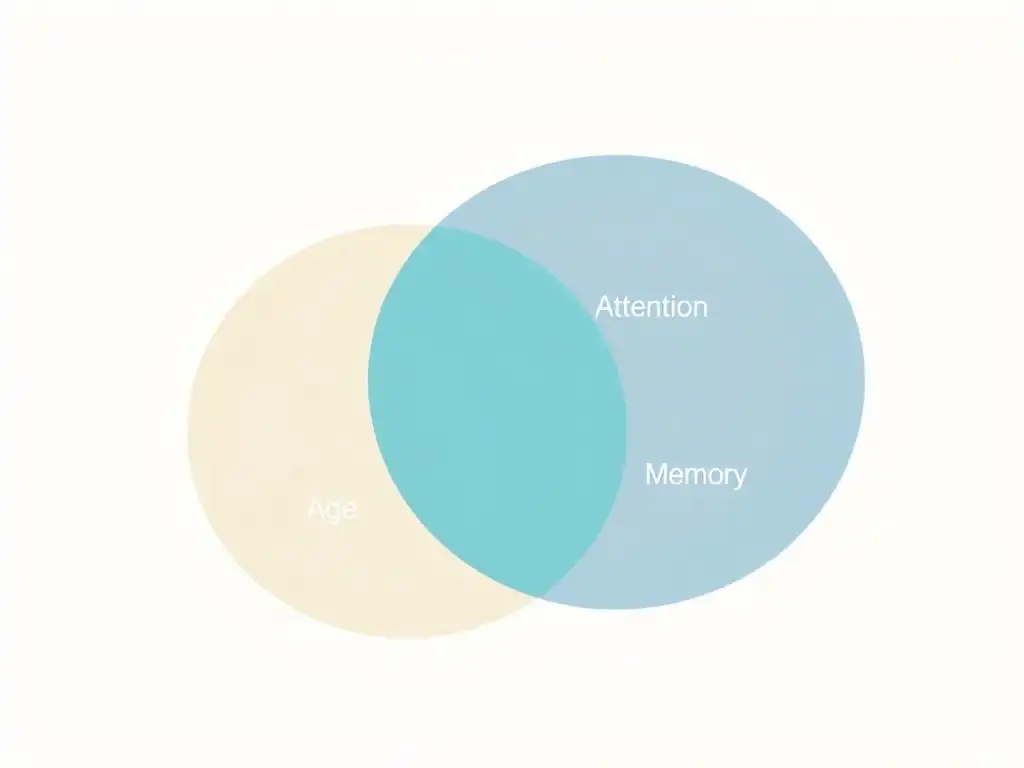
This section delves into the multifaceted influences impacting our ability to recognize faces and objects. We'll explore how age, attention, and memory—critical cognitive functions—interplay to shape our recognition processes. Understanding these factors is crucial to grasping the complexities of "Face recognition psychology science."
Facial recognition abilities, a cornerstone of social interaction, undergo significant changes across the lifespan. While young adults generally exhibit peak performance, older adults often experience declines in their ability to accurately identify familiar faces. This isn't simply a matter of diminished visual acuity; rather, it reflects age-related alterations in various cognitive processes.
Several studies indicate a decline in face recognition accuracy beginning in the 50s and becoming more pronounced in later adulthood. This decline isn't uniform; some individuals maintain excellent facial recognition abilities well into old age, while others experience substantial difficulties. This variability highlights the influence of individual differences, such as lifestyle, overall health, and genetic predisposition.
The mechanisms underlying age-related declines are complex and not fully understood. However, several contributing factors have been identified:
- Changes in brain structure and function: Age-related atrophy in brain regions crucial for face processing, such as the fusiform face area (FFA), can impair recognition abilities. Reduced neural plasticity may also limit the brain's ability to adapt and compensate for age-related changes.
- Processing speed: Slower processing speed, a common age-related cognitive decline, can hinder the efficient analysis of facial features needed for accurate identification. Older adults may struggle to integrate information from multiple facial features quickly enough for successful recognition.
- Working memory limitations: Working memory, responsible for temporarily holding and manipulating information, plays a vital role in face recognition. Age-related decline in working memory capacity can impair the ability to compare current facial stimuli with stored memories.
The implications of age-related declines in face recognition are significant, impacting social interactions, independent living, and overall quality of life. Further research is needed to develop effective interventions to mitigate these declines and improve the quality of life for older adults.
The Impact of Attention on Object and Face Recognition
Attention, the selective focusing of cognitive resources, is paramount in recognition processes. Without sufficient attention, even highly familiar faces or objects may go unnoticed or be misidentified. The interplay between attention and recognition is bidirectional: recognition relies on attention, and attention is often guided by prior recognition.
Consider the "cocktail party effect," where we can focus on a single conversation amidst a cacophony of other sounds. This selective attention allows us to filter out irrelevant stimuli and prioritize those that are significant. Similarly, in visual recognition, attention allows us to select specific facial features or object characteristics for detailed processing, while ignoring less relevant details.
Different types of attention influence recognition in distinct ways:
- Selective attention: This allows us to focus on specific stimuli while ignoring others. In face recognition, selective attention enables us to distinguish individual faces within a crowd. Impaired selective attention can lead to difficulties in identifying faces in complex visual scenes.
- Sustained attention: The ability to maintain focus over time is essential for prolonged recognition tasks. For instance, prolonged observation of a suspect's image is crucial for accurate identification in forensic contexts. Difficulties in sustained attention can lead to errors and missed details.
- Divided attention: The ability to attend to multiple stimuli simultaneously is crucial in situations requiring multitasking. For example, recognizing a familiar face while simultaneously engaging in another task, like driving, demands effective divided attention. Impaired divided attention can increase the risk of misidentification.
Understanding the role of attention in "Face recognition psychology science" is crucial for designing effective strategies to improve recognition accuracy. For example, optimizing visual displays to enhance attentional capture can improve eyewitness testimony accuracy.
Memory Deficits and Their Effects on Recognition Processes: The Impact of Alzheimer's and Prosopagnosia
Memory impairments significantly compromise recognition abilities. Two prominent examples illustrate this: Alzheimer's disease and prosopagnosia.
Alzheimer's disease, a progressive neurodegenerative disorder, leads to widespread cognitive decline, including significant memory deficits. As the disease progresses, individuals struggle to recognize familiar faces, even those of close family members. This is due to damage to brain regions crucial for memory consolidation and retrieval, including the hippocampus and medial temporal lobe. The severity of recognition impairment correlates with the stage of Alzheimer's disease.
Prosopagnosia, also known as face blindness, is a neurological condition characterized by an inability to recognize faces, despite intact general visual abilities and memory functions. Individuals with prosopagnosia can identify other objects and individuals based on other characteristics (voice, gait, etc. ), but struggle to recognize faces, even those of close friends and family. The cause of prosopagnosia can be developmental (congenital) or acquired (due to brain injury or stroke). While the exact neural mechanisms underlying prosopagnosia are still under investigation, it's believed to involve dysfunction in the fusiform face area (FFA) and related brain regions.
The consequences of these memory deficits are profound, affecting social interactions, relationships, and daily functioning. Understanding the neural underpinnings of these conditions is crucial for developing diagnostic tools and potential interventions. The study of these conditions significantly contributes to our understanding of "Face recognition psychology science," particularly regarding the neural substrates of facial recognition and the intricate interplay between memory and perception.
Applications of Recognition Science: Real-world Implications
The study of face recognition, a crucial aspect of "Face recognition psychology science," extends far beyond the theoretical realm. Its principles find practical applications across diverse fields, impacting how we investigate crimes, secure our environments, and diagnose neurological conditions. Understanding these applications highlights the real-world significance of this cognitive process.
Applications in Forensic Science: Facial Identification and Witness Testimony
Forensic science heavily relies on accurate facial identification. Eyewitness testimony, while often crucial, is susceptible to errors. Understanding the cognitive biases and limitations inherent in face recognition is paramount to evaluating witness reliability. Factors such as lighting conditions, the duration of exposure to the face, the presence of disguises, and the witness's emotional state significantly influence the accuracy of identification. Studies consistently demonstrate the fallibility of memory, with research showing that mistaken identification contributes to a significant number of wrongful convictions. 1 Advanced techniques, such as composite sketches and computer-aided facial reconstruction, attempt to mitigate these issues, but they too are subject to limitations. The development of more sophisticated methods, incorporating the latest insights from "Face recognition psychology science," is crucial to improving the accuracy and reliability of forensic facial identification. This includes a deeper understanding of factors like the cross-race effect, where individuals find it more difficult to identify faces from races different from their own.
Implications for Security Systems: Biometric Authentication and Facial Recognition Technology
Biometric authentication systems, particularly those employing facial recognition technology, are increasingly prevalent in security applications. Airports, border control, and even smartphones utilize this technology to verify identities. The effectiveness of these systems hinges on the accuracy and robustness of the underlying face recognition algorithms. However, these systems are not without their challenges. Concerns regarding privacy and potential biases embedded within the algorithms are significant considerations. For instance, studies have shown that certain algorithms perform less accurately on individuals with darker skin tones, raising ethical and practical concerns. 2 Further research into developing more inclusive and unbiased algorithms is essential to ensure equitable and effective deployment of facial recognition technology. The continuous refinement of these systems requires a deep understanding of the psychological processes underlying face recognition, including the factors that influence its accuracy and susceptibility to errors.
Clinical Applications: Diagnosing Neurological and Cognitive Disorders
Impairments in face recognition, also known as prosopagnosia, can be a significant symptom of various neurological and cognitive disorders. Prosopagnosia, often referred to as "face blindness," can result from brain damage, genetic factors, or developmental conditions. The assessment of face recognition abilities provides valuable diagnostic information in neurological evaluations. Neuropsychological tests designed to assess face recognition capabilities help clinicians differentiate between various conditions, including stroke, Alzheimer's disease, and autism spectrum disorder.
The severity and nature of face recognition deficits can offer crucial insights into the location and extent of brain damage. Furthermore, tracking changes in face recognition abilities over time can be used to monitor disease progression and the effectiveness of treatment interventions. Advances in "Face recognition psychology science" directly contribute to the development of more sensitive and specific diagnostic tools for these conditions.
1 [Specific data on wrongful convictions due to mistaken eyewitness identification pending] 2 [Specific data on bias in facial recognition algorithms pending]
Frequently Asked Questions
What is face recognition, and why is it important?
Face recognition is the ability to identify individuals based on their facial features. It's crucial for social interaction, allowing us to distinguish between people and build relationships. It's also essential for security and identification purposes.
How does the brain process facial information?
The brain uses a complex network of brain regions, including the fusiform face area (FFA), to process facial information. This involves analyzing features like eyes, nose, and mouth, and comparing them to stored memories of familiar faces. Specific neural pathways are dedicated to this process.
What are some common disorders affecting face recognition?
Prosopagnosia, also known as face blindness, is a neurological condition that impairs the ability to recognize faces. Other conditions, such as developmental disorders like autism spectrum disorder, can also affect face recognition abilities to varying degrees. Brain damage can also cause acquired prosopagnosia.
How does age impact face recognition abilities?
Face recognition abilities generally peak in young adulthood and can decline with age, especially in cases of neurological decline. However, individual variation is significant, and many older adults maintain excellent face recognition skills.
What are some applications of face recognition research in psychology science?
Research into face recognition informs our understanding of social cognition, memory, and neurological processes. It has applications in areas like forensic science, eyewitness testimony, and the development of assistive technologies for individuals with face recognition impairments.
Final Reflection: The Enduring Mystery of Recognition
The ability to recognize faces and objects isn't just a convenient skill; it's the bedrock of our social interactions and understanding of the world. Our brains perform this seemingly effortless feat with astonishing complexity, a process that continues to fascinate and challenge scientists today. Understanding this intricate system is crucial not only for advancing artificial intelligence but also for addressing neurological conditions that impair recognition abilities.
The exploration of face recognition has profoundly shaped our understanding of perception, memory, and even social cognition. The way we perceive and categorize the world around us, from the familiar faces of loved ones to the intricate details of a landscape, is a testament to the remarkable plasticity and power of the human brain. The act of recognition is not merely a passive reception of information, but an active construction of meaning.
This quote highlights the dynamic nature of recognition, a process far more nuanced than simple pattern matching. The ongoing research in this field continues to reveal the intricate interplay between our senses, memories, and emotions in shaping our perception of reality.
Consider the implications of this knowledge. How does your ability to recognize faces and objects shape your daily experiences? How might a deeper understanding of this process help you appreciate the complexity of the human mind and the subtle ways in which we interact with our environment?
I encourage you to reflect on the moments of recognition in your own life – the joyful reunion with a friend, the comforting familiarity of your home, the sudden recognition of a long-forgotten object. By understanding the science behind these seemingly simple acts, we can gain a deeper appreciation for the extraordinary capabilities of the human brain and its profound impact on our lives.
Unveil the Power of Recognition: Take Action Today!
Thank you for exploring the fascinating world of face and object recognition with us! You've gained valuable insights into the science behind how we identify familiar faces and objects, deepening your understanding of human behavior. Now, let's put that knowledge to practical use!
Here are some ways you can continue to explore this intriguing topic:
- Sharpen Your Observational Skills: Practice recognizing faces and objects in your daily life. Test your memory by trying to recall names and details associated with them.
- Share Your Discoveries: Discuss your newfound knowledge with friends and family. You may be surprised by their perspectives and experiences.
- Join a Community of Learners: Connect with others interested in the psychology of recognition through online forums or local groups. Engage in discussions and learn from diverse viewpoints.
What surprising insights have you gained about your own ability to recognize faces and objects? Share your thoughts in the comments below!