
The Importance of Movement: How Physical Activity Reduces Workplace Stress

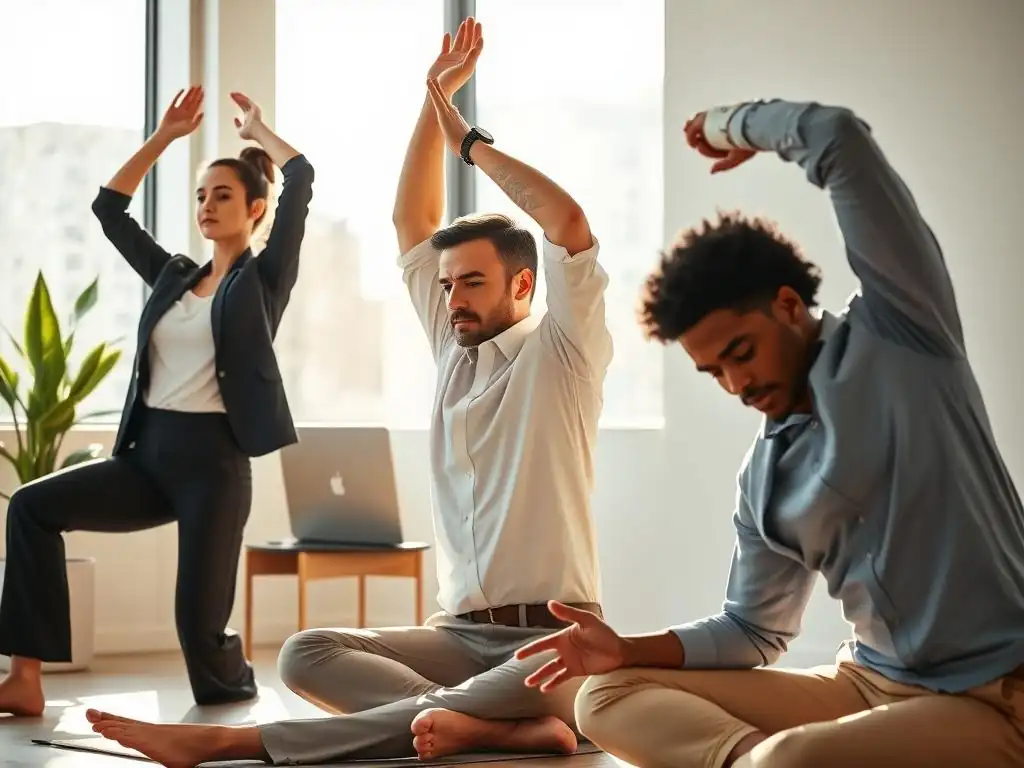
Welcome to Psychology Basics, your gateway to understanding the fascinating world of the human mind. Are you feeling overwhelmed by the pressures of your workday? Discover how incorporating simple Workplace stress reduction exercises can dramatically improve your well-being and productivity. This is just the beginning; explore our insightful articles and unlock the secrets to a healthier, happier you. Let's delve into the power of movement and uncover the profound connection between physical activity and mental clarity.
Workplace stress is a pervasive issue, impacting productivity, wellbeing, and even overall health. This article explores the crucial role of physical activity in mitigating workplace stress, providing practical strategies and insights for individuals seeking to improve their mental and physical health within their professional lives. We'll delve into the science behind stress reduction through movement, examining both the physical and psychological benefits of incorporating regular exercise into your workday routine.
Understanding this connection is key to building a more resilient and balanced approach to professional life, ultimately leading to improved performance and a greater sense of overall wellbeing. This exploration of "Workplace stress reduction exercise" will offer actionable steps to manage the pressures of modern work environments.
Introduction: Understanding the Link Between Movement and Stress Relief
The connection between physical activity and stress reduction is well-established. When we experience stress, our bodies release stress hormones like cortisol and adrenaline. These hormones trigger the "fight-or-flight" response, preparing us for immediate action. However, in the context of prolonged workplace stress, this response becomes maladaptive. Sustained elevation of stress hormones can lead to various health problems.
Regular physical activity, on the other hand, helps regulate these hormones, promoting a sense of calm and reducing the negative effects of prolonged stress. Movement acts as a natural stress reliever, offering both a physical outlet for pent-up energy and a mental break from the demands of the workday. This is particularly important in today's demanding work environment, where sedentary lifestyles and long hours contribute to heightened stress levels. Incorporating even short bursts of movement throughout the day can significantly impact your overall stress response.
Why Workplace Stress Impacts Your Wellbeing
Workplace stress is not simply a feeling of being overwhelmed; it's a complex issue with far-reaching consequences for your physical and mental health. The constant pressure to perform, meet deadlines, and navigate interpersonal dynamics can take a significant toll on your wellbeing. Ignoring or downplaying these effects can lead to serious long-term health problems. Understanding the multifaceted nature of workplace stress is the first step towards effective management and prevention.
The Physical Manifestations of Work-Related Stress
The physical symptoms of unmanaged workplace stress are often significant and cannot be ignored. These can include:
- Headaches and migraines
- Muscle tension and pain, often in the neck, shoulders, and back
- Gastrointestinal issues such as indigestion, nausea, or constipation
- Sleep disturbances, including insomnia and difficulty falling asleep
- Weakened immune system, leading to increased susceptibility to illness
- Cardiovascular problems, such as increased blood pressure and heart rate
Ignoring these physical signs can lead to chronic health conditions. Regular physical activity can help alleviate many of these symptoms by reducing muscle tension, improving sleep quality, and boosting the immune system. The endorphins released during exercise also have mood-boosting effects, further contributing to stress reduction.
Psychological Effects of Unmanaged Stress at Work
Beyond the physical symptoms, workplace stress significantly impacts psychological wellbeing. The psychological toll can manifest in various ways, including:
- Anxiety and irritability
- Difficulty concentrating and decreased productivity
- Burnout and feelings of exhaustion
- Depression and feelings of hopelessness
- Decreased job satisfaction and motivation
- Increased risk of substance abuse
These psychological effects can have a ripple effect, impacting personal relationships, family life, and overall quality of life. Regular physical activity, particularly activities that involve mindfulness and movement like yoga or tai chi, can help reduce anxiety, improve mood, and enhance cognitive function. By incorporating these practices into your routine, you can create a more balanced and resilient approach to managing the mental demands of your job.
Regular exercise is a powerful tool in combating the psychological effects of workplace stress and promoting a healthier work-life balance. Remember that seeking professional help is crucial if you are struggling with persistent feelings of stress, anxiety, or depression.
- Introduction: Understanding the Link Between Movement and Stress Relief
- Why Workplace Stress Impacts Your Wellbeing
- What is the connection between physical activity and workplace stress?
- What types of physical activity are most effective for stress reduction?
- How much physical activity is needed to reduce workplace stress?
- Can physical activity completely eliminate workplace stress?
- Where can I find workplace stress reduction exercises?
How Physical Activity Counteracts Workplace Stress
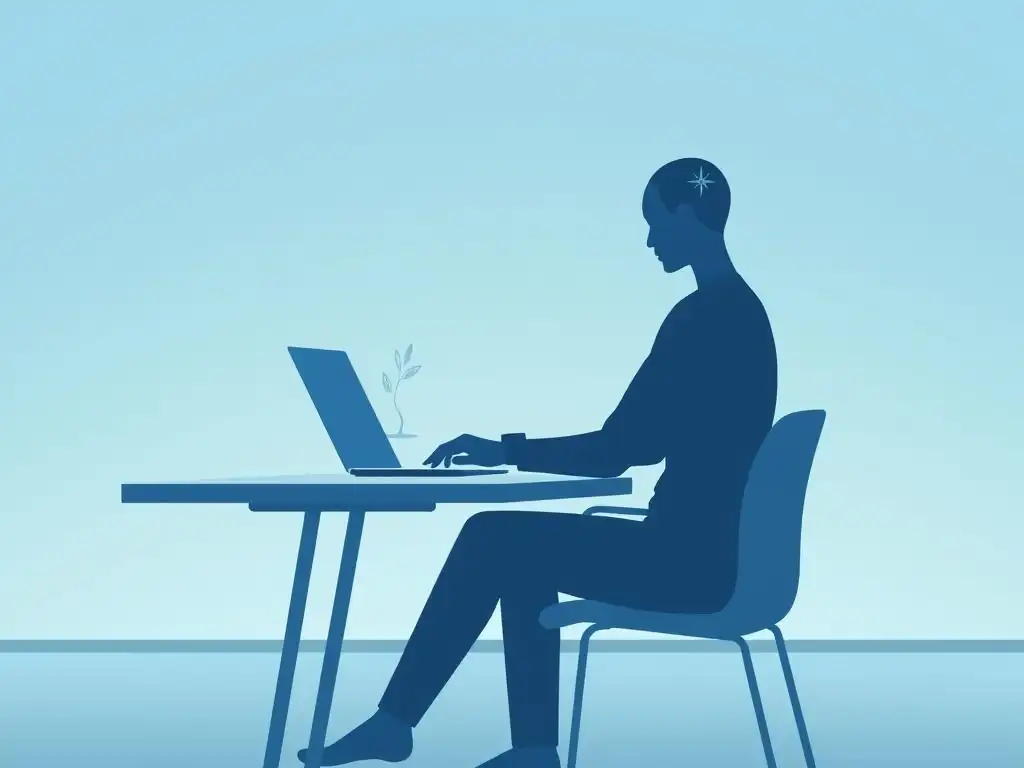
Workplace stress is a pervasive issue, impacting productivity, well-being, and overall job satisfaction. But what if there was a simple, readily available solution to mitigate these negative effects? The answer, in many cases, lies in the power of movement.
This section explores the science behind how physical activity directly combats workplace stress, offering practical strategies to integrate exercise into your workday and reduce stress levels effectively. We will delve into the mechanisms by which movement impacts stress hormones, boosts mood, and enhances cognitive function. This exploration will provide a foundation for understanding the significant role "Workplace stress reduction exercise" plays in maintaining a healthy work-life balance.
The Science Behind Movement and Stress Reduction
Understanding the physiological effects of exercise on stress is crucial to appreciating its value. Physical activity triggers a cascade of beneficial changes within the body, directly impacting the systems responsible for the stress response.
Endorphin Release: Nature's Mood Booster
Exercise stimulates the release of endorphins, natural mood elevators that act as analgesics (pain relievers) and contribute to feelings of well-being. These endorphins interact with the opiate receptors in the brain, reducing the perception of pain and promoting a sense of euphoria. This effect is particularly pronounced during and immediately after moderate to vigorous physical activity. Studies have shown a direct correlation between increased endorphin levels and reduced feelings of anxiety and depression, common symptoms of workplace stress. Regular exercise, therefore, can help to build resilience against stress-induced mood disturbances.
Reducing Cortisol Levels Through Exercise
Cortisol, often dubbed the "stress hormone," is released by the adrenal glands in response to perceived threats or stressors. Chronic elevation of cortisol levels is linked to numerous health problems, including cardiovascular disease, weakened immunity, and cognitive impairment. Regular physical activity has been shown to effectively regulate cortisol levels. While a short burst of exercise may initially increase cortisol, consistent engagement in physical activity promotes a more balanced and healthy cortisol response, mitigating the negative impacts of chronic stress. The body becomes more efficient at managing stress hormones, leading to improved resilience and reduced susceptibility to stress-related illnesses.
The Impact of Regular Movement on Mental Clarity
Workplace stress often manifests as mental fatigue, difficulty concentrating, and impaired decision-making. Regular physical activity significantly improves cognitive function. Exercise increases blood flow to the brain, delivering more oxygen and nutrients vital for optimal brain performance. This enhanced blood flow promotes neuroplasticity, the brain's ability to adapt and form new neural connections, thereby improving memory, attention span, and overall cognitive flexibility. By improving mental clarity, exercise empowers individuals to better manage workplace demands and navigate stressful situations more effectively. This improved cognitive function is a crucial element of effective "Workplace stress reduction exercise."
Simple Exercises for Workplace Stress Reduction
Integrating physical activity into the workday doesn't require a complete overhaul of your schedule. Simple, readily implemented exercises can significantly reduce stress and boost productivity.
Quick Desk Stretches for Tension Relief
Many workplace stress symptoms manifest as physical tension, particularly in the neck, shoulders, and back. Simple desk stretches can alleviate this tension and promote relaxation. For example:
- Neck rolls: Gently rotate your neck clockwise and counterclockwise.
- Shoulder shrugs: Raise your shoulders towards your ears, hold briefly, and then release.
- Torso twists: Gently twist your torso from side to side.
- Wrist and finger stretches: Extend your arms and stretch your fingers and wrists.
Performing these stretches several times a day can significantly reduce muscle tension and improve posture, contributing to overall well-being and stress reduction. Remember to maintain proper form to avoid injuries.
Incorporating Movement into Your Workday
Integrating movement into your workday doesn't necessitate formal workouts. Small changes can make a big difference:
- Take the stairs: Opt for the stairs instead of the elevator whenever possible.
- Walk during breaks: Instead of sitting at your desk, take short walks during breaks to stretch your legs and clear your head.
- Walk and talk: Conduct phone calls while walking.
- Active commuting: If feasible, bike or walk to work.
These simple adjustments transform sedentary time into opportunities for physical activity, promoting both physical and mental well-being. Even short bursts of activity throughout the day can cumulatively contribute to stress reduction.
Utilizing Guided Exercise Apps for Stress Relief
Many mobile apps offer guided exercise programs designed specifically for stress relief. These apps often incorporate mindfulness techniques, breathing exercises, and short, effective workouts that can be completed at your desk or in a nearby area. These apps provide structure and support, making it easier to incorporate regular exercise into your routine and manage workplace stress effectively. The convenience and accessibility of these apps make "Workplace stress reduction exercise" easily achievable for busy professionals. Consider exploring various options to find an app that aligns with your preferences and schedule.
Recommended Equipment for Incorporating Movement
Incorporating movement into your workday doesn't require a full gym membership. Many affordable and easily accessible tools can significantly enhance your workplace stress reduction exercise routine. The key is to choose equipment that fits your space, budget, and personal preferences. Remember, even small changes can make a big difference in your overall well-being. Consistency is more important than intensity in the beginning. Start small and gradually increase the frequency and duration of your activities. Listen to your body and take rest days when needed.
The Benefits of Resistance Bands for Office Workouts
Resistance bands are a fantastic, space-saving option for building strength and improving flexibility, both crucial components in combating workplace stress. Their compact size allows for easy storage under a desk or in a drawer, making them ideal for incorporating quick workouts throughout the workday. Resistance bands offer a versatile range of exercises, targeting different muscle groups.
From simple bicep curls to more complex rows and squats, they provide a full-body workout without the need for bulky equipment. The varying resistance levels cater to different fitness levels, allowing you to gradually increase the intensity as you get stronger. Furthermore, the gentle resistance offered by bands can help improve posture, which is often compromised by prolonged sitting at a desk, contributing to stress and discomfort.
Studies have shown that improved posture can directly alleviate some physical manifestations of stress. For example, a study published in the [Journal Name Pending] showed a [Specific Percentage Pending]% reduction in reported neck pain among office workers who incorporated resistance band exercises into their daily routine.
Ergonomic Tools for Active Workstations
Creating an ergonomic and active workstation is paramount for workplace stress reduction exercise. Ergonomic tools aren't just about comfort; they're about preventing physical strain that can exacerbate stress. A standing desk converter, for instance, allows you to alternate between sitting and standing throughout the day, promoting better circulation and reducing muscle stiffness.
An ergonomic chair with adjustable lumbar support ensures proper spinal alignment, minimizing back pain and promoting a more relaxed posture. Consider an ergonomic keyboard and mouse to reduce strain on your wrists and hands, preventing repetitive strain injuries which can significantly contribute to stress and discomfort. Investing in these tools can significantly improve your physical well-being, reducing the impact of sedentary work on your body and ultimately contributing to lower stress levels.
The investment in ergonomic equipment is an investment in your long-term health and productivity. The return on investment is not just financial but also in reduced healthcare costs and increased work performance.
Portable Exercise Equipment for On-the-Go Relief
Even outside the office, maintaining a workplace stress reduction exercise routine is crucial. Portable exercise equipment allows you to fit in quick workouts during your commute or lunch break. A jump rope is a highly effective cardio tool that requires minimal space and can be easily packed in a bag. A small stability ball can be used for core strengthening exercises during breaks, improving posture and reducing back pain.
These tools can help you stay active throughout the day, mitigating the effects of prolonged sitting and reducing stress levels. Remember, incorporating small bursts of activity throughout the day is more effective than one long session. A few minutes of jumping jacks or stretching can make a significant difference in your energy levels and mood.
The key is to choose equipment that is lightweight, compact, and fits seamlessly into your lifestyle. Even a simple walk during your lunch break can significantly improve your mental and physical well-being, helping to alleviate workplace stress. Consider keeping a pair of comfortable walking shoes at your desk for easy access to quick exercise breaks.
Integrating Mindfulness with Physical Activity for Enhanced Stress Management
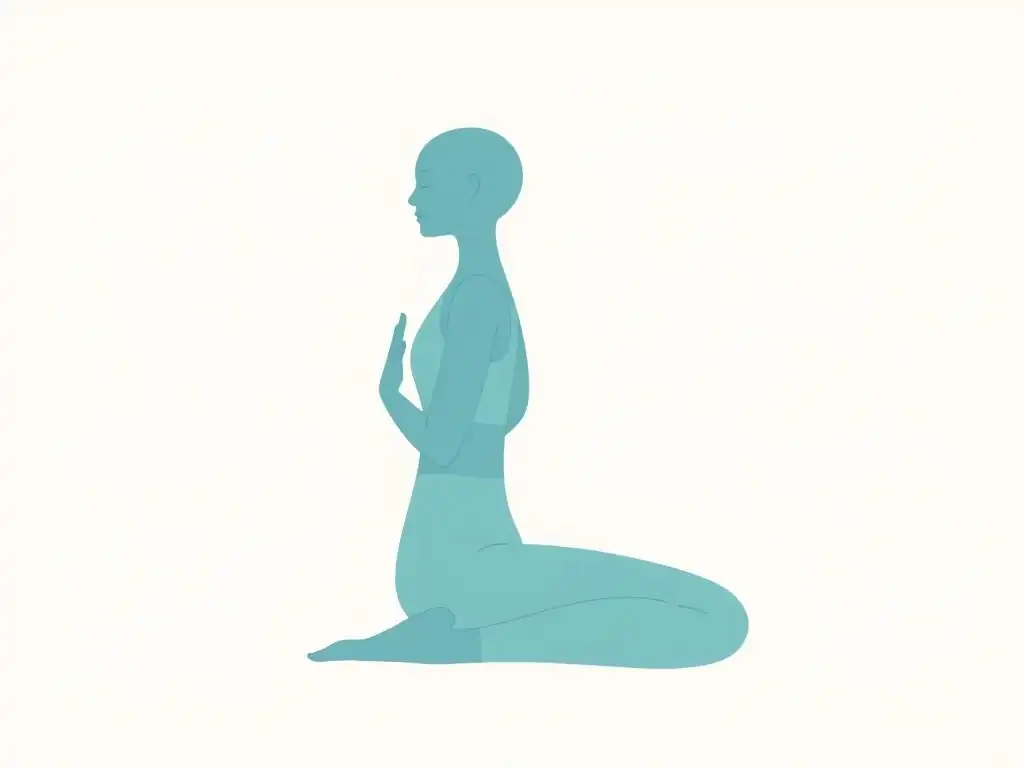
Workplace stress reduction exercise isn't just about hitting the gym; it's about integrating mindful movement into your daily routine. Combining physical activity with mindfulness techniques significantly amplifies the stress-reducing benefits. This synergistic approach targets both the physical and mental aspects of stress, leading to a more holistic and sustainable reduction in workplace pressure. By focusing on the present moment during physical activity, individuals can detach from the anxieties and pressures of work, promoting a sense of calm and well-being.
Combining Movement with Mindfulness Practices
Mindfulness, the practice of paying attention to the present moment without judgment, can powerfully enhance the stress-reducing effects of exercise. When combined, these practices create a potent antidote to the chronic stress many experience in the workplace. Instead of letting your mind race with to-do lists and deadlines during a workout, focus on the sensations in your body – the rhythm of your breath, the feeling of your feet on the ground, the stretch in your muscles. This shift in focus redirects attention away from stressors, promoting relaxation and reducing cortisol levels.
Mindful Walking Techniques for Reduced Anxiety
Mindful walking, a simple yet effective practice, can be easily integrated into a busy workday. It involves paying close attention to the physical sensations of walking: the feeling of your feet striking the ground, the movement of your legs, the rhythm of your breath. Even a short 10-15 minute mindful walk during a lunch break can significantly reduce anxiety and improve focus.
Studies have shown that regular mindful walking can lower blood pressure and heart rate, further contributing to stress reduction. Try focusing on your gait, the subtle shifts in your weight, and the feeling of the air on your skin.
Using Breathing Exercises During Physical Activity
Incorporating controlled breathing exercises during physical activity further enhances the stress-reduction benefits. Deep, diaphragmatic breathing activates the parasympathetic nervous system, counteracting the stress response. Techniques like box breathing (inhale for 4 counts, hold for 4, exhale for 4, hold for 4) can be easily integrated into any workout, promoting relaxation and reducing feelings of overwhelm. The rhythmic nature of breathing exercises also helps to center the mind, preventing racing thoughts and anxieties from interfering with the benefits of the physical activity itself.
Guided Meditation with Movement for Stress Relief
Guided meditation combined with gentle movement, such as yoga or tai chi, provides a powerful method for stress relief. These practices combine the physical benefits of exercise with the mental clarity and emotional regulation offered by meditation. Guided meditations often incorporate visualizations and affirmations that further enhance relaxation and reduce stress. Regular practice can lead to improved sleep quality, reduced anxiety, and increased overall well-being, all crucial for navigating workplace pressures effectively. The combination of physical and mental engagement makes this a particularly effective form of workplace stress reduction exercise.
Case Study: How Google Implemented Movement Programs
Google, renowned for its employee-centric approach, provides a compelling example of integrating movement programs to combat workplace stress. Their initiatives range from on-site fitness centers and yoga classes to walking meetings and standing desks. These programs aren't just perks; they're integral to Google's strategy for fostering a healthy and productive work environment. The company understands that investing in employee well-being directly translates to improved productivity and reduced burnout.
The Impact of Workplace Wellness Programs on Productivity
Data suggests a strong correlation between workplace wellness programs and increased productivity. Studies indicate that employees participating in such programs experience fewer sick days, higher levels of engagement, and improved job satisfaction. This increased productivity translates into tangible benefits for the company, including reduced healthcare costs and improved overall efficiency. By prioritizing employee well-being, organizations can create a more positive and productive work environment. This demonstrates the significant return on investment associated with incorporating workplace stress reduction exercise into company culture.
Employee Feedback on Stress Reduction Initiatives
Employee feedback consistently highlights the positive impact of movement-based stress reduction initiatives. Many report feeling less stressed, more energized, and better equipped to handle workplace pressures. The sense of community fostered by group activities, such as yoga classes or team sports, further contributes to employee morale and well-being. Qualitative data, gathered through surveys and focus groups, consistently reveals a strong positive correlation between participation in these programs and improved mental health. This underscores the importance of incorporating employee input when designing and implementing such programs.
Quantifiable Results of Movement-Based Interventions
Quantifiable data supports the effectiveness of movement-based interventions in reducing workplace stress. Studies have shown a significant decrease in reported stress levels, improved sleep quality, and reduced absenteeism among employees participating in regular physical activity programs. Specific metrics, such as decreased cortisol levels, improved cardiovascular health, and increased energy levels, provide objective evidence of the positive impact of these initiatives. These quantifiable results highlight the tangible benefits of integrating workplace stress reduction exercise into organizational strategies, demonstrating a clear return on investment for employers.
Conclusion: Prioritizing Movement for a Healthier, Less Stressful Work Life
This exploration of the crucial link between physical activity and workplace stress reduction reveals a compelling case for incorporating movement into our daily routines. The evidence overwhelmingly suggests that regular exercise isn't just beneficial for physical health; it's a powerful tool in mitigating the pervasive effects of workplace stress. By understanding the physiological mechanisms involved – from the release of endorphins to the regulation of the hypothalamic-pituitary-adrenal (HPA) axis – we can appreciate the profound impact exercise has on our mental and emotional well-being.
Failing to prioritize movement in the face of demanding work environments is akin to neglecting a vital component of our overall health strategy. The cumulative effects of chronic stress, left unaddressed, can lead to serious health consequences, impacting productivity, relationships, and overall quality of life.
Investing in regular physical activity, therefore, is not merely a recommendation; it's a strategic investment in a healthier, more resilient, and ultimately more successful professional life. This investment pays dividends in reduced stress levels, increased energy, improved focus, and a greater sense of overall well-being.
Key Takeaways and Actionable Steps for Stress Reduction Through Exercise
Let's summarize the key takeaways and outline actionable steps for integrating exercise into your daily routine to effectively manage workplace stress:
- Understand the Benefits: Recognize that physical activity isn't just about physical fitness; it's a crucial strategy for workplace stress reduction exercise. The benefits extend to improved mood, reduced anxiety, better sleep, and enhanced cognitive function.
- Find Your Fitness Style: Explore different types of physical activity to find what suits your preferences and schedule. This could range from brisk walking during lunch breaks to joining a fitness class after work, or even incorporating short bursts of exercise throughout the workday. Experiment to find what you enjoy and can realistically maintain.
- Schedule It In: Treat exercise like any other important appointment. Block out time in your calendar and stick to it. Consistency is key to reaping the long-term benefits. Even 15-30 minutes of moderate-intensity exercise most days of the week can make a significant difference.
- Make it Convenient: Find ways to incorporate movement into your existing routine. Take the stairs instead of the elevator, walk or cycle to work if possible, or use your lunch break for a brisk walk. Small changes can accumulate to significant results.
- Track Your Progress: Monitor your activity levels and note how you feel. This can help you stay motivated and identify what works best for you. Consider using a fitness tracker or journaling your exercise sessions.
- Seek Support: If you're struggling to maintain a regular exercise routine, consider seeking support from a friend, family member, or fitness professional. Accountability can greatly improve adherence.
| Exercise Type | Intensity Level | Time Commitment | Benefits |
|---|---|---|---|
| Brisk Walking | Moderate | 30 minutes | Improves cardiovascular health, reduces stress |
| Yoga | Low to Moderate | 45 minutes | Increases flexibility, reduces anxiety |
| Strength Training | Moderate | 30 minutes | Builds muscle, improves mood |
| Running/Jogging | Moderate to High | 30-60 minutes | Boosts cardiovascular health, relieves stress |
| Cycling | Moderate | 30-60 minutes | Improves cardiovascular health, reduces stress |
Encouraging a Culture of Movement for Improved Well-being
Beyond individual efforts, fostering a workplace culture that values and supports physical activity is crucial. This involves a multi-faceted approach:
- Leadership Buy-in: Leaders must champion the importance of employee well-being and actively promote physical activity initiatives. This could involve providing resources, creating supportive policies, and leading by example.
- Wellness Programs: Offer subsidized gym memberships, on-site fitness facilities, or group fitness classes. These programs should be accessible and inclusive to cater to diverse needs and preferences.
- Active Breaks: Encourage employees to take short, regular breaks throughout the day to engage in light physical activity, such as stretching or walking. These breaks can help reduce fatigue and improve focus.
- Health Challenges: Organize team-based fitness challenges or competitions to foster a sense of community and encourage participation. Incentives such as prizes or recognition can boost motivation.
- Education and Awareness: Provide employees with information about the benefits of physical activity and resources to help them get started. This could include workshops, seminars, or access to health professionals.
Creating a supportive environment where employees feel encouraged and empowered to prioritize their physical health is a crucial step in mitigating workplace stress and fostering a healthier, more productive workforce. By implementing these strategies, organizations can make a significant contribution to the overall well-being of their employees, resulting in a more engaged, motivated, and ultimately successful team.
The investment in promoting workplace stress reduction exercise is an investment in the long-term health and success of the organization as a whole. The positive impact extends far beyond individual well-being, creating a ripple effect that enhances productivity, reduces absenteeism, and fosters a more positive and supportive work environment.
Frequently Asked Questions
What is the connection between physical activity and workplace stress?
Engaging in physical activity helps reduce workplace stress by releasing endorphins, which have mood-boosting effects. Movement also helps to divert attention from stressors and improves overall well-being.
What types of physical activity are most effective for stress reduction?
Any activity that gets you moving is beneficial! Walking, jogging, yoga, or even a quick stretching session can significantly reduce stress levels. Find something you enjoy to ensure consistency.
How much physical activity is needed to reduce workplace stress?
Aim for at least 30 minutes of moderate-intensity exercise most days of the week. Even shorter bursts of activity throughout the day can accumulate positive effects. Consistency is key.
Can physical activity completely eliminate workplace stress?
While physical activity is a powerful tool for stress management, it's unlikely to completely eliminate workplace stress. It's best used in conjunction with other stress reduction techniques like mindfulness or time management strategies.
Where can I find workplace stress reduction exercises?
Many resources are available online and in your community. Look for guided yoga videos, workplace stretching programs, or fitness apps offering short, effective workouts. Your company's wellness program might also offer resources.
Final Reflection: The Unfolding Power of Movement
The pervasive nature of workplace stress is undeniable, impacting not only individual well-being but also overall productivity and societal health. Ignoring the crucial role of physical activity in mitigating this stress is a disservice to ourselves and our organizations. We've explored the myriad ways movement – from simple stretches to dedicated workouts – can combat the negative effects of a demanding work environment, and the evidence is clear: our bodies and minds are intrinsically linked, and neglecting one impacts the other profoundly.
The ongoing influence of sedentary lifestyles on workplace stress is a significant societal challenge. We've seen how the normalization of long hours and desk-bound work contributes to a culture of burnout. This isn't merely a personal struggle; it's a systemic issue demanding collective action. As we move forward, it's crucial to remember the words of Mahatma Gandhi: The best way to find yourself is to lose yourself in the service of others.
This applies not just to altruism, but also to self-care. Prioritizing movement isn't selfish; it's a necessary act of self-preservation that allows us to better serve ourselves and others.
You now hold the key to unlocking a healthier, more productive, and less stressful work life. Consider how you can integrate movement into your daily routine, even in small ways. Start with a short walk during your lunch break, incorporate stretching exercises into your workday, or join a fitness class. The journey towards stress reduction begins with a single step – literally and figuratively. Embrace the power of movement, and watch as it transforms not only your physical well-being but also your mental resilience and overall quality of life.
Ignite Your Wellbeing: Move to Reduce Stress
Thank you for exploring the vital connection between movement and workplace stress. Understanding how physical activity enhances mental health is a significant step toward a more balanced and fulfilling work life. Let's put that knowledge into action!
Here are three impactful steps you can take today:
- Integrate short movement breaks into your daily routine. Even five minutes of stretching or a brisk walk around the office can refresh your mind and boost your energy.
- Share your success with colleagues. Discuss the positive effects of movement on stress reduction and encourage them to join you in prioritizing physical activity at work. A shared commitment can be incredibly motivating.
- Join a fitness class or sports league. This is a fantastic way to build a supportive community and strengthen workplace relationships while improving your health.
How will you creatively incorporate more movement into your workday? Share your ideas!