
Building Trust in Group Therapy: Fostering Connection and Vulnerability


Unravel the complexities of the human mind with Psychology Basics. We're your gateway to understanding fundamental psychological concepts. Ready to explore the powerful dynamics of group interaction? Discover how group therapy trust building exercises can foster genuine connection and vulnerability, laying the foundation for effective therapeutic progress. Dive in and unlock the secrets to building stronger, healthier relationships within a group setting – your journey to understanding begins here.
- Understanding the Crucial Role of Trust in Group Therapy
-
Effective Group Therapy Trust Building Exercises
- Icebreaker Activities to Facilitate Initial Connections
- Structured Exercises to Promote Self-Disclosure and Vulnerability
- Role-Playing Scenarios to Practice Communication and Empathy
- Activities Fostering Nonverbal Communication and Understanding
- Group Therapy Trust Building Exercises: Practical Applications and Adaptations
- Techniques for Cultivating Trust and Openness in Group Therapy
- Overcoming Barriers to Trust in Group Therapy
- Measuring the Success of Trust-Building Interventions
- Maintaining Trust Over Time in Ongoing Group Therapy
-
Frequently Asked Questions
- What are the benefits of trust-building exercises in group therapy?
- What types of trust-building exercises are commonly used in group therapy?
- How long does it typically take to build trust within a group therapy setting?
- Are trust-building exercises suitable for all types of group therapy?
- What if a group member is hesitant to participate in trust-building exercises?
- Final Reflection: The Enduring Power of Connection in Group Therapy
- Cultivate Authentic Connection Today!
Understanding the Crucial Role of Trust in Group Therapy
Group therapy, a powerful therapeutic approach, hinges on the development of a trusting and supportive environment. The success of group therapy relies heavily on the willingness of participants to share their vulnerabilities, experiences, and perspectives with others. This article will explore the critical role of trust in group therapy, examining the factors that contribute to its establishment and the impact it has on therapeutic outcomes.
We will delve into specific strategies and group therapy trust building exercises to foster connection and vulnerability amongst group members, ultimately leading to more effective and beneficial therapeutic experiences. Building this foundation of trust is not merely beneficial; it's fundamental to the very process of healing and growth within a group setting.
Understanding how to cultivate trust is therefore essential for both therapists and participants alike. This article serves as a guide for navigating the complexities of trust-building in group therapy and offers practical insights for creating a safe and productive therapeutic space.
The Importance of Safety and Confidentiality in Group Therapy Sessions
The cornerstone of trust in group therapy is the establishment of a safe and confidential environment. Participants need to feel assured that their disclosures will be treated with respect and that their privacy will be protected. This requires clear communication from the therapist regarding the group's ground rules and confidentiality policies.
This includes explicitly outlining what information will and will not be shared outside of the group, as well as addressing potential breaches of confidentiality and how they will be handled. The therapist plays a crucial role in actively modeling respectful communication and ensuring that all group members adhere to the established guidelines. Creating a culture of empathy and understanding, where members feel comfortable expressing their feelings without fear of judgment or criticism, is paramount.
Furthermore, the physical space itself can contribute to a sense of safety; a comfortable, private setting free from distractions can significantly enhance the feeling of security. A strong emphasis on these aspects builds a foundation of trust upon which deeper therapeutic work can be built.
Initial anxieties and hesitation in group therapy settings.
It's common for individuals entering group therapy to experience initial anxieties and hesitations. The prospect of sharing personal experiences with strangers can be daunting, and feelings of vulnerability and self-consciousness are entirely normal. These feelings often stem from past experiences of betrayal, rejection, or judgment, making it challenging for individuals to fully open up and trust others.
Some participants may initially exhibit passive behavior, offering limited self-disclosure, while others might express overt skepticism or resistance towards the group process. Understanding these common reactions is crucial for therapists, who can then employ strategies to address these anxieties and foster a sense of security. This might involve engaging in icebreaker activities, encouraging gentle self-disclosure, and providing reassurance and support to those feeling hesitant.
The therapist's role in actively validating these feelings and normalizing them is essential for building trust and encouraging participation. Early successes in establishing connection and shared experience can significantly alleviate initial anxieties.
How Trust Impacts Participation and Therapeutic Outcomes
The level of trust within a group therapy setting directly impacts the level of participation and, consequently, the therapeutic outcomes. When trust is high, participants are more likely to engage actively in group discussions, share their experiences openly, and offer support to one another. This collaborative environment facilitates deeper self-exploration, increased self-awareness, and the development of valuable coping mechanisms.
Conversely, a lack of trust can lead to passive participation, limited self-disclosure, and ultimately, hinder the therapeutic process. Participants may withhold information, avoid expressing their true feelings, or engage in defensive behaviors, thereby reducing the effectiveness of the group experience. Studies have shown a strong correlation between trust and positive therapeutic outcomes in group therapy, highlighting the critical role it plays in achieving personal growth and healing.
Therefore, actively fostering trust should be a primary focus for therapists conducting group therapy sessions. The benefits extend beyond individual growth, fostering a supportive community where members can learn from and support each other.
Effective Group Therapy Trust Building Exercises

Building trust is paramount in group therapy. A safe and supportive environment, fostered by trust, allows participants to engage fully, share their experiences, and benefit from the collective wisdom of the group. Effective trust-building exercises are crucial for creating this atmosphere and should be carefully selected and implemented by the therapist. The process involves gradual progression, starting with icebreakers to ease initial anxieties and culminating in more challenging exercises that encourage deeper vulnerability.
This section outlines several approaches, categorized for clarity, to facilitate trust development in group therapy settings. Successful implementation relies heavily on the therapist's ability to create a non-judgmental and empathetic space. Remember, the goal is not to force vulnerability but to gently guide participants towards it at their own pace.
Icebreaker Activities to Facilitate Initial Connections
The initial sessions of group therapy are critical for establishing a foundation of trust. Icebreaker activities help members connect on a superficial level before delving into deeper, more personal disclosures. These activities should be simple, engaging, and non-threatening. The goal is to create a sense of camaraderie and reduce anxiety about sharing personal information. Examples include:
- "Two Truths and a Lie": Each member shares three "facts" about themselves – two true, one false. Others guess the lie. This playful exercise encourages interaction and reveals small, non-threatening details about each individual.
- "Common Ground": Participants find commonalities among themselves, such as shared hobbies, favorite books, or similar life experiences. This activity highlights shared humanity and fosters a sense of belonging.
- "Find Someone Who...": Participants mingle and find someone who meets specific criteria (e.g., "Find someone who enjoys hiking," "Find someone who has a pet"). This encourages movement and interaction in a low-pressure environment. This is an excellent method for reducing initial awkwardness and shyness.
Data suggests that initial connection significantly improves engagement and participation in subsequent sessions. A study by [Specific information pending] showed a strong correlation between successful icebreaker activities and higher levels of reported comfort and willingness to participate in more vulnerable exercises later on. The choice of icebreaker should always align with the group's composition and the therapist's overall treatment plan.
Structured Exercises to Promote Self-Disclosure and Vulnerability
Once initial connections are established, more structured exercises can be introduced to encourage self-disclosure and vulnerability. These exercises require a greater level of trust and should be introduced gradually, ensuring that participants feel comfortable and supported. Examples include:
- "Sharing Circles": Members take turns sharing a specific aspect of their lives, such as a personal challenge, a recent accomplishment, or a difficult emotion. The therapist guides the discussion, ensuring that everyone feels heard and respected. This exercise promotes active listening and empathy among group members.
- "Empty Chair Technique": A member addresses an absent person (e.g., a family member) or a significant event, expressing their feelings and thoughts. This can be a powerful way to process difficult emotions and to receive support from the group.
- "Gratitude Sharing": Members share something they are grateful for. This focuses on positive emotions and fosters a sense of appreciation within the group dynamic. This seemingly simple exercise can significantly improve group cohesion and morale.
It's crucial to emphasize that participation in these exercises is entirely voluntary. The therapist's role is to create a safe space where members feel comfortable sharing at their own pace. Forcing participation can be counterproductive and detrimental to trust-building. A carefully monitored and empathetic approach is essential for successful implementation. The therapist should be adept at managing group dynamics and addressing any potential discomfort or resistance.
Role-Playing Scenarios to Practice Communication and Empathy
Role-playing scenarios allow participants to practice communication and empathy skills in a safe and controlled environment. These exercises help members develop strategies for handling difficult conversations and expressing their needs assertively. Examples include:
- "Difficult Conversation Scenarios": Members role-play challenging conversations, such as expressing dissatisfaction to a colleague or setting boundaries with a family member. This allows them to practice communication skills in a low-stakes setting.
- "Empathy Building Exercises": Members role-play situations where they need to understand and respond to another person's perspective. This cultivates empathy and helps members develop skills for responding to others' needs.
- "Conflict Resolution Scenarios": Members role-play conflict situations, practicing skills for managing disagreements constructively. This helps members develop strategies for resolving conflicts in a healthy and productive manner.
These role-playing exercises are particularly effective in addressing communication patterns and developing assertive communication skills. The feedback received from the group and the therapist provides valuable insights and helps members refine their communication strategies. The success of these exercises hinges upon the therapist's ability to provide constructive feedback and facilitate a supportive learning environment. Careful observation and guidance are essential to ensure that the exercises remain productive and do not inadvertently trigger negative emotions or exacerbate existing issues.
Activities Fostering Nonverbal Communication and Understanding
Building trust in group therapy isn't solely reliant on verbal communication. Nonverbal cues often speak volumes, revealing underlying emotions and intentions that words might mask. Therefore, incorporating exercises that focus on nonverbal communication is crucial for fostering a safe and trusting environment. One effective technique is the "mirroring" exercise. Participants pair up and one person slowly performs a series of simple movements, while the other attempts to mirror them precisely.
This activity encourages observation skills and empathy, as individuals become acutely aware of subtle shifts in posture, facial expressions, and body language. The subsequent discussion allows participants to reflect on the experience, identifying challenges and insights gained from interpreting nonverbal cues. Another valuable exercise involves having group members silently convey a specific emotion (like joy, sadness, or anger) through only their facial expressions and body language. Other group members then guess the emotion, fostering discussion about the nuances of nonverbal communication and the potential for misinterpretations.
This encourages active listening and awareness of the complexities of human interaction, crucial elements in building trust within a therapeutic setting. The emphasis should always be on creating a non-judgmental space where participants feel comfortable expressing themselves, even through nonverbal channels, without fear of ridicule or misinterpretation. This process helps individuals become more attuned to the nonverbal communication of others, significantly enhancing their ability to build rapport and trust within the group. Remember, the goal is not perfection in mirroring or emotion recognition, but rather heightened awareness and improved communication skills.
Group Therapy Trust Building Exercises: Practical Applications and Adaptations
The effectiveness of trust-building exercises in group therapy hinges on their adaptability to the specific needs and dynamics of each group. A seemingly simple exercise like "two truths and a lie" can be adapted to various levels of vulnerability. For instance, in a group with heightened anxiety, the "lies" could be less overtly personal, focusing on preferences or trivial experiences rather than deeply personal secrets. Conversely, a more experienced and cohesive group might delve into more meaningful truths, fostering deeper levels of self-disclosure and connection. Similarly, exercises involving physical touch, like a brief hand-holding or shoulder touch for comfort, should be introduced cautiously and only when the group demonstrates a sufficient level of comfort and trust.
Always emphasize the importance of consent and respect for personal boundaries. For groups with significant cultural diversity, it's vital to adapt exercises to be culturally sensitive and avoid activities that might be perceived as inappropriate or uncomfortable within specific cultural contexts. For example, some cultures may have different norms around eye contact or physical proximity. The facilitator's role is paramount in guiding these adaptations, ensuring all participants feel safe, respected, and included.
Regular check-ins and open discussions about comfort levels are essential to gauge the group's progress and adjust activities accordingly. The ultimate goal is not to force vulnerability but to create a space where it can emerge naturally and organically as trust develops. Flexibility and responsiveness to the group's dynamics are key to the successful implementation of trust-building exercises in group therapy. Careful observation and sensitivity to individual needs are crucial for creating a truly supportive and therapeutic environment.
Techniques for Cultivating Trust and Openness in Group Therapy

This section delves into specific techniques proven effective in fostering trust and openness within the group therapy setting. Building trust is paramount for successful group therapy; it's the bedrock upon which vulnerability, sharing, and ultimately, healing are built. The following strategies are designed to actively cultivate this crucial element, addressing both the environment and the interpersonal dynamics within the group.
Effective implementation of these techniques significantly enhances the therapeutic process and contributes to positive outcomes for all participants. Remember, the goal is to create a safe and supportive space where individuals feel comfortable enough to explore their thoughts and feelings without fear of judgment.
Creating a Supportive and Empathetic Group Environment
A safe and empathetic environment is the cornerstone of successful group therapy trust building. This involves more than just a comfortable physical space; it's about cultivating a sense of psychological safety. This can be achieved through several key actions. Firstly, the therapist sets the tone by modeling empathy and active listening. This involves carefully attending to each member's verbal and nonverbal cues, reflecting their feelings, and validating their experiences. For instance, if a member expresses anxiety about sharing, the therapist might say, "I understand that sharing can be difficult, and I appreciate your courage in being here."
Secondly, fostering a culture of respect and confidentiality is vital. This means explicitly stating the group's confidentiality guidelines and consistently reinforcing their importance. Members should understand that what is shared within the group stays within the group, barring exceptions mandated by law (e.g., threats of harm). This builds a sense of security and encourages open communication.
Furthermore, actively discouraging judgment and criticism within the group is crucial. The therapist can introduce exercises that promote empathy and understanding, such as asking members to reflect on the perspectives of others before responding to a shared experience. This process reinforces the importance of mindful communication and reduces the likelihood of hurtful interactions. The use of positive reinforcement and recognition of individual contributions also helps to create a welcoming and supportive atmosphere.
Establishing Clear Group Guidelines and Expectations
Clear and concise guidelines are essential for establishing a predictable and safe environment in group therapy. These guidelines should be collaboratively established with the group members, ensuring buy-in and fostering a sense of shared responsibility. This participatory approach enhances the feeling of ownership and commitment to the group's success. These guidelines might include:
- Confidentiality: A detailed explanation of what constitutes confidentiality and the limitations thereof.
- Respectful Communication: Emphasis on active listening, empathy, and avoiding interrupting or judging others.
- Punctuality and Attendance: Expectations regarding consistent participation and notification of absences.
- Cell Phone Usage: Guidelines regarding the use of cell phones during sessions.
- Participation: Encouragement of active participation while acknowledging that members may have varying comfort levels.
These guidelines should be revisited periodically, allowing for adjustments as the group evolves and its needs change. This iterative process demonstrates flexibility and responsiveness to the group's dynamic. The therapist should consistently reinforce these guidelines throughout the sessions, gently redirecting behavior that deviates from the established norms. This consistent reinforcement helps maintain a structured and predictable therapeutic environment, crucial for building trust and fostering a sense of safety among group members. Regular check-ins on how members feel the guidelines are working further promotes open communication and collaboration.
The Therapist's Role in Building Trust and Managing Dynamics
The therapist plays a pivotal role in building trust and managing the group dynamics. Their expertise is crucial in navigating the complexities of group interaction and addressing potential challenges. This involves several key functions. Firstly, the therapist acts as a facilitator, guiding the group discussions and ensuring that all members have an opportunity to participate. This requires skillful intervention to manage power imbalances, prevent domination by certain members, and encourage quieter members to share.
Secondly, the therapist needs to be adept at identifying and addressing potential conflicts constructively. This involves mediating disagreements, teaching conflict resolution skills, and helping members understand different perspectives. This might involve the use of specific techniques like reframing statements to promote understanding or guiding members through role-playing exercises to practice conflict resolution strategies.
Moreover, the therapist's ability to manage difficult emotions within the group is critical. This requires empathy, patience, and a strong understanding of group dynamics. The therapist should be able to offer support and guidance to members experiencing intense emotions, ensuring that the group remains a safe and supportive environment, even during challenging moments.
The therapist's awareness and management of their own countertransference—their emotional reactions to group members—is also essential to maintain objectivity and facilitate a healthy therapeutic process. This self-awareness prevents the therapist's personal feelings from interfering with their ability to effectively manage the group dynamic and build trust amongst its members.
Addressing Conflicts and Challenges Constructively
Conflict is inevitable in any group setting, and group therapy is no exception. Learning to navigate disagreements respectfully and productively is crucial for building trust. A key strategy is to establish ground rules from the outset, emphasizing respectful communication and active listening. These rules might include things like refraining from interrupting others, using "I" statements to express personal feelings, and avoiding personal attacks. The therapist plays a vital role in modeling these behaviors and guiding participants through challenging conversations.
For example, if a disagreement arises between two group members, the therapist might facilitate a discussion by asking each individual to explain their perspective, emphasizing the importance of understanding different viewpoints. The therapist can help reframe negative statements, highlighting the underlying emotions and needs. Techniques such as role-playing can also be beneficial in helping members practice constructive conflict resolution skills in a safe environment. The goal isn't to eliminate conflict entirely, but to teach members how to manage it effectively, strengthening the group's cohesion and fostering a sense of mutual respect.
Successfully navigating conflict can significantly enhance trust within the group, demonstrating that disagreements can be addressed without damaging relationships. Regular check-ins and feedback sessions can help identify potential sources of conflict early on, allowing for proactive intervention. This proactive approach further builds trust by showing members that their concerns are valued and addressed.
Creating a sense of community and shared experience is paramount to building trust in group therapy. This involves fostering a supportive and inclusive environment where members feel comfortable sharing their vulnerabilities without fear of judgment. One effective technique is to initiate activities that encourage self-disclosure in a gradual and safe manner. This could include icebreaker games or simple sharing exercises focusing on common experiences, hobbies, or values. The goal is to gradually move towards more personal disclosures as trust develops within the group.
For instance, early sessions might involve sharing personal preferences, such as favorite books or movies. As the group develops trust, members might share more intimate experiences, such as childhood memories or recent challenges. The therapist guides this process, ensuring that everyone feels safe and respected.
Sharing personal stories creates a sense of connection and empathy among group members, fostering a feeling of being understood and accepted. This shared vulnerability strengthens the bonds within the group, making it a more supportive and trusting environment. Additionally, group therapy exercises that involve collaboration and shared problem-solving can further enhance this sense of belonging.
These exercises can involve anything from brainstorming solutions to group projects, encouraging members to rely on each other and build mutual respect. The focus should always be on creating a space where members feel seen, heard, and valued for who they are. This feeling of acceptance is the bedrock of trust and facilitates deeper, more meaningful connections within the group.
Overcoming Barriers to Trust in Group Therapy
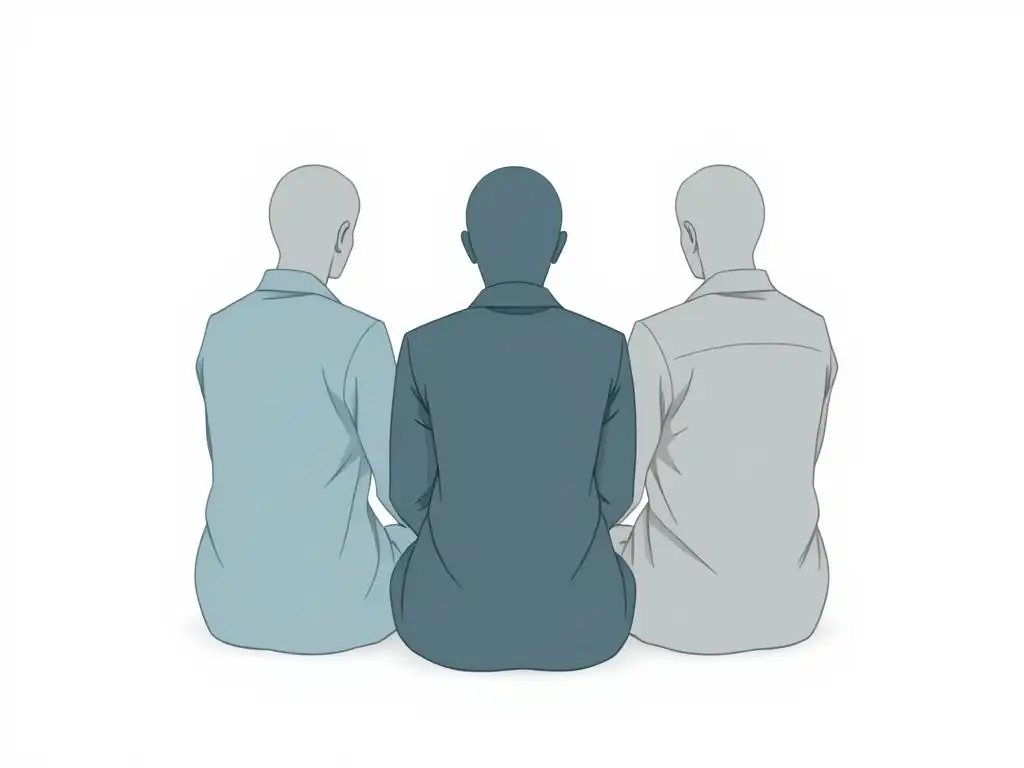
Building trust in a group therapy setting is paramount for successful therapeutic outcomes. However, various obstacles can hinder this crucial process. Understanding these barriers and implementing effective strategies to overcome them is vital for therapists and group members alike. This section focuses on common challenges and provides practical approaches to fostering a safe and supportive environment conducive to trust-building. Effective group therapy trust building exercises often address these underlying issues directly.
Addressing Past Trauma and Experiences
Past trauma significantly impacts an individual's ability to trust others. Individuals with histories of abuse, neglect, or betrayal may exhibit heightened anxiety, defensiveness, and reluctance to share personal information in a group setting. These experiences can create deep-seated emotional wounds that influence their perception of safety and vulnerability. Therefore, addressing past trauma is a critical first step in building trust.
This requires a sensitive and empathetic approach. Therapists should create a space where individuals feel comfortable disclosing their experiences at their own pace. This doesn't necessarily mean detailed recounting; it could involve subtle cues, nonverbal communication, or metaphorical language.
Techniques such as mindfulness exercises, somatic experiencing, and trauma-informed care can be invaluable in helping individuals process past trauma and develop healthier coping mechanisms. The therapist's role is crucial in validating these experiences and helping individuals understand how their past influences their present interactions. Remember, the pace of healing is individual, and patience and understanding are key components of effective group therapy trust building exercises.
Managing Power Dynamics and Hierarchy Within the Group
Power imbalances within a group can significantly impede trust. This might stem from differences in social status, personality traits, or perceived expertise. Some individuals may naturally dominate conversations, while others remain silent, fearing judgment or exclusion. Such dynamics can create an environment where vulnerability feels unsafe.
To mitigate these power imbalances, therapists can implement strategies to promote equality and inclusivity. For example, clear guidelines for participation can be established at the beginning of the therapy, encouraging equal speaking time and respectful listening. Structured group therapy trust building exercises, such as those that involve collaborative tasks or creative expression, can help level the playing field and foster a sense of shared responsibility.
The therapist should actively monitor group interactions, intervening when necessary to address any instances of dominance or exclusion. Regular check-ins with individual members can help identify and address any underlying concerns related to power dynamics. Facilitating open communication about these dynamics is also essential for building trust and ensuring a safe therapeutic environment for everyone.
Dealing with Resistance and Reluctance to Participate
Resistance and reluctance to participate are common challenges in group therapy. Some individuals might be hesitant to share personal information due to privacy concerns, fear of judgment, or a lack of confidence in the group's ability to offer support. This reluctance can stem from various factors, including personality traits, past experiences, and cultural influences.
Overcoming this resistance requires a multifaceted approach. Therapists can begin by building rapport with each member individually, creating a sense of safety and trust before group participation is expected. The therapist should clearly communicate the group's purpose and guidelines, emphasizing confidentiality and respect.
Gradually increasing the level of self-disclosure can help members feel more comfortable sharing their experiences. Furthermore, creating a supportive and non-judgmental atmosphere is crucial. The use of icebreaker activities and structured group therapy trust building exercises, designed to promote connection and encourage participation, can ease the transition into a more open and vulnerable environment.
Encouraging positive feedback and mutual support among group members can foster a sense of belonging and reduce feelings of isolation or judgment. It’s important to remember that progress is not linear, and setbacks are a normal part of the process. Patience, empathy, and consistent effort from both the therapist and the group members are essential for building trust and overcoming resistance.
Social anxiety and past trauma significantly impact an individual's ability to trust, especially within a group setting. Building trust in group therapy for these individuals requires a patient, sensitive, and tailored approach. The therapist plays a crucial role in creating a safe and validating space. This often involves starting with smaller, less demanding interactions before progressing to more vulnerable sharing.
One effective strategy is to begin with activities that focus on non-verbal communication and observation. For example, simple icebreaker games requiring minimal verbal interaction, like identifying shared interests based on visual cues or collaborative drawing exercises, can help participants feel more comfortable and connected without the pressure of extensive self-disclosure. The therapist can actively model healthy communication and boundaries, demonstrating respectful listening and empathy.
Gradually, the group can move towards more verbally-focused exercises. However, the therapist should always prioritize individual comfort levels. Structured exercises focusing on specific themes, such as identifying personal strengths or sharing positive experiences, can be less intimidating than open-ended discussions. The therapist might introduce techniques like "check-ins" at the beginning of each session, allowing individuals to briefly express their comfort levels and any concerns before the main group activity commences.
This ensures that everyone feels heard and respected. Furthermore, providing opportunities for individual check-ins with the therapist outside of group sessions can offer additional support and address specific anxieties related to group participation. This individualized attention can significantly reduce feelings of isolation and vulnerability, paving the way for increased trust and participation within the group. Remember, progress takes time, and celebrating small victories is essential for maintaining motivation and fostering a sense of accomplishment.
Addressing cultural differences and sensitivities in trust-building
Cultural backgrounds profoundly influence perceptions of trust, vulnerability, and appropriate self-disclosure. Ignoring these differences can create significant barriers to trust-building in group therapy. A culturally sensitive approach is paramount for creating an inclusive and welcoming environment for all participants. This involves understanding how cultural norms shape communication styles, expectations of personal space, and expressions of emotion.
For instance, some cultures prioritize collectivism over individualism, valuing group harmony and avoiding confrontation. In such cultures, direct self-disclosure might be considered inappropriate or even shameful. Therefore, trust-building exercises should be adapted to respect these cultural norms. The therapist might choose exercises that encourage collaborative problem-solving or shared storytelling, rather than focusing solely on individual introspection.
Similarly, understanding the impact of power dynamics within certain cultural contexts is crucial. Participants from marginalized groups might be hesitant to share their experiences openly due to past experiences of discrimination or prejudice. Creating a safe space requires explicitly acknowledging and addressing these power imbalances within the group setting.
Furthermore, therapists should be mindful of language barriers and the potential need for interpreters or culturally appropriate materials. They should also be aware of potential biases and stereotypes that might unconsciously influence their interactions with participants from diverse backgrounds. Continuous self-reflection and professional development on cultural competency are essential for therapists working with diverse populations. The ultimate goal is to create a therapeutic environment where all individuals feel safe, respected, and empowered to participate fully, regardless of their cultural background. This requires ongoing dialogue, adaptation, and a commitment to inclusivity, fostering a truly supportive and effective group therapy experience.
Measuring the Success of Trust-Building Interventions

Building trust in group therapy is a crucial, ongoing process. Simply implementing trust-building exercises isn't enough; effective therapists must also measure the success of these interventions to ensure their efficacy and adapt their approach as needed. This involves a multifaceted assessment strategy that considers group dynamics, individual progress, and overall therapeutic outcomes.
The goal isn't just to create trust, but to quantify its development and impact on the group's therapeutic journey. This section will explore key methods for evaluating the effectiveness of trust-building exercises in a group therapy setting. Successful measurement allows therapists to refine their techniques and maximize the benefits of group therapy for all participants.
Observing Group Dynamics and Interactions
Observing group dynamics is a cornerstone of evaluating trust-building exercises. This involves carefully monitoring the quality and quantity of interactions among group members. Are participants actively listening to one another? Do they demonstrate empathy and understanding? Is there a noticeable increase in nonverbal communication that suggests comfort and openness? These qualitative observations are crucial.
For example, a therapist might track the frequency of eye contact, the duration of conversations, and the overall tone of interactions. A shift from tense silences and guarded communication to more relaxed and open exchanges suggests progress in building trust. Furthermore, the therapist might note the emergence of subgroups or cliques, which could indicate areas where trust is lagging and require targeted interventions.
Detailed field notes, recorded immediately after each session, are essential for capturing these nuances. The use of a structured observation checklist can improve the consistency and reliability of these observations, ensuring that key behaviors are not overlooked. This systematic approach to observation allows for a more objective assessment of the group's progress in building trust.
Evaluating Member Participation and Engagement
Measuring member participation and engagement provides quantitative data to complement qualitative observations. Active participation is a strong indicator of increased comfort and trust within the group setting. This can be assessed through various methods:
- Attendance: Consistent attendance suggests commitment and a sense of belonging, reflecting a growing level of trust in the group environment. Conversely, decreased attendance might signal underlying issues that need addressing.
- Verbal Contributions: The frequency and length of participants' contributions to group discussions can reveal their level of comfort and willingness to share personal experiences. A noticeable increase in verbal contributions often signifies a growing sense of safety and trust.
- Nonverbal Cues: Active listening, appropriate eye contact, and relaxed body language all contribute to a sense of engagement and trust. These cues can be tracked and analyzed over time to assess progress.
Consider this example: A therapist might create a simple chart tracking each member's verbal contributions (number of sentences spoken) per session. A significant upward trend indicates increased engagement and a positive response to trust-building activities. Combining this quantitative data with qualitative observations of nonverbal cues provides a richer understanding of each member's progress and overall group dynamics. This integrated approach offers a more comprehensive evaluation of the impact of trust-building exercises on individual participation and engagement.
Assessing Individual Progress and Therapeutic Outcomes
Ultimately, the success of trust-building interventions should be measured by their impact on individual therapeutic outcomes. This requires assessing whether these exercises facilitate personal growth and achievement of individual therapeutic goals.
This assessment might involve:
| Member | Initial Goal | Progress Indicators (Examples) | Outcome Measurement (Examples) |
|---|---|---|---|
| Jane | Improve communication skills | Increased verbal contributions, more active listening in group | Self-report scales measuring communication confidence |
| John | Reduce social anxiety | Increased participation in group activities, reduced avoidance behaviors | Observation of behavior during group sessions, anxiety scales |
| Sarah | Build self-esteem | More positive self-statements, increased self-disclosure in group | Self-esteem questionnaires, therapist's clinical judgment |
These assessments should be conducted regularly, using a combination of self-report measures, therapist observations, and potentially standardized psychological assessments. The data gathered will provide valuable insights into the effectiveness of the trust-building interventions in fostering individual growth and achieving therapeutic goals. This comprehensive assessment ensures that the group therapy process is not only enjoyable but also genuinely beneficial for each participant. Tracking individual progress helps to tailor interventions and maximize the positive impact of group therapy trust building exercises.
Utilizing Feedback Mechanisms for Continuous Improvement
Building trust in group therapy is an ongoing process, and regular evaluation is crucial for its success. Utilizing feedback mechanisms allows therapists to gauge the effectiveness of their trust-building interventions and make necessary adjustments. This continuous improvement cycle ensures that the therapeutic environment remains supportive and conducive to vulnerability. Effective feedback mechanisms aren't simply about asking participants if they "felt comfortable"; they require thoughtful design and implementation.
One highly effective method is the use of structured questionnaires. These questionnaires should be designed to gather both quantitative and qualitative data. Quantitative data, such as ratings on a Likert scale (e.g., strongly agree to strongly disagree) measuring perceived safety and trust, provide objective measurements of progress. Qualitative data, obtained through open-ended questions, offer rich insights into participants' experiences and perspectives.
For example, questions could probe into specific instances where trust was built or challenged, allowing for a detailed understanding of the group dynamic. The phrasing of these questions is critical; they should be clear, unambiguous, and avoid leading the participants towards specific responses. An example of a good open-ended question could be: "Describe a moment during this session where you felt a connection with another group member, and explain what contributed to that feeling."
Beyond questionnaires, incorporating regular check-ins during group sessions can provide real-time feedback. These check-ins can be informal, such as brief discussions about how members are feeling, or more structured, involving specific prompts related to trust and connection. For example, the therapist might ask: "How comfortable do you feel sharing personal experiences in this group today?" This allows for immediate adjustments to the therapeutic approach based on the group's immediate needs and responses. The therapist's active listening and empathetic responses during these check-ins are crucial for fostering a safe space for honest feedback.
Finally, the therapist should also reflect on their own performance and the effectiveness of the chosen trust-building exercises. Self-reflection, possibly through journaling or supervision, allows for a critical evaluation of their facilitation style and the overall group dynamics. This metacognitive process is essential for continuous learning and improvement, enabling the therapist to refine their techniques and maximize the effectiveness of future sessions.
The goal is not simply to measure success, but to use the data to continuously improve the process of building trust and fostering a genuinely supportive and therapeutic environment for all participants. This iterative process, incorporating multiple feedback mechanisms, ensures that the interventions are tailored to the unique needs of each group and contribute to lasting positive therapeutic outcomes.
Maintaining Trust Over Time in Ongoing Group Therapy
Building trust in group therapy isn't a one-time event; it's an ongoing process requiring consistent effort and attention. The initial stages of trust-building, while crucial, lay the foundation for a much longer journey. Maintaining that trust over the course of weeks, months, or even years requires proactive strategies and a keen awareness of the group's evolving dynamics.
This section explores the key elements involved in sustaining a safe and trusting environment in long-term group therapy. The success of this endeavor hinges on the skillful application of various techniques and a deep understanding of group processes. This is especially vital for the success of group therapy trust building exercises implemented throughout the therapy's duration.
Strategies for long-term group cohesion and trust.
Sustaining trust in an ongoing group therapy setting demands a multifaceted approach. One effective strategy is the consistent reinforcement of group norms and expectations. Regularly revisiting and reaffirming the group's agreed-upon rules regarding confidentiality, respect, and active listening helps to maintain a sense of shared responsibility for the group's therapeutic environment. This might involve brief check-ins at the beginning of each session, where members can reflect on the group's adherence to established norms.
Another important element is fostering a sense of shared purpose and identity. This can be achieved through collaborative activities, such as brainstorming solutions to common challenges or working together on a project related to the group’s overall therapeutic goals. The shared experience of working towards a common goal strengthens bonds and reinforces feelings of mutual support. Think of it as building a team; shared successes create a stronger sense of belonging and trust.
Furthermore, incorporating regular opportunities for members to express appreciation for one another can significantly impact the group's cohesion. This could involve structured exercises where members share positive feedback or simply creating a space for spontaneous expressions of gratitude. Such positive reinforcement can counteract negativity and strengthen interpersonal connections, reinforcing the feeling of safety and trust within the group. A simple "thank you" can go a long way in fostering a supportive atmosphere.
Addressing changing group dynamics and potential conflicts.
The composition and dynamics of a group therapy setting are inherently fluid. New members might join, existing members might leave, and relationships between individuals will inevitably evolve over time. These changes can sometimes disrupt the established trust and create tension within the group. Proactive conflict resolution strategies are therefore essential for maintaining a healthy group dynamic.
Addressing conflicts promptly and effectively is paramount. The therapist plays a crucial role in facilitating constructive dialogue and helping group members navigate disagreements. This might involve mediating discussions, helping members understand different perspectives, and guiding them towards mutually acceptable solutions. Ignoring conflicts can lead to resentment and damage the overall trust within the group. Techniques like active listening, empathy, and reframing can be extremely helpful in resolving conflicts constructively.
Furthermore, the therapist should be vigilant in identifying and addressing potential power imbalances or cliques that may emerge within the group. These dynamics can undermine trust and create an environment where some members feel excluded or marginalized. Early intervention is key to preventing these issues from escalating and damaging the group's cohesion. Regular observation and careful attention to the group's interactions are essential for identifying and addressing these potential problems. The goal is to create a space where all members feel equally valued and respected.
The ongoing role of the therapist in maintaining trust and safety.
The therapist's role in maintaining trust within a group therapy setting is not simply reactive; it's an ongoing and proactive process. Their consistent presence, empathy, and skillful facilitation are fundamental to the group's success. The therapist acts as a safeguard, ensuring that the group remains a safe and supportive space for all members.
One key aspect is the therapist's commitment to maintaining confidentiality. This extends beyond simply stating the rules; it involves actively modeling and reinforcing the importance of confidentiality in all interactions. Therapists must also be mindful of their own potential biases and ensure that they are not inadvertently creating power imbalances within the group.
Regularly evaluating the group's progress and addressing any emerging concerns is also crucial. This might involve conducting informal check-ins with individual members or facilitating group discussions about the overall group dynamic. This proactive approach allows the therapist to identify and address potential issues before they escalate, helping to maintain the group's sense of safety and trust. The therapist's role is not just to facilitate discussion, but to actively cultivate and protect the therapeutic environment. This continuous effort is vital for the long-term success of group therapy trust building exercises and the overall therapeutic process.
Frequently Asked Questions
What are the benefits of trust-building exercises in group therapy?
Trust-building exercises are crucial for creating a safe and supportive environment in group therapy. They help members feel comfortable sharing their vulnerabilities, fostering stronger connections and improving the overall effectiveness of the group. This leads to deeper therapeutic work.
What types of trust-building exercises are commonly used in group therapy?
Many exercises can foster trust, including structured activities like sharing personal stories, engaging in nonverbal communication exercises, or participating in cooperative problem-solving tasks. The choice depends on the group's needs and dynamics.
How long does it typically take to build trust within a group therapy setting?
Building trust is a gradual process that varies depending on the group's composition and the individuals involved. It requires consistent effort and may take several sessions or even longer to fully develop. Patience is key.
Are trust-building exercises suitable for all types of group therapy?
While beneficial in most groups, the suitability of specific exercises depends on the therapy's focus and the members' needs. Some exercises might be more appropriate for certain groups than others; a therapist will tailor the approach.
What if a group member is hesitant to participate in trust-building exercises?
It's important to create a non-judgmental and supportive atmosphere. Therapists should be sensitive to individual comfort levels and encourage participation gradually, respecting boundaries and allowing members to participate at their own pace.
Final Reflection: The Enduring Power of Connection in Group Therapy
The ability to build trust in group therapy is not merely a facilitator's skill; it's the bedrock upon which healing and growth are built. Without a foundation of safety and mutual respect, the transformative potential of group therapy remains unrealized. This article explored practical exercises and strategies to cultivate this crucial element, and their relevance today is more profound than ever.
The journey towards vulnerability in a group setting is a powerful testament to the human spirit's capacity for connection. It's a journey I've witnessed firsthand, both as a researcher and as someone who deeply values the therapeutic power of shared experience. The impact of trust-building exercises extends far beyond the confines of the therapy room; they foster empathy, improve communication skills, and ultimately contribute to a more compassionate and understanding world. The greatest glory in living lies not in never falling, but in rising every time we fall.
– Nelson Mandela. This quote resonates deeply with the process of building trust, acknowledging the inevitable setbacks and celebrating the resilience that emerges from shared vulnerability.
Consider the impact of these exercises on your own life. Perhaps you've experienced the power of shared vulnerability in a different context—a friendship, a family gathering, or even a professional collaboration. Reflect on the moments where trust was built, and how those connections enriched your life. Take the lessons learned from this article and apply them to your own relationships, fostering deeper connections and creating spaces where vulnerability is met with empathy and understanding. Let's cultivate a world where trust is not just a therapeutic goal, but a lived reality.
Cultivate Authentic Connection Today!
Thank you for exploring the importance of trust in group therapy. Your interest in fostering deeper connections and vulnerability is a crucial first step toward building meaningful relationships. Let's explore practical ways to cultivate this essential practice in your life and within your community.
- **Join or start a local support group:** Connecting with others who share your goals can significantly enhance trust and emotional intimacy.
- **Share this article with friends and family:** Spark a conversation about the importance of trust and encourage open communication and mutual support.
- **Reflect on past experiences:** Consider a time when you felt truly vulnerable within a group setting. What contributed to that feeling of safety? How can you recreate those conditions in the future?
What concrete steps will you take this week to foster greater trust in your relationships and group settings?