
SelfEsteem and Social Anxiety: Practical Techniques to Overcome Social Fears


Welcome to Psychology Basics, your gateway to understanding the fascinating world of human behavior. Are you ready to unlock the secrets to a more confident and fulfilling social life? This website is designed to demystify key psychological concepts, and we're starting with a powerful guide on Overcome social anxiety techniques. Discover practical strategies to conquer social fears and cultivate unshakeable self-esteem – delve into our insightful article, "Self-Esteem and Social Anxiety: Practical Techniques to Overcome Social Fears," and embark on your journey to personal growth today!
Social anxiety, the intense fear of social situations and negative evaluation from others, affects millions worldwide. This pervasive anxiety can significantly impact daily life, hindering relationships, academic performance, and career prospects. Many individuals struggle silently, feeling isolated and overwhelmed by their fears. This article provides practical techniques and strategies to overcome social anxiety, focusing on building self-esteem and reducing the debilitating effects of social fear.
We'll explore the nature of social anxiety, delve into effective coping mechanisms, and examine the powerful role of Cognitive Behavioral Therapy (CBT) in managing and ultimately conquering this common challenge. Learning to manage social anxiety is a journey, but with dedication and the right tools, you can significantly improve your quality of life and build a more confident and fulfilling social existence. Let's embark on this journey together and discover how to effectively utilize techniques to overcome social anxiety.
Social anxiety disorder (SAD) is more than just shyness; it's a clinically diagnosed condition characterized by intense, persistent fear of social situations. This fear isn't simply a feeling of discomfort; it often involves physical symptoms like rapid heartbeat, sweating, trembling, and nausea. The anticipation of social interaction can trigger these symptoms, leading to avoidance behaviors that further reinforce the anxiety. The impact of social anxiety can be profound, affecting various aspects of a person's life.
For example, individuals with SAD may avoid parties, public speaking engagements, or even casual conversations, leading to social isolation and loneliness. Academic performance can suffer due to difficulty participating in class or group projects. Professionally, career advancement might be hindered by an inability to network or present ideas confidently. Relationships can be strained by avoidance and difficulty forming close bonds.
The consequences of untreated social anxiety can be far-reaching, impacting self-esteem, mental well-being, and overall quality of life. Understanding the scope of this impact is crucial in motivating individuals to seek help and implement effective coping strategies. The severity of social anxiety varies, with some individuals experiencing mild discomfort while others struggle with crippling fear that significantly limits their daily activities.
Several effective strategies can help manage and reduce social anxiety. These strategies often work best when combined and tailored to the individual's needs. One crucial aspect is self-compassion. Recognizing that social anxiety is a common and treatable condition is the first step towards recovery. Instead of self-criticism, practice self-kindness and understanding.
Another powerful technique is exposure therapy. This involves gradually exposing oneself to feared social situations, starting with less anxiety-provoking scenarios and progressively working towards more challenging ones. This process helps to desensitize the individual to the feared stimuli and reduce the associated anxiety response. For instance, someone afraid of public speaking might start by practicing in front of a mirror, then speaking to a small group of trusted friends, and eventually presenting to a larger audience.
Furthermore, relaxation techniques such as deep breathing exercises, progressive muscle relaxation, and mindfulness meditation can significantly reduce anxiety symptoms. These techniques help calm the nervous system and reduce the physical manifestations of anxiety. Regular practice is key to their effectiveness. Finally, building social skills through workshops, group therapy, or even role-playing can significantly improve social interactions and boost confidence. Learning assertive communication techniques and practicing social interactions in a safe and supportive environment can help individuals overcome their fears. Remember, progress takes time and patience, and setbacks are a normal part of the process.
Cognitive Behavioral Therapy (CBT) is a highly effective evidence-based treatment for social anxiety. CBT focuses on identifying and changing negative thought patterns and behaviors that contribute to anxiety. A core component of CBT is cognitive restructuring, where individuals learn to identify and challenge negative or distorted thoughts about themselves and social situations. For example, someone might constantly think, "Everyone is judging me," which is often an unrealistic and unhelpful thought. CBT helps individuals to reframe these thoughts into more balanced and realistic ones.
Another key aspect of CBT is behavioral experiments. These involve testing out negative beliefs in real-life situations to gather evidence that contradicts those beliefs. For instance, if someone believes they will be rejected if they initiate a conversation, they might try initiating a conversation and observe the outcome. This process helps to challenge and ultimately modify negative beliefs and behaviors.
CBT often involves homework assignments, such as practicing relaxation techniques or engaging in exposure exercises between therapy sessions. The therapist provides guidance and support throughout the process, helping individuals to track their progress and overcome obstacles. The combination of cognitive restructuring and behavioral experiments is powerful in addressing the root causes of social anxiety and fostering long-term change. Ultimately, consistent application of CBT techniques can lead to significant reductions in social anxiety symptoms and improved overall well-being.
Practical Relaxation Techniques to Manage Anxiety
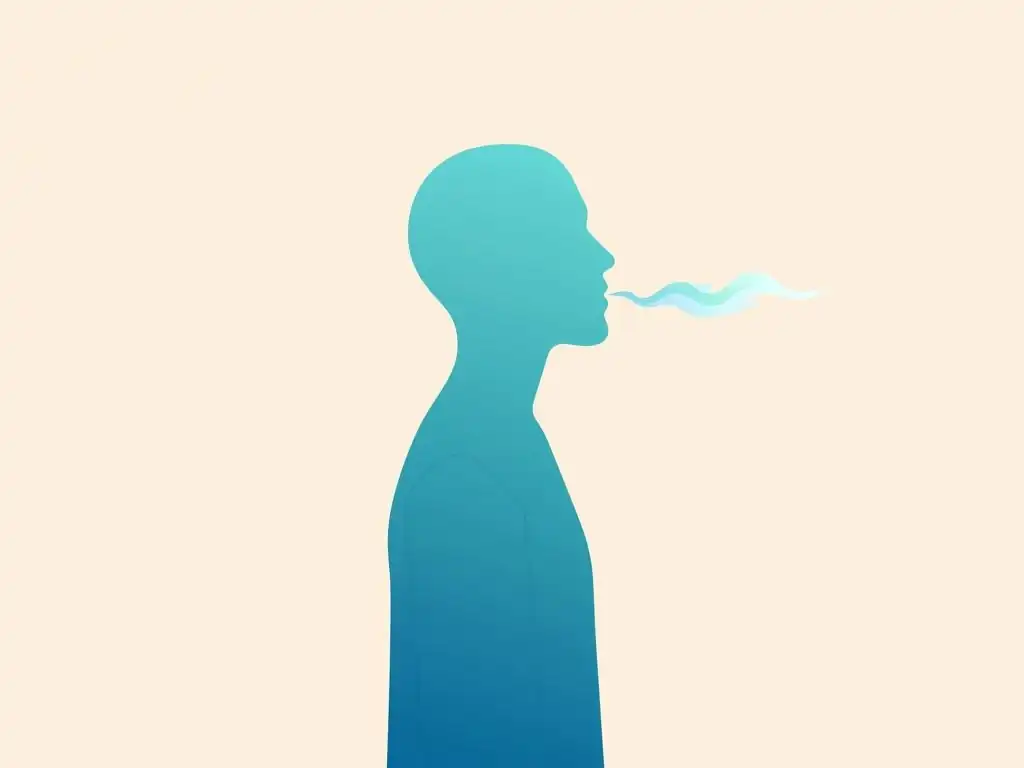
Social anxiety often manifests as physical symptoms like a racing heart, trembling hands, or shortness of breath. Learning practical relaxation techniques is crucial for managing these physical manifestations and calming your nervous system before, during, and after potentially anxiety-provoking social situations. Deep breathing exercises are a cornerstone of anxiety management. Inhale slowly and deeply through your nose, hold for a few seconds, and exhale slowly through your mouth. Focus on the sensation of your breath entering and leaving your body. Practicing this regularly can significantly reduce your physiological response to anxiety triggers.
Progressive muscle relaxation is another effective technique. This involves systematically tensing and releasing different muscle groups in your body. Start with your toes, tensing them for a few seconds, then releasing the tension and noticing the difference. Continue this process, moving upwards through your body, focusing on each muscle group individually – calves, thighs, abdomen, chest, shoulders, neck, and finally, your face. This mindful process helps release physical tension associated with anxiety.
Mindfulness meditation also plays a vital role. Mindfulness involves paying attention to the present moment without judgment. Instead of dwelling on anxieties about future social interactions or regrets about past ones, focus on your breath, bodily sensations, or sounds in your immediate environment.
Even a few minutes of daily mindfulness practice can cultivate a sense of calm and improve your ability to manage anxious thoughts and feelings. Regular practice of these techniques can significantly reduce the intensity of your physical anxiety symptoms, making social situations less daunting. Remember, consistency is key; the more you practice, the more effective these techniques become.
Overcoming social anxiety often involves actively developing and refining social skills. This isn't about becoming the life of the party, but rather about feeling more comfortable and confident in various social settings. One crucial aspect is improving communication skills. This includes learning active listening techniques – paying close attention to what others are saying, asking clarifying questions, and reflecting back what you've heard to show understanding. Effective communication fosters connection and reduces the feeling of being judged or misunderstood.
Another vital skill is assertiveness. Assertiveness involves expressing your needs and opinions respectfully, without being aggressive or passive. Learning to say "no" when necessary, setting boundaries, and expressing your thoughts clearly are all essential aspects of assertiveness. Practicing assertive communication in low-stakes situations can build confidence and prepare you for more challenging social interactions.
Nonverbal communication is equally important. Maintaining appropriate eye contact, using open body language, and mirroring the nonverbal cues of others can all contribute to more positive interactions. Observing and learning from others' nonverbal communication can significantly enhance your own social interactions. By actively working on these social skills, you'll not only reduce feelings of anxiety but also create more rewarding and fulfilling social experiences. Remember that improving social skills is a gradual process, and consistent effort will lead to significant improvements in your comfort and confidence in social settings.
Social anxiety and low self-esteem often feed into a vicious cycle. Addressing low self-esteem is crucial in overcoming social anxiety. By strengthening your sense of self-worth, you equip yourself with the resilience needed to navigate challenging social situations. This section explores practical strategies to boost self-esteem, directly impacting your ability to manage and overcome social fears. We'll look at how fostering self-compassion, setting achievable goals, and building a supportive social network can significantly improve your self-image and reduce social anxiety symptoms. Remember, building self-esteem is a journey, not a destination, requiring consistent effort and self-kindness.
Self-Compassion: A Powerful Tool for Self-Acceptance
Self-compassion, the act of treating yourself with the same kindness and understanding you would offer a dear friend, is a cornerstone of building healthy self-esteem. When faced with social anxiety, self-criticism often intensifies the negative emotions. Instead of berating yourself for perceived social failures, practice self-compassion. This involves acknowledging your imperfections, accepting your vulnerabilities, and offering yourself encouragement rather than judgment.
Consider this scenario: You stumble over your words during a presentation, leaving you feeling embarrassed and anxious. A self-critical response might be: "I'm so stupid! I'll never be good at public speaking." In contrast, a self-compassionate response would be: "It's okay; everyone makes mistakes. I'll learn from this experience and try again next time." This shift in perspective can significantly reduce the intensity of negative emotions associated with social anxiety.
Practicing mindfulness meditation can greatly enhance your ability to cultivate self-compassion. Mindfulness helps you observe your thoughts and feelings without judgment, creating space for self-acceptance and reducing the power of negative self-talk. Regular practice can lead to a more compassionate and understanding relationship with yourself.
Setting Realistic Goals and Celebrating Achievements
Setting realistic, achievable goals is another effective strategy to boost self-esteem. Instead of aiming for drastic, overwhelming changes, focus on small, manageable steps. For instance, if your goal is to overcome social anxiety, start with less intimidating social interactions. This might involve initiating brief conversations with colleagues, attending small social gatherings, or joining a club with shared interests.
Remember to celebrate even the smallest achievements. Each successful social interaction, no matter how minor, is a victory. Acknowledge your progress, and reward yourself for your efforts. This positive reinforcement strengthens your self-belief and motivates you to continue pushing your boundaries.
Here's a sample goal-setting table to illustrate:
| Goal | Steps | Timeline | Reward |
|---|---|---|---|
| Initiate conversations | 1. Smile at 3 people daily; 2. Say hello to 1 person daily; 3. Initiate a 2-minute conversation | 1 week each | Enjoy a relaxing activity; treat yourself |
| Attend a small gathering | 1. Research local events; 2. Choose one event; 3. Attend the event | 2 weeks each | Buy a new book; watch a favorite movie |
This structured approach helps track progress, fostering a sense of accomplishment and boosting self-esteem. The key is to focus on consistent progress, not perfection.
Social isolation often exacerbates social anxiety. Building a supportive network of friends, family, or a therapist can provide invaluable emotional support and encouragement. These individuals can offer a safe space to share your experiences, practice social skills, and receive positive feedback. They can also help you challenge negative thoughts and beliefs contributing to your social anxiety.
Consider joining support groups specifically designed for individuals with social anxiety. These groups provide a safe and understanding environment to connect with others facing similar challenges. Sharing experiences and strategies can be incredibly helpful in reducing feelings of isolation and building confidence. Remember, you are not alone in your struggles, and connecting with others can significantly improve your mental wellbeing and self-esteem. The sense of belonging fostered by such connections contributes significantly to overcoming "overcome social anxiety techniques". Actively nurturing these relationships can be a powerful tool in your journey towards greater self-esteem and reduced social anxiety.
This section delves into strategies that, when consistently applied, can significantly reduce social anxiety over the long term. It's crucial to remember that overcoming social anxiety is a journey, not a sprint. Consistent effort and self-compassion are key components to success.
Maintaining Healthy Lifestyle Habits
A healthy lifestyle significantly impacts mental well-being, including social anxiety management. Neglecting physical health often exacerbates psychological distress. Prioritizing these habits can create a strong foundation for managing social anxiety.
Several studies demonstrate a strong correlation between physical health and mental health. For instance, research indicates that regular exercise releases endorphins, which have mood-boosting effects. This can be particularly beneficial for individuals struggling with social anxiety, helping to alleviate feelings of nervousness and improve self-confidence. Aim for at least 150 minutes of moderate-intensity aerobic activity per week, broken into manageable chunks. This could include brisk walking, cycling, swimming, or any activity you enjoy.
Furthermore, maintaining a balanced diet plays a vital role. Nourishing your body with fruits, vegetables, and whole grains provides the essential nutrients needed for optimal brain function and emotional regulation. Minimizing processed foods, sugary drinks, and excessive caffeine can also significantly improve mood and reduce anxiety symptoms. Proper hydration is equally important; dehydration can worsen anxiety symptoms.
Adequate sleep is another crucial element. Most adults need 7-9 hours of quality sleep per night. Consistent sleep schedules, a relaxing bedtime routine, and a comfortable sleep environment are essential for restorative sleep. Sleep deprivation can intensify anxiety, making social situations even more challenging.
Finally, mindfulness practices, such as meditation or deep breathing exercises, can help manage anxiety in the moment and cultivate a sense of calm. Even short, daily mindfulness sessions can make a difference. These practices help to increase self-awareness and emotional regulation, allowing individuals to respond to social situations more effectively.
Seeking Professional Help When Needed
While self-help techniques are valuable, professional guidance is often necessary for significant and lasting improvements, especially when social anxiety severely impacts daily life. Recognizing when to seek professional help is a sign of strength, not weakness.
A mental health professional, such as a therapist or psychiatrist, can provide personalized strategies tailored to your specific needs and experiences. They can offer evidence-based treatments like Cognitive Behavioral Therapy (CBT), which helps identify and challenge negative thought patterns and behaviors contributing to social anxiety. They might also recommend exposure therapy, a gradual process of facing feared social situations to reduce avoidance and anxiety.
Moreover, a psychiatrist can assess whether medication is appropriate. Anti-anxiety medications, antidepressants, or other medications can be helpful in managing severe symptoms in conjunction with therapy. It's important to remember that medication is often used as a supporting tool alongside therapy, not as a standalone solution. The collaborative approach between patient and professional is crucial for successful management. Open communication with your healthcare provider is essential to discuss any concerns or side effects that may arise.
Numerous resources are available to support individuals in their journey to overcome social anxiety. These resources can provide additional tools, information, and support systems to complement professional help and self-help strategies.
Many books and online articles offer practical advice and techniques for managing social anxiety. These resources can provide valuable insights into understanding the nature of social anxiety, identifying triggers, and developing coping mechanisms. Look for resources that emphasize evidence-based approaches and techniques.
Support groups can be incredibly beneficial. Connecting with others who share similar experiences can foster a sense of community, validation, and shared understanding. Sharing experiences and learning from others' coping strategies can be empowering. Online support groups provide access to a wider network of individuals, overcoming geographical limitations.
Self-help apps and websites offer guided exercises, relaxation techniques, and tools for tracking progress. These digital resources can provide convenient access to support and encourage consistent practice. However, it is vital to choose reputable apps and websites that are developed by qualified professionals. Always check reviews and ensure the app or website aligns with your needs and goals. Remember that while these tools can be helpful, they should not replace professional help when needed. Using a multifaceted approach, combining professional guidance with self-help resources, often yields the best results in overcoming social anxiety.
Frequently Asked Questions
Low self-esteem often fuels social anxiety. Individuals with low self-worth may anticipate negative judgments, leading to avoidance and increased anxiety in social situations. Building self-esteem is crucial for overcoming social anxiety.
Cognitive Behavioral Therapy (CBT) and exposure therapy are highly effective. CBT helps identify and challenge negative thought patterns, while exposure therapy gradually desensitizes you to feared social situations. Practicing relaxation techniques like deep breathing also helps.
Focus on your strengths and accomplishments. Practice self-compassion and challenge negative self-talk. Set achievable goals and celebrate your successes, no matter how small. Seeking professional help can also be beneficial.
While there are coping mechanisms for immediate relief (deep breathing, mindfulness), overcoming social anxiety takes time and consistent effort. Long-term strategies like therapy and self-help techniques are more effective than quick fixes.
The website Psychology Basics offers a range of articles and resources on this topic. You can also consult mental health professionals for personalized guidance and support. Many reputable online resources offer additional information and support groups.
The crippling grip of social anxiety affects millions, yet the path to overcoming it is paved with practical steps and a renewed sense of self-worth. This journey, as explored throughout this article, isn't about eliminating anxiety entirely—it's about learning to manage it, to navigate social situations with greater ease, and to ultimately reclaim your social confidence. The techniques discussed, from cognitive restructuring to mindful self-compassion, offer a tangible roadmap for anyone seeking to break free from the limitations of social anxiety.
The impact of self-esteem on social anxiety is profound and far-reaching. It's a continuous cycle: low self-esteem fuels social anxiety, which in turn reinforces negative self-perception. The greatest glory in living lies not in never falling, but in rising every time we fall.
- Nelson Mandela. This quote perfectly encapsulates the resilience required to navigate the challenges of social anxiety. By understanding the interconnectedness of self-esteem and social anxiety, we can begin to address the root causes of our fears and cultivate a more positive and empowering self-image. This isn't just about attending social events; it's about fostering a genuine sense of self-acceptance and embracing our authentic selves.
You now possess the tools to begin your journey towards a more fulfilling and socially connected life. Don't be afraid to experiment with the techniques outlined in this article. Start small, celebrate your progress, and remember that self-compassion is your greatest ally. Embrace the discomfort, learn from setbacks, and most importantly, believe in your ability to overcome your fears. The path to conquering social anxiety is a personal one, but with dedication and self-belief, you can unlock a richer, more vibrant social life—one where you feel confident, empowered, and truly yourself.
Thank you for exploring practical techniques to overcome social anxiety. You've gained valuable insights to boost your self-esteem and improve your social interactions. Now, let's put that knowledge into action!
- Start today by engaging in a small social interaction, such as saying hello to a neighbor or complimenting a colleague's work. These small steps can make a big difference!
- Join a supportive community, online or in person, to connect with others facing similar challenges and share experiences and advice.
- Consider keeping a journal to track your progress and celebrate your successes, no matter how small. This is a powerful way to build confidence.
What steps will you take to build your confidence and connect with others? Share your thoughts below!