
Play Therapy vs. Traditional Therapy: Which Approach is Best for Children?


Welcome to Psychology Basics, your gateway to understanding the fascinating world of the human mind. We're dedicated to providing clear and accessible information for students and anyone curious about psychology. But which approach works best when it comes to helping our youngest members of society? Dive into our insightful comparison of Child therapy approach comparison, exploring the key differences between Play Therapy and traditional therapy methods, to uncover the most effective path to healing for children. Discover which approach might be right for a child you know, and learn more about the nuances of this crucial field.
- Understanding Child Therapy Approach Comparison: Play Therapy
-
Understanding Child Therapy Approach Comparison: Traditional Therapy Approaches
- Traditional Therapy Methods for Children: Cognitive Behavioral Therapy (CBT) and Others
- Cognitive Behavioral Therapy (CBT) for Children: Techniques and Applications
- Other Traditional Therapy Modalities for Children: A Range of Approaches
- Benefits of Traditional Therapy: Addressing Specific Issues and Cognitive Development
- Child Therapy Approach Comparison: Key Differences and Similarities
- Choosing the Right Child Therapy Approach: Factors to Consider
- Conclusion: Selecting the Best Child Therapy Approach for Optimal Outcomes
-
Frequently Asked Questions
- What is the main difference between play therapy and traditional therapy for children?
- Which therapy approach, play therapy or traditional therapy, is better for younger children?
- Can a child receive both play therapy and traditional therapy?
- What types of problems are best addressed with play therapy?
- How do I find a therapist specializing in play therapy or a suitable approach for my child?
- Final Reflection: Choosing the Right Path for a Child's Healing
- Unlock Your Child's Potential with the Right Therapy!
Understanding Child Therapy Approach Comparison: Play Therapy
Choosing the right therapeutic approach for a child can feel overwhelming. This article delves into a crucial comparison: play therapy versus traditional therapy for children. Understanding the nuances of each approach is vital for parents, caregivers, and professionals seeking the most effective treatment for young patients. We'll explore the core principles of play therapy, examining its techniques and highlighting its unique benefits in fostering emotional expression and development.
This comparison will equip you with the knowledge needed to make informed decisions about child therapy, ultimately contributing to a child's healthy emotional and psychological growth. The choice between these methods hinges on several factors, including the child's age, developmental stage, presenting issues, and individual personality. This in-depth look at "child therapy approach comparison" will illuminate the strengths of each method and help clarify which might be best suited for a specific situation.
The Fundamentals of Play Therapy for Children
Play therapy leverages the natural inclination of children to express themselves through play. Unlike traditional talk therapy, which relies heavily on verbal communication, play therapy uses toys, games, art materials, and other creative mediums as tools for exploration and expression. It's based on the understanding that play is a child's primary language, a way to process emotions, experiences, and relationships that may be too complex or difficult to articulate verbally.
The therapeutic relationship in play therapy is built on trust and acceptance, creating a safe space where children feel empowered to explore their inner world without judgment. This approach is particularly effective for children who struggle to verbalize their feelings or have experienced trauma, as it allows them to communicate indirectly through symbolic play. A key aspect is the therapist's role as an active listener and observer, interpreting the child's play to understand their underlying emotional state and concerns.
The therapeutic process often unfolds organically, guided by the child's lead. This isn't simply unstructured playtime; it's a carefully facilitated process designed to promote emotional regulation, self-esteem, and healthy coping mechanisms. The therapist subtly guides the play, offering support and interpretation, but always respecting the child's autonomy and initiative.
Play Therapy Techniques: Exploring Different Methods
Play therapy encompasses a diverse range of techniques tailored to the individual needs of the child. Some common methods include:
- Sandtray Therapy: Using a sandbox and miniature figures, children create symbolic landscapes representing their inner world and experiences.
- Art Therapy: Expressing emotions and thoughts through drawing, painting, sculpting, or other creative art forms.
- Dramatic Play: Acting out scenarios, using dolls or puppets to represent themselves and others, allowing for exploration of complex emotions and relationships.
- Game Therapy: Utilizing board games, card games, or other structured games to facilitate communication, problem-solving, and social skills development.
- Narrative Therapy: Creating and sharing stories, fostering a sense of agency and empowerment through the creation of positive narratives.
The specific techniques employed depend on the child's age, developmental stage, and presenting issues. A skilled play therapist selects and adapts methods to best meet the child's unique needs, creating a personalized and effective therapeutic experience. The flexibility and adaptability of play therapy techniques make it a powerful tool for addressing a wide range of childhood challenges. For example, a child struggling with anxiety might benefit from sandtray therapy to visualize and process their fears, while a child dealing with trauma might find solace in art therapy to express their emotions non-verbally.
Benefits of Play Therapy: Emotional Expression and Development
Play therapy offers numerous benefits for children facing emotional, behavioral, or developmental challenges. It provides a safe and supportive environment for children to:
- Express emotions: Play provides a non-threatening avenue for expressing feelings that may be difficult to articulate verbally.
- Develop coping mechanisms: Through play, children learn healthy ways to manage stress, anxiety, and other challenging emotions.
- Improve self-esteem: Experiencing success and mastery in play activities boosts self-confidence and self-worth.
- Enhance social skills: Interactive games and activities promote social interaction, cooperation, and empathy.
- Process trauma: Play therapy offers a unique way to process traumatic experiences without the need for direct verbal confrontation.
The positive impact of play therapy extends beyond the immediate therapeutic setting. The skills and coping mechanisms learned during therapy often translate into improved functioning at home, school, and in social situations. Studies have shown the effectiveness of play therapy in treating various childhood issues, including anxiety, depression, trauma, and behavioral problems. The long-term benefits of play therapy can contribute significantly to a child's overall well-being and healthy development. The focus on play makes the therapeutic process engaging and enjoyable for children, increasing their motivation to participate and fostering a positive therapeutic alliance.
When is Play Therapy Most Effective? Identifying Suitable Cases
Play therapy, while beneficial for many children, isn't a one-size-fits-all solution. Its effectiveness hinges on several factors, making careful case selection crucial for optimal outcomes. Understanding when play therapy is most appropriate is paramount for both therapists and parents. A successful application relies on the child's developmental stage, their communication style, and the nature of their presenting issues.
One key indicator is the child's age and developmental level. Play therapy is particularly well-suited for children aged 3 to 12, a period where symbolic play is a dominant form of communication and expression. Younger children, who may not yet possess the verbal skills to articulate their feelings, can effectively communicate through play.
However, adolescents might find play therapy less engaging, preferring more verbal and cognitive approaches. The therapist must assess the child's developmental readiness for this type of therapy. For instance, a child struggling with severe trauma might initially benefit from a different approach before transitioning to play therapy, as the trauma could be too overwhelming to process through play alone.
The nature of the presenting problem also significantly impacts the suitability of play therapy. This therapeutic approach excels in addressing issues such as anxiety, depression, trauma (after careful assessment of severity), grief and loss, attachment difficulties, and behavioral problems. Play provides a safe and non-threatening medium for children to explore these challenging emotions and experiences.
However, for children with severe mental illness, intellectual disabilities, or profound communication impairments, play therapy may not be the primary or most effective intervention. In such cases, a multidisciplinary approach involving other therapies and specialists may be necessary. A thorough assessment by a qualified professional is essential to determine if play therapy is the most appropriate intervention, or if it should be integrated as part of a broader treatment plan.
The child's communication style is another critical factor. Children who struggle to express themselves verbally often find play therapy particularly helpful. Play allows them to bypass verbal barriers and communicate their feelings, experiences, and needs through actions, objects, and imaginative scenarios. However, children who are highly verbal and prefer direct communication might find play therapy less effective than traditional talk therapy. A skilled therapist will assess the child's communication preferences and tailor the therapeutic approach accordingly. For example, a child who readily expresses themselves through drawing might benefit from incorporating art therapy alongside play therapy.
Ultimately, the decision of whether play therapy is the most effective approach should be made on a case-by-case basis, taking into account the child's unique characteristics, developmental stage, presenting problems, and communication style. A thorough assessment by a qualified play therapist is vital to ensure the best possible outcome and to determine if play therapy is suitable or if it should be combined with other interventions for a comprehensive treatment plan. This careful consideration ensures that children receive the most appropriate and effective support for their individual needs.
Understanding Child Therapy Approach Comparison: Traditional Therapy Approaches
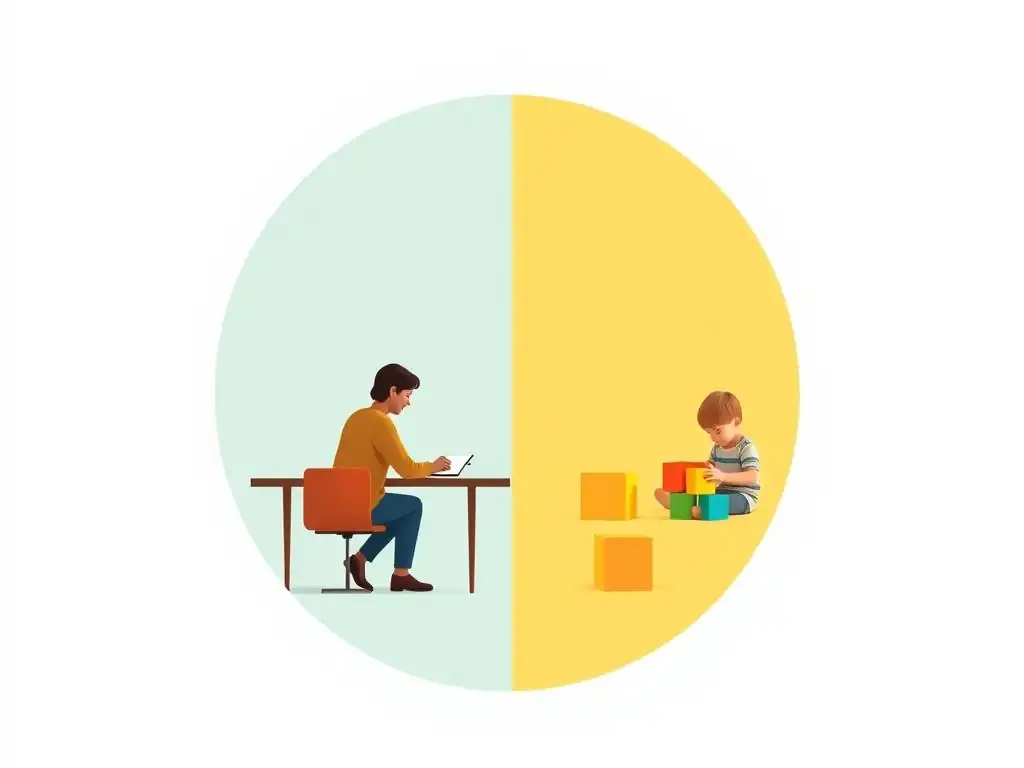
This section delves into the core methodologies of traditional therapy approaches frequently used with children, providing a comparative framework against play therapy. Understanding these differences is crucial when considering the best therapeutic route for a child facing emotional, behavioral, or developmental challenges. A key consideration in child therapy approach comparison is the child's developmental stage and the nature of their difficulties.
Traditional Therapy Methods for Children: Cognitive Behavioral Therapy (CBT) and Others
Traditional therapy for children often incorporates various evidence-based methods, with Cognitive Behavioral Therapy (CBT) being a prominent example. However, it's vital to remember that a truly effective approach often involves a tailored combination of techniques, adapting to the unique needs of each young patient. The choice between different modalities hinges on several factors, including the child's age, presenting issues, and their response to initial interventions. A holistic assessment is paramount before settling on a specific path. This contrasts with play therapy, which often uses the child's natural play as the primary medium for communication and therapeutic intervention.
A successful child therapy approach comparison requires a nuanced understanding of the strengths and limitations of each method. Traditional methods often focus on directly addressing thoughts, feelings, and behaviors, while play therapy uses indirect, symbolic methods.
Cognitive Behavioral Therapy (CBT) for Children: Techniques and Applications
Cognitive Behavioral Therapy (CBT) is a widely used approach in traditional child therapy. It focuses on identifying and modifying negative thought patterns and behaviors. In children, CBT techniques are often adapted to be more engaging and age-appropriate. For example, instead of lengthy discussions about abstract concepts, therapists might use storytelling, role-playing, or drawings to help children understand and process their emotions.
Here are some common CBT techniques used with children:
- Cognitive Restructuring: Helping children identify and challenge negative or unhelpful thoughts. This might involve creating a "thought diary" where they record negative thoughts and then brainstorm more balanced alternatives.
- Behavioral Activation: Encouraging children to engage in activities that bring them pleasure and a sense of accomplishment. This can help combat feelings of depression or anxiety.
- Exposure Therapy: Gradually exposing children to feared situations or objects in a safe and controlled environment. This is particularly useful for treating anxiety disorders.
- Relaxation Techniques: Teaching children relaxation skills, such as deep breathing or progressive muscle relaxation, to manage stress and anxiety.
The effectiveness of CBT in children has been supported by numerous studies, demonstrating its efficacy in treating various conditions, including anxiety disorders, depression, and attention-deficit/hyperactivity disorder (ADHD). However, CBT's success relies heavily on the child's ability to engage actively in the therapeutic process and verbalize their thoughts and feelings. This is where a child therapy approach comparison highlights the potential limitations of CBT with very young children or those with significant communication difficulties.
Other Traditional Therapy Modalities for Children: A Range of Approaches
Beyond CBT, several other traditional therapeutic approaches are used with children, each with its own strengths and limitations. These include:
| Therapy Modality | Description | Strengths | Limitations |
|---|---|---|---|
| Psychodynamic Therapy | Focuses on unconscious processes and past experiences to understand current behavior. | Can help uncover deep-seated issues; valuable for long-term personality change. | Can be time-consuming and expensive; may not be suitable for all children. |
| Family Therapy | Involves the entire family in therapy to address family dynamics and improve communication. | Addresses systemic issues; can improve family relationships. | Requires the cooperation of all family members; may not be feasible in all situations. |
| Play Therapy (Traditional) | Uses structured play activities to help children express their emotions and work through problems. | Can be highly effective with young children; provides a non-threatening environment. | Requires specialized training; may not be as effective for older children or those with severe behavioral problems. |
This table demonstrates the diversity of traditional approaches. A comprehensive child therapy approach comparison necessitates considering the unique needs and characteristics of the child in question. The optimal approach is not a one-size-fits-all solution but rather a carefully considered choice based on a thorough assessment. 🧸 The selection process should always prioritize the child's well-being and the likelihood of achieving positive therapeutic outcomes.
Benefits of Traditional Therapy: Addressing Specific Issues and Cognitive Development
Traditional therapy, often employing talk therapy techniques like Cognitive Behavioral Therapy (CBT) or psychodynamic therapy, offers several advantages when treating children. One key benefit lies in its ability to directly address specific issues. For instance, if a child is struggling with anxiety related to school performance, a therapist can use CBT techniques to identify and challenge negative thought patterns contributing to this anxiety.
This targeted approach allows for a focused intervention, unlike play therapy which may take a more indirect route to address the underlying issue. The therapist can work directly with the child to develop coping mechanisms and strategies to manage anxiety in specific situations. This direct approach is particularly useful for children who can articulate their feelings and thoughts effectively.
Furthermore, traditional therapy can be highly effective in fostering cognitive development. Through structured sessions and guided discussions, therapists can help children develop crucial skills like self-awareness, emotional regulation, and problem-solving. For example, a child struggling with anger management might learn to identify triggers, understand their emotional responses, and develop healthier ways to express their anger. This process enhances their cognitive abilities, enabling them to better understand their own emotions and behaviors and develop more adaptive coping strategies.
The structured nature of many traditional approaches can also provide children with a sense of predictability and control, which can be particularly beneficial for children with anxiety or trauma. This structured environment allows for the development of a strong therapeutic alliance, crucial for effective treatment. The therapist acts as a guide, helping the child navigate their emotional landscape and build resilience.
The ability to delve into complex issues, such as trauma or grief, is another significant advantage of traditional therapy. While play therapy can certainly address these issues, traditional therapy often provides a framework for more direct exploration and processing of these difficult experiences. The therapist can use specific techniques, such as trauma-focused CBT, to help the child process traumatic memories, develop coping strategies, and integrate their experiences in a safe and supportive environment.
This approach can be particularly beneficial for older children and adolescents who possess the cognitive capacity for in-depth self-reflection and verbal communication. The explicit focus on cognitive restructuring and behavioral modification can lead to significant improvements in the child's overall well-being and functioning. The results can be profoundly impactful on their long-term mental health and development.
Child Therapy Approach Comparison: Key Differences and Similarities
This section delves into a direct comparison of play therapy and traditional talk therapy approaches for children, focusing on their core differences and surprising similarities. Understanding these nuances is crucial for selecting the most effective method for a particular child's needs. The choice isn't always a clear-cut "either/or," and often, a blended approach proves most beneficial. This comparison will help clarify the advantages and disadvantages of each approach to inform better decision-making in the field of child therapy. We'll explore how these methods address the unique challenges children face in expressing their emotions and experiences.
Comparing Therapeutic Techniques: Play vs. Traditional Methods
Traditional talk therapy, often employing cognitive behavioral therapy (CBT) or psychodynamic approaches, relies heavily on verbal communication. The therapist guides the child through discussions about their feelings, thoughts, and behaviors. This method is effective for older children and adolescents who possess the verbal skills to articulate their inner world. However, for younger children, expressing complex emotions verbally can be challenging.
Play therapy, in contrast, utilizes play as the primary medium of communication. Children use toys, games, art materials, and other creative outlets to express themselves nonverbally. This approach is particularly beneficial for children who struggle with verbal expression, allowing them to bypass language barriers and access their emotions more freely. The therapist observes the child's play, interpreting its symbolic meaning to understand their underlying concerns.
| Feature | Traditional Talk Therapy | Play Therapy |
|---|---|---|
| Primary Method | Verbal communication, discussion, cognitive exercises | Play, art, creative expression |
| Communication | Primarily verbal | Primarily nonverbal, symbolic |
| Best Suited For | Older children, adolescents with strong verbal skills | Younger children, those with limited verbal skills |
| Focus | Cognitive processing, verbal expression of emotions | Nonverbal expression, emotional regulation |
While seemingly disparate, both methods share common goals: improving emotional regulation, enhancing coping mechanisms, and fostering healthy development. Both aim to build a strong therapeutic relationship based on trust and rapport, providing a safe space for the child to explore their inner world. The key difference lies in how these goals are achieved.
Assessing the Effectiveness of Each Approach: Outcomes and Results
Research consistently demonstrates the effectiveness of both play therapy and traditional talk therapy for various childhood challenges, including anxiety, depression, trauma, and behavioral problems. However, direct comparisons of their relative effectiveness are limited due to methodological challenges in research design. Many studies focus on specific populations or interventions, making broad generalizations difficult.
For instance, studies on trauma-focused play therapy have shown significant reductions in PTSD symptoms in children exposed to traumatic events. Similarly, research suggests that CBT for anxiety disorders in older children and adolescents is highly effective. The optimal approach often depends on the specific presenting problem and the child's developmental stage. More robust, large-scale comparative studies are needed to definitively rank the effectiveness of one approach over the other. Currently available data suggests that both methods are valuable tools within the child therapist's arsenal.
Considering the Child's Age and Developmental Stage
The child's age and developmental stage are paramount in determining the most appropriate therapeutic approach. Infants and toddlers, for example, primarily communicate nonverbally and benefit immensely from play-based interventions. Their communication style naturally aligns with the modalities of play therapy. As children grow older and their language skills develop, talk therapy becomes increasingly viable and effective.
However, even adolescents can benefit from incorporating play therapy techniques, especially when dealing with trauma or emotional regulation difficulties. Art therapy, a form of play therapy, can be particularly useful for teenagers who find it challenging to articulate their feelings verbally. The integration of various therapeutic techniques often yields the most positive outcomes, tailoring the approach to meet the individual needs of the child. A flexible, integrative approach ensures the most effective and child-centered care. The ultimate goal remains to foster the child's healthy development using the most appropriate therapeutic tools.
The Role of the Therapist in Each Approach: Guidance and Support
In traditional therapy with children, the therapist acts as a guide, using techniques like cognitive behavioral therapy (CBT) or psychodynamic therapy to help the child identify and understand their thoughts, feelings, and behaviors. The therapist's role is often more directive, posing questions, offering interpretations, and suggesting coping mechanisms. For example, a therapist might help a child experiencing anxiety identify negative thought patterns and replace them with more positive and realistic ones through CBT techniques. The therapeutic relationship is crucial, built on trust and a collaborative effort to address the child's specific concerns.
However, the focus remains primarily on verbal communication and conscious processing of emotions and experiences. The therapist's expertise lies in their knowledge of psychological theories and techniques, applying them to the child's unique situation. Successful outcomes rely heavily on the child's ability to articulate their feelings and actively participate in the therapeutic process.
Play therapy, conversely, presents a different dynamic. While the therapist still provides guidance and support, their role is less directive and more observational. They create a safe and nurturing environment where the child can express themselves through play. The therapist acts as a facilitator, carefully observing the child's play and using it as a window into their inner world.
They might subtly intervene, offering new toys or mirroring the child's actions to encourage deeper exploration of emotions or conflicts. For instance, if a child repeatedly acts out aggression with toy cars, the therapist might gently introduce a toy police car to see how the child responds, potentially opening a dialogue about conflict resolution. The therapist's expertise lies in understanding the symbolic language of play and using it to build rapport, encourage self-expression, and facilitate healing.
Unlike traditional therapy, verbal communication is not the primary mode of interaction; the emphasis is on non-verbal communication through play, allowing children to express themselves even if they lack the vocabulary to articulate their feelings. This approach is particularly beneficial for children who struggle with verbal expression or have experienced trauma. The therapist’s primary focus is on creating a space where the child feels empowered to explore their feelings and experiences at their own pace.
Choosing the Right Child Therapy Approach: Factors to Consider

Selecting the most effective therapy for a child requires careful consideration of various factors beyond simply choosing between play therapy and traditional talk therapy. The optimal approach depends heavily on the individual child, their developmental stage, the presenting problem, and the family dynamics. This section delves into crucial aspects to consider when making this important decision. Choosing the right path can significantly impact a child's healing journey and overall well-being. This careful selection process is crucial for effective child therapy approach comparison.
Evaluating the Child's Needs and Preferences
A child's age and developmental level significantly influence the suitability of different therapeutic approaches. Very young children, for instance, may not possess the verbal skills necessary to articulate their feelings and experiences effectively in traditional talk therapy. Play therapy, with its non-verbal communication methods, often proves more effective in these cases. Conversely, older children and adolescents might find talk therapy more engaging and beneficial, allowing for deeper exploration of their thoughts and emotions.
Consider this example: a five-year-old struggling with anxiety might benefit immensely from play therapy, using toys and games to express their fears and anxieties in a safe and comfortable environment. On the other hand, a fifteen-year-old grappling with depression might find a more structured, verbal approach, such as cognitive behavioral therapy (CBT), more suitable for addressing their thoughts and behaviors.
The child's personality and preferences also play a crucial role. Some children are naturally more expressive and comfortable talking, while others might prefer non-verbal methods of communication. Respecting a child's individual preferences and tailoring the therapeutic approach accordingly is essential for building rapport and trust, which are fundamental to successful therapy. A thorough assessment of the child's needs, considering both their developmental stage and personality, is vital for any effective child therapy approach comparison.
Considering Parental Involvement and Collaboration
Parental involvement is often a key component of successful child therapy, regardless of the chosen approach. Open communication between the therapist, the child, and the parents facilitates a holistic understanding of the child's challenges and allows for consistent support across different settings. Parents can provide valuable insights into the child's behavior, home environment, and overall development, which can inform the therapist's approach and treatment plan.
The level of parental involvement might vary depending on the child's age and the nature of the therapeutic relationship. In some cases, parents may participate directly in therapy sessions, while in others, they may primarily act as supportive figures outside of the therapy room. However, maintaining consistent communication and collaboration between parents and the therapist is crucial for ensuring the effectiveness of the therapy and providing a unified approach to support the child's healing. This collaborative approach significantly enhances the success rate of any child therapy approach comparison.
The Importance of a Qualified and Experienced Therapist
The qualifications and experience of the therapist are paramount in determining the success of any therapeutic intervention. Regardless of whether the chosen approach is play therapy or traditional talk therapy, it is crucial to select a therapist who is appropriately licensed, experienced in working with children, and possesses a deep understanding of child development and the specific issues the child is facing. A skilled therapist can adapt their approach to meet the unique needs of each child, creating a safe and supportive therapeutic environment.
Seeking a therapist with specialized training in the chosen approach (e.g., registered play therapist for play therapy or a specialist in CBT for cognitive behavioral therapy) ensures that the child receives the most appropriate and effective treatment. Furthermore, a therapist's experience in working with children facing similar challenges can be invaluable in providing a tailored and evidence-based treatment plan.
The therapist's ability to build a strong therapeutic relationship with the child is also critical; this bond of trust lays the foundation for successful treatment outcomes. Therefore, a thorough vetting process of the therapist's qualifications and experience is a vital aspect of any effective child therapy approach comparison.
Long-Term Goals and Treatment Planning for Children
Choosing the right child therapy approach hinges significantly on establishing clear, long-term goals. This is crucial because children, unlike adults, may not always articulate their problems explicitly. A therapist needs to collaborate with parents and, when developmentally appropriate, the child themselves, to define achievable objectives. These goals might encompass improvements in specific areas like emotional regulation, social skills, behavior modification, or academic performance. 1 For example, a child struggling with anxiety might have a long-term goal of confidently participating in classroom activities and social interactions. A treatment plan, therefore, needs to be tailored to these specific goals, outlining the strategies and techniques that will be used to achieve them. This plan should be flexible, adapting to the child's progress and evolving needs. Regular review and adjustments are vital to ensure the effectiveness of the chosen approach. The collaborative nature of goal-setting and treatment planning is key to success, fostering a sense of shared responsibility and promoting the child's active participation in their therapeutic journey.
The timeline for achieving these goals also varies considerably depending on the child's age, the severity of the issues, and the chosen therapeutic approach. Play therapy, for instance, may involve a gradual process of building rapport and trust before tackling core issues, while traditional talk therapy might focus on immediate problem-solving. 2 Parents should be prepared for a long-term commitment, understanding that therapy is an ongoing process and not a quick fix. Consistent attendance and active participation from both the child and the parents are critical factors influencing the overall success of the treatment plan. Regular communication between the therapist and the parents helps monitor progress, address any challenges that arise, and make necessary adjustments to the treatment plan. This ongoing dialogue ensures that the therapy remains aligned with the child's needs and the family's expectations. Open communication prevents misunderstandings and fosters a strong therapeutic alliance.
1 Further research is needed to provide specific data on the average timeframe for achieving different therapeutic goals in children. 2 More detailed studies comparing the timelines of different therapeutic approaches for children are required to provide precise figures.
Conclusion: Selecting the Best Child Therapy Approach for Optimal Outcomes
Choosing the right therapy approach for a child is a crucial decision impacting their mental and emotional well-being. This decision shouldn't be taken lightly and requires careful consideration of several factors. While this article has explored the key differences between play therapy and traditional talk therapy for children, the "best" approach is highly individualized and depends on the child's unique needs, age, developmental stage, and the specific issues being addressed. There's no one-size-fits-all answer when it comes to child therapy approach comparison.
The effectiveness of any therapeutic intervention is also significantly influenced by the therapist's expertise, experience, and the therapeutic relationship established with the child. A skilled therapist, regardless of their preferred approach, will adapt their techniques to meet the individual needs of their young client. Remember, the goal is to create a safe and supportive environment where the child feels comfortable expressing themselves and working towards positive change.
Making an Informed Decision: Weighing the Pros and Cons
To aid in your decision-making process, consider the following table summarizing the pros and cons of each approach in the context of a child therapy approach comparison:
| Feature | Play Therapy | Traditional Talk Therapy |
|---|---|---|
| Strengths | Non-threatening, builds rapport, accesses unconscious thoughts, suitable for non-verbal children, creative expression. | Direct communication, addresses cognitive aspects, suitable for older children with strong verbal skills, addresses specific issues. |
| Weaknesses | Can be time-consuming, may not be suitable for all issues, requires specialized training from the therapist. | Can be intimidating for younger children, requires verbal fluency, may not access unconscious thoughts effectively. |
| Best Suited For | Children with trauma, anxiety, attachment issues, communication difficulties, or those who struggle to express themselves verbally. | Older children and adolescents who can articulate their thoughts and feelings effectively, and those dealing with specific behavioral problems or cognitive challenges. |
Remember that these are general guidelines. A child might benefit from a combination of both approaches, or a completely different method altogether. The key is to find a therapist who can effectively assess the child's needs and tailor their treatment accordingly. This is a significant aspect of any child therapy approach comparison.
Seeking Professional Guidance: Consulting with a Child Psychologist
Ultimately, the most valuable resource in selecting a child therapy approach is a qualified child psychologist or therapist. They possess the expertise to conduct a thorough assessment of the child's developmental stage, emotional state, and presenting problems. This assessment will inform their recommendation for the most appropriate therapeutic intervention. During this consultation, don't hesitate to ask questions and express your concerns.
A good therapist will welcome your involvement and work collaboratively with you to create a treatment plan that meets your child's specific needs. This collaborative approach is key to successful outcomes in any child therapy approach comparison. The therapist should be able to clearly explain their rationale for recommending a particular approach and answer any questions you may have regarding the process and expected outcomes.
Resources for Finding Child Therapists: Finding Qualified Professionals
Finding a qualified and experienced child therapist requires research and due diligence. Several resources can assist you in this process:
- Your child's pediatrician: They can often provide referrals to therapists in your area.
- Your insurance provider: Check your insurance plan for a list of in-network therapists specializing in child and adolescent mental health.
- Online directories: Several online directories list mental health professionals, often allowing you to filter by specialization, location, and insurance acceptance. However, always verify credentials and experience before making an appointment.
- Professional organizations: Organizations dedicated to child psychology and therapy often maintain lists of their members.
Remember to thoroughly research any therapist before scheduling an appointment. Look for therapists with experience in the specific issues your child is facing, positive client reviews, and a good reputation within the community. The investment of time in this research will pay significant dividends in ensuring your child receives the best possible care. This careful selection process is another crucial element of a successful child therapy approach comparison.
Frequently Asked Questions
What is the main difference between play therapy and traditional therapy for children?
Play therapy uses play as the primary medium for communication and expression, while traditional therapy relies more on verbal communication and direct discussion of problems. The choice depends on the child's developmental stage and communication skills.
Which therapy approach, play therapy or traditional therapy, is better for younger children?
Play therapy is generally considered more suitable for younger children (preschool and early elementary age) who may struggle to articulate their feelings verbally. Traditional therapy might be more effective for older children who can communicate more effectively through language.
Can a child receive both play therapy and traditional therapy?
Yes, a combined approach is often beneficial. A therapist might use play therapy to build rapport and explore underlying issues, then transition to more traditional methods as the child develops. This is highly individualized.
What types of problems are best addressed with play therapy?
Play therapy is effective for a wide range of issues including trauma, anxiety, depression, and behavioral problems. It's particularly helpful when dealing with children who have difficulty expressing themselves verbally.
How do I find a therapist specializing in play therapy or a suitable approach for my child?
You can search online directories of therapists, contact your child's pediatrician, or consult with your insurance provider. Look for therapists with experience working with children and specializing in the appropriate therapeutic modality for your child's needs.
Final Reflection: Choosing the Right Path for a Child's Healing
The choice between play therapy and traditional therapy for children isn't simply a matter of preference; it's a crucial decision that directly impacts a child's emotional well-being and future development. Understanding the nuances of each approach, as explored throughout this article, is paramount in navigating the complex landscape of childhood mental health. The right therapeutic environment can be the difference between a child struggling in silence and a child thriving with support.
The impact of effective therapeutic intervention on a child's life is immeasurable. It's not just about addressing immediate symptoms; it's about fostering resilience, building self-esteem, and equipping them with the tools to navigate life's challenges. Play is the highest form of research.
- Albert Einstein. This quote beautifully encapsulates the power of play therapy, highlighting its ability to unlock a child's inner world and provide invaluable insights into their emotional landscape. The ongoing evolution of therapeutic approaches reflects a growing understanding of the unique needs of children, emphasizing the importance of tailoring treatment to individual circumstances.
Consider the information presented in this article – the strengths and limitations of both play therapy and traditional methods – and reflect on how this knowledge can inform your own choices. Are you a parent, educator, or caregiver seeking the best path for a child in your life? Take the time to understand their individual needs, their communication style, and their developmental stage. Armed with this knowledge, you can advocate for the most effective and compassionate therapeutic approach, empowering them to heal and flourish.
Unlock Your Child's Potential with the Right Therapy!
Thank you for exploring the differences between play therapy and traditional child therapy. You've learned how these approaches can positively impact your child's emotional and psychological well-being. Now, let's put that knowledge to work!
Here's how to make an informed decision:
- Schedule a consultation with a qualified therapist to discuss the best approach for your child's unique needs.
- Research local therapists and centers specializing in play therapy or traditional methods. Visiting potential locations can help you assess the environment and feel comfortable with your choice.
- Connect with other parents through parenting groups or online communities. Sharing experiences and insights can be invaluable as you navigate these decisions.
How will you support your child's journey toward emotional well-being?