
Exploring Anxiety Disorders in Psychotherapy: Effective Treatment Strategies


Unravel the complexities of the human mind with Psychology Basics. We're your gateway to understanding fundamental psychological concepts, and today, we delve into the crucial area of therapeutic approaches. Are you curious about the latest advancements in anxiety disorder treatment psychotherapy? Discover effective strategies and gain valuable insights into this prevalent mental health challenge. Let's explore the path toward improved well-being together.
-
Understanding Anxiety Disorders and Their Manifestations
- Defining Anxiety Disorders: A Broad Overview
- Common Types of Anxiety Disorders: Generalized Anxiety Disorder (GAD), Panic Disorder, Social Anxiety Disorder (SAD), Specific Phobias
- Recognizing the Symptoms of Anxiety: Physical, Emotional, and Cognitive Indicators
- The Role of Psychotherapy in Anxiety Disorder Treatment
- Psychotherapy Approaches for Anxiety Disorder Treatment
- Specific Techniques within Psychotherapy for Anxiety Relief
- Assessing the Effectiveness of Psychotherapy for Anxiety Disorders
- Finding a Qualified Therapist for Anxiety Disorder Treatment
- Frequently Asked Questions
- Final Reflection: The Enduring Power of Therapeutic Intervention in Anxiety
- Take Charge of Your Mental Health Journey!
Understanding Anxiety Disorders and Their Manifestations
Anxiety disorders represent a significant area of focus within psychotherapy, impacting a substantial portion of the global population. This article delves into the multifaceted nature of anxiety disorders, exploring their diverse manifestations and outlining effective treatment strategies employed within the therapeutic setting. We will move beyond simple definitions to examine the nuanced symptoms, providing a comprehensive understanding of how these conditions present and how they can be successfully addressed through various psychotherapeutic approaches.
The information presented here is intended for educational purposes and should not be considered a substitute for professional medical advice. Understanding the complexities of anxiety is crucial for both those experiencing these disorders and those seeking to support them.
This exploration will equip you with the knowledge to better identify, understand, and address anxiety disorders, paving the way for informed discussions with healthcare professionals. We will specifically focus on the keyword "Anxiety disorder treatment psychotherapy" and its various implications.
Defining Anxiety Disorders: A Broad Overview
Anxiety disorders are a group of mental illnesses characterized by excessive fear and worry, significantly impacting daily functioning. They are distinguished from normal feelings of anxiety by their intensity, duration, and interference with daily life. Unlike occasional nervousness, anxiety disorders involve persistent and overwhelming feelings of apprehension, often accompanied by physical symptoms like rapid heartbeat and shortness of breath. The Diagnostic and Statistical Manual of Mental Disorders (DSM-5) provides specific criteria for diagnosing various anxiety disorders, ensuring consistent classification and treatment approaches. These diagnostic criteria are based on the severity, duration, and impact of the anxiety symptoms on the individual’s life. Many individuals experience anxiety at some point in their lives, but the key difference lies in the persistence and intensity of these feelings in individuals with diagnosed anxiety disorders. The prevalence of anxiety disorders varies across different populations and age groups, highlighting the importance of early detection and intervention.
Several distinct types of anxiety disorders exist, each with unique characteristics and symptom profiles. Let's explore some of the most prevalent:
- Generalized Anxiety Disorder (GAD): GAD is characterized by persistent and excessive worry about various aspects of life, often lasting for six months or more. Individuals with GAD experience difficulty controlling their worry and often exhibit restlessness, fatigue, irritability, and sleep disturbances. The worry is often unrealistic or excessive in comparison to the actual situation.
- Panic Disorder: This disorder involves recurrent, unexpected panic attacks, which are sudden episodes of intense fear accompanied by physical symptoms such as rapid heartbeat, sweating, trembling, and shortness of breath. Individuals with panic disorder often fear having another attack, leading to avoidance behaviors and significant impairment in daily life. The anticipation of another panic attack can be intensely distressing and debilitating.
- Social Anxiety Disorder (SAD): Also known as social phobia, SAD involves intense fear and anxiety related to social situations. Individuals with SAD fear negative evaluation or humiliation from others, leading to avoidance of social interactions and significant distress. This avoidance can impact their relationships, work, and overall quality of life. The fear is often disproportionate to the actual social situation.
- Specific Phobias: These involve intense, persistent fear of a specific object or situation (e.g., spiders, heights, enclosed spaces). Exposure to the feared object or situation triggers significant anxiety and avoidance behaviors. The fear is often out of proportion to the actual danger posed by the object or situation. The DSM-5 categorizes various subtypes of specific phobias, reflecting the wide range of feared stimuli.
Recognizing the Symptoms of Anxiety: Physical, Emotional, and Cognitive Indicators
Recognizing the signs and symptoms of anxiety is crucial for early intervention and effective treatment. Anxiety manifests in various ways, impacting physical, emotional, and cognitive functioning:
- Physical Symptoms: These can include rapid heartbeat, shortness of breath, sweating, trembling, muscle tension, nausea, dizziness, and sleep disturbances. The intensity and frequency of these symptoms can vary depending on the severity of the anxiety. Physical symptoms are often the first indication of an underlying anxiety disorder.
- Emotional Symptoms: Emotional manifestations of anxiety include excessive worry, fear, nervousness, irritability, restlessness, and feelings of dread or impending doom. These emotional symptoms can significantly impact an individual's mood and overall well-being. The constant state of worry and fear can lead to emotional exhaustion.
- Cognitive Symptoms: Cognitive symptoms encompass difficulties concentrating, racing thoughts, forgetfulness, and intrusive thoughts. These cognitive symptoms can impair an individual's ability to function effectively in daily life. Difficulty concentrating can also lead to reduced productivity and academic or professional challenges. The interplay between physical, emotional, and cognitive symptoms often creates a debilitating cycle.
The Role of Psychotherapy in Anxiety Disorder Treatment
Psychotherapy plays a crucial role in the treatment of anxiety disorders, offering a range of evidence-based approaches to help individuals understand and manage their symptoms. Unlike medication, which primarily targets the biological aspects of anxiety, psychotherapy focuses on the cognitive, behavioral, and emotional underpinnings of the disorder. This multifaceted approach allows therapists to address the root causes of anxiety, empowering individuals to develop coping mechanisms and long-term strategies for managing their condition. The effectiveness of psychotherapy in anxiety disorder treatment is well-documented, with numerous studies demonstrating its ability to reduce symptoms, improve quality of life, and prevent relapse. 1 The specific type of therapy chosen depends on the individual's unique needs and the nature of their anxiety disorder.
Several key therapeutic modalities have proven particularly effective in treating anxiety. Cognitive Behavioral Therapy (CBT), for instance, is a widely used and highly effective approach. CBT helps individuals identify and challenge negative or distorted thought patterns that contribute to anxiety. By replacing these unhelpful thoughts with more realistic and balanced perspectives, individuals can learn to manage their emotional responses and reduce their overall anxiety levels. Exposure therapy, another effective technique often integrated with CBT, involves gradually exposing individuals to feared situations or objects in a safe and controlled environment. This systematic desensitization helps reduce avoidance behaviors and diminishes the power of anxiety-provoking stimuli. 2
Furthermore, acceptance and commitment therapy (ACT) offers a different, yet equally valuable, perspective. ACT focuses less on eliminating anxious thoughts and feelings and more on accepting them as part of the human experience. The emphasis is on identifying one's values and committing to actions aligned with those values, even in the presence of anxiety. This approach empowers individuals to live a more fulfilling life despite their anxiety, rather than being controlled by it.
Other therapeutic approaches, such as psychodynamic therapy and interpersonal therapy, can also be beneficial depending on the individual's specific needs and the contributing factors to their anxiety. The choice of therapy is a collaborative process between the therapist and the patient, ensuring the best possible treatment plan is implemented. The success of psychotherapy often relies on the therapeutic relationship, emphasizing the importance of finding a therapist with whom the individual feels comfortable and connected.
1 [Specific study demonstrating effectiveness of psychotherapy for anxiety disorders pending] 2 [Specific study on the effectiveness of exposure therapy pending]
Psychotherapy Approaches for Anxiety Disorder Treatment
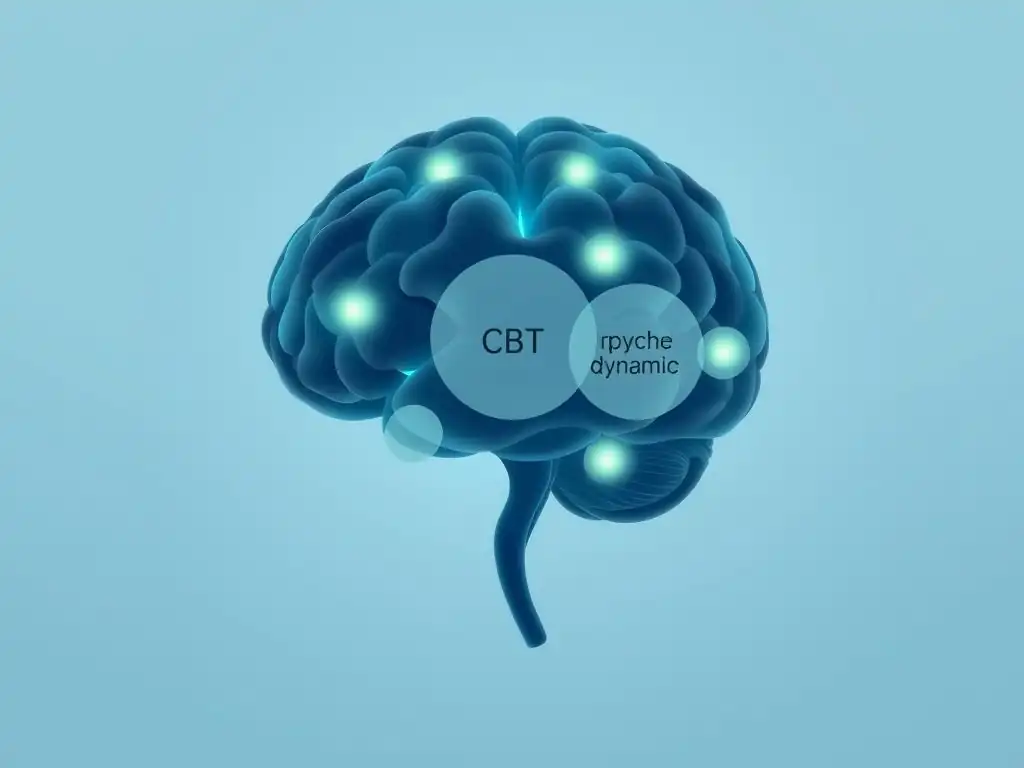
This section delves into specific psychotherapy approaches proven effective in treating anxiety disorders. We'll explore the techniques and applications of several prominent therapies, highlighting their unique strengths and how they address the core symptoms of anxiety. Understanding these approaches is crucial for anyone seeking to manage or overcome anxiety, whether through self-help strategies or professional guidance. The efficacy of these treatments has been extensively researched, demonstrating their value in reducing anxiety symptoms and improving overall quality of life for individuals struggling with anxiety disorder treatment.
Cognitive Behavioral Therapy (CBT) for Anxiety: Techniques and Applications
Cognitive Behavioral Therapy (CBT) is a widely recognized and highly effective approach to anxiety disorder treatment. CBT operates on the principle that our thoughts, feelings, and behaviors are interconnected. Negative or distorted thoughts can fuel anxiety, leading to avoidance behaviors that maintain the cycle. CBT aims to interrupt this cycle by identifying and challenging these maladaptive thought patterns.
Several core techniques are employed within CBT for anxiety:
- Cognitive Restructuring: This involves identifying and challenging negative automatic thoughts (NATs) – those fleeting, often negative thoughts that pop into our minds without conscious effort. For example, a person with social anxiety might have the NAT, "Everyone will judge me negatively." CBT helps individuals question the validity of such thoughts, exploring alternative, more balanced perspectives.
- Behavioral Experiments: These are designed to test out negative beliefs in a safe and controlled environment. For instance, if someone fears public speaking, a behavioral experiment might involve starting with small presentations to trusted friends, gradually increasing the size and formality of the audience. The success of these experiments helps to challenge the underlying fear and build confidence.
- Exposure Therapy (a component of CBT): This technique involves gradually exposing the individual to feared situations or objects. This is often done in a hierarchical manner, starting with less anxiety-provoking situations and gradually working up to more challenging ones. The goal is to reduce avoidance behaviors and demonstrate that feared outcomes are unlikely to occur.
The application of CBT varies depending on the specific anxiety disorder. For Generalized Anxiety Disorder (GAD), CBT might focus on challenging worry and developing coping mechanisms for excessive worry. For Panic Disorder, CBT often incorporates exposure therapy to feared physical sensations. For Social Anxiety Disorder, it might involve role-playing and social skills training. The flexibility of CBT allows for tailored treatment plans to address the unique needs of each individual. Numerous studies demonstrate CBT's high success rates in reducing anxiety symptoms and improving functional outcomes.
Exposure Therapy for Anxiety: Principles and Practical Examples
Exposure therapy is a powerful behavioral technique used extensively in anxiety disorder treatment, often integrated within CBT. Its core principle is the gradual and repeated exposure to feared stimuli or situations in a safe and controlled environment. This systematic desensitization helps to reduce avoidance behaviors and ultimately diminishes the power of the feared stimulus. The process reduces anxiety by demonstrating that the feared outcome is unlikely to occur.
The principles guiding effective exposure therapy include:
- Gradual Exposure: Starting with less anxiety-provoking stimuli and gradually progressing to more intense ones. This prevents overwhelming the individual and allows for successful habituation.
- In-vivo Exposure: Exposure to real-life situations rather than just imagining them. This is generally more effective than imaginal exposure.
- Response Prevention: Preventing avoidance behaviors during exposure. This is crucial for breaking the cycle of avoidance and anxiety.
Practical examples of exposure therapy include:
- For Specific Phobias: A person with a fear of spiders might start by looking at pictures of spiders, then watching videos, then observing a spider in a container, and eventually handling a spider.
- For Social Anxiety Disorder: A person might start by initiating brief conversations with strangers, then participating in small group activities, and finally giving a presentation.
- For Panic Disorder: A person might engage in activities that trigger panic symptoms (e.g., exercise) while practicing relaxation techniques and refraining from escape behaviors.
The effectiveness of exposure therapy is well-documented in numerous studies. It's considered a first-line treatment for many anxiety disorders, providing long-term relief from debilitating symptoms. However, it's crucial that exposure therapy is conducted under the guidance of a trained professional to ensure safety and maximize effectiveness.
Acceptance and Commitment Therapy (ACT) for Anxiety Management
Acceptance and Commitment Therapy (ACT) offers a unique approach to anxiety management, differing significantly from CBT's focus on changing thoughts and behaviors. ACT emphasizes accepting difficult thoughts and feelings without judgment, while committing to valued actions despite anxiety. It helps individuals to develop psychological flexibility – the ability to be present, open to experience, and act in accordance with one's values.
ACT utilizes several core techniques:
- Mindfulness: Paying attention to the present moment without judgment. This helps individuals to observe their thoughts and feelings without getting caught up in them.
- Acceptance: Learning to accept difficult thoughts and feelings as part of the human experience, rather than fighting against them.
- Values Clarification: Identifying what truly matters in life and aligning actions with these values.
- Committed Action: Taking steps towards living a meaningful life, even when faced with anxiety.
ACT's application in anxiety treatment involves helping individuals to:
- Identify and accept anxious thoughts and feelings: Instead of trying to eliminate anxiety, ACT encourages individuals to acknowledge and accept it as a normal part of life.
- Focus on values-based actions: Individuals learn to prioritize activities aligned with their values, even if those activities cause some anxiety.
- Develop mindfulness skills: Practicing mindfulness helps individuals to observe their thoughts and feelings without judgment, reducing their emotional reactivity.
While ACT doesn't directly target the content of anxious thoughts like CBT, it focuses on changing the relationship with those thoughts. This approach can be particularly helpful for individuals who struggle with chronic anxiety and find it difficult to control their thoughts and emotions. Research supports ACT's effectiveness in reducing anxiety symptoms and improving overall well-being. It's a valuable addition to the therapeutic arsenal for anxiety disorder treatment.
Mindfulness-Based Therapies for Anxiety Reduction
Mindfulness-based therapies (MBTs) have gained significant traction in anxiety disorder treatment, offering a powerful approach to managing symptoms and fostering long-term well-being. These therapies are rooted in the principle of cultivating present moment awareness, gently observing thoughts, feelings, and sensations without judgment. This non-reactive stance helps individuals detach from the often-overwhelming cycle of anxious rumination and worry. Unlike some therapies that focus directly on changing thoughts or behaviors, MBTs emphasize acceptance and understanding of internal experiences.
One of the most widely researched and clinically effective MBTs is Mindfulness-Based Cognitive Therapy (MBCT). Developed by Zindel Segal, John Teasdale, and Mark Williams, MBCT integrates mindfulness practices with cognitive behavioral therapy (CBT) techniques. It's particularly helpful for individuals who experience recurrent episodes of depression and anxiety, providing tools to manage both affective and cognitive symptoms. A key element of MBCT is the cultivation of a metacognitive awareness – the ability to step back and observe one's own thought processes without getting swept away by them. This helps break the cycle of negative thought patterns that often fuel anxiety.
Another effective approach is Acceptance and Commitment Therapy (ACT). ACT emphasizes the acceptance of difficult thoughts and feelings as inevitable aspects of human experience. Instead of trying to suppress or control these internal experiences, ACT encourages individuals to focus on their values and commit to actions aligned with those values.
This approach helps individuals to live a more meaningful life despite the presence of anxiety, fostering psychological flexibility and resilience. Real-world examples show that ACT can be particularly helpful for individuals with generalized anxiety disorder (GAD) and social anxiety disorder (SAD), empowering them to engage in activities they previously avoided due to fear.
The effectiveness of MBTs is supported by numerous studies demonstrating significant reductions in anxiety symptoms and improved quality of life. These therapies are often taught in group settings, providing a supportive environment for participants to learn and practice mindfulness techniques. Furthermore, MBTs can be integrated with other therapeutic approaches, creating a comprehensive and personalized treatment plan tailored to individual needs.
The integration of mindfulness into daily life, beyond the formal therapy sessions, is crucial for sustaining long-term benefits. This might involve incorporating daily meditation practices, mindful breathing exercises, or mindful movement techniques like yoga. The consistent practice of these techniques helps individuals build resilience against anxiety triggers and promotes a greater sense of calm and self-awareness.
Specific Techniques within Psychotherapy for Anxiety Relief
This section delves into the specific techniques used within psychotherapy to effectively manage and alleviate anxiety symptoms. We will explore how these methods directly address the core components of anxiety disorders, ultimately improving the client's quality of life. The effectiveness of these techniques is supported by considerable research demonstrating their impact on reducing anxiety symptoms and improving overall functioning. Understanding these techniques is crucial for anyone seeking to understand anxiety disorder treatment psychotherapy.
Cognitive Restructuring for Negative Thoughts and Beliefs
Cognitive restructuring is a cornerstone of many effective anxiety disorder treatment psychotherapy approaches. It's based on the principle that our thoughts significantly influence our feelings and behaviors. Anxiety often stems from distorted or negative thought patterns – catastrophic thinking, overgeneralization, and all-or-nothing thinking, for example. The goal of cognitive restructuring is to identify these maladaptive thought patterns and replace them with more balanced and realistic ones.
This process typically involves several steps:
- Identifying negative automatic thoughts (NATs): Clients learn to recognize and record their negative thoughts as they occur, noting the situation and the associated emotional response. For instance, a client might record a NAT like "I'm going to fail this presentation and everyone will think I'm incompetent" after receiving an invitation to present at work.
- Evaluating the evidence: Once NATs are identified, the therapist helps the client objectively evaluate the evidence supporting and contradicting the thought. This involves examining the rationality and accuracy of the thought. In the presentation example, the client might consider past successes, their preparation for the presentation, and the likelihood of truly catastrophic consequences.
- Generating alternative thoughts: The therapist and client collaboratively develop more balanced and realistic alternative thoughts. Instead of "I'm going to fail," a more adaptive thought might be, "I've prepared well, and while there's always a chance of things not going perfectly, I can handle it."
- Behavioral experiments: Sometimes, cognitive restructuring is combined with behavioral experiments to directly test the validity of negative thoughts. For example, the client might practice the presentation to a small, supportive audience to challenge the fear of failure.
The success of cognitive restructuring hinges on the client's active participation and commitment to challenging their own thinking. Regular practice and homework assignments are essential for solidifying the new, more adaptive thought patterns. Research consistently shows its efficacy in reducing anxiety symptoms across various anxiety disorders.
Relaxation Techniques: Progressive Muscle Relaxation, Deep Breathing Exercises
Relaxation techniques are invaluable tools in anxiety disorder treatment psychotherapy. They help interrupt the physiological response to anxiety, reducing the intensity of physical symptoms like rapid heart rate, muscle tension, and shortness of breath. Two widely used techniques are progressive muscle relaxation (PMR) and deep breathing exercises.
Progressive Muscle Relaxation (PMR): This technique involves systematically tensing and releasing different muscle groups in the body. By becoming aware of the physical sensations of tension and relaxation, clients learn to distinguish between the two states and consciously relax their muscles. A typical PMR session might involve tensing the muscles in the hands for a few seconds, then releasing the tension and noticing the difference in sensation. This process is repeated for various muscle groups throughout the body. The repeated practice of PMR helps to reduce overall muscle tension and promote a state of relaxation.
Deep Breathing Exercises: Deep, diaphragmatic breathing slows the heart rate, lowers blood pressure, and reduces muscle tension. This technique involves focusing on the breath, inhaling deeply into the abdomen and exhaling slowly and completely. Guided imagery or mindfulness meditation can be combined with deep breathing to enhance the relaxation response. Regular practice of deep breathing exercises can help individuals manage anxiety symptoms in daily life, equipping them with a readily available coping mechanism.
The efficacy of these relaxation techniques is well-documented. They are often used in conjunction with other therapeutic approaches, such as cognitive restructuring, to provide a holistic treatment for anxiety disorders. The ease of learning and practicing these techniques makes them particularly valuable for managing anxiety in various situations.
Behavioral Experiments to Challenge Avoidance Behaviors
Avoidance behaviors are common in anxiety disorders. Individuals may avoid situations or activities that trigger anxiety, even if they are important or enjoyable. While avoidance provides temporary relief, it reinforces the anxiety in the long run. Behavioral experiments are a crucial component of anxiety disorder treatment psychotherapy aimed at breaking this cycle.
Behavioral experiments involve gradually exposing the client to feared situations or stimuli in a safe and controlled manner. This process helps the client learn that their feared consequences are unlikely to occur, and that they can cope with the anxiety they experience. The therapist works collaboratively with the client to develop a hierarchy of feared situations, starting with those that elicit minimal anxiety and gradually progressing to more challenging ones.
For example, a client with social anxiety might start by having a brief conversation with a cashier, then progress to engaging in small talk with a colleague, and eventually, delivering a presentation to a small group. Throughout this process, the therapist provides support and guidance, helping the client manage their anxiety and reinforce their successes. This systematic desensitization approach leads to a reduction in avoidance behaviors and a greater sense of control over anxiety.
The effectiveness of behavioral experiments lies in its ability to directly challenge the client's maladaptive beliefs about their feared situations. By facing their fears and experiencing the absence of catastrophic consequences, they gain confidence and reduce their anxiety levels. This approach is supported by significant research demonstrating its effectiveness in treating various anxiety disorders. The combination of behavioral experiments with other techniques, such as cognitive restructuring and relaxation exercises, provides a comprehensive and effective approach to anxiety disorder treatment psychotherapy.
Developing Coping Mechanisms for Anxiety Triggers
Developing effective coping mechanisms is crucial in managing anxiety disorders. These mechanisms act as buffers, helping individuals navigate situations and internal experiences that typically trigger their anxiety. The process involves identifying personal triggers – specific situations, thoughts, or feelings that consistently precede anxious episodes – and then crafting tailored responses to mitigate their impact. This isn't a one-size-fits-all approach; what works for one person might not work for another. A therapist can guide this process, helping clients explore their unique triggers and develop personalized coping strategies.
For example, a client experiencing social anxiety might identify public speaking as a major trigger. Instead of avoiding public speaking altogether, a therapist might work with the client to develop a graduated exposure plan. This could involve starting with smaller, less anxiety-provoking speaking engagements, like presenting to a small group of friends, gradually building up to larger audiences. Simultaneously, relaxation techniques, such as deep breathing exercises or progressive muscle relaxation, can be incorporated to manage the physiological symptoms of anxiety during these exposures.
Another common trigger is negative self-talk. Cognitive restructuring techniques are particularly useful here. These techniques involve identifying and challenging negative, automatic thoughts that contribute to anxiety.
For instance, a client might think, "I'm going to fail this presentation, and everyone will laugh at me." A therapist would help the client examine the evidence supporting and contradicting this thought, eventually replacing it with a more balanced and realistic perspective, such as, "I've prepared well, and even if I make a few mistakes, it's not the end of the world." This process helps break the cycle of negative thinking and reduces anxiety associated with these thoughts.
Furthermore, mindfulness practices can be incredibly beneficial. Mindfulness encourages individuals to focus on the present moment without judgment, reducing the power of anxious thoughts about the future or rumination on past events. Mindfulness meditation, for instance, can help clients cultivate a sense of self-awareness and emotional regulation, equipping them with tools to manage their anxiety more effectively when faced with triggers.
The consistent practice of mindfulness can significantly improve an individual's ability to respond to anxiety triggers with greater calm and composure. Ultimately, the goal is to empower individuals to navigate their triggers with confidence and resilience, reducing their overall anxiety levels and improving their quality of life. The development of coping mechanisms is an ongoing process, requiring consistent effort and practice, but the rewards are significant.
Assessing the Effectiveness of Psychotherapy for Anxiety Disorders

This section delves into the crucial aspect of evaluating the success of psychotherapy in treating anxiety disorders. Understanding how we measure effectiveness is paramount for both clinicians and clients. Effective assessment goes beyond simply noting symptom reduction; it considers broader functional improvements in daily life. This allows for a more holistic and accurate understanding of the therapy's impact. The field utilizes various methods to gauge progress, all aiming to provide a comprehensive picture of the patient's journey and the therapy's efficacy in managing their anxiety disorder treatment psychotherapy.
Measuring Treatment Outcomes: Symptom Reduction and Functional Improvement
Measuring the effectiveness of anxiety disorder treatment psychotherapy requires a multi-faceted approach. Simply tracking symptom reduction, while important, isn't sufficient. We must also consider functional improvement—how the reduction in symptoms translates to improved daily functioning. This involves assessing various aspects of the client's life.
For example, consider a client diagnosed with social anxiety disorder. While a reduction in their self-reported anxiety levels is a positive indicator, the true measure of success lies in their ability to engage in social situations previously avoided. This could involve attending social gatherings, participating in work events, or initiating conversations with new people. This functional improvement demonstrates the therapy's effectiveness in translating symptom reduction into tangible positive changes in their life.
Clinicians often use standardized measures like the Generalized Anxiety Disorder 7-item scale (GAD-7) or the Beck Anxiety Inventory (BAI) to track symptom severity. These tools provide quantitative data, allowing for objective monitoring of progress. However, these quantitative measures are best complemented by qualitative data gathered through regular sessions, allowing for a more nuanced understanding of the client's experience. This combined approach—quantitative and qualitative—provides a more comprehensive picture of treatment progress and the effectiveness of anxiety disorder treatment psychotherapy.
Furthermore, clinicians also assess the client's overall well-being, including sleep quality, mood, and overall life satisfaction. These broader measures help paint a complete picture of the therapy's impact beyond simply reducing anxiety symptoms. The goal is not just to alleviate symptoms but to enhance the overall quality of life for the individual undergoing anxiety disorder treatment psychotherapy.
Factors Influencing Treatment Success: Client Characteristics and Therapist Factors
The success of psychotherapy for anxiety disorders is not solely dependent on the chosen therapeutic approach. A multitude of factors, both client-related and therapist-related, significantly influence treatment outcomes. Understanding these factors is crucial for optimizing treatment plans and improving the chances of successful anxiety disorder treatment psychotherapy.
Client characteristics such as motivation, commitment to therapy, and the presence of comorbid conditions play a significant role. Highly motivated clients who actively participate in therapy tend to experience better outcomes. Conversely, clients with low motivation or significant resistance to treatment may struggle to make progress. Similarly, the presence of comorbid conditions, such as depression or substance abuse, can complicate treatment and potentially impede progress. These factors need to be carefully considered and addressed within the therapeutic process.
On the therapist side, factors such as experience, therapeutic alliance, and the therapist's ability to adapt their approach to the individual client's needs are crucial. A strong therapeutic alliance, characterized by trust, empathy, and collaboration, is strongly associated with positive treatment outcomes. Therapists experienced in treating anxiety disorders often possess a greater understanding of treatment strategies and the ability to navigate complex cases more effectively. The ability to adapt the therapy to the client's specific needs and preferences is also crucial for ensuring a positive outcome. Tailoring the anxiety disorder treatment psychotherapy to the individual client is key.
Long-Term Management of Anxiety: Relapse Prevention Strategies
Sustaining the gains achieved during psychotherapy is a critical aspect of long-term management of anxiety disorders. Relapse prevention strategies are essential to equip clients with the tools and skills to manage anxiety effectively beyond the formal treatment period. These strategies aim to empower clients to prevent future episodes and maintain their improved well-being.
Relapse prevention often involves developing coping mechanisms for managing stress and triggers. This might include relaxation techniques, cognitive restructuring, and exposure therapy exercises practiced regularly. Clients are taught to identify their individual triggers and develop proactive strategies to manage their response to these triggers. Regular practice of these skills outside of therapy sessions is crucial for maintaining progress. The emphasis is on equipping clients with self-management strategies and building resilience against future anxiety episodes.
Furthermore, maintaining regular contact with the therapist, even after the completion of formal therapy, can be beneficial. This could involve scheduled follow-up sessions or readily available support via phone or email. Continuing to check in with the therapist and practicing learned skills helps reinforce the therapeutic gains and prevents relapse. This ongoing support system helps solidify the progress made during anxiety disorder treatment psychotherapy and ensures long-term success. The importance of this sustained support cannot be overstated. It is a key component of successful long-term management.
Integrating Psychotherapy with Other Treatment Modalities (e.g., Medication)
Many individuals experiencing anxiety disorders find significant benefit from a combined approach, integrating psychotherapy with other treatment modalities such as medication. This integrated approach recognizes that anxiety often has complex biological and psychological components. Medication, particularly selective serotonin reuptake inhibitors (SSRIs) and serotonin-norepinephrine reuptake inhibitors (SNRIs), can help manage the biological symptoms of anxiety, such as excessive worry, panic attacks, and physical symptoms like trembling or rapid heartbeat. These medications work by altering neurotransmitter levels in the brain, reducing the intensity of anxiety symptoms and making it easier for individuals to engage in psychotherapy.
Psychotherapy, on the other hand, focuses on addressing the underlying psychological factors contributing to anxiety. Cognitive Behavioral Therapy (CBT), for instance, teaches individuals to identify and challenge negative thought patterns and maladaptive behaviors that perpetuate anxiety. Exposure therapy, another common technique, helps individuals gradually confront feared situations or objects, reducing avoidance behaviors and anxiety responses over time. By combining medication to manage acute symptoms with psychotherapy to address root causes, individuals can achieve more comprehensive and lasting relief from anxiety.
The effectiveness of this integrated approach is well-documented in research. Studies have consistently shown that combining psychotherapy and medication leads to better outcomes compared to using either treatment alone for many anxiety disorders, including generalized anxiety disorder (GAD), panic disorder, and social anxiety disorder (SAD). 1 The specific combination and dosage of medication and the type of psychotherapy will depend on the individual's specific diagnosis, symptom severity, and preferences. A collaborative approach between the psychiatrist prescribing medication and the therapist conducting psychotherapy is crucial for optimal treatment outcomes. This collaboration ensures that both treatment approaches are coordinated and complement each other, maximizing the benefits for the patient. Regular communication and shared decision-making between the treatment providers and the patient are essential elements of effective integrated care for anxiety disorders.
It's important to note that not everyone requires both medication and psychotherapy. Some individuals may find sufficient relief with one modality alone, while others may benefit from a phased approach, initially focusing on medication to manage acute symptoms before transitioning to psychotherapy for long-term management and prevention of relapse. The decision to integrate treatment modalities should be made on a case-by-case basis, considering the individual's specific needs and preferences, in consultation with their healthcare providers. Choosing the right combination can be crucial for achieving lasting relief and improved quality of life for individuals struggling with anxiety.
1 [Specific research citation needed]
Finding a Qualified Therapist for Anxiety Disorder Treatment
Finding the right therapist is crucial for effective anxiety disorder treatment. The process can feel daunting, but with careful consideration, you can find a professional who aligns with your needs and preferences. This involves understanding the various therapeutic approaches used to treat anxiety and identifying therapists with the necessary experience and qualifications. The success of psychotherapy for anxiety disorders is significantly influenced by the therapist-client relationship, highlighting the importance of finding someone you feel comfortable and safe with.
Remember, a strong therapeutic alliance is a cornerstone of successful treatment. Effective communication and a shared understanding of treatment goals are also essential components. Let's delve deeper into the key aspects of finding a suitable therapist.
Identifying Experienced Psychotherapists: Credentials and Specializations
Choosing a therapist involves more than simply finding someone with a license. While a license ensures basic competency, seeking out therapists with specific experience in treating anxiety disorders significantly improves your chances of success. Look for therapists specializing in evidence-based treatments for anxiety, such as Cognitive Behavioral Therapy (CBT), Exposure Therapy, or Acceptance and Commitment Therapy (ACT). These therapies have a strong research base demonstrating their effectiveness.
Many therapists list their specializations on their websites or professional profiles. You can also inquire directly when contacting potential therapists. Don't hesitate to ask about their experience with specific anxiety disorders, like Generalized Anxiety Disorder (GAD), Panic Disorder, Social Anxiety Disorder (SAD), or Specific Phobias. The more targeted their experience, the better equipped they will be to address your unique needs.
Consider also checking their credentials and licensing information through your state's licensing board to verify their legitimacy. This proactive step helps ensure you're working with a qualified and reputable professional. Remember, seeking a therapist with specialized training in anxiety treatment is a key step towards effective management of your condition.
The Therapeutic Relationship: Importance of Trust and Collaboration
The therapeutic relationship is arguably the most important factor in successful anxiety disorder treatment psychotherapy. A strong therapeutic alliance, characterized by trust, empathy, and collaboration, is vital for progress. You should feel comfortable sharing your thoughts and feelings with your therapist without judgment. This open and honest communication is essential for building a strong foundation for therapeutic work.
The therapist should actively listen to your concerns, validate your experiences, and work collaboratively with you to develop a tailored treatment plan. This partnership approach ensures that the treatment aligns with your values and goals. Finding a good fit is a process; it may involve meeting with several therapists before finding someone with whom you feel a genuine connection and sense of trust. Don't underestimate the importance of this connection – it can significantly influence the effectiveness of treatment. The right therapist will understand your unique experience with anxiety and work alongside you to navigate your challenges effectively.
Beginning anxiety disorder treatment involves setting realistic goals and expectations. Collaboration with your therapist is key to defining these goals, ensuring they are specific, measurable, achievable, relevant, and time-bound (SMART). These goals might range from managing panic attacks to reducing avoidance behaviors or improving overall quality of life.
It's important to understand that therapy is a journey, not a quick fix. Progress takes time and effort, and setbacks are normal. Open communication with your therapist about your progress, challenges, and any changes in your symptoms is crucial. Regularly reviewing your goals and adjusting the treatment plan as needed ensures it remains effective. Remember to be patient and persistent in your efforts. Celebrating small victories along the way helps maintain motivation and reinforces the positive impact of the treatment. With consistent effort and a strong therapeutic relationship, you can effectively manage your anxiety and improve your overall well-being.
Frequently Asked Questions
What is an anxiety disorder?
Anxiety disorders are a group of mental illnesses characterized by excessive fear and worry. Symptoms can include physical sensations like rapid heartbeat and trembling, as well as psychological symptoms such as persistent nervousness and difficulty concentrating. Severity varies greatly.
What types of psychotherapy are effective for anxiety disorders?
Several types of psychotherapy prove effective, including Cognitive Behavioral Therapy (CBT), which helps identify and change negative thought patterns, and exposure therapy, which gradually exposes individuals to feared situations. Acceptance and Commitment Therapy (ACT) is another helpful approach.
How long does anxiety disorder treatment typically take?
The duration of treatment varies depending on the severity of the disorder and the individual's response to therapy. Some individuals may see significant improvement within a few months, while others may require longer-term treatment. Consistent effort is key.
Are there any side effects of psychotherapy for anxiety?
While generally safe, some individuals may experience temporary discomfort during therapy, particularly during exposure therapy. This is usually manageable with the therapist's support. It's important to discuss any concerns with your therapist.
What is the difference between psychotherapy and medication for anxiety disorders?
Psychotherapy focuses on changing thoughts, feelings, and behaviors, while medication aims to alleviate symptoms by affecting brain chemistry. Often, a combined approach of psychotherapy and medication provides the most effective treatment for anxiety disorders.
Final Reflection: The Enduring Power of Therapeutic Intervention in Anxiety
The pervasive nature of anxiety disorders in our modern world demands a renewed focus on effective therapeutic strategies. The sheer number of individuals grappling with anxiety, coupled with the debilitating impact it has on daily life, underscores the critical importance of accessible and evidence-based treatments. This exploration of psychotherapy's role in managing anxiety disorders highlights not just the efficacy of various approaches, but also the inherent resilience of the human spirit in the face of adversity.
The journey through anxiety, both personally and as a witness to countless patient journeys, has profoundly shaped my understanding of the human condition. It's a testament to the power of human connection and the transformative potential of therapeutic relationships. The unexamined life is not worth living,
Socrates famously stated, and this rings truer than ever when considering the transformative power of self-discovery within the therapeutic space. Understanding the root causes of anxiety, and learning coping mechanisms, is not merely about symptom reduction; it's about reclaiming agency and fostering a deeper understanding of oneself.
You, the reader, now hold the knowledge to navigate the complexities of anxiety disorders and the potential for healing. Consider the information presented here not as a definitive answer, but as a springboard for your own exploration. Reach out, seek support, and remember that you are not alone in this journey. Embrace the opportunity for growth, self-compassion, and the transformative power of therapeutic intervention. Your well-being is worth the effort, and the path to a more peaceful and fulfilling life begins with a single step.
Take Charge of Your Mental Health Journey!
Thank you for exploring the vital topic of anxiety disorders and psychotherapy. You've gained valuable insights into effective treatment strategies, and now it's time to apply that knowledge. Taking the next steps empowers you to improve your own mental well-being or to support others on their journey.
Here are some simple actions you can take today:
- Reach out for support: If you or someone you know is struggling with anxiety, consider connecting with a qualified therapist or counselor specializing in anxiety disorders.
- Educate yourself further: Deepen your understanding by exploring reputable resources such as research articles, books, or online courses focused on anxiety management and treatment.
- Share your knowledge: Start a conversation! Discuss what you've learned with friends and family to raise awareness and create a supportive environment.
What is one step you will take today to help manage anxiety, either for yourself or someone close to you?