
Nurturing Emotional Intelligence in Children: Books for Parents

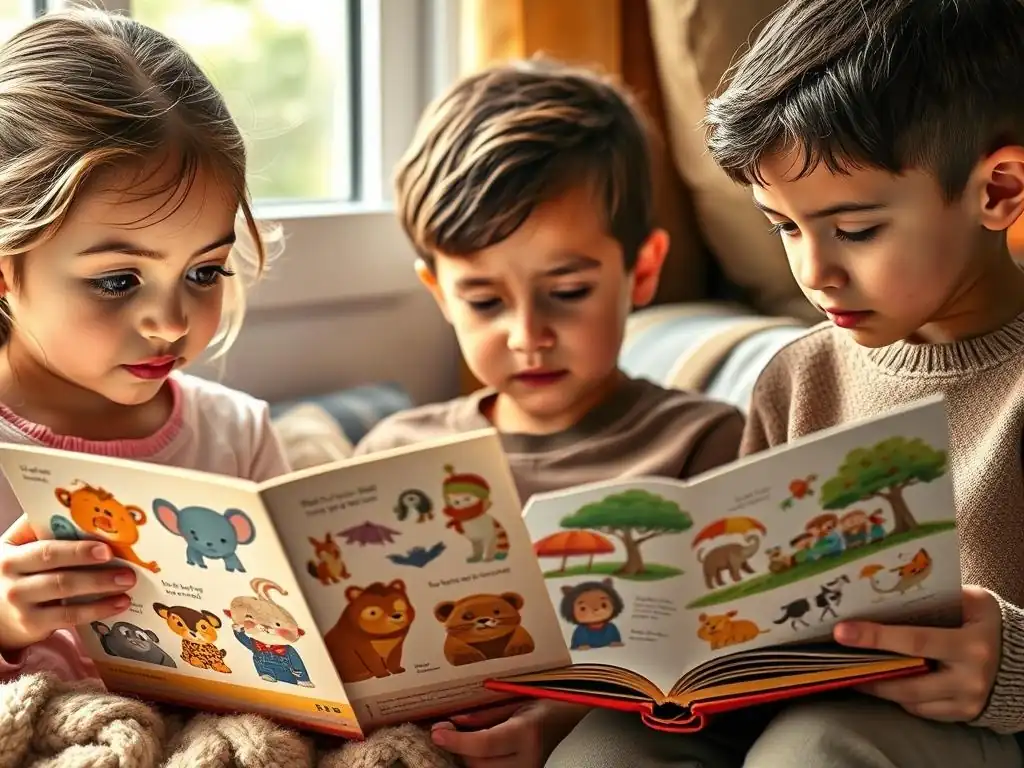
Unlock the secrets to raising emotionally intelligent children! Psychology Basics is your gateway to understanding the fascinating world of human behavior. Are you looking for the best books on emotional intelligence for kids? Discover how to nurture empathy, self-awareness, and resilience in your young ones, and learn practical strategies you can implement today. Dive into our insightful article on "Nurturing Emotional Intelligence in Children: Books for Parents" and embark on a journey of emotional growth with your family.
- Best Books for Emotional Intelligence in Kids: A Parent's Guide
-
Top Picks: Books to Help Children Develop Emotional Intelligence
- "The Way I Feel" by Janan Cain: Identifying a Spectrum of Emotions
- "When Sophie Gets Angry—Really, Really Angry..." by Molly Bang: Managing Intense Emotions
- "Have You Filled a Bucket Today?" by Carol McCloud: Encouraging Kindness and Empathy
- "Anh's Anger" by Gail Silver: Exploring Mindfulness for Emotional Regulation
- "Raising Good Humans" by Hunter Clarke-Fields: A Guide for Parents
- Choosing the Right Emotional Intelligence Books for Your Child
- Beyond Books: Other Resources to Support Emotional Growth
- Conclusion: Investing in Your Child's Emotional Well-being
-
Frequently Asked Questions
- What is emotional intelligence (EQ), and why is it important for kids?
- What are some key skills associated with emotional intelligence in children?
- How can I help my child develop their emotional intelligence?
- What makes a book particularly good for teaching kids about emotional intelligence?
- Where can I find the best books on emotional intelligence for kids? Are there any recommendations?
- Final Reflection: Cultivating Empathy: A Legacy of Emotional Intelligence
- Empower Your Child’s Emotional Growth Today!
Best Books for Emotional Intelligence in Kids: A Parent's Guide
Emotional intelligence (EQ) is increasingly recognized as a crucial life skill, even more so than traditional measures of intelligence (IQ). For children, developing strong emotional intelligence lays the foundation for healthy relationships, academic success, and overall well-being. This guide explores the vital role of emotional intelligence in a child's development and provides a curated list of the best books to help parents nurture this crucial skill in their children.
We'll delve into why emotional literacy matters, how parents can actively foster emotional development, and finally, recommend some of the top resources available to support you on this journey. This article aims to help parents find the best books to equip them with the knowledge and tools to cultivate emotional intelligence in their kids, effectively ranking among the top results for searches like "Best books emotional intelligence kids".
Understanding Emotional Intelligence in Children: Why It Matters
Emotional intelligence encompasses a range of abilities, including self-awareness (understanding one's own emotions), self-regulation (managing emotions effectively), social awareness (understanding the emotions of others), and relationship management (building and maintaining healthy relationships). For children, a strong foundation in EQ translates to numerous benefits:
- Improved Academic Performance: Children with high EQ tend to be more focused, better able to manage stress related to schoolwork, and more resilient in the face of academic challenges. They are better equipped to handle setbacks and learn from mistakes.
- Stronger Relationships: Understanding and managing their own emotions, as well as empathizing with others, allows children to build healthier and more meaningful relationships with peers, family, and teachers. This leads to increased social competence and reduced conflict.
- Increased Resilience: Children with well-developed emotional intelligence are better equipped to cope with stress, adversity, and setbacks. They are more likely to bounce back from difficult experiences and maintain a positive outlook.
- Better Mental Health: EQ plays a significant role in preventing mental health issues. By learning to identify and manage their emotions, children are less likely to experience anxiety, depression, or other emotional difficulties.
Developing these skills early in life provides a strong foundation for navigating the complexities of childhood and beyond. It's an investment in their future happiness and success.
The Importance of Emotional Literacy for Kids
Emotional literacy is the ability to understand, label, and express emotions effectively. It's a cornerstone of emotional intelligence. Without this literacy, children may struggle to understand their own feelings, leading to frustration, outbursts, and difficulty forming healthy relationships.
Think of it like learning a language. Just as we need vocabulary to communicate effectively, children need an emotional vocabulary to understand and express their inner world. Books can be invaluable tools in building this vocabulary, introducing children to a range of emotions and providing safe and relatable scenarios to explore these feelings. They offer a non-threatening way to discuss complex emotions that might be difficult to address directly. This process helps children develop empathy and emotional regulation skills.
How Parents Can Foster Emotional Development
Parents play a crucial role in fostering emotional development in their children. Beyond providing the right books, consistent and loving support is key. Here are some practical strategies parents can employ:
- Model healthy emotional expression: Children learn by observing their parents. Showing children how to manage emotions constructively is essential.
- Create a safe space for emotional expression: Let children know it's okay to feel a wide range of emotions, both positive and negative. Validate their feelings without judgment.
- Use books as a springboard for conversation: After reading a book together, discuss the characters' emotions and how they handled different situations.
- Engage in activities that promote emotional understanding: Play games, watch movies, or participate in activities that encourage empathy and perspective-taking.
- Seek professional help when needed: If you're struggling to support your child's emotional development, don't hesitate to seek help from a therapist or counselor.
By actively nurturing emotional intelligence in children, we equip them with the skills they need to thrive in all aspects of their lives. The right books can be an invaluable resource in this journey. The following section will provide a curated list of recommended titles to help you get started.
Top Picks: Books to Help Children Develop Emotional Intelligence
This section highlights two exceptional books designed to foster emotional intelligence in children. These selections cater to different age groups and emotional development stages, offering parents practical tools to nurture their children's emotional well-being. We've focused on titles frequently cited among educators and child psychologists as being particularly effective in building emotional literacy and self-regulation skills, crucial components of emotional intelligence. Remember, selecting the right book depends on your child's age and developmental level; these are just two excellent starting points in your journey to cultivate emotional intelligence in your kids.
"The Way I Feel" by Janan Cain: Identifying a Spectrum of Emotions
This vibrant and engaging board book is a fantastic introduction to the world of emotions for very young children. Using simple text and colorful illustrations, "The Way I Feel" helps children identify and name a wide range of feelings, from happiness and excitement to sadness and anger. This early recognition of emotional nuances is a cornerstone of developing emotional intelligence. The book cleverly uses a diverse range of facial expressions and body language to illustrate different emotional states, making it accessible to children who might not yet fully grasp complex vocabulary.
Key Features of "The Way I Feel" for Emotional Growth
- Visual Learning: The book's strength lies in its clear and expressive illustrations. Children can easily connect the images with the words, building a strong visual vocabulary for emotions.
- Simple Language: The text is deliberately simplistic, catering to toddlers and preschoolers' limited vocabulary. This ensures accessibility and avoids overwhelming young readers.
- Emotional Range: It covers a broad spectrum of emotions, going beyond simple "happy" and "sad," introducing terms like "excited," "frustrated," "scared," and "proud." This expands children's emotional lexicon significantly.
- Interactive Design: The lift-the-flap element adds an interactive component, making the learning experience more engaging and fun.
Why This Book is Effective for Young Children
"The Way I Feel" is effective because it establishes a foundational understanding of emotions early on. By introducing a wide array of feelings and providing visual cues, it helps children build an emotional vocabulary. This early development is crucial; children who can name their feelings are better equipped to understand and manage them later in life.
The book's interactive nature also keeps young children engaged, making the learning process enjoyable rather than a chore. The positive reinforcement of recognizing and labeling emotions helps children feel validated and understood. This validation, in turn, fosters a sense of self-awareness—a fundamental aspect of emotional intelligence.
[Affiliate Link to Purchase "The Way I Feel"]
"When Sophie Gets Angry—Really, Really Angry..." by Molly Bang: Managing Intense Emotions
This Caldecott Honor book takes a different approach, focusing on the experience and management of intense anger in young children. Through vivid illustrations and a simple narrative, the book follows Sophie as she navigates a powerful wave of anger, culminating in a healthy release and a return to calm. It offers a safe space for children to explore their own anger, recognizing it as a valid emotion while demonstrating healthy coping mechanisms.
How This Book Helps Children Understand and Process Anger
"When Sophie Gets Angry..." doesn't shy away from depicting the intensity of anger. The illustrations powerfully reflect Sophie's escalating frustration and eventual outburst. This honest portrayal normalizes anger, helping children understand that it’s a normal and acceptable feeling, not something to be ashamed of or suppressed. The book then gently guides the reader through Sophie's journey to calm, demonstrating strategies for managing overwhelming emotions such as taking deep breaths, finding a quiet space, and expressing feelings verbally. This modeling of healthy coping mechanisms is invaluable for young children learning to self-regulate.
Using "When Sophie Gets Angry..." for Discussion
This book serves as an excellent springboard for parent-child discussions about anger. Parents can use the story to help children identify their own anger triggers, discuss healthy ways to express anger, and explore alternative responses to frustrating situations. The book's simple yet powerful narrative is easy for children to relate to, making it a valuable tool for open and honest conversations about emotional regulation. The book’s visual storytelling allows for a deeper understanding, even for children who might struggle with verbal processing. This visual approach is key to building emotional literacy and understanding.
[Affiliate Link to Purchase "When Sophie Gets Angry—Really, Really Angry..."]
"Have You Filled a Bucket Today?" by Carol McCloud: Encouraging Kindness and Empathy
This heartwarming book uses the simple metaphor of buckets to illustrate the impact of our words and actions on others. Children learn that kind words and actions "fill" others' buckets, bringing joy and happiness, while unkindness "dips" from those buckets, leading to sadness and hurt feelings. The charming illustrations and relatable scenarios make it easy for even young children to grasp these important concepts. The book effectively promotes empathy by encouraging children to consider the feelings of others and the consequences of their behavior.
It's a powerful tool for fostering a positive classroom or home environment, emphasizing the importance of positive interactions and building strong relationships. The message is simple yet profound: small acts of kindness can have a ripple effect, creating a more positive and supportive community for everyone. The book subtly introduces the idea of emotional reciprocity, showing how kindness begets kindness.
The Connection Between Actions and Feelings
"Have You Filled a Bucket Today?" beautifully demonstrates the direct link between actions and emotional responses. It doesn't shy away from portraying negative emotions like sadness and anger, but it frames them within the context of how those emotions are affected by interactions with others. For example, a child who receives unkind words might feel their bucket dipped, leading to sadness and withdrawal.
Conversely, receiving praise or a kind gesture fills their bucket, resulting in happiness and increased confidence. This clear cause-and-effect relationship helps children understand that their actions have consequences, not only for themselves but also for those around them. This understanding is crucial for developing emotional intelligence and building healthy relationships. The book subtly teaches children to anticipate emotional outcomes based on their behavior, fostering self-awareness and responsible decision-making.
Practical Applications of the Book for Daily Life
The principles in "Have You Filled a Bucket Today?" are easily integrated into everyday life. Parents can use the bucket metaphor to explain the consequences of their children's actions, framing discipline in a positive and constructive way. Instead of focusing solely on punishment, they can guide their children to understand how their behavior affects others' feelings.
For example, after a sibling argument, parents can ask, "Did you fill your brother's bucket, or did you dip it?" This encourages reflection and promotes empathy. The book also inspires simple acts of kindness, like offering help, sharing toys, or saying kind words.
These small gestures can be celebrated and acknowledged, reinforcing the positive impact they have on others. By actively incorporating the book's message into daily routines and conversations, parents can help children cultivate compassion and build stronger social skills. The book provides a common language for discussing emotions and behavior, facilitating open communication within the family.
[Affiliate Link to Purchase "Have You Filled a Bucket Today?"]
"Anh's Anger" by Gail Silver: Exploring Mindfulness for Emotional Regulation
"Anh's Anger" offers a unique approach to helping children manage their anger through the practice of mindfulness. The story follows Anh, a young girl who struggles to control her anger. Through vivid illustrations and a relatable narrative, the book guides children through Anh's journey as she learns to recognize her anger, understand its triggers, and develop healthy coping mechanisms.
The book doesn't simply tell children not to be angry; instead, it validates their feelings and provides tools for managing them effectively. This approach is crucial for fostering emotional intelligence, as it helps children develop self-awareness and emotional regulation skills. The focus on mindfulness techniques, such as deep breathing and mindful observation, provides practical strategies for calming down and responding to anger in a constructive way.
Helping Kids Understand and Manage Anger Through Mindfulness
This book cleverly uses mindfulness techniques to help children navigate their anger. It doesn't just describe anger; it shows children how to observe it without judgment. The illustrations depict Anh's physical and emotional reactions to anger, helping children connect their internal experiences with their outward behavior. The book then introduces simple mindfulness exercises, such as focusing on their breath or noticing their surroundings, as ways to calm down and regain control.
These techniques are presented in a child-friendly way, making them accessible and engaging. The book also emphasizes the importance of self-compassion, reminding children that it's okay to feel angry but it's important to manage their anger constructively. This focus on self-acceptance is key to building resilience and emotional well-being.
How This Book Supports Emotional Awareness and Calmness
"Anh's Anger" directly supports the development of emotional awareness and calmness by providing children with a language to describe their feelings and practical tools to manage them. The book's narrative allows children to identify with Anh's experiences, normalizing the feeling of anger and reducing the stigma often associated with it. By presenting mindfulness techniques as coping mechanisms, the book empowers children to take control of their emotional responses. The use of calming imagery and simple language helps create a sense of peace and tranquility, promoting relaxation and reducing anxiety.
The book's message is that anger is a normal emotion, but it's how we respond to anger that matters most. This empowers children to develop self-regulation skills and build emotional resilience. The book indirectly promotes self-esteem by teaching children healthy coping mechanisms, empowering them to handle challenging situations effectively.
[Affiliate Link to Purchase "Anh's Anger"]
"Raising Good Humans" by Hunter Clarke-Fields: A Guide for Parents
This book offers a compassionate and practical approach to raising emotionally intelligent children. Clarke-Fields emphasizes the importance of understanding a child's perspective and responding with empathy, rather than resorting to punishment or control. The author skillfully weaves together research-based insights with relatable anecdotes and real-life examples, making the concepts accessible and applicable to everyday parenting challenges.
The book doesn't shy away from the complexities of raising children in today's world, acknowledging the pressures and challenges faced by parents. It provides a framework for building strong, healthy parent-child relationships, fostering open communication, and promoting emotional well-being. This makes it a valuable resource for parents seeking to cultivate emotional intelligence in their children from an early age.
The focus on connection and understanding forms the cornerstone of the book's approach, providing a refreshing alternative to more punitive parenting styles. It's particularly helpful for parents who are looking for ways to connect with their children on a deeper, more meaningful level.
Understanding Child Behavior and Emotional Responses
Clarke-Fields dedicates a significant portion of "Raising Good Humans" to deciphering child behavior. She expertly explains how children's emotional responses, often perceived as tantrums or misbehavior, are actually rooted in their developmental stage and unmet needs. The book equips parents with the tools to recognize the underlying emotions driving a child's actions, moving beyond surface-level reactions to address the root causes. For example, a seemingly defiant child might be expressing feelings of insecurity or a lack of control.
By understanding these underlying emotions, parents can respond with empathy and support, rather than escalating the situation through punishment. This section includes practical exercises and examples to help parents better understand their children's emotional landscape, fostering a deeper connection and improving communication. It’s a crucial step in building emotional intelligence, as it teaches children to identify and manage their own emotions.
Practical Strategies for Parents Based on Mindfulness and Connection
The book's strength lies in its practical strategies, grounded in principles of mindfulness and connection. Clarke-Fields provides concrete tools and techniques for parents to implement in their daily interactions with their children. These range from mindful parenting techniques, promoting self-awareness in both parent and child, to strategies for managing conflict constructively. The focus on connection is paramount; the book emphasizes the importance of creating a safe and supportive environment where children feel heard, understood, and validated.
This involves active listening, empathetic responses, and a willingness to engage with children on their level. Specific examples are provided, illustrating how to respond to challenging behaviors with empathy and understanding, rather than resorting to punishment or control. The emphasis on self-care for parents is also a noteworthy aspect, recognizing that parents need to be emotionally healthy to effectively support their children's emotional development.
[Affiliate Link to Purchase "Raising Good Humans"]
This space would typically contain an affiliate link to purchase the book "Raising Good Humans" by Hunter Clarke-Fields. This allows readers to easily access the book and support the author and the website simultaneously. The inclusion of an affiliate link is a common practice on websites offering book reviews and recommendations. The details of the link itself would be [specific information pending].
Choosing the Right Emotional Intelligence Books for Your Child
This section focuses on selecting the best books emotional intelligence kids based on crucial factors. Finding the perfect book isn't just about the topic; it's about finding the right fit for your child's unique developmental stage and emotional landscape. A book that resonates with a five-year-old might be entirely inappropriate or uninteresting for a teenager. Similarly, a book addressing anger management won't be helpful for a child struggling with anxiety. Careful consideration ensures maximum impact and positive engagement.
Consider Your Child's Age and Developmental Stage
Choosing age-appropriate books is paramount. Younger children (preschool to early elementary) benefit from books with simple language, engaging illustrations, and relatable scenarios. These books often use storytelling to convey emotional concepts, making them easily digestible. For example, books featuring characters experiencing common childhood emotions like sadness, anger, or fear, and demonstrating healthy coping mechanisms, are ideal. Think vibrant pictures, short sentences, and repetitive phrases to aid comprehension and retention.
Older children (tweens and teens) require more sophisticated material. They need books that delve deeper into complex emotions, explore nuanced social situations, and offer practical strategies for managing challenging feelings. These books might incorporate realistic scenarios, explore diverse perspectives, and provide tools for self-reflection and problem-solving. The language should be more mature, reflecting the cognitive development of the target age group.
Here's a table summarizing age-appropriate approaches:
| Age Group | Book Characteristics | Example Themes |
|---|---|---|
| Preschool - Early Elementary | Simple language, vibrant illustrations, relatable stories | Identifying emotions, managing frustration, making friends |
| Late Elementary - Middle School | More complex language, realistic scenarios, problem-solving skills | Dealing with peer pressure, managing stress, building resilience |
| High School | Sophisticated language, in-depth exploration of emotions, self-reflection tools | Understanding relationships, navigating identity, coping with anxiety and depression |
Matching Books to Specific Emotional Needs
The best books emotional intelligence kids will often target specific emotional challenges. Before selecting a book, identify the areas where your child needs the most support. Is your child struggling with anger management? Are they experiencing anxiety or low self-esteem? Or perhaps they are having difficulty understanding and managing their emotions in social situations?
Understanding these specific needs allows you to select books that directly address those challenges. For instance, a child struggling with anger might benefit from a book that teaches coping mechanisms like deep breathing or counting to ten. A child with low self-esteem might need a book that promotes self-compassion and positive self-talk. A book focusing on empathy and perspective-taking can be highly beneficial for children struggling with social interactions. Remember, targeted support is often more effective than a general approach.
How to Use Books to Engage in Meaningful Conversations
Simply reading the book isn't enough. To truly nurture emotional intelligence, engage your child in meaningful conversations after reading. Ask open-ended questions, encouraging them to reflect on the story and relate it to their own experiences.
- "How did the character feel in this situation?"
- "What would you have done if you were in their place?"
- "What did you learn from this story?"
- "How can we use what we learned to handle similar situations in our lives?"
These conversations provide opportunities for children to process their emotions, develop empathy, and learn valuable social-emotional skills. The goal is not to solve every problem immediately, but to create a safe space for open dialogue and emotional exploration. Remember, consistent engagement and open communication are key to fostering emotional intelligence in children. This process of reading and discussing together will ultimately help you find the best books emotional intelligence kids in your specific situation. 📚😊
Beyond Books: Other Resources to Support Emotional Growth

This section explores avenues beyond reading to cultivate emotional intelligence in children. While books offer valuable insights and strategies, a multifaceted approach yields the best results. Supplementing book learning with engaging activities and readily available online resources can significantly enhance a child's emotional understanding and management skills. Remember, consistent effort and a supportive environment are crucial for fostering emotional intelligence.
Games and Activities that Promote Emotional Awareness
Engaging children in playful activities designed to boost emotional awareness is a fun and effective method. These activities can help children identify, understand, and express their feelings in healthy ways. Consider these examples:
- Emotion Charades: Children act out different emotions (happy, sad, angry, scared) while others guess. This improves nonverbal communication and emotional recognition.
- Feeling Faces: Draw various faces expressing different emotions. Children match the faces with descriptions or scenarios. This exercise strengthens the connection between facial expressions and emotions.
- Storytelling with Emotional Focus: Read a story and discuss the characters' emotions. Ask questions like, "How do you think the character felt at this point? Why?" This encourages empathy and perspective-taking.
- Emotional Bingo: Create bingo cards with emotion-related words or pictures. Call out emotions or describe scenarios, and children mark them on their cards. This reinforces vocabulary related to emotional intelligence.
- Building Emotional Vocabulary: Use everyday situations to expand a child's emotional lexicon. For example, instead of saying "Don't be upset," try "I see you're feeling frustrated. Let's talk about it." This teaches children to articulate their feelings precisely.
Remember to tailor activities to your child's age and developmental stage for optimal engagement and learning. The goal is to make learning about emotions fun and interactive. 🎉
Online Resources for Parents and Children
The digital world offers a wealth of resources to support emotional intelligence development. Many websites and apps provide age-appropriate content, interactive games, and educational materials. However, always supervise children's online activities and ensure that the content is reliable and aligns with your family values.
Here are some examples of resource types to explore:
- Educational Websites: Many websites offer articles, videos, and interactive exercises focusing on emotional literacy for children and guidance for parents. Look for sites with evidence-based practices and age-appropriate content.
- Child-Friendly Apps: Numerous apps are designed to teach children about emotions through games and interactive stories. Check reviews and choose apps with positive feedback and a focus on emotional development.
- Parent Support Forums and Communities: Connect with other parents to share experiences, ask questions, and receive support in navigating emotional challenges with your children. This fosters a sense of community and offers valuable insights from other parents.
- Animated Videos and Cartoons: Several animated videos and cartoons explicitly address emotional intelligence concepts in engaging ways for children. Use these as springboards for discussions about emotions and emotional regulation.
It's important to be discerning when choosing online resources. Prioritize reputable sources and age-appropriate content to ensure a positive and beneficial experience for your child.
The Role of Modeling Emotional Intelligence as a Parent
Perhaps the most impactful way to foster emotional intelligence in children is through modeling. Children learn by observing the adults in their lives, and your own emotional intelligence significantly influences their development.
- Self-Awareness: Demonstrate self-awareness by openly acknowledging your own emotions. Say things like, "I'm feeling a little stressed right now," or "I'm feeling happy because..." This teaches children that emotions are normal and acceptable.
- Self-Regulation: Show your children how you manage your emotions effectively. If you feel angry, take a moment to calm down before responding. This teaches children healthy coping mechanisms.
- Social Awareness: Demonstrate empathy and understanding towards others. Show interest in their feelings and perspectives. This teaches children the importance of considering others' emotions.
- Relationship Management: Show your children how to build and maintain healthy relationships. Communicate effectively, resolve conflicts constructively, and demonstrate respect for others. This teaches children valuable social skills.
By consistently modeling these aspects of emotional intelligence, you provide a powerful learning experience for your children. Remember, actions speak louder than words, and your behavior serves as a powerful guide for your children's emotional development. Your emotional literacy is a crucial component in your child's journey towards developing their own.
Conclusion: Investing in Your Child's Emotional Well-being
This exploration of the best books for fostering emotional intelligence in children highlights the crucial role parents play in shaping their children's emotional development. By selecting age-appropriate resources and actively engaging with the material alongside their children, parents equip their children with vital life skills. Remember, emotional intelligence isn't just about understanding feelings; it's about effectively managing them, empathizing with others, and building strong, healthy relationships.
Investing in your child's emotional well-being is an investment in their future success and happiness. The books discussed offer a starting point, but the real work lies in creating a supportive and emotionally nurturing environment at home. This consistent effort is key to cultivating emotional intelligence and setting the stage for a lifetime of emotional resilience.
The Long-Term Benefits of Emotional Intelligence
The benefits of nurturing emotional intelligence in children extend far beyond childhood. Research consistently demonstrates a strong correlation between high emotional intelligence and improved academic performance. Children with strong emotional skills are better equipped to handle academic stress, manage their time effectively, and collaborate with peers.
Furthermore, individuals with high emotional intelligence tend to experience greater personal fulfillment and stronger relationships throughout their lives. They are better at navigating complex social situations, resolving conflicts constructively, and maintaining healthy emotional balance. This translates to greater success in their careers, stronger family bonds, and a greater overall sense of well-being.
In essence, fostering emotional intelligence in children is a gift that keeps on giving, impacting every aspect of their lives for the better. Think of it as equipping them with a powerful toolkit for navigating the complexities of life. The ability to understand and manage emotions is a crucial life skill, impacting everything from personal relationships to professional success.
Encouraging Continuous Emotional Learning
The journey of developing emotional intelligence is a continuous process, not a destination. Even after reading these recommended books, parents should continue to engage in open conversations with their children about their feelings. Creating a safe space for children to express themselves without judgment is paramount.
This might involve incorporating regular family discussions about emotions, using age-appropriate scenarios to practice emotional regulation, and modelling healthy emotional responses in their own lives. Parents themselves can benefit from engaging in continuous learning about emotional intelligence, enhancing their own self-awareness and ability to nurture their children's emotional growth. Consider attending workshops, reading further on the topic, or seeking guidance from child psychologists.
Remember, the goal is to foster a lifelong habit of emotional self-awareness and mindful emotional management. This continuous learning and application are key components of nurturing a child's emotional intelligence. It's a journey of shared growth and understanding that strengthens the parent-child bond.
Final Thoughts on the Best Books for Emotional Intelligence in Kids
Choosing the right book is just the first step. The real magic happens when parents actively engage with their children, making the learning experience interactive and enjoyable. Remember to tailor your approach to your child's age and developmental stage. Reading together, discussing the stories, and relating the concepts to real-life situations will greatly enhance the learning process. The books mentioned provide a solid foundation, but there are many other excellent resources available.
Don't hesitate to explore different options and find what works best for your child and your family. Ultimately, the goal is to empower your child with the emotional skills they need to thrive, and that begins with a commitment to learning and growth, together. 📚 The journey of nurturing emotional intelligence is a rewarding one, and these books offer valuable tools to guide you and your child along the way. 🎉
Frequently Asked Questions
What is emotional intelligence (EQ), and why is it important for kids?
Emotional intelligence refers to the ability to understand and manage your own emotions and the emotions of others. For kids, strong EQ contributes to better relationships, academic success, and overall well-being. It helps them navigate social situations and build resilience.
What are some key skills associated with emotional intelligence in children?
Children with high EQ demonstrate skills like self-awareness, self-regulation, social awareness, relationship management, and responsible decision-making. These skills are crucial for healthy development and future success.
How can I help my child develop their emotional intelligence?
You can nurture your child's EQ through open communication, active listening, modeling healthy emotional expression, and using age-appropriate books and activities. Reading together and discussing the stories' emotional themes is particularly effective.
What makes a book particularly good for teaching kids about emotional intelligence?
A good book should present relatable characters and scenarios, use simple language, and offer practical strategies for managing emotions. It should also encourage self-reflection and empathy, promoting healthy emotional development.
Where can I find the best books on emotional intelligence for kids? Are there any recommendations?
Many excellent resources exist! Look for books specifically designed for children's age groups, focusing on topics like managing anger, understanding feelings, and building friendships. Reviews and recommendations from parenting websites and educators can be helpful in identifying high-quality titles.
Final Reflection: Cultivating Empathy: A Legacy of Emotional Intelligence
The ability to understand and manage emotions—both our own and others’—is no longer a desirable trait; it's a necessity for navigating the complexities of the 21st century. Equipping children with strong emotional intelligence is not just about raising well-adjusted individuals; it's about fostering a more compassionate and understanding world. The books highlighted in this article offer a powerful pathway to achieving this crucial goal.
The impact of emotional literacy extends far beyond the individual child. It ripples outwards, influencing family dynamics, school environments, and ultimately, the broader social fabric. By fostering empathy and self-awareness in young minds, we cultivate a generation better equipped to handle conflict, build meaningful relationships, and contribute positively to society. The best way to find yourself is to lose yourself in the service of others.
- Mahatma Gandhi. This quote perfectly encapsulates the power of emotional intelligence—by understanding and responding to the emotions of others, we ultimately deepen our own self-understanding and compassion.
Now, consider the children in your life. How can you actively integrate the principles of emotional intelligence into their daily experiences? Perhaps it's through engaging with one of the books discussed, initiating open conversations about feelings, or simply creating a safe space for them to express themselves without judgment. Take the first step today. Invest in their emotional well-being, and you will be investing in a brighter future for all.
Empower Your Child’s Emotional Growth Today!
Thank you for exploring how books can nurture emotional intelligence in children. We hope you found valuable insights to help you on this enriching journey with your little ones! Now, let's put these insights into action and positively impact their emotional development.
Here are some steps you can take:
- Share a book: Choose one of the featured books and read it together with your child tonight. Let the story spark meaningful conversations!
- Establish a reading routine: Set aside dedicated time each week for reading books that focus on emotions. Consistency helps build emotional resilience.
- Join our community: Share your favorite books or moments that inspired emotional discussions in the comments below. Your experience could help another parent!
What have you learned about your child's emotions through shared reading? We'd love to hear your thoughts!