
Skinner's View on Free Will: A Controversial Stance

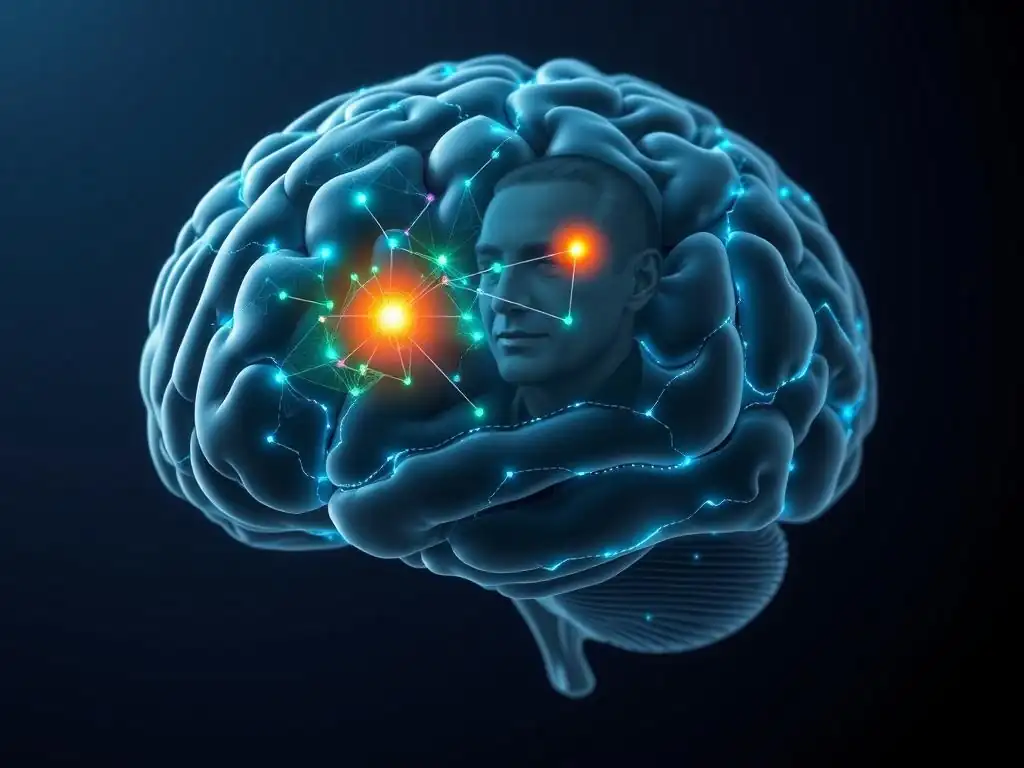
Welcome to Psychology Basics, your gateway to understanding the fascinating world of human behavior. We delve into the core concepts that shape our thoughts, feelings, and actions, making complex ideas accessible to everyone. But have you ever considered the controversial debate surrounding free will? This website explores pivotal figures and theories, and our latest article, "Skinner's View on Free Will: A Controversial Stance," dives deep into B.F. Skinner's influential—and often debated—perspective. Prepare to question your assumptions as we unravel the complexities of this enduring psychological puzzle. Continue reading to discover more!
- Skinner's Radical Behaviorism and its Implications for Free Will
- Skinner's Rejection of Internal Mental States in Understanding Behavior
- Skinner's View on the Illusion of Free Will
- Implications of Skinner's Stance on Societal Control and Personal Responsibility
- Counterarguments and Criticisms of Skinner's Position on Free Will
- Contemporary Perspectives on Free Will in Psychology: Beyond Skinner
- Conclusion: Understanding Skinner's Lasting Impact on the Free Will Debate
-
Frequently Asked Questions
- What was B.F. Skinner's main argument regarding free will?
- How did Skinner's concept of operant conditioning relate to his views on free will?
- What are some criticisms of Skinner's position on free will?
- How does Skinner's perspective contrast with other psychological perspectives on free will?
- What is the significance of Skinner's work in the debate on free will today?
- Final Reflection: The Enduring Legacy of Skinner's Free Will Debate
- **Embrace the Debate: Challenge Your Perspective on Free Will! **
Skinner's Radical Behaviorism and its Implications for Free Will
B.F. Skinner, a towering figure in 20th-century psychology, is renowned for his radical behaviorism and its controversial implications for the concept of free will. This perspective, deeply rooted in the principles of operant conditioning, posits that human behavior, including choices seemingly made freely, is ultimately determined by environmental factors and past learning experiences.
Understanding Skinner's stance on free will requires exploring the core tenets of his behavioral approach and contrasting it with the traditional philosophical and psychological arguments for free will. This article delves into the complexities of Skinner's view, examining the scientific basis for his deterministic position and its enduring impact on contemporary debates within psychology and beyond.
We will explore the criticisms leveled against his theory, considering alternative perspectives that acknowledge both environmental influences and the subjective experience of agency. The keyword "Skinner free will psychology" will be explored throughout this article, providing a comprehensive understanding of this influential yet often misunderstood perspective.
The Core Principles of Operant Conditioning and their Relation to Choice
Skinner's radical behaviorism centers on operant conditioning, a learning process where behaviors are strengthened or weakened by their consequences. Reinforcement, whether positive (adding a rewarding stimulus) or negative (removing an aversive stimulus), increases the likelihood of a behavior recurring. Conversely, punishment, either positive (adding an aversive stimulus) or negative (removing a rewarding stimulus), decreases the likelihood of a behavior.
Skinner argued that these mechanisms shape behavior throughout life, subtly influencing even seemingly complex decisions. For example, a child's choice to study diligently might stem from past experiences where studying was rewarded with praise or good grades (positive reinforcement), while the choice to avoid a risky behavior could result from past punishment (negative reinforcement). This doesn't negate the experience of choice, but rather suggests that the choice itself is a product of learned associations and environmental contingencies.
The seemingly free decision is, in Skinner's view, a consequence of prior conditioning, not a manifestation of an independent will. He believed that even seemingly spontaneous actions are ultimately shaped by a complex interplay of reinforcement schedules and environmental stimuli. Therefore, according to Skinner's perspective on "Skinner free will psychology," the illusion of free will stems from our unawareness of the intricate network of environmental influences shaping our actions.
Determinism vs. Free Will: A Foundational Debate in Psychology
The debate between determinism and free will is a fundamental one in psychology and philosophy. Determinism, the position that all events, including human actions, are causally determined by prior events, stands in stark contrast to free will, the belief that individuals have the capacity to make choices independent of external constraints. Skinner's radical behaviorism is a staunchly deterministic perspective, arguing that all behavior, including choices, is ultimately governed by environmental factors and past learning.
This view challenges the notion of an autonomous self making free choices, suggesting instead that our actions are predictable based on our learning history and the current environmental context. Critics of Skinner's position argue that it neglects the subjective experience of conscious decision-making, the feeling that we actively choose between different options. They point to the complexity of human behavior, suggesting that it cannot be fully explained solely through the mechanisms of operant conditioning.
The debate remains a complex one, with ongoing discussions about the extent to which our actions are determined versus freely chosen. The implications for legal and ethical considerations are profound, as the concept of responsibility hinges on the assumption of free will. Exploring the nuances of this debate is crucial to understanding Skinner's enduring legacy and the ongoing relevance of his work within "Skinner free will psychology".
Skinner's Rejection of Internal Mental States in Understanding Behavior
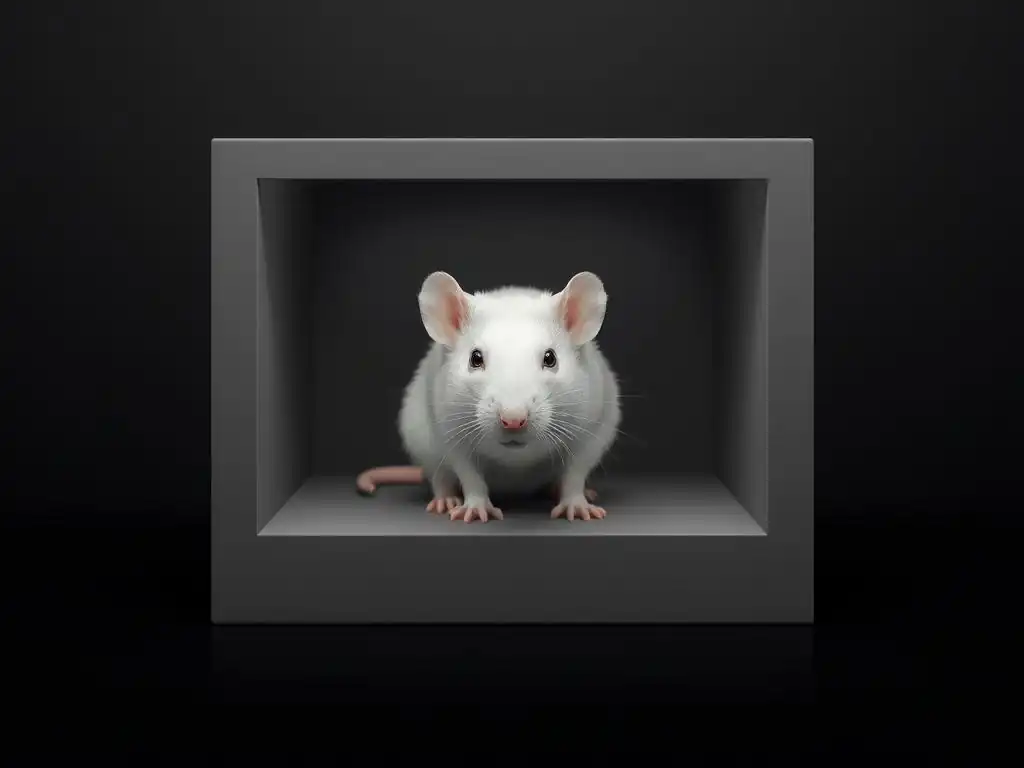
B.F. Skinner's radical behaviorism fundamentally challenged the traditional focus on internal mental states like thoughts, feelings, and intentions in explaining human behavior. Skinner argued that these "internal" factors were largely inaccessible and, therefore, unreliable for scientific investigation. Instead, he proposed a focus on observable behaviors and their environmental determinants, a perspective that generated considerable controversy and continues to spark debate within psychology. His rejection wasn't a dismissal of the existence of internal states, but rather a rejection of their utility in a scientific explanation of behavior.
He believed that focusing on these unobservable processes hindered the development of a truly objective and predictive science of behavior. Skinner's approach prioritized empirical observation and the manipulation of environmental variables to understand and predict behavioral patterns. This focus on observable actions and their environmental antecedents and consequences is the cornerstone of his theory of operant conditioning.
The Role of Environmental Factors in Shaping Behavior: An Empirical Approach
Skinner's emphasis on environmental factors stemmed from his belief that behavior is shaped and maintained by its consequences. This is the fundamental principle of operant conditioning. He meticulously documented how reinforcement (positive or negative) and punishment influence the likelihood of a behavior recurring.
For instance, a rat pressing a lever to receive food (positive reinforcement) learns to associate the lever press with the pleasurable consequence and repeats the behavior. Conversely, a rat receiving a mild electric shock after pressing a lever (punishment) will likely decrease the frequency of lever pressing. This empirical approach, based on controlled experiments and observable data, formed the bedrock of Skinner's understanding of behavior.
He meticulously documented numerous examples across different species, demonstrating the power of environmental contingencies to shape behavior in predictable ways. Skinner's work highlighted the significance of environmental stimuli in determining actions, minimizing the role of internal drives or conscious decision-making. The consistent and predictable nature of these behavioral patterns under controlled conditions underscored his rejection of free will as a meaningful explanatory concept in his view of psychology.
Critiques of Introspection and Subjective Experience in Psychological Research
Skinner was highly critical of introspection as a reliable method in psychological research. He argued that relying on individuals' subjective reports of their internal experiences—their thoughts and feelings—introduced significant biases and lacked objectivity. This was a direct challenge to the dominant methodologies of earlier psychological schools of thought.
The inherent variability and potential for self-deception associated with introspection, Skinner believed, made it unsuitable for building a robust and scientific understanding of behavior. He advocated for a more objective and measurable approach, focusing on observable behaviors and their environmental context. Skinner's emphasis on publicly verifiable data and experimental control directly contrasted with the reliance on subjective reports.
He believed that a truly scientific psychology should be based on observable and measurable phenomena, making it replicable and verifiable by others. This emphasis on objectivity and replicability remains a cornerstone of modern experimental psychology, even among those who do not fully subscribe to Skinner's radical behaviorist perspective. The legacy of this critique continues to shape discussions about methodology and the appropriate levels of analysis within the field of psychology.
Skinner's View on the Illusion of Free Will
This section delves into B.F. Skinner's radical behaviorism and its implications for the concept of free will. Skinner, a highly influential figure in psychology, famously argued against the existence of free will as we commonly understand it. His perspective, often considered controversial, centers on the idea that our actions are largely determined by environmental factors, rather than originating from an autonomous internal self.
This perspective, significantly impacting the field of Skinner free will psychology, challenges our intuitive sense of agency and personal choice. We will explore the core tenets of his argument, examining its strengths, weaknesses, and ongoing relevance in contemporary psychological discourse. The implications of his work extend far beyond academic debate, influencing areas like education, criminal justice, and even our understanding of personal responsibility.
The Argument for Environmental Determinism: Free Will as an Illusion
Skinner's perspective rests on the principle of environmental determinism. He posited that our behavior is shaped and controlled primarily by environmental contingencies—reinforcements, punishments, and other external stimuli. This isn't to say that internal factors are entirely irrelevant; rather, Skinner argued that these internal states are themselves products of prior environmental interactions. For instance, feelings of "wanting" or "choosing" are, in his view, simply learned responses conditioned by past experiences.
Consider this example: a child learns to associate a specific action (e.g., raising their hand in class) with a positive outcome (e.g., receiving praise from the teacher). Over time, this association strengthens, making the child more likely to repeat the action. From Skinner's perspective, this isn't a conscious decision based on free will; it's a predictable consequence of environmental conditioning. The child's behavior is determined by the reinforcement schedule, not by an independent will.
This process, he argued, extends to far more complex behaviors, shaping our personalities, beliefs, and even our moral judgments. The illusion of free will, therefore, stems from our unawareness of these subtle yet powerful environmental influences. We believe we are making choices, but in reality, we are merely responding to a complex interplay of environmental stimuli. This concept forms a cornerstone of Skinner free will psychology.
Predictability of Behavior and the Limits of Personal Agency
A crucial element of Skinner's argument is the predictability of behavior. If environmental factors are the primary determinants of our actions, then, in principle, it should be possible to predict behavior with reasonable accuracy, given sufficient knowledge of the environmental contingencies involved. This doesn't imply perfect prediction; human behavior is complex and influenced by numerous interacting variables. However, Skinner believed that a deterministic approach could significantly improve our ability to understand and even control human behavior.
This emphasis on predictability has significant implications for the concept of personal agency. If our actions are largely predetermined, what role does personal responsibility play? This is a question that has sparked considerable debate. Some interpret Skinner's view as implying a diminished role for personal responsibility, suggesting that individuals should not be held accountable for actions dictated by their environment.
Others argue that understanding the environmental factors influencing behavior can lead to more effective interventions and support systems, ultimately promoting greater personal agency by modifying the environment. This ongoing discussion highlights the complexity and far-reaching implications of Skinner's work within Skinner free will psychology, challenging fundamental assumptions about human nature and the very nature of choice. The ongoing debate emphasizes the enduring relevance of his ideas in contemporary psychology.
Implications of Skinner's Stance on Societal Control and Personal Responsibility

Skinner's radical behaviorism, denying the existence of free will, has profound implications for how we view societal control and personal responsibility. His assertion that all behavior is a product of environmental conditioning challenges the very foundation of our justice system, which largely operates on the premise of individual culpability. If free will is an illusion, can we truly hold individuals accountable for their actions? This question sparks intense debate, with ramifications stretching far beyond the purely academic.
The Ethical Considerations of a Behaviorist Perspective on Free Will
The ethical implications of Skinner's perspective are multifaceted and deeply troubling to many. Imagine a society completely governed by behaviorist principles. Such a society might utilize sophisticated techniques of operant conditioning – positive and negative reinforcement, punishment – to shape citizen behavior, potentially leading to a dystopian scenario where individual autonomy is sacrificed for societal order. This raises serious concerns about the potential for manipulation and control.
The absence of free will, in this context, renders individuals susceptible to manipulation, potentially justifying unethical methods of social engineering. Consider the potential for misuse: a government could subtly manipulate its citizens through carefully crafted reward systems, subtly shaping opinions and behaviors without their conscious awareness. This lack of transparency is a deeply unsettling prospect. Furthermore, the question of rehabilitation becomes problematic.
If criminal behavior is simply a result of conditioning, does punishment serve any purpose beyond suppressing behavior? A more ethical approach might focus on environmental modification and retraining to alter undesirable behaviors. The challenge lies in finding a balance between effective societal management and preserving individual liberties.
Balancing Control and Individual Liberty: A Complex Challenge
The challenge presented by Skinner's perspective is not to reject societal control entirely, but rather to re-evaluate its methods and goals. A nuanced approach is required, one that acknowledges the power of environmental influences while simultaneously safeguarding individual rights and freedoms. This necessitates a shift from punitive measures to preventative ones, focusing on creating supportive environments that encourage positive behaviors.
The emphasis should be on education, positive reinforcement, and the creation of opportunities for self-improvement rather than on punishment and coercion. This requires a significant shift in societal thinking, moving away from a model based on blame and retribution towards one focused on understanding and rehabilitation. Furthermore, transparency and informed consent become paramount in any system aiming to influence behavior.
The public must be aware of how conditioning techniques are being used, and individuals must have the right to refuse participation. The ongoing debate around Skinner's ideas underscores the importance of finding a path forward that respects both the influence of environmental factors and the inherent dignity of individuals, a delicate balance that continues to challenge ethical and societal norms. Striking this balance is a complex task, requiring continuous critical evaluation and a commitment to protecting individual rights within a well-functioning society.
Counterarguments and Criticisms of Skinner's Position on Free Will
B.F. Skinner's radical behaviorism, while influential, faced significant criticism regarding its stance on free will. His deterministic view, emphasizing environmental control over behavior, clashed with deeply held intuitions about human agency and conscious choice. Many argued that Skinner's model oversimplified the complexity of human decision-making, neglecting crucial internal factors.
This section will explore key counterarguments and criticisms leveled against Skinner's perspective on free will, focusing on the limitations of his approach and alternative explanations for human behavior. The debate surrounding Skinner's views continues to be relevant in contemporary discussions on free will within the field of Skinner free will psychology.
The Role of Cognitive Processes in Decision-Making: A Cognitive Perspective
Skinner's behaviorism largely ignored the role of cognitive processes – thoughts, beliefs, intentions, and expectations – in shaping behavior. Cognitive psychologists argue that these internal mental states play a crucial mediating role between environmental stimuli and behavioral responses. For instance, consider the decision to study for an exam.
Skinner might explain this solely through reinforcement history (past rewards for studying), but a cognitive perspective would emphasize the individual's belief in the importance of the exam, their intention to achieve a good grade, and their planning of study strategies. These cognitive processes, largely absent from Skinner's framework, significantly influence decision-making, suggesting a level of agency and conscious choice that goes beyond simple stimulus-response associations. The cognitive revolution in psychology provided a powerful counter-narrative, highlighting the limitations of a purely behavioral account of Skinner free will psychology.
Furthermore, neuroscientific research increasingly demonstrates the brain's active role in decision-making, supporting the cognitive perspective and challenging strict behaviorist interpretations. The interplay between environmental factors and internal cognitive processes remains a key area of ongoing research within psychology.
The Limitations of Strict Behaviorism in Explaining Complex Human Behavior
Skinner's radical behaviorism struggled to account for the richness and complexity of human behavior. While effective in explaining simple learning processes in animals, its application to human actions, particularly those involving morality, creativity, and abstract thought, proved problematic. For example, altruistic behavior, where individuals act selflessly for the benefit of others, is difficult to explain solely through reinforcement principles.
Similarly, creative endeavors, such as artistic expression or scientific discovery, often involve unpredictable and novel responses that don't neatly fit into a stimulus-response framework. These behaviors suggest an element of spontaneity and originality that transcends the deterministic predictions of strict behaviorism. The inherent limitations in explaining such complex human behaviors led to the development of alternative perspectives, including cognitive psychology, social learning theory, and humanistic psychology, each offering more nuanced explanations of human agency and free will within the context of Skinner free will psychology.
The debate highlights the ongoing need for comprehensive models that integrate both environmental influences and internal cognitive processes to fully understand human behavior. The field continues to evolve, seeking to reconcile the contributions of behaviorism with the insights gained from other theoretical perspectives.
The following table summarizes the key criticisms of Skinner's position:
| Criticism | Explanation | Supporting Evidence |
|---|---|---|
| Neglect of Cognitive Processes | Ignores the role of thoughts, beliefs, and intentions in shaping behavior. | Cognitive psychology, neuroscience research on decision-making. |
| Oversimplification of Behavior | Fails to account for the complexity and richness of human actions, particularly those involving creativity and morality. | Examples of altruistic behavior, artistic expression, scientific discovery. |
| Deterministic View | Presents a deterministic view that clashes with intuitions about human agency and conscious choice. | Philosophical arguments for free will, subjective experience of choice. |
Contemporary Perspectives on Free Will in Psychology: Beyond Skinner
Skinner's radical behaviorism, while influential, presented a stark deterministic view of human behavior, leaving little room for free will. His assertion that all behavior is shaped by environmental contingencies significantly impacted the field, yet modern psychology offers a far more nuanced perspective on the free will versus determinism debate. While Skinner's work remains valuable in understanding the power of environmental influence on behavior, contemporary approaches integrate insights from cognitive psychology, neuroscience, and even existentialism to paint a richer picture of human agency.
The simplistic notion of a purely reactive organism shaped solely by external stimuli is increasingly challenged. The keyword "Skinner free will psychology" encapsulates this ongoing evolution of thought.
Integrating Behaviorism with Cognitive and Neuroscientific Approaches
Modern approaches recognize the limitations of purely behavioral explanations. Cognitive psychology, for instance, emphasizes the role of internal mental processes – thoughts, beliefs, and intentions – in shaping behavior. This internal landscape, while influenced by experience (a key tenet of behaviorism), is not simply a passive response to stimuli. Cognitive processes actively interpret and filter environmental input, leading to a more complex and less predictable behavioral outcome.
This integration acknowledges the influence of environmental factors while simultaneously highlighting the active role of the individual in making choices. For example, consider the decision to exercise. Skinner might emphasize the reinforcement schedules leading to this behavior (e.g., feeling better physically, social approval). A cognitive perspective would add the individual's goals, beliefs about their fitness, and self-efficacy, demonstrating that the decision isn't purely reactive but involves conscious deliberation and self-regulation.
Furthermore, neuroscience provides compelling evidence for the complexity of decision-making. Neuroimaging studies reveal the intricate interplay of brain regions involved in planning, evaluating options, and executing actions. These findings highlight the biological underpinnings of choice, suggesting that even seemingly simple behaviors are the result of complex neural processes that are not fully determined by past experiences alone.
The concept of "Skinner free will psychology" is enriched by this neuroscientific perspective, showcasing the biological mechanisms that contribute to the experience and expression of agency. The deterministic view that Skinner championed is challenged by the discovery of neuroplasticity and the brain's capacity for adaptation and change, which allows individuals to actively shape their own neural pathways through conscious effort and experience.
The Ongoing Debate: Free Will and Determinism in Modern Psychology
The debate surrounding free will and determinism continues to be a central theme in contemporary psychology. While acknowledging the significant role of environmental factors and biological predispositions in shaping behavior, the field increasingly recognizes the subjective experience of free will. Many psychologists now adopt compatibilist positions, suggesting that free will and determinism are not mutually exclusive.
This perspective argues that even within a deterministic framework, individuals can still experience agency and make meaningful choices. The experience of consciously choosing, planning, and acting is a vital aspect of the human condition, even if those choices are ultimately constrained by various factors.
The question of "Skinner free will psychology" remains a point of ongoing discussion and research. While Skinner's contributions to understanding the power of environmental influences are undeniable, his deterministic stance is being refined and challenged by advancements in cognitive psychology and neuroscience. The modern understanding of free will recognizes the interplay between internal mental processes, biological factors, and environmental influences.
It's a dynamic interaction, a far cry from Skinner's simpler, more deterministic model. The ongoing research continues to explore the limits of determinism and the nature of human agency, refining our understanding of the complex relationship between choice, behavior, and the environment. This evolving perspective acknowledges the enduring legacy of Skinner's work while simultaneously moving beyond its limitations.
Conclusion: Understanding Skinner's Lasting Impact on the Free Will Debate
Skinner's radical behaviorism, and his staunch rejection of free will, continue to spark debate and discussion within the field of psychology, even decades after his death. His influence isn't merely historical; it's actively shaping contemporary perspectives on human behavior and the very nature of choice. While his deterministic view might seem stark, understanding his arguments is crucial for a comprehensive understanding of behavioral psychology and its implications for various aspects of human life, from education and therapy to societal structures and personal responsibility.
The ongoing conversation surrounding Skinner's ideas highlights the enduring relevance of the free will versus determinism debate. It forces us to continually examine the complexities of human behavior and the limitations of our understanding. His work serves as a potent reminder that the search for answers regarding human agency is an ongoing process, fueled by continuous research and critical evaluation.
The Significance of Skinner's Contribution to the Psychology of Free Will
Skinner's contribution to the psychology of free will is multifaceted and profoundly impactful. He didn't simply deny the existence of free will; he provided a detailed, empirically-based framework for understanding behavior without resorting to internal, unobservable mental states. His emphasis on environmental factors and reinforcement schedules offered an alternative explanation for actions previously attributed to free choice. This shift in perspective, while controversial, revolutionized the approach to studying human behavior.
Consider, for instance, the implications for therapeutic interventions. Instead of focusing on introspection and uncovering unconscious motives (as in psychodynamic approaches), Skinner's work paved the way for behavior modification techniques, which directly target observable behaviors through reinforcement and punishment. This approach has proven effective in treating various conditions, from phobias and anxieties to substance abuse and behavioral disorders. The success of these therapies underscores the practical implications of Skinner's deterministic view, even for those who might disagree with his philosophical stance on free will.
Furthermore, Skinner's work on operant conditioning has far-reaching consequences beyond clinical settings. It's applied in educational practices, organizational management, and even in the design of societal systems. Understanding how reinforcement shapes behavior allows for the creation of environments that encourage desirable actions and discourage undesirable ones. This has implications for designing effective learning environments, promoting positive workplace cultures, and developing public policies aimed at influencing societal behavior.
The legacy of Skinner's work isn't solely about accepting or rejecting his conclusions on free will. It's about acknowledging the power of environmental factors in shaping behavior and utilizing that knowledge to create positive change. His rigorous empirical approach, though focused on a deterministic perspective, opened new avenues for research and understanding human behavior, prompting ongoing discussions and refinements in our comprehension of the complex interplay between individual agency and environmental influence.
The debate continues, but Skinner's contribution remains undeniably significant. His work challenges us to critically examine our assumptions about free will and to consider the powerful influence of the environment on our choices and actions. The ongoing dialogue sparked by his ideas is a testament to the enduring relevance of his contribution to the field of psychology.
Frequently Asked Questions
What was B.F. Skinner's main argument regarding free will?
Skinner argued against the existence of free will, proposing that all behavior is determined by environmental factors and prior learning experiences. He believed our actions are the result of conditioning, not conscious choice.
How did Skinner's concept of operant conditioning relate to his views on free will?
Operant conditioning, with its emphasis on reinforcement and punishment, formed the basis of Skinner's deterministic view. He saw behavior as shaped by consequences, leaving little room for free will.
What are some criticisms of Skinner's position on free will?
Critics argue that Skinner's view is overly simplistic and neglects internal mental processes, such as thoughts and emotions, that influence behavior. They contend that it reduces human agency to mere mechanistic responses.
How does Skinner's perspective contrast with other psychological perspectives on free will?
Unlike humanistic psychology, which emphasizes personal agency and self-determination, Skinner's behaviorism denies the existence of free will entirely. Existentialism also offers a contrasting view, highlighting individual responsibility and choice.
What is the significance of Skinner's work in the debate on free will today?
Skinner's work remains highly influential, sparking ongoing debate about the nature of human agency and the role of determinism in shaping our actions. His ideas continue to challenge our understanding of responsibility and moral accountability.
Final Reflection: The Enduring Legacy of Skinner's Free Will Debate
The implications of B.F. Skinner's radical behaviorism continue to resonate in our understanding of human agency and responsibility, challenging our deeply held beliefs about free will in a world increasingly shaped by technological advancements and societal pressures. His controversial stance, while often met with resistance, forces us to confront the complex interplay between our environment and our choices, a conversation as relevant today as it was in his time.
Skinner's work, though sometimes unsettling, has profoundly impacted our understanding of learning, behavior modification, and the very nature of human decision-making. His ideas have been applied in diverse fields, from education and therapy to marketing and criminal justice, highlighting both the power and the potential pitfalls of environmental control. The world is not a stage for the exercise of free will; it is a classroom.
This quote encapsulates the core of Skinner's perspective, a perspective that continues to spark debate and inspire further research into the intricate relationship between internal drives and external influences.
Consider, for a moment, the choices you make each day. Are they truly free, or are they shaped by a complex web of learned behaviors, environmental cues, and unconscious biases? Take a moment to reflect on how Skinner's ideas might inform your own understanding of personal responsibility and the choices you make. By engaging with this complex legacy, we can move towards a more nuanced and compassionate understanding of ourselves and the world around us, fostering a future where we can harness the power of environmental influence for positive change, while still acknowledging the inherent complexity of human experience.
**Embrace the Debate: Challenge Your Perspective on Free Will! **
Thank you for exploring Skinner's thought-provoking perspective on free will! You've delved into a fascinating intersection of psychology and philosophy that challenges conventional wisdom. Now, let's build on that curiosity and put your insights into practice.
- **Engage in Discussion:** Share your thoughts on free will with friends, family, or colleagues. Spark a conversation in your book club, online forum, or even a casual gathering to explore diverse viewpoints.
- **Reflect and Journal:** Consider how Skinner's ideas align with your own beliefs about personal autonomy and the decision-making process. Write down your reflections to gain a deeper understanding.
- **Expand Your Knowledge:** Dive deeper into behavioral psychology by exploring related articles, podcasts, or books that examine free will and determinism.
What new understandings have you gained about your own choices and how external factors influence them? Share your thoughts below!