
The Psychology of Success: Books That Reveal the Secrets to Achievement


Uncover the secrets to unlocking your full potential. Psychology Basics welcomes you to a world of fascinating insights into the human mind. Are you ready to delve into the power of psychology and discover how it can transform your life? This journey begins with our exploration of Psychology success books for beginners, offering a curated selection to help you embark on your path to self-improvement and personal growth. Dive in and discover the books that can unlock your own secrets to achievement.
Unlocking your potential isn't just about hard work; it's also about understanding the psychological principles that drive achievement. This article explores the fascinating intersection of psychology and success, specifically highlighting several insightful books perfect for beginners interested in leveraging psychological knowledge for personal growth. We'll delve into why understanding psychology is crucial for success and examine the significant benefits these books offer those new to the field.
This curated list focuses on accessible and engaging reads that demystify complex psychological concepts, empowering you to apply these principles to your own life and journey towards achieving your goals. Whether you're a student looking for a head start or simply curious about the psychology behind success, this guide provides a roadmap to some exceptional resources. We'll be focusing on books that cater to beginners, making the often complex world of psychology approachable and actionable.
This is your starting point to unlock the secrets to achieving your full potential. Let's dive in! 🎉
Unlocking Your Potential: Why Understanding Psychology is Key to Success
Understanding the psychology of success provides a significant advantage. It's not simply about motivation or willpower; it's about understanding the underlying mental processes that influence our behaviors, thoughts, and ultimately, our outcomes. Success isn't solely determined by external factors; internal factors, such as mindset, self-belief, and emotional regulation, play a crucial role. Psychology offers valuable insights into these internal mechanisms.
For instance, understanding concepts like growth mindset (as popularized by Carol Dweck) helps you approach challenges with resilience and a willingness to learn, rather than viewing setbacks as indicators of inherent limitations. Similarly, mastering techniques of cognitive behavioral therapy (CBT) can help you identify and modify negative thought patterns that hinder progress. Psychology also illuminates the importance of goal setting, self-efficacy, and stress management, all of which are essential components of a successful and fulfilling life.
By understanding these psychological principles, you can proactively shape your behaviors and thoughts to align with your aspirations, ultimately increasing your chances of achieving your goals. Learning about these concepts equips you with the tools to navigate challenges effectively and build a stronger foundation for lasting success.
Why Read Psychology Success Books? Benefits for Beginners
Reading psychology success books specifically designed for beginners offers numerous benefits:
- Accessible Explanations: These books translate complex psychological concepts into clear and concise language, making them easy to understand, even without prior knowledge of psychology.
- Practical Applications: They go beyond theoretical explanations, providing practical strategies and techniques that you can immediately apply to your personal and professional life.
- Enhanced Self-Awareness: By exploring psychological principles, you gain a deeper understanding of your own thoughts, feelings, and behaviors, leading to improved self-awareness and self-regulation.
- Improved Goal Setting and Achievement: The books equip you with the tools and techniques to set realistic goals, develop effective strategies, and overcome obstacles to achieve your aspirations.
- Increased Resilience: You learn how to manage stress, build resilience, and bounce back from setbacks, fostering a more positive and productive mindset.
- Stronger Relationships: Understanding the psychology of interpersonal dynamics can enhance your communication skills and improve your relationships with others.
Choosing the right book can significantly impact your journey. The following sections will explore specific titles that are particularly well-suited for beginners, offering a range of perspectives and approaches to help you unlock your potential. Let’s explore some excellent starting points! 📚
- Unlocking Your Potential: Why Understanding Psychology is Key to Success
- Why Read Psychology Success Books? Benefits for Beginners
- "Mindset: The New Psychology of Success" by Carol S. Dweck: Understanding the Power of Growth
- "Thinking, Fast and Slow" by Daniel Kahneman: Deciphering Your Cognitive Biases
- "Grit: The Power of Passion and Perseverance" by Angela Duckworth: The Importance of Resilience
- "Atomic Habits" by James Clear: The Science of Habit Formation
- "Daring Greatly" by Brené Brown: Embracing Vulnerability for Authentic Success
- What makes a psychology book good for beginners interested in success?
- Are there any specific psychological concepts crucial for achieving success?
- What types of success are covered in these psychology books?
- Can these books help with overcoming obstacles and setbacks?
- Where can I find these recommended "Psychology Success Books for Beginners"?
Top Psychology Success Books for Beginners: A Curated Selection
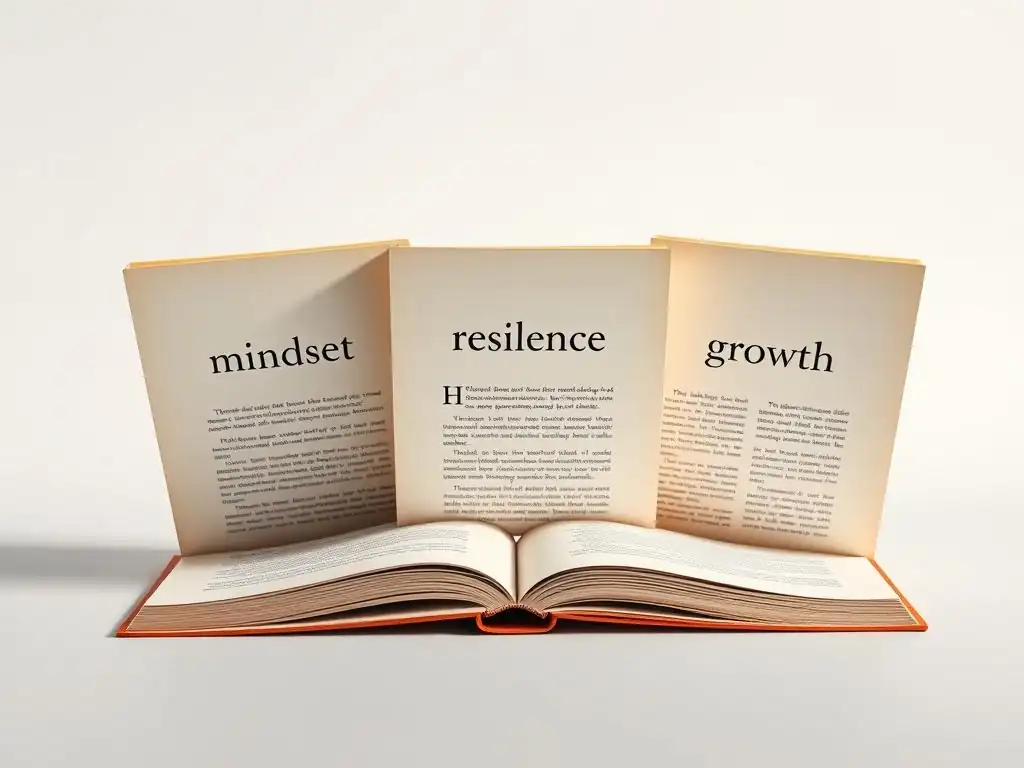
This section dives into a selection of psychology success books perfect for those just beginning their journey into understanding the psychological underpinnings of achievement. We'll explore key concepts and practical applications to help you harness the power of psychology for personal growth and success. These books offer accessible explanations and actionable strategies, making them ideal for beginners seeking to understand the psychology of success.
"Mindset: The New Psychology of Success" by Carol S. Dweck: Understanding the Power of Growth
Carol S. Dweck's Mindset is a cornerstone text in the field of positive psychology and achievement. The book elegantly introduces the concept of fixed versus growth mindsets – two fundamentally different approaches to challenges and setbacks. A fixed mindset believes abilities are static and innate, leading to a fear of failure and avoidance of challenges. Conversely, a growth mindset embraces challenges as opportunities for learning and improvement, fostering resilience and perseverance.
Key Takeaways from "Mindset" and How to Apply Them
Mindset provides a wealth of practical strategies for cultivating a growth mindset. Key takeaways include:
- Embracing challenges: Instead of viewing challenges as threats, reframe them as opportunities for growth and learning. See failures not as indicators of inadequacy, but as valuable feedback.
- Persisting in the face of setbacks: Develop a "can-do" attitude. When facing obstacles, focus on the process of learning and improvement rather than solely on the outcome.
- Learning from criticism: Don't dismiss criticism; view it as constructive feedback that can help you refine your skills and approach.
- Finding inspiration in the success of others: Instead of feeling threatened by the achievements of others, use their success as motivation to pursue your own goals.
Applying these principles requires conscious effort and self-reflection. Regularly assess your thoughts and reactions to challenges, actively seeking out opportunities for learning and growth. Journaling can be a powerful tool for tracking progress and identifying areas for improvement.
How "Mindset" Can Shift Your Perspective on Achievement
The shift in perspective offered by Mindset is transformative. By understanding the power of a growth mindset, individuals can move from a fear-based approach to achievement to one that embraces learning and resilience. This leads to increased motivation, greater perseverance, and ultimately, a higher likelihood of success.
The book doesn't promise overnight success, but rather equips readers with the psychological tools to navigate the challenges inherent in pursuing any goal, fostering a more sustainable and fulfilling path to achievement. This fundamental shift in perspective is what makes Mindset such a valuable resource for beginners seeking to understand the psychology of success.
"Thinking, Fast and Slow" by Daniel Kahneman: Deciphering Your Cognitive Biases
Daniel Kahneman's Thinking, Fast and Slow delves into the two systems of thinking that govern our decisions: System 1 (fast, intuitive) and System 2 (slow, deliberate). Understanding these systems is crucial for recognizing and mitigating cognitive biases that can hinder rational decision-making and ultimately, success.
Exploring System 1 and System 2 Thinking for Better Decision-Making
System 1 operates automatically and effortlessly, relying on heuristics and intuition. It's responsible for our quick, gut reactions. System 2, on the other hand, is slower, more deliberate, and requires conscious effort. It's involved in complex problem-solving and critical thinking. The interplay between these two systems is often the source of errors in judgment.
| System | Characteristics | Example | Potential Pitfalls |
|---|---|---|---|
| System 1 | Fast, automatic, intuitive | Recognizing a friend's face | Jumping to conclusions, relying on stereotypes |
| System 2 | Slow, deliberate, analytical | Solving a complex math problem | Analysis paralysis, cognitive overload |
Effective decision-making involves leveraging the strengths of both systems while mitigating their weaknesses. By understanding the limitations of System 1, we can consciously engage System 2 to make more informed choices.
How to Identify and Overcome Cognitive Biases That Hinder Success
Cognitive biases are systematic errors in thinking that affect our judgments and decisions. Examples include confirmation bias (favoring information that confirms existing beliefs), anchoring bias (over-relying on the first piece of information received), and availability heuristic (overestimating the likelihood of events that are easily recalled).
Overcoming these biases requires self-awareness and a commitment to critical thinking. Techniques such as seeking diverse perspectives, actively challenging assumptions, and considering alternative explanations can help mitigate the impact of cognitive biases on decision-making, paving the way for more effective strategies and ultimately, greater success. The book provides a framework for recognizing and addressing these biases, making it a valuable resource for anyone seeking to improve their decision-making processes and achieve greater success.
"Grit: The Power of Passion and Perseverance" by Angela Duckworth: The Importance of Resilience
Angela Duckworth's Grit: The Power of Passion and Perseverance is a seminal work exploring the often-overlooked ingredient in achieving long-term success: grit. Duckworth meticulously argues that talent and intelligence alone are insufficient; sustained effort, perseverance, and a deep-seated passion for one's goals are equally, if not more, crucial. The book delves into the psychological underpinnings of grit, examining its components and how it differs from other personality traits like conscientiousness or self-discipline.
It challenges the common misconception that success is solely determined by innate ability, highlighting instead the power of deliberate practice and unwavering commitment. The book provides compelling evidence, drawn from various studies, demonstrating the significant role of grit in academic achievement, athletic performance, and professional success. It's a must-read for anyone seeking to understand the psychological factors contributing to sustained achievement and overcoming setbacks.
The book effectively dismantles the myth of overnight success and replaces it with a more nuanced and realistic understanding of the journey to mastery. It emphasizes that success is a marathon, not a sprint, and that grit fuels the endurance needed to reach the finish line.
Cultivating Grit: Practical Strategies from Duckworth's Research
Duckworth's research isn't just theoretical; it offers practical strategies for cultivating grit. The book outlines several key techniques individuals can employ to enhance their own grit. These include setting ambitious yet attainable goals, fostering a growth mindset (believing abilities can be developed through dedication), developing a strong sense of purpose, and embracing challenges as opportunities for learning and growth.
The book also emphasizes the importance of perseverance in the face of setbacks, suggesting techniques for managing frustration and maintaining motivation during difficult times. For example, Duckworth advocates for breaking down large, daunting goals into smaller, more manageable steps, celebrating small victories along the way to maintain momentum. She underscores the value of finding mentors and support systems who can provide encouragement and guidance during challenging phases.
Furthermore, the book highlights the significance of cultivating self-compassion and avoiding self-criticism, recognizing that setbacks are inevitable parts of the process. By focusing on effort and progress rather than solely on outcomes, individuals can build greater resilience and cultivate a stronger sense of grit. The book's practical advice translates research into actionable steps for personal development.
How Grit Enables Long-Term Success in Personal and Professional Life
The impact of grit extends far beyond academic or athletic pursuits. Duckworth's work demonstrates the pervasive influence of grit on long-term success across various domains of life. In personal life, grit fosters resilience in relationships, enabling individuals to navigate conflicts and maintain strong bonds. It allows for perseverance in pursuing personal goals, such as mastering a new skill, writing a book, or achieving a fitness goal.
Professionally, grit is a powerful predictor of career success. Individuals with high grit are more likely to persevere through challenging projects, adapt to changing circumstances, and ultimately achieve greater levels of professional accomplishment. They are less likely to be derailed by setbacks or competition, maintaining a steadfast focus on their long-term objectives.
Examples abound of individuals who have achieved remarkable success through unwavering grit, demonstrating that sustained effort, passion, and perseverance are key ingredients in overcoming obstacles and achieving lasting fulfillment. The book provides numerous real-world examples of individuals from various walks of life who have demonstrated exceptional grit in their journeys to success. This illustrates the universality and importance of grit as a predictor of achievement in diverse contexts.
"Atomic Habits" by James Clear: The Science of Habit Formation
James Clear's Atomic Habits presents a compelling framework for understanding and improving habits based on sound psychological principles. Instead of focusing on drastic changes, Clear advocates for incremental improvements, emphasizing the power of small, consistent actions. The book utilizes scientific research to explain how habits are formed and broken, providing readers with practical strategies for optimizing their routines.
It moves beyond simple willpower, presenting a more nuanced understanding of behavioral change that incorporates environmental cues, reward systems, and the importance of making good habits easy and bad habits difficult. The book's strength lies in its clear, concise explanations of complex psychological concepts, making it accessible to a broad audience. It avoids overwhelming readers with technical jargon, instead offering straightforward advice and actionable steps for building better habits.
Building Good Habits: A Step-by-Step Approach Based on Psychology
Clear's approach to building good habits is rooted in a four-step process he calls the "Habit Loop": Make It Obvious, Make It Attractive, Make It Easy, and Make It Satisfying. Each step is meticulously explained, offering practical strategies for implementing it. For instance, "Make It Obvious" involves using visual cues and reminders to trigger desired behaviors.
"Make It Attractive" focuses on pairing new habits with activities you already enjoy. "Make It Easy" emphasizes reducing friction and making the initial steps of a new habit as simple as possible. Finally, "Make It Satisfying" involves rewarding yourself for consistent progress to reinforce the desired behavior.
The book provides numerous examples and real-world applications of this four-step process, illustrating how it can be used to build a wide range of good habits, from exercise and healthy eating to improved productivity and learning. The emphasis on small, incremental changes makes the process less daunting and more sustainable in the long run.
Breaking Bad Habits: Practical Techniques from "Atomic Habits"
Breaking bad habits is equally important as building good ones, and Atomic Habits provides equally effective strategies for tackling this challenge. The book utilizes the same four-step process, but in reverse. To break a bad habit, you need to Make It Invisible, Make It Unattractive, Make It Difficult, and Make It Unsatisfying.
This involves actively removing environmental cues that trigger the bad habit, associating it with negative consequences, increasing the effort required to engage in it, and ensuring that it doesn't lead to immediate gratification. Clear provides specific techniques, such as using habit trackers to monitor progress, employing accountability partners, and designing your environment to minimize temptations. He emphasizes the importance of replacing bad habits with good ones, rather than simply trying to suppress them.
This approach is more sustainable and effective in the long run, as it addresses the underlying psychological mechanisms driving the behavior rather than merely focusing on willpower alone. The book offers a comprehensive and practical guide to breaking free from negative habits and building a more fulfilling life.
"Daring Greatly" by Brené Brown: Embracing Vulnerability for Authentic Success
This insightful book by Brené Brown challenges the conventional wisdom that equates success with invulnerability. Brown argues convincingly that true success, the kind that leads to lasting fulfillment and meaningful connections, is inextricably linked to embracing vulnerability. She deftly dismantles the societal pressures that encourage us to hide our imperfections and instead champions authenticity as the cornerstone of a thriving life. Brown’s research-based approach provides a compelling framework for understanding the power of vulnerability, not as weakness, but as a source of courage, connection, and ultimately, achievement.
The book offers practical strategies for cultivating vulnerability in various aspects of life, from relationships to professional pursuits. It's a crucial read for anyone seeking a more authentic and fulfilling path to success, moving beyond superficial achievements to a deeper sense of purpose and belonging. The book's impact resonates deeply with readers seeking a more genuine approach to personal and professional growth.
The Courage to be Vulnerable: How it Leads to Meaningful Connections and Achievements
Brown's central thesis revolves around the idea that vulnerability is the birthplace of courage. She illustrates how hiding our true selves, fearing judgment and criticism, prevents us from forming deep and meaningful connections. These connections, she argues, are essential for both personal well-being and professional success. By daring to be vulnerable, we open ourselves to opportunities for growth, collaboration, and innovation.
The book provides numerous examples of individuals who have achieved remarkable things by embracing vulnerability, showcasing how it fosters trust, empathy, and resilience – all crucial ingredients for success in any field. It's not about being weak or exposing yourself unnecessarily; it's about choosing authenticity and genuine connection over the illusion of perfection. The courage to be vulnerable allows for deeper relationships, stronger teams, and more fulfilling work.
Overcoming Shame and Embracing Imperfection: Lessons from Brené Brown
A significant portion of "Daring Greatly" focuses on the debilitating impact of shame and the importance of embracing imperfection. Brown meticulously explains how shame, the intensely painful feeling of being unworthy, hinders our ability to connect with others and pursue our goals. She offers practical strategies for identifying and challenging shame-based narratives, replacing self-criticism with self-compassion.
The book emphasizes the importance of self-acceptance, recognizing that imperfections are not flaws but rather integral parts of the human experience. By embracing our imperfections, we free ourselves from the shackles of self-doubt and unlock our potential for growth and achievement.
Brown's work provides a powerful roadmap for navigating the complexities of shame and cultivating a more compassionate and self-accepting approach to life, paving the way for more authentic and sustainable success. This aspect of the book is particularly valuable for those struggling with self-esteem and seeking a path toward genuine self-acceptance as a foundation for success.
Applying Psychological Principles from These Books to Achieve Your Goals

This section delves into the practical application of psychological principles discussed in success-oriented books, specifically targeting beginners interested in self-improvement. We'll explore how to translate theoretical knowledge into actionable strategies for achieving personal and professional goals. Understanding the psychology behind success isn't just about reading; it's about doing. This section will provide you with the tools to effectively utilize the insights gained from these psychology success books for beginners.
Setting SMART Goals Based on Psychological Insights
Setting effective goals is crucial for achieving success. Many psychology success books for beginners emphasize the importance of SMART goals – Specific, Measurable, Achievable, Relevant, and Time-bound. But simply knowing the acronym isn't enough. Understanding the psychological underpinnings of SMART goals allows for more effective implementation.
For example, the specificity of a goal taps into the power of focused attention. A vague goal like "get healthier" is far less motivating than "lose 10 pounds by December 31st through a combination of diet and exercise." The latter activates specific brain regions associated with planning and execution.
Measurability provides concrete feedback, crucial for maintaining motivation. Tracking progress, whether it's weight loss, project completion, or skill acquisition, allows you to celebrate milestones and adjust your approach as needed. This aligns with the psychological principle of reinforcement – positive feedback strengthens desired behaviors.
Achievability considers your current capabilities and resources. Setting overly ambitious goals can lead to frustration and discouragement. Psychology emphasizes the importance of starting small, building confidence, and gradually increasing the challenge. This aligns with the concept of self-efficacy – the belief in your ability to succeed.
Relevance ensures your goals align with your values and aspirations. Pursuing goals that don't resonate with your core beliefs will likely result in lower commitment and less perseverance. This speaks to the importance of intrinsic motivation – pursuing goals for their inherent value, rather than external rewards.
Finally, the time-bound aspect provides a sense of urgency and structure. Deadlines, while sometimes stressful, can actually enhance productivity by focusing your energy and preventing procrastination. This leverages the psychological principle of deadlines improving performance.
Overcoming Procrastination and Building Motivation with Psychology
Procrastination is a common obstacle to achieving goals. Many psychology success books for beginners offer strategies to overcome this. Understanding the psychology behind procrastination is key to developing effective countermeasures. Often, procrastination stems from a fear of failure, perfectionism, or a lack of clarity about the task at hand.
One effective strategy highlighted in these books is task breakdown. Large, overwhelming tasks can be broken down into smaller, more manageable steps. This reduces feelings of anxiety and makes the overall goal seem less daunting. This taps into the psychological principle of reducing cognitive load.
Another crucial aspect is self-compassion. Instead of berating yourself for procrastinating, treat yourself with kindness and understanding. Acknowledge that everyone procrastinates sometimes and focus on moving forward, rather than dwelling on past failures. This fosters a positive self-image and reduces self-criticism, which can be highly demotivating.
Building motivation involves aligning your goals with your intrinsic values and finding ways to make the process enjoyable. This might involve incorporating activities you enjoy into your work or finding a supportive community to share your progress with. Understanding your personal motivational style, whether it's achievement-oriented, affiliation-oriented, or power-oriented, can help you tailor your approach to maximize your chances of success.
Developing a Growth Mindset: A Practical Guide
A growth mindset, as emphasized in many psychology success books for beginners, is the belief that abilities and intelligence can be developed through dedication and hard work. This contrasts with a fixed mindset, which views abilities as innate and unchangeable. Cultivating a growth mindset is crucial for overcoming challenges and achieving long-term success.
One key aspect of developing a growth mindset is embracing challenges. Instead of avoiding difficult tasks, view them as opportunities for learning and growth. This involves reframing setbacks as learning experiences rather than indicators of personal inadequacy.
Another crucial element is focusing on the process, rather than solely on the outcome. This means celebrating effort and progress, even if the final result isn't perfect. This shifts the focus from external validation to internal satisfaction and a sense of accomplishment derived from the journey itself.
Finally, learning from others and seeking feedback are vital for growth. This involves actively seeking constructive criticism and using it to improve your skills and knowledge. This aligns with the principles of social learning and the importance of mentorship in personal development. By actively seeking feedback and learning from mistakes, you continuously refine your approach and enhance your capabilities, fostering a continuous cycle of growth and improvement. This iterative process is central to developing a truly resilient and successful mindset.
Choosing the Right Psychology Success Book for Your Needs
Selecting the perfect psychology success book can feel overwhelming, given the sheer volume of titles available. This section will guide you through the process, ensuring you choose a resource that aligns with your individual needs and learning style. Finding the right fit maximizes your chances of applying the knowledge gained to achieve your personal goals. Remember, the best psychology success books for beginners are those that resonate with your specific context. This isn't a one-size-fits-all journey; it's a personalized exploration.
Considering Your Current Mindset and Learning Goals
Before diving into the vast ocean of self-help literature, take a moment for self-reflection. Understanding your current mindset and learning goals is crucial for selecting a book that will truly benefit you. Are you feeling stuck in a rut, lacking motivation, or struggling with self-doubt? Or perhaps you're already quite self-aware but seeking strategies to optimize your performance and achieve ambitious goals?
Your learning style also matters. Do you prefer concise, practical advice, or do you thrive on in-depth theoretical explanations? Some books focus on actionable strategies, offering concrete steps to implement immediately. Others delve deeper into the psychological underpinnings of success, providing a more comprehensive understanding of the underlying principles. For example, a beginner grappling with procrastination might benefit from a book with clear, step-by-step techniques, while someone seeking to understand the psychological roots of their ambition might prefer a more theoretical approach.
Consider creating a simple table to help clarify your needs:
| Current Challenge | Desired Outcome | Preferred Learning Style |
|---|---|---|
| Lack of motivation | Increased drive and productivity | Practical, actionable advice |
| Self-doubt and insecurity | Improved self-esteem and confidence | Supportive and encouraging tone |
| Difficulty with focus | Enhanced concentration skills | Structured and organized approach |
| Procrastination | Effective time management skills | Step-by-step guide |
This exercise will greatly aid you in narrowing down your options and selecting a book that will resonate with you on a personal level. Remember, the most effective psychology success books for beginners are those that are both informative and engaging for you.
Matching Book Themes to Your Specific Areas of Improvement
Once you've identified your current mindset and preferred learning style, it's time to consider the specific themes that align with your areas for improvement. Psychology success books often address various aspects of achievement, such as goal setting, mindset, emotional regulation, and habit formation. Matching the book's focus to your specific needs will significantly enhance its impact.
For instance:
- Goal Setting and Achievement: If you struggle with defining and pursuing your goals, look for books that offer frameworks and strategies for effective goal setting, such as SMART goals or the Eisenhower Matrix.
- Mindset and Self-Belief: If negative self-talk or limiting beliefs hinder your progress, explore books focusing on cultivating a growth mindset, building self-confidence, and overcoming self-doubt. These books often incorporate cognitive behavioral therapy (CBT) principles.
- Emotional Regulation and Resilience: If emotional reactivity or stress interferes with your ability to achieve your goals, consider books addressing emotional intelligence, stress management, and building resilience.
- Habit Formation and Productivity: If you struggle with consistency and procrastination, look for books focusing on habit formation techniques, time management strategies, and productivity hacks.
Carefully examining the book descriptions and reviews will help you determine whether the book's content aligns with your specific needs. Don't hesitate to browse through the table of contents or read sample chapters to get a better sense of the book's approach and content. The right psychology success book for beginners should feel relevant and engaging from the very first page.
Recommended Reading Order for Beginners
There's no single "correct" order for reading psychology success books, but a strategic approach can maximize your learning. Beginners might find it beneficial to start with books that offer a broad overview of the principles of success before delving into more specialized topics.
A suggested approach could be:
- A foundational text: Begin with a book that provides a comprehensive introduction to the psychological principles underlying success. This will establish a solid base of understanding.
- A book focused on a specific area of improvement: Once you have a general understanding, choose a book that addresses a particular area where you'd like to see improvement, such as mindset, emotional regulation, or productivity.
- A book offering practical strategies: After exploring the theoretical underpinnings, select a book that provides actionable strategies and techniques you can immediately implement.
- Specialized books: As you progress, you can explore more specialized books focusing on niche areas relevant to your goals.
This layered approach ensures a gradual and effective learning process, allowing you to build upon your knowledge and apply new concepts as you progress. Remember, consistency and mindful application are key to achieving lasting results. The best psychology success books for beginners aren't just about reading; they're about actively integrating the knowledge into your life.
Beyond the Books: Integrating Psychological Insights into Your Daily Life

This section moves beyond the theoretical frameworks presented in the recommended psychology success books for beginners and explores practical strategies for applying these insights to your daily life. Understanding the psychology of success isn't just about reading; it's about actively incorporating these principles into your routines and mindset. The journey to achievement is a continuous process of learning, adapting, and refining your approach. This section provides actionable steps to facilitate this personal growth.
Practicing Self-Reflection and Mindfulness
Self-reflection is a cornerstone of personal development. Many psychology success books emphasize the importance of understanding your strengths, weaknesses, motivations, and limiting beliefs. But how do you actually cultivate this crucial skill? It's not simply about introspection; it's about structured, mindful self-assessment.
One effective technique is journaling. Regularly writing down your thoughts, feelings, and experiences allows you to identify patterns, track progress, and gain clarity on your goals. Consider dedicating 15-20 minutes each day to journaling, focusing on specific aspects of your life, such as your successes, challenges, and emotional responses. You can use prompts like: "What did I learn today? ", "What am I grateful for? ", or "What obstacles did I face, and how did I overcome them?". This consistent practice fosters self-awareness, a critical component of achieving lasting success.
Another powerful tool is mindfulness meditation. Even short, daily meditation sessions can significantly improve your focus, emotional regulation, and self-awareness. Mindfulness helps you become more present and less reactive, allowing you to make more conscious choices aligned with your goals. Numerous free guided meditations are readily available online, making it accessible to everyone. Start with short sessions (5-10 minutes) and gradually increase the duration as your comfort level grows. The benefits of regular mindfulness practice extend far beyond stress reduction; it directly contributes to improved self-understanding and decision-making, vital elements in the psychology of success.
Seeking Mentorship and Support
While self-reliance is important, the journey to success is often enhanced by seeking guidance and support from others. Many successful individuals attribute their achievements, in part, to the mentorship they received along the way. Finding a mentor who can offer advice, encouragement, and accountability can be incredibly beneficial.
Mentors don't need to be famous or high-profile; they can be anyone with experience and expertise in an area you're trying to develop. This could be a colleague, a professor, a family member, or even someone you meet through networking. The key is to find someone you respect and trust, whose values align with yours. Building a strong mentor-mentee relationship requires open communication, mutual respect, and a willingness to learn from each other. Remember, mentorship is a two-way street; you can also offer support and insights to your mentor.
Beyond formal mentorship, building a strong support network is also crucial. This includes friends, family, and colleagues who provide encouragement, understanding, and a sense of community. Surrounding yourself with positive and supportive individuals can significantly impact your motivation, resilience, and overall well-being. Don't underestimate the power of social support in navigating challenges and celebrating successes.
Tools and Resources to Enhance Your Psychological Journey
Numerous tools and resources can complement the knowledge gained from psychology success books for beginners and enhance your personal growth journey. These resources provide practical strategies and support to help you integrate the principles learned into your daily life.
| Resource Type | Examples | Benefits |
|---|---|---|
| Productivity Apps | Todoist, Asana, Trello | Improved organization, task management, and time management. |
| Mindfulness Apps | Headspace, Calm, Insight Timer | Stress reduction, improved focus, and enhanced self-awareness. |
| Goal-Setting Workbooks | Various workbooks available online and in stores | Structured approach to goal setting, tracking progress, and accountability. |
| Online Courses | Coursera, Udemy, edX | Access to expert-led instruction on various psychology-related topics. |
| Therapy/Counseling | Licensed therapists and counselors | Personalized support for addressing mental health challenges and personal growth. |
This table highlights just a few examples; many other tools and resources are available to support your personal development. Remember to choose resources that align with your learning style, goals, and personal preferences. The key is to actively engage with these resources and consistently apply the strategies and insights you learn. Integrating these tools into your daily routine will significantly enhance your journey toward achieving lasting success.
Investing in Yourself: The Long-Term Benefits of Psychological Understanding
Understanding the psychology of success isn't just about achieving fleeting goals; it's about cultivating a mindset and skillset that benefits you across all aspects of life. Investing in your psychological well-being through books and self-reflection is an investment in your future happiness, relationships, and overall success. This isn't a quick fix; it's a long-term strategy for personal growth, offering substantial returns over time. Think of it as building a strong foundation upon which you can construct a fulfilling and successful life. The initial effort translates into lasting positive change.
Achieving Greater Personal Fulfillment and Happiness
One of the most significant benefits of understanding psychology is the ability to cultivate greater personal fulfillment and happiness. Learning about concepts like positive psychology, emotional regulation, and mindfulness provides practical tools for managing stress, overcoming negative thought patterns, and fostering a more optimistic outlook. Studies show a strong correlation between psychological well-being and overall life satisfaction. For instance, research indicates that individuals who practice mindfulness report significantly lower levels of anxiety and depression. 1 By understanding the underlying mechanisms of happiness and well-being, you can actively work towards creating a more joyful and fulfilling life. This isn't about chasing external validation; it's about cultivating inner peace and contentment. The journey of self-discovery fueled by psychological insights is profoundly rewarding. The increased self-awareness gained allows for a more authentic and meaningful life, leading to greater happiness and contentment.
Building Stronger Relationships and Communication Skills
Stronger relationships are fundamental to a fulfilling life. Psychology provides invaluable insights into interpersonal dynamics, communication styles, and conflict resolution. Books on social psychology can help you understand the nuances of human interaction, improve your communication skills, and build healthier, more meaningful relationships. For example, learning about active listening techniques can dramatically improve your ability to connect with others.
Similarly, understanding attachment styles can shed light on relationship patterns and help you navigate challenges more effectively. The ability to empathize, understand different perspectives, and effectively communicate your needs are crucial for building and maintaining strong relationships, both personal and professional. This understanding empowers you to navigate complex social situations with greater ease and confidence, leading to stronger bonds and more fulfilling connections. The investment in understanding psychological principles related to relationships provides a significant return in the quality and depth of your connections.
The Return on Investment (ROI) of Self-Improvement Through Psychology
The "return on investment" (ROI) of self-improvement through psychology isn't measured solely in financial terms. While increased job satisfaction and professional success can be outcomes, the true ROI lies in improved overall well-being, stronger relationships, and a greater sense of purpose. Consider the following: reduced stress levels translate to better physical health, improved productivity, and enhanced resilience; stronger relationships contribute to a greater sense of belonging and support; increased self-awareness leads to more informed decision-making and greater personal fulfillment. These are all invaluable assets that contribute to a richer, more meaningful life.
While the initial investment might involve purchasing books or attending workshops, the long-term benefits far outweigh the costs. The knowledge and skills gained provide a lasting impact, shaping your perspective and influencing your actions for years to come. It's an investment in the most valuable asset you possess: yourself.
1 [Specific research citation pending]
Frequently Asked Questions
What makes a psychology book good for beginners interested in success?
A good beginner book should use clear and concise language, avoiding jargon. It should also focus on practical applications of psychological principles related to success, offering actionable strategies. Real-world examples and relatable stories greatly enhance understanding.
Are there any specific psychological concepts crucial for achieving success?
Yes, several are key. Understanding motivation, goal setting, self-efficacy, and resilience is crucial. Learning about mindset (growth vs. fixed) and emotional intelligence is also vital for navigating challenges and achieving goals.
What types of success are covered in these psychology books?
These books often address a broad spectrum of success, encompassing academic success, career success, relationship success, and personal well-being. They tackle achieving specific goals as well as cultivating a successful mindset for long-term fulfillment.
Can these books help with overcoming obstacles and setbacks?
Absolutely! Many books delve into strategies for building resilience, managing stress, and overcoming self-doubt. They emphasize the importance of learning from failures and adapting your approach to achieve success.
Where can I find these recommended "Psychology Success Books for Beginners"?
You can find many of these books at major online retailers like Amazon and Barnes & Noble, as well as in your local library. Searching for "psychology of success" or "positive psychology for beginners" will yield many relevant results.
Final Reflection: Unlocking Your Potential Through the Power of the Page
The pursuit of success is a universal human endeavor, and understanding the psychology behind it is the key to unlocking our true potential. This exploration into the world of self-help literature has revealed a wealth of insights, strategies, and perspectives that can empower anyone to achieve their goals, regardless of their starting point. The books discussed offer practical tools and frameworks, proving that success isn't solely about luck or innate talent, but a cultivated skillset.
The impact of these psychological principles on our modern world is undeniable. We are constantly bombarded with messages about achievement, often focusing on external validation rather than internal growth. Success is not final, failure is not fatal: it is the courage to continue that counts.
- Winston Churchill. This quote perfectly encapsulates the resilience and perseverance emphasized in many of the books discussed, highlighting the importance of embracing setbacks as learning opportunities on the path to success. The ongoing conversation surrounding self-improvement and personal development is a testament to the enduring human desire for growth and fulfillment.
Now, it's your turn. Consider the insights shared within these pages. Which strategies resonate most with you? Which principles are you ready to integrate into your own life? Don't just passively consume this information; actively engage with it. Choose one book from the list, or explore a similar title that sparks your interest, and embark on a journey of self-discovery. The power to shape your future, to achieve your dreams, lies within your grasp. Embrace the opportunity, and begin writing your own success story.
Unlock Your Path to Success Today!
Thank you for exploring the secrets of achievement through the lens of psychology. Taking this step demonstrates a commitment to transforming your ambitions into reality. Now, it's time to put your newfound knowledge into action!
Here are some powerful steps you can take immediately:
- Read a book from our recommended reading list and apply its principles to your daily life.
- Join a community—either a local book club or an online forum—to discuss your progress and inspire others.
- Share your insights on social media using the hashtag #PsychologyOfSuccess to connect with others interested in achievement and motivation.
What's the first step you'll take today to achieve your dreams?