
Children as Witnesses: Understanding the Uniqueness of Child Eyewitness Testimony


Welcome to Psychology Basics, your gateway to understanding the fascinating world of human behavior. We delve into the core concepts of psychology, making complex ideas accessible to everyone. But are all memories created equal? This question takes center stage in our latest article on Child Eyewitness Testimony Reliability, exploring the surprising and often unreliable nature of childhood recollections. Discover the controversies surrounding this critical area of forensic psychology – and prepare to question what you think you know. Dive in and unravel the intriguing complexities of memory and justice.
- The Challenges of Child Eyewitness Testimony Reliability
- Improving the Accuracy of Child Eyewitness Testimony
- Legal and Ethical Considerations in Child Eyewitness Cases
- Case Studies: Examining the Reliability of Child Eyewitness Accounts
- Future Directions in Research on Child Eyewitness Testimony
-
Frequently Asked Questions
- How reliable is a child's eyewitness testimony compared to an adult's?
- What factors influence the reliability of a child's testimony?
- Are children more prone to suggestibility than adults?
- How can we improve the accuracy of child eyewitness testimony?
- What are some common misconceptions about child eyewitness testimony?
- Final Reflection: The Enduring Weight of a Child's Testimony
- Empower Child Voices: Take Action Today!
The Challenges of Child Eyewitness Testimony Reliability
Child eyewitness testimony plays a crucial role in the judicial system, often forming the backbone of many legal cases involving crimes against children. However, the reliability of such testimony is a complex and hotly debated topic within forensic psychology. This article delves into the unique challenges posed by children's accounts of events, exploring the developmental, cognitive, and social factors that can significantly impact the accuracy and validity of their recollections.
Understanding these challenges is paramount for legal professionals, psychologists, and anyone interested in ensuring justice while protecting vulnerable witnesses. The reliability of child eyewitness testimony hinges on a nuanced understanding of how children process, store, and retrieve memories, a process that differs significantly from that of adults. This exploration will focus on key areas impacting the accuracy of child eyewitness testimony, ultimately aiming to shed light on the critical need for careful evaluation and handling of such evidence.
We will examine how developmental factors, suggestibility, and memory distortion can compromise the reliability of a child's testimony, ultimately highlighting the need for specialized interviewing techniques and a cautious approach to interpreting their accounts. This is crucial for ensuring fair and accurate legal proceedings.
Developmental Factors Affecting Recall Accuracy in Children
Children's cognitive development significantly influences their ability to accurately recall and report events. Younger children, for example, often possess less developed memory strategies than adults. Their memories are more susceptible to interference from other experiences and information. They may struggle with accurate temporal sequencing of events, blurring the lines between what actually happened and what they might have imagined or been told.
Furthermore, a child's language skills directly impact their ability to articulate their experiences clearly and coherently. A limited vocabulary or difficulty expressing complex ideas can lead to incomplete or inaccurate accounts. Studies have consistently shown that the age of the child is a strong predictor of recall accuracy, with older children generally exhibiting better recall than younger children.
For example, research indicates that children under the age of 6 frequently demonstrate significant difficulties in accurately recalling details of an event, even a relatively short time after it occurred. This is not to say that young children are inherently unreliable, but rather that their developmental stage significantly impacts the nature and accuracy of their testimony. Understanding these developmental limitations is crucial for interpreting their statements fairly and accurately.
The impact of developmental factors is further complicated by the child's level of emotional maturity. Experiencing a traumatic event can profoundly affect a child's memory, sometimes leading to fragmented or incomplete recollections. Stress and anxiety surrounding the event itself, or the subsequent legal proceedings, can also impair their recall abilities.
Therefore, a holistic assessment of a child's developmental stage, including their cognitive abilities, language skills, and emotional maturity, is essential for a comprehensive evaluation of the reliability of their testimony. It is important to note that while these developmental factors pose challenges, they do not automatically invalidate a child's testimony. Rather, they highlight the need for specialized interviewing techniques and a cautious approach to interpretation.
Suggestibility and the Impact of Leading Questions on Young Witnesses
The suggestibility of children is a significant concern when evaluating the reliability of their eyewitness testimony. Children, particularly younger ones, are more susceptible to the influence of leading questions, suggestions, and even subtle cues from adults. Leading questions, phrased in a way that implies a particular answer, can significantly distort a child's memory and lead them to report inaccurate information. For example, a question like, "Did the man hurt you with the sharp knife?"
subtly implies that the man used a knife and caused harm, even if the child's original memory doesn't include those details. This suggestibility stems from a combination of factors, including their developing cognitive abilities, their desire to please adults, and their vulnerability to social pressure. Repeated questioning, particularly if it is inconsistent or suggestive, can further contaminate a child's memory and lead to the creation of false memories.
The impact of suggestive questioning is amplified by the context in which the questioning occurs. An intimidating or coercive environment can increase a child's suggestibility and lead them to provide answers that they believe are expected of them, regardless of their accuracy. Conversely, a supportive and non-threatening environment, coupled with the use of open-ended questions, can help elicit more accurate and detailed information.
Research has consistently shown that the way in which children are interviewed significantly impacts the quality and reliability of their testimony. Therefore, proper training for interviewers is crucial to minimize the risk of suggestive questioning and ensure that children's accounts are as accurate and reliable as possible. The use of specialized interviewing techniques, such as the Narrative Approach, aims to reduce the risk of suggestion and elicit more accurate and detailed recollections from young witnesses.
The Role of Memory Distortion in Child Eyewitness Accounts
Memory, even in adults, is not a perfect recording device. It is a reconstructive process, subject to distortions and inaccuracies over time. In children, this reconstructive process is even more prone to errors.
Factors like the passage of time, the influence of post-event information, and the emotional intensity of the event can all contribute to memory distortion. Children might unintentionally conflate details from different events, fill in gaps in their memory with plausible but inaccurate information, or even completely fabricate details. This process is further complicated by the fact that children's memories are less stable than those of adults, making them more susceptible to change and distortion over time.
The emotional impact of the witnessed event plays a significant role in memory distortion. Traumatic events can lead to both enhanced and impaired memory, depending on the individual and the specific circumstances. While some children might vividly recall certain details, they might also repress or distort others, especially if the event was highly distressing.
This can lead to fragmented or inconsistent recollections, making it difficult to determine the accuracy of their accounts. Furthermore, the repeated discussion of the event with family members, caregivers, or investigators can also lead to memory distortion. Each retelling of the event can subtly alter the memory, potentially leading to the inclusion of false details or the omission of important information.
Understanding the complexities of memory distortion in children is crucial for interpreting their testimony accurately and fairly. Specialized techniques and a cautious approach are needed to minimize the risk of misinterpreting their recollections and ensure that their accounts are evaluated in a sensitive and informed manner.
Improving the Accuracy of Child Eyewitness Testimony
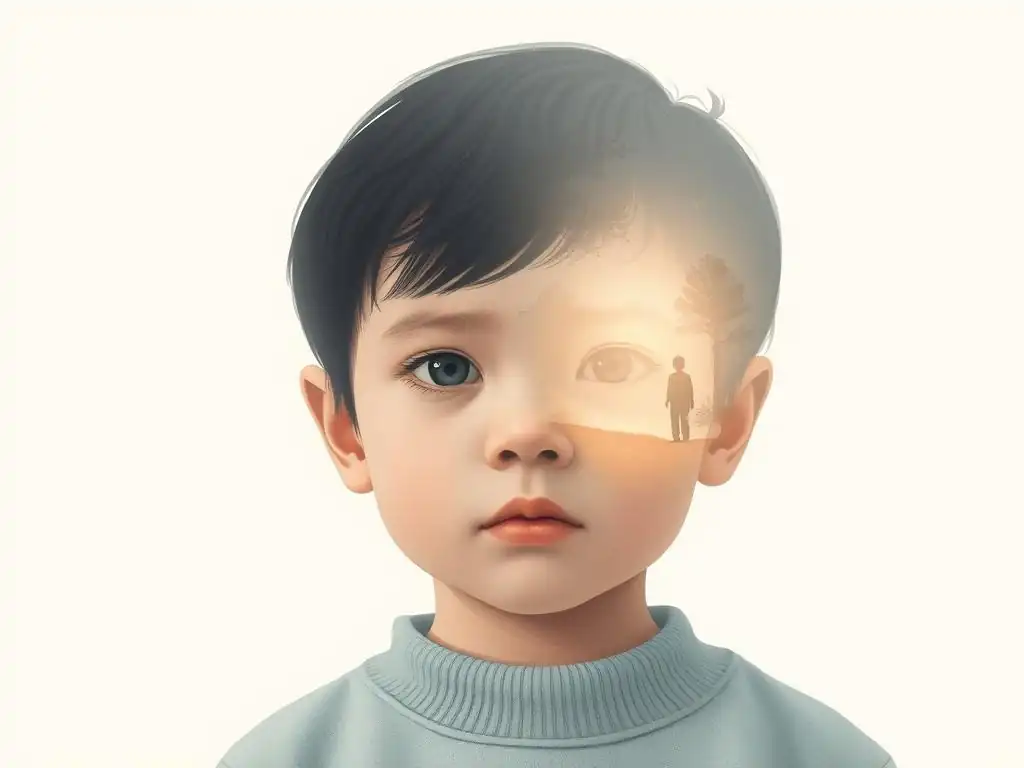
Child eyewitness testimony reliability is a critical concern in the legal system and psychological research. While children can be valuable witnesses, their testimony is susceptible to various factors that can compromise its accuracy. Understanding these factors and implementing strategies to mitigate their impact is crucial for ensuring justice and protecting vulnerable individuals. This section focuses on practical approaches to enhance the reliability of child eyewitness accounts, moving beyond simply acknowledging the challenges. We will explore effective interview techniques, strategies to minimize suggestibility, and the critical role of properly trained forensic interviewers.
Interview Techniques for Obtaining Reliable Information from Children
Obtaining accurate information from child witnesses requires specialized interviewing techniques that differ significantly from those used with adult witnesses. Standard adult interrogation methods can be highly detrimental when used with children, often leading to inaccurate or fabricated memories. Instead, techniques that prioritize building rapport, creating a safe and comfortable environment, and using open-ended questions are essential.
For example, the National Institute of Child Health and Human Development (NICHD) protocol emphasizes a conversational style. Instead of leading questions like, "Did the man touch you inappropriately? ", the interviewer might ask, "Tell me what happened that day," or "Can you describe the person you saw?". This encourages the child to recount the event in their own words, minimizing the risk of inadvertently suggesting details.
The use of anatomically correct dolls can also be beneficial, but only when used appropriately and within a carefully structured interview. Over-reliance on dolls can, conversely, lead to inaccurate or suggestive responses. Careful observation of nonverbal cues, such as body language and emotional expressions, is also crucial in assessing the child's credibility and understanding their narrative. A skilled interviewer will recognize subtle inconsistencies or hesitations that might indicate the child is struggling with the memory or is being influenced by external factors.
Minimizing Suggestibility in Child Interviews: Best Practices
Suggestibility, the tendency to incorporate misleading information into one's memory, is a significant concern in child eyewitness testimony. Children are particularly vulnerable to suggestive questioning, leading to false memories or distorted recollections. Minimizing suggestibility requires a proactive approach throughout the entire interview process.
Several best practices help to reduce this risk. First, interviewers should avoid repeated questioning on the same topic, as this can increase the likelihood of the child changing their answer to please the interviewer or to conform to what they believe is expected. Second, neutral and open-ended prompts are preferable to leading questions. For instance, instead of asking "Was the man wearing a blue shirt?
", a better approach is "What was the man wearing?". Third, interviewers should avoid making assumptions or expressing their own opinions about the event. Maintaining a neutral and objective demeanor throughout the interview is crucial for minimizing the risk of influencing the child's responses.
Finally, the use of visual aids, such as photographs or drawings, should be carefully considered. While they can be helpful, they can also be suggestive if not used appropriately. Research consistently shows that even subtle cues from interviewers can significantly impact children's recall accuracy.
The Importance of Forensic Interviewers' Training and Expertise
The reliability of child eyewitness testimony is directly linked to the training and expertise of the forensic interviewer. These professionals require specialized skills in interviewing techniques, child development, and memory processes. Adequate training equips interviewers to:
- Recognize and manage the emotional impact of the situation on the child.
- Identify and mitigate the influence of suggestive questioning.
- Understand and interpret children's nonverbal communication.
- Employ effective techniques for eliciting accurate and detailed information.
- Document the interview thoroughly and objectively.
A lack of proper training can lead to significant errors in the interview process, compromising the reliability of the child's testimony. Moreover, ongoing professional development is critical to stay abreast of the latest research and best practices in this ever-evolving field. The consequences of poorly conducted interviews can be severe, potentially leading to wrongful convictions or failures to protect vulnerable children.
Therefore, investing in high-quality training and ongoing professional development for forensic interviewers is a crucial step in ensuring the accuracy and reliability of child eyewitness testimony. The impact of expert training translates directly into improved accuracy and a more just legal process. 🕵️♀️
Legal and Ethical Considerations in Child Eyewitness Cases
This section delves into the crucial legal and ethical complexities surrounding child eyewitness testimony, a critical area where the pursuit of justice must be carefully balanced against the well-being and protection of vulnerable individuals. The reliability of child eyewitness testimony, a key concern in legal settings, necessitates a nuanced understanding of the legal frameworks and ethical guidelines that govern these situations. Failure to adequately address these aspects can lead to miscarriages of justice and significant emotional harm to children.
The Competency of Child Witnesses to Testify in Court
Determining the competency of a child witness to testify is a multifaceted process. Legal systems worldwide employ various criteria, often considering the child's developmental stage, cognitive abilities, and understanding of truth and falsehood. For instance, a young child might lack the capacity to accurately recall events or differentiate between fantasy and reality, impacting the reliability of their testimony.
Assessing competency frequently involves a pre-trial evaluation by a psychologist or other qualified professional who assesses the child's comprehension skills, memory capabilities, and ability to communicate effectively under pressure. The specific legal standards for competency vary, but generally involve demonstrating the child understands the importance of telling the truth and the potential consequences of lying. This assessment is crucial to ensure the fairness and integrity of the legal process and to mitigate the risk of admitting unreliable testimony.
The process aims to strike a balance: ensuring children's voices are heard while protecting against potential inaccuracies due to developmental limitations. Research consistently shows a significant correlation between age and the accuracy of recall; younger children are demonstrably more susceptible to suggestion and misinformation.
Protecting Children's Rights During Legal Proceedings
Protecting the rights and well-being of child witnesses is paramount. This necessitates specialized procedures designed to minimize trauma and ensure their comfort during legal proceedings. These safeguards often include measures like allowing the child to testify in a less intimidating environment, such as a separate room with a video link to the courtroom.
The use of support persons, such as a trusted adult or therapist, is also common to provide emotional support and reduce anxiety. Furthermore, limitations on cross-examination are frequently implemented to prevent overly aggressive or leading questioning that could be psychologically damaging. The legal system recognizes the vulnerability of children and strives to create a supportive and safe environment, minimizing the potential for retraumatization.
This commitment to child-centered approaches is crucial for ensuring both the justice system's integrity and the child's well-being. Specific legislation and court rules vary across jurisdictions, but the underlying principle remains consistent: to prioritize the child's welfare while seeking justice. This includes careful consideration of the potential long-term psychological impact of participating in legal proceedings.
The Impact of Trauma on Child Witness Testimony
Trauma significantly impacts a child's ability to accurately recall and recount events. Children who have experienced trauma, particularly those who have witnessed or been victims of violence or abuse, may exhibit memory distortions, fragmented recollections, or even complete suppression of traumatic memories. This is not necessarily an indicator of dishonesty; rather, it reflects the complex neurological and psychological effects of trauma on memory consolidation and retrieval.
Stress hormones released during traumatic events can interfere with the encoding and storage of memories, leading to inaccuracies or gaps in recollection. Furthermore, trauma can lead to emotional distress and anxiety during testimony, further compromising the accuracy and reliability of the child's account. Understanding these effects is critical for evaluating the credibility of child eyewitness testimony in cases involving trauma.
Specialized interviewing techniques, such as trauma-informed interviewing, are employed to minimize further stress and encourage accurate recall while respecting the child's emotional state. Clinicians and legal professionals must be aware of the potential for trauma-related memory distortions to avoid misinterpreting a child's account. This requires a thorough understanding of the neurobiological and psychological effects of trauma on memory.
Case Studies: Examining the Reliability of Child Eyewitness Accounts
This section delves into specific cases to illustrate the complexities and challenges inherent in evaluating the reliability of child eyewitness testimony. Understanding these real-world examples helps highlight the factors that can influence a child's recollection and the importance of careful, nuanced analysis in legal and psychological contexts. The reliability of child eyewitness testimony is a crucial area of study, impacting the fairness and accuracy of the justice system. We will explore cases demonstrating both the potential accuracy and the susceptibility to suggestion and distortion in children's memories.
Case Study: The McMartin Preschool Trial
The McMartin Preschool trial, which began in 1983, stands as a stark example of the potential pitfalls of relying solely on child eyewitness testimony without rigorous scrutiny. Allegations of widespread sexual abuse at the preschool led to extensive interviews of children, many of whom were very young. However, the interviewing techniques used were highly suggestive and leading, prompting concerns about the reliability of the children's accounts.
The interviews often employed anatomically correct dolls, and interviewers repeatedly questioned children, sometimes for extended periods. This led to accusations of a range of bizarre and improbable events, with children's accounts evolving and expanding over time. Ultimately, despite extensive investigation and numerous accusations, most charges were dismissed or resulted in acquittals. The case highlighted the vulnerability of young children to suggestion and the significant impact of leading questions on their memory recall.
The McMartin Preschool case serves as a cautionary tale, emphasizing the necessity of employing unbiased, developmentally appropriate interviewing techniques when working with child witnesses. The lasting impact underscores the critical need for improved training and safeguards in investigating allegations involving children. The case remains a central point of discussion on the reliability of child eyewitness testimony and the potential for contamination through suggestive questioning.
Case Study: The Sam Sheppard Case
While not solely focused on child eyewitness testimony, the Sam Sheppard case (1954) provides a relevant illustration of how the reliability of all eyewitness accounts, including those from children, can be impacted by factors like stress, trauma, and suggestive questioning. Sheppard, a physician, was convicted of murdering his wife. A key piece of evidence against him was the testimony of his young son, who claimed to have witnessed the attack.
However, the boy's testimony was obtained under highly suggestive circumstances, and its reliability was later questioned due to the intense media coverage and the pressure placed upon him. Experts later pointed to the flaws in the investigation and the influence of external factors on the child's recollection. The case, eventually overturned after Sheppard's death, illustrates how even seemingly credible eyewitness accounts, including those from children, can be influenced by various factors and require careful evaluation.
The Sheppard case, although not exclusively about child witnesses, serves as a broader reminder of the importance of considering the context and potential biases influencing any eyewitness testimony, regardless of age. The case highlights the need for thorough investigation and expert analysis to assess the credibility of eyewitness accounts, especially when dealing with potentially traumatic events.
This underscores the need for a cautious and critical approach to evaluating all eyewitness testimony, including those from children. The case’s legacy continues to inform discussions on the intricacies of memory and the potential for error in legal proceedings.
Future Directions in Research on Child Eyewitness Testimony
The reliability of child eyewitness testimony remains a critical area of ongoing investigation, demanding a multi-faceted approach to enhance its accuracy and minimize potential biases. Current research highlights several crucial areas needing further exploration to improve the understanding and application of child testimony in legal and investigative settings. Future studies should prioritize a more nuanced understanding of the interplay between developmental factors, interviewing techniques, and the lasting impact of trauma on memory recall.
This will contribute significantly to the overall goal of ensuring justice while protecting the well-being of children involved in legal proceedings. The ultimate aim is to establish clearer guidelines and protocols to improve the accuracy and reliability of child eyewitness testimony, reducing the risk of miscarriages of justice.
Advances in Neuropsychological Understanding of Child Memory
Understanding the neuropsychological underpinnings of memory formation and retrieval in children is paramount for improving the reliability of child eyewitness testimony. Advanced neuroimaging techniques, such as fMRI and EEG, offer invaluable tools to investigate the neural correlates of memory encoding, consolidation, and retrieval in children of different ages and developmental stages. These techniques can help identify specific brain regions and networks involved in memory processes and how they are affected by factors like stress, trauma, and suggestive questioning.
For instance, research could focus on examining the relationship between hippocampal development and the accuracy of autobiographical memories in children. By pinpointing the neural mechanisms underlying memory distortions and inaccuracies, researchers can develop more effective strategies for eliciting accurate and reliable accounts from child witnesses. Further research is also needed to understand the impact of trauma on the developing brain and how this might affect memory consolidation and retrieval.
This includes exploring the potential long-term effects of trauma on memory accuracy and the development of appropriate interventions to mitigate these effects. The integration of neuropsychological findings with existing psychological research on child memory will lead to a more comprehensive understanding of this complex phenomenon. This interdisciplinary approach is crucial for developing evidence-based best practices for interviewing and supporting child witnesses.
Developing More Effective Interview Protocols for Children
Current interview techniques used with child witnesses vary widely in their effectiveness. Some methods inadvertently introduce suggestion or bias, leading to inaccurate or unreliable testimony. Future research should focus on developing and rigorously testing more effective interview protocols specifically designed to minimize these risks. This includes refining techniques like the National Institute of Child Health and Human Development (NICHD) protocol, which emphasizes open-ended questions and avoids leading or suggestive prompts.
Further research should explore the optimal timing and frequency of interviews, considering the developmental stage of the child and the potential impact of repeated questioning on memory accuracy. For example, studies could compare the effectiveness of different interview techniques across various age groups, trauma levels, and types of events witnessed. This would provide valuable data on the most reliable and least suggestive methods for obtaining accurate information from child witnesses. The development of standardized training programs for interviewers is also crucial to ensure consistent application of effective techniques.
This training should include comprehensive knowledge of child development, memory processes, and the potential impact of trauma on memory recall. Moreover, research into the use of technology, such as virtual reality or interactive storytelling methods, to aid in memory retrieval in children should be explored. The ultimate goal is to create a standardized, evidence-based interview protocol that maximizes the accuracy and reliability of child eyewitness testimony while minimizing the potential for psychological harm. This requires a collaborative effort between psychologists, legal professionals, and child development experts.
Frequently Asked Questions
How reliable is a child's eyewitness testimony compared to an adult's?
Child eyewitness testimony is generally considered less reliable than adult testimony. Children are more susceptible to suggestion and may have difficulty recalling details accurately, especially concerning events that occurred long ago or were emotionally charged. Their cognitive development significantly impacts their ability to accurately report events.
What factors influence the reliability of a child's testimony?
Several factors affect reliability, including the child's age and developmental stage, the nature of the event (traumatic events can impair recall), the time elapsed since the event, the interviewing techniques used, and the child's relationship with the interviewer.
Are children more prone to suggestibility than adults?
Yes, children are significantly more susceptible to suggestion. Leading questions or repeated questioning can easily influence their memories and lead to inaccurate or fabricated accounts. Their developing cognitive abilities make them vulnerable to outside influences.
How can we improve the accuracy of child eyewitness testimony?
Using open-ended questions, avoiding leading questions, and employing specialized interviewing techniques like the NICHD protocol are crucial. Creating a safe and supportive environment for the child to share their experiences also aids in obtaining more accurate information.
What are some common misconceptions about child eyewitness testimony?
A common misconception is that young children always lie. Another is that all children have similar memory capabilities. In reality, memory and recall vary greatly depending on individual factors and the specific circumstances surrounding the event.
Final Reflection: The Enduring Weight of a Child's Testimony
The reliability of child eyewitness testimony remains a critical issue in our justice system, impacting not only legal outcomes but the very fabric of our understanding of truth and justice. Children's unique cognitive and developmental stages significantly influence their ability to recall and recount events, demanding a nuanced and careful approach to their testimony. This complexity underscores the urgent need for continued research and improved legal practices.
The impact of childhood trauma and the vulnerability of young witnesses extends far beyond the courtroom. Their experiences shape not only their immediate lives but also leave lasting imprints on their development and well-being. The societal responsibility to protect and understand these vulnerable individuals is paramount. The most common mistake is to assume that children are simply smaller adults.
This quote highlights the crucial need to recognize the unique cognitive and emotional landscape of a child, shaping their perception and recollection of events.
Consider the weight of a child's words, the power of their memory, and the potential consequences of misinterpreting their testimony. You have the power to advocate for improved understanding and support systems for child witnesses. Educate yourself, engage in thoughtful discussions, and demand better practices within the legal system. Let us work together to ensure that the voices of children are heard, understood, and valued, contributing to a more just and compassionate society.
Empower Child Voices: Take Action Today!
Thank you for exploring the vital topic of child eyewitness testimony. Your interest demonstrates a commitment to improving the lives of children involved in legal proceedings. This knowledge empowers you to make a real difference.
Here are some ways you can contribute:
- **Advocate for Education:** Share this information with educators, parents, and community leaders to raise awareness about the unique challenges and considerations surrounding child eyewitness testimony.
- **Get Involved:** Join organizations dedicated to child welfare and justice to amplify the voices and protect the rights of children within the legal system.
- **Promote Dialogue:** Engage in discussions within your community and online to promote best practices for supporting child witnesses and ensuring their experiences are handled with sensitivity and care.
How can a deeper understanding of child eyewitness testimony transform the way we pursue justice for children?