
Adolescent Communication Styles: Understanding Verbal and NonVerbal Cues


Welcome to Psychology Basics, your gateway to understanding the fascinating world of the human mind. We're dedicated to providing clear and engaging explanations of core psychological concepts, making complex ideas accessible to everyone. Ready to unlock the secrets behind the often-challenging communication dynamics of teenagers? Dive into our latest article, "Teen communication styles explained," and discover how to better understand the verbal and nonverbal cues shaping adolescent interactions. Prepare to be surprised by what you learn about this crucial developmental stage.
- Understanding Teen Communication Styles Explained
- Nonverbal Communication in Adolescents: Beyond Words
- The Interplay of Verbal and Nonverbal Communication in Adolescents
- Improving Communication with Teenagers
- Developmental Factors Influencing Communication Styles
- Case Studies: Applying Understanding of Teen Communication Styles
-
Frequently Asked Questions
- What are some common verbal communication styles among teenagers?
- How do nonverbal cues play a role in teen communication?
- Why is it important to understand teen communication styles?
- What are some challenges adults face when communicating with teenagers?
- How can I improve my communication with teenagers?
- Final Reflection: Bridging the Generational Divide Through Understanding
- Unlock the Power of Connection!
Understanding Teen Communication Styles Explained
Adolescence, a period of significant physical, cognitive, and emotional transformation, is marked by equally dramatic shifts in communication styles. This article delves into the fascinating world of adolescent communication, exploring both verbal and nonverbal cues that shape interactions between teens and those around them. Understanding these unique communication patterns is crucial for parents, educators, and mental health professionals seeking to connect effectively with this demographic.
We will examine the challenges inherent in adolescent communication, focusing on the nuances of verbal and nonverbal language, and the impact of social media on how teenagers interact. This comprehensive guide aims to provide a clear and insightful explanation of "teen communication styles explained," equipping readers with the knowledge to navigate the complexities of communicating with teenagers effectively. The goal is not just to understand what teenagers say and do, but why, providing a foundation for building stronger, more empathetic relationships.
The Unique Challenges of Adolescent Communication
Adolescence presents a unique communication landscape. The developmental stage itself contributes to several key challenges. The brain is undergoing significant restructuring, impacting emotional regulation and impulse control. This can lead to impulsive verbal responses, misunderstandings, and difficulty expressing emotions constructively. Furthermore, the intense focus on peer relationships and the search for identity often overshadows the importance of clear and respectful communication with adults.
Teens may exhibit resistance, sarcasm, or dismissiveness, not necessarily out of malice, but as a manifestation of their developmental stage and need for autonomy. Understanding this developmental context is vital to interpreting adolescent communication accurately and responding appropriately. The desire for independence frequently clashes with the need for guidance and support, creating a delicate balance that requires nuanced communication strategies from both parties. This often results in communication breakdowns, misunderstandings, and conflict.
Verbal Communication Patterns in Teenagers
Verbal communication in adolescents is characterized by a complex interplay of factors, including their developing language skills, social context, and emotional state. Several key patterns emerge that require careful attention and understanding.
Slang and Jargon: Deciphering Teen Speak
The use of slang and jargon is a defining feature of adolescent verbal communication. This linguistic innovation serves multiple purposes. It fosters a sense of belonging and identity within peer groups, creating an in-group language that excludes outsiders. Understanding the ever-evolving lexicon of teen slang is essential for effective communication.
What may seem like gibberish to adults often carries significant meaning and social function within the adolescent peer group. This necessitates a willingness to learn and adapt, rather than dismissing teen language as meaningless or frivolous. For example, terms that are considered offensive or inappropriate by adults might hold different connotations within a teen's social circle. The constant evolution of slang also presents a challenge, requiring ongoing effort to keep up with current usage.
Assertiveness and Argumentation: Developing Communication Skills
As adolescents strive for autonomy and independence, their communication often involves assertive, and sometimes argumentative, exchanges. This is not necessarily a negative development; it reflects the healthy development of critical thinking and the ability to express personal opinions. However, this assertiveness needs to be channeled constructively.
Learning to express opinions respectfully, while acknowledging differing viewpoints, is a crucial skill for adolescents to develop. This requires guidance and modelling from adults, who can teach effective communication strategies such as active listening, compromise, and conflict resolution. The ability to engage in respectful debate and articulate one’s position effectively is a vital life skill, and adolescence is a key period for developing these abilities.
The Influence of Social Media on Verbal Communication
Social media platforms have profoundly impacted adolescent verbal communication. The shift towards digital communication has introduced new forms of expression, including emoticons, abbreviations, and online slang. The immediacy and accessibility of social media also influence the style and tone of communication. Teens may be more comfortable expressing themselves online than in face-to-face interactions.
However, this can also lead to misunderstandings and misinterpretations due to the lack of nonverbal cues. The prevalence of social media further emphasizes the importance of digital literacy and responsible online communication. Understanding the nuances of online interactions is crucial for both teens and adults to navigate the complexities of this rapidly evolving communication landscape. The potential for cyberbullying and online harassment also highlights the need for education and awareness regarding responsible digital citizenship.
Nonverbal Communication in Adolescents: Beyond Words
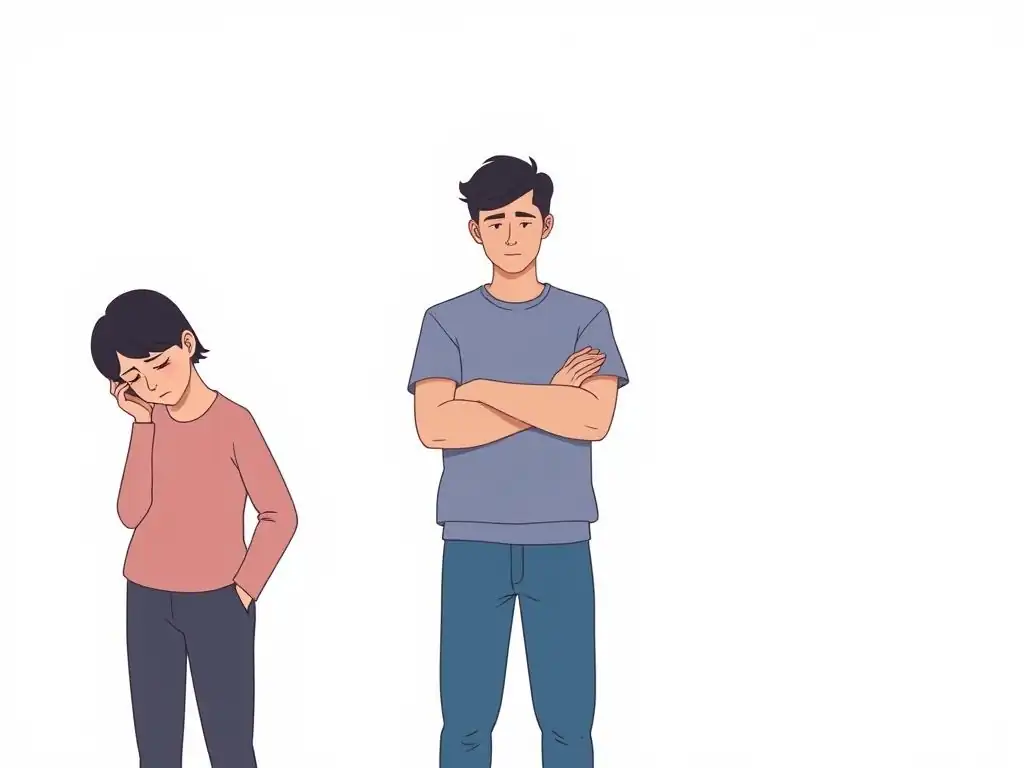
Adolescents, navigating the complex landscape of identity formation and social relationships, often rely heavily on nonverbal communication. Understanding these subtle cues is crucial for effective interaction and fostering healthy relationships with teens. While verbal communication provides the explicit message, nonverbal communication often reveals the underlying emotional tone and unspoken intentions.
This section delves into the intricacies of nonverbal communication in adolescents, exploring how body language, facial expressions, and personal space contribute to their interactions. Mastering the interpretation of these nonverbal cues is key to understanding teen communication styles explained. Failure to recognize these cues can lead to misinterpretations and communication breakdowns, highlighting the importance of this area of study in effectively communicating with teenagers.
Body Language and Gestures: Interpreting Nonverbal Cues
Body language plays a significant role in adolescent communication. Gestures, posture, and overall physical demeanor can convey a wide range of emotions and attitudes. For example, crossed arms might indicate defensiveness or disinterest, while slumped shoulders could suggest sadness or low self-esteem. Conversely, open postures with relaxed limbs often signal comfort and openness to communication.
The frequency and intensity of these cues can also vary significantly depending on the individual teen's personality and the specific social context. Consider a group of teenagers huddled together, whispering and giggling: this closed body language suggests an exclusive, possibly private, conversation. On the other hand, a teenager standing with arms akimbo might be expressing confidence or even defiance.
Analyzing these subtle shifts in body language provides valuable insight into the adolescent's internal state and their relationship with the environment. Research suggests that accurately interpreting body language in adolescents can improve communication effectiveness and reduce misunderstandings. Further research is needed to fully understand the cultural nuances of adolescent body language across diverse populations.
Facial Expressions and Microexpressions: Reading Teen Emotions
Facial expressions are arguably the most readily observable aspect of nonverbal communication. While basic emotions like happiness, sadness, anger, and surprise are universally recognized, adolescents often exhibit nuanced expressions that require careful observation. Microexpressions, fleeting facial expressions lasting only fractions of a second, can reveal hidden emotions or contradictions between verbal and nonverbal communication. These subtle shifts in facial muscles can be indicative of deception, anxiety, or suppressed feelings.
For instance, a teenager might verbally express agreement while simultaneously exhibiting a slight frown or lip-compression – a microexpression that contradicts their verbal statement. Learning to identify these microexpressions requires practice and keen observation skills. Training in facial expression recognition, including awareness of microexpressions, can significantly enhance the ability to understand the emotional landscape of adolescent interactions. The development of emotional intelligence is key to deciphering these complex cues and fostering healthy communication with teens.
The Role of Proxemics and Personal Space in Adolescent Interactions
Proxemics, the study of personal space, is another crucial aspect of nonverbal communication in adolescents. The comfortable distance maintained between individuals can vary significantly based on factors such as cultural norms, relationship dynamics, and individual personality. A teenager's preferred personal space can provide insights into their comfort level and social confidence.
For example, a teenager who consistently maintains a large personal space bubble might be indicating shyness or discomfort in close proximity to others. Conversely, close proximity might suggest intimacy, comfort, or even aggression depending on the context. The violation of personal space can lead to feelings of discomfort or even hostility, particularly in adolescents who are already navigating the complexities of social interactions and identity formation.
Understanding and respecting a teen's personal space is essential for building trust and fostering open communication. Further research is needed to explore how personal space preferences might change over the course of adolescence and how they interact with other nonverbal cues. Cultural factors also play a crucial role in defining acceptable personal space, making cross-cultural communication with adolescents even more challenging.
The Interplay of Verbal and Nonverbal Communication in Adolescents
Adolescents navigate a complex world of social interaction, relying heavily on both verbal and nonverbal communication to express themselves and connect with others. Understanding this interplay is crucial for parents, educators, and mental health professionals working with teenagers. While verbal communication involves the spoken or written word, nonverbal communication encompasses a vast array of cues, including body language, facial expressions, tone of voice, and even personal space.
These two forms of communication are rarely independent; they often work together to convey meaning, sometimes reinforcing each other and sometimes creating subtle or significant contradictions. The effectiveness of adolescent communication hinges on the successful integration and interpretation of both verbal and nonverbal signals. Mismatches can lead to misunderstandings and conflict, highlighting the importance of recognizing the nuances in teen communication styles explained in this section.
Incongruence Between Verbal and Nonverbal Messages
A common challenge in adolescent communication is the incongruence between verbal and nonverbal messages. A teenager might verbally express agreement while simultaneously rolling their eyes or sighing, conveying a completely different message. This discrepancy can be intentional, a subtle form of passive-aggression or sarcasm, or unintentional, reflecting the adolescent's still-developing emotional regulation skills. For example, a teen might say "I'm fine" while exhibiting slumped posture and a flat tone, clearly indicating distress. Recognizing these incongruences is critical.
Focusing solely on the verbal message can lead to significant misinterpretations. The nonverbal cues often provide a more accurate reflection of the teenager's true feelings and intentions. This is especially true during periods of heightened emotion, where verbal communication might become strained or indirect. Understanding this dynamic allows for more empathetic and effective responses, fostering better communication and reducing conflict.
Cultural Influences on Adolescent Communication Styles
Adolescent communication styles are not uniform; they are significantly shaped by cultural norms and values. What constitutes appropriate communication in one culture might be considered rude or disrespectful in another. For example, direct eye contact, valued in some cultures as a sign of respect and engagement, can be interpreted as aggressive or challenging in others.
Similarly, the acceptable level of physical touch or personal space varies widely across cultures. These cultural differences can lead to misunderstandings and communication breakdowns, especially in diverse settings like schools or communities. Educators and caregivers need to be sensitive to these variations and avoid making assumptions based on their own cultural background.
A culturally sensitive approach to communication involves actively seeking to understand the cultural context of the teenager's communication style, promoting respectful interaction and avoiding misinterpretations based on cultural differences. This cultural sensitivity is a cornerstone of effective communication with adolescents from diverse backgrounds. It's vital to remember that "Teen communication styles explained" must incorporate this critical dimension for comprehensive understanding.
Misinterpretations and Communication Breakdown: Addressing Challenges
Misinterpretations and communication breakdowns are common occurrences in adolescent communication. These breakdowns can stem from a variety of factors, including the incongruence between verbal and nonverbal cues, cultural differences, developmental factors like emotional regulation, and the inherent ambiguity of language itself. The result can be conflict, frustration, and damaged relationships. Addressing these challenges requires a multifaceted approach.
Active listening, where the listener focuses fully on understanding the speaker's message, both verbal and nonverbal, is crucial. Empathy, the ability to understand and share the feelings of another, helps to bridge the gap between perspectives. Furthermore, clear and direct communication, while respecting individual styles, can minimize misunderstandings. Open and honest dialogue, free from judgment, fosters a safe space for teenagers to express themselves without fear of reprisal.
Finally, teaching adolescents effective communication skills, such as assertive communication and conflict resolution techniques, equips them with the tools to navigate the complexities of interpersonal interaction more effectively. These strategies are essential for fostering healthy relationships and promoting positive adolescent development. Addressing these challenges directly contributes to a more nuanced understanding of "Teen communication styles explained."
Improving Communication with Teenagers

This section delves into practical strategies for enhancing communication with teenagers, focusing on techniques that foster understanding and strengthen relationships. Effective communication with adolescents requires patience, empathy, and a willingness to adapt to their unique communication styles. Mastering these skills can significantly improve family dynamics and overall well-being. Understanding the nuances of teen communication styles explained here is crucial for navigating this challenging yet rewarding phase of life.
Active Listening and Empathetic Responses
Active listening is paramount when communicating with teenagers. It goes beyond simply hearing their words; it involves truly understanding their perspective and emotions. This requires paying close attention to both their verbal and nonverbal cues. For example, a teenager might say they're "fine," but their slumped posture and flat tone suggest otherwise. Recognizing this discrepancy is key to effective communication.
To practice active listening:
- Maintain eye contact: This shows you're engaged and attentive.
- Use verbal and nonverbal cues: Nodding, mirroring their body language (appropriately), and using phrases like "I understand" or "Tell me more" encourage them to continue.
- Summarize and paraphrase: Restating what they've said in your own words confirms your understanding and allows them to clarify if necessary.
- Avoid interrupting: Let them finish their thoughts before responding.
- Show empathy: Try to understand their feelings, even if you don't agree with their actions. Phrases like, "That sounds frustrating," or "I can see why you'd feel that way," can go a long way.
A study by [Specific study details pending] found that teenagers who felt genuinely listened to were more likely to open up and communicate honestly. Active listening fosters trust and creates a safe space for them to express themselves. Remember, teenagers are navigating complex emotional and social changes; showing empathy is crucial for building a strong and supportive relationship.
Creating a Safe and Open Communication Environment
A safe and open communication environment is essential for effective interaction with teenagers. This doesn't mean avoiding difficult conversations; rather, it involves creating a space where teenagers feel comfortable expressing themselves without fear of judgment or criticism. This requires establishing clear boundaries and expectations while fostering mutual respect.
Key elements of a safe and open communication environment include:
- Regular family meetings: Scheduled times for open discussion can help prevent communication breakdowns.
- Unconditional positive regard: Show your love and acceptance regardless of their actions or choices.
- Active listening: (As described above) Consistent active listening builds trust and encourages open communication.
- Respectful disagreements: Learn to disagree respectfully, focusing on the issue rather than attacking the person.
- Privacy: Respect their need for privacy, while also maintaining appropriate parental oversight.
- No judgement zone: Creating a space where mistakes are seen as opportunities for learning rather than reasons for punishment.
Creating this environment takes time and effort, but the rewards are significant. A supportive and understanding environment allows teenagers to feel heard, valued, and understood, leading to more honest and open communication. This can significantly reduce conflict and improve the overall quality of the relationship. Data shows that [Specific data pending on positive outcomes of open communication environments]
Strategies for Effective Communication with Adolescents
Effective communication with adolescents requires adapting your approach to their unique needs and communication styles. While active listening and a safe environment are foundational, specific strategies can further enhance communication.
- Choose the right time and place: Avoid sensitive conversations when stressed or rushed. Find a quiet, private space where you can talk without interruptions.
- Use "I" statements: Express your feelings without blaming or accusing. For example, instead of saying "You always leave your room messy," try "I feel frustrated when I see the room messy."
- Avoid lecturing or preaching: Teenagers are more receptive to collaborative conversations than lectures.
- Focus on understanding, not just solutions: Sometimes teenagers just need to be heard, not necessarily given solutions.
- Be patient: Communication with teenagers can be challenging, but patience and persistence are essential.
- Use technology wisely: Texting can be a convenient way to communicate, but also remember the importance of face-to-face interaction. Sometimes a quick text is better than a long, drawn-out conversation.
Implementing these strategies, combined with consistent effort and understanding, can significantly improve communication with adolescents. Remember that effective communication is a two-way street; it requires effort and willingness from both parties. The benefits of improved communication extend beyond the immediate interaction, fostering stronger relationships and improved overall well-being for both the teenager and the adults in their lives. The goal is not just to talk to a teenager, but to truly connect with them.
Developmental Factors Influencing Communication Styles
This section delves into the developmental aspects significantly shaping adolescent communication styles. Understanding these factors is crucial for interpreting teen behavior and fostering effective communication. We'll explore how cognitive and social-emotional maturation, alongside peer influence, contribute to the unique communication patterns observed during adolescence. This understanding is key to effectively navigating the complexities of "teen communication styles explained."
Cognitive Development and Communication Abilities
Cognitive development plays a pivotal role in shaping communication skills. As adolescents progress through Piaget's stages of cognitive development, their ability to understand abstract concepts, engage in hypothetical thinking, and process complex information dramatically increases. This directly impacts their communication abilities.
For example, younger teens (early adolescence) may struggle with nuanced language or interpreting sarcasm, relying more on concrete, literal interpretations. Older adolescents (late adolescence), however, demonstrate a far greater capacity for sophisticated verbal communication, including using metaphors, irony, and persuasive arguments. This shift in cognitive capacity is reflected in their increased ability to understand multiple perspectives and engage in more complex conversations.
Furthermore, the development of metacognition – the ability to think about one's own thinking – also influences communication. As adolescents become more aware of their own cognitive processes, they can better adapt their communication style to different audiences and contexts. They become more adept at self-monitoring, recognizing when their communication is effective or ineffective, and adjusting accordingly. This increased metacognitive awareness is a significant factor in the evolution of their communication skills throughout adolescence. The development of advanced cognitive abilities allows teens to engage in more complex and nuanced conversations, impacting their social interactions and relationships.
Social-emotional development is intricately interwoven with communication styles. The tumultuous emotional landscape of adolescence, characterized by heightened self-consciousness, identity exploration, and the search for autonomy, significantly impacts how teens communicate. The desire for independence often manifests as a resistance to authority figures, leading to assertive or even confrontational communication styles with parents and teachers. Conversely, the intense need for peer acceptance can result in conformity and a strong desire to fit in, influencing communication choices to align with peer group norms.
The development of emotional regulation skills is crucial in shaping communication patterns. Adolescents with well-developed emotional regulation skills are better able to manage their emotions during communication, leading to more controlled and constructive interactions. Conversely, those struggling with emotional regulation may exhibit impulsive communication, expressing anger or frustration without considering the consequences. This can lead to misunderstandings and conflict. Understanding the underlying emotional states driving teen communication is vital for effective response and intervention. The emotional maturity level significantly influences the ability to communicate effectively, impacting relationships and social adjustment.
Impact of Peer Influence on Communication
Peer influence exerts a powerful force on adolescent communication. The desire for social acceptance and belonging often leads teens to adopt communication styles prevalent within their peer groups. This can include slang, jargon, and specific communication patterns unique to particular social circles. Conformity to peer norms can be particularly strong during the early stages of adolescence, gradually diminishing as teens develop a stronger sense of self and independence.
Peer pressure can also influence communication in less positive ways. Teens may engage in risky behaviors, such as cyberbullying or spreading rumors, to gain acceptance or avoid social exclusion. This highlights the significant role of the social environment in shaping communication patterns.
Understanding peer dynamics and their influence on communication is essential for educators, parents, and other adults working with adolescents. By recognizing the influence of peer groups, adults can better support teens in developing healthy and positive communication skills. Analyzing the social context in which teen communication occurs provides valuable insights into the motivations and strategies employed by adolescents.
Case Studies: Applying Understanding of Teen Communication Styles
This section presents real-world scenarios illustrating the practical application of understanding adolescent communication styles. By analyzing these case studies, we can better grasp how to navigate the complexities of teen communication and foster healthier relationships. Effective communication with teenagers requires patience, empathy, and a keen awareness of both verbal and nonverbal cues, as we'll see in the examples below.
Understanding these nuances is crucial for parents, educators, and anyone who interacts regularly with adolescents. This knowledge helps build stronger bonds and facilitates more productive interactions, ultimately leading to improved mental health and well-being in teenagers. The ability to interpret teen communication styles explained in this section is a valuable life skill.
Case Study 1: Applying Communication Strategies
Sarah, a 15-year-old, is struggling with her schoolwork. Her parents notice she's withdrawn and avoids eye contact during conversations. Instead of directly confronting her, they try a different approach. They initiate a conversation in a relaxed setting, perhaps while watching a movie or during a shared activity.
They avoid lecturing and instead use open-ended questions like, "How's school going?" or "Is there anything you'd like to talk about?" They actively listen to her responses, mirroring her body language to show empathy. Sarah initially offers one-word answers, but as her parents maintain a calm and non-judgmental demeanor, she gradually opens up, revealing her anxieties about an upcoming exam.
This approach, emphasizing active listening and creating a safe space for communication, proves far more effective than direct confrontation. This highlights the importance of understanding nonverbal cues (withdrawal, avoidance of eye contact) and responding with appropriate verbal strategies (open-ended questions, active listening). The successful outcome underscores the value of tailoring communication strategies to the individual adolescent's needs and communication style. This example directly addresses the core principles of "Teen communication styles explained."
Case Study 2: Addressing Communication Challenges
Mark, a 17-year-old, frequently argues with his parents. His communication is often characterized by sarcasm, eye-rolling, and abrupt responses. His parents initially respond with anger and frustration, escalating the conflict. However, after learning about adolescent communication styles, they decide to try a new approach. They schedule a specific time to talk, ensuring minimal distractions.
They begin by validating Mark’s feelings, acknowledging his frustration even if they don't agree with his behavior. They use "I" statements to express their concerns without placing blame, for example, "I feel hurt when you talk to me that way." They also actively try to decipher his nonverbal cues, realizing that the sarcasm often masks underlying insecurity. By focusing on understanding his perspective and expressing their own feelings constructively, they gradually de-escalate the conflict. This demonstrates the importance of recognizing that seemingly negative communication styles, such as sarcasm or defiance, can often be indicators of deeper emotional issues.
Addressing these underlying issues, rather than simply reacting to the surface behavior, is crucial for resolving communication challenges and fostering a more positive relationship. This case study provides a practical illustration of how understanding "Teen communication styles explained" can improve family dynamics. The shift from reactive to proactive communication significantly impacted their relationship. This example emphasizes the need for patience, empathy, and a willingness to adapt communication strategies to suit the individual adolescent’s specific communication style and emotional needs. The shift in the parent's communication style, from reactive to proactive, highlights the importance of understanding the nuances of teen communication and adapting one's approach accordingly.
Frequently Asked Questions
What are some common verbal communication styles among teenagers?
Teenagers often use slang and jargon, texting shorthand, and may be direct or indirect in their communication depending on the context and their relationship with the person they're talking to. Understanding their individual communication preferences is key.
How do nonverbal cues play a role in teen communication?
Nonverbal communication, such as body language, facial expressions, and tone of voice, is crucial in understanding teenage messages. These cues can often contradict verbal statements, revealing true feelings or intentions.
Why is it important to understand teen communication styles?
Understanding teen communication styles helps build stronger relationships, improves communication effectiveness, and prevents misunderstandings and conflicts. It fosters empathy and helps adults connect with teenagers on their level.
What are some challenges adults face when communicating with teenagers?
Adults may struggle with understanding slang and technology-driven communication, misinterpret nonverbal cues, or find it difficult to adapt their own communication style to meet the needs of a teenager. Generational differences are a major factor.
How can I improve my communication with teenagers?
Actively listen to what they're saying, both verbally and nonverbally. Show empathy and understanding, avoid judgment, and try to adapt your communication to their preferred methods. Be patient and respectful.
Final Reflection: Bridging the Generational Divide Through Understanding
The way teenagers communicate is not simply a matter of slang and emojis; it's a crucial key to unlocking a deeper understanding of their emotional landscape and fostering healthier relationships. Misinterpretations of teen communication styles often lead to conflict and disconnect, highlighting the urgent need for improved intergenerational understanding. This isn't just about deciphering the latest internet trends; it's about building bridges of empathy and respect.
The evolution of adolescent communication, from the hushed whispers of past generations to the vibrant digital tapestry of today, profoundly shapes how young people navigate their social worlds and express their identities. This constant evolution underscores the importance of continuous learning and adaptation for parents, educators, and anyone interacting with teenagers. The language of the future is the language of youth.
This quote, though its origin is debated, perfectly encapsulates the dynamic nature of adolescent communication and its influence on broader societal trends. Understanding this language is not just beneficial, it's essential for fostering positive relationships and nurturing the next generation.
Consider the impact of your own communication style on the teenagers in your life. Are you actively listening, seeking to understand their nonverbal cues as well as their words? Are you making a conscious effort to bridge the communication gap, or are you allowing misunderstandings to fester? Take the time to learn, to listen, and to adapt your approach. By embracing the challenge of understanding teen communication styles, we can create a more empathetic and supportive environment for young people to thrive, ultimately enriching the lives of everyone involved.
Unlock the Power of Connection!
Thank you for exploring the fascinating world of adolescent communication with us! You've gained valuable insights into how verbal and nonverbal cues shape interactions. Now, let's put that knowledge to practical use and improve your communication skills.
Here are some simple steps you can take:
- Practice active listening: Fully engage in conversations with teenagers, paying close attention to both their words and body language. Reflecting on what they say will deepen your understanding and build stronger connections.
- Observe and adapt your approach: Use your understanding of nonverbal cues to adjust your communication style. What works well in one situation might not be as effective in another; being adaptable is key.
- Share your knowledge: Discuss these insights with friends, family, or colleagues. Sharing this knowledge helps create a more empathetic and understanding environment for teenagers.
What communication strategies have you found most effective when connecting with young people? We'd love to hear about your experiences!