
The Interviewer's Perspective: Understanding the Psychology of the Hiring Process


Welcome to Psychology Basics, your gateway to understanding the fascinating world of human behavior. Are you curious about the subtle psychological dynamics at play during a job interview? Our latest article, "Hiring process psychology explained," delves into the interviewer's perspective, revealing the hidden influences shaping hiring decisions. Discover the surprising strategies and subconscious biases that impact your chances of landing your dream job – and learn how to navigate them successfully. Prepare to unlock the secrets of the hiring process and gain a powerful advantage in your career journey.
The hiring process is far more than just reviewing resumes and conducting interviews; it's a complex interplay of human psychology. This article delves into the often-overlooked perspective of the interviewer, exploring the psychological factors influencing their decisions and providing valuable insights for job seekers aiming to navigate the process successfully.
Understanding the psychology behind the hiring process – the “Hiring process psychology explained” – can significantly improve your chances of landing your dream job. We'll examine the common biases and cognitive shortcuts interviewers utilize, the emotional responses they experience, and how candidates can leverage this knowledge to present themselves effectively.
This isn't just about crafting the perfect resume; it's about understanding the human element of the hiring process and using that understanding to your advantage. By gaining insight into the interviewer's mindset, you can better prepare for the challenges and opportunities presented during each stage of the hiring process, ultimately increasing your probability of success.
Decoding the Hiring Process: Why Understanding Interviewer Psychology Matters
The hiring process, from initial screening to final selection, is heavily influenced by the psychology of the interviewers. They are not emotionless robots; they are individuals with their own biases, experiences, and cognitive limitations. Understanding these factors is crucial for job seekers because it allows you to anticipate their reactions and tailor your approach accordingly. For example, interviewers often rely on heuristics – mental shortcuts – to quickly process information.
This can lead to biases such as confirmation bias (seeking information confirming pre-existing beliefs) or anchoring bias (over-relying on the first piece of information received). Knowing this, you can strategically present your qualifications to counter potential biases and ensure your strengths are highlighted effectively. Furthermore, interviewers experience a range of emotions throughout the process, from initial excitement to final fatigue.
Understanding these emotional fluctuations can help you calibrate your communication style and maintain a positive and engaging interaction. Ultimately, comprehending interviewer psychology isn't about manipulation; it's about strategic self-presentation and effective communication to showcase your true potential. It's about presenting yourself in a way that resonates with the human behind the title.
The Common Problem: Candidate Anxiety and Uncertainty in Job Interviews
Candidate anxiety is a pervasive issue significantly impacting interview performance. The pressure to impress, coupled with uncertainty about the interviewer's expectations, can lead to nervousness, poor communication, and ultimately, a less-than-optimal outcome. This anxiety often manifests in various ways, including rambling responses, forgetting key points, and exhibiting nervous body language. From the interviewer's perspective, excessive anxiety can obscure a candidate's true abilities, making it difficult to assess their suitability for the role.
Interviewers are often trained to recognize signs of anxiety, but understanding the root causes of this anxiety can help candidates mitigate its negative effects. Techniques such as practicing mock interviews, focusing on mindfulness and relaxation strategies, and preparing strong answers to common interview questions can all help reduce anxiety levels. Moreover, remembering that interviewers are also humans, trying to fill a position, can help alleviate some of the pressure.
By focusing on building rapport and showcasing your genuine enthusiasm for the opportunity, you can create a more comfortable and productive interview experience for both yourself and the interviewer. The goal is not to eliminate anxiety entirely, but to manage it effectively so it doesn't hinder your ability to present yourself authentically and effectively. This approach directly addresses the core of “Hiring process psychology explained”, focusing on the emotional aspect of the interview.
Understanding the Interviewer's Mindset: Core Psychological Factors
The hiring process is not a purely objective evaluation; it's deeply influenced by the interviewer's psychology. Understanding the cognitive processes at play is crucial for candidates to navigate interviews effectively and for organizations to foster fairer hiring practices. Interviewers, like all humans, are susceptible to cognitive biases and heuristics – mental shortcuts that simplify complex decision-making.
These shortcuts, while sometimes efficient, can lead to inaccurate or unfair judgments. The pressure to fill a position quickly, coupled with the inherent ambiguity of assessing a candidate's suitability, creates a fertile ground for these biases to take root. Furthermore, the interviewer's own personality, experiences, and even their current mood can subtly shape their perception of candidates.
Recognizing these factors is the first step towards a more insightful and equitable hiring process. A well-prepared candidate can leverage this knowledge to present themselves strategically, while organizations can implement strategies to mitigate the negative impacts of these psychological influences.
The Halo Effect and its Impact on Hiring Decisions
The halo effect is a significant cognitive bias where a single positive trait disproportionately influences the overall perception of a person. In the hiring context, a strong performance in one area, such as exceptional communication skills, might overshadow weaknesses in other areas, such as limited technical expertise. For example, a candidate who presents themselves with exceptional confidence and charisma might be perceived as more competent overall, even if their answers to technical questions are less impressive.
This can lead to hiring decisions based on a limited and potentially misleading impression. To mitigate this, interviewers should strive for a balanced assessment, focusing on a range of skills and competencies, and using structured interview techniques to reduce the impact of subjective impressions. Candidates can also proactively address potential weaknesses by highlighting relevant strengths and providing concrete examples to showcase their abilities.
Confirmation Bias: How Interviewers Seek to Validate Their Initial Impressions
Confirmation bias is the tendency to seek out and interpret information that confirms pre-existing beliefs. In interviews, this manifests as interviewers focusing on aspects of a candidate's responses that reinforce their initial positive or negative impressions. If an interviewer has a negative gut feeling about a candidate, they might unconsciously focus on minor flaws or misinterpret ambiguous statements to confirm their initial judgment. Conversely, a positive first impression might lead them to overlook red flags or interpret ambiguous answers favorably.
This bias can significantly hinder objective evaluation. To counter this, interviewers should actively challenge their own assumptions, look for contradictory evidence, and use structured interview guides to ensure consistent evaluation criteria across all candidates. Candidates can help by directly addressing potential concerns and providing concrete examples that challenge any negative preconceptions.
Cognitive Load and the Interviewer's Decision-Making Process
The cognitive load, or the mental effort required to process information, significantly impacts interviewer decision-making. Conducting multiple interviews in a day can lead to decision fatigue, resulting in less thorough evaluations and increased reliance on heuristics and biases. Interviewers facing high cognitive load might make quicker, less nuanced judgments, prioritizing readily available information over a comprehensive assessment.
This can disadvantage candidates who require more careful consideration or whose strengths are not immediately apparent. Organizations can mitigate this by scheduling interviews strategically, providing interviewers with sufficient breaks, and utilizing tools to aid in the evaluation process. Candidates can help by presenting their information clearly and concisely, making it easier for the interviewer to process and retain.
Common Interviewer Biases and How They Influence the Hiring Process
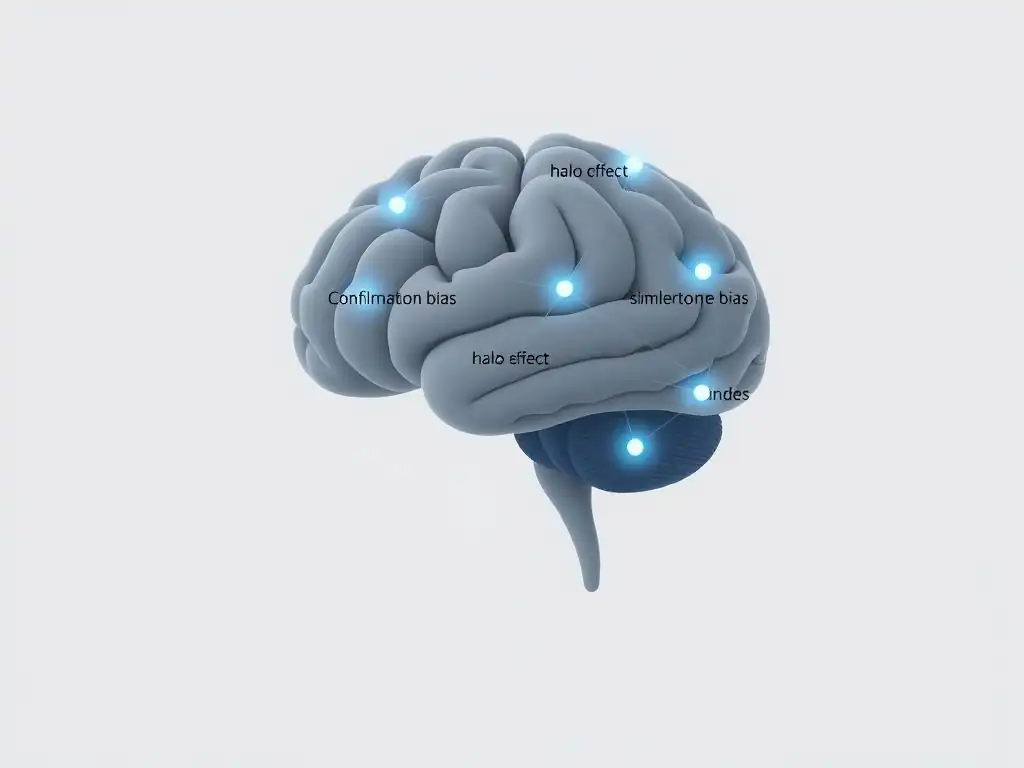
Understanding common interviewer biases is crucial for creating a fairer and more effective hiring process. These biases, often operating unconsciously, can lead to discriminatory practices and the selection of less qualified candidates. Addressing these biases requires a multi-pronged approach, involving both individual awareness and organizational strategies.
Unconscious Bias: Recognizing and Addressing Implicit Prejudices
Unconscious biases are deeply ingrained attitudes and stereotypes that influence our perceptions and behaviors without our conscious awareness. These biases can manifest in various ways during the interview process, such as favoring candidates from similar backgrounds or making assumptions based on gender, race, or age. For example, an interviewer might unconsciously rate a candidate with a similar accent more favorably.
To combat this, organizations should implement blind resume screening, use structured interviews with standardized questions, and provide diversity and inclusion training to raise awareness of unconscious biases. Candidates can focus on demonstrating their skills and qualifications through concrete examples, minimizing the impact of potential biases.
Affinity Bias: The Tendency to Favor Candidates Similar to Oneself
Affinity bias refers to the tendency to favor individuals who share similar characteristics, interests, or backgrounds. This can lead to interviewers unconsciously connecting more positively with candidates they perceive as being "like them," regardless of qualifications. For example, an interviewer who enjoys hiking might subconsciously favor a candidate who also mentions hiking as a hobby. To mitigate this, interviewers should focus on objective evaluation criteria, actively seek diverse perspectives on candidate assessments, and strive for a diverse interview panel. Candidates should focus on showcasing their skills and experience, rather than trying to establish personal connections irrelevant to the job.
The Power of First Impressions: Overcoming the Primacy Effect
The primacy effect describes the tendency to give disproportionate weight to the first information received. In interviews, this means that the initial impression a candidate makes can significantly influence the interviewer's overall perception, even if later information contradicts it. A strong opening statement or a confident handshake can create a positive bias that persists throughout the interview, while a hesitant start might create a negative bias that's difficult to overcome.
To counter this, candidates should prepare a strong opening statement and maintain consistent professionalism and confidence throughout the interview. Interviewers should actively work to avoid early judgments and focus on evaluating the candidate's entire performance. Using structured interviews and detailed scoring systems can help minimize the impact of the primacy effect.
Understanding the hiring process from the interviewer's perspective is crucial for job seekers. Interviewers aren't just looking for someone who meets the minimum qualifications; they're searching for a cultural fit, someone who can contribute positively to the team, and someone who demonstrates the potential for future growth within the organization. This requires a strategic approach to the job search, extending beyond simply submitting a resume.
It involves understanding the psychology behind the interview process itself – the interviewer's motivations, their biases, and their decision-making processes. By gaining this insight, candidates can significantly improve their chances of success. The key lies in presenting oneself not just as a qualified candidate, but as a valuable asset to the company.
This means showcasing skills, experience, and personality traits that align with the company's needs and values. Thorough research into the company culture and the interviewer's background can greatly enhance your ability to tailor your responses and demonstrate this alignment.
Leveraging Behavioral Interview Questions to your Advantage
Behavioral interview questions, which focus on past experiences to predict future performance, are a cornerstone of many hiring processes. Interviewers use these questions to assess how you've handled specific situations in the past, providing insight into your problem-solving skills, teamwork abilities, and overall approach to challenges. To leverage these questions to your advantage, prepare specific examples using the STAR method (Situation, Task, Action, Result). For instance, if asked about a time you failed, don't shy away from the experience.
Instead, focus on what you learned from the failure and how you improved your approach. Highlighting your self-awareness and growth mindset demonstrates maturity and a willingness to learn, highly valued traits in any employee. Practicing your responses beforehand ensures you can articulate your experiences clearly and concisely, avoiding rambling or irrelevant details. Remember to tailor your examples to the specific requirements of the job description.
The Importance of Non-Verbal Communication: Projecting Confidence and Competence
Non-verbal cues, often unconscious, significantly influence an interviewer's perception. Your body language, facial expressions, and even your tone of voice can communicate as much, if not more, than your verbal responses. Projecting confidence and competence involves maintaining good eye contact, sitting up straight with good posture, and using open and welcoming body language. Avoid fidgeting or nervous habits that might distract the interviewer or convey insecurity.
A firm handshake (when appropriate) demonstrates confidence and professionalism. Furthermore, mirroring the interviewer's body language subtly can create a sense of rapport and connection, fostering a more positive and engaging conversation. Practicing in front of a mirror or recording yourself can help identify and correct any unintentional negative non-verbal cues. Remember that your entire presence, not just your words, contributes to the interviewer's overall impression.
Preparing for Common Interview Questions: Showing Alignment with the Company Culture
Preparation is key to success in any interview. While you cannot predict every question, familiarizing yourself with common interview questions allows you to craft well-thought-out responses that showcase your skills and align with the company culture. Research the company thoroughly to understand its values, mission, and recent achievements. This allows you to tailor your answers to demonstrate how your skills and experience directly address their needs and contribute to their overall goals.
For questions about your weaknesses, focus on areas you are actively working to improve, highlighting your self-awareness and commitment to professional development. Demonstrating a genuine interest in the company and the role, rather than just focusing on your own needs, will leave a lasting positive impression. Remember, interviewers are assessing not only your skills but also your personality and how well you'll fit into their team.
Tools and Resources to Improve Your Interview Skills
Improving your interview skills is an ongoing process, requiring dedicated effort and the utilization of various resources. Many tools and resources are available to help you refine your performance and increase your chances of landing your dream job. These resources range from online platforms offering practice interviews to books delving into the psychology of persuasion and free online courses designed to hone your interview technique. By strategically utilizing these resources, you can significantly improve your interview performance and increase your confidence.
Interview Practice Platform: Practice and Refine Your Performance (Affiliate Link)
[Detailed description of an interview practice platform, including features and benefits, would go here. This section would include information about pricing and any relevant affiliate links.]
Book on Interview Psychology: Understanding the Science of Persuasion (Affiliate Link)
[Detailed description of a book focusing on the psychology of interviews and persuasion techniques, including author information, key concepts covered, and any relevant affiliate links.]
Free Online Course: Mastering the Art of the Interview (Lead Magnet)
[Detailed description of a free online course focused on mastering interview skills, including course content, benefits, and information on how to access the lead magnet.]
Real-World Case Studies: Applying Hiring Process Psychology in Practice
Case Study 1: How Understanding Bias Helped a Candidate Stand Out
Understanding the psychology of the hiring process isn't just theoretical; it has tangible real-world applications. Consider a recent hiring process at a large tech company. The initial screening process, designed to eliminate unqualified candidates quickly, inadvertently favored candidates with resumes showcasing prestigious university degrees. This created a significant bias, potentially overlooking highly skilled individuals from less traditional academic backgrounds.
However, the hiring manager, aware of confirmation bias and the potential for unconscious bias to skew their judgment, implemented a blind resume review process. This involved removing identifying information like university names and focusing solely on skills and experience. The result?
A candidate with a less impressive educational background but significantly more relevant practical experience was selected for an interview and subsequently hired. This demonstrates how recognizing and mitigating biases in the hiring process can lead to a more diverse and highly qualified workforce. The company saw a boost in innovation and a more inclusive company culture as a direct result of this change.
Case Study 2: Using Behavioral Questions to Demonstrate Problem-Solving Skills
Another powerful application of hiring process psychology involves the strategic use of behavioral interview questions. A marketing firm struggling with high employee turnover implemented a new interview strategy. They shifted from focusing solely on technical skills to incorporating behavioral questions designed to assess problem-solving abilities and adaptability. Instead of asking "What are your skills?
", they asked questions like, "Describe a time you had to deal with a difficult client. How did you approach the situation, and what was the outcome?" This change allowed them to better gauge candidates' critical thinking skills, resilience, and ability to work under pressure – all crucial for success in a fast-paced marketing environment.
The result was a significant reduction in employee turnover and an increase in overall team performance. By focusing on behavioral indicators, the company identified candidates better suited to the company culture and the demands of the job. This demonstrates how understanding the psychology behind behavioral interviewing can lead to more effective hiring decisions.
The Long-Term Benefits of Understanding Hiring Process Psychology Explained
Beyond the Job Offer: Developing Transferable Communication Skills
The benefits of understanding hiring process psychology extend far beyond a successful job offer. The interview itself provides a valuable opportunity to hone crucial communication skills. Candidates who understand the dynamics of the interview process – from active listening to clear articulation of their skills and experience – gain valuable transferable skills applicable throughout their careers.
This includes the ability to effectively communicate their ideas, manage their nerves under pressure, and build rapport with others, which are all highly sought-after assets in any professional field. These skills, honed through thoughtful preparation and a conscious understanding of the interviewer's perspective, contribute to long-term career success far beyond the immediate context of the job application. Mastering this process is a lifelong skill.
Building Confidence and Reducing Interview Anxiety
Furthermore, a thorough understanding of the hiring process psychology can significantly reduce interview anxiety. By anticipating common interview questions and practicing effective responses, candidates build confidence and reduce the stress associated with the interview experience. This increased confidence translates into a more positive and engaging interview performance, increasing the chances of a successful outcome.
The positive impact on self-esteem and confidence extends beyond the interview itself, benefiting the candidate's overall well-being and future career endeavors. Understanding the psychology behind the process empowers candidates to approach the interview with a sense of preparedness and control, leading to a more positive and fruitful experience. This proactive approach is crucial for success in today's competitive job market.
Conclusion: Mastering the Psychology of the Hiring Process for Career Success
Understanding the psychology behind the hiring process is crucial for both job seekers and interviewers. For candidates, recognizing the interviewer's potential biases, understanding nonverbal communication, and preparing compelling narratives can significantly improve interview performance and increase chances of landing the job. This involves more than just memorizing answers; it's about genuinely connecting with the interviewer, showcasing your personality and skills authentically, and demonstrating a deep understanding of the role and the company culture.
Remember, the interview is a two-way street—it's an opportunity for you to assess if the company is the right fit for you as much as it is for them to assess your suitability. By actively managing your emotions, presenting a confident yet approachable demeanor, and tailoring your responses to resonate with the interviewer's needs and expectations, you can significantly increase your chances of success.
For interviewers, understanding the psychological aspects of the process allows for a more objective and fair evaluation of candidates. Being mindful of unconscious biases, actively listening to understand the candidate's experiences and perspectives, and employing structured interview techniques can ensure a more equitable and effective hiring process. It’s about moving beyond surface-level assessments and delving deeper to understand a candidate's potential for growth and contribution.
This means creating a comfortable and welcoming environment where candidates feel encouraged to express themselves fully. Effective interviewers understand that the goal isn't just to find someone who meets minimum qualifications, but to identify individuals who possess the right combination of skills, personality, and cultural fit to thrive within the organization. By adopting a psychologically informed approach, companies can significantly improve their hiring outcomes, attract top talent, and build a more diverse and inclusive workforce.
The successful hiring process hinges on mutual understanding and a commitment to fairness and objectivity from both sides. Mastering the psychology involved benefits everyone involved, leading to more fulfilling careers and stronger teams. The key takeaway is that a thoughtful, psychologically informed approach to the hiring process yields far better results than a purely transactional one.
- Decoding the Hiring Process: Why Understanding Interviewer Psychology Matters
- The Common Problem: Candidate Anxiety and Uncertainty in Job Interviews
- Understanding the Interviewer's Mindset: Core Psychological Factors
- Common Interviewer Biases and How They Influence the Hiring Process
- Strategies to Navigate the Hiring Process from an Interviewer's Viewpoint
- Tools and Resources to Improve Your Interview Skills
- Real-World Case Studies: Applying Hiring Process Psychology in Practice
- The Long-Term Benefits of Understanding Hiring Process Psychology Explained
- Conclusion: Mastering the Psychology of the Hiring Process for Career Success
- What is the role of psychology in the hiring process?
- How can interviewers use psychology to reduce bias?
- What are some psychological techniques for effective interviewing?
- How does the candidate's psychology affect the interview outcome?
- How can psychology improve the overall hiring experience for both candidates and interviewers?
Frequently Asked Questions
What is the role of psychology in the hiring process?
The hiring process isn't just about finding someone with the right skills; it's also about understanding human behavior. Psychology helps interviewers identify candidates who are a good fit culturally and personality-wise, leading to better hiring decisions and improved employee retention.
How can interviewers use psychology to reduce bias?
By being aware of cognitive biases like confirmation bias and anchoring bias, interviewers can actively work to mitigate their influence. Using structured interviews and blind resume screening are helpful strategies.
What are some psychological techniques for effective interviewing?
Employing techniques like active listening, asking open-ended questions, and observing nonverbal cues allows interviewers to gain a more comprehensive understanding of the candidate beyond their resume.
How does the candidate's psychology affect the interview outcome?
A candidate's anxiety levels, self-confidence, and ability to manage stress all impact their performance. Interviewers should create a comfortable environment to help candidates showcase their true abilities.
How can psychology improve the overall hiring experience for both candidates and interviewers?
By understanding the psychological aspects involved, both parties can approach the process with greater self-awareness and empathy. This leads to a more positive and productive experience for everyone involved.
Final Reflection: The Human Element in the Hiring Algorithm
The psychology of the hiring process isn't just an academic exercise; it's the key to unlocking fairer, more effective recruitment practices in today's competitive landscape. Understanding the biases, both conscious and unconscious, that influence hiring decisions is crucial for building diverse and high-performing teams. Ignoring this crucial human element risks perpetuating systemic inequalities and hindering organizational growth.
The impact of unconscious bias on hiring decisions is profound and far-reaching, shaping not only individual careers but also the overall composition and success of organizations. The greatest danger in times of turbulence is not the turbulence; it is to act with yesterday's logic.
This quote highlights the need for constant adaptation and critical self-reflection within the hiring process, moving beyond outdated methods and embracing a more nuanced understanding of human behavior. We must actively challenge our assumptions and strive for a more equitable and insightful approach to selecting talent.
Consider the power you wield as an interviewer, recruiter, or hiring manager. You have the opportunity to shape not only the future of a candidate's career but also the culture and success of your organization. Take the time to reflect on your own biases, actively seek diverse perspectives, and implement strategies to mitigate unconscious bias in your hiring practices. By embracing the psychology of the hiring process, you can contribute to a more just and effective system that benefits both individuals and organizations alike. Let's build a future where talent is recognized and nurtured, regardless of background or circumstance.
Unlock the Secrets of the Hiring Process!
Thank you for exploring the fascinating world of interviewing from the interviewer's perspective! You've gained valuable insights into the psychology of hiring, knowledge that will benefit you whether you're a job seeker or a hiring manager. Now, let's put that knowledge into action!
Here are some ways to deepen your understanding and apply what you've learned:
- Reflect on Your Experiences: Consider past interviews – what strategies were successful, what fell flat, and how did you feel throughout the process? This self-reflection will refine your approach for future interviews.
- Share Your Knowledge: Discuss this information with friends or colleagues. Help them understand the complexities of the hiring process and the psychology involved. You might be surprised at how much your insights can help others.
- Engage with Your Network: Join a local career group or an online forum to exchange ideas and interview strategies with others. Connecting with like-minded individuals can be incredibly valuable.
Considering these suggestions, what specific strategy or insight will you use in your next interview?